I watched the premiere of an online concert version of Barber of Seville, available until June 12th.
It’s semi-staged, meaning that you watch the cast perform the opera in formal attire, Figaro miming shaving Bartolo, the lights flashing for the storm music in the last act. But even so it feels like a huge step forward considering that one of the last live operas I saw before the pandemic was the COC Barber way back on January 20th 2020.
Oh my what a breath of fresh air, to be able to see this light-hearted opera again.
Hugo Laporte gives us a Figaro with a lovely full tone, and the ability to do the comedy even in his tux. Sarah Bissonnette as Rosina is a genuine mezzo with a wonderful colour, bold from top to bottom of her range, totally believable. Doug MacNaughton’s Bartolo handles all the quick patter, with a beautiful sound throughout. Alain Coulombe’s Basilio may not be the wackiest you’ve ever seen, but it’s well sung.
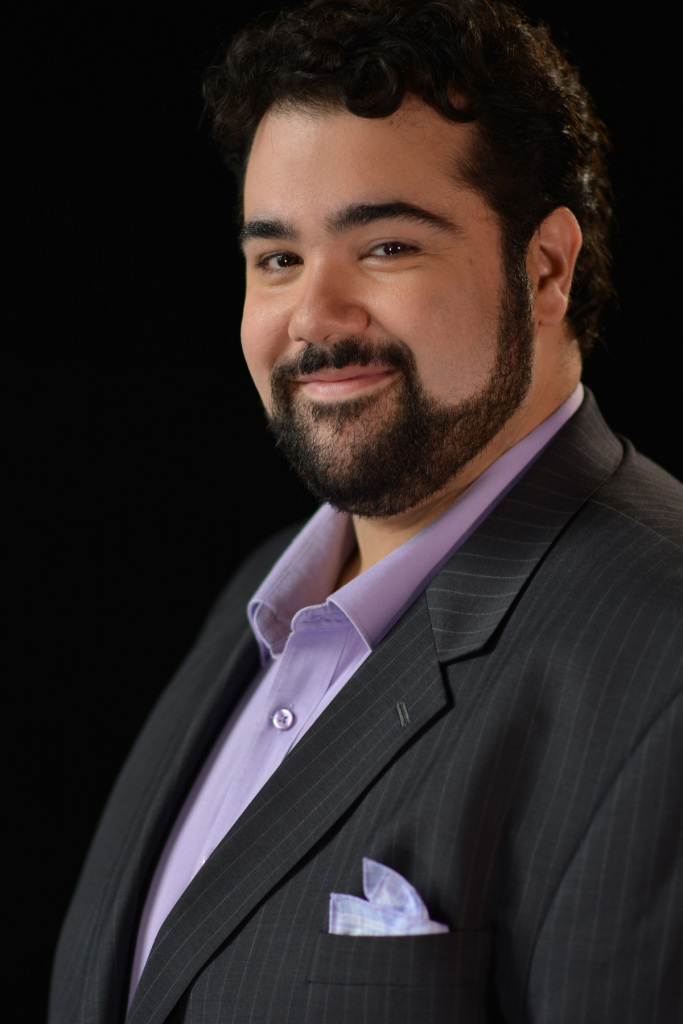
And then there’s the Count. I’ve missed the voice of tenor Andrew Haji.
Tenor Andrew Haji (photo: Veronika Roux)
Haji gave us genuine bel canto, smooth as silk from top to bottom complete with multiple high Cs. The voice is glorious.
The adaptation uses a narrator, leaving out much of the recitative. Although it may have been intended to save time, the resulting opera (at two hours and 15 minutes) is close in length to the COC Barber, once you remove the intermission. I would rather have the recit, especially in the scenes involving Bartolo and Figaro.
Even so wow, it’s a blast hearing this opera again, especially with Haji. While I found the overture a bit slow, the musical direction from Jean-Michel Malouf was excellent, especially in the ensembles, where we heard everyone. Rossini was well-served.
I’m no cowboy. This probably won’t be news to you, but I wanted to state it up front.
The first word in the headline may resemble a typo, if you assume I meant “doggies”. No I meant it the way I spelled it, “dogies”. If you’re like me, you’ll know it through an old-time cowboy song containing the phrase “get along little dogie”.
I dimly recall Roy Rogers singing the song on TV long ago. Through the miracle of Youtube it’s here for you to see, quite a stunning song actually.
I see that the melody probably came from Ireland originally.
There’s sadness in the song (speaking of misfortune), so it’s no surprise that the google definition for “dogie” is motherless or neglected calf. If you’re a cowboy and see a calf that’s alone without a mom? I guess that’s a dogie. In Roy Rogers’ song it’s a matter of sentiment, that the poor little orphan separated from its mother must forever wander, a tiny exile seeking a new home with the herd.
It seems apt after writing yesterday about the TV show Mom and my own mother.
Before I ever looked up the meaning of the word, though, there was the song sung by Yosemite Sam, a parody of the old tune. Instead of the compassionate voice of Roy Rogers, you get the rough & tumble belligerent. I have to be careful when I speak of the cartoon Sam that I be crystal clear that I’m not speaking of my dog Sam (short for Samantha: but nobody ever calls her the long version of her name).
The cartoon song made me laugh when I was younger, although now that I know what “dogie” means I won’t laugh again.
The words go like this:
“I can’t git a long little dogie I can’t even get one that’s small I can’t git a long little dogie I can’t even get one at all.”
“Great horny toads”..! And in case you’re wondering, the word “Yosemite” has four syllables, not the three you might have heard from a certain politician.
When I looked up the origins of ”dogie” I saw several possible definitions. The one that caught my eye is the first mentioned in the following excerpt from Cowboy Chronicles (I highlight some of the text)
“In Western Words Ramon F. Adams gives one possible etymology for dogie, whose origin is unknown. During the 1880s, when a series of harsh winters left large numbers of orphaned calves, the little calves, weaned too early, were unable to digest coarse range grass, and their swollen bellies “very much resembled a batch of sourdough carried in a sack.” Such a calf was referred to as dough-guts. The term, altered to dogie according to Adams, “has been used ever since throughout cattleland to refer to a pot-gutted orphan calf.” Another possibility is that dogie is an alteration of Spanish dogal, “lariat.” Still another is that it is simply a variant pronunciation of doggie.”
Dough-guts!? So sad to imagine a bloated calf, weaned too early, orphaned, forced away from his / her mother cow.
Wow no wonder they sing such sad songs.
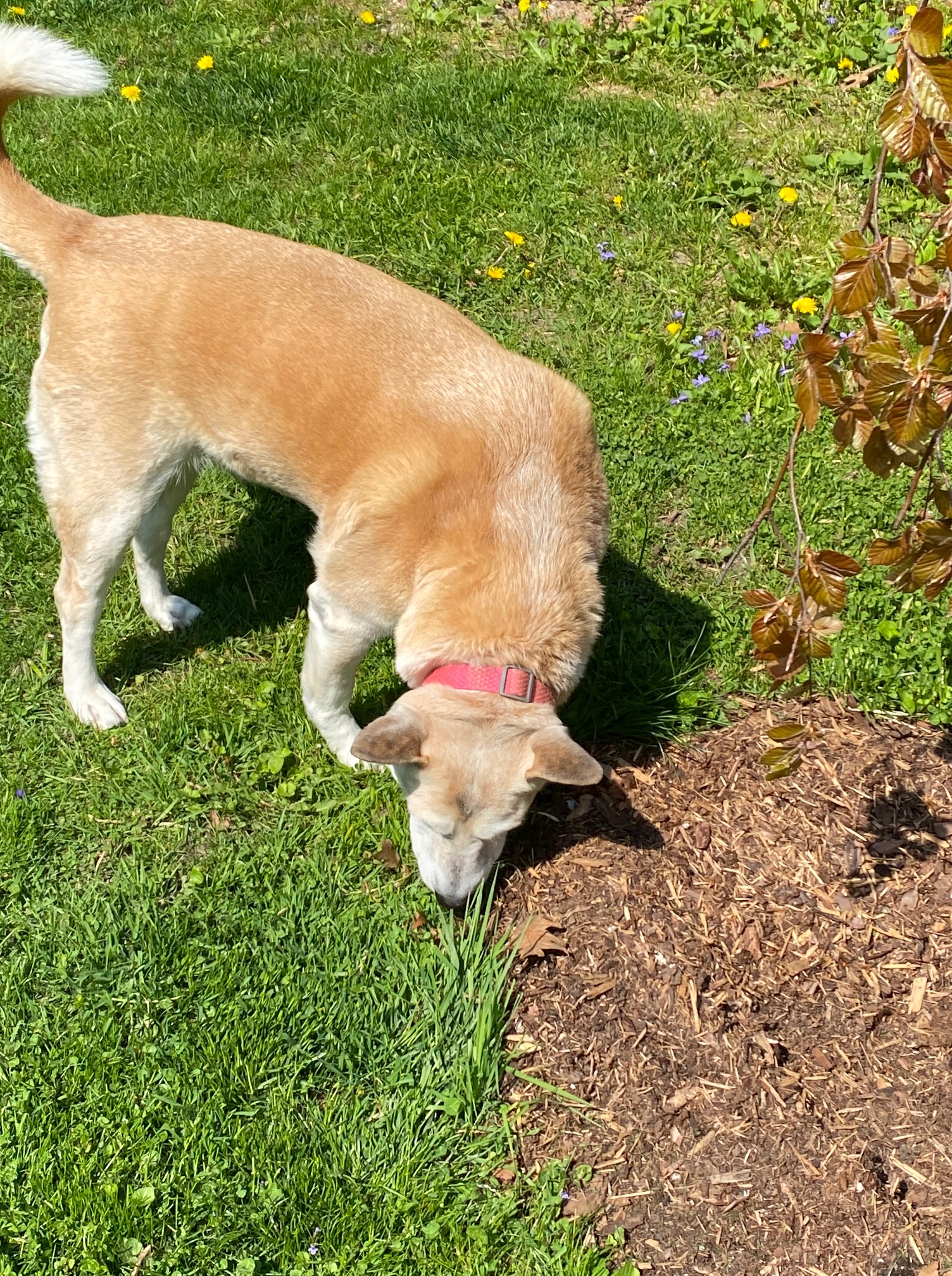
I was watching my own Sam eating grass this week. She does that as a remedy, living with tummy troubles (especially her liver) that almost killed her. Of course she’s a carnivore and she’s 14 years old, so the grass might help her feel better.
The picture is a bit of whimsy, Sam seeming to float with the flower.
If you don’t have your glasses on (hello! That was how I took the photo), the alignment of dog + flower is much easier to do, because everything is a bit blurry, vague. I suppose, too, I’m thinking of intoxication after writing about the TV show Mom, which features alcoholics & their attempts to recover. Intoxication can be a nice thing, if it helps one to perceive beauty.
I was not intoxicated, please note. I was just a bit high on the flowers and my beautiful dog.
It struck me, after I shared the picture. I was thinking of coining an aphorism, something like “ambiguity is the root of poetry.” Or perhaps “precision is not problematic and too bad”.
When something is in the language of safety, unambiguous, it is designed to defeat allusiveness. We don’t want someone to hint that they want help. You don’t call 911, and then ask the operator to guess what you want. Signification that is denotative, aiming to be clear & precise is the opposite of something connotative, suggestive.
I was thinking of how Maurice Denis, the artist who did the cover art for the program at the premiere of Maeterlinck’s Pelléas et Mélisande May 17, 1893 (the single performance attended by Claude Debussy), used his girlfriend in all his art: that is until she became his wife. I think it was later that same year that they were married.
Maurice Denis’s cover of program of Pelléas et Mélisande, May 17 1893
The face is vague, indistinct. It is, dare I say it, ambiguous for its cartoony lack of precision.
With the absence of precision we move in the direction of something symbolic, universal. Perhaps we might say “symbolist”. All women become like the angelic figures in Denis’ paintings. It’s a lovely thought.
“L’Echelle Dans Le Feuillage” by Maurice Denis,
I don’t mistake my photo of Sam for art, but it was a fun picture all the same. Ambiguity made it possible to see the dog as though she were on top of the flower, as though the flower were a big spheroid, rather than a small flower seeming large because i was shooting from up close.
I wondered how my photo of Sam might be received. So far the “reviews” (comments on social media) have been very kind & friendly.
I’m very lucky that my mother is still alive, an amazing example. My dad passed away when I was very young, so my family is matriarchal, lucky for us. I only have 3 or 4 solid memories of my father. I was five when he died. Meanwhile, my mom is still intellectually sharp, a source of wisdom and a whole lot of fun.
Case in point, today’s lesson. My mom developed a mild infection in her eye last weekend. By mid-week her self-care had brought it under control, and today it’s almost completely gone.
She giggled as she recited a little verse for me.
The pimple popped, I have no pain From now on? I can’t complain.
She’s been doing lots of versifying, and sharing her words of wisdom. I could do worse than to be explaining why there’s no reason to be upset, in rhyme.
But that’s not what the headline meant. Forgive me.
My favorite television show just had its last episode after an eight season run, namely Mom. With a family like mine it was inevitable i’d love it to pieces.
In case you didn’t know it’s a show about a mother & daughter. They are both recovering alcoholics & addicts, struggling with recovery, blame & judgment and their survival. It’s the darkest comedy I’ve ever seen yet it’s very funny too.
Please note, I’m not in recovery but I was a serious drinker in my 20s, coping with undiagnosed arthritis for over a decade, using beer & cannabis for pain relief, as I clung to my sanity (wondering if the pain was all in my head, as at least a couple of doctors implied….they couldn’t figure out what was wrong). I survived until the diagnosis gave me back my dignity.
Can you think of better theme music for such a show than Glinka’s frenetic overture to Ruslan & Ludmilla?
Fun but crazy. Crazy but fun.
Was Glinka a drinker? (yes my mother’s rhymes are better).
But I was serious about the show. It is teaching me a few things.
1-When you watch episode after episode featuring alcoholics trying to recover from their addictions (and there are several others they explore, besides drink) you learn not to judge. That’s the lesson. Don’t judge. No matter how they look, how wealthy, how young or old, you don’t know what people have suffered, are enduring. Don’t judge.
2- There are lots of possible addictions. I know people who drink, smoke, gamble, take drugs of various kinds. They spend as though credit cards were a drug ( maybe they are?). And there are other addictions too. It’s complicated.
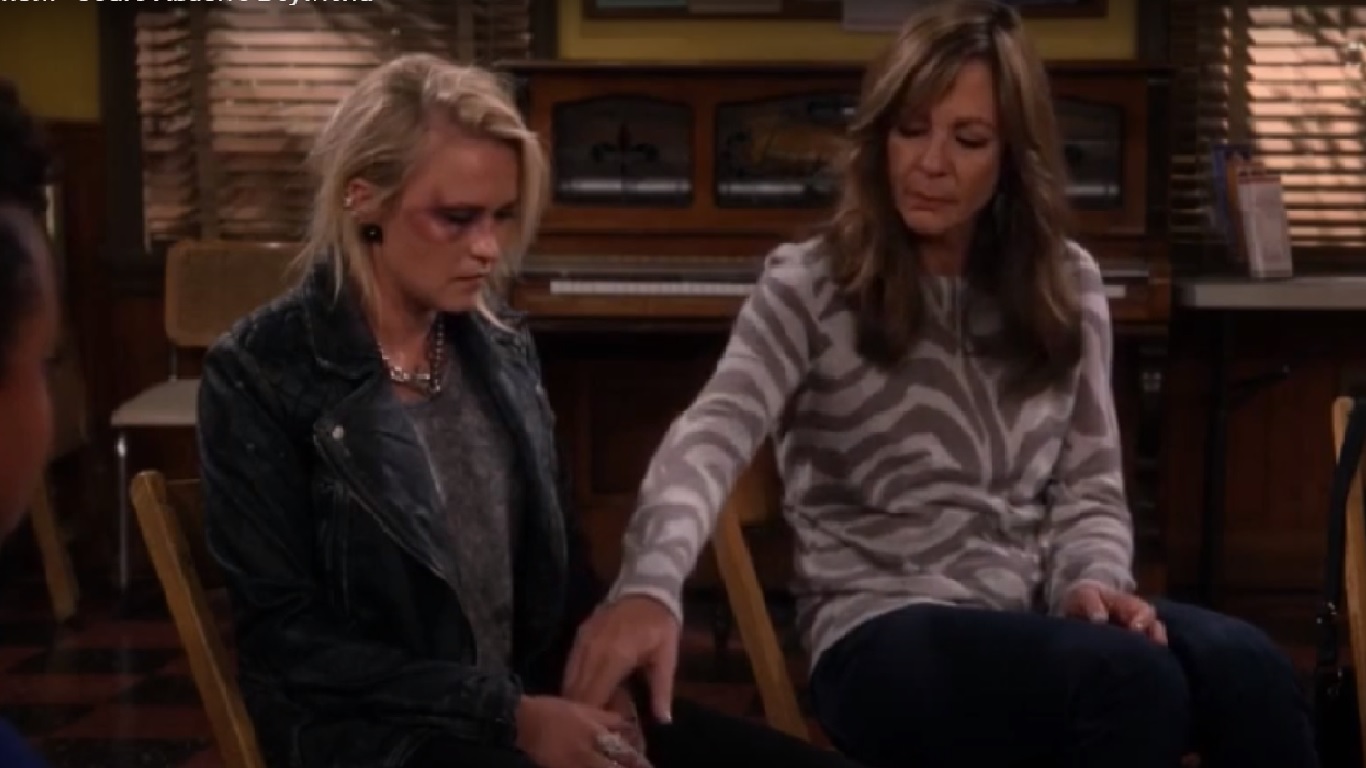
Jodi (Emily Osment) with Bonnie ( Allison Janney)
3- Truth is best whenever possible although sometimes a lie is merciful & kind. But it may be hard to understand the truth, hard to discern the truth.
4- Boundaries are a good thing. It’s not something you may be aware of if you had a good upbringing. If your childhood included the death of a parent or a divorce, boundaries or the lack thereof may be vitally important to you. We see it again and again as a plot point on the show.
5- Age is just a number. You can be young all your life (as my mom repeatedly shows me) or you can be old if you choose that path: although I don’t recommend it.
6- Writing is the root of good comedy. Mom has some of the best writing I’ve ever seen. I’m currently binge-watching season six of eight. Yes it’s ironic that I seem to be addicted to a show about addiction. Sue me.
7-Acting helps too. The cast are superb, beginning with Allison Janney. She won a best supporting actress Oscar for I Tonya a few years ago, another nasty mom portrayal.
They have had amazing guests as well, such as Kevin Pollak, Octavia Spencer, Beverley D’angelo, Rosie O’Donnell, Harry Hamlin, Kristin Chenoweth, Ellen Burstyn, and many more.
Let me offer a sample of the show if you’ve never seen it. It’s funny, I wonder how I missed seeing this until this year. I found it just as they did the series finale earlier this month. Oh well… c’est la vie.
Allison Janney as Bonnie is nothing like her oscar-winning portryal of Tonya Harding’s mom.
The finale of 2021’s American Idol competition this past weekend is a curious reflection of popular culture, a snapshot of our world.
There were three finalists:
Grace Kinstler sang covers, sometimes emulating stars such as Whitney Houston with her powerful sound.
Willie Spence also sang covers with his beautiful voice soaring effortlessly.
Chayce Beckham sang a few covers, but also some original songs he composed himself.
Not only that. Chayce had the foresight to use his temporary fame as a finalist, to launch his single titled 23 that soared to the top of the country charts.
No wonder he won.
I’m just making a few simple observations.
Notice that the demographics of the three finalists– (a woman, a man of colour, and a white country singer) –match those for the three judges this year (Katy Perry, Lionel Richie & Luke Bryan).
Notice that the two most successful contestants ever to appear on the program were not winners, but attained success without much help from the show.
Taylor Swift is the most successful woman in the music business right now, having reinvented the template. No I never remember her melodies. Does it matter? She’s doing very well.
Jennifer Hudson might have the most impressive voice ever heard on the show, but that doesn’t matter. She found fame in Hollywood, singing more Broadway belt than pop music.
But both Swift & Hudson used the showcase of the program to launch careers.
I wonder, does it matter how the show came out, that Chayce won using his original song? I think it’s arguably a step forward, recognizing that while Grace & Willie sang beautiful versions of the songs of other people, Chayce is the first winner who is a complete original.
Next year expect to see more people trying to do what Chayce did.
I’ve been listening to the ten Dvorak Legends played by ZUMI Piano Duo.
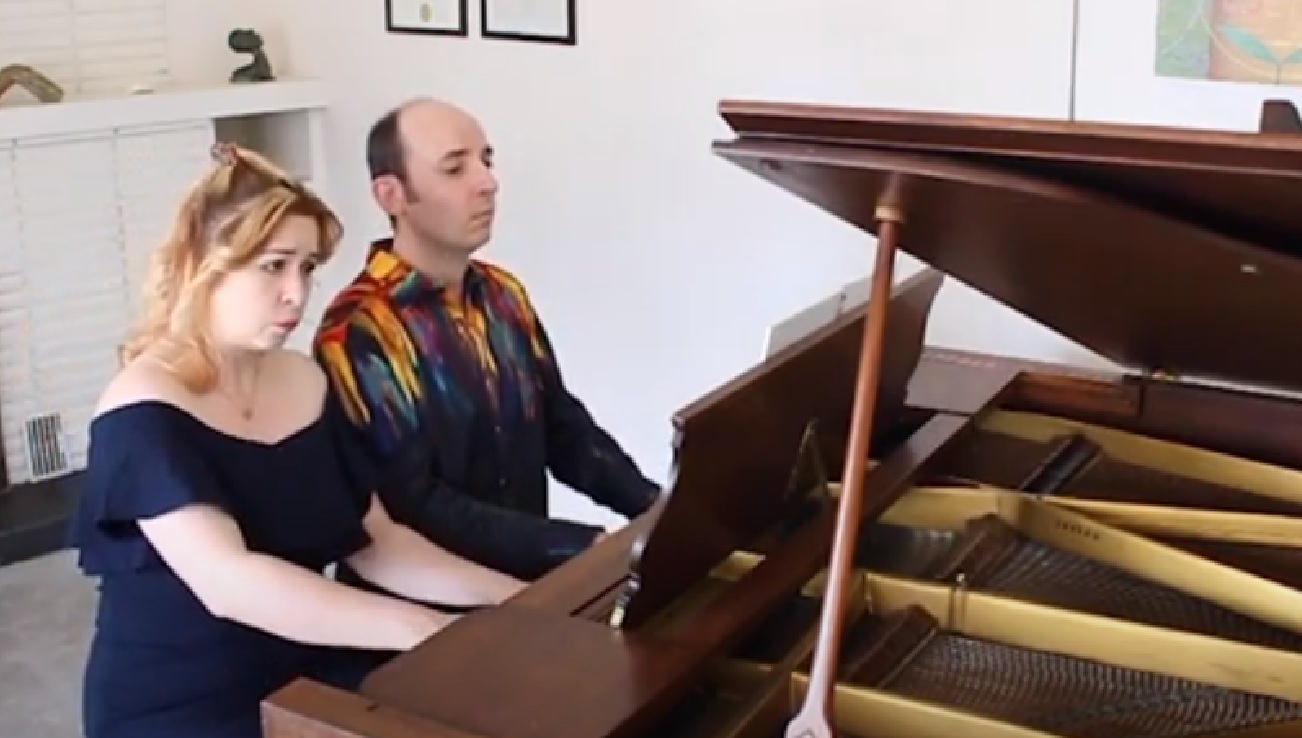
“ZUMI” comes from the two players. Zuzana & Mikolaj, or ZU + MI = ZUMI.
Zuzana Simurdova and Mikolaj Warszynski
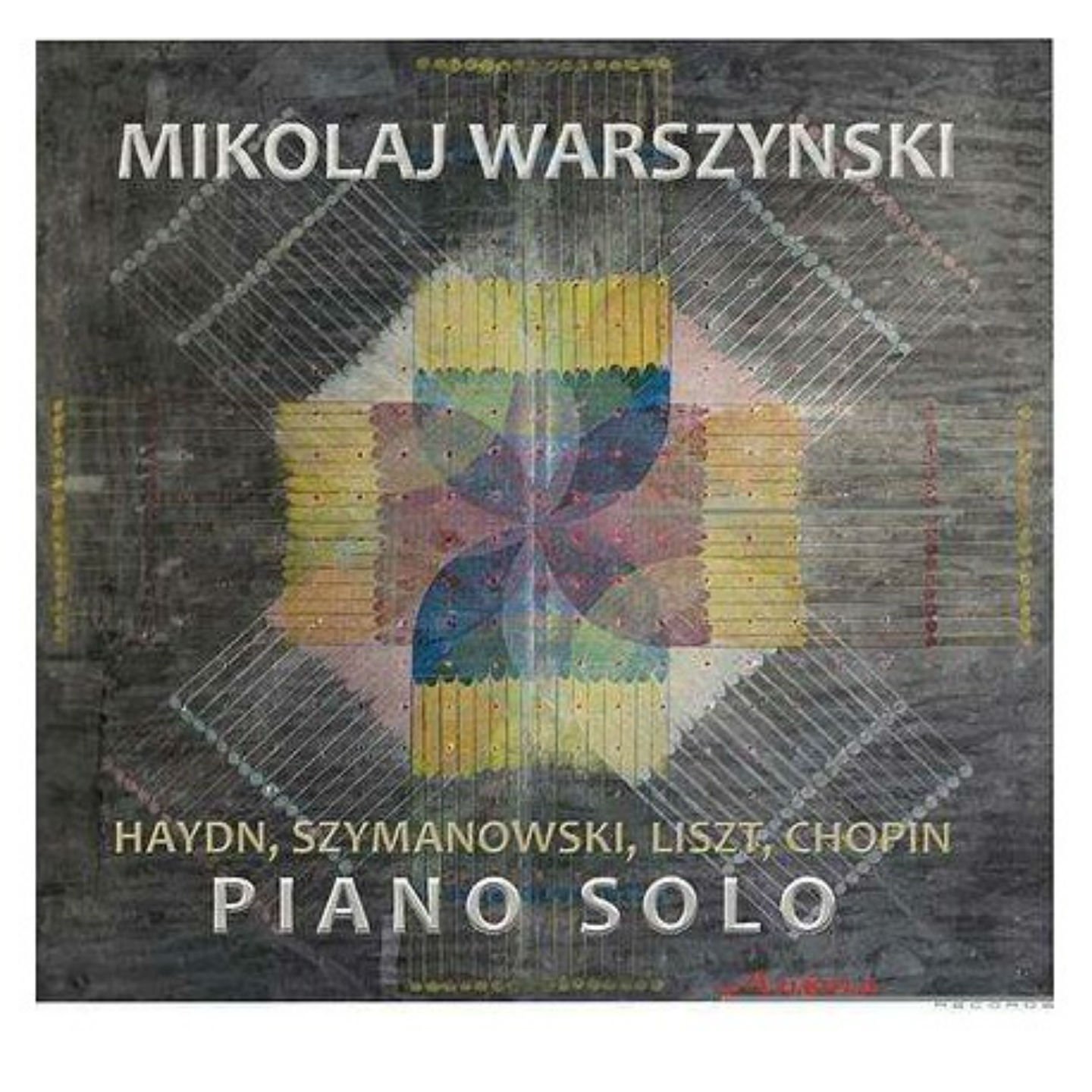
Pianist Mikolaj Warszynski caught my attention with a pair of recordings, both reviewed in 2019.
I’ve now heard his duo partner Zuzana Simurdova on the video.
Do they pronounce that “Zoomey”? or “Tsu Me”? or even “Zsu-me”? (zs as in zsa-zsa). Given that he’s Polish & she’s Czech, both now living in Alberta (in Western Canada) I wonder whose phonetics to employ.
The Legends (“Legendy”) also have me thinking about names. The ten pieces of Op 59 by Antonin Dvorak from 1881, are about 45 minutes long when played as complete suite. Like his better known Op 46 Slavonic Dances of 1878, they were first composed for piano duo and later orchestrated. The versions you hear on radio are normally the orchestrated ones even if a purist (me) might prefer the original piano duo versions. The world has changed so much, the idea of the piano duo genre is antique, a vestige of the old world. One of my favorite scenes of the film Impromptu shows Chopin & Liszt playing a little bit of a Beethoven symphony reduced to piano duo (and maybe we’re to think it was Liszt who did the transcription). Before YouTube, CDs, LPs, gramophones, one might encounter unfamiliar music through reductions for piano either as player or listener. Making music in a space without an audience but captured for video seems particularly authentic for this magnificently anachronistic music-making.
I wonder what Dvorak understood by his title. I’d love to hear those who know Dvorak & his life tell me more about this. We have Hungarian Rhapsodies, Slavonic Dances, Ballades from Chopin, all of which lead me on to wonder about subtexts, stories, situations. Music may be abstract but that won’t stop us from associating, filling in blanks. The Legends suggest something poetic but with hints of national myth, subtler & less extroverted than the Slavonic Dances.
ZUMI give us authenticity, brilliant when necessary but not showing off. It’s interior music, thoughtful. We’re in a space apt for reflection. Yet some of the tunes grab you. The G-minor Legend #3 has some of the clever repetition & echoes that make it a bit of an ear-worm. The C-major #4 molto maestoso might remind you of Elgar’s Pomp & Circumstance #1 aka “Land of Hope & Glory”, and please note the march was written about 20 years after Dvorak’s tune.
The link will be there until at least June 8th. I’ll be interested to see what ZUMI undertake next.
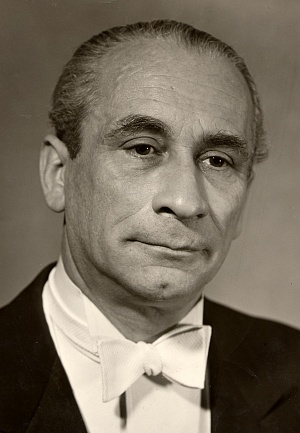
While reading Hermione Lee’s account of Tom Stoppard’s childhood in Czechoslovakia I was reminded of Karel Ančerl, the Toronto Symphony’s conductor and music-director roughly fifty years ago.
Karel Ancerl
Before Kenneth Stoppard appears on the scene in Darjeeling India, marries Magda Sträussler, and takes the widow and her two boys to England, we hear of their harrowing escape to Singapore. The family of Dr Eugen Sträussler, including Magda, Petr and Tomáš were Jewish, escaping out of Czechoslovakia.
You may recognize the name of Karel Ančerl, the conductor of the Toronto Symphony Orchestra between 1968 and 1973. Like the Sträussler family, he left Czechoslovakia, although he came to Toronto.
I was embarrassed to discover how little I knew about Ančerl. I vaguely recall that the Soviet crackdown in Prague in 1968 coincided with his arrival in Toronto, that he’d emigrated, made Toronto his new home, and became the conductor & music-director of the Toronto Symphony.
I was too young to notice much.
I think you could make the case that Ančerl was the finest conductor ever to take the position of TSO music-director even if he wasn’t in the position for very long. I’m a bit crestfallen that there’s so little to remind me of Ančerl anywhere in Toronto today. I must investigate further to see what I can find. I notice that the Toronto Public Library site has pictures in their archive.
Ančerl is buried back in his homeland.
It was only when I looked online for more about Ančerl that I saw that he had more in common with Stoppard than expected. I hadn’t realized that he too was Jewish, that he had been the only member of his family to survive Auschwitz. No wonder he died so young. Perhaps his time in the camp shortened his life. He was only 65 when he passed away in the summer of 1973.
I saw that he was among the musicians in Terezin, aka “Teresienstadt”, the model camp where the operas Brundibar and Der Kaiser von Atlantis were composed under the most challenging circumstances imaginable. I find it mind-boggling to think that Ančerl must have worked with Krása and Ullmann.
There is a whole huge career of course, from roughly 1950 until 1967 or so, when he brought the Czech Philharmonic to the attention of the world.
We were so lucky that he chose to come here.
Long ago I owned a TSO recording led by Ančerl, an open-reel tape I had taken from CBC radio, live performances of Beethoven’s Pastoral Symphony and Martinů’s Symphony No. 5. I no longer have my open-reel machine nor the tapes. As I was reading Lee’s book about Stoppard I was inspired to see whether I could find the performances somehow. Eureka, Presto Music to the rescue. It’s uncanny, magical to immerse oneself in a performance I heard so many times long ago.
I wonder (and regret) that we don’t hear more Martinů. Where Janacek seems to have broken through to the first rank of composers, I can’t recall the last time a Martinů composition turned up on radio or with the TSO.
I was thrilled to find the performance on youtube, so you can hear it for yourself.
Ančerl seemed to have great rapport with the TSO, but I can only guess as to the real chemistry. Even though I was very young, I remember the glances before he started, the eye contact, the way he held his baton. I wasn’t present for this concert, only getting it via CBC radio. The Beethoven performance is magisterial, an interpretation I put alongside the best I’ve ever heard. The fact that it was the performance of the work that I listened to most as a teenager might have influenced my judgment.
I went to see what’s available from Supraphon where I found some wonderful recordings by the Czech Philhrmonic, led by Ančerl. In fact they have a whole series honouring him. His bio on their website is found here. I will be exploring that series.
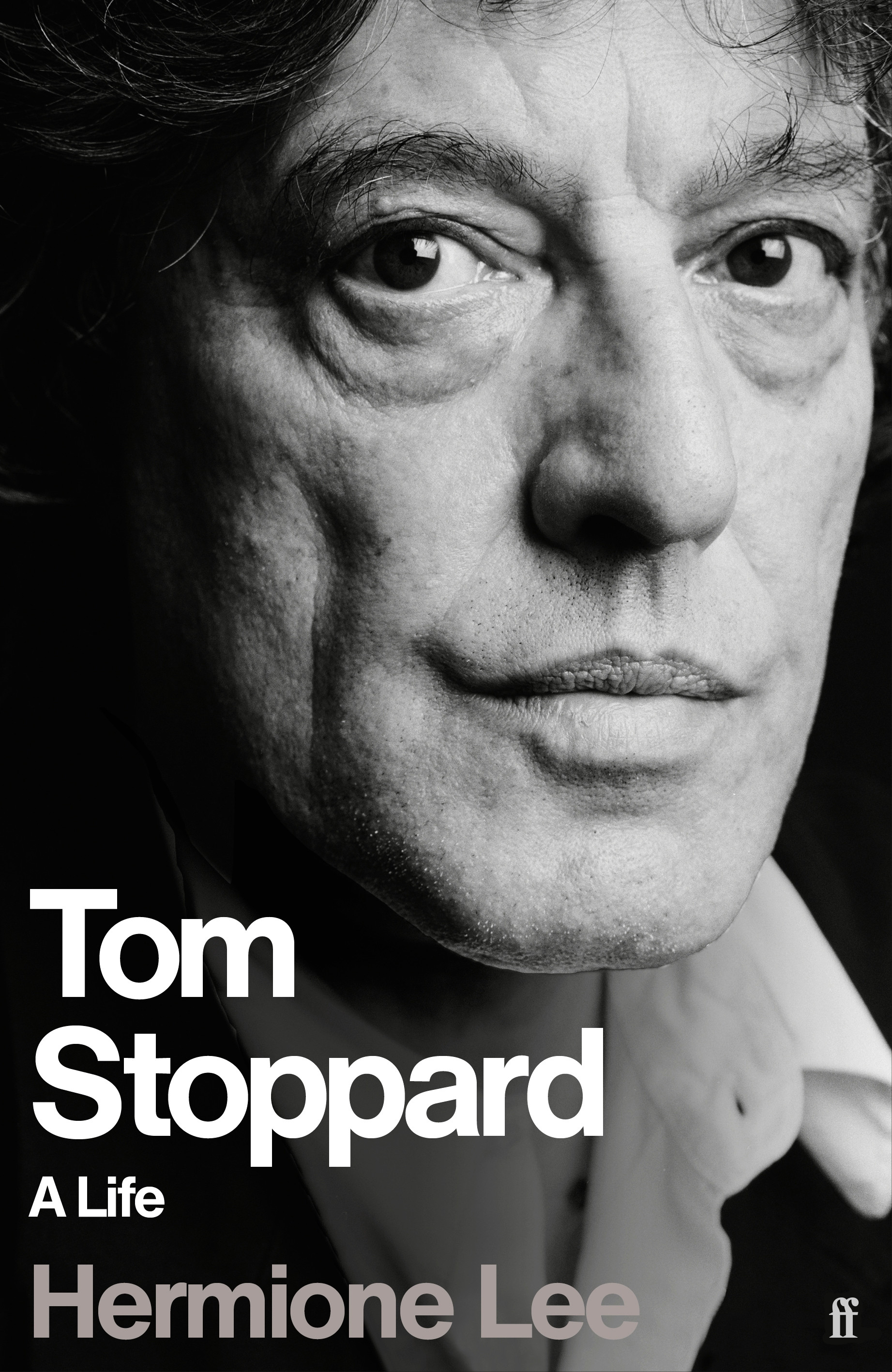
I’m humbled reading Hermione Lee’s biography of Tom Stoppard.
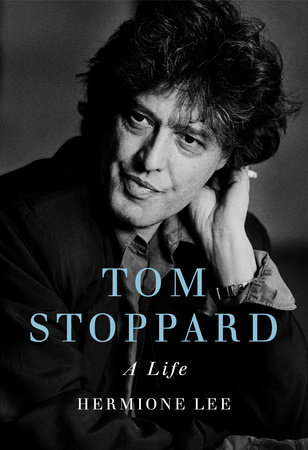
The cover of the version I obtained
I was exalted by Alex Ross’s colossal Wagnerism study because I’m a typical grandiose Wagnerian, thinking I know something about the topic. Its 784 pages flew by, the book flattering my ego by gently touching on a great many subjects, a few done in depth. But I guess Wagner makes one’s head swell.
Lee’s work, and Stoppard though? Different story, not just because at 896 pages her biography far exceeds Ross’s in size.
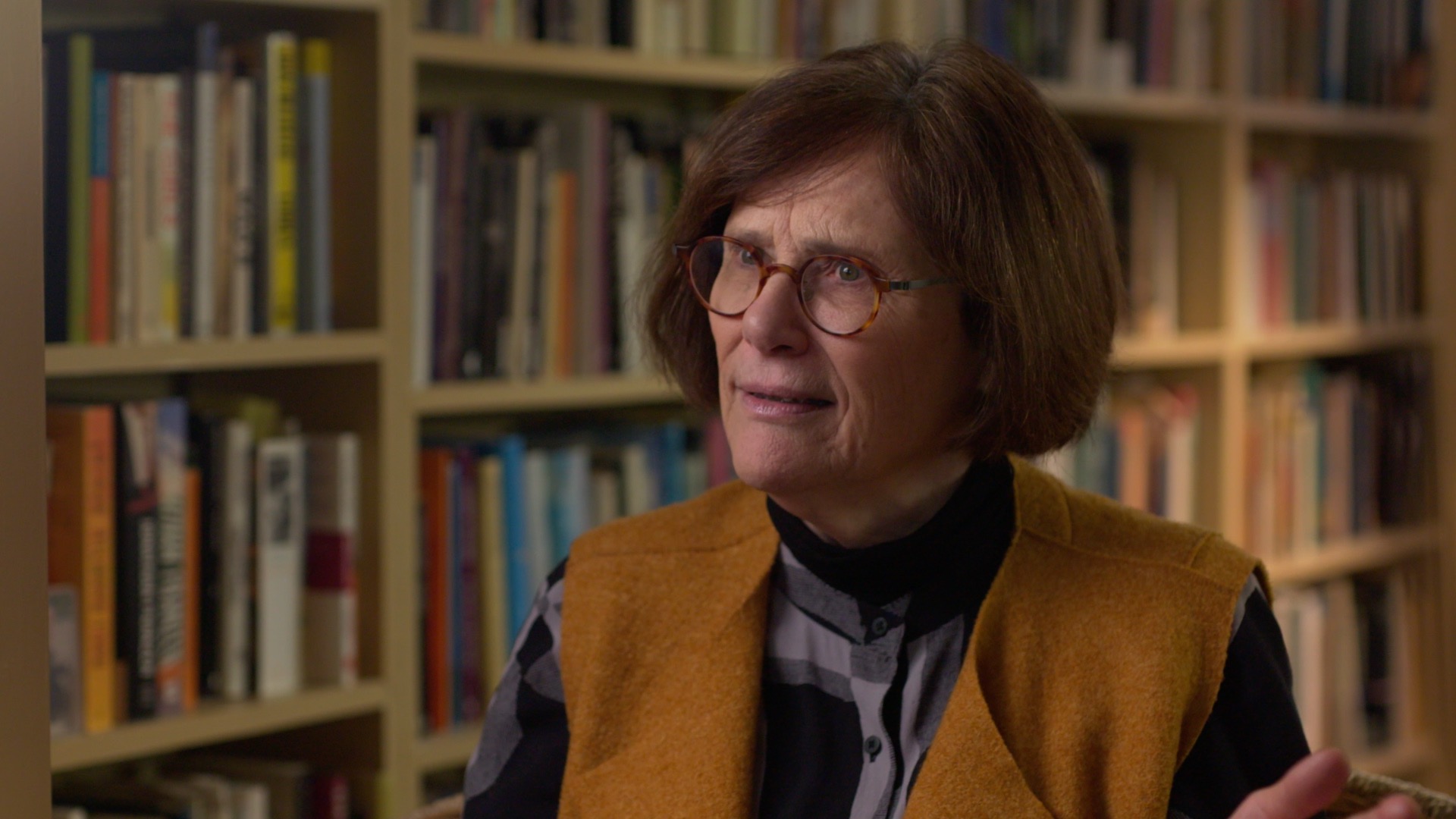
Hermione Lee (photo: Jeremy Read)
While Ross took readers on a tour visiting the many ways, topics, subject areas where Wagner touched modern life, its scope inevitable because of the subject, it might get me laughs to say such a thing about Tom Stoppard. Ross’s book is long, resembling the view from an orbiting satellite camera looking at the big wide modernist world, whereas Lee’s microscope takes us into Stoppard’s head.
I thought I knew something about Stoppard, because I did a production of one of his plays, studied some in an undergraduate course, have seen a few produced, enjoyed a couple of his screenplays. Yet I realize how little that amounts to, looking at Stoppard’s total output, because I didn’t realize how much there is. How much? He was born in 1937. From 1963 (when he had his 26th birthday) until 1991 (when he reached 54) inclusive, there’s at least one item per year in Lee’s chronology of his work. Many of those years show multiple projects. Amazing to say her huge list has omissions, if IMDB is to be believed. I saw mention of two items in Hungarian namely Szabad, mint a madár(“Free as a bird”) and the London instalment of a Magyar miniseries titled Ésszerü magyarázat (“reasonable explanation”), plus perhaps as many as three more that might be Czech (guessing, I don’t speak that language). No I don’t mention this to hold it against the author, so much as to suggest what a daunting mountain of work this man has built. The only years without an entry are 1992 (the first time), alongside 1996, 1999, 2010, 2011, 2016 and 2018. There’s even something in each of 2019 and 2020, when the playwright in his eighties still seems to still be going strong, working at an advanced age. Stoppard also wrote screenplays for Shakespeare in Love (1998: and no wonder nothing is reported in 1999, celebrating or hung over from 1998), Empire of the Sun, Billy Bathgate, The Russia House, Enigma, The Romantic Englishwoman, Anna Karenina plus co-writing Brazil,… plus other items on the IMDB list that didn’t make it onto Lee’s list. No he’s not Shakespeare but his output is massive, and need I add, often significant.
Lee is not writing a critical study of that immense body of work. But we’re taken deeply into details of his life: which only highlights her herculean achievement. At times I was not so much daunted as surprised at the effort Lee made reporting on relationships, parenting, the minutiae of a long life. But for the most part we’re getting close to the builder of that mountain of scripts & plays & TV movies & screenplays & the occasional opera libretto. Sometimes we get very close to the creative process. It gets to be a bit like A Hard Day’s Night, where we hang on her every word because—as with the Beatles—there’s something indescribably glamorous about the topic. Stoppard rubs elbows with all sorts of celebrities, from Peter O’Toole in his early days, to Diana Rigg, Paul Newman, and so many more, as I resist the urge to name-drop. I wonder how Lee possibly found so much interesting material, sorting through & separating facts from celebrity puffery. I’m intrigued that Lee didn’t give us tons about the Oscar, possibly because she figures it’s been done, covered already. I don’t know. But the massive volume she does choose to include tends to be remarkable, readable, as she slowly assembles her colossal portrait in three dimensions.
It’s wonderful.
If you love Stoppard you will love this book. You’ll get a good look at the sensibility of the playwright who gave us Jumpers, Rosenkrantz & Guildenstern are Dead, Travesties, The Real Inspector Hound. I love those plays so it’s exciting to see the personality taking shape that would give rise to these works. It’s thrilling to see a young Robin Phillips (before he had come to Stratford) or Ron Bryden (before he came to University of Toronto at the Drama Centre) in his days with the Royal Shakespeare Company spotting Stoppard’s talent very early on, getting behind him in support, a key ally in Stoppard’s early years.
Stoppard’s childhood is an unexpected adventure story that is perhaps a key to the playwright’s personality, and his relentlessly absurd dramaturgy. Arbitrary forces disrupted his life so of course they sometimes exert control in his plays. Dr Eugen Sträussler worked at the hospital in Zlin for the Bata shoe corporation. Dr Eugen and his wife Marta Sträussler had two children, Petr born August 21st 1935, Tomáš born July 3rd 1937. If you haven’t guessed already young Tomáš Sträussler would become the great English playwright. When the Nazis invaded Czechoslovakia in 1939, (when Tomáš was less than two years old) Bata offered their Jewish employees (including family) such as the Sträusslers help, getting them out of the country & offering them work elsewhere. The options Lee reports for the Sträusslers were Nairobi or Singapore. While their best friends the Gellerts took the African option, the Sträusslers opted for Singapore.
Lee closes the opening chapter by subtly alluding to something that seems central to Stoppard’’s style, possibly the subtext for his penchant for metadrama.
ROCK ’N’ ROLL, staged in 2006, nearly seventy years after that journey, has as its central character a young man called Jan, who was born in Zlin and whose family left Czechoslovakia before the German occupation because they were Jewish, but returned—to what was then Gottwaldov—in 1948. In the 1960s, Jan has the chance of staying in Cambridge as a student but chooses to go back to Prague under Communism. The play has the vestigial trace of something Stoppard has often thought of writing, an “autobiography in a parallel world,” in which his family has returned “home” after the war and he has grown up in Communist Czechoslovakia, through the middle of the twentieth century. In the first draft of the play, “Jan” was called “Tomas,” “my given name” Stoppard writes, adding, a little doubtfully, “which I suppose, is still my name.” (Lee 17)
So far in the life story, there’s been no reason to expect that Tomas will ever speak English let alone become a prolific playwright in the language. Singapore however is trouble, given the relentless advance of Japanese forces in the Pacific. This time although the boys and Marta escape, they never see their father again. The ending of Dr Eugen Sträussler is a sad series of speculations rather than facts, as he probably goes down with one of the crowded ships hitting mines or torpedoed. It seems especially apt that Stoppard will write the screenplay adaptation of JG Ballard’s novel Empire of the Sun, a story of a boy separated from his parents by the horrors of invasions & desperate escapes: even though Stoppard himself had been spared such horror: being too young to remember.
A ship takes Marta & the boys to India, where they might be understood as safe. There would be several moves around India, their existence impermanent. Major Kenneth Stoppard comes into the picture, courting Marta in Darjeeling. In short order they were married and soon going back to England, Marta downplaying any of the Czech or Jewish family history. Tom didn’t remember the tears of his mother when his father went missing, only finding out Dr Eugen Sträussler’s fate (or attempts to figure out how he died) in 1999. Under the circumstances his plot-lines make a great deal of sense, even if I’m projecting from what I’ve just read about his life story, especially the mysteries & abrupt changes to his living situation.
The cover from Lee’s website
I need to find the text of Leopoldstadt (2020), a play that was perhaps meant to be the final work: but let’s wait & see if he lives on & continues to write. Stoppard is the real deal, perhaps the greatest playwright in the English language since Shakespeare, certainly the most successful since Shaw. One of the glories of Lee’s bio, en passant, is her implicit advocacy for Stoppard. No, she doesn’t digress into assessment of his importance and place in the canon (whatever that might mean). The book speaks for itself, beginning with its size, as de facto cultural history with testimony as to Stoppard’s place in our culture. It makes me want to read everything the man wrote. Is Stoppard important? I can’t answer objectively, as I’m aware of how glamor & popularity distort the question.
I’m gratefully intrigued by what Lee has stirred up in my encounter with her biography, which is the best testimony I can offer as to her achievement. Stoppard is a fascinating creature, especially as revealed in the pages of Lee’s book.
I am disoriented. The end of April? Time for taxes, to plant & nurture the garden. And to renew my subscription to the Canadian Opera Company before the end of the month.
But it’s so weird. Normally their new season is announced earlier in the year. They do the “season reveal” in February, teasing us with the names of the operas, pictures of the designs & the casts, to encourage us to renew before May.
But this is not a normal year. It’s been weird for 14 months now. While February 2020 was when we heard the plans for what was then the upcoming season (to open in September 2020 with Parsifal), and when they last staged opera, by March the pandemic began interrupting our lives. The COC would not only cancel Aida and The Flying Dutchman (scheduled for spring 2020) it became clear that we wouldn’t get to see Parsifal after all, nor much of anything else for that matter.
And we also heard that Alexander Neef was leaving, to take up his new post with the Paris Opera.
Alexander Neef (Photo: Gaetz Photography)
I can’t be the only one who is feeling a bit dizzy.
Five months ago subscribers received an email announcing that Perryn Leech was to be the new General Director.
Perryn Leech, General Director of the Canadian Opera Company
Imagine then what it’s like for Mr Leech in his new role. In the past, the changing of the guard wasn’t so abrupt. When Alexander Neef arrived for instance, he took over a company running like clockwork, year after year. The schedule of season announcements & subscription deadlines simply can’t happen now, not when we don’t know when public performances can resume in big theatres.
Normally a big part of the “clockwork” is a complex planning process. The COC must program well in advance to obtain the services of a Tamara Wilson, a Sondra Radvanovsky or a Harry Bicket. But right now, that machinery has stopped at least to the eyes of the public. There may be contingency planning, hypothetical seasons on the drawing board, but it’s not a normal spring.
I am very sympathetic to what Mr Leech is saying in his latest video. Opera can’t be done on an ad hoc basis.
For the fall of 2021? There is no season announced as of yet. How could there be one? One can’t get international talent without committing to them, but the COC and Leech don’t know whether Toronto will have indoor theatre or not. If the COC is able to stage opera at the Four Seasons Centre perhaps full audiences will not be permitted.
Leech faces an amazing challenge. If the COC does have a chance to return in fall 2021 it cannot be the usual international enterprise, at least not to begin the season. It likely won’t be before the fall of 2022 when we will see a real COC season, when the clockwork hopefully resumes its ticking.
I can’t help imagining a season without international stars, a genuine opportunity for the COC to employ Canadians. So you can’t hire anyone to sing Parsifal or Gurnemanz or Kundry? That’s okay, don’t do Parsifal.
There are operas that can be done without a huge investment in imported singers. There are operas foregrounding chorus & orchestra, two of the company’s strengths. Of course it’s also natural that Mr Leech wants to make a good first impression. I don’t envy him right now.
Whatever direction the company goes, it’s going to be an adventure, for him, for us.
Do you ever watch American Idol? I’d say it’s the best reality tv that you can find, unless you prefer one of the other performance shows where people sing or dance.
There are really two parts to it. At the beginning of each season we watch a series of auditions to determine who will be on the show. Whether you’re a fan of country or opera, jazz, broadway, hip-hop or rock, the dynamics of auditions are wonderful television, the astonishing drama of judges assessing performances.
While I’m speaking of this, let me just mention how much I hate competitions & judgment as it is sometimes done. Simon Cowell, the former judge on American Idol, sometimes had the most detestable way of dismissing performers, rude beyond belief. Of course people love this drama, a modern kind of gladiator combat, except instead of lions chewing on Christians, we have a judge like Simon biting pieces out of vulnerable performers, and it seems that people still love to watch such blood-sports. Not me. I hate that, and wanted to mention it. I also dislike (rather than hate) competitions, because I don’t believe they really honour art & artistry, they turn virtuosity into something like circus performance, a fact that Wagner & Debussy both picked up on & mocked in their writings. Thank goodness that the more recent incarnations of American Idol with a new cadre of judges has outgrown the slimy snake-skin of Simon & now are supportive & loving as they mentor the performers, teaching them & pushing them to grow as artists.
This I can endorse. Heck, it’s great television & often leads to warm fuzzies.
These performances are a wonderful laboratory. Popularity has been one of my hobby-horses on the blog & in courses that I taught. I haven’t talked about it in awhile, but tonight after watching American Idol, I thought I’d bring it up. There is much we need to think about, to digest and/or dissect, whether we’re watching Eric McCormack and Chilina Kennedy as Gatsby & Daisy as I did last night, or Angel Blue & Eric Owens in the Met’s award winning production of Porgy and Bess.
I’m not sure we really know what the word even means.
The current panel of judges consists of Katy Perry, Lionel Ritchie and Luke Bryan, although for tonight Simon’s old nemesis Paula Abdul subbed for Luke, who apparently has tested positive for COVID19. Each has a way of celebrating excellence, offering advice, and, while the rest of us in the TV audience look on, teaching.
Don’t get me wrong. I am not suggesting that these three are conservatory teachers. But they do get the candidates to improve, they do offer good advice. I can’t recall which young singer it was who seemed to want to set fire to the stage every second of her singing, but was admonished to save something, to start softly & build. That advice seems to have been taken up by at least three different singers who didn’t previously think to perform that way.
Some of the lessons come from the students. Tonight I saw one singer address another, reminding us that whichever one of them was selected, winning was less important than their relationship. They were friends and I felt the generosity of the sentiment. Indeed I wish there were enough jobs for all the students studying voice, although I think we know that nope not even close. Right now the arts are rebuilding in the wake of the pandemic’s disruptive effect on performance & the music industry.
We watch people sing who are told to be in the moment. I know that nerves are helpful, that being too relaxed can lead to mistakes while a bit of nervousness helps us focus. This is not the same as opera or broadway but the drama is ultimately the same. And from the screams of the audience you can’t tell what they’re listening to. Okay, not opera because no one says “bravo” although lately opera is getting more woots and fewer bravi’s.
There’s a lot more to the question of popularity, I’ve not even scraped the surface here. Why are Puccini & Richard Strauss somehow suspect because of their success at the box office? Are Pinter and Beckett better than Stoppard, because they don’t attract as many people? Does Oscar ever get it right? But it’s fun to toss some of this out there, a divisive topic. If someone gets rich they’re sometimes accused of selling out. Starving may suggest your artistic motives are pure, but excuse me, nobody wants to starve. It’s not a crime to get rich. Mozart & Shakespeare & Handel are popular, but lucky for them they’re dead so nobody holds their popularity against them.
I enjoyed watching Katy Perry pull herself together at the inauguration concert. While singing her big hit for the Bidens & the rest of America her voice seemed to tighten, perhaps as the emotion of the moment blind-sided her.
But as the show reminds us, she’s a professional & she showed that she has technique. I was right there with her, terrified as she squared off with that passage leading to the high notes: and pulled it, redhot right out of the sky like part of the fireworks display.
That moment (you want Gesamtkunstwerk? Biggest fireworks display ever to go with the song), alongside the election was one of the highlights of 2020.








 barczablog