For the last 25 years, Art of Time Ensemble has been on the cutting edge of the performing arts in Canada, fusing music with theatre, dance, film and literature in unique and unprecedented ways.
The list of illustrious artists who have collaborated with Art of Time includes Margaret Atwood, Peggy Baker, Brent Carver, Barbara Hannigan, Branford Marsalis, Michael Ondaatje, Madeleine Péyroux, Jackie Richardson and many others.

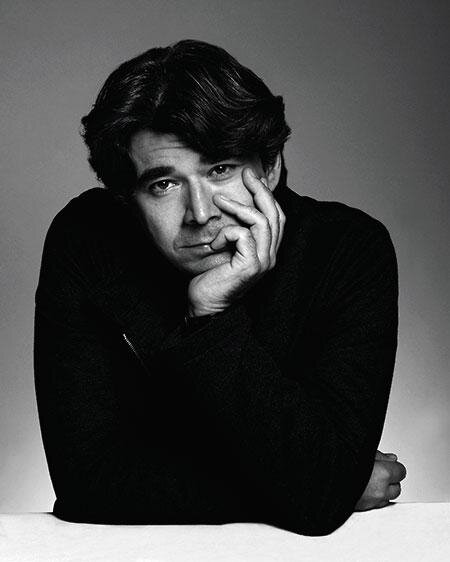
Led by Artistic Director Andrew Burashko, Art of Time Ensemble transforms the way you experience music. Fusing high art and popular culture in concerts that juxtapose the best of each genre, Art of Time entertains as it enlightens, revealing the universal qualities that lie at the heart of all great music.
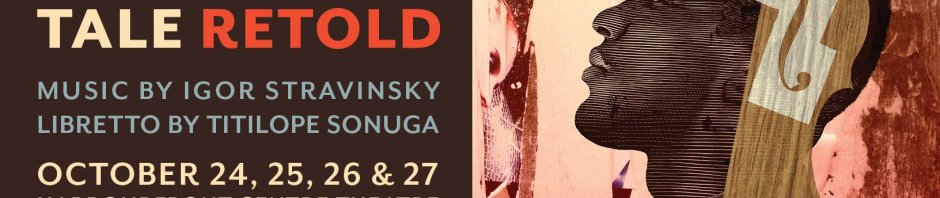
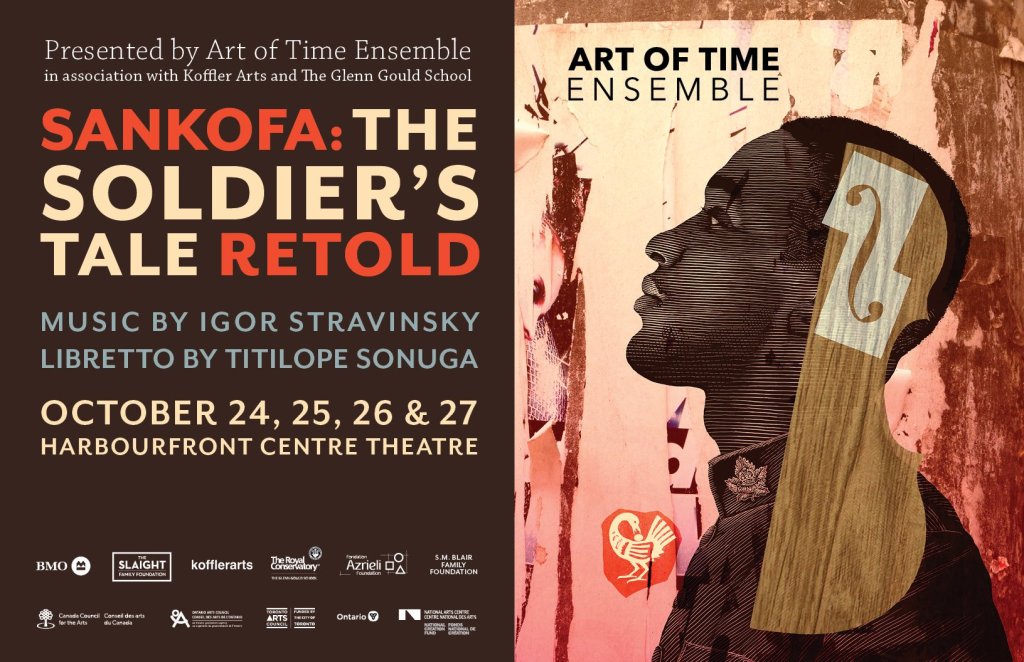
And now Andrew and Art of Time have come to their one last event, a new version of Igor Stravinsky’s Histoire du soldat, (Tale of the Soldier), Sankofa: The Soldier’s Tale Retold. There will be five performances only October 24 to 27. Click for further information.
I’ve always thought “Art of Time” is the coolest most poetic name for a performing arts enterprise, given that performance–especially music–is just that: an art constructed in units of time, experienced in time.
And now it’s time to ask Andrew a few questions.
Barczablog: What is the best or worst thing about what you do?
Andrew Burashko: The best thing is definitely having the platform/outlet for my creativity. The opportunity to collaborate with extraordinary people/artists is also right up there.
The worst is finding the means to do the things I just mentioned.
BB: Who do you like to listen to or watch?
Andrew Burashko: Where to begin? There are countless artists whom I admire – in every discipline. At the moment, I’m watching Slow Horses and listening to a lot of Stravinsky and Cecile McLorin Salvant.
BB: What ability or skill do you wish you had, that you don’t have?
Andrew Burashko: I wish I were a better improviser.
BB: When you’re just relaxing and not working, what is your favourite thing to do?
Andrew Burashko: Read, listen to music or watch a film or show.
BB: What was your first experience of music ?
Andrew Burashko: My mother is a musician, so I was born into a home with music. My very earliest memories of music are Peter and the Wolf and The Nutcracker.
BB: What is your favourite melody / piece of music?
Andrew Burashko: It’s impossible to choose a favourite. The one constant in my life since the age of seven has been the Beatles.
BB:When did you start studying piano ?
Andrew Burashko: I was nine.
BB: Do you ever feel conflicted, reconciling the business side and the art?
Andrew Burashko: Absolutely! Always. One has nothing to do with the other.
BB: An artistic director is a curator, a leader & a manager. What is the part you enjoy the most, what part is hardest for you ?
Andrew Burashko: I am also a performer (pianist or conductor) in almost all of our productions. I have also stage directed one of our biggest projects – War of the Worlds.
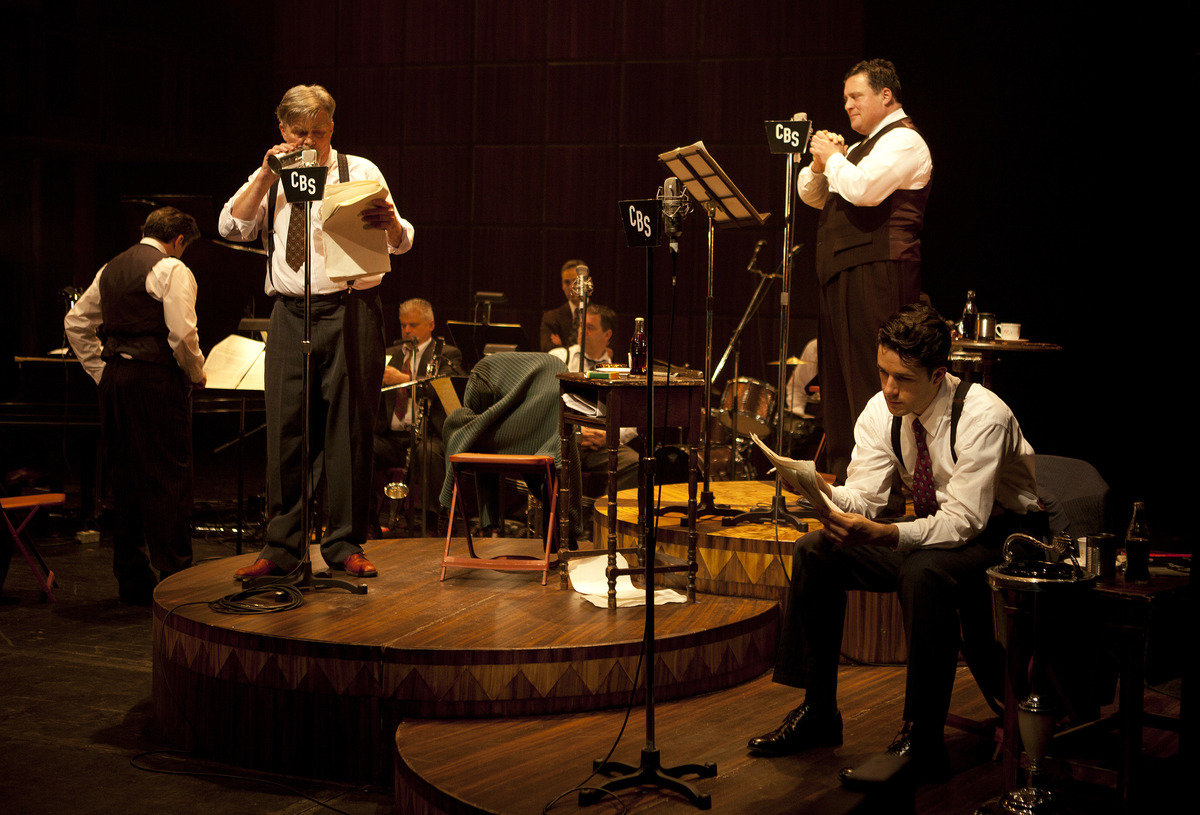
I would say those are the most satisfying roles. Next to that is curation. Managing is the role I like least.
BB: electronic or paper? as a composer and as a performer, do you prefer to work with a pencil and scores, or electronic notation?
Andrew Burashko: I must say that I have evolved from the analog to the digital. It’s just much easier to have everything you need in one portable gadget….. And to never need a page turner.
BB: do you have any ideas about reforming / modernising classical music culture to better align with modern audiences.
Andrew Burashko: That has been my mission from the very beginning. I created Art of Time Ensemble with the aim of bringing classical music out of its silo – of giving it a contemporary relevance. That is why I always looked for connections between classical music and other styles of music as well as more contemporary performing arts forms. I’ve always tried to create a ‘way in’ for new audiences to classical music. In many ways, this last production exemplifies many of those goals.
BB: tell us about the origins of Sankofa: The Soldier’s Tale retold.
Andrew Burashko: Sankofa: The Soldier’s Tale Retold reimagines Igor Stravinsky’s L’Histoire du Soldat with a new libretto by poet Titilope Sonuga. Through the journey of a fictional soldier attempting to enlist in WWI, this Soldier’s Tale is set against the historical context of the No. 2 Construction Battalion — the only Canadian battalion composed of Black soldiers to serve in the First World War.
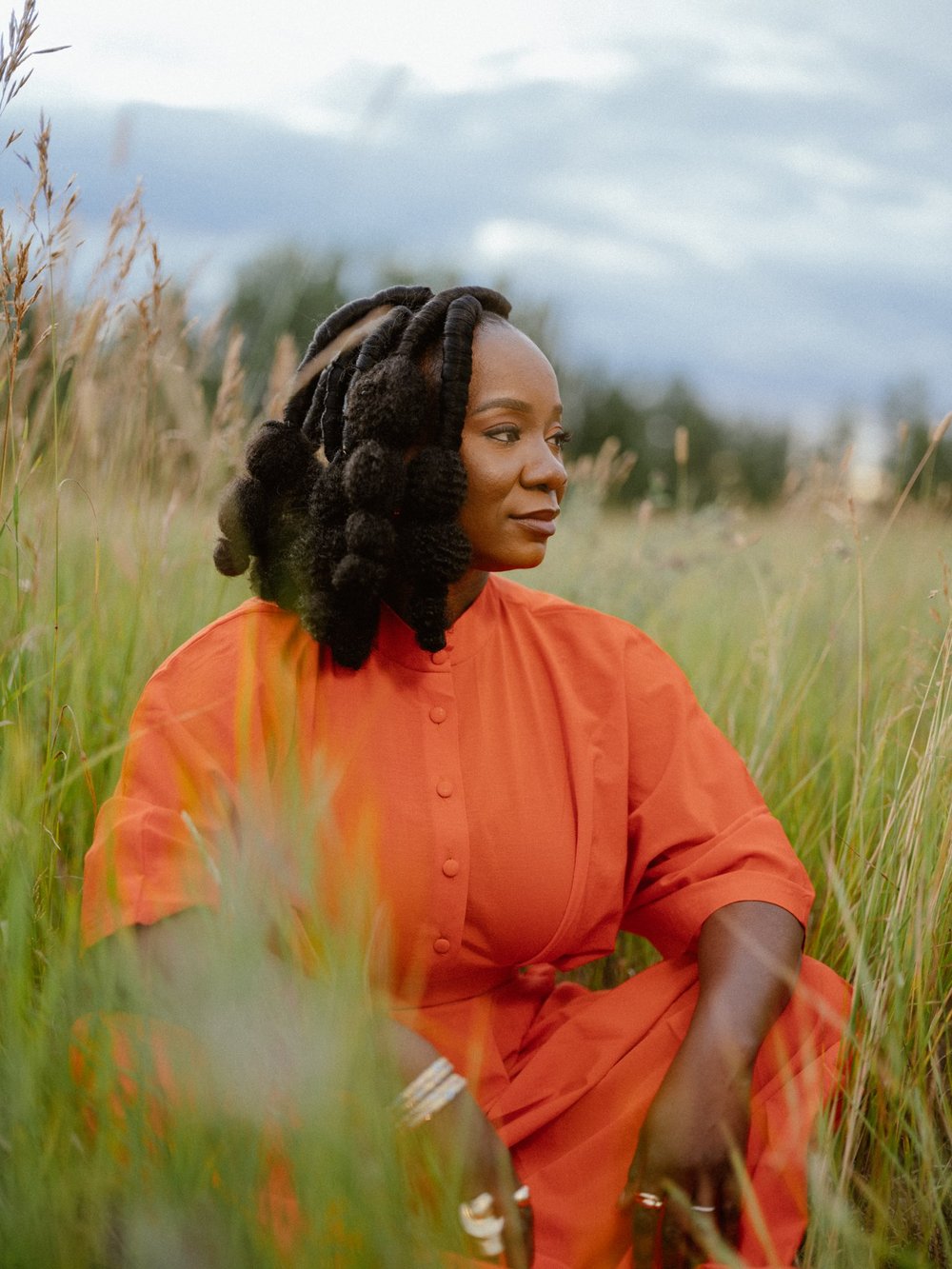
Yes, this project has been in the making for four years. I have always loved this music and the multidisciplinary nature of the work but I never liked the story – so crudely cobbled together from multiple Russian folk tales by C.F. Ramuz, Stravinsky’s librettist. About 10 years ago I discovered another version written by Kurt Vonnegut in the 1990s. His libretto was much more powerful but made no sense with the original music. It did, however, open my eyes to the possibility of this incredible music accompanying another Soldier’s Tale.
Then in 2020, the summer of Black Lives Matter, my friend Craig Northey (of the band Odds) gave me a copy of an album by Shad titled “A Short Story About War” – a brilliant meditation on war from many different perspectives. The album has no narrative arc but there is a recurring character – a sniper who is a Black kid from Toronto. That is what inspired this idea.
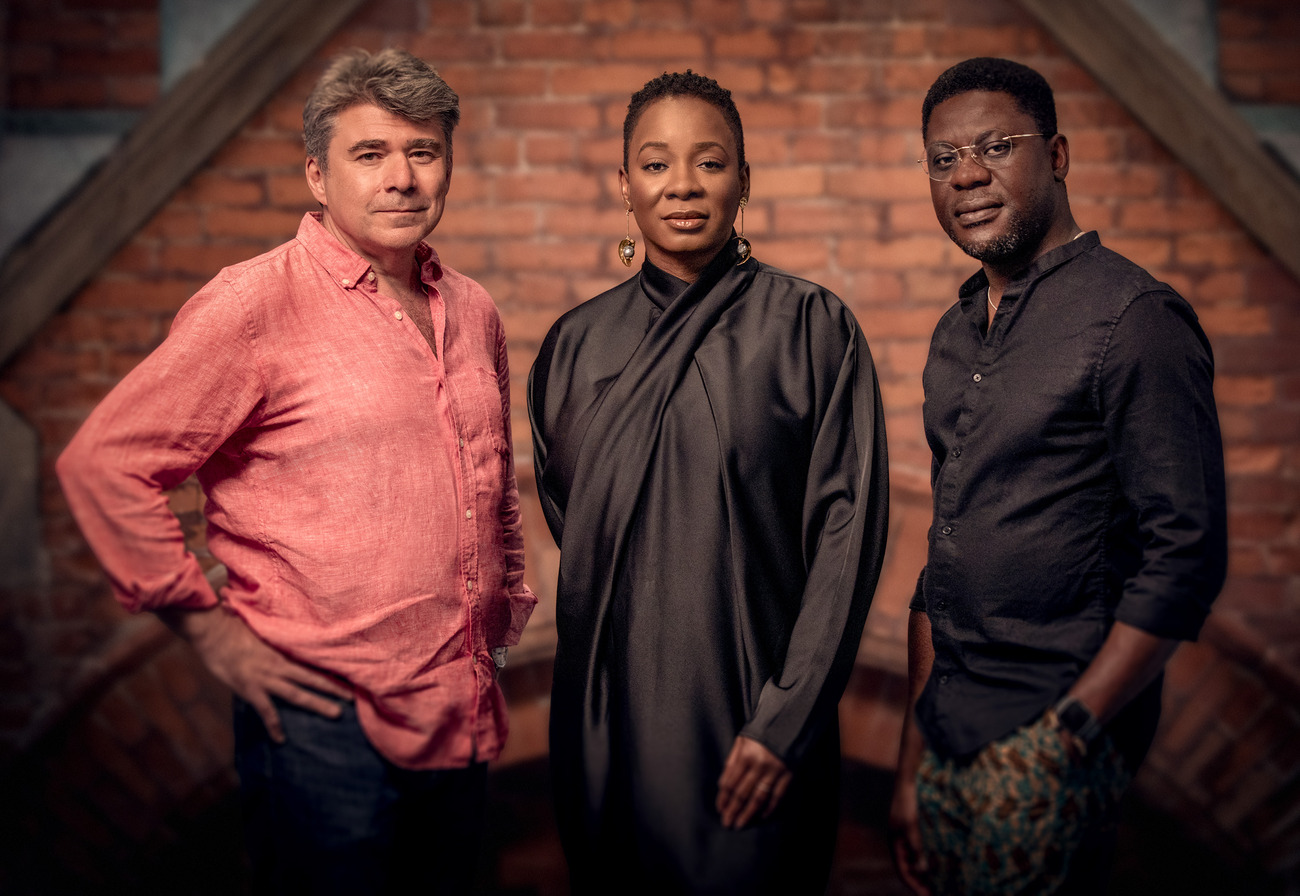
The librettist, Titilope Sonuga, was suggested to me by Joel Ivany, the artistic director of Against the Grain Theatre, an original commissioning partner on this project. When I presented this idea to Titilope the only directions I gave was that this new libretto be a story about a Black soldier in a white army, that it be an homage to the original by being for the same three characters as the source material (Soldier, Devil and Narrator), and that it be written in rhyming verse (also like the original).
It was her idea to base it on a fictional soldier from the real No. 2 Construction Battalion–the only Canadian battalion composed of Black soldiers to serve in the First World War.
BB: tell us about the team involved in Sankofa.
Andrew Burashko: Sankofa’s director, Tawiah M’Carthy was recommended to me by Ravi Jain and Chris Abraham – two directors I greatly admire. It evolved from there. I’m very excited about the team we’ve assembled. It was Tawiah who recruited Ordena Stephens-Thompson (the Narrator) and Olaoluwa Fayokun (the Soldier).
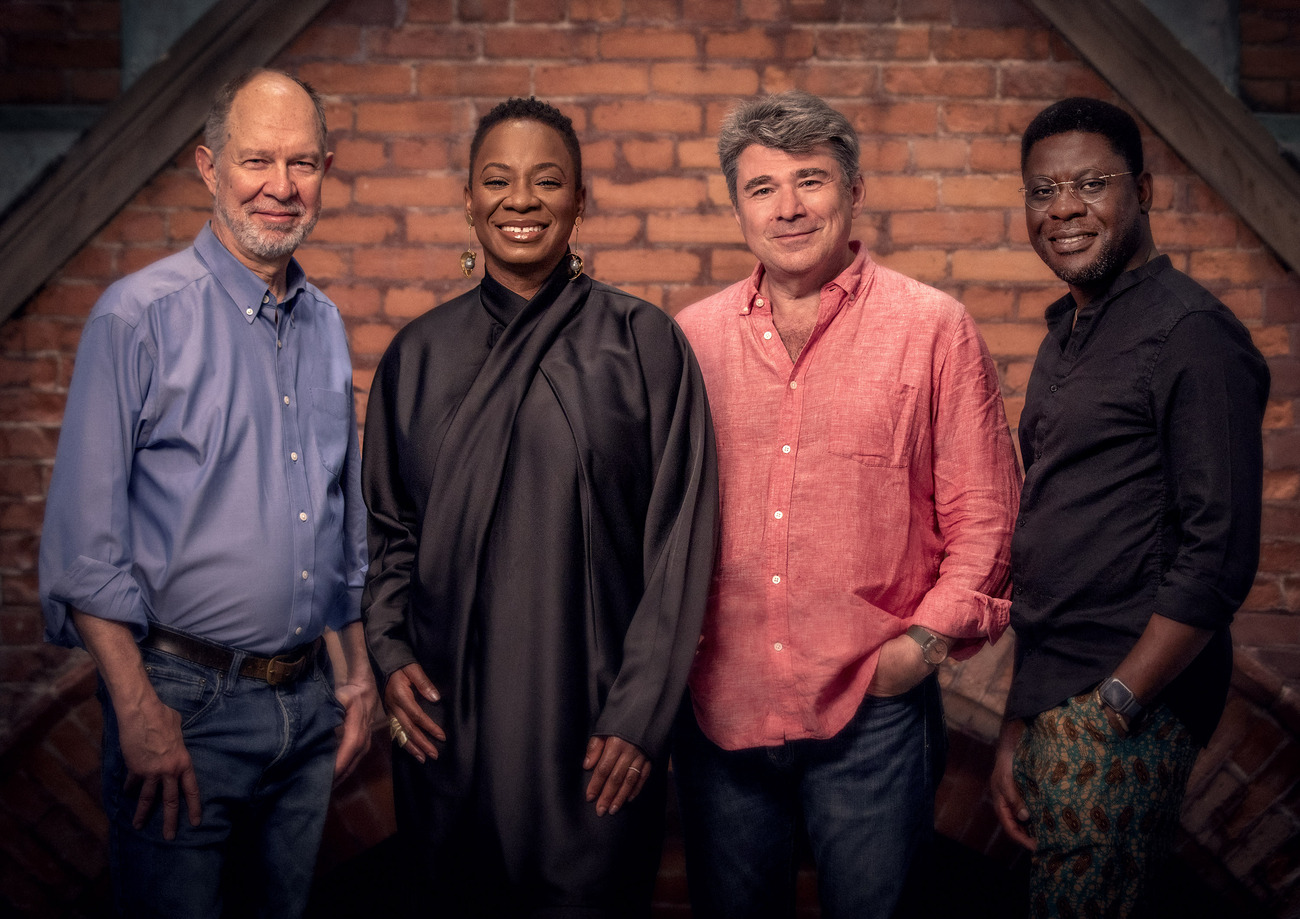
I was the one who suggested Diego Matamoros for the role of the Devil. Tawiah also brought in Des’ree Gray (costume designer) and I proposed Kevin Lamotte (lighting designer) and John Gzowski (sound designer) – both long standing Art of Time collaborators. The musicians, all students from the Glenn Gould School, were chosen by Barry Shiffman, the Associate Dean of GGS.
BB: what was your favourite Art of Time program / concert?
Andrew Burashko: Again, It is very difficult for me to answer. The ones that come to mind first are the larger productions such as War of the Worlds , I Send you This Cadmium Red and Variété.

The projects that perhaps best exemplify the ethos of Art of Time were What is Sacred and Words and Music. Both of these programs featured classical, jazz and popular music along with theatre and dance.
BB: Was there anything you dreamt of doing but couldn’t undertake?
Andrew Burashko: Yes, I’m still dreaming about them and will hopefully do them in the future – if I get the opportunity to play in a much larger sandbox.
BB: what’s next for you after Art of Time?
Andrew Burashko: Sankofa is our last mainstage production, but we will be performing our previously created Leonard Cohen project in Brooklyn in the new year and releasing one more recording. Beyond that, I honestly don’t know. Hopefully, many of our projects will have a touring life.
BB: If you could tell the institutions how to train future artists, what would you change?
Andrew Burashko: Unfortunately the only thing that prepares an artist for the stage is the stage itself.
One can give them the best training in the world, but no matter how much an arts education program demands of its students it will never be as demanding or cruel as the real world.
BB: What influences / teachers were most influential on your development?
Andrew Burashko: There have been many important artistic influences in my life. Marek Jablonski and Leon Fleisher with whom I studied piano definitely shaped my understanding of music more than anyone else. Peggy Baker, with whom I collaborated for 20 years, was also very important in that she brought me out of the concert hall and into the theatre, where I learned the possibilities of creating new worlds.
It’s been an indescribable honour to have had the opportunity to collaborate with so many amazing and inspiring artists. I can’t wait to see what’s next.
*******
Sankofa: The Soldier’s Tale Retold will be performed five times October 24 to 27. Click for further information.
 barczablog