The Canadian Opera Company have a new production of Charles Gounod’s 1859 opera Faust, telling the tale of the old man who sells his soul to the devil for youth and romance.
Gounod’s opera is but one of the many versions of the Faust legend.
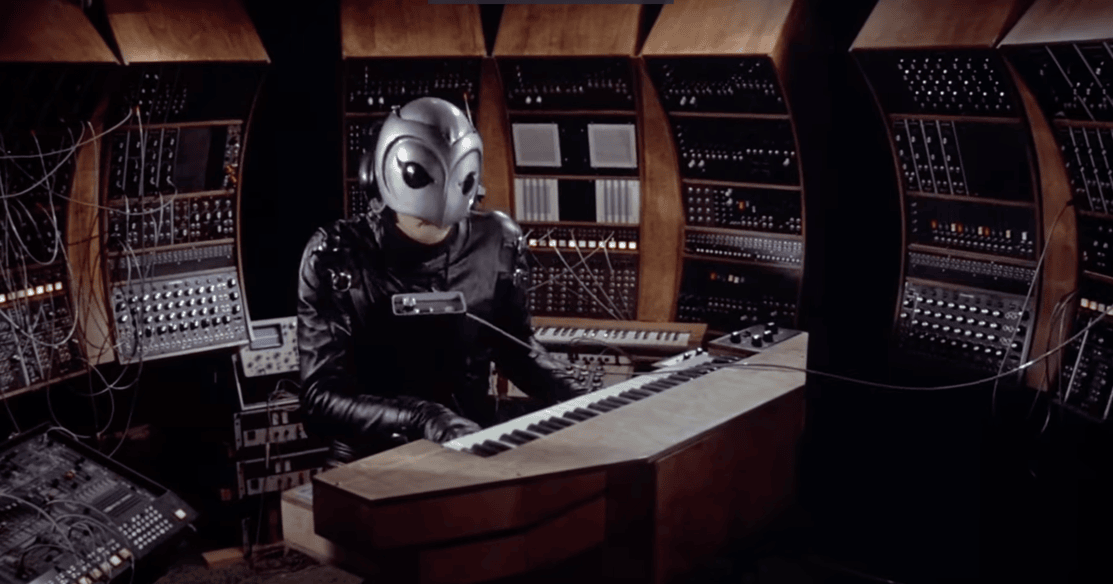
The musical Damn Yankees is about an old baseball fan who is so frustrated that he sells his soul to become a young ballplayer. I recorded Phantom of the Paradise from tv earlier this week, Paul Williams’ cinematic opus about a rock musician selling his soul; I’ll have to watch it again.
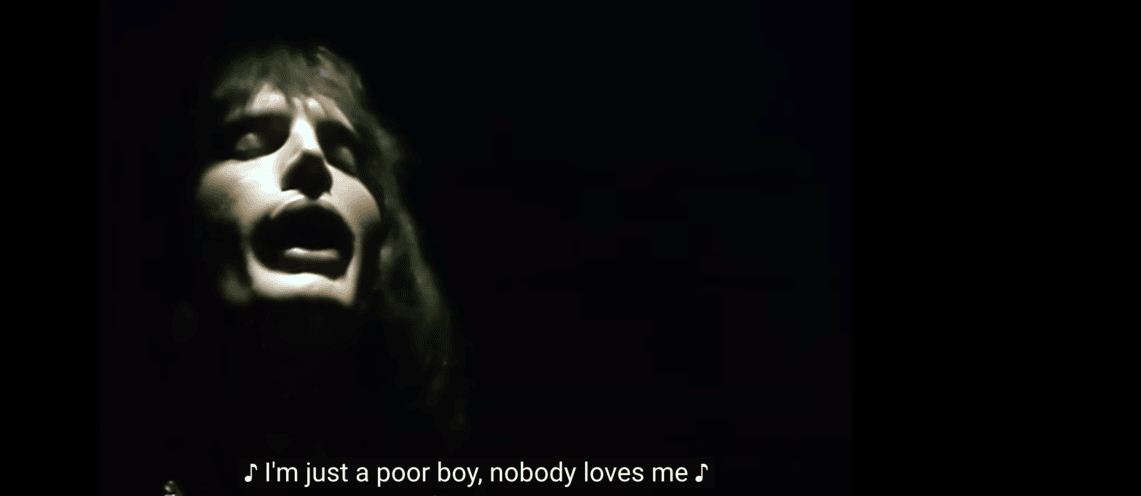
I understand that some think of Queen’s Bohemian Rhapsody as a version of the Faust legend.
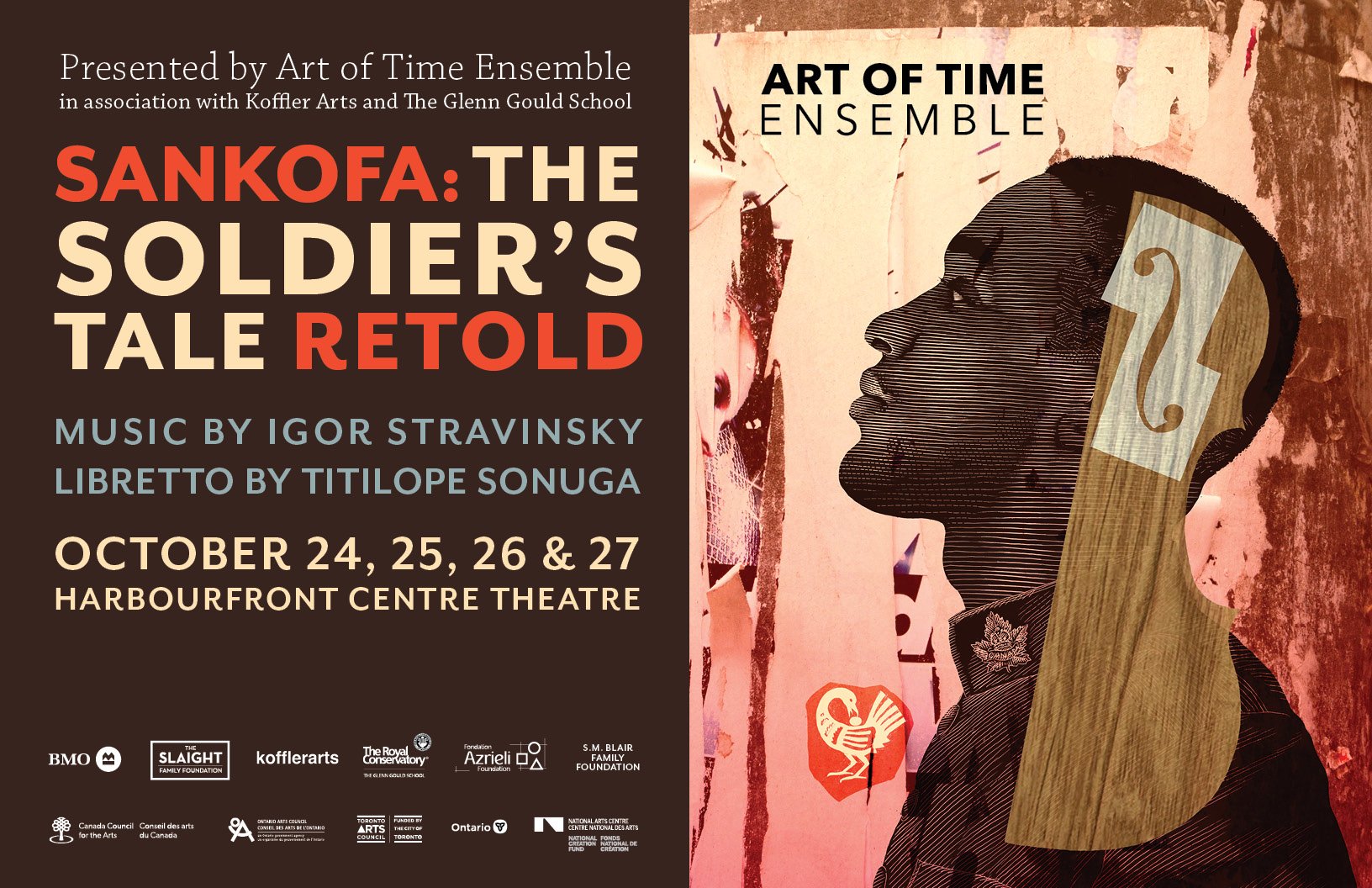
Later this month Art of Time Ensemble will be presenting Sankofa: The Soldier’s Tale Retold, reimagining Igor Stravinsky’s L’Histoire du Soldat: another version of the Faust legend.
There are several operas based on the Faust legend, including Spohr, Boito, Busoni and Berlioz.
For a time Gounod’s version was recognized as one of the most popular operas in the world. It’s interesting to observe that the other formerly most popular opera of the second half of the 19th and early 20th centuries is Giuseppe Verdi’s Il trovatore, another melodramatic piece with religion as a large subtext for the story. As both works appeal to a Christian audience, the declining popularity of each opera seems to parallel the declining attendance in churches. It may also be relevant to mention that the protagonists in each story confront forces beyond their control, especially metaphysical ones, with little agency.
The libretto of Gounod’s opera by Michel Carré and Jules Barbier seems to be designed for a conservative audience. With direction by Amy Lane and choreography by Tim Claydon, the new COC Faust does a good job reconciling the 19th century sensibility of Gounod’s version of the opera with a modern audience.
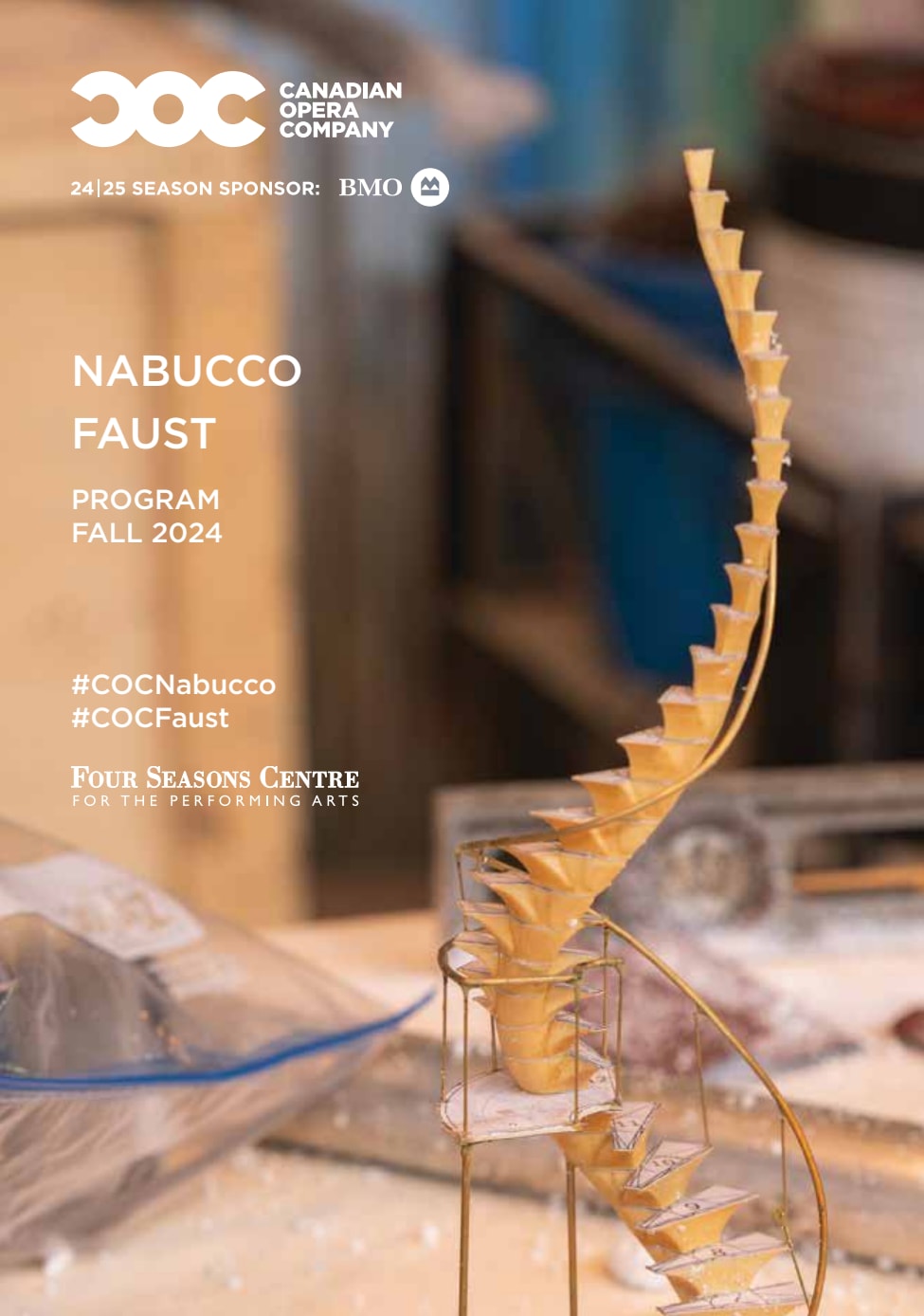
Before we even heard the first note of music, I was admiring several features of the set & costume design by Emma Ryott, as seen on the cover of the COC’s fall program. For much of the opera we’re looking at a large staircase construction resembling a human spinal column.
At other moments we see a huge X-ray image of lungs, echoed by the artificial trees downstage.
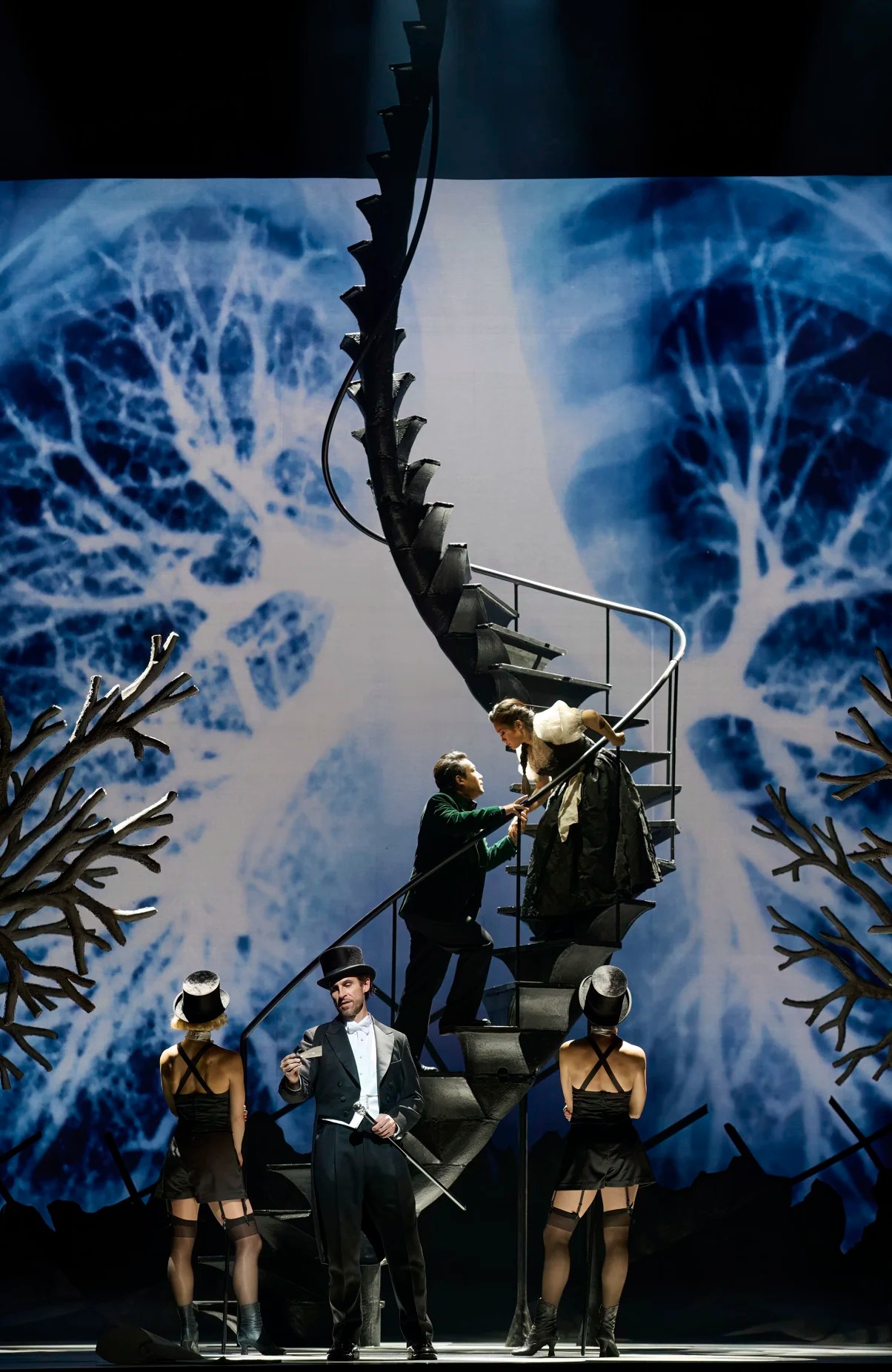
So it’s no surprise to see that Amy Lane speaks of human aging, a big part of Faust’s story.
It’s fascinating to look at the ageing process,
to feel your body start to question, provoke
or even fail you whilst at the same time your
mind sharpens and your knowledge grows
and I’m deeply intrigued by how human
desire evolves throughout these experiences
I like ambitious productions of opera that seek to change the way we see and hear them. Sometimes they force us to rethink our assumptions, to look beneath the surface. This Faust contains some of those challenges.
A chat Erika and I had with a couple of other patrons in the lobby at intermission gave me the chief insights I’m going to share. They didn’t like it as much as I did. While I was fascinated by the set, it may have been too intellectual. We all love the music, both Gounod’s score and the singing by the principals. Their words were harsher than mine, concerned that the result was cold and abstract, the principals seemingly lacking a connection with one another.
I believe it’s useful to glance briefly at the other Faust operas, especially Busoni & Berlioz as compared to Gounod. I recall a professor in my undergrad laughingly dismissing Gounod’s opera while insisting that Berlioz is truly sublime. The reason that’s relevant to what Amy Lane has done with Gounod’s opera, is that we’ve drifted away from the conservative melodrama that filled theatres for the opera in its first decades. This version of Gounod is very sophisticated, very beautiful to look at, yet in many ways estranged from the original text in seeking to be so much deeper than what one used to get. I think it’s important to appreciate what the work is doing, even if one might prefer something else.
I had tears in my eyes in two different places in the opening scene, arguably one of the places where Gounod’s opera is less sentimental and more intellectual, indeed quite similar to what the Berlioz wrote. For me Kyle Ketelsen’s Mephistopheles is the star of the show in a theatrical portrayal that also sounds superb top to bottom. As with the Metropolitan Opera’s Damnation of Faust directed by Robert Lepage, or several productions of Wagner’s Flying Dutchman, I have found that the imagery associated with Mephistopheles and the demons always gets pride of place, while there’s a kind of reluctance to show unabashedly Christian images, a readiness to deconstruct spirituality or avoid it altogether. Because Mephisto is always cool & suave, he survives modernizations. In that respect Kyle had a bit of an advantage over the other leads: but he seized the moment, taking the stage every time. You have to love that kind of swaggering flamboyance.
And Mephistopheles had an entourage, helping throughout the show. His two assistants, who were not listed in the program but whose names are given in photo credits as “Lucie” (for Lucifer?) and “Bubbs” (as in Beelzebub?), were portrayed by dancers changing the tone of many of the scenes, interacting with chorus and soloists throughout.
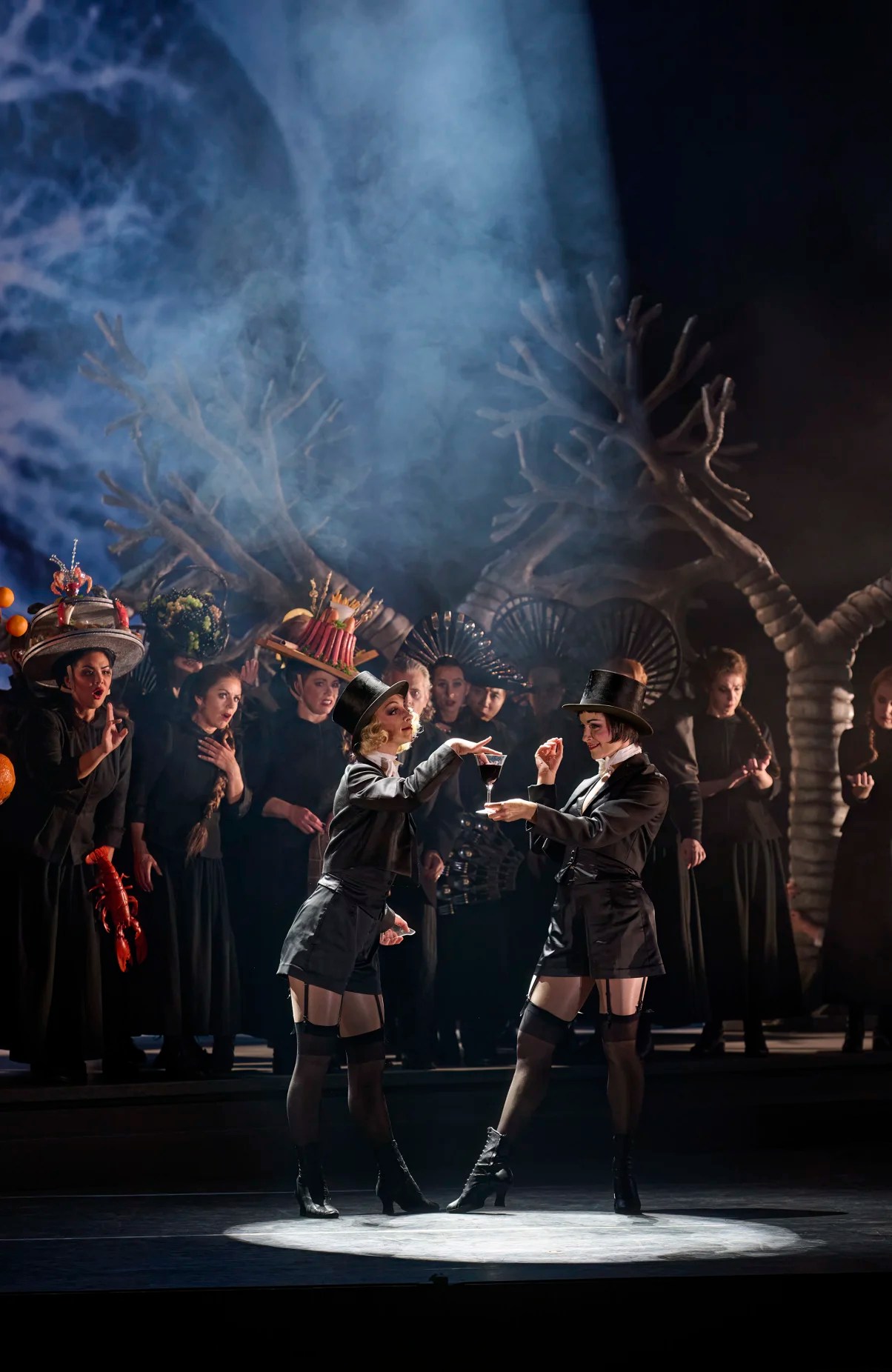
They serve to underline the challenges faced by the personages of the opera, who have little or no agency once they make a fatal choice such as selling their soul ( Faust) or throwing away a medallion that protects them from harm ( Valentin ). I think Amy Lane was seeking to improve Marguerite, the simple heroine of the work, which is perhaps a worthwhile effort even if the story doesn’t make it easy for the director. As portrayed by Guanqun Yu this afternoon we saw someone sensitive and thoughtful, but also with a beautiful tone and reliable intonation.
Long Long as Faust was very effective vocally, hitting all the important high notes and especially sympathetic in that opening scene when he’s the old man on the verge of suicide. For me this was one of the best scenes and got us off to a great start, especially when Kyle’s suave demon introduced himself from the staircase upstage with a resonant “me voici”.
My other favourite scenes also involve Kyle. He teams up with Marthe (Megan Latham), in over the top romantic comedy to contrast the leads, a lovely scene that is likely a prototype for what Puccini does in Act III of la boheme decades later, and then is a horrific tormentor in the church to begin Act IV with Marguerite and a demonic chorus.
Alex Hetherington was delightful as Siebel, singing one of the nicest melodies of the night to open the third act, and Korin Thomas-Smith was a strong presence as Wagner.
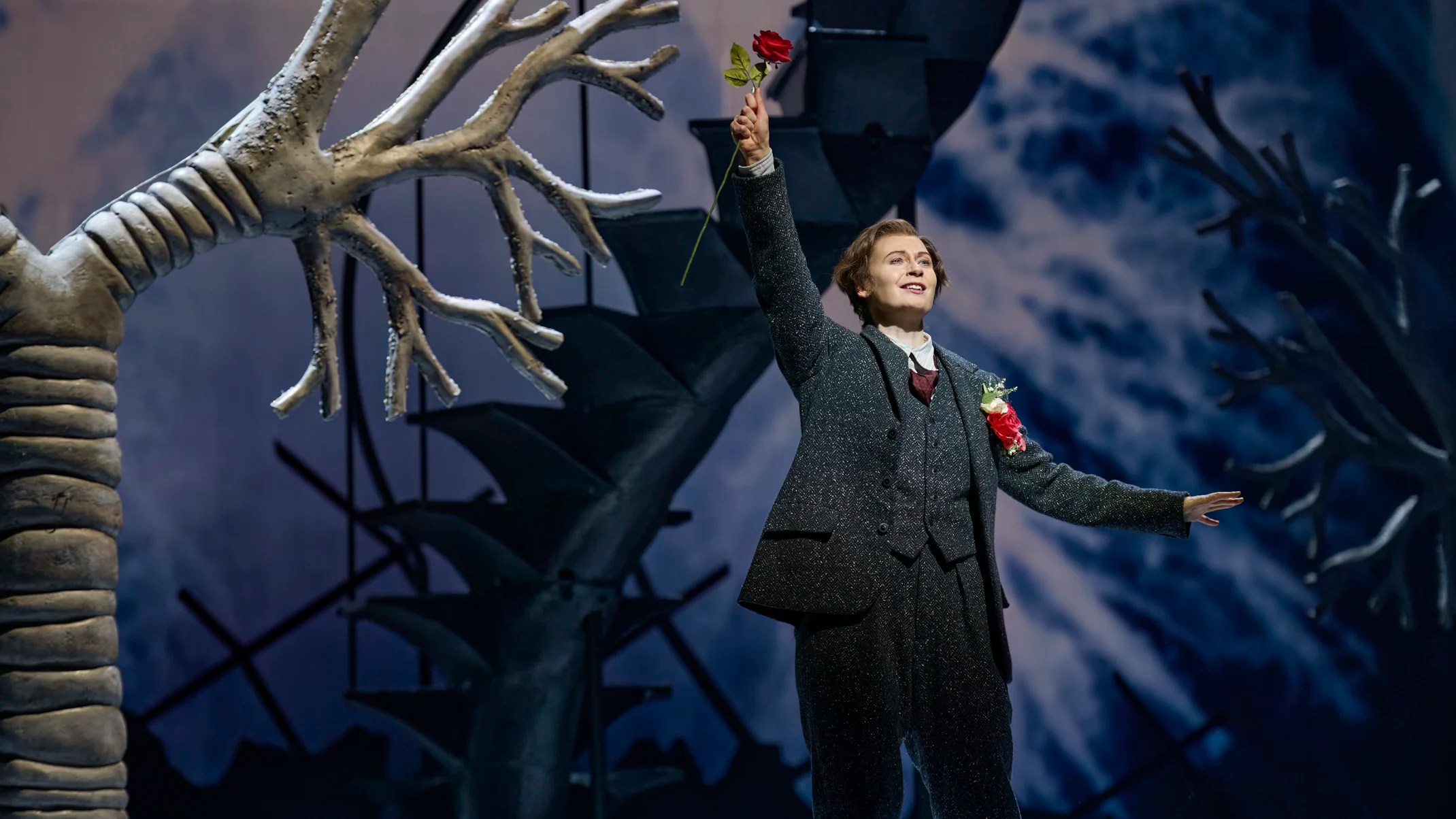
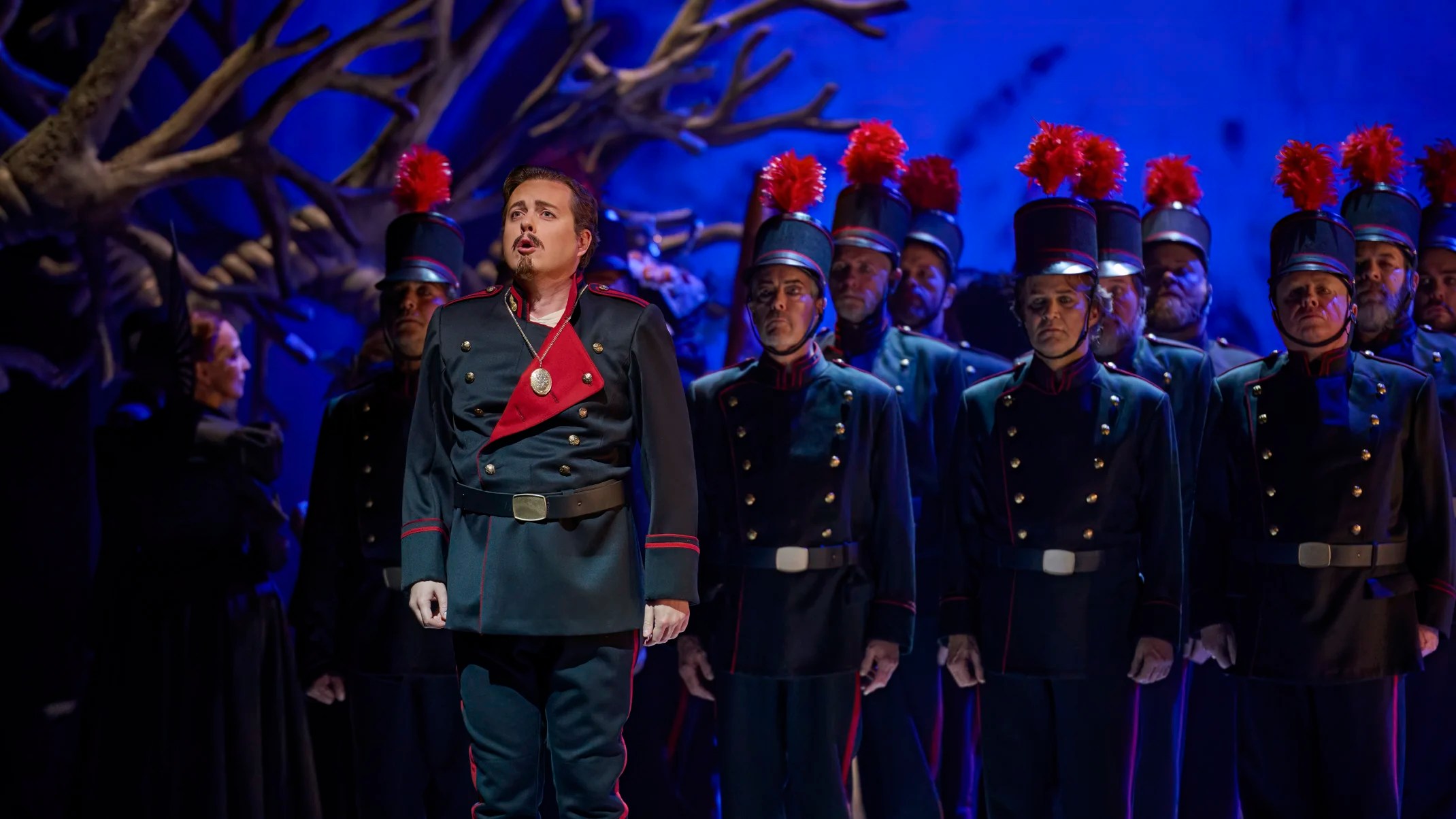
Our Valentin was Szymon Mechlinski in his COC debut, a strong voice and a solid actor in a role that in many ways aligns with the most conservative aspects of Gounod’s version of the story. While the soldiers still sing their famous chorus upon returning from war in the fourth act, it’s turned into a burlesque with fun choreography.
I wonder whether Gounod’s opera can work as well if it isn’t allowed to be an old-fashioned romance full of sentimentality & melodrama, as the first casualty was in the sense of a real connection between the tenor and soprano, whose love felt rather polite without real passion or heat. But in the season of Halloween there are other compensations in this story and in the visuals offered by the COC.
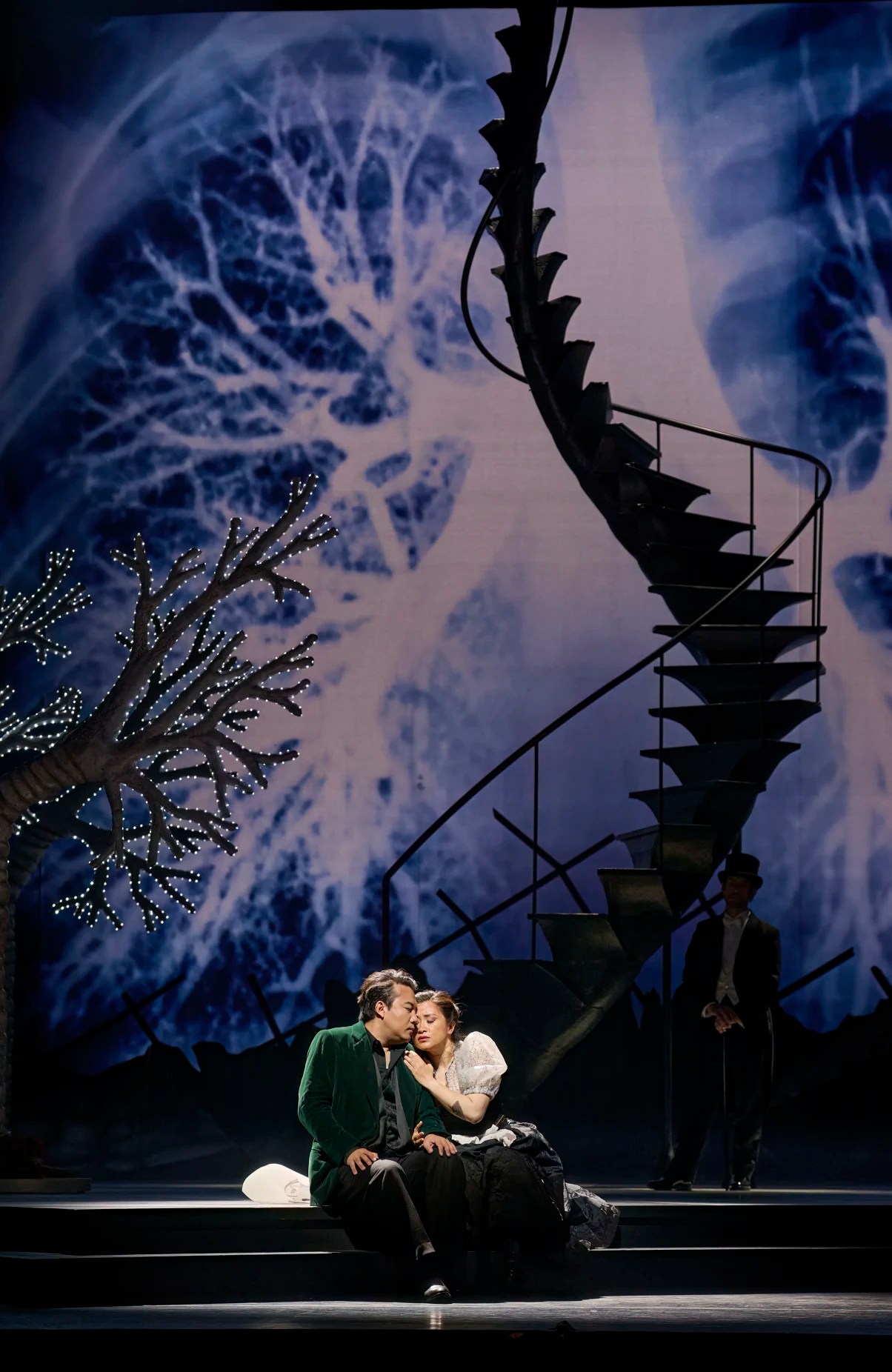
Perhaps that’s what the director wanted? There is much in this production that is clever, sensitive, insightful: but the production has not yet found its way, based on what I heard in the lobby conversations. Of course those who come expecting to see a certain sort of story presented may come away frustrated, but that’s inevitable if one shows up with stipulations, instead of giving the piece a chance to diverge from what you saw last time.
Musically the orchestra and the chorus led by Johannes Debus are the stars, very much as we saw in the COC’s production of Nabucco. It’s ironic that I find myself intrigued by the comparison, that the COC’s Nabucco –arguably a weak flawed early work from Verdi that also contains sentimentality & melodramatic moments– feels like a much stronger production than this one, because it doesn’t fight against the essential character of the work, but presents the piece, warts and all. Yet I wonder whether anyone in 2024 could possibly present this conservative plot-line as written. The solutions especially in the last scene are intriguing, and (believing in writing spoiler-free reviews) I won’t speak too much about them for fear of spoiling it for you if/when you see the show.
Faust continues at the Four Seasons Centre until November 2nd.
 barczablog