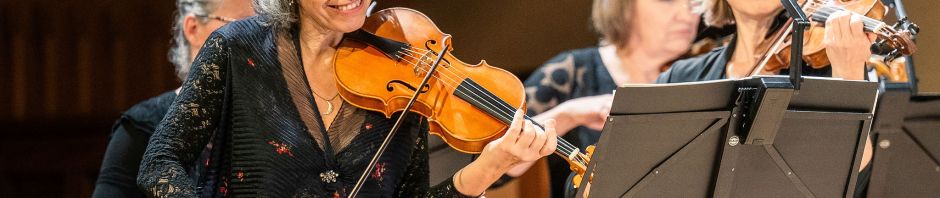
Tafelmusik have outdone themselves this time.
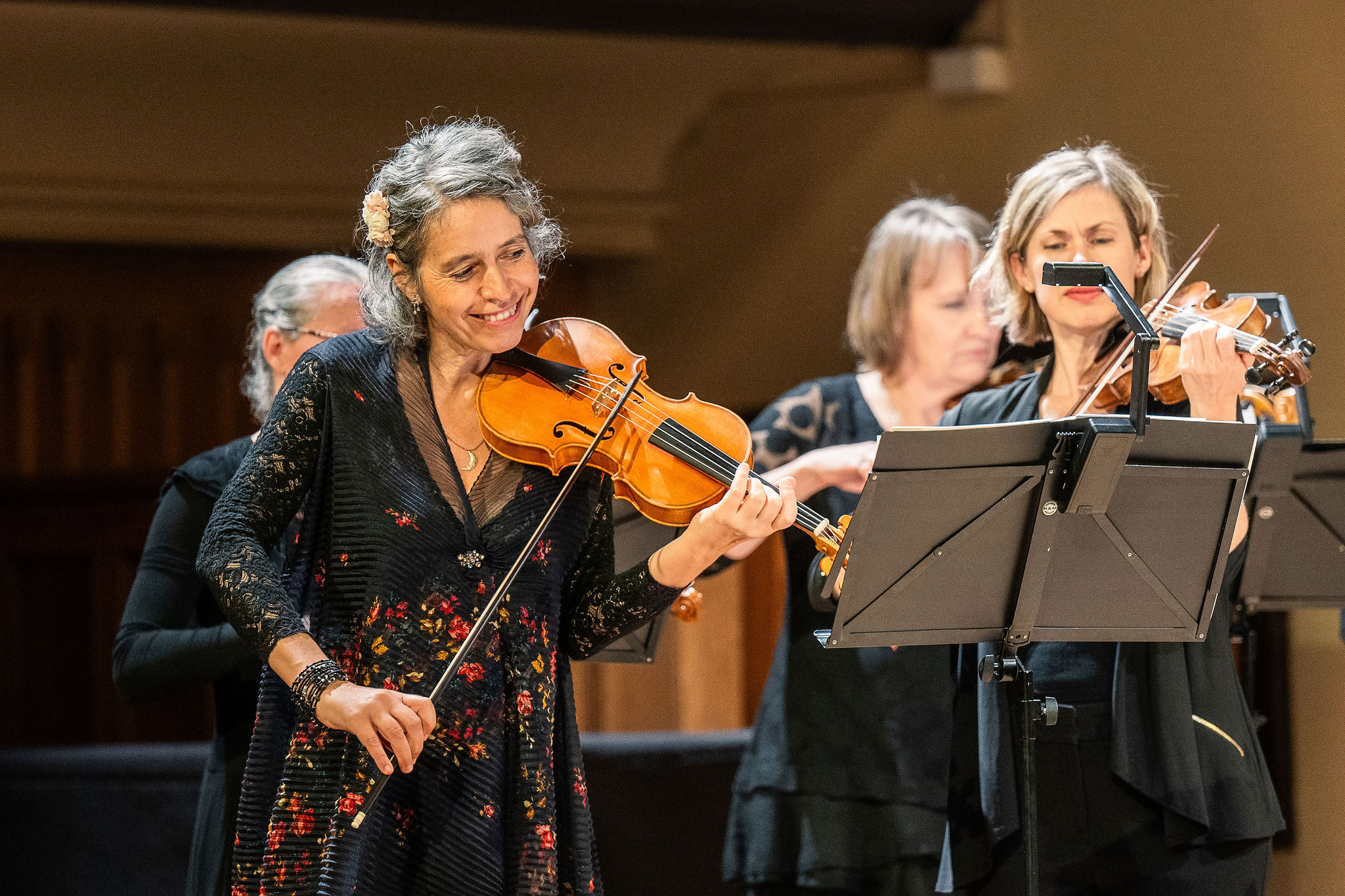
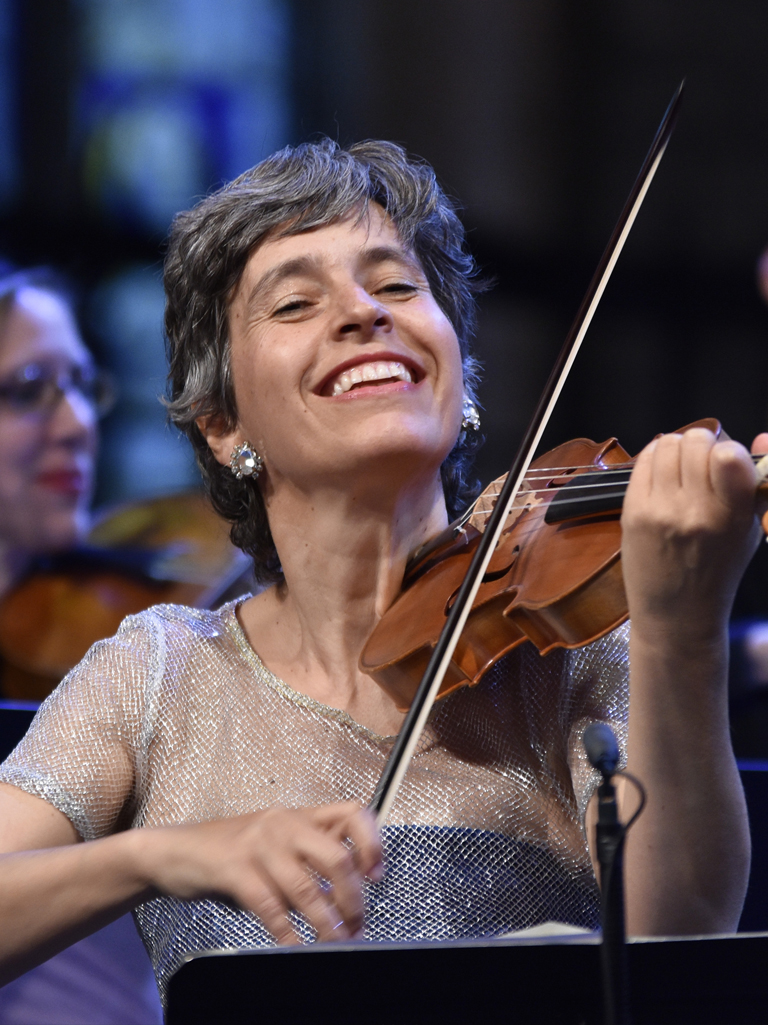
This concert titled Feast for the Senses was an exploration of new flavours presented with the assistance of Amandine Beyer, guest director and violin soloist, a genuine feast.
Baroque for most people means Bach or Handel or Vivaldi, not Muffat (huh?) Lalande (qui??) or Elizabeth Jacquet de la Guerre (de la quoi??). And while we may know the name of Jean-Philippe Rameau, the chance to hear his music played in this authentic style is an opportunity not to be missed.
At the dawn of the new millennium Opera Atelier, the company who collaborate with Tafelmusik, gave us our first look at the brilliant French operas of the 17th century. Artistic Director Marshall Pynkoski and Music Director David Fallis showed us a new sort of opera, the tragédies lyriques such as Persée or Armide (both composed by Lully) or Médée (by Charpentier) featuring dance music for ballets that wasn’t merely a divertissement but represented important action in their stories. And no wonder when presented for a King who expected everyone around him at court to dance. Over the next quarter century maybe I expected too much of Marshall & Opera Atelier, who also offered us historically informed productions of Der Freischutz, and several Mozart operas plus several baroque masterworks. They did give us the one Rameau opera, his Pygmalion in 2018 on a double bill with Charpentier’s Actéon. If like me you’ve been desperately waiting to hear the glorious orchestral dance music of Rameau, you must get to Jeanne Lamon Hall this weekend for one of the remaining Feasts.
In other words the dance numbers after intermission showcase Rameau’s unique approach. There is something I’d describe as counterpoint but it’s not like what we hear from Bach. The orchestra on the stage almost seemed to be divided between strings on one side, continuo players (cello, bass, guitar, harpsichord) on the other, with the wind players in their midst as though reconciling a tug of war. Bassoonist Dominic Teresi played an especially interesting role, offering up counter-melodies and delightful ripostes as though seeking to change the subject of the debates, sometimes leading the call-response between the violins & continuo into a new direction. The complexities of textures are as richly astonishing as a smorgasbord, and that’s without having any notion of what the music is meant to do, given that Rameau employed these pieces in his operas. We heard a ballet des démons, an Air majestueux, but were discouraged in the program from our usual OCD program perusal behaviours:
A note to the listener: it can be daunting to be faced with a long list of movements in a French suite, such as the Rameau selection this week. It is absolutely not a requirement to follow along, with the fear of getting lost mid-list. You are welcome to close your program booklets, sit back, and enjoy the ride. You may find that you’re occasionally wanting to tap your toes (Muffat would approve!). Or you may want to imagine yourself seated on a train enjoying a tasting menu of French delights as the landscape rolls by.
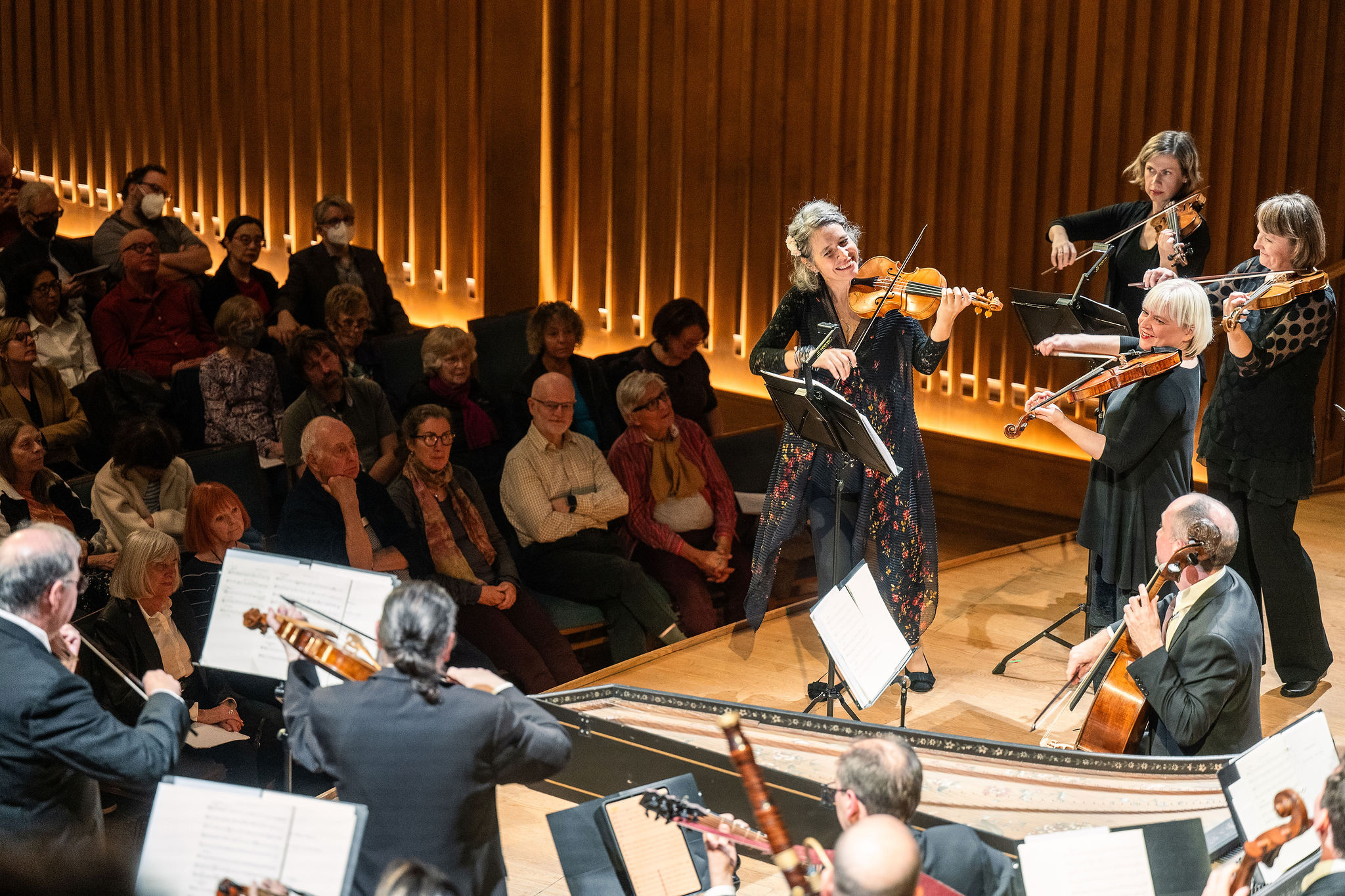
Forgive me if my attention to the history is off-putting. The exquisite performances of Rameau dance music remind me of music we used to speak of as stoner music, the compositions when one was getting high back in the day. But instead of Pink Floyd or King Crimson I would always prefer Hector Berlioz or Claude Debussy, who represent the same sensuous tradition of orchestration as Rameau. What’s amazing about the Rameau is how it alters your reality, sharpening your senses as though you’ve taken a drug: but no drug is needed. Or perhaps Rameau is the drug. Rameau is powerful like that, and especially in a lovely space like Jeanne Lamon Hall where you have such an intimate connection to the performers.
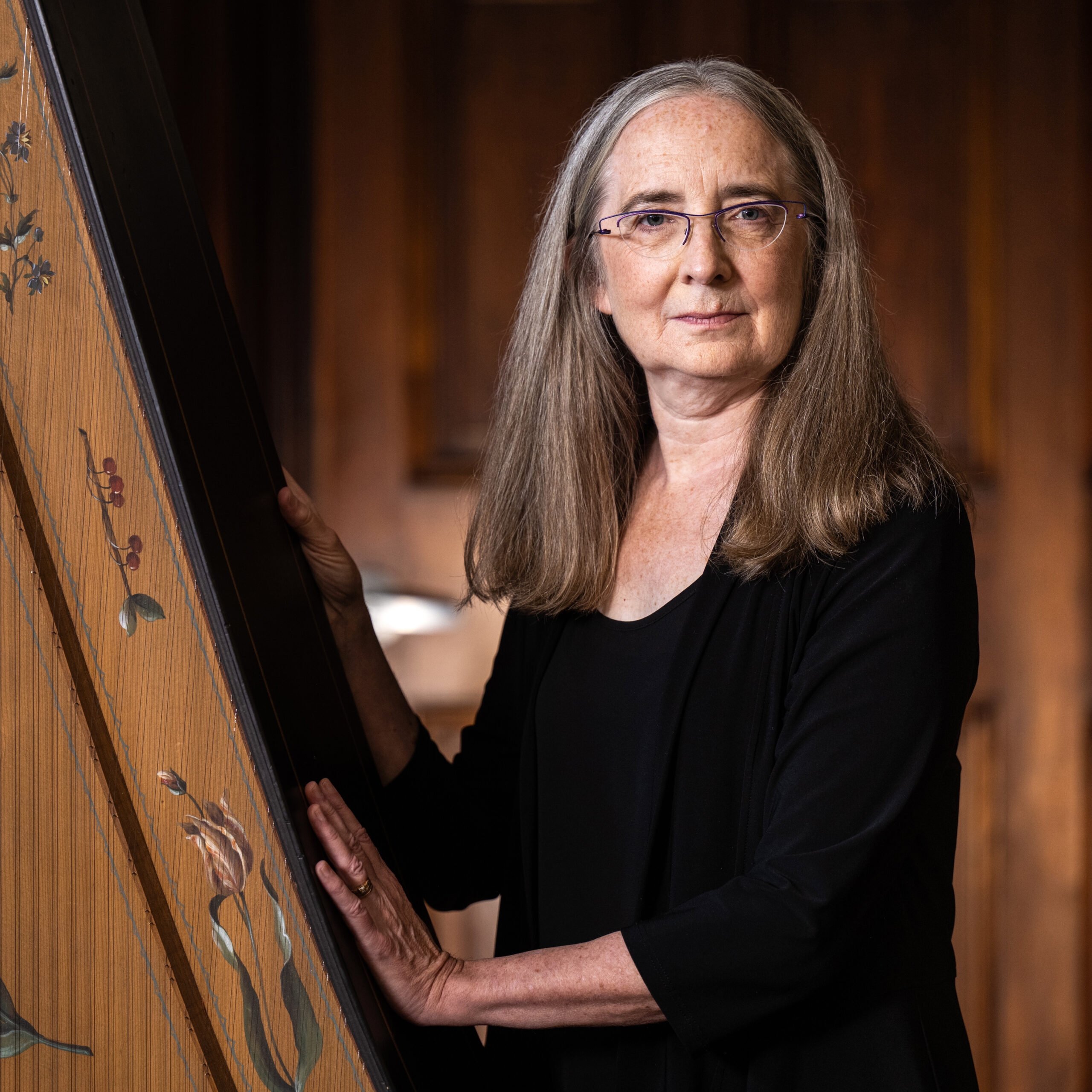
The program notes by Charlotte Nediger, Tafelmusik’s keyboardist, are part of the fun. Tafelmusik’s historically informed approach on period instruments often serves to illuminate classic works. Last month it was the Jupiter Symphony of Mozart sounding fresh & different. Their annual Messiah will be coming up soon enough. While the pieces unearthed via careful research may be “old music” from the 17th or 18th centuries, they’re still far from familiar.
As Charlotte’s clever program notes explain, with Michel Richard de Lalande we would visit the intimate daily life of Louis XIV. What did the King hear while eating? A popular choice was Lalande’s “Simphonie pour le souper du roi“. But of course. In 1687 the Sun King couldn’t very well say to his computer “Allo Siri play me quelque chose digestif! ” At one time that’s what musicians were expected to do.
Aha that means Lalande gave Louis actual Tafelmusik (table music).
Beginning in gentle plaintive tones Lalande’s Simphonie gradually picks up energy, becoming energized and much quicker. In its time perhaps that helped the royal digestion..?
We next heard the first of two Fasciculi or bouquets from Georg Muffat, a scholarly composer whose multilingual gifts remind me a bit of Georg Frideric Handel. Just as Handel’s operatic & musical gifts reflected his time in several different countries, a distillation of German, Italian and later English cultures, so too Muffat, whose writings have been helpful for those like Tafelmusik seeking insight into period performance practice. Perhaps it was more normal for a smart composer to function in German, Italian, French and Latin, given the necessity of moving between royal courts and the churches of the time.
The first Bouquet exemplifying the state of mind of “Gratitudo” was clearly meant for our current season of Thanksgiving, a dance suite of tremendous variety and rhythmic vitality. Charlotte paraphrases Muffat’s most important secrets on how to play in the French style:
“to steer the player to what is most pleasing to the ear so that those playing and listening can feel the impulse to dance in one’s heart and feet at the same time.”
Between the two Muffat dance suites came something entirely different, the violin sonata #5 by Elizabeth Jacquet de la Guerre, from Amandine and continuo in the persons of Charlotte at the keyboard, principal cellist Michael Unterman and Theorbo Lucas Harris. While we were now hearing a smaller ensemble, the intensity was if anything greater, especially in the playing from Amandine, whose intonation and phrasing are unlike anything I’ve experienced. Her connection to the ensemble was organic, perhaps embodying the ideal. You know you’re seeing and hearing something special when you see the Tafelmusik players grinning back at their leader & soloist.
Tafelmusik will repeat their Feasts of the Senses Saturday & Sunday, October 19 & 20 at Jeanne Lamon Hall.
 barczablog