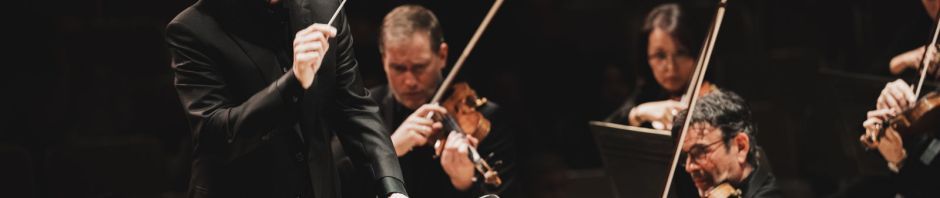
The concert is titled “John Adams Returns”. Toronto Symphony seemed prescient in welcoming the composer this week to conduct a program including some of his own works.

It’s uncanny. By the serendipity of the calendar tonight’s concert had a special relevance, as I recall one of the epithets that used to be hurled at Adams and his collaborator Peter Sellars, namely that he wrote works with the generic label “CNN operas”, pieces with unmistakable connections to world events. Please note I admire these works and their ambitions. Opera rarely seems relevant does it? The COC presented Faust and Nabucco, works with no connection to modern life. Instead of operas like la boheme or Madama Butterfly or Carmen with a dying diva: suddenly Adams and his collaborators, especially Alice Goodman, brought us stories that grab you with their relevance. So I don’t mention the label to denigrate Adams, a composer whose works have a wonderful durability and importance precisely because they are ambitious in exploring our feelings about contemporary events.
Doctor Atomic (2005), with a libretto by Sellars concerned Oppenheimer and the bomb.
The Death of Klinghoffer (1991) libretto by Alice Goodman & directed by Sellars, concerned terrorism, via the hijacking of the Achille Lauro and murder of Leon Klinghoffer.
But first and in my opinion most successfully came Nixon in China (1987) again with a libretto by Goodman & directed by Sellars, a work I thought of this morning when I shared this tiny sample, musing on the meaning of the events the morning after the American election.
The TSO welcomed us in the comfortable surroundings of Roy Thomson Hall, a gentle affirmation of normalcy on a day when many people I know were shaken by what they’d heard.
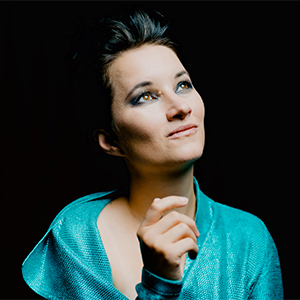
This was the program:
Maurice Ravel: Alborada del gracioso
Claude Debussy (arranged by John Adams) Le Livre de Baudelaire
– Intermission –
John Adams “This is prophetic!” from Nixon in China
John Adams Frenzy (Canadian Première/TSO Co-commission)
Two of the four works that we heard were vocal music featuring soprano Anna Prohaska, the TSO Spotlight Artist for 2024/25 in her first appearance.
Anna will return in March for a program including Mahler’s 4th Symphony and arias by Mozart and Haydn.
I strongly recommend this concert, to be repeated Saturday night November 9th: both because I love the music in this program, and for its relevance to world events. Taking up the microphone for a brief explanation Adams addressed the perfection of the match between the music and the general feeling today after an election that changed the political landscape. He mused that concerts are programmed months or even years in advance, so of course it’s just luck: although November 5th was announced long ago as election day, and maybe the TSO planners were aware. Who knows.
So yes I had a wonderful experience at Roy Thomson Hall even if I have some quibbles with what I saw and heard. More on that later. The main thing to mention was how important this concert feels to me. This is a chance to hear the music of one of our greatest composers conducted by the composer. It’s a rare and magical treat. There are piano rolls from player pianos that allow us to hear Debussy or Gustav Mahler or George Gershwin playing their own music. There are recordings of Igor Stravinsky or Richard Strauss conducting their own music. If you like Adams’ music (as I do) this is particularly magical. And we heard a Canadian premiere of a new piece that adds additional lustre to the night.
Let me interrupt the discussion of the concert just to mention one of the texts we heard, from Nixon in China. At the time Adams and librettist Goodman created this, a meditation from Act II in the innocent voice of Pat Nixon, it was a charming poem capturing a dream. In the two productions I have seen (one from the Met, one from the Canadian Opera Company) Pat is given words of an idealist, a feminine incarnation of the American Dream, as of 1987.
Hearing it now after the election it is especially poignant. I want to present the text here for you to read, as it was given in our program.
“This is prophetic!” from Nixon in China Composed by John Adams. Text by Alice Goodman.
Smiling and waving, Mrs. Nixon and her entourage leave the commune and proceed to the next stop on her tour: the Summer Palace where she is photographed strolling through the Hall of Benevolence and Longevity, the Hall of Happiness in Longevity, the Hall of Dispelling the Clouds and the Pavilion of the Fragrance of Buddha. She pauses in the Gate of Longevity and Good Will to sing:
PAT NIXON
This is prophetic! I foresee
A time will come when luxury
Dissolves into the atmosphere
Like a perfume, and everywhere
The simple virtues root and branch
And leaf and flower. On that bench
There we’ll relax and taste the fruit
Of all our actions. Why regret
Life which is so much like a dream?
Let the eternal plan resume:
In the bedroom communities
Let us be taken by surprise;
Yes! Let the band play on and on;
Let the stand-up comedian
Finish his act, let Gypsy Rose
Kick off her high-heeled party shoes;
Let interested businessmen
Speculate further, let routine
Dull the edge of mortality.
Let days grow imperceptibly
Longer, let the sun set in cloud;
Let lonely drivers on the road
Pull over for a bite to eat,
Let the farmer switch on the light
Over the porch, let passersby
Look in at the large family
Around the table, let them pass.
Let the expression on the face
Of the Statue of Liberty
Change just a little, let her see
What lies inland: across the plain
One man is marching—the Unknown
Soldier has risen from his tomb;
Let him be recognized at home.
The Prodigal. Give him his share:
The eagle nailed to the barn door.
Let him be quick. The sirens wail
As bride and groom kiss through the veil.
Bless this union with all its might,
Let it remain inviolate.
Do we call this an aria? It’s less operatic than poetic, a meditation that’s a lot like a prayer, a vision of the future, poignant as a prediction even as things haven’t managed to be quite as sunny as was seeming in the optimism of the 1980s. Imagining that the Statue of Liberty is no longer working to welcome the immigrants to America’s shores, her work done, and now free to look towards “what lies inland:” except the inscription under her statue is entirely out of step with the subtext for the new Presidency and his mandate.
In one of Adams’ self-deprecating reflections he commented that composers don’t always know what they’re created (rough paraphrase), a thought that I think is hugely important. Please note, I’m not going to suggest that I know any better than he does.
But I experienced some frustration.
The lights were partially on, the program notes beautifully created to help us follow along. As I looked about me, I saw that almost everyone nearby had their program open, following the text in English. Don’t get me wrong, Anna Prohaska has superb English diction and pronunciation, managing to sound more American than English.
But I think Adams was enjoying his own beautiful music perhaps a tad too much. When I listen to the piece on my complete Naxos CDs of the full opera, Marin Alsop conducts the Colorado Symphony Orchestra to be very soft, with the singing voice of Maria Kanyova as Pat Nixon very easy to hear. That was not how it felt here at RTH. Perhaps Adams can hear the singer as he stands directly beside her, not realizing how bad it sounds in the hall, where his enthusiasm often submerged the singer.
In both the Debussy (arranged by Adams for orchestra) and the Adams operatic piece, the blend between orchestra and soloist reminded me a bit of Philip Glass, not as the operatic composer, but the Philip Glass Ensemble, who had a soprano whose timbre blended into the musical textures as though it were another instrument. I love the Debussy songs, I adore this meditation from Nixon in China: but found the voice immersed in sound rather than permitted to float above it. The effect is beautiful, musical, but problematic especially if you’re seeking to follow the text. I had the impression that Adams was grooving on his own orchestration, enjoying the stunning sounds coming from the TSO, surrounding both Anna and John. Or maybe that’s just Roy Thomson hall? At times the orchestra is luscious with an astonishing variety to its expressive colour palette but never seeming insensitive… this is Adams confidently sharing his beloved creation, and it’s a joy to see and hear.
To conclude Adams led the TSO in the Canadians premiere of Frenzy a work he described as a symphony that had been compressed. It’s 18 minutes long, quite an enjoyable piece to hear. I was reminded of Stravinsky, indeed towards the end it sounds like a minimalist Sacre du printemps. At times i was thinking of Bernard Herrmann, the incessant repetition of cells in the orchestra jagged as the music from North by Northwest. While we still recognize Adams in the newer work it’s a subtle synthesis of styles. And it’s a terrific piece that shows off the skills of the orchestra.
The concert feels like a study in Adams’ possible influences. We began with the flamboyant fun of Ravel’s Alborada del gracioso, Adams playing up some of the extreme timbres of the piece for a few jagged moments, otherwise steady and calm while patterns repeated over and over. Okay maybe I’m hyper-sensitive because it’s Adams, as I never noticed how much repetition how many instruments play simple patterns over and over.
Then we came to Le livre de Baudelaire, a series of four Debussy songs originally for piano but orchestrated by Adams. In the collected songs we see that Debussy set five Baudelaire poems. While I might wish that Adams would eventually get to #5, “La Mort des Amants, when I look at the Boosey & Hawkes website for the score, I see it was premiered way back in 3/10/1994, so likely there won’t be any fifth song. The four we do have represent quite a rich sampling of the poet via Debussy’s settings.
I. Le balcon (The Balcony)
II. Harmonie du soir (Evening Harmony)
III. Le jet d’eau (The Fountain)
IV. Recueillement (Meditation)
These settings are not like the originals. John Adams has composed an impressionist score for these four songs. Please note that I dislike and disapprove of the word “impressionist” attached to the music of Debussy, and in calling Adams’ songs impressionist am calling attention to how far away they are from what Debussy composed. I am pleased to see the word “symbolist” in the TSO program note although there’s this other layer that comes from our guest conductor & composer, Mr Adams, turning Debussy’s songs into something else. It’s very exciting the way these songs sizzle, employing colours splattered on the canvas. If you look at the piano score of the four songs, Debussy makes the music underscoring the voice reticent, quiet, soft. They are almost always p or pp, with even some ppp bars, and hardly ever anything else. When orchestrated Adams gives us something colourful and much bigger and more forceful than what Debussy wrote for the piano. Perhaps Debussy’s ideal performance would be in a small salon with a piano, while this newer bigger work properly belongs in a bigger concert hall.
Anna’s vocalism was perfectly in tune and clear in diction but sometimes opting for a delicacy that was challenged by Adams’ fat sound, a very different approach to what Debussy did from the piano. Is it really fair to ask Adams to be a symbolist? And yet there’s a big overlap between the symbolist and minimalist aesthetic if we recall such works as Debussy’s nocturnes. But maybe we allow Adams to go in a new direction as though this were an adaptation along the lines of (first example that pops into my head) Ravel’s take on Mussorgsky’s pictures at an exhibition. It’s a different work done on this scale and in this space, than when it’s done with piano in an intimate performance venue. The singer: beautiful involvement, fluidity, effortless, her voice floating above the orchestral textures, sometimes among the fragrant branches of the thicket sometimes in the clear. Arguably we don’t want silence around the notes but rather a background. But Debussy wrote the songs for something quieter, more intimate. Anna was caught in a kind of creative cross-fire, trying to do justice to the subtlety of these quiet songs even as Adams the composer of the orchestral arrangement made such boisterous sounds in the accompaniment. Indeed when it’s this extroverted the singing almost gets lost.
I will repeat something I keep saying about TSO concerts with voice at Roy Thomson Hall, that we should have the benefit of projected titles, enabling us to look at the artist rather than our programs. And while the house-lights were on perhaps at 25% it wasn’t easy to read the program, as I saw most of the audience in my vicinity trying to follow. Please TSO – RTH if you give us the text, give us enough light to read. Better yet project the text, the way every little opera company in Toronto does.
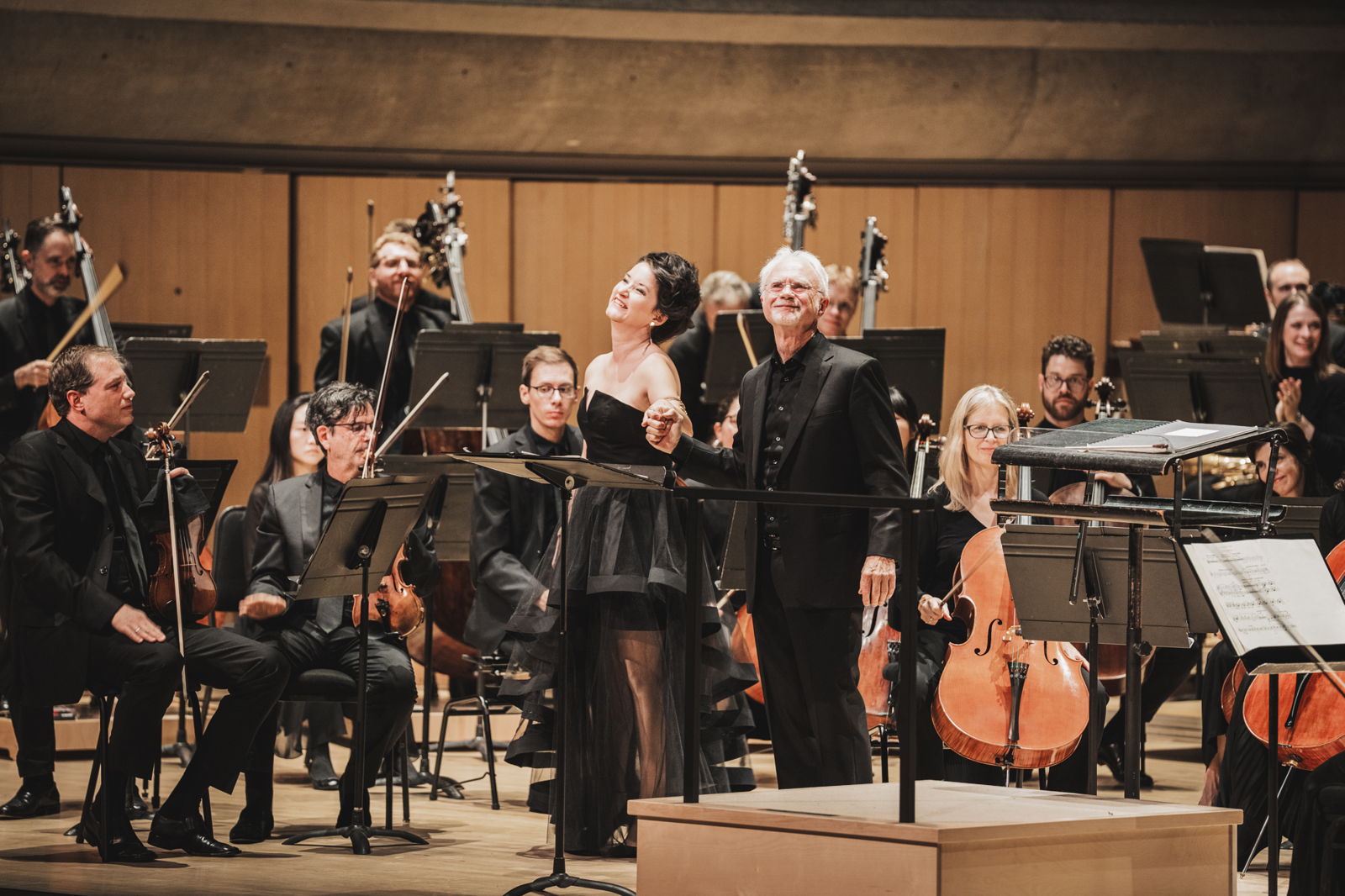
As I was gazing at Allan Cabral’s lovely photography I thought of something even more radical. First look at this picture.
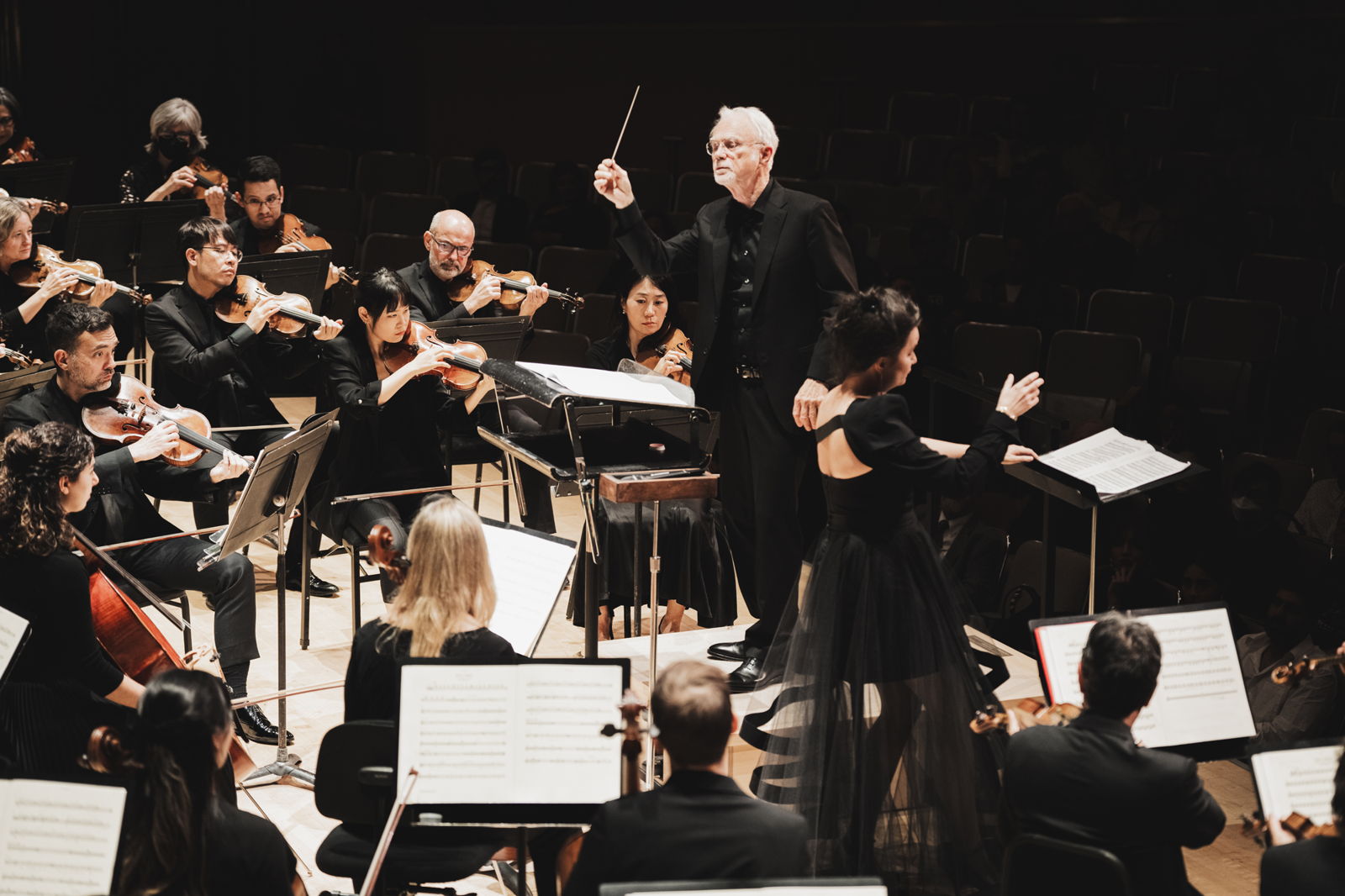
I see her hands gesturing, noticing that perhaps she was offering something as part of her interpretation that couldn’t be seen from where I sat, in a really good seat I might add. Sigh, I wish I could have seen more.
Yes I’ve asked the TSO and RTH to project titles the way the COC do, so that we can focus on the show and the magic of a performer. But here’s another admittedly expensive way to add to the magic. Can classical music perhaps learn something from the realms of sports or popular music? Look at this stock picture of a rock concert.
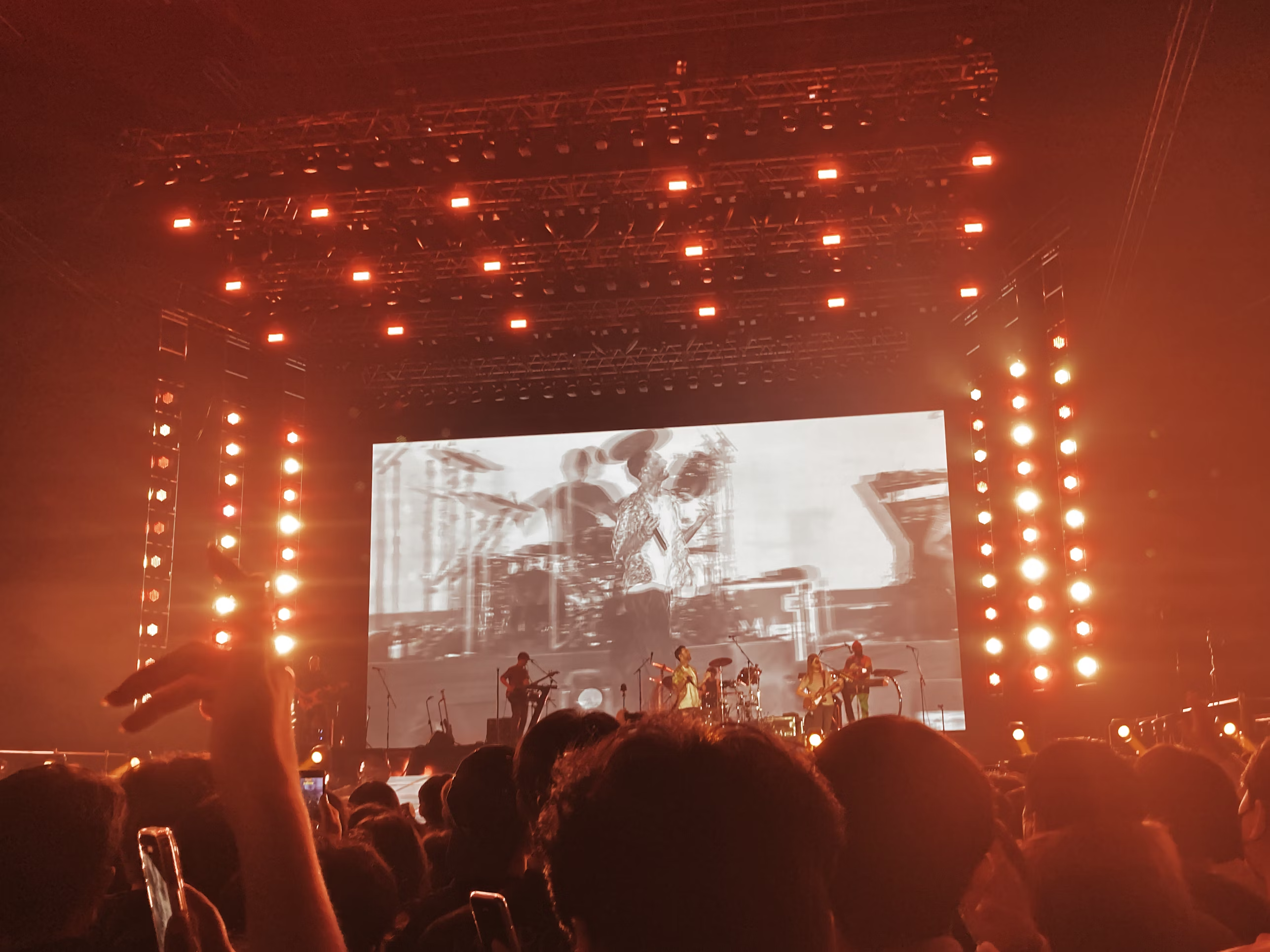
Notice that while the players are tiny little figures who can’t be seen from far away, they are ENLARGED on a video screen. This is now the normal expectation at a concert. I think the world of music learned from sports, where thousands of people far from the action are able to see better with the help of video technology.
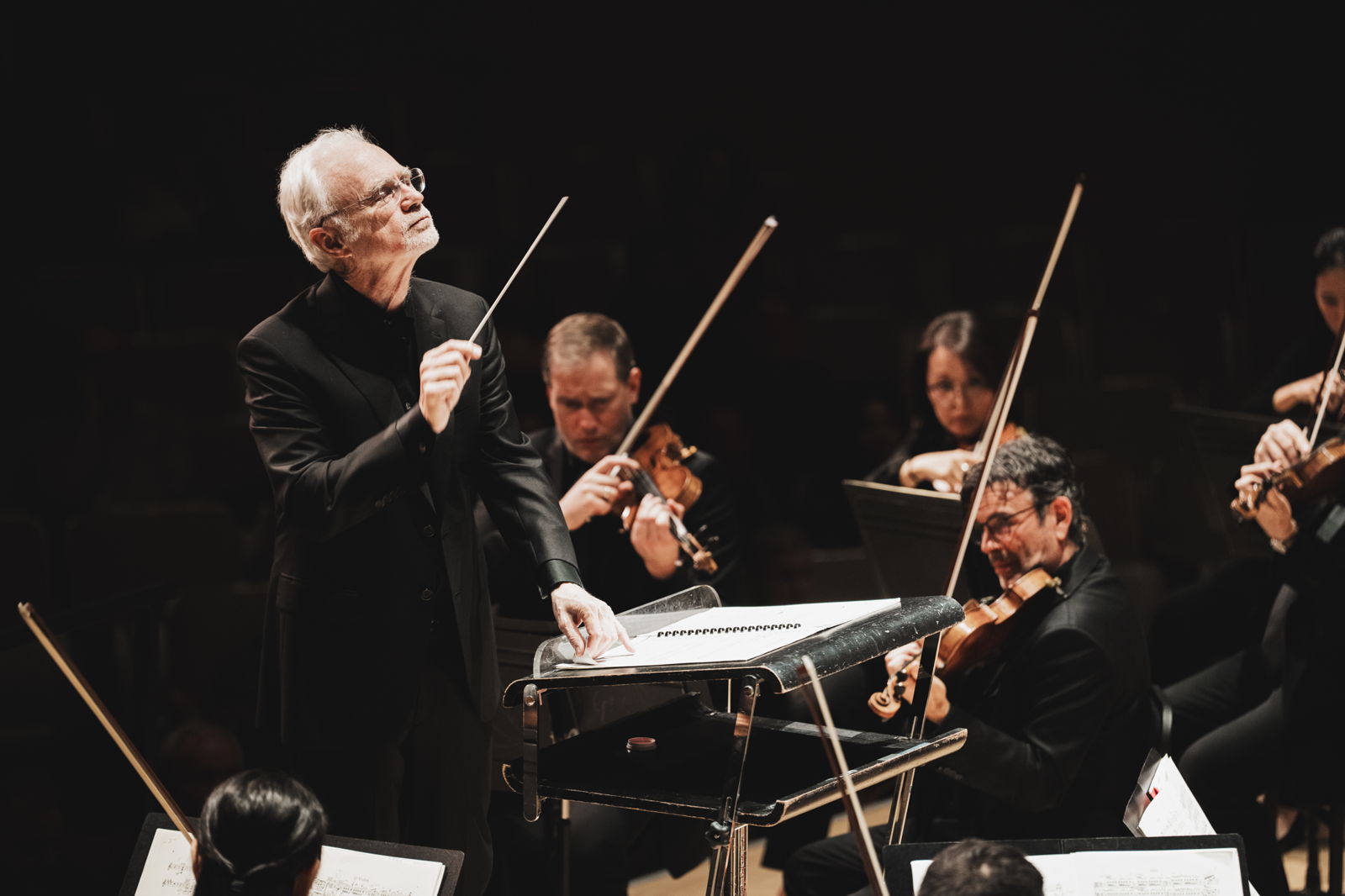
Concert after concert I am very grateful for Allan Cabral’s wonderful photos, giving me views of the soloists and orchestral players that I wouldn’t otherwise get. But wouldn’t it be amazing if the TSO helped us to see closeups of the intricate fingerings of Yuja Wang or Jonathan Crow or Anna Prohaska..?
We get closeup views at baseball or hockey games. For something as subtle as music wouldn’t it be amazing to see what the virtuoso is doing? Okay I’ve put it out there. Let’s see if anyone agrees. I know rock music is not necessarily understood to be “art”, that baseball players are not virtuosi even if their salaries are comparable or even bigger. If I can see a closeup of a pitcher or a skater in sports: why not a violinist or opera singer?
Mark Williams please talk to Roy Thomson Hall, see if you can make it happen. Surely this would help promote the TSO.
John Adams Returns will return Saturday November 9th at Roy Thomson Hall.
 barczablog
Pingback: Fire & Ice: Shostakovich, Sibelius and TSO specialties | barczablog