
When an artist tells you their goals & objectives one should listen. Gustavo Gimeno’s “European Soundscapes” essay in the current Toronto Symphony program gives us some great clues as to what we should expect from the orchestra.
No they are not swearing off Mozart, yes they will still offer their annual Messiah. But there’s a new focus on 20th-century classical music, that Gimeno calls “a specialty of the orchestra”.
Earlier this month it was a program of John Adams in a concert actually conducted by the composer. Next week Nov 21-23 it will be Brilliant Bartók, including the third recording for the Harmonia Mundi label.
“Fire & Ice” this weekend featured Shostakovich, Sibelius and Sokolović. In some ways this one and the Bartók concert seem to be part of a single large exploration (as Gimeno tells us), given that each program includes a concerto for orchestra, one from Sokolović, the other from Bartók.
I watched a TSO audience behaving themselves, with nary a phone mishap I could hear (meaning no smartphones going off during the music), Roy Thomson Hall jammed full without any well-known pieces, and enormous applause for each of the pieces:
- Ana Sokolović:Concerto for Orchestra
- Shostakovich:Violin Concerto No. 1 in A Minor, Op. 99
Intermission - Sibelius:Symphony No. 1 in E Minor, Op. 39
As I listened to Concerto pour Orchestre by Sokolović I was reminded of a frequent topic of conversation between me and my daughter Zoe, a painter & singer who is more open-minded than I. Maybe I’m a bit of a dinosaur in my enjoyment of beauty. Maybe my aesthetic places too much emphasis on pleasure and enjoyment. But even so I think one needs to recognize how popularity works, that people like melody and beauty, even if not all modern art requires or celebrates beauty.
That’s a preamble for my admission that I don’t really get Sokolović’s Concerto for Orchestra on first hearing it, a piece full of some very original sounds. It’s funny because the program quotes a critic admiring Sibelius saying “Here we have a man really saying things that have never been said in music before”.
I cite this not just because I found the Sibelius piece doesn’t sound all that original, given how often it reminds me of Tchaikovsky, but also because in several places I thought wow Sokolović was making sounds with her orchestra that I had never heard before, sounds that had me questioning just how they had been created. Okay so I wasn’t sure I liked it, I wouldn’t call it precisely “beautiful” but then again Guernica isn’t beautiful either, Sacre du printemps is downright scary in places. So of course naturally I need to hear it again. There’s no denying that it’s a powerful and accomplished piece. I must reserve judgment which is why I say “I don’t get it” rather than to presume to judge that it’s not a great piece of music.
For me the most exciting piece on the program was the violin concerto from Dmitri Shostakovich.
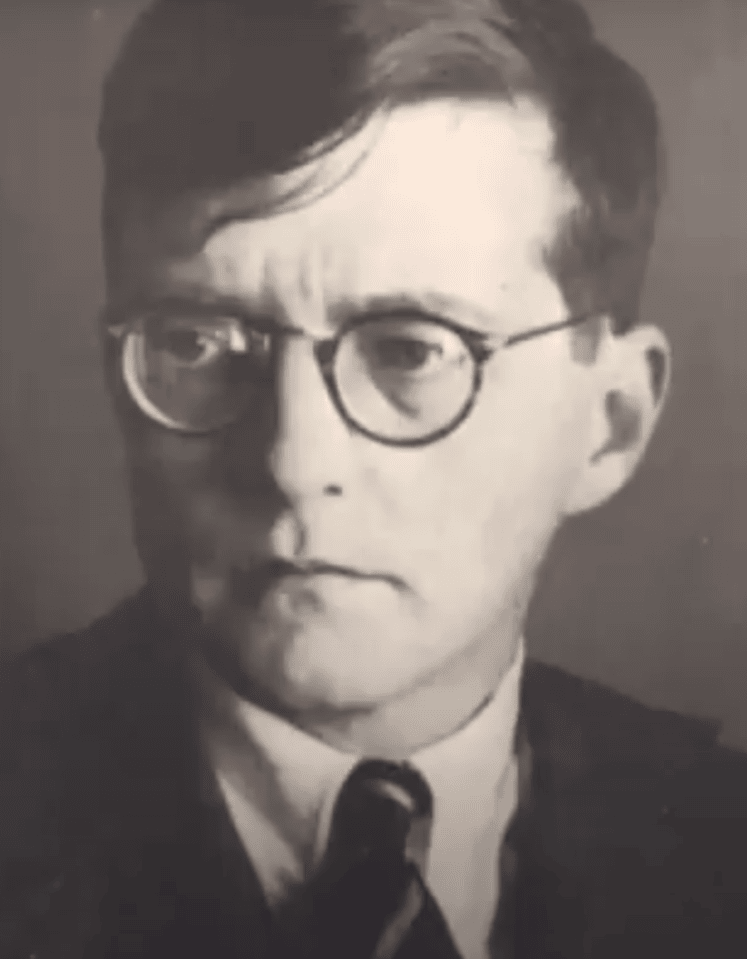
Somehow I have never had the pleasure to hear this concerto before. I thought I knew which violin concerti I prefer, dividing the world up between Beethoven and Mendelssohn with room for a little bit of Bruch, Brahms & Berg: but I have to adjust my pantheon to make room for Shostakovich, especially after the extraordinary performance from soloist Julian Rachlin, violin.
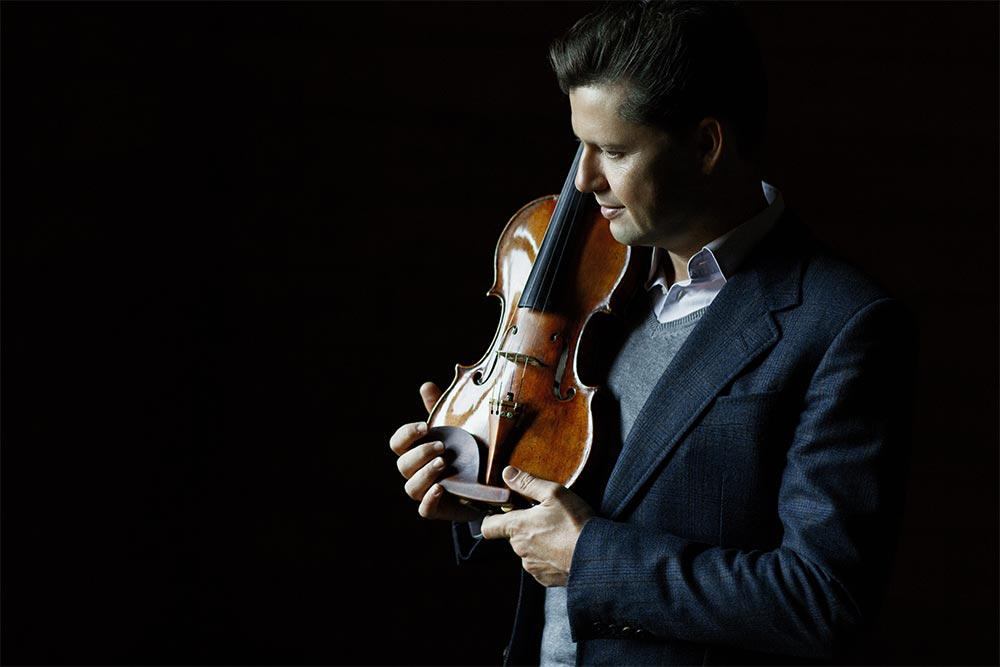
I am currently finding myself especially moved by the works of composers such as Shostakovich, who worked in the shadow of a repressive tyrant such as Stalin. For my whole life I’ve always thought of North America as the refuge from repressive regimes, bastions of freedom. If that is about to change, maybe we need to listen even more closely to people like Shostakovich, to learn from them. Shostakovich is sometimes plaintive and vulnerable, sometimes ironic, sardonic, witty in his juxtaposition of shapes & effects, sometimes brutal, sometimes invoking the simplicity of folk tunes or music as simple as our childhood nursery rhymes. All that happens while we watch a soloist exploring some amazing sounds on his instrument.
But Gimeno and the TSO were not mere bystanders for this work, with a hugely complex orchestral part in four movements, plus an enormous cadenza bridging the third and fourth movements. Maybe I need to listen to more performances of the work but right now what I heard today has me rethinking my ideas about violin concerti, in wonderment at what Rachlin, Gimeno and the TSO accomplished today.
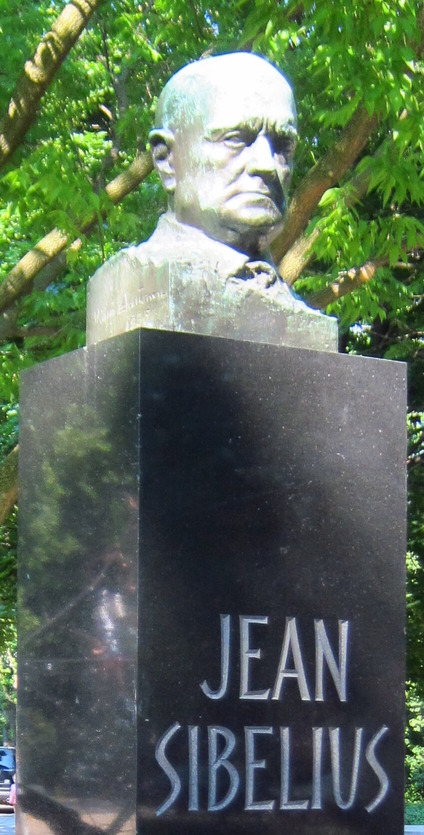
After intermission we were treated to a bold and decisive reading of the Sibelius, a work that is full of big statements and passions, reminding me of Tchaikovsky’s last symphonies, as far as the textures and the way the orchestra is employed. Of course it’s brilliant for a first symphony and a huge crowd pleaser.
The TSO are back next week November 21-23 for Brilliant Bartók, including their third recording for the Harmonia Mundi label.
 barczablog