
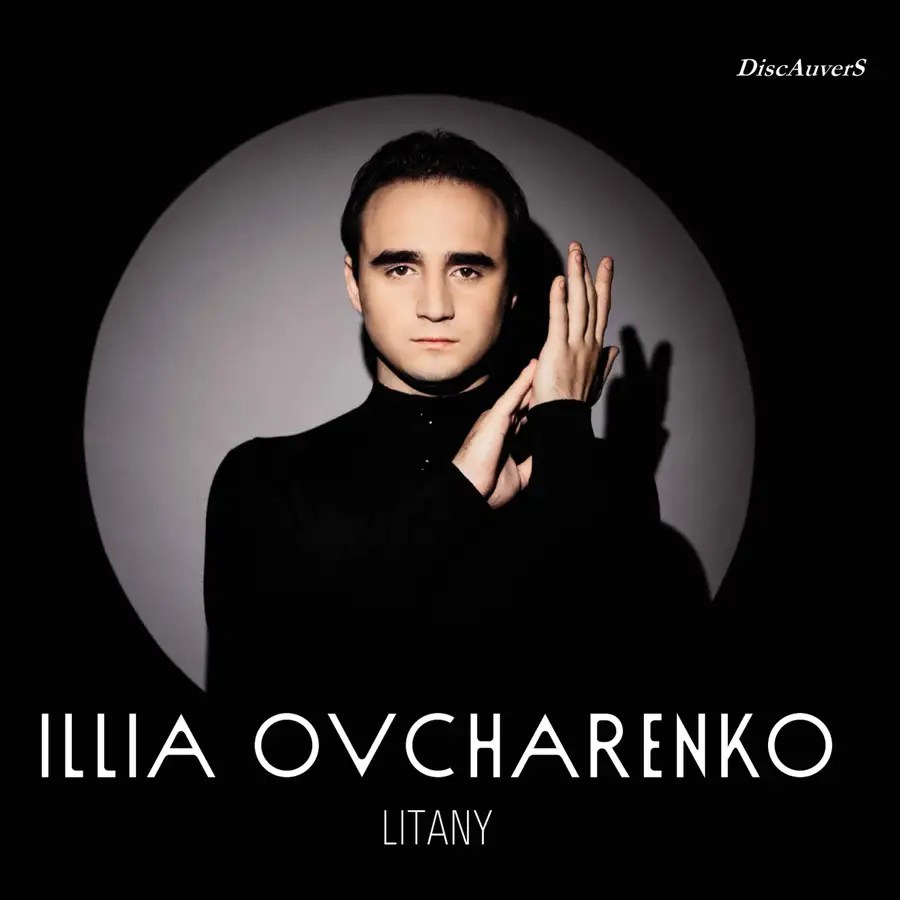
Tonight Illia Ovcharenko played at the Jane Mallett Theatre in Toronto.

I can give you the list of items in the program, but it can’t possibly convey the experience, between the pieces you might know and the ones we’ve never seen before.
Program:
Scarlatti – Sonata in B Minor, K.87
Liszt – Sonata in B Minor
Scarlatti – Sonata in B Minor, K.27
–intermission–
Valentin Silvestrov – Bagatelle Op, 1, No. 1
Levko Revutsky – Prelude D-flat, Op. 4, No . 1 (Lento)
Levko Revutsky – Prelude, Op. 4, No . 3 (Presto)
Valentin Silvestrov – Bagatelle, Op, 1, No. 2 (Moderato)
Levko Revutsky – Prelude , Op. 4, No. 2 (Andantino)
Levko Revutsky – Prelude , Op. 7, No. 2 (Vivace)
Levko Revutsky – Prelude , Op. 7, No. 1 (Andante)
Valentin Silvestrov – Bagatelle, Op, 1, No. 3 (Moderato)
Levko Revutsky – Sonata in B Minor, Op. 1
Chopin – Polonaise in A flat Major “Heroic”, Op. 53
Encore by unknown composer (name begins with a B?…I will ask Illia and/or Roman Borys of Music TORONTO to update me on the name, so I can plug the name in as soon as someone tells me.
Roman replied next morning: “Hi Leslie, Thank you for attending the concert. I look forward to reading your review. We’re just running off to the west end where Illia will perform for many Ukrainian school children this morning. They’re in for a treat! The encore was Sergei Bortkiewicz – Etude Op. 29, No. 3, Appassionato “La Brune” Thanks Roman“).
Let me try to describe the experience.
Illia began with a Scarlatti sonata played in a manner unlike any I’ve ever encountered. In the lobby my friend John thought it was “romantic” but I think that’s an understatement. Scarlatti can sometimes end up sounding like Bach, meaning the departure point for a concert, the music you play precisely but drily, without emotion. Illia spoke later into the microphone, calling this a prayer. Yes, that’s very much what he did. I approve both as someone who loves the infusion of loving care into the treatment of the old text by Scarlatti, and the delicacy we heard. It was highly original, fluid, unlike anything I’d ever heard.
Right off the bat, I was thinking that the people who run the Honens piano competition knew what they were doing when they selected Illia as their 2022 Prize Laureate.
The music before intermission was a unit, meaning three pieces in B Minor. A pair of Scarlatti sonatas bookended Liszt’s B-minor sonata. Illia spoke of it again in romantic terms, a story or drama (can’t recall which word he used), involving good and evil. I like this approach, certainly when the pianist lives up to it in his interpretation.
I’ve been listening to and attempting to play this piece all my life. No I’m not saying I can play it, there are parts that are really easy and other parts that are very challenging. What I heard from concert pianists undertaking this piece was usually a series of challenges surmounted, the fast passages played correctly, the lyricism in the slower parts brought out. I think Illia takes it a step further, possibly because he’s working from a subtext or a scenario in his head, building up to the climaxes. All I know is that it was unlike any performance I’ve ever encountered, deeper, much more interesting.
And Illia is barely into his 20s, with so much depth.
Similarly, after intermission Illia assembled a series of pieces into a continuous unit, this time much more varied, comprised of pieces by Levko Revutsky (1899- 1977) and Valentin Silvestrov (b. 1937). Eight short pieces by the pair led up to another sonata in B minor, this one by Revutsky.
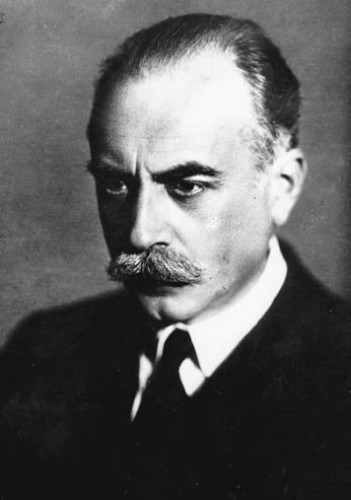
I’m pausing for a moment to log into the UTL catalogue, to see whether either of these composers are listed in the music library at the University of Toronto. Yes! they’re both represented: which means I will have to have a closer look, to get a better sense of how challenging these scores are. I think I heard Illia refer to Silvestrov as a “minimalist” which makes sense listening to a couple of his Op 1 Bagatelles, thinking of the one that opened this set and the one just before the titanic B minor Sonata of Revutsky. There is a plaintive songlike quality to these Bagatelles, a sharp contrast to some of the more virtuosic pieces Illia offered to us tonight. The three preludes are dense modern pieces reminding me of a mix of Chopin or Rachmaninoff, powerful melodies sometimes in ambiguous tonalities, but always making brilliant use of the piano’s colour. It goes without saying perhaps, but Illia really knows how to play, and is making a fabulous case for further exploration of these composers. Nobody spoke of exile, but I can’t help noticing a common thread, between Liszt, Chopin (perhaps also Revutsky), and Silvestrov, artists who we think of as exiled from their native land. For a Ukrainian pianist playing on –coincidence– the night of the State of the Union address in Washington DC, it seems apt to wonder about the impact of war upon a sensitive artist.
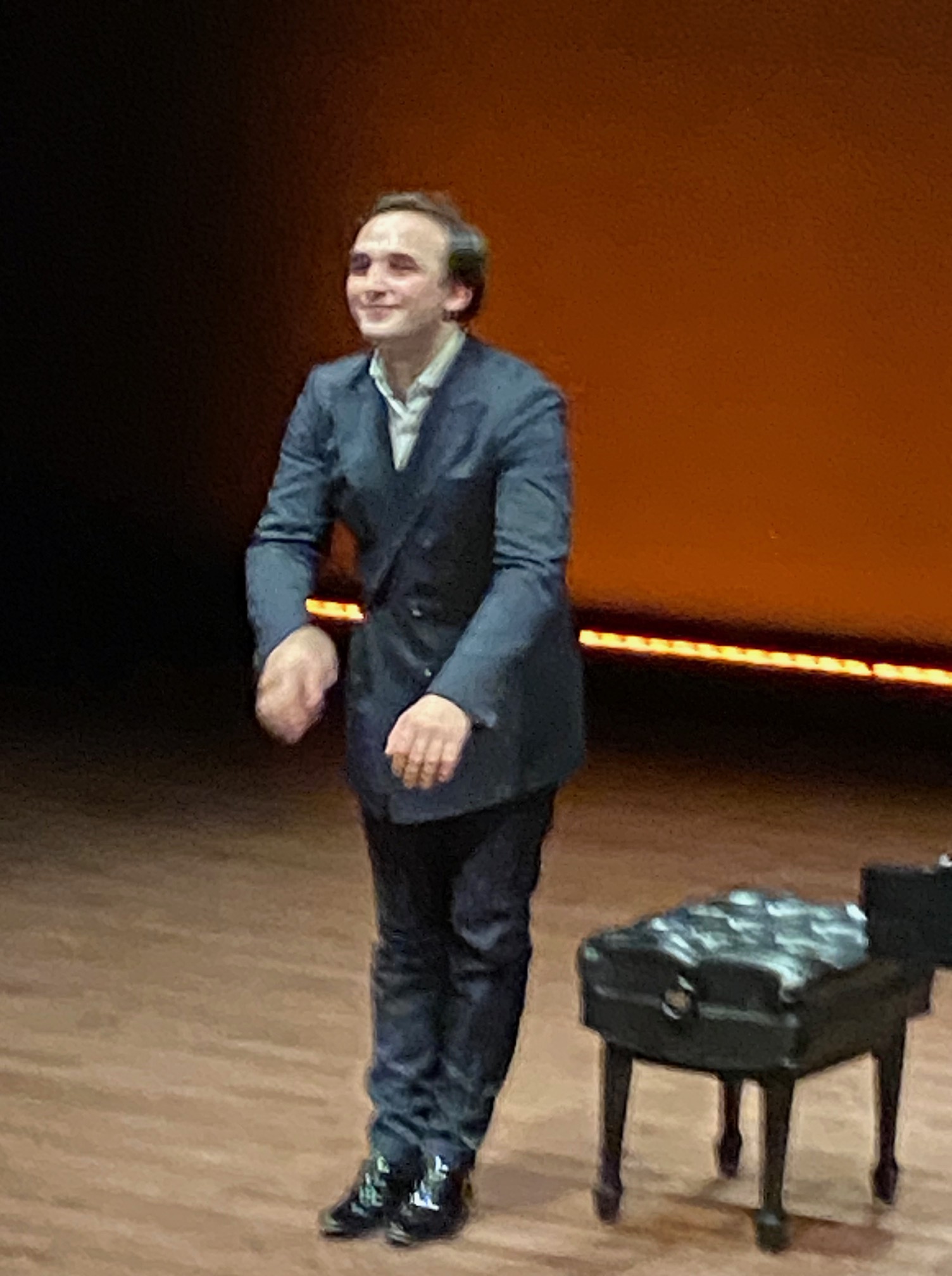
To close Illia offered a very idiomatic reading of the Heroic polonaise, one that had me leaning forward in my seat practically wanting to sing along. The technical challenges –as with the Liszt B minor– were surmounted easily in the process of making a very dynamic original interpretation. I expect great things from Illia, the most impressive pianist I have encountered in a long time. It’s not a matter of surmounting challenges. He is an artist with something to say.
 barczablog