Sometimes I’m a little compulsive about dates and details. Sunday I attended the 3:00 pm performance of the St John Passion, to close the 2025 Bach Festival at Eastminster United Church.
Maybe it doesn’t matter which version they present when the performance is as excellent as what I heard (more about the artists who blew me away in a moment, first let me ride the insanity of my OCD poking my head into the score at home).
Even so I wish I had heard the noon-hour lecture from John Butt, who directed the performance. The promotional blurb for the lecture that I missed says…
“In addition to directing the St. John Passion, John Butt will also present the annual lecture to examine and illuminate Bach’s creative process as he revised this great work, which survives in no fewer than four distinct versions.“
I love anniversaries, whether it’s the centennial of Dietrich Fischer-Dieskau (earlier this week) or as in this case, that it’s three hundred years since this variant was premiered, on Good Friday 1725.
When I got home Sunday after the concert, I pulled out my Edition Peters score (BWV 245 premiered Good Friday 1723) to compare to the textual handout, corresponding to BWV 245.2 (1725, three centuries ago), or at least I think so. There are –as they announced– four versions. There are some interesting divergences between the versions.
The toughest tenor aria in the earlier version is missing, namely “Ach, mein Sinn”. Not only is it a tremendously difficult aria but it upstages the story in some respects. Do we really need to hear about emotional torment for three minutes of vocal torment? It’s problematic, that this stunning piece of music interrupts the flow of the story.
Yes JS Bach torments the singer with the difficult aria, which is maybe the point, showing us a suffering guilty person by giving them a tough aria. Such exquisite agony. Maybe it’s no wonder JS chose to omit it from the later version.
There are other changes. The opening is different. I’m not sure that matters tremendously, but there is again a slight shift of focus. The 1723 begins with “Herr herr”, a humbly Lutheran opening, while the 1725 chooses to focus on us, “O Mensch” (Oh mankind). That’s an improvement in my book and in the performance I was experiencing beyond stunning. I was in tears within the first dozen bars of music, sitting at the rear of the church overwhelmed by the beauty and the vulnerability of this music.
In the vicinity of the omitted aria, there’s a wonderful addition, the gorgeous bass aria with chorus “Himmel reise, Welt erbebe”, a piece of astonishing depth, the juxtaposition of the soloist’s troubled world (himmel reise Welt erbebe can be translated as “crack open heaven tremble world”) and a chorus of enlightenment in pain. The contrast suggests something Berlioz might have written in a druggy haze. The version of the piece on youtube I found allows the disquiet of the soloist to overwhelm the peace of the chorus, whereas what we heard Sunday from the orchestra, chorus, under the leadership of Butt & from bass soloist Jonathan Woody took us more fully into the contradictions without so much torment as heard in this video. You’ll notice it’s called “appendix” perhaps because it doesn’t fit easily into BWV 245 and is not normally included, but clearly Butt found a great place to have this miniature volcano erupt.
Especially on this day in this performance it didn’t feel so much like a baroque piece but as modern as my own qualms and fears.
There was excellence in every little detail, if I don’t mention everyone it’s not because they were lesser contributors. The small complement of players and singers filled the church space. Sitting at the back I took in the visual reminders of worship, liturgy, community & fellowship while immersing myself in something genuinely festive, a happening with real electricity in the air.
Charles Daniels continues to display one of the most remarkable tenor voices. On this day his Evangelist was sometimes soft and soothing, something harshly challenging, sometimes pausing to let us all breathe in the moment, sometimes picking up the cue to goad us onwards with the story. When I saw he would be participating I was eager to come listen. His role is enormous and he never disappoints.

I mentioned Jonathan Woody’s bass voice, a wonderful addition. I have never heard a bass voice that so happily reconciled that sometimes irreconcilable challenge of having either agility or a deep resonant colour. He manages to have both, a portrayal that was strong yet understated and dignified.

Ellen McAteer was also irresistible, her soprano singing “Verfliesse, mein Herze, in Fluten der Zahren” (dissolve my heart in floods of tears) prescient. Of course I complied. That stunning voice is perfection.

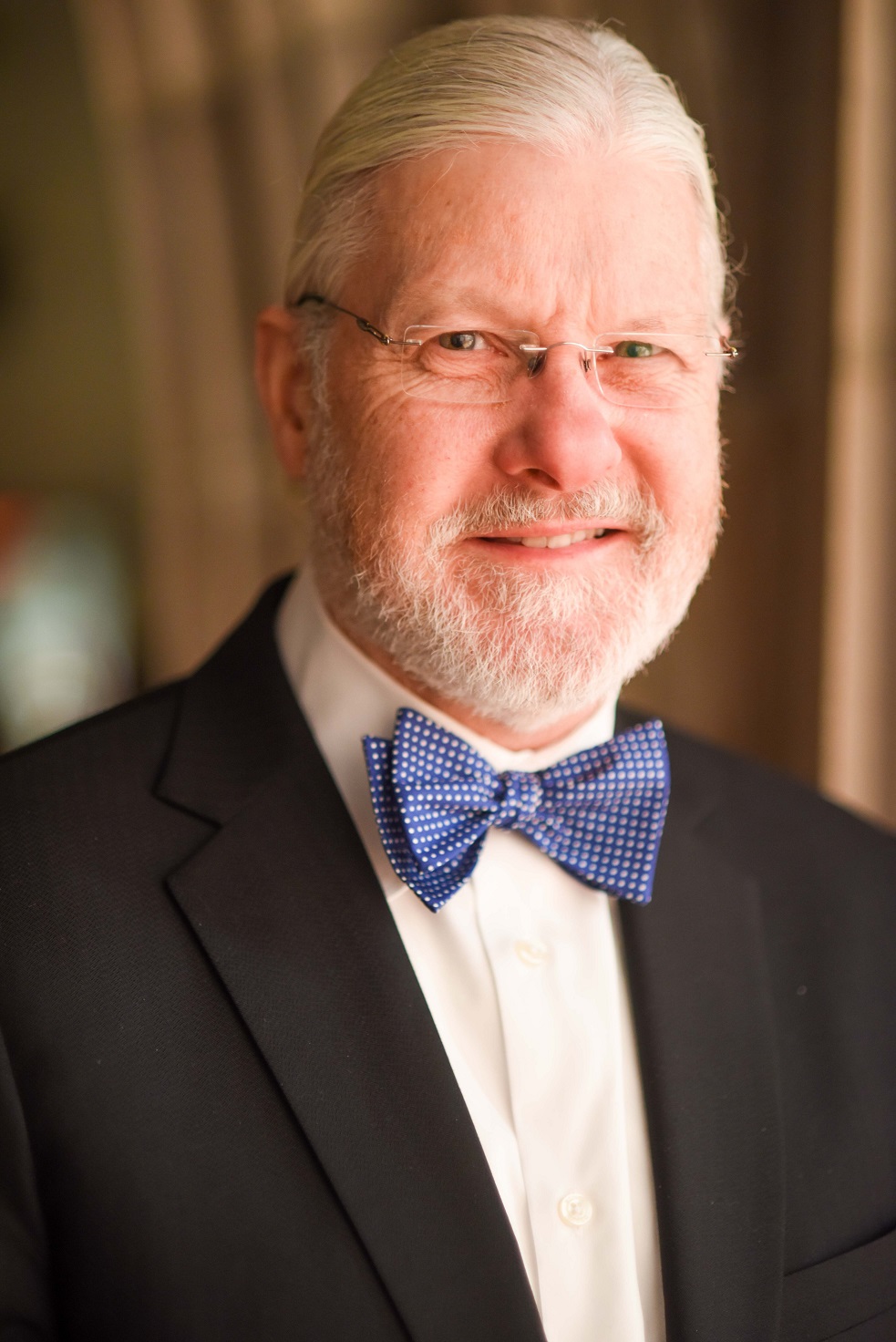
At the end of the interval between the two parts, Festival Artistic Director John Abberger said a few words. I remember meeting him once at the Toronto Airport, energetic when everyone else dragging themselves off the plane were tired. Each year he brings the best of the best together in a labour of love.
Sometimes concerts have such perfect timing as to suggest that somebody up there (like the guy at the centre of the story) is pulling strings. As the performance ended, golden sunlight began to flood into the sanctuary as if to suggest celestial approval. Of course.

 barczablog