
I have heard tenor Scott Rumble a few times, a young artist who impressed both vocally and dramatically in Toronto Operetta Theatre’s Die Fledermaus in 2022.

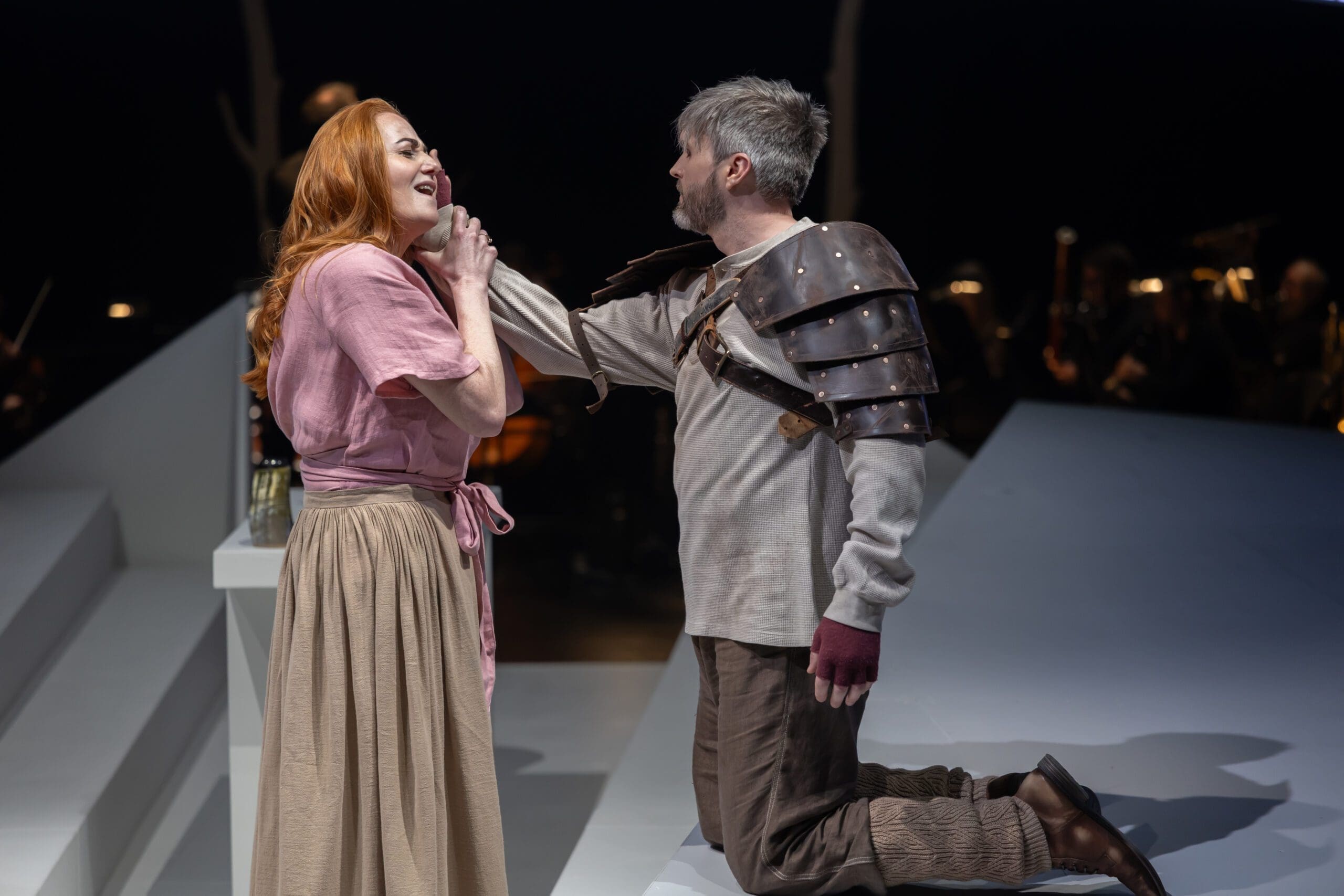
Ah how I wish I could have seen him take on the heroic role of Siegmund in the Edmonton Opera production of Die Walküre last June.
He will be singing other intriguing music next year, the World Premiere of Adler’s Four Attributes of the Soul with Orchestra Toronto March 1st.
But first Scott appears in Toronto Operetta Theatre’s production of Imre Kalman’s Czardas Princess, running December 30th – January 4th to begin the New Year on an upbeat note.
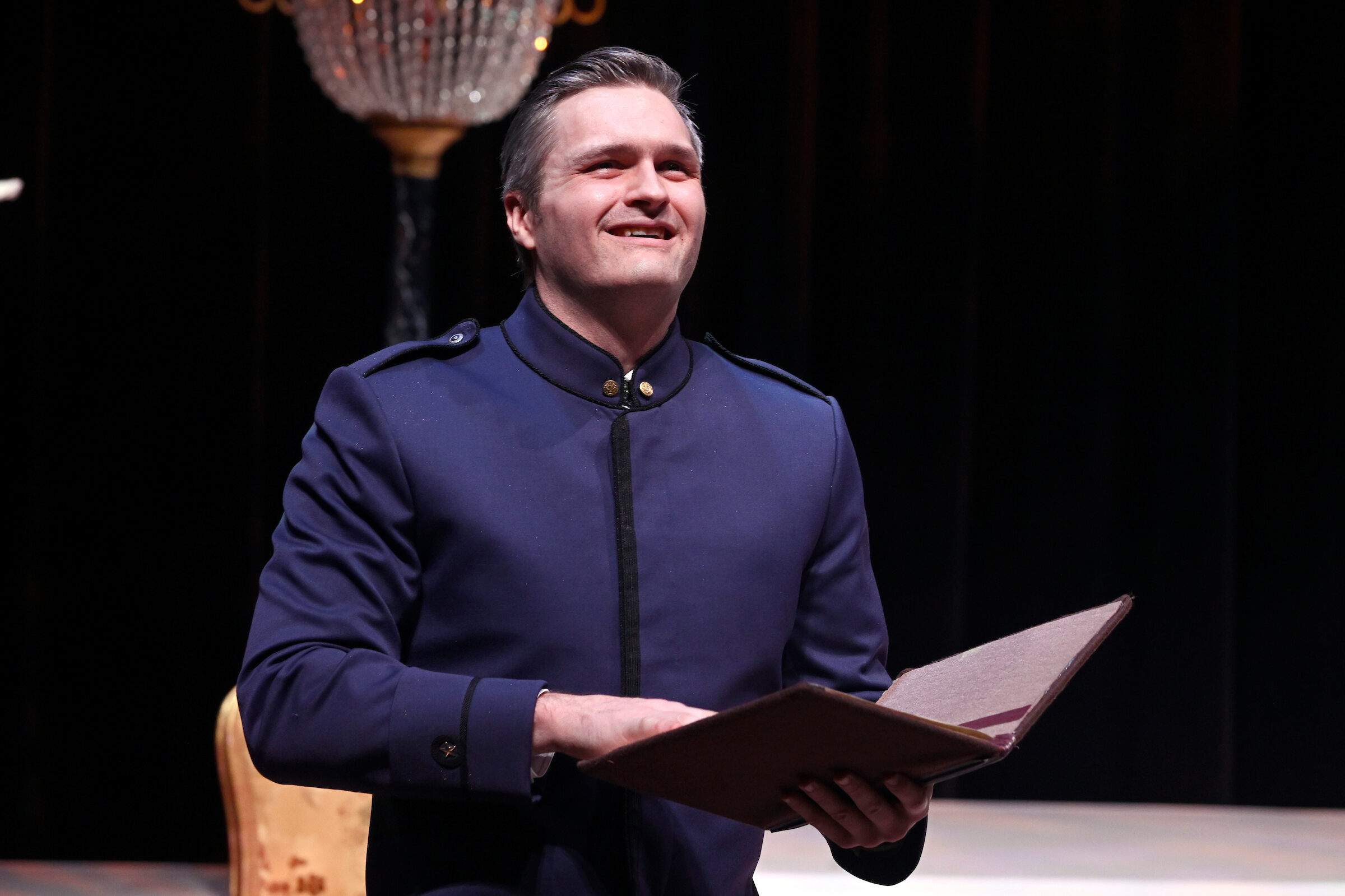
Scott was willing to answer a few questions.
*******
Barczablog: Are you more like your father or mother?
Scott Rumble: I am more like my father. We look almost like the exact same person and our personalities are also very similar. We both have a love for the outdoors, but also a love of being inside watching YouTube, usually about the outdoors. My parents are really supportive of what I do, but they don’t really understand opera. They make an attempt to come to at least one show a year, usually the operetta because it’s in English and “almost like a musical”.
BB: What is the best or worst thing about what you do?
Scott Rumble: The best thing about what I do is getting to meet and work with some of the most amazing people I have ever met. It is a constant feeling of being inspired by what others are doing around me that makes me strive to better my own artistry. The worst thing would be being away from my usual routine. I tend to be a creature of habit and when I don’t have my usual schedule it can really throw me off.
BB: Who do you like to listen to or watch?
Scott Rumble: I like to watch a lot of different things. I love anime, true crime, history, and Youtube videos on video games, comedy, or fitness.
BB: What ability or skill do you wish you had, that you don’t have?
Scott Rumble: I wish that I could be a better writer or visual artist. I’ve never been really that good at either and always have a little jealousy to those that find it easy. I think it stems from seeing my brother be good at drawing from a young age and my inability to draw even a basic stick figure.
BB: When you’re just relaxing and not working, what is your favourite thing to do?
Scott Rumble: I really enjoy playing video games or board games with my friends. It’s a close group of people that we all feel a lot of stress being relieved through these activities, but new stresses added on from being competitive with each other.
BB: What is your favourite melody / piece of music?
Scott Rumble: My favourite melody comes from a song by DPR Ian called Peanut Butter & Tears, It has a very catchy chorus.
BB: Who is your favourite singer / favourite vocal performance
Scott Rumble: My favourite singer has increasingly become Peter Hofmann. His sound was very exciting and he gave such passionate performances.
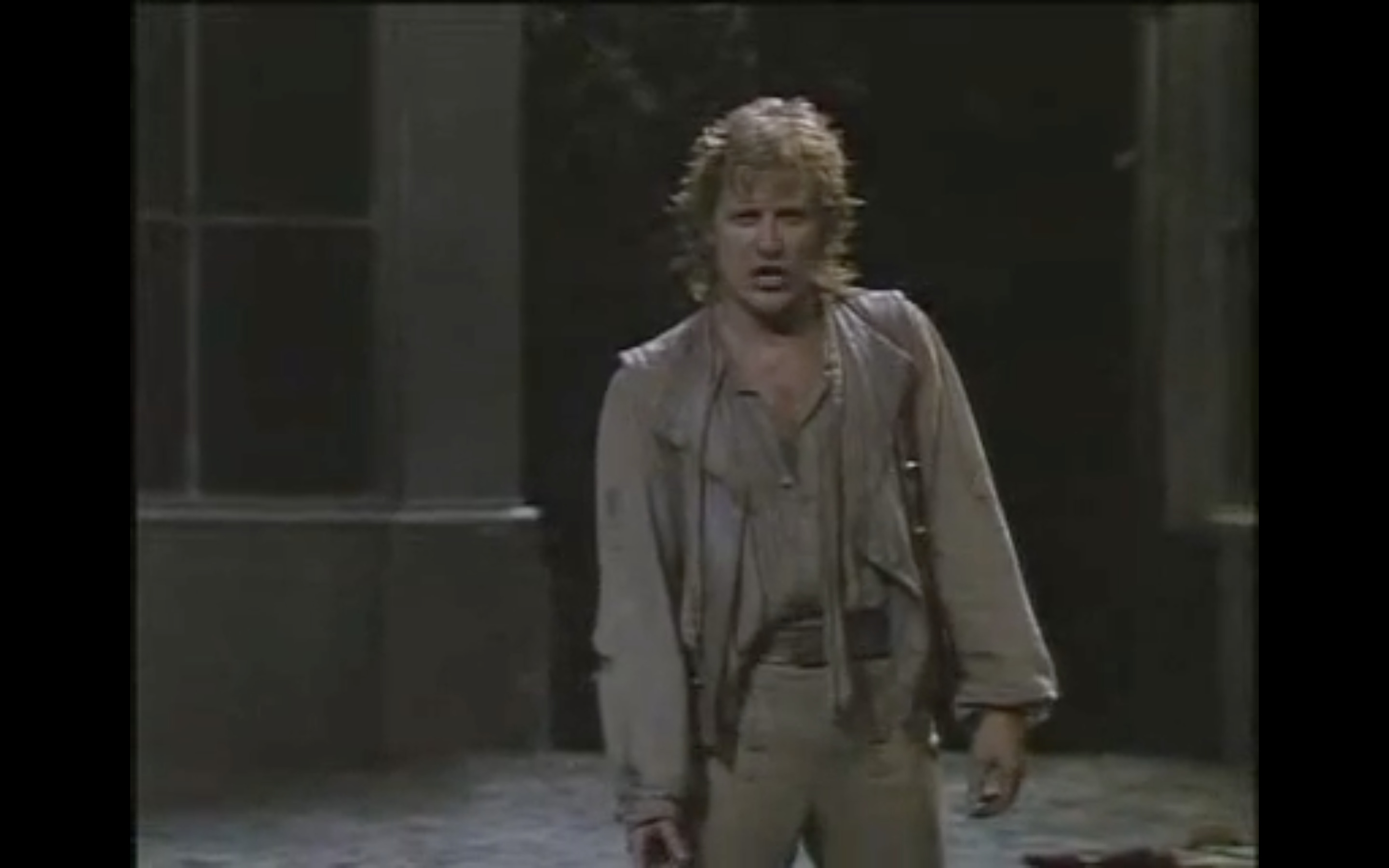
BB: Yes Hofmann was an amazing Siegmund, one of the best, managing to be lyrical in such a challenging role.
What was your first experience of singing?
Scott Rumble: My first experience of singing was singing in my church choir as a young boy. I did give it up for some time only to come back to it when I was 18.
BB: Is there a singer (tenor or otherwise) you identify with, whose voice influenced you?
Scott Rumble: A singer whom I identify with and who has influenced me would be Jon Vickers. He was just able to do the most amazing colours with his voice and it really makes me work on discovering all of the colours of my voice.
BB: I share your admiration for Vickers. I had the honour to shake his hand backstage after hearing his Otello.
Do you have a favourite role as far as the singing , or the acting?
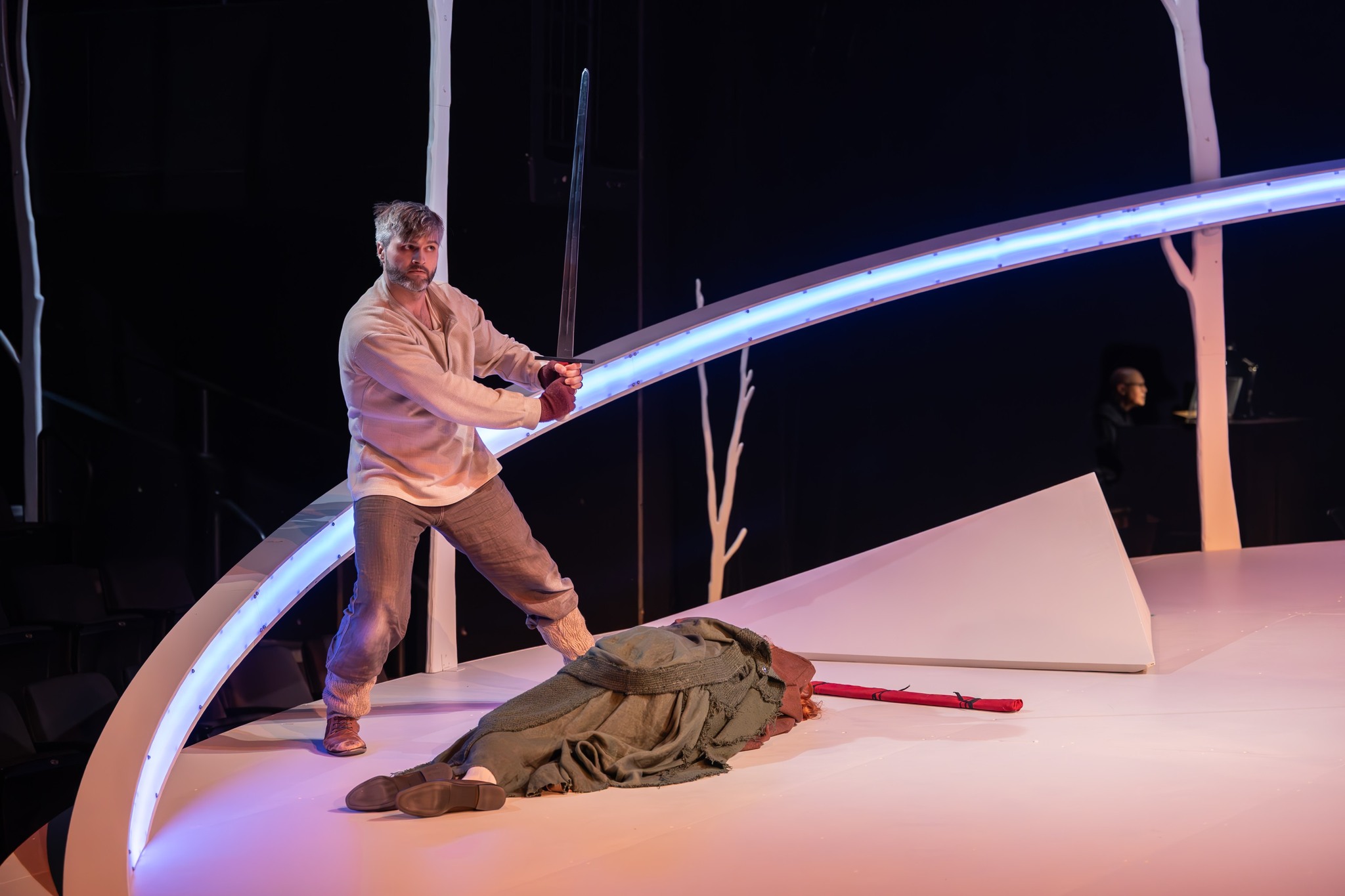
Scott Rumble: My favourite role is one I just recently did. Siegmund in Die Walkure. I felt like it fit perfectly within my voice and I loved the immense amount of dramatic acting it required.
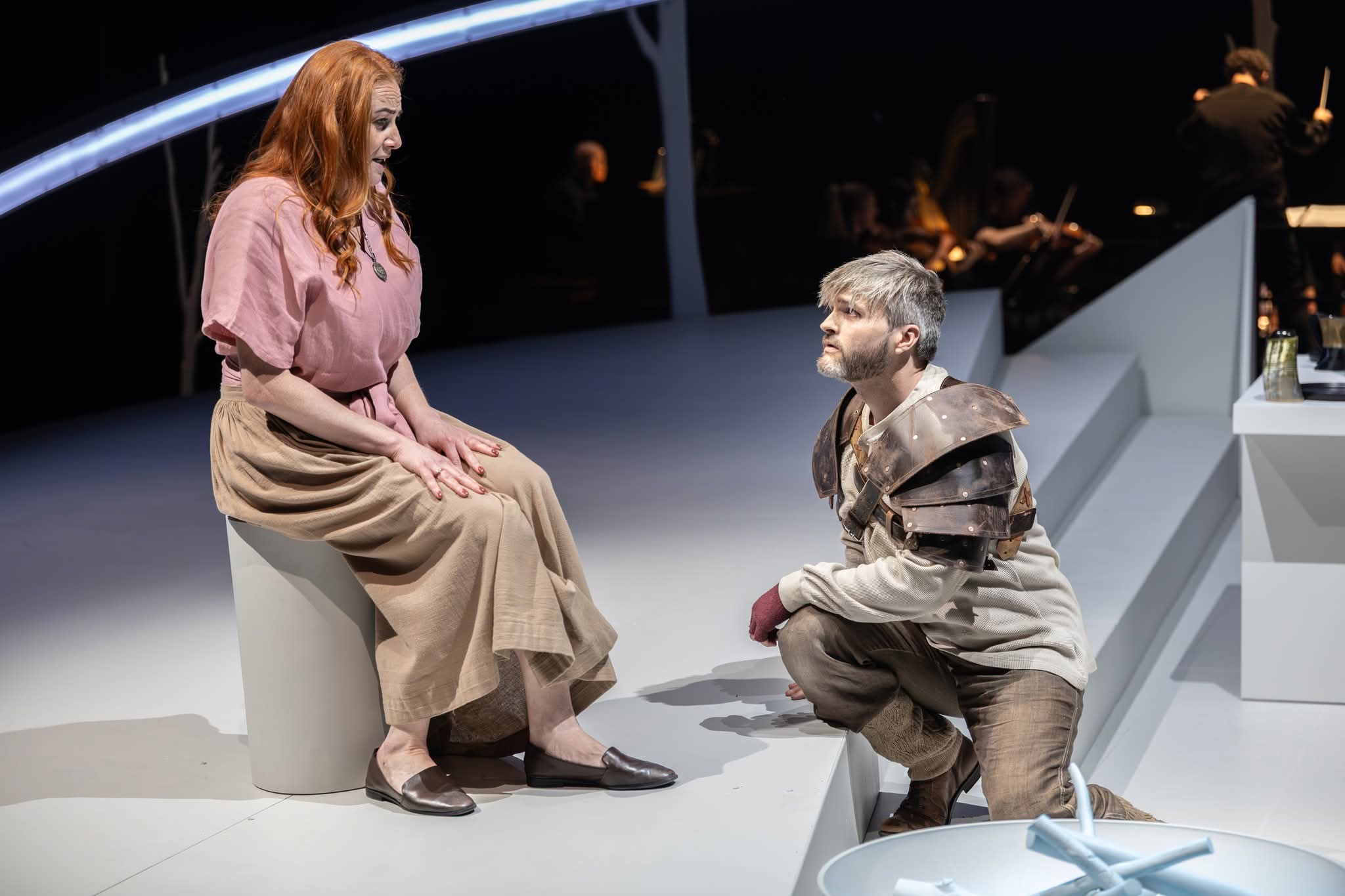
BB: For your role in Czardas Princess, composed more than a hundred years ago is there anything in the role that really speaks to you in 2025, as universal in any century?
Scott Rumble: I think what I can really see as being universal in any century is the idea of your own independence and not going with everything others tell you to do. Love who you love, do what you do, be your own person.
BB: What role should I think of as ideal for your voice, and have you ever sung it?
Scott Rumble: I think a role that is ideal for my voice is Bacchus in Ariadne auf Naxos. It really fits my range really well and suits what I can show off in my voice. I have been lucky enough to do it twice. Once with UBC Opera and once with Highlands Opera Studio.

BB: Wow, speaking of Highlands Opera, Richard Margison (founder of Highlands Opera) sang the role of Bacchus last time the COC did Ariadne. Maybe next time it will be you..? I love that opera, and one of the things that makes it riskier to produce is the challenge of finding a singer who can handle such a challenging role as Bacchus.
So I wonder: do you sing differently in operetta than in opera?
Scott Rumble: For operetta I do sing a little differently. I tend to bring out a lot more of my conversational sound and dynamics. This way I really can bring out the diction and bridge the gap for the audience when going between dialogue and singing. Being reminded of being light and buoyant in my technique really helps in this repertoire.
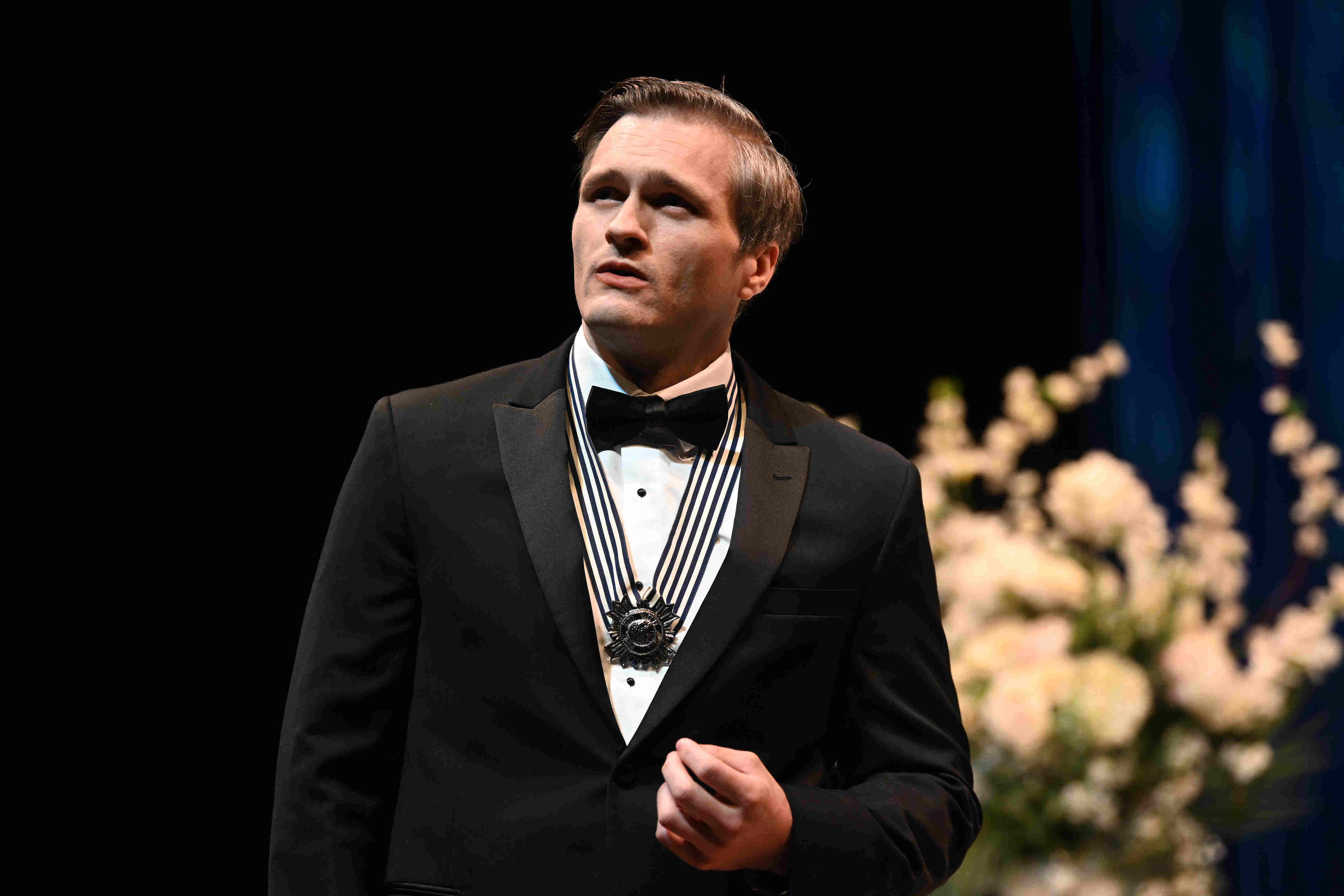
In order to do this I focus on utilizing more of my head-voice and keeping the idea in my head that if I can’t act with my face the way I want, I am forcing too much.
BB: What is the story of this operetta in 20 words or less?
Scott Rumble: A cabaret star pretends to be a princess, but her noble lover’s family objects until a discovery changes everyone’s fate.
BB: What’s the key moment in Czardas Princess (if you could tell the audience what to watch for)
Scott Rumble: The key moment in this operetta, like in most, is always the shocking revelation in Act 3 that solves all the problems everyone is having.
BB: What strategies do you use to keep your vocal production fluid & free when you have an emotional moment in the story?
Scott Rumble: I really just let my voice do what it wants. If it is an emotional moment in a show I let my voice go with that emotion. Sometimes a sound doesn’t always have to be pretty for it to be effective.
BB: What do we not understand about being an operatic tenor?
Scott Rumble: The mass amounts of anxiety and pressure that comes with needing to produce the climatic famous high notes while trying your best not to crack, but every tenor cracks, so you just have to go for it every time.
BB: Do you have any ideas about reforming / modernizing classical music culture to better align with modern audiences?
Scott Rumble: I think the more we can create art and allow everyone easier access to live music it will be better. I think changing things from the past is getting more and more difficult and some pieces should be just left to the wayside. But if there was a big focus on creating new big works that could become canon repertoire, I think that’s how we can bring classical music into the modern world. Music will always be enjoyed, but we need to make music that is for the modern audience. When we look back, people were writing for the people of the time, not for the past and that should continue. Along with this a lot of things that are stuck just based on tradition can be let go of as well. It will be remembered, but traditions are allowed to evolve and change.
BB If you could speak to composers writing modern musicals: what’s missing in what they do today
Scott Rumble: When I think of modern musicals and what makes them successful, it appears that when the libretto is good it makes the show. Composers will always write good music, for the most part. It’s when the words they set aren’t strong or create some sort of impact that it can fall short. The lyrics are what are being conveyed to the audience and when they feel it, they want to share it. Look at things like Hamilton and it’s mostly rap, but what made the impact of this show was the lyrics being said.
BB: Do you ever feel conflicted, reconciling the business side and the art?
Scott Rumble: I am really thankful for Dean Artists Management for this exact reason. It allows me to focus more of my time on the art.
BB: When we think of Bob Dylan or KD Lang reconciling sincerity & skill, nobody insists that they hit high notes or play difficult riffs on their instruments, so long as there’s a connection. What if anything can classical music learn from the way popular musicians play & market their music?
Scott Rumble: I think what we can learn from this is that connection is always a super important thing to have with your music and to share it in a way that it can connect with people. Our technique is there to help us in the moments where in classical music we MUST hit a high note or do the difficult riff because it is written, but for me the main thing is to make people feel and if you can do that then the other stuff is less important.
BB: Debussy and Wagner both spoke of the virtuoso as a kind of circus animal, and the applause as a kind of trap. I wonder what you’d say, as a performer who likely enjoys applause?
Scott Rumble: I think as performers we are a trained individual trying to deliver an emotion to an audience. The applause I view as gratitude for what you’ve done, not as a reward that you seek every time, but more as a thank you for sharing your vulnerability and talent with us.
BB: Since the pandemic a great many ways artists are working virtually, both as teachers and as performers. Do you have a preference between live or recorded performance and when you record how do you make it seem live?
Scott Rumble: I prefer the live performance as there are many variables that can change each time, which makes it feel more exciting. For me recording always does feel live because I tend to only like to do one or maybe two takes of an aria because to me that is the most authentic version of my voice. It is what it would be in a live performance and I am always striving for perfection, knowing it’s really an unattainable thing.
BB: If you could tell the institutions how to train future artists, what would you change?
Scott Rumble: I think a thing that institutions don’t focus on until around a Master’s degree is acting in singing. It is important for conveying what you want to get across.
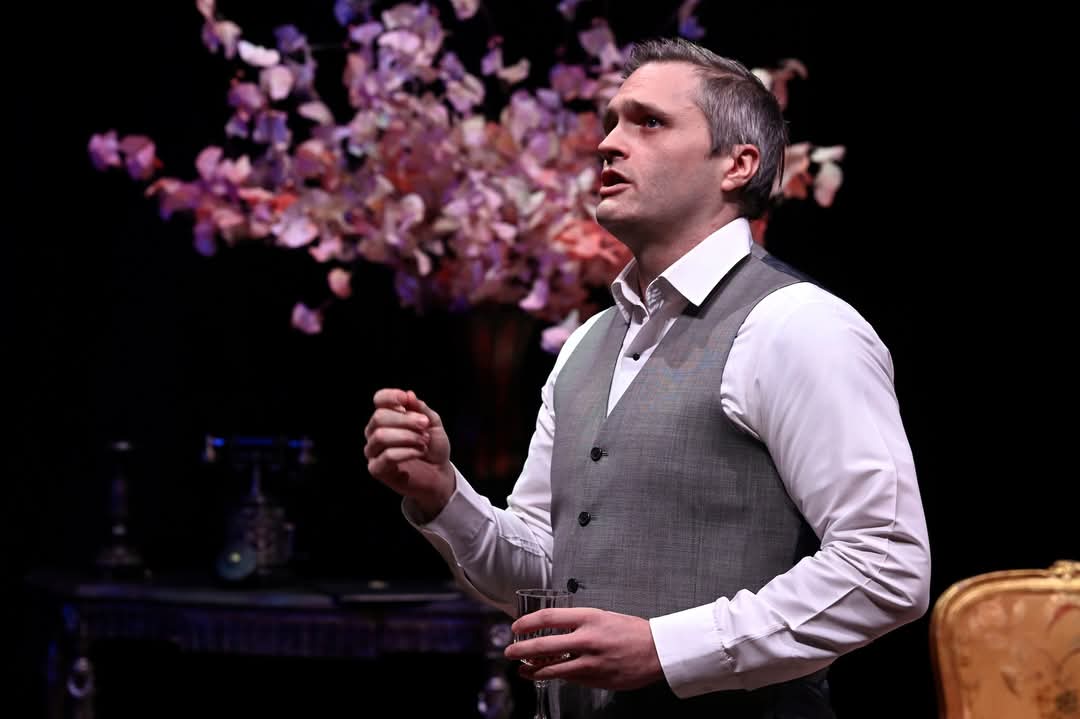
You can sing very beautifully, but if you show no connection emotionally or show you know what is being said it can look rather boring to watch. So bringing that in earlier into people’s training would be hugely beneficial.
BB: What influences / teachers were most influential on your development?
Scott Rumble: Teachers who influenced me greatly were Gwenlynn Little, Torin Chiles, and Patrick Raftery.
Gwen was the first to believe in my talents and push for me to apply to universities and gave me the first steps into singing operatically.
Torin Chiles helped solidify my technical foundation, especially doing a transition from singing as a baritone to a tenor in year 3 of my degree. He still helps me to this day with finding the ease of singing and new colours.

Patrick Raftery helped me find my full operatic voice by giving me new repertoire to try and to challenge myself into seeing what my voice could do.

Turns out I was only using about half my voice until I worked with him and I owe him a great credit for telling me to just go for it when it came to my voice. Have no fear and just sing!
*******
Have no fear, reader, yes Scott will be singing.
Upcoming:
-Messiah with Kingston Symphony December 7th
-Kalman’s The Czardas Princess with Toronto Operetta Theatre Dec 30th – Jan 4th
-World Premiere of Adler’s Four Attributes of the Soul with Orchestra Toronto March 1
-Beethoven’s 9th with Symphony New Brunswick March 30 – April 1

 barczablog