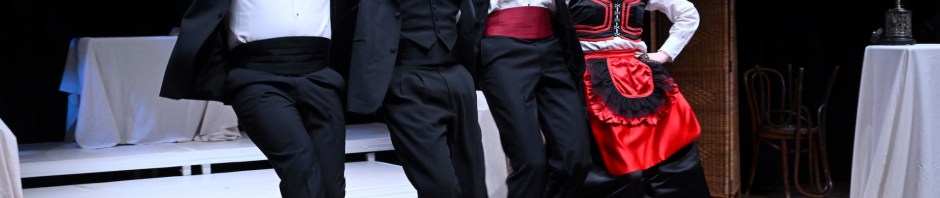
Toronto Operetta Theatre began the new year of 2026 looking over their shoulders with a romance that had its premiere over a century ago in Vienna: Imre Kálmán’s Czardas Princess. We went on the weekend sitting among a boisterously enthusiastic crowd as the run closed with matinees Saturday & Sunday January 3rd & 4th at the Jane Mallett Theatre.
Before the show I had a friendly chat with TOT’s Artistic Director Guillermo (Bill) Silva-Marin. Bill reminds me a bit of the god for whom the month of January is named, namely Janus the two-headed wonder who manages to look both forwards & backwards.
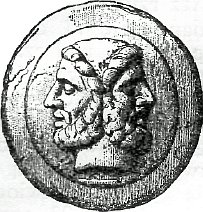
Yes I know that Bill’s picture only has a single head even if he does a great job of emulating Janus, looking in multiple directions at once.

That’s Bill’s job with TOT, trying to satisfy audiences for the only company in Canada that specializes in operetta. While he chose last fall to look forward to the questions relevant to 2025 by updating Mikado to something contemporary & Canadian, this time Czardas Princess looked back to an era of arranged marriages and class consciousness. That’s the challenge of operetta, reviving works that may seem to belong in a museum while aiming to entertain audiences.
Offering a show full of singing and dancing is usually the best solution!
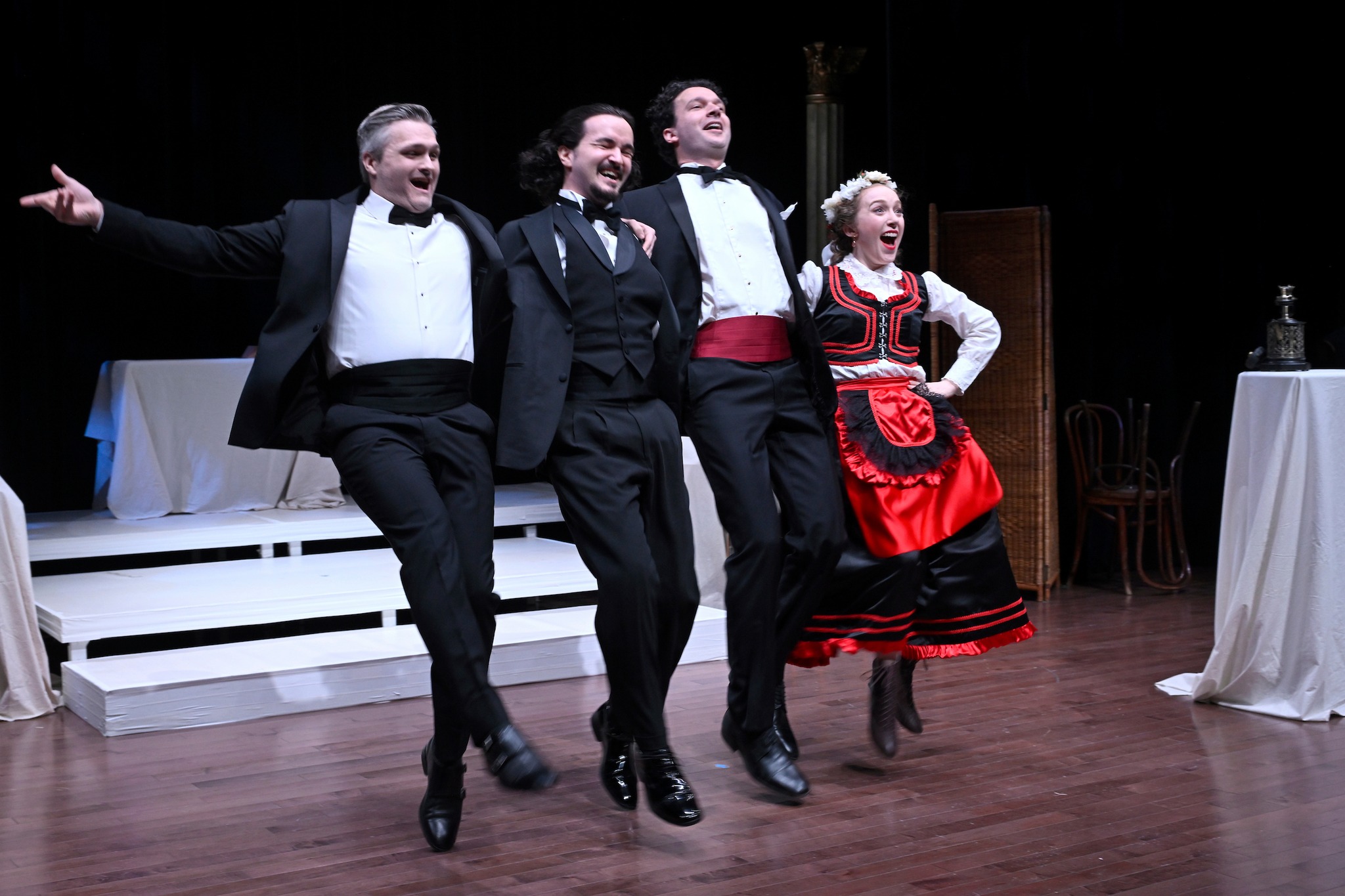
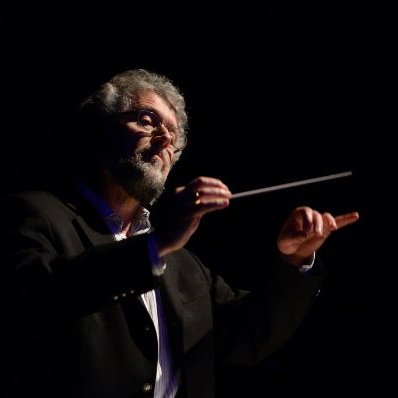
Conductor Derek Bate led the TOT orchestra, a small ensemble whose sound fills the space without overwhelming the soloists, keeping everyone together even when they were airborne, as in the picture above.
Scott Rumble’s powerful tenor confirmed that while he’s ideal to sing Wagner (as he has done out west), he’s a versatile artist, his piercing high notes heard even when the entire cast was singing at the same time. Scott’s enunciation as Edwin was crystal clear, opposite Maeve Palmer in the title role aka Sylvia. Whether in her diva guise or pretend role as nobility, Maeve didn’t just sing beautifully but also showed a touching vulnerability in her portrayal.
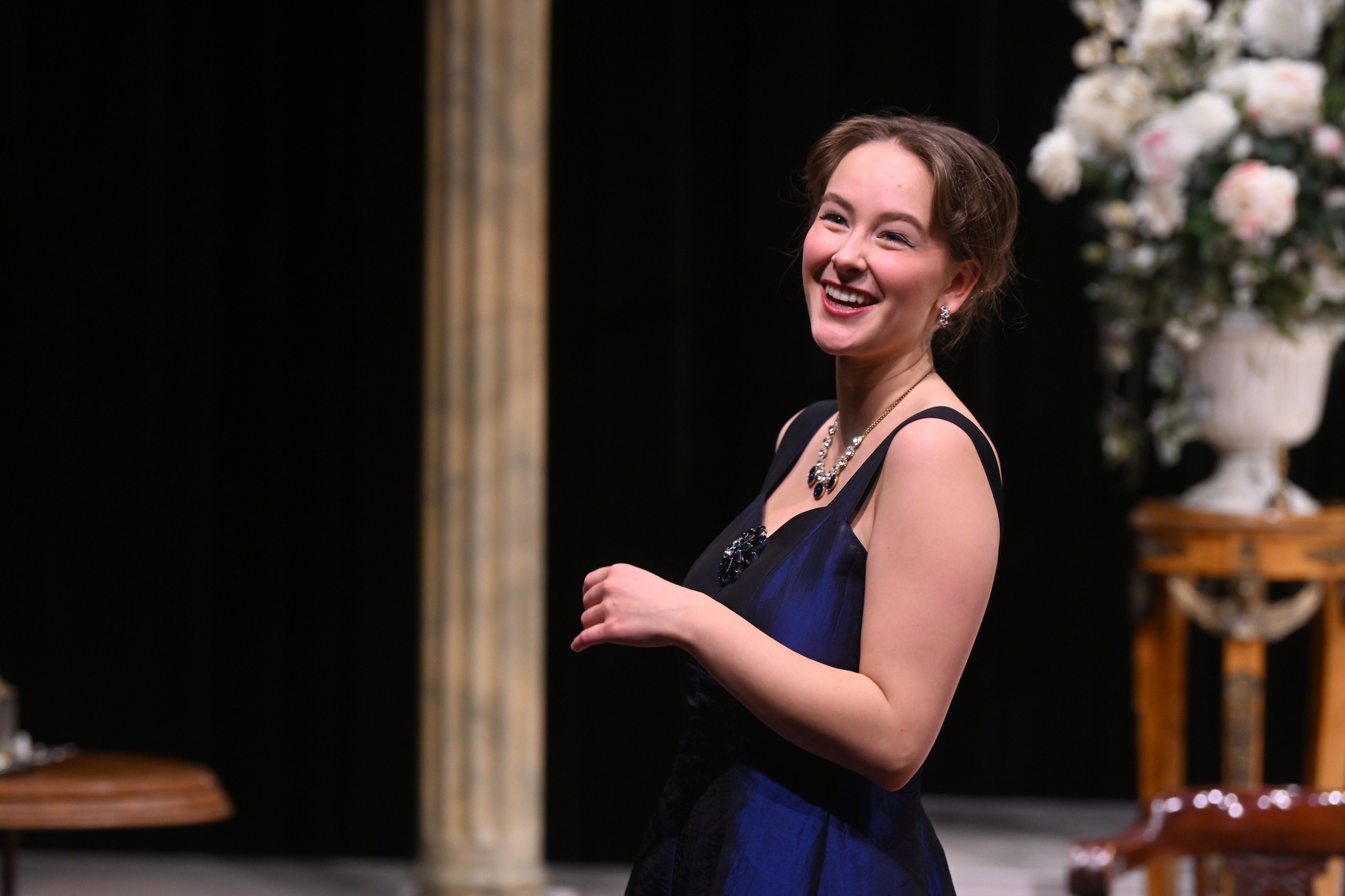
The other pairing may have been written to be a lighter, more comical couple in contrast to the lead pair. Count Bonifazius (aka Boni) and Countess Anastasia (aka Stasi), the latter supposedly betrothed to Edwin were my favourites. Sebastien Belcourt played Boni largely as a fun music-theatre figure, while Patricia Wrigglesworth as Stasi, underplayed her role, gently deadpan much of the time. As a result they were the most believable couple onstage. I can’t decide whether they stole the show or maybe that’s just how the text is written: but it worked beautifully.
TOT’s next shows feature Johann Strauss Jr. On March 7th it’s TOT Cabaret: Strauss – the Waltz King, perhaps helping prepare us for Strauss’s A Night in Venice coming April 17, 18 & 19.
For tickets & information click here.

 barczablog