I’ve had a wonderful experience tonight at Roy Thomson Hall watching and listening to Gustavo Gimeno leading the Toronto Symphony in Mahler’s 9th Symphony.
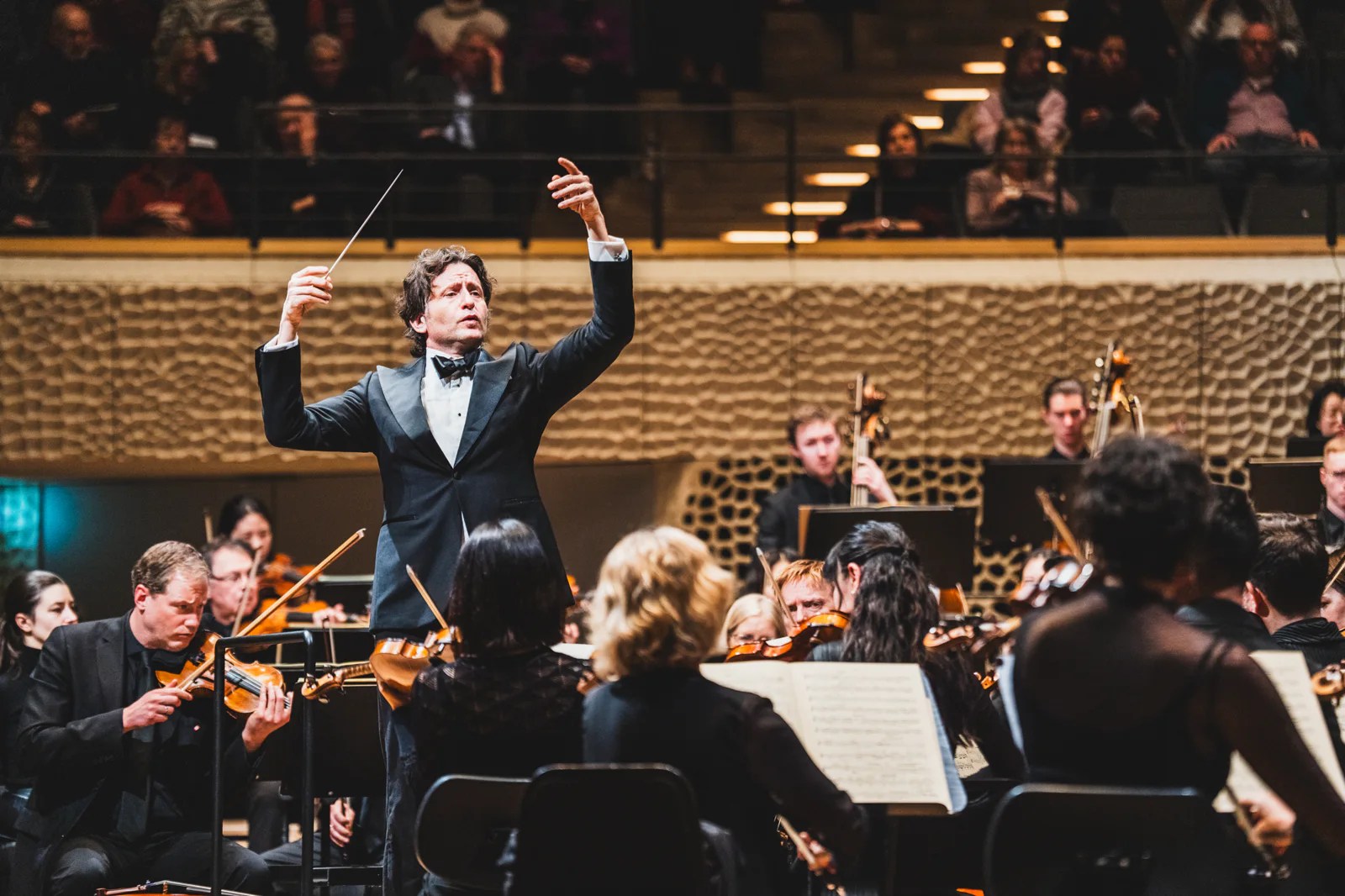
The orchestra has just returned from their European tour. You can read more about the tour here.
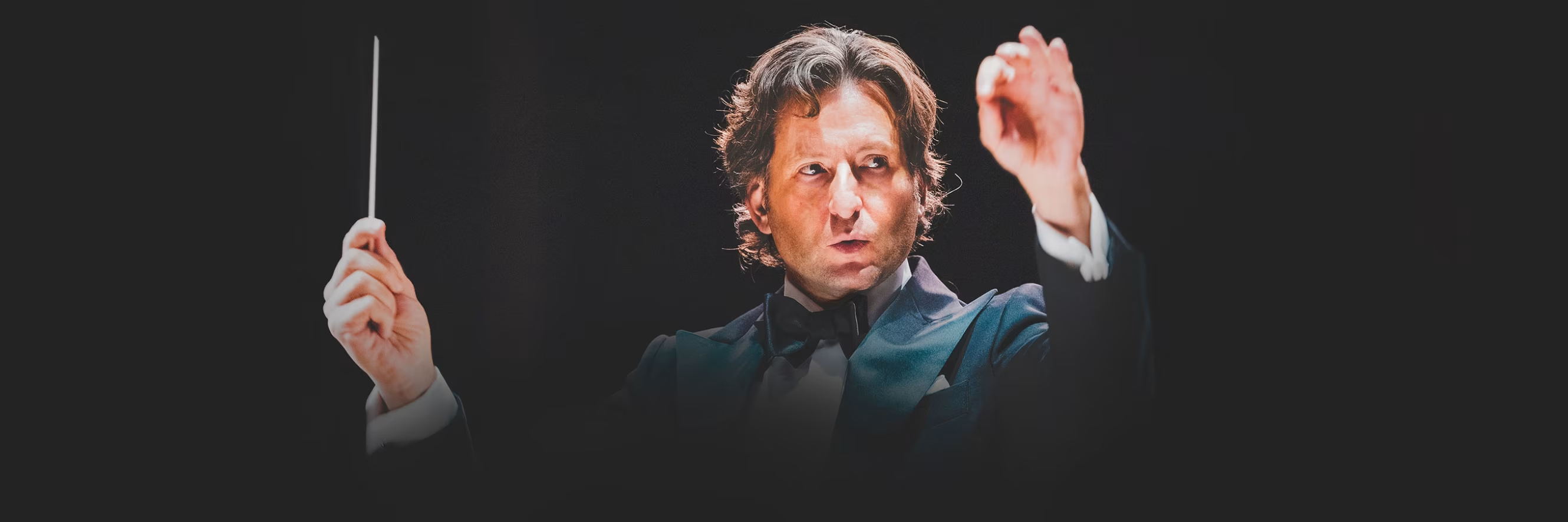
Ten years ago I had the privilege of accompanying the TSO on a tour of Florida, watching them play while observing the magical way tours pull an ensemble together, teaching them to trust one another. No wonder that tonight Gustavo had such remarkable control over the orchestra in this special piece.
I want to mention Gustavo’s introductory talk. While he still has a bit of an accent wow we heard a short dissertation tonight before the concert. I’m reminded that i heard it said that all art is a proposition (and if you think of the word as what we use in romance, a romantic proposition? then yes, that works too). When I present you with a poem, when I sing a song or draw a picture, I am inviting you to respond to what I present to you, to join me in sharing my imaginings. We are romanced, presented with a way of seeing or understanding, that we accept or refuse, depending on how much we open ourselves and how persuasive the proposition. Tonight the TSO were well nigh irresistible, advocating on behalf of Gustavo and his ideas about his namesake.
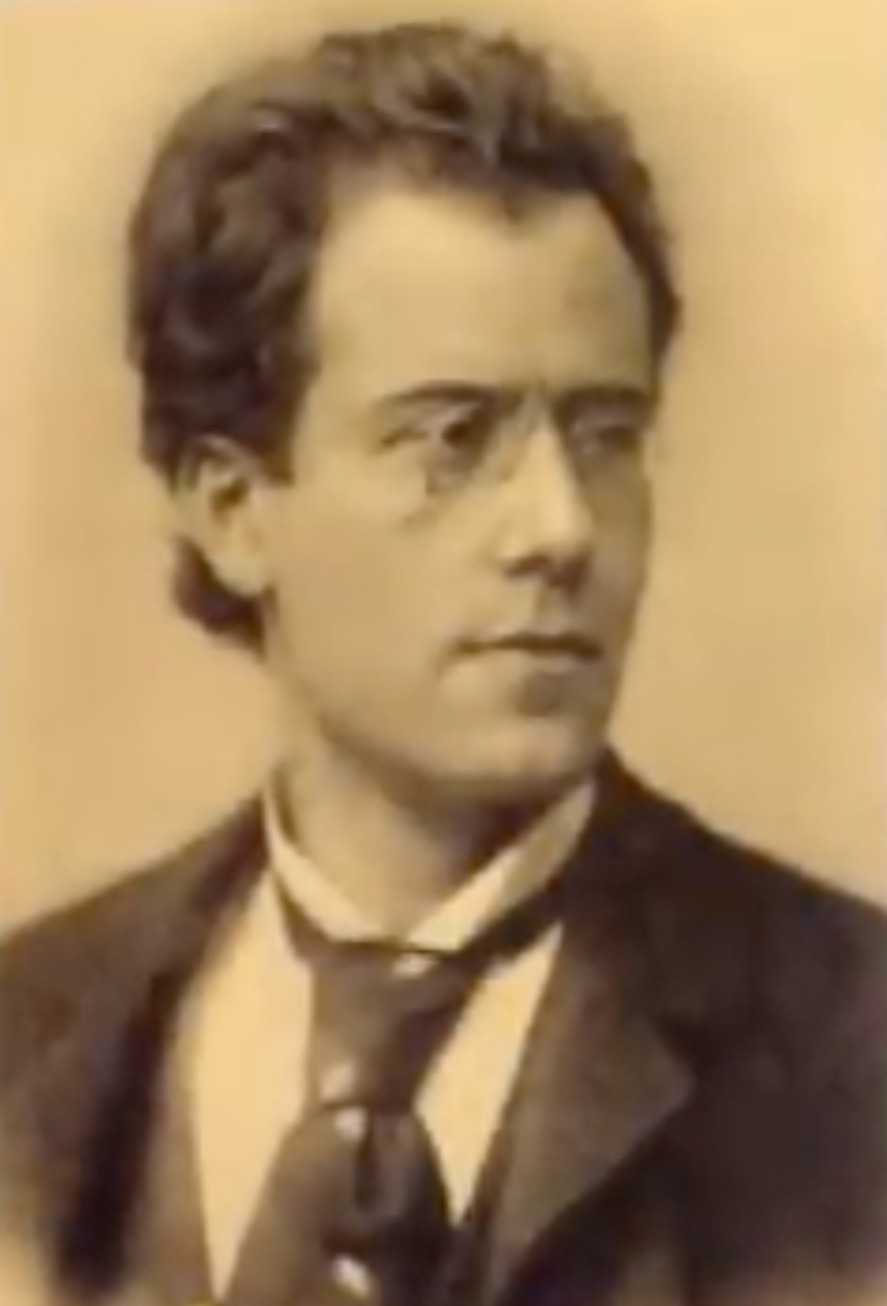
(it’s Gustav Mahler after all).
I hope the TSO will publish Gustavo’s ideas about Mahler’s 9th, a fascinating way of understanding a piece written near the end of the composer’s life. The orchestra made a strong case in their performance, and no wonder. They’ve spent the last little while becoming closer during their travels.
Like Beethoven, Schubert and a few others, Mahler’s 9th would be his last completed symphony. I wonder to what degree Mahler was composing while thinking of dying. Or, as Gustavo asks: maybe the symphony is more about living than dying. However you understand the relationship between the symphony & the composer’s life, it makes for an amazing performance, especially when the players are so ready to follow their maestro, while exploring this hypothesis.
There are four movements, each one featuring some big climaxes for the whole orchestra as well as delightful solo passages for a number of soloists, particularly Concertmaster Jonathan Crow, who had a stunning solo in every movement. In places, thinking especially of the first movement, there are passages that remind me of an old-style symphony concertante, the big orchestra sometimes there, sometimes dropping back to let a few soloists take over. Mahler’s mastery of colour is as usual evident, although –as Gustavo explained– this symphony is unique, because the composer did not get a chance to fine tune, after hearing it in performance: because he died. I found myself wondering what if anything he might have changed, especially in the first movement, which I am accustomed to thinking of as perfect.
Would Mahler have changed it? But he couldn’t be reached for comment…
The second movement was perhaps the most blatant display of a conductor’s interpretive input, as the tempo had two contrasting speeds. For the opening theme it was slow and so mechanical as to seem like an exaggeration, calling attention to the simplicity of the tune. When we went off into the second theme suddenly Gustavo put the pedal to the metal as it were. It felt as though we were to see that first theme as a costume or a role-play, and then when we came to the second theme it was as explosive as a new role or a new persona. The contrast was wild.
The third movement burlesque was much more of a full-out display of bravura playing especially from the winds, powerful at times, but sometimes like quicksilver in their fast delivery of softer phrases. We came to the latter part of the movement, suggesting something more reflective or sentimental, but every bit as committed.
The last movement was again as deep and thoughtful as the first, a careful study. The mocking ironic themes we’ve heard earlier are now done so slowly as to acquire a new gravitas, a weight requiring our attention. Gustavo in the final moments took the TSO gradually to a place of pathos, delicacy at the conclusion, very quiet and transparent.
The TSO and Gustavo Gimeno will be back with Gustav Mahler’s 9th Symphony Saturday night & Sunday afternoon at Roy Thomson Hall.
 barczablog
I attended this concert and I agree that it was marvelous. I also like your suggestion that Gustavo Gimeno should publish his thoughts on Mahler’s Symphonies. You can find Leonard Bernstein’s discussion of the Mahler symphonies in a variety of videos on YouTube. There is a six-part playlist on the 9th and Bernstein has great insight into this work.
Good suggestions, thank you for the kind words. I loved how attentive the audience became, possibly in response to those introductory remarks.