Reviewers work after the fact, which means that sometimes we only notice stars when the show is over, especially when we are seeing the artist for the first time. So here I am belatedly interviewing Sarah Dufresne, long after her remarkable portrayal of Gilda in the Canadian Opera Company’s recent production of Rigoletto.
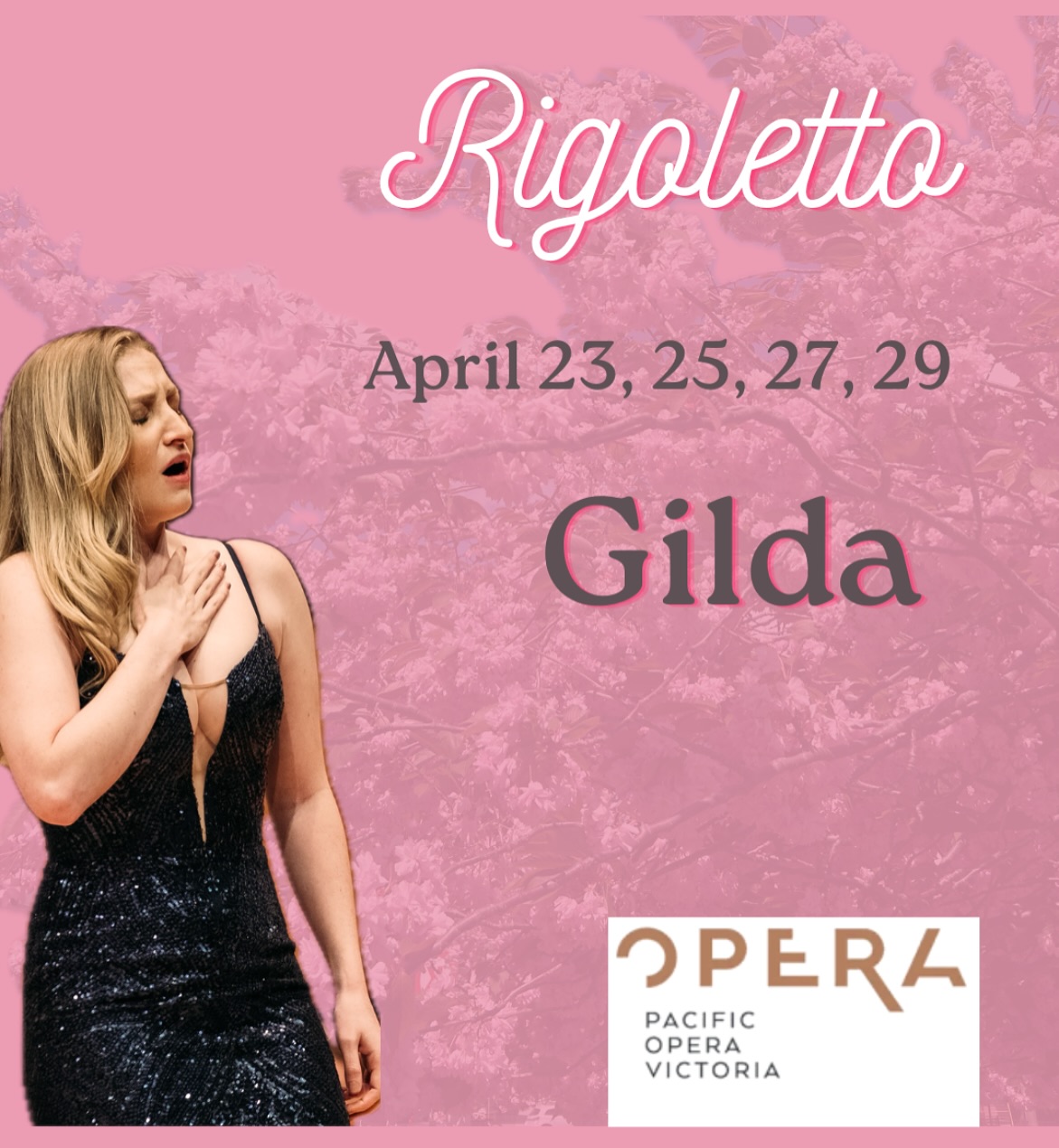
While I gushed about her youthful interpretation, glibly acting as though she was brand-new in the role, I see that in fact Pacific Opera Victoria had the honour of her role debut back in April 2025.
Better late than never I suppose.
*******
Barczablog: What is the best or worst thing about what you do?
Sarah Dufresne: The best thing about what I do is that I get to sing everyday! Singing is something I have loved my whole life. The worst thing about what I do is that I am away from my fiance and family more often than I would like. But I always feel like it’s extra special when they are able to come visit me wherever I am in the world and then we get to explore together and make great memories!
BB: Wow, I see images of the engagement via Facebook/Instagram..!
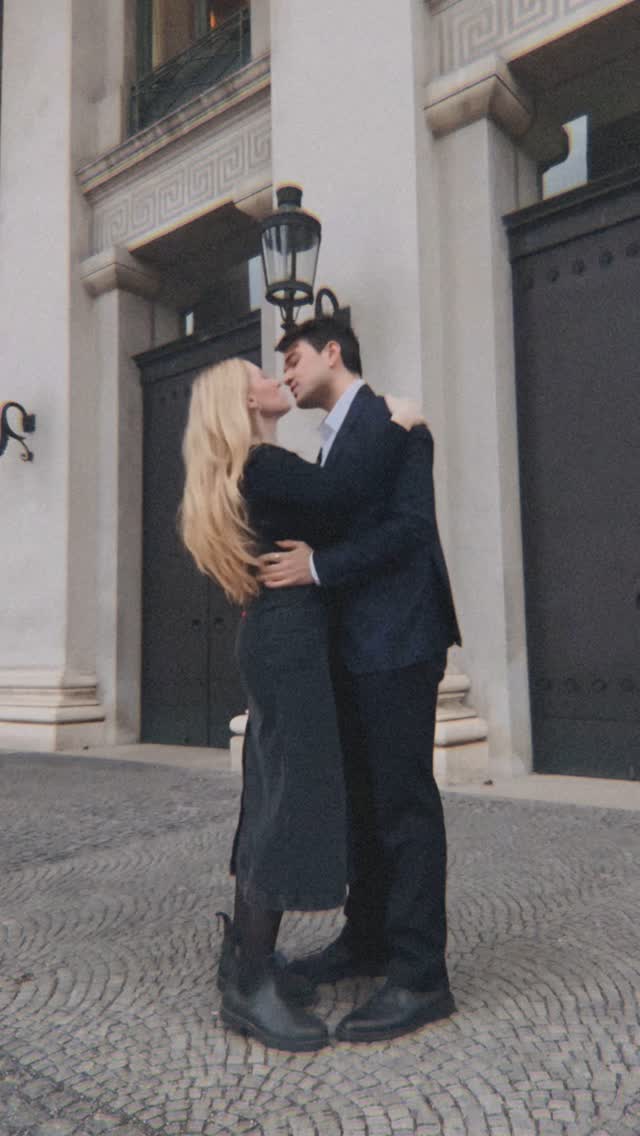
The caption says
“Yesterday in the Singers Room at Neuschwanstein Castle we didn’t sing, we got engaged,”
Sarah Dufresne and Ian Sabourin.
BB: Who do you like to listen to or watch?
Sarah Dufresne: When I’m not singing opera, I listen to mostly pop music and watch a lot of shows on Netflix. I like documentaries/docuseries or movies based on a true story the most. When it comes to music, I try to keep up on the pop superstars like Sabrina Carpenter and Tate McRae. I’ve also been listening to Madison Beer’s new album and Addison Rae lately! I also keep up on figure skating- so when there are competitions on I love to watch those!
BB: What ability or skill do you wish you had, that you don’t have?
Sarah Dufresne: I wish I could dance, I have always felt like I wanted to know how to do ballet and contemporary dance. I did a bit of tap dancing as a child, but sadly I can say quite confidently that I am not a good dancer! I have so much respect for dancers and even attended an adult beginner ballet class to give it a try. I think if my life had a bit more of a regular routine I would probably take regular classes!
BB: When you’re just relaxing and not working, what is your favourite thing to do?
Sarah Dufresne: I love spas! Which includes going to formal spas of course, but also I love to take baths and go to saunas. Anything to try and help my nervous system reset and relax. I also love taking long walks around whatever city I’m in and exploring (including trying their local foods).
BB: What was the first song you sang as a public performance?
Sarah Dufresne: I sang a song in my first grade talent show, I must have been no more than 7 years old. It was called “Sailing the seven seas” which I think was from a children’s musical? Not 100% sure on that, it was a long time ago. But I wore a sailor dress and went up and sang my song a capella for the whole school!
BB: If someone wanted to be an opera singer, how would you suggest they begin?
Sarah Dufresne: I think going to University for singing is sort of the obvious answer, but it is the best way to not only learn singing but to learn theory/history etc… the things that I think are all sort of necessary to being a well rounded musician. You can also do it on your own I suppose, having a great singing teacher is the most important thing no matter which path you choose.
BB: Do you have a favourite singer?
Sarah Dufresne: I have a few, I really like Erin Morley, Lisette Oropesa and Sabine Devieilhe! My goal is to confidently work towards making the most beautiful and efficient sounds that I can with my own instrument. I think the best opera singers have their own signature sound and that’s what I am going for; like these ladies! I really admire these women for how they have developed their own signature sounds and are such brilliant and inspiring artists.
BB: Who is your favourite actor?
Sarah Dufresne: I love Florence Pugh; her highly expressive face and commitment to her roles is always incredible to watch. I particularly loved her performance in Midsommar… it’s so fascinating to watch and I see new things everytime I watch it!
BB: Thank you for that, (omg!) And now I will have to find it, apparently a remarkable performance.
Do you ever feel stage-fright?
Sarah Dufresne: Absolutely! I have always struggled with stage fright, which of course is better or worse depending on what you’re working on and how much external pressure you feel. A big part of my journey right now is learning how to manage and control it, because it exists for everyone and nerves just mean you care!
BB: Good point. I try to tell myself that when I am nervous. How do you avoid being overwhelmed by the emotions brought up in situations you are portraying onstage?
Sarah Dufresne: I practice a sort of separation from the characters. Keeping myself completely separate from the characters is super important for me. You can learn how to channel what someone is feeling without making it feel like its happening to you- for example, when I am singing Gilda I try to think of her as a totally different person that I can go into her world to sing the part and then when I leave the stage I’ve stepped out of it.
BB: If we could forget all about vocal types or gender, is there any role you wish you could sing?
Sarah Dufresne: I would love to sing Carmen, she has so many great arias!
BB: Have you ever gone on when you were sick?
Sarah Dufresne: Yes! I have so many times. The craziest one was when I sang Ophélie in Montreal last season. I was getting sick through all of the tech week and when opening night was approaching I woke up the day before feeling absolutely awful. It’s not a very commonly performed opera, so I knew I had to go on. I spent the whole day resting and steaming until it was time for the show. I’m not totally sure how I did it, but my adrenaline kicked in and I actually ended up singing one of the best shows of my life! It was so scary though, it’s a super challenging role and singing it sick is really no joke. Somehow I feel like I used my whole body that night even more than I usually do and was totally exhausted the next day! But I am so proud of that performance.
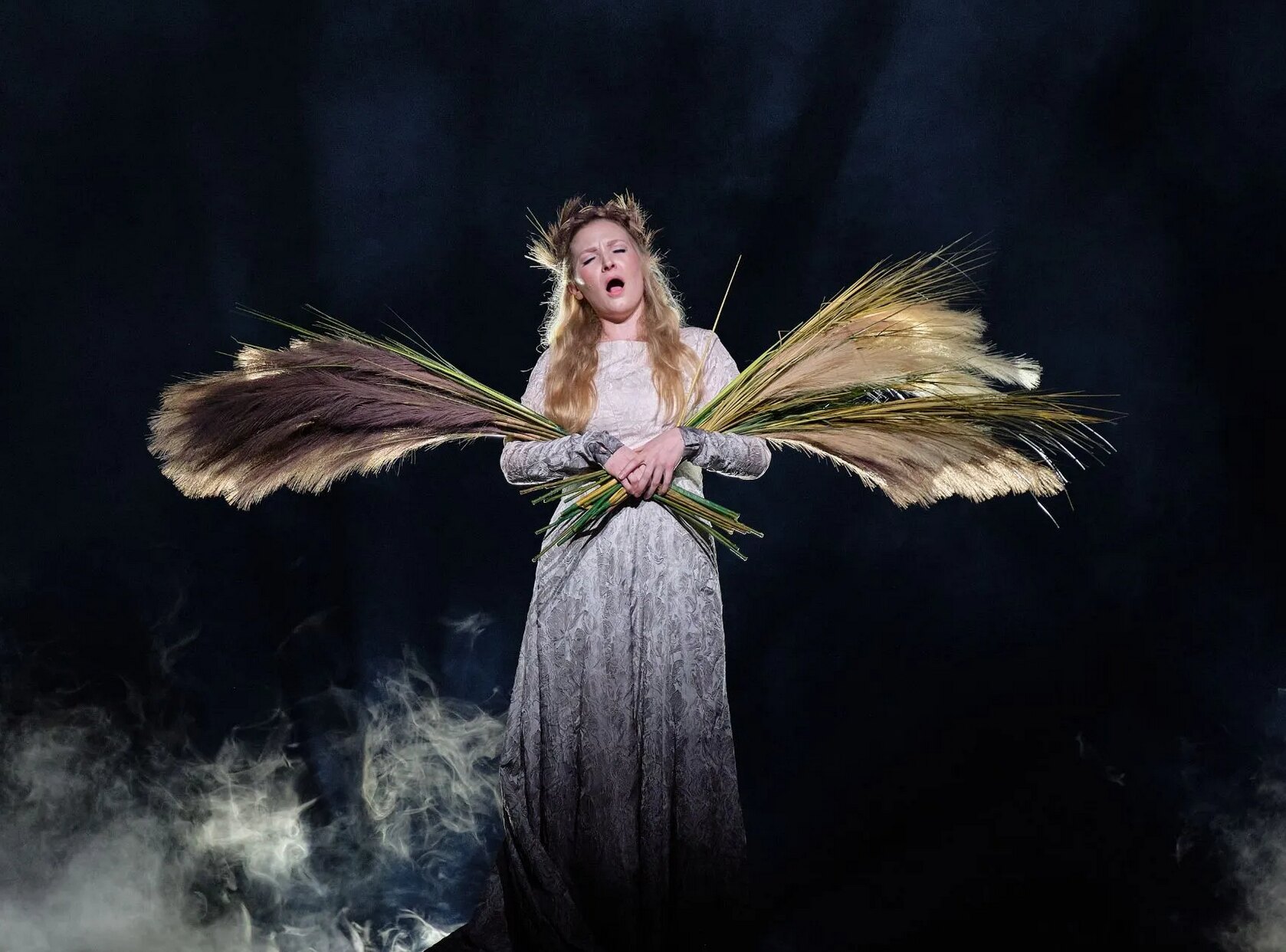
BB: Thank you that’s a powerful story, especially when we remember how things turn out for Ophélie. No wonder you received such great reviews: for instance the one with the headline
“Sarah Dufresne’s Ophélie steals the show in Opéra de Montréal’s Hamlet.”
Gilda is a young innocent who becomes an adult very quickly. Gilda has many parts (something they say about Violetta, from another of Verdi’s middle operas), some more adult than others, and a variety of singing styles too. When you’re playing Gilda, what parts do you identify with the most, and what parts are more of a stretch to portray?
Sarah Dufresne: Honestly, Gilda is not an easy character to play as a modern, adult woman. I think I can identify with the parts that have a high amount of innocence and naivety; like when she first falls in love with the Duke, because I was a teenage girl not too long ago. I think the second half of the show is harder to play, because the decision she makes at the end of the night (sacrificing herself) is more difficult to understand. The key to portraying her is that you really can’t approach it from a stance of “well I would never make this choice” but you just accept that Gilda is making the choice and you as the actor have to go all in on it.
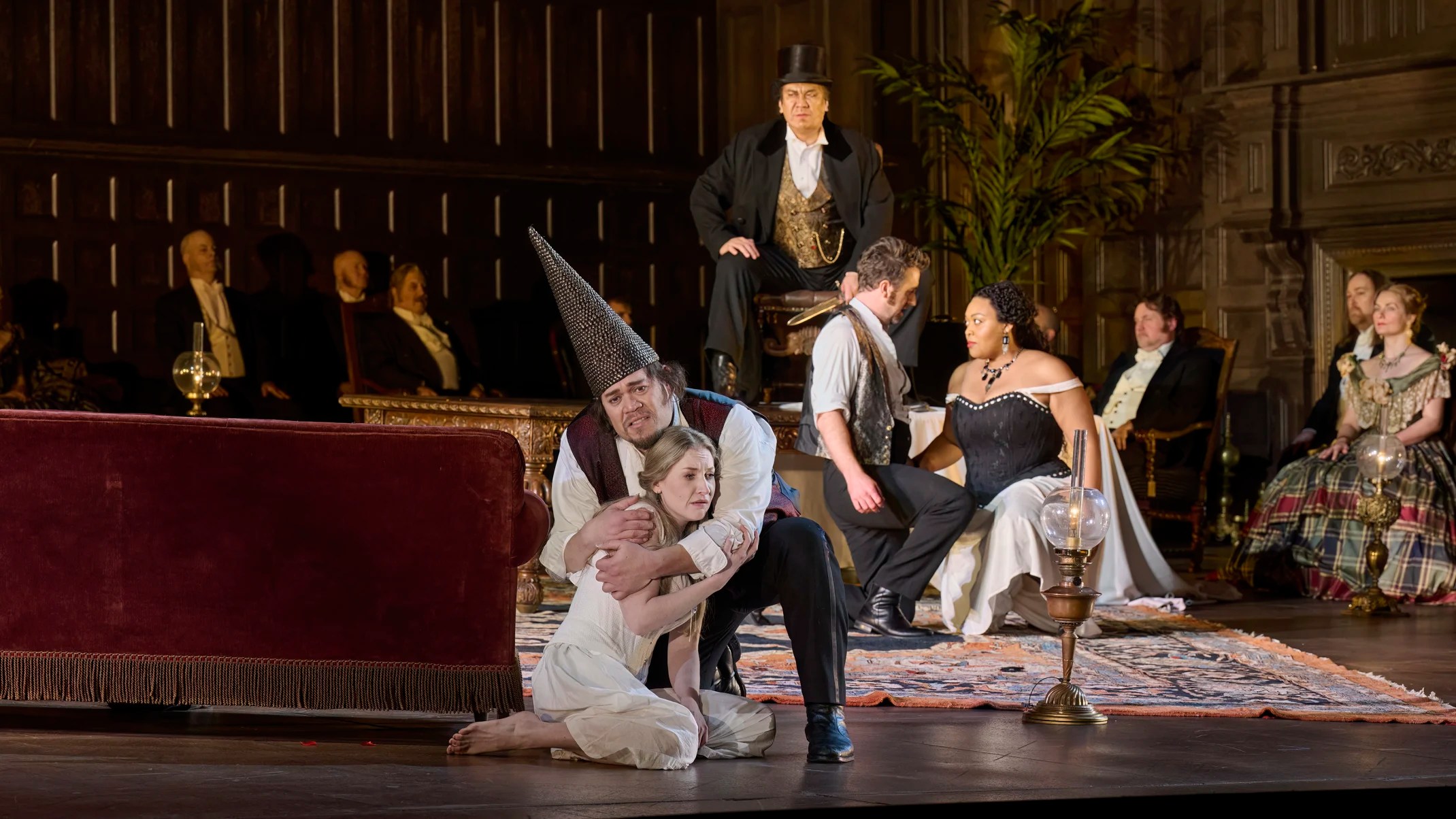
BB: I think you’re also explaining one of the reasons this production is so interesting, notwithstanding how dark Christopher Alden makes it, because we’re really watching a very modern take on Gilda, the Duke and his court of enablers.
Every year I worry, wondering if opera will survive. Some opera companies are having financial difficulties. If we let you become general director, do you have any ideas that might help?
Sarah Dufresne: I would be lying if I said that I have a great understanding of how opera companies are run. I know there is a lot of philanthropy involved and that operas are incredibly expensive to put on. I’m not sure anyone really knows the answer to this question… however I am very early in my career and could definitely see myself moving into a General Director position one day.
I think that finding the way to spend less and make more money is key. We also really need to push to get younger people involved and interested. From what I’ve seen, opera is more appealing to people who have studied it or been involved in some way (and a lot of the young people who I know who go to operas, are people who have tried it and either stuck with it or decided to go into another career path). Not to say that the efforts of opera companies to get influencers involved and social media attention doesn’t help, because I think it can. But I think we need to go a bit deeper in investing in giving children more knowledge about what it is, having them learn the basics of singing and have them put on little operettas and things like that to encourage them to feel what it means to commit to a project and feel passionate about the art form. I strongly believe the education needs to go deeper than your school coming to 1 matinee performance.
Watching a sport you don’t understand is less interesting than watching a sport you know the basic rules to… you know what I mean?
BB: Very true! thanks… Since the pandemic a great many artists are working virtually, both as teachers and as performers. Do you have a preference between live or recorded performance and when you record how do you make it seem live?
Sarah Dufresne: Live performance will always be my preference, for both watching and performing. Opera is a live art form and I think that’s part of the thrill! Recordings are basically always edited and the overtones of the voice will never translate on a recording the way they do in real life.
BB: If you could tell the institutions how to train future artists, what would you change?
Sarah Dufresne: I feel really fortunate that the institutions I trained at gave me everything that I needed and I really feel like the things I’ve learnt since are the things you can only learn from being in shows and doing the job.
I would say that I had to study a lot of advanced theory and things in my undergrad degree that I don’t need to know and it would’ve been helpful for me to opt out of. I think allowing people to focus on the subjects that are most applicable to them would be best! If someone wants to perform, let them have extra lessons and coachings, so they don’t have to spend all their time studying with books.
BB: What’s coming up for you?
Sarah Dufresne: This March I am back in Covent Garden as the Waldvogel in Siegfried as part of the new Ring Cycle.

And this spring I am off to make my debut at Teatro alla Scala in Milan as Frasquita in Carmen. I have some exciting things coming up next season… but I can’t share them quite yet!
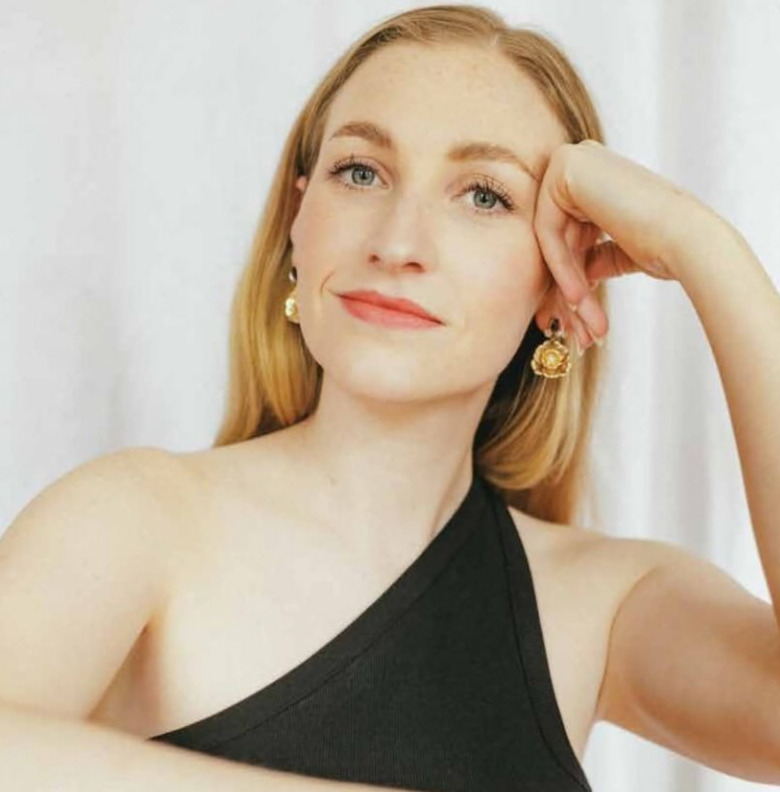
I will let you, dear reader, know when I hear more.
 barczablog
Good interview. Thanks to both of you.
Thank you!