
Sometimes interviews are just a series of obvious questions designed to publicize an artist and their work. I’m happy to play that game. But there are times when I’ve been fascinated by what I’ve seen from an artist, my curiosity aimed at finding their secret, encouraging me to interview them.
Maghan McPhee is one such person, a singer, teacher and entrepreneur whom I’ve observed since she was a very young voice student. I may be much older but from the first she seemed very mature beyond her years, very clear in her goals & objectives. She recorded a very impressive CD a decade ago.

I have heard that she started BIIMA, a summer program in Italy for artists. And soon Maghan will be singing and recording in my part of the world with our Scarborough Philharmonic next month and returning again next year.
I needed to find out what makes her tick, how she does it.
BB: Are you more like your father or your mother?
Maghan McPhee Oh this is such a good question. I think I look and act like my mom and her side of the family. My mom and her family should all be opera singers. They are expressive, hilarious people. The volume with which they speak is at a very high decibel level, even when they’re happy! My mom comes from a family of 11 children, hence the need for all of them to speak up. I grew up having a lot of influence from my mom, her sisters and my grandmother and I took on their way of expression. They wear their hearts on their sleeves and I think it’s the most honest way to live. It takes so much ENERGY to try to be something other than ourselves and put on a mask to fit in. I tried that for a long time without realizing it and it was exhausting. I’ve been described as “intense” on several occasions. I realize that it’s not a compliment, but I’ve come to see it as one of my superpowers.
My dad is such an industrious person. He built a really successful business from nothing and is now enjoying retirement. I’m so proud of what he’s done and what he dreamed for himself and for his family. We (myself, my 2 kids and husband) are actually visiting them at their home in Florida currently over the March break. I’ve always felt like the black sheep in my family, because I didn’t pursue a career in the family business like my brothers and their partners, in Timmins, Ontario.
About a decade ago, I started to see that my path wasn’t going to be like others in my world, as I wanted to begin my family and change what I was doing. I began to think more like a business person, conferring with my dad quite a bit, while understanding that I can also build something from nothing, in a very different way than he did: BIIMA. I didn’t need to follow the typical path of an opera singer and I could find a way to create a business out of my passion.

BB: And in a moment I will ask you to tell us more about BIIMA. But first, what is the best or worst thing about what you do?
MM: The best thing about what I do is that I am helping my students listen to their inner voice, discovering their unique gifts to unleash their true sounds. I love being a detective to help the students find their sound. It’s incredibly rewarding and it’s what gets me excited to start my day every day. I went through quite a vocal struggle in my twenties and worked so hard and spent a lot of time (and money!) on working with the best in my field to figure out what was going on. I truly went from having a very easy, natural ability…
BB I remember. You had an amazing sound.
MM: I went from having an incredible range when I was a teen, to losing my high notes (and confidence) when I left U of T. I found amazing teachers in New York who helped me tremendously.
It was a long road, but I’m on the other side of it, and I’m so happy to be able to work with students to help them find their sound, no matter their level, because I’ve BEEN THERE. I know what it’s like to KNOW that there is more sound, more ease, more range, more agility, but unable to access it. So, I feel like I can authentically work with a student who is struggling and give them tools to find one clue at a time to figure out their own vocal puzzle. I love holding their hand through the process and helping them uncover the mental and physical blocks standing in their way. I work with students of all levels. I have students who are doing professional auditions, some university level students, teenagers that are preparing (and winning!) provincial competitions, and some retired singers who want to feel better about their voices when singing in their respective choirs.
BB: Who do you like to listen to or watch?
MM I started listening to Mel Robbins. I love her motivational approach and I relate to her struggles. She’s so honest about who she was and how she had to make big changes to become her best self. She’s a working mom and cares deeply about so many things in her life. Her message isn’t: SIMPLIFY! I CAN’T simplify. Wouldn’t life be easier if I JUST sang, or I JUST taught, or I JUST ran BIIMA? People are always saying to me that I need to choose. I feel the calling to do all three and I want to make it all work. I have an incredibly supportive husband and like Mel Robbins I am able to find a way to do all of the things that keep me feeling alive and serving those that choose to work with me through all of the struggles I’ve overcome and continue to work on.
BB: What ability or skill do you wish you had, that you don’t have?
MM: I think it would’ve been amazing to have a business degree, since I’m now an entrepreneur. I also now realize that it would’ve been really helpful to take a minor in psychology, to be able to help my students understand their struggles. However, a good friend of mine once said that singing teachers are not cheap therapists, which is so true! When I feel that the student wants to unleash some heavy things that I’m simply not qualified to take on, I always refer them to a therapist that I’ve worked with in the past. This way, we can focus on the act of singing and that the work needing to be done outside of this framework can be done with a qualified professional.
BB: When you’re just relaxing and not working, what is your favourite thing to do?
MM: I love to walk. Walking allows me to feel like I’m accomplishing something and I know it’s really good for me. I often seem to figure out answers to my problems while I’m walking and away from the laptop.
I also love to watch Netflix/Apple TV series to take me right out of my world. Shows that are on the lighter side, like Working Moms, The Let Down, Offspring, The Morning Show and Beef have been fun to watch and get me out of my stress and to do list.
BB: What was your first experience of music ?
MM: My first memories of music was at our local music competition in Timmins, Ontario. There aren’t a lot of performance opportunities in Timmins. All of the music students work all year for the competition and it was truly one of the most amazing influences on me from the time I was seven years old. It’s what kept me focused on getting my music ready for performance. I played in the piano categories- I rarely placed in them, yet I spent over a decade competing, and I sang many pieces in every festival and won a lot. It kept me very motivated.
BB: What is your favorite song or aria?
MM: A piece I love to sing: Morgen by Strauss or anything by Mozart. It’s too hard to choose!
BB: Do you ever feel conflicted, reconciling the business side and the art?
MM 100% It took me many years in this field to see myself as an entrepreneur, because essentially, I truly want to help people sing. With BIIMA, I wanted to create this amazing oasis that I wish I would’ve had as a young singer, and I know that every artist deserves the chance to attend. I understand that it’s an investment to afford a program like this, based in Italy. I spend countless hours trying to find people to sponsor the talented students who audition for us, as I know that many can’t find a way to take this opportunity.
It is a life-changing opportunity, but how can one quantify this, unless they’ve been before? I was able to secure two full scholarships (including travel!) for two students who are from my home-town of Timmins and are both studying at Western University in classical music. The music festival in Timmins helped us with covering their tuition and an incredible supporter of the arts in Timmins worked to get their travel covered. She worked incredibly hard to receive a grant from Canada Nickel to cover their travel costs, which was incredible. I believe that this opportunity for these two young artists opened their minds to what’s possible and I couldn’t be happier to have been able to offer the opportunity to both of them. We were able to offer our thanks to the community of Timmins by putting on a free recital this past November and donating all of the proceeds to the Timmins Food Bank. We raised $1800. It was a win. Anything is possible, we just have to be the ones to make it happen and not wait for someone to hand us the opportunity.
More generally, it’s common for artists to undervalue their skills and experience. This is an important culture change that needs to happen and I’m learning that we have to switch our mindsets to truly understand our value. This means charging a proper fee for all of the different projects that we do to live well and to offer the best of ourselves. I’m surrounding myself with people who have the same mindset and staying away from negative, old school thinking, that one isn’t a real artist if they are making a living outside of performance, or not living in Toronto or Montreal (if they are living in Canada) and having a family.
I didn’t realize for so long that there were so many mindsets that I had to overcome, not only from the people in my life who aren’t artists themselves and their expectations of me, but also purists in the arts who think there is only one way to live artistically. Redefining success was a huge milestone for me and it changed everything. I realize that I am a success, even if I didn’t follow the path that many of my colleagues did and even if others don’t agree. I love my life and my path so far and I wouldn’t change any of it. The struggles made me who I am today and I now know that every part of it created the singer, teacher, entrepreneur and mother I am in this moment. I’ve come a long way, but I know that there is still so much out there that I want to create and develop. I have NO plans on retiring, even in old age. I believe I will continue to work and develop ways to create and educate as long as I’m capable.
BB: Of everything you sing (whether we’re talking about opera, lieder, pop tunes or anything else) what feels the best in your voice and what do you think sounds best?
MM: What’s interesting, is that we (singing students) are taught at a young age that we should be able to do it all- opera, lieder, contemporary, oratorio, but then as we age, we’re often asked- what’s your niche? I would think to myself- I haven’t the faintest idea! I love all of it and what I’m not good at yet, I want to be better! I never wanted to be pigeon-holed in one area, because there was so much to learn from all of the classical singing areas. The music that has by far pushed me the furthest has been contemporary art song. I truly love all of it- Mozart is what feeds me the most, but I do have to say that I love working on music that has never been performed before. How to bring this incredible new music to life and sing it well with proper technique, the way you would have to with any music by Mozart, but express it in a way that’s simple and natural so that it is received by the listener, even if it’s very complex.
An older recording I have where I do feel proud of my performance is during the 2009 Montreal International Voice Competition where I was a semi-finalist, performing with my good friend and incredible pianist Lucas Wong, 3 German pieces by living composer Elmar Lampson.
This was not long after I graduated from Dawn Upshaw’s program at Bard College in upstate New York, where I worked on a lot of contemporary music with living composers and had placed second at the Eckhardt Gramatte competition in Brandon, Manitoba. I also adore singing chamber music. Der Hirt auf dem Felsen by Schubert is something I still enjoy listening to on my CD ‘Portrait’. I’m proud of this performance, because of the vocal gymnastics and the depth of expression that came together while working with my pianist Parvaneh Eshghi and clarinetist Shauna (MacDonald) Barker.
More recently here’s a video of a contemporary work by Travis Reynolds as part of a workshop where Daniel Mehdizadeh (composer), Valerie Dueck (pianist) and I worked intensively with young composers on creating pieces for soprano and piano, where we recorded the piece at the end of the online workshop. I truly love this piece and felt that he knew how to allow for my voice to soar through the beautiful melody he created. Valerie and I have been collaborating for over 20 years! It was a true pleasure to work with her on this project.
BB: Singers come out of training programs, including the ensemble studio of the COC. And then what? Some people can make a living, some can’t. Stratford Festival and National Ballet function as places to employ almost 100% Canadian talent. Yet the fiction is out there that we need to bring in singers from abroad. Can you imagine Canadian opera with Canadian personnel?
MM: I think you raise a valid point here. Why can’t the Canadian Opera Company hire on the whole Canadian talent? I think that’s sadly something that’s reflected in our Canadian culture. We can’t get behind Canadian talent, unless they’ve made it elsewhere. We can’t hire actual Canadians to run our opera companies, because what do they know? I know countless singers who deserve to be on stage, but can’t get hired, because they lack experience. They lack experience, because no one will take a chance on them, because they don’t have experience. And around and around we go.
I began to understand, after my time in New York and I returned to Canada (I completed my second Masters degree at Bard College and traveled to Manhattan every week to coach with our teachers) that the auditioning I was doing was kind of a waste of time (and so much money). The people listening, even at the regional opera level, wanted singers who were already being hired all of the time by the bigger companies, and out of the country. It didn’t matter how well one sang, it was what was on my resume that seemed to matter and the fact that I was based in Ottawa seemed to really upset everyone I sang for. It was baffling to me. An artistic director of a very small summer opera festival told me as much, and I was happy to have had the guts to say that I was sad that he was worried about my resume, more than the performance I JUST gave. He needed to hire based on what everyone else was doing, instead of his own gut instincts. The more I auditioned, the more I realized that they weren’t the only Canadian company working in this way.
Americans seem to know how to back up their talent, as do Quebecers. Why is it that the rest of Canada can’t back up their own? It must be something that’s deep within our psychology and something we don’t even realize on a conscious level. I’m from Timmins and so is Shania Twain. I remember when she made it really big, so many people in the town didn’t like her music and didn’t support her success. You would hear time and time again that she wasn’t any better than anyone else, and who did she think she was? She was Shania Twain, and she made it all the way to the top! She beat all of the odds. We should have all been celebrating this amazing person who came out of poverty and from our small, isolated community. My point with this, is that it’s no surprise to me that the Canadian Opera Company and many others are constantly overlooking and under supporting the Canadian artists who have decided to stay in their own country to live and work. I do think it’s important to bring awareness to this problem, and I’m incredibly grateful to you, Leslie, for being our champion and for calling out these companies.
BB Thanks and yes it has been an obsession of mine. So nowadays it’s very expensive to live in a Canadian city, whether it’s Toronto, Vancouver, Ottawa, you name it. Can a performer survive without a day job?
What’s cool is that we are now discussing portfolio careers in many universities, which is how an artist can survive. When I was a student, it was the do or die mentality, which is crazy, because we all know most of the graduates in music will not have a performance career, based on the fact that there are too many graduates and not enough work. We need to equip our students with the knowledge and the drive that you CAN have a performance career in Canada, but it may take some creativity to make it work for you.

BB: Aha, “portfolio career”. That expression is new to me.
MM: I certainly have a portfolio career, singing, as well as teaching and running a summer program. I think it’s important to have skills in many areas, to be able to continue your craft.
BB: Does one have to be an extrovert or even an egotist, to be a good singer?
MM: I personally believe that the singers and musicians we are excited to listen to or watch are the artists that are making music from a very personal place. It’s less about them, but about the music and the text they are performing. These performers who are truly genuine are often introverted and not that excited about being the centre of attention. But, give them the space and they will touch you with their genuine expression, which I believe is at the core of what artists should be thinking about. How do we touch the people who come to listen to us, instead of, how do I look, sound, act? Is it enough? It will always be enough if it is authentic. Everyone has something to say, even if it isn’t through perfect technique.
Yes, to answer your question, I do speak on a video about being shy and how this affected not only my posture, but my vocal position on the whole. I didn’t realize that my speaking voice was in a lower pitch to where it should actually be anchored to have a healthy tone nor did I realize that my shoulders naturally rolled inward due to my shyness and insecurity, which can inhibit breath.
MM: These are things that I continue to work on to this day, but knowing one’s tendencies is the first step to being able to change for the better!
BB: I hear you will be singing with the Scarborough Philharmonic on April 26 and 27, new premieres by Canadian composers as part of a double album recording project. Please tell me more.

MM: This project means a lot to me. I will be performing and premiering new Canadian works in Toronto with Ron Royer and the Scarborough Philharmonic Orchestra on April 26 and 27 with mezzo soprano Danielle MacMillan. We will be performing contemporary music solos and duets as well as some famous opera hits. It’s part of a double CD release project where Danielle will be featured this season and I will be featured next season with newly commissioned Canadian works. I’m thrilled to be able to finally record songs that were written for me over 20 years ago from one of my mentors in Timmins. Geoffery James Lee was the conductor for many years of the Timmins Symphony and began a strings school in our community which is still thriving to this day. He gave me the opportunity to sing my first Pamina at the age of 19 and wrote songs for me when I was doing a fundraising recital to travel to Italy for my first ever summer program. He sadly passed away very soon after the premiere of these songs and I’m very honoured to have the opportunity to bring them to life and record them with the Odin String Quartet. These songs “Moonlight Solitude” and “Last Flight “ were the inspiration for the theme of my album with the SPO, entitled Luna I’m excited to expand and commission moon themed pieces by Canadian composers and members of the SPO.
BB:Tell us about your summer programs (BIIMA)

MM: BIIMA- Breno Italy International Music Academy is a summer program based in the Italian Alps.
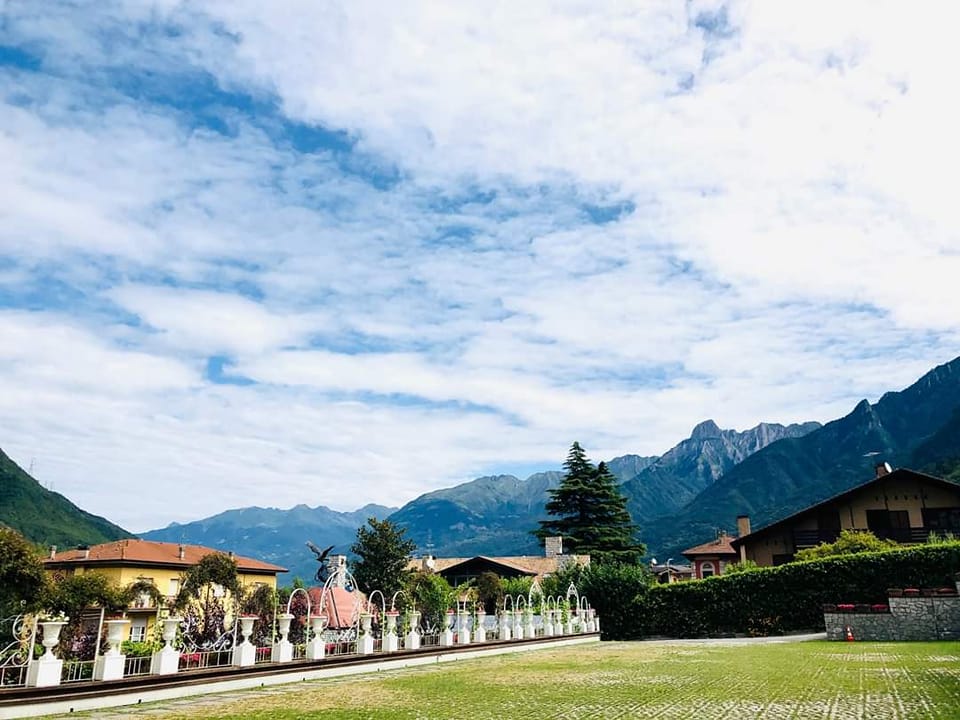
Our Voice Intensive is a personalized program, catered to each individual singer. We accept approximately 8-12 singers and nurture them and help them achieve their goals. They receive DAILY one-on-one attention (which is unheard of at most of these summer programs), daily masterclasses, Italian language class, body awareness classes, ensembles classes, performance opportunities, discussions on performance anxiety, the business of music and the list goes on.
Participants can sign up for day trips to Verona to watch an opera at the Roman amphitheatre and Milan to tour La Scala opera house.
Faculty: Maghan McPhee, Dr. Christina Haldane, Dr. Carl Philippe Gionet and pianist Jason Handy
Dates: July 16-30
Toronto auditions: March 29 or via video auditions
Registration deadline: Apr 15, 2024
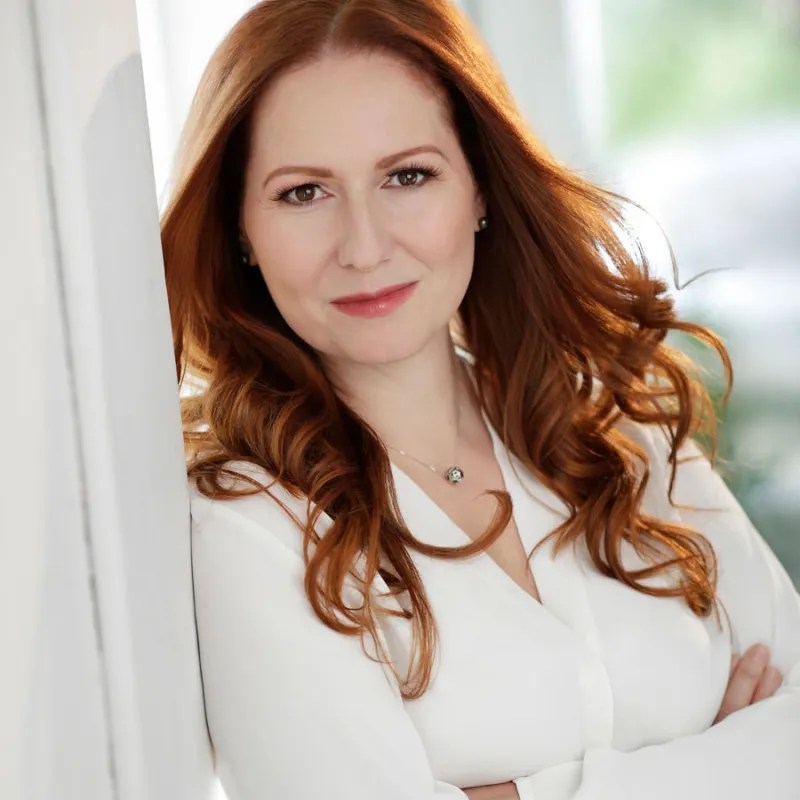
BIIMA Choral Retreat will provide an authentic and unforgettable cultural immersion in Breno, Italy for the active amateur choral musician. Choristers will spend two weeks living in the Italian Alps learning the language, developing musicianship and vocal technique, rehearsing repertoire, performing in the historic city of Brescia, taking in performances, and making life-long connections and memories with fellow travellers and singers. Participants can sign up for day trips to Verona to watch an opera at the Roman amphitheatre and to take in a breathtaking winery.
Faculty: Lee Carter conductor, Maghan McPhee voice teacher
Dates: July 1-14, 2024
No auditions necessary
Registration deadline: Apr 15, 2024
BIIMA Composition, Creativity and Improv retreat:
Through daily non-judgemental, guided creative activities and free form spontaneous improv sessions, this individualized, highly tailored program will free your mind and unleash your full artistic and creative potential.
Faculty: Margaret Maria composer, Alice Kanack author/composer
Dates: July 16-30, 2024
No auditions necessary
Registration deadline: Apr 15, 2024
BB: How did you get involved in something as original as BIIMA. How did it start?
MM I don’t know if you or your readers would believe this, but the origin of this story is weird. I was driving my husband to work, as I did every morning and I was telling him about a past student who was now at McGill, working with Ana Maria Popescu, who ran a small voice summer program in Italy. I then said that it would be a dream to run a program and I know exactly what I would offer, as I had done many summer opera programs in Europe, and although I gained a lot of experience, what it came down to was that the student was supposed to be impressing the faculty, similar to how it was during my undergrad, instead of actually learning and improving, I felt that the obvious need for most young artists was to find a place away from the pressure of being perfect every time they opened their mouths was paramount. Great faculty with actual current performance careers that could help them achieve their personal goals would be the goal. Having discussions about portfolio career strategies, classes on mental health and performance anxiety, body awareness group classes, masterclasses, performances and of course daily one-on-one guidance was a must.
I returned home, opened my email, as was my routine to begin my day, and there was an email from an Italian contact who was asking me to run my own voice summer program in Italy.
This was in 2014. I began the program with 5 of my own students and an incredible pianist voice coach, Carl Philippe Gionet who happened to be in Europe during the period we needed him for.
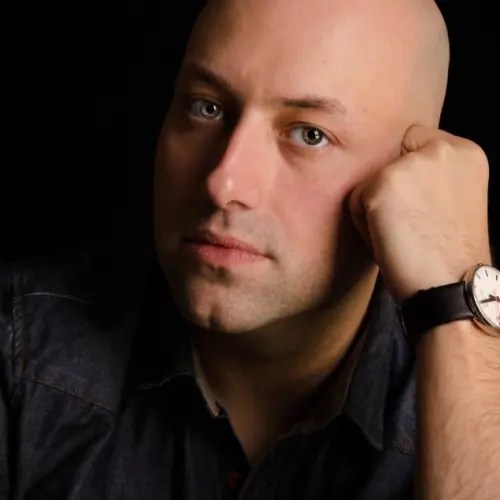
It was a match made in heaven as the two of us seem to say the same things in different ways when working with a singer. We didn’t have a name for the program yet as I worked in conjunction with the cultural Italian organization Cieli Vibranti. The name finally came to me a few years later, as I wanted the name to encompass the possibility of expanding into different areas of music education.
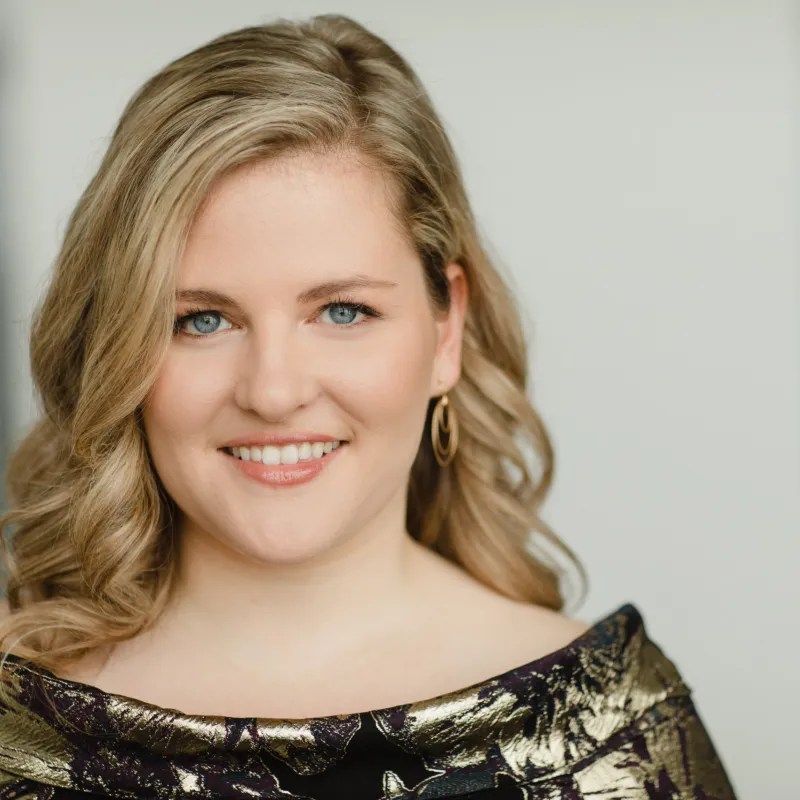
My Italian partners Andrea Faini and Fabio Larovere have been wonderful about allowing me to see this dream through and we have now expanded from a small opera intensive program, to a flute masterclass with Lara Deutsch, and a Choral Retreat for the amateur singer this year with Lee Carter.
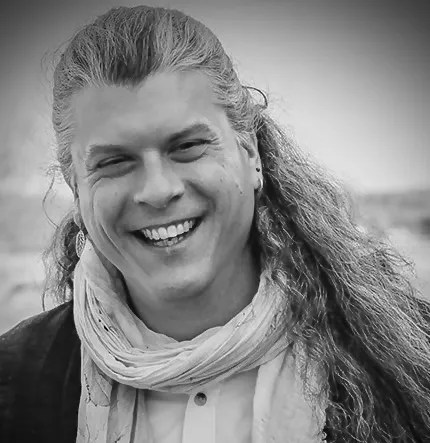
And there’s a really exciting groundbreaking program with composer Margaret Maria, called Composition, Creativity and Improv for any kind of musician and genre.
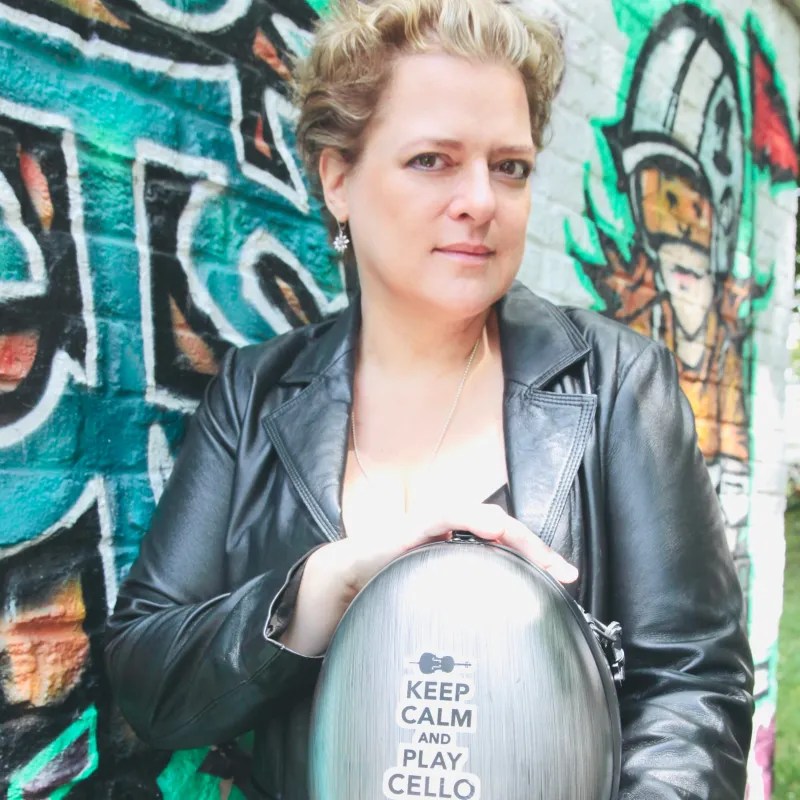
BB: Why should singers go to Europe?
MM: The setting we’re in at BIIMA is literally out of a dream. Think Sound of Music. We are in the Italian Alps, in a small medieval town in the north of Italy, where no one speaks English. Our music academy is part of a convent, with incredible facilities including Steinway pianos, amazing acoustics and the presence of art everywhere you look. We have these wonderful nuns looking after us, cooking for us and hosting us. Everything from the time we arrive is managed for us and all we have to do is create and work on our craft.
Why Italy? I’m asked this a lot. After my first year of university, I had the opportunity to join a summer program in Italy and it changed my world. I had never been to Europe before and I was stunned by the beauty, the people, the language, the food, the heat…everything. I feel that having the opportunity to sing in a place where no one knew me was truly an important part of my development. I could try things out and knew no one would really remember me once I left and it was so liberating! It was wonderful to sing an aria at the final concert in the piazza and have the public literally singing along with me! I think experiencing Italy, where opera was conceived, is an important part of music education, especially with respect to classical voice. Understanding the culture around our artform is paramount in being able to share it authentically. Speaking technically, as Canadians or Americans, we don’t (on the whole) speak in a very resonant position. Spending two weeks surrounded by Italians, the students can begin to hear the natural legato in the Italians’ speaking voice, with incredible resonance. Working on the speaking voices of my Canadian students is a huge part of the work that I do, because most of us speak with much tension in our vocal tract. “Parla come canti e canta come parli” Speak the way you sing and sing the way you speak. I find that so many Italians speak so beautifully and it’s no surprise that opera stemmed from these people and their natural way of speaking on the vowels in their resonance, on the breath.
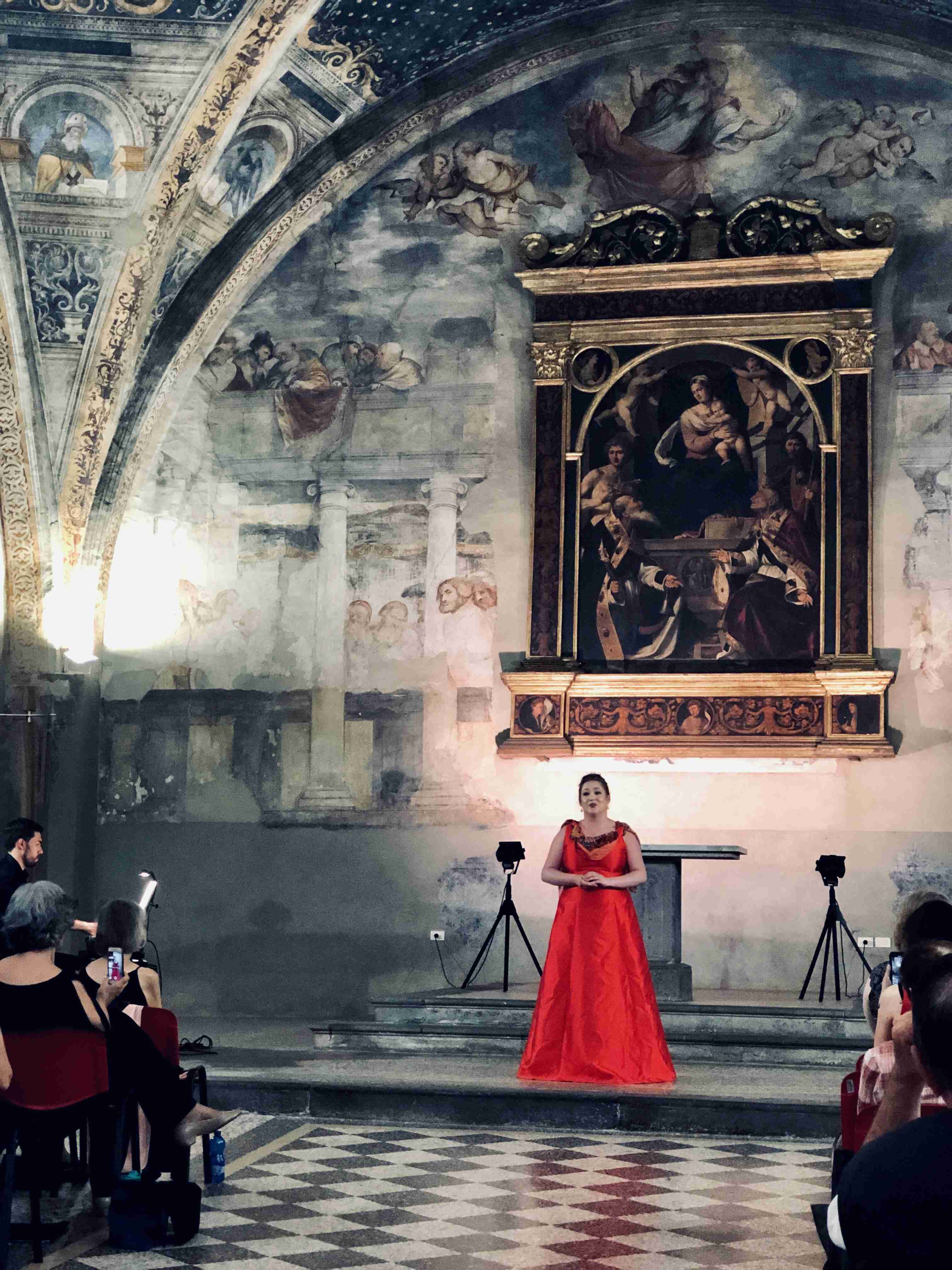
We offer an intro to Italian language class as well every morning, which is an added bonus. It’s wonderful for the students to see that it’s possible to learn another language, one that’s essential to the classical music world and my hopes are that the students then take this experience of the language and expand it when they return to their homes and their institutions.
BB: If you could tell the institutions how to train future artists for a career in opera, what would you change?
MM: All of the institutions that offer classical voice should offer a business of music class on how to find auditions, network, market oneself, file taxes and learn how to manage time efficiently. Most will have to find a way to work in a different career while performing. Another surprise is that not all institutions that offer a classical voice degree offer obvious things, like a mandatory diction class. How can institutions claim to offer young singers a chance at a career if they aren’t even receiving the basics in their education? I was happy to have been able to offer a diction class in 2019 at Carleton University, but sadly the class was too expensive to continue.
As great as many of these music programs are, the unwritten rule is that the students should be continuing their studies at summer programs throughout their degree and beyond to fill in the holes of their education. Those who do attend summer programs have the advantage of hearing other singers, have access to new faculty, new ideas and new feedback. They also continue to learn and grow throughout the summer months, which otherwise would be a four month hiatus from their lessons and performance practices. This is an essential part of the music student’s development, because it’s not enough to be the best at your school. You need to know that there are thousands of other young artists just like you around the world. What makes you different? What are your strengths and how can you stand out? Our program is about building up the artist based on their strengths while tackling their weaknesses.
BB: Talk about your own educational pathway and how it prepared you for your current career.
MM: My undergrad and my two masters degrees at the University of Ottawa and Bard College didn’t prepare me for my current career, full stop. I never expected the institutions to magically make things happen for me on a career level. I was on a quest to better myself and my voice and to some extent, I learned some of that at each institution. The interesting thing about my journey was that my undergrad took away a lot of what I was doing naturally and I lost so much of my range and had throat tension that I didn’t know what to do with throughout most of my degree. No one seemed to know what I was talking about (my teacher, coaches, professors and fellow singers), so I kept it to myself and tried to figure it out on my own. It was terrible that I felt shame about something that was happening to me and likely many others in the program. I still sounded good and won auditions and competitions, so no one really understood what I was going through. I felt like an imposter for so many years and it absolutely took my confidence away from me. I had to work very hard to continue on as a performer throughout this period that went on for years. I came very close to quitting and moving on, but my stubbornness and my need to find the answers to my voice kept me going. That and my husband’s belief in me and my dream.
I realize now that what I put out in the universe has come back to me. My singer friends’ goals were a career in performance and many of them have achieved it. My drive was that I wanted to understand my voice. I wanted to know how these amazing teachers in New York with whom I worked seemed to waive a magic wand and help singers sound instantly better in a masterclass. I wanted to understand technique and how it worked for me. I wanted to find the natural way I seemed to sing before I went to school for singing and I knew that I wanted to help others find their gifts as well.
BB: Do you have any teachers or influences you would care to mention?
MM: Teachers who made a big difference in my singing: Benita Valente, Lorraine Nubar, Jennifer Ringo Conlon and my current teacher Heidi Melton.
BB: What do you have coming up?
MM: I’m excited about a few things that are coming up:
We are holding Toronto auditions for BIIMA on March 29th in TORONTO for our voice intensive! Each audition is a mini-coaching, so that the singer will have the chance to work through their piece(s) should they so choose.
I have a new voice program that I run from September-June online, Release Your Inner Voice, where I work with singers individually through a personalized program, but also as part of a community through online group discussions, masterclasses, guest speakers and all sorts of new ways to work. It’s been a huge success this year, and I’m excited to be offering it once again next season. I’m excited to be able to work with singers all around the world.
I’m performing and premiering new Canadian works in Toronto with the Scarborough Philharmonic Orchestra on April 26 and 27 with mezzo soprano Danielle MacMillan. We will be performing contemporary music solos and duets as well as some famous opera hits. It’s part of a double CD release project where Danielle will be featured this season and I will be featured next season with newly commissioned Canadian works.
I will also be performing in Breno Italy, as well as in Lake Moniga where I will feature Italian repertoire and Canadian works with pianist Carl Philippe Gionet.
 barczablog
Pingback: Maghan McPhee, BIIMA Founder & Soprano – Breno Italy International Music Academy