
Everything clicked today in the Canadian Opera Company presentation of Puccini’s Madama Butterfly at the Four Seasons Centre. I’ve been enjoying the music of this opera all my life in spite of shortcomings, never having experienced a production that was as perfect as this one.
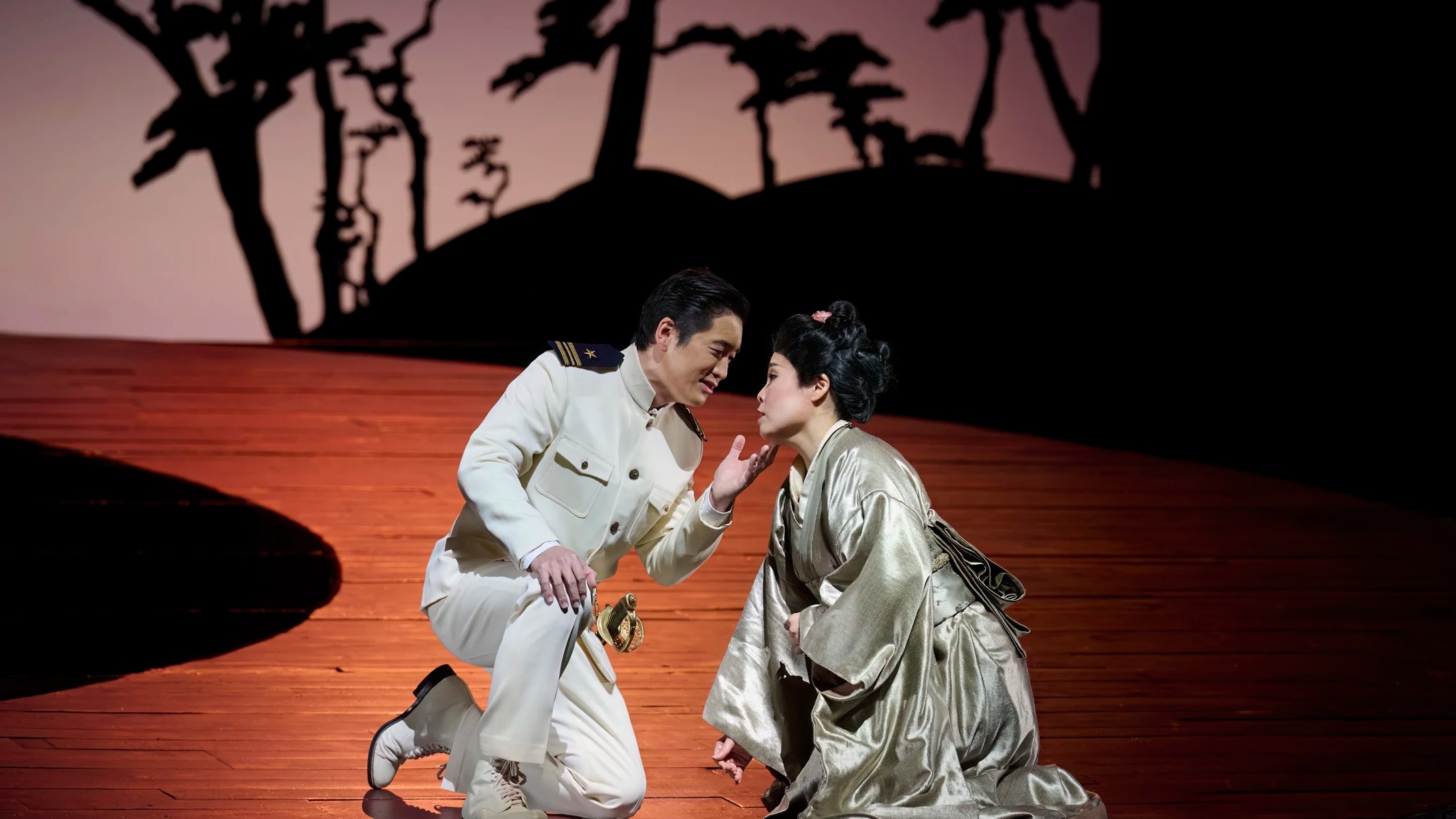
The principals were superb beginning with Eri Nakamura in the challenging title role. When I think back on recordings I heard with Italian sopranos such as Albanese or Tebaldi, or COC productions starring a mature singer, we were always required to make a huge suspension of disbelief. How could it be otherwise, when the role calls for a dramatic soprano portraying a beautiful teenager. I don’t think you can improve on Nakamura’s portrayal, from the sparkling high notes in the love duet, the unshakeable resolve in her big aria “un bel di”, an unexpectedly light comic touch in her scene with Yamadori, or her brilliant handling of the horrific drama in the last act. The role is demanding, yet her voice was better as she went on, perhaps because she conserved some of her resources earlier on.
There is a certain irony in having Nakamura in this cast, given that the usual optics for the opera are missing. Casting the Asiatic Kang Wang as Pinkerton defuses some of the usual racial tension. We still have an imperialistic American sailor singing “America Forever”, who marries Cio-cio San even though he drinks a toast to the day he will eventually marry a real American wife. But at least he’s not also enacting white supremacy.
During intermission as I chatted with someone seeing Butterfly for the first time in her life (what a treat, especially when their first is such a good production), I couldn’t help thinking how relevant Puccini feels right now in addressing contemporary issues such as poverty (Boheme), tyranny (Tosca) and American imperialism (Butterfly).
It’s a delightful surprise to encounter a racially inclusive cast in an opera where race is so central to the story, but all the principals are persons of colour. The effect was unexpected. I felt Wang’s remorse in the last act was more believable than the usual Pinkerton, the relationship somehow more romantic as a result. But the main thing was how well these two portrayed their roles, singing and acting flawlessly.
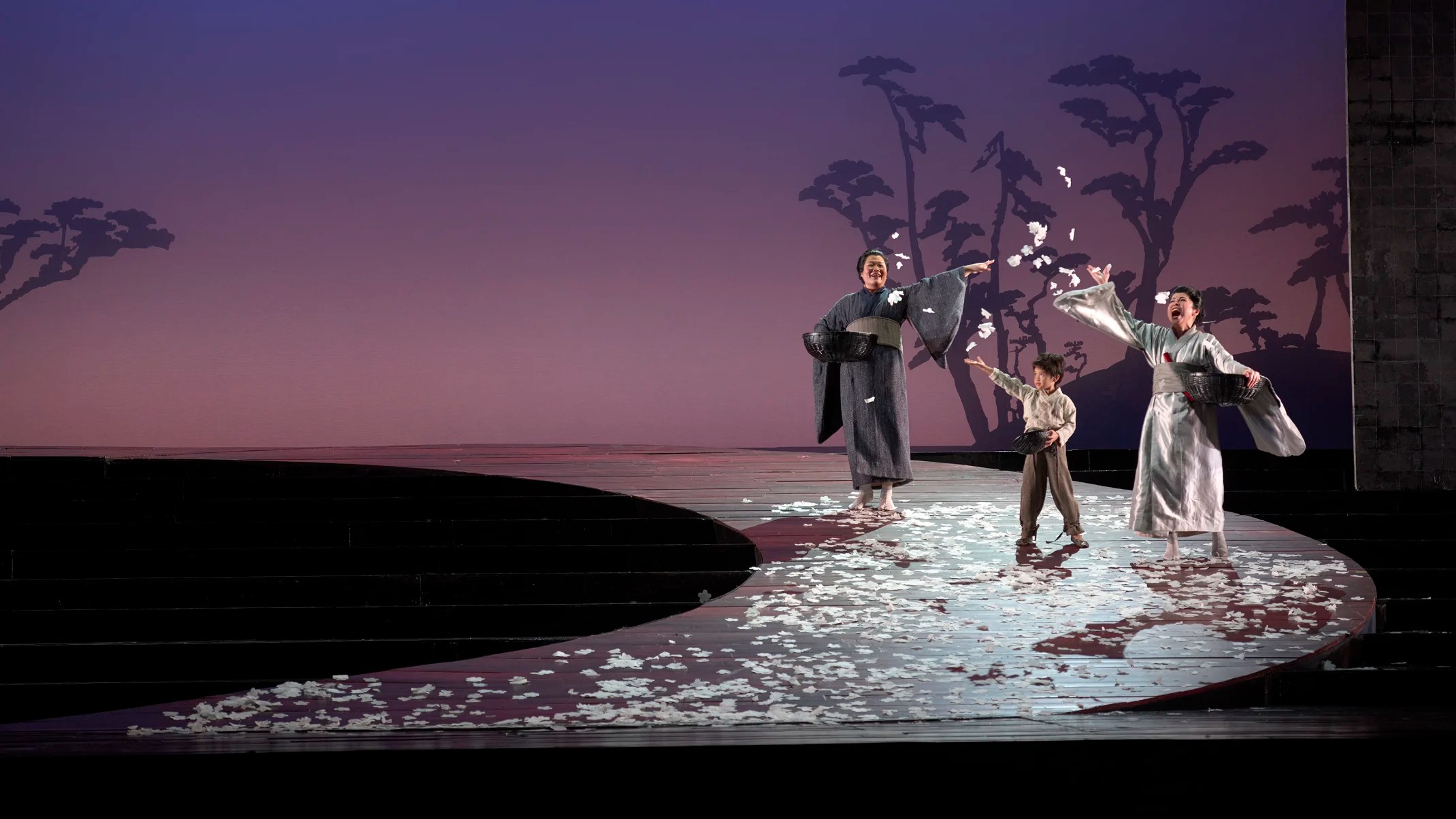
The production co-commissioned by Houston Grand Opera, the Grand Théâtre de Genève and Lyric Opera of Chicago, was directed originally by Michael Grandage but in the revival by Jordan Lee Braun.
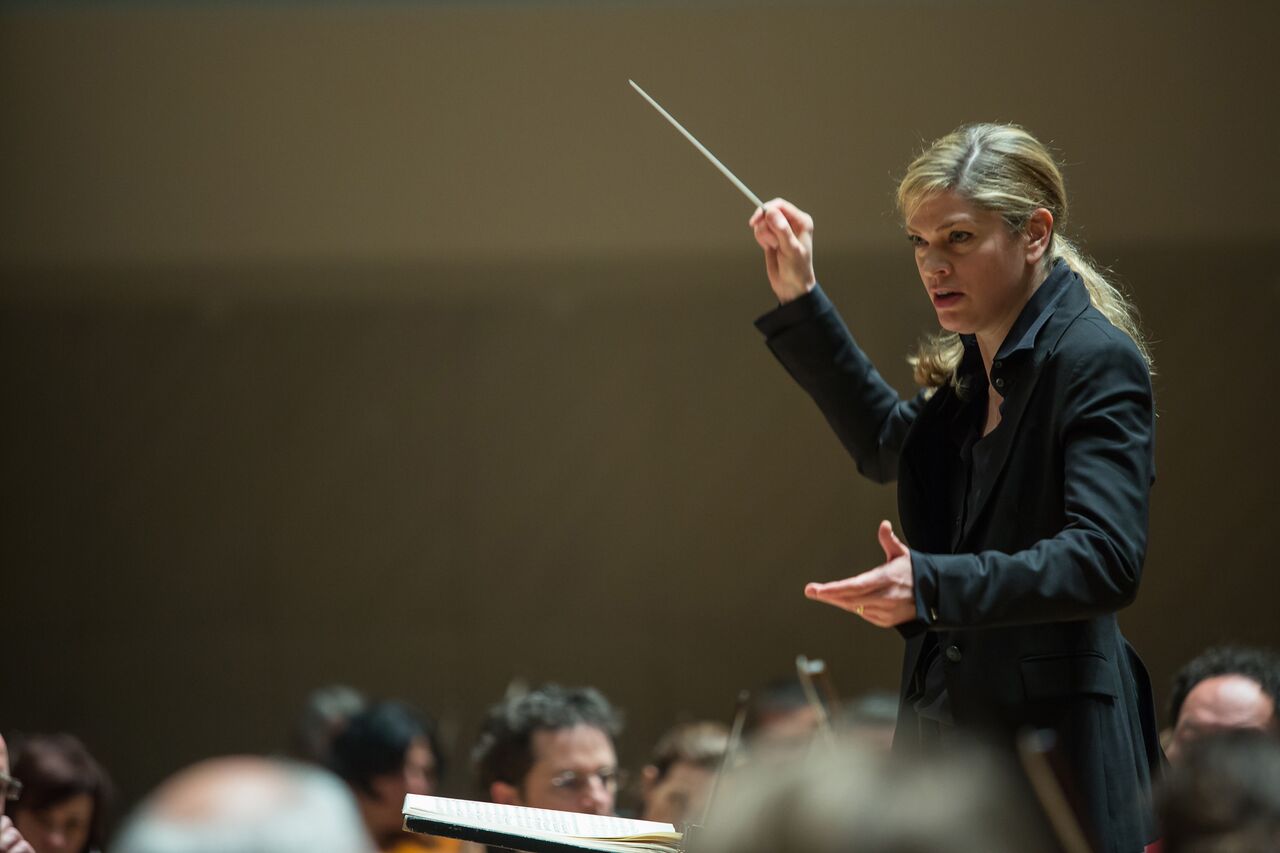
I understand that Puccini can be one of the hardest composers to conduct, using big orchestral effects resembling Wagner even while the singers require more flexibility of tempo and dynamics from the leader, controlling that huge sound. Conductor Keri-Lynn Wilson led a sensitive reading, the COC orchestra sounding superb especially at the beginning of each act. The COC Chorus was nicely blended into the whole in their offstage moments. The result was brilliantly musical in support of the story-telling.
There were no weak spots in the cast. Hyona Kim was a standout as Suzuki, Butterfly’s servant, at times anticipating the audience’s emotions in her sympathetic responses to the plight of her mistress, and the voice wonderfully eloquent. Michael Samuel was the other empathetic figure as Sharpless, the lynchpin of the plot as he helps Butterfly. Julius Ahn was an energetic Goro, with a touch of mischief. Gene Wu was a superb Bonze including a magical moment nose to nose with Wang’s Pinkerton.
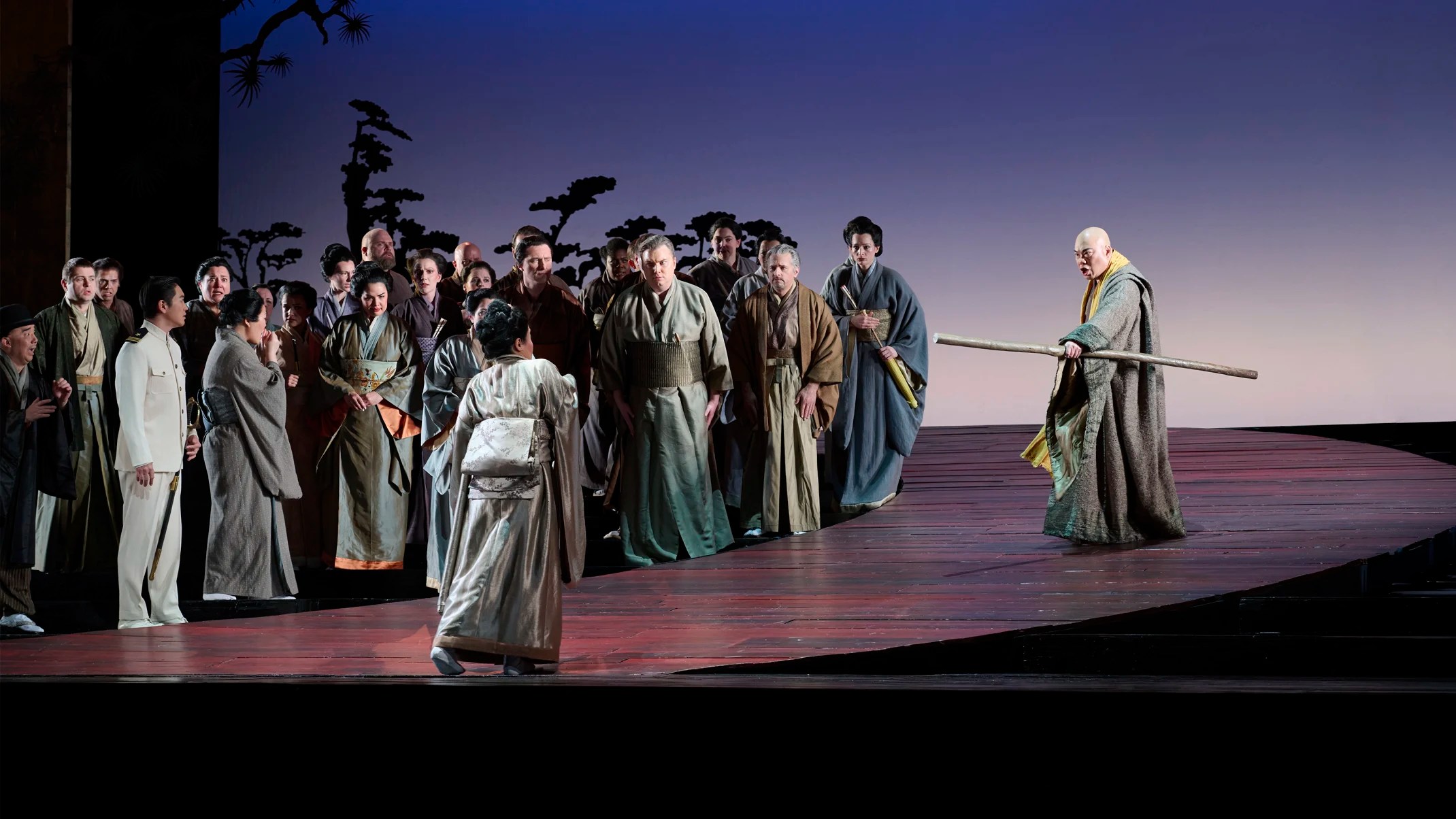
(photo: Michael Cooper)
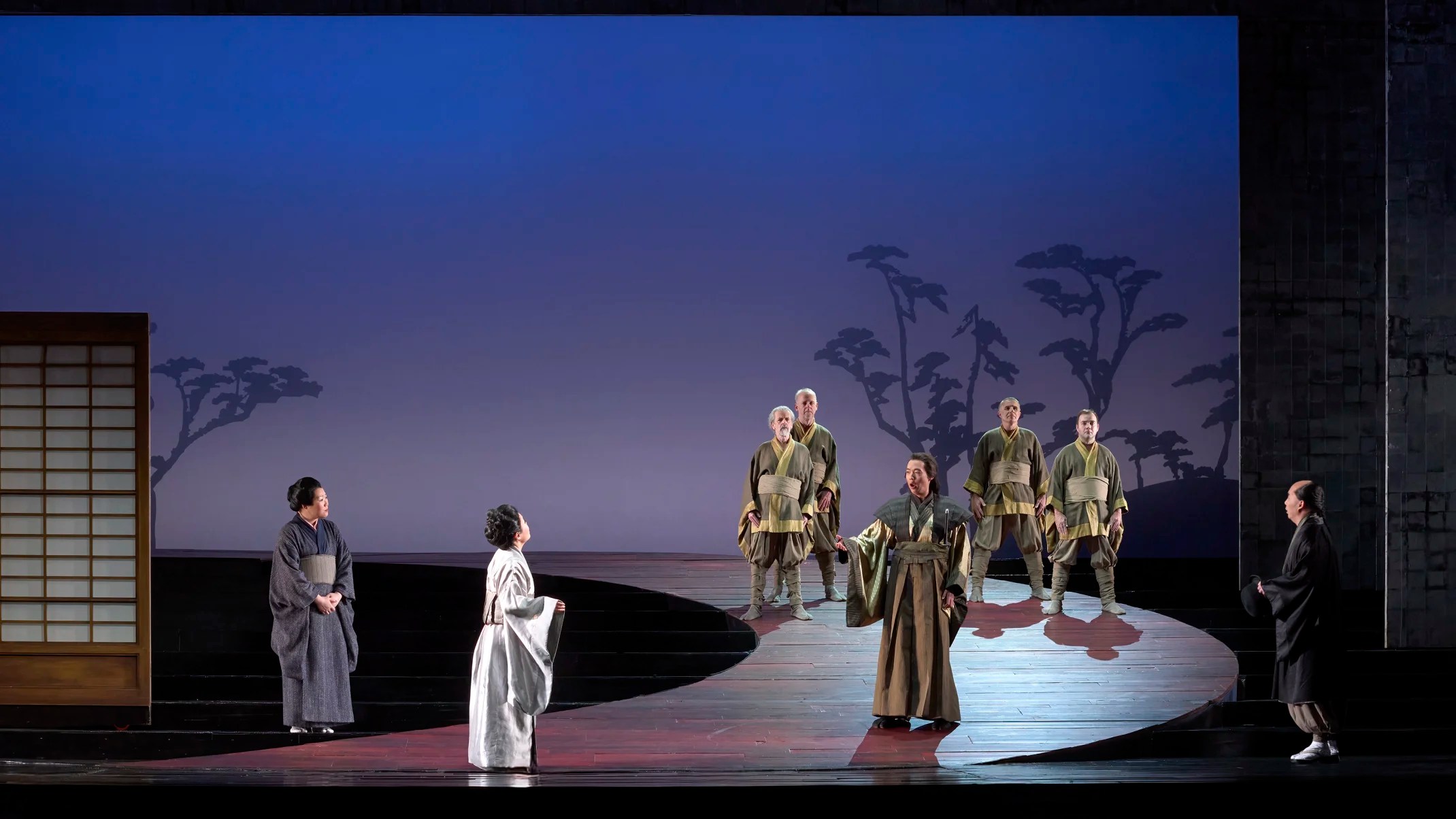
Samuel Chan was an intriguing Yamadori, singing some of my favourite music in the opera (i always desperately wish Butterfly would accept his proposal, but sigh it never happens). Whether Yamadori is an unattractive older fellow being pushed by the opportunistic Goro or the handsome younger one we saw today, the scene serves as a light interruption in the tragic plot.
Madama Butterfly continues with six more performances February 1, 6, 8, 12, 14 and 16.
 barczablog