When I heard that soprano Alexandra Delle Donne was producing a twin-bill of one act operas, I wanted to know more.
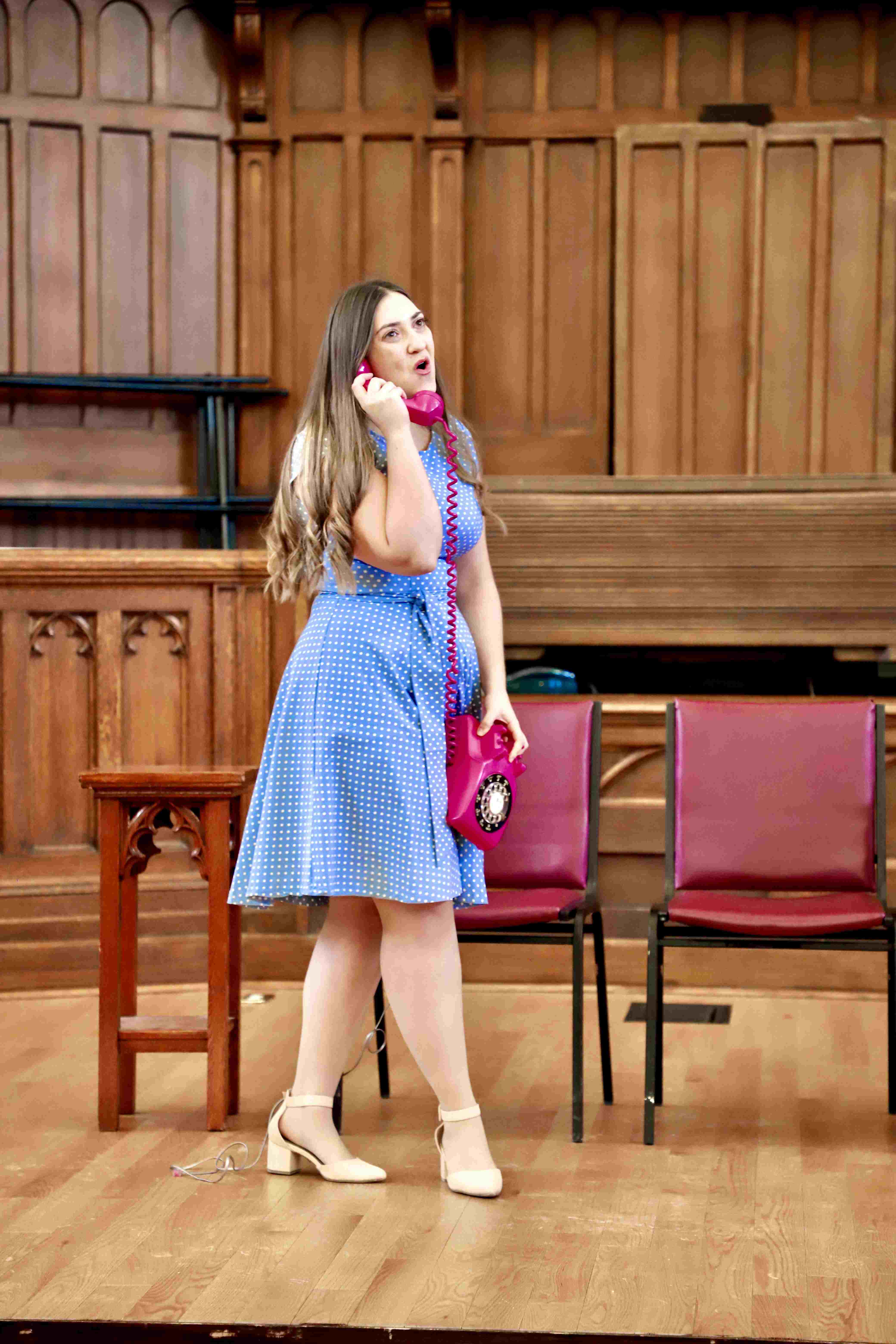
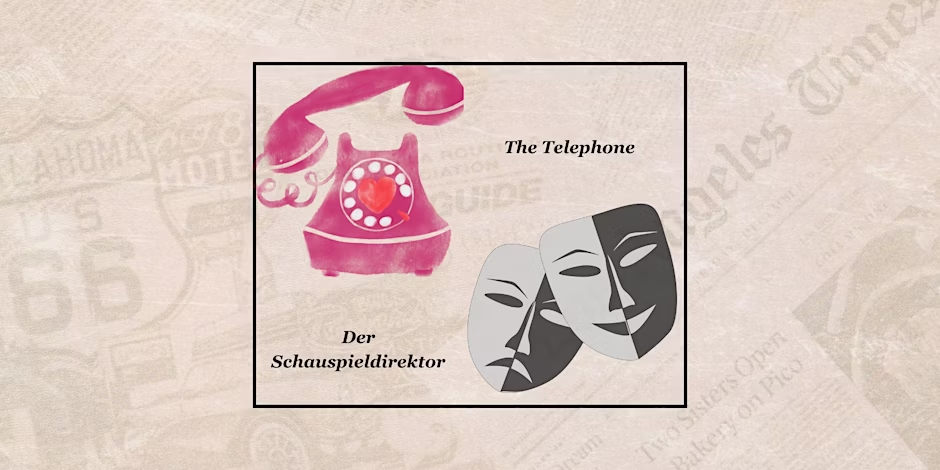
The night of Saturday March 8th and the afternoon of Sunday March 9th Alexandra will be singing in Menotti’s The Telephone and Mozart’s Der Schauspieldirektor. On the ticket webpage we are told “Menotti & Mozart invite you to come and experience a night of 50’s comedy! From the obsession with a Telephone to bickering Sopranos!“
I had to interview her.
*******
Barczablog: Are you more like your father or mother?
Alexandra Delle Donne: I think I am a 50/50 split between my parents. I am definitely overprotective and loyal, like my father. I am also ambitious and creative like my mother. We are all incredibly stubborn as Italians haha!
BB: What is the best or worst thing about what you do?
ADD: I love collaborating with others and learning something new.
ADD: I swear with each opera I learn, my mind expands and starts seeing music in a different light. One of the things I have enjoyed the most about producing my own operas is that I picked repertoire that I resonate with. I’m also quite “type A” personality, so it’s been fun directing my own operas too and seeing them come alive.
My least favourite thing about being a singer would be the waiting. I think a lot of people in the arts can agree that there is always so much waiting; whether or not that is waiting for an audition, your next gig, your turn to rehearse your scene, etc. The excitement builds up, but then you have to calm it right back down because it isn’t your turn yet.
BB: Who do you like to listen to or watch?
ADD: I listen to a little bit of everything, pop, country, classical, folk, etc. One of my favourite classical sopranos to listen to is Diana Damrau, I definitely aspire to be as musically and theatrically gifted as her one day! I love film and television, I am watching Severance right now, which is mysterious and confusing. In general I love Buffy the Vampire Slayer, and Harry Potter. These are two items that I rewatch almost every year, something about the fantastical hero that speaks to me haha!
BB: What ability or skill do you wish you had, that you don’t have?
ADD: I wish that I could dance! I am the most uncoordinated person I know, so I would love to be an amazing dancer, jumping in the air and dancing in the nutcracker! Funnily enough, a main reason I went into opera was because I couldn’t dance. When I was younger, I sang in choirs and at church, but I told my mom that I wanted to do something more than just singing. We tried putting me in a dance class…that didn’t work out so well, so musical theatre wasn’t an option for me. However, my mom grew up listening to opera, which combines singing and acting, and a plus for me-rarely any dancing! So had I been a good dancer, I probably would’ve gone into musical theatre instead of opera.
BB: When you’re just relaxing and not working, what is your favourite thing to do?
ADD: My favourite thing to do would be spending time with my friends and family. This can be trying a new restaurant, going for a walk, or trying a new activity. I also enjoy posting funny/singing videos on my social media. I feel that it gives me a way to express myself in a fun way, and I enjoy that it seems to bring laughter or joy to others.
BB: What was your first experience of music ?
ADD: I remember this so vividly, I consider it a core memory. I went to a Catholic school from KG to grade 9, and they put a lot of emphasis on learning sacred music. Now, I was born with 20% hearing, so my parents were more focused on me learning how to speak and write rather than sing. It wasn’t until a parent teacher meeting that the music teacher had told my parents that I could sing, and I had told them that I wanted to sing. They were both very confused, “You want to sing? But you can’t even hear!” It’s pretty funny looking back at it now. They did sign me up for some private lessons with this teacher, and when I was in grade 3 I sang at my first public talent show. Most people at the school knew me as the little girl with hearing problems, but when I finished singing my song on that stage, my new identifier became “the singer”. To clarify, I did get my full hearing back at around age 10, but this moment is what locked in my hyperfixation to become a singer.
BB: Do you have any ideas about reforming / modernizing classical music culture to better align with modern audiences.
ADD: I always find it interesting when companies use modern technology to enhance a performance. This can be through projections, lighting, elaborate sets and costumes, moving stages, etc. This way you are still keeping the essence of the opera, but you are amplifying the overall experience.
BB: It’s funny you’re reminding me that so much of what we see (projected titles, singers’ websites, youtube, recordings, social media communication like this blog) is modern technology aiding in the enjoyment of something much older.
ADD: I will say, another reason I chose The Telephone and Der Schauspieldirektor is because they are not commonly performed, and if we want to keep up with modern culture, we should be introducing people to something that will provide them with a new experience.
BB: Tell me about your double bill of Menotti’s The Telephone and Mozart’s Der Schauspieldirektor.
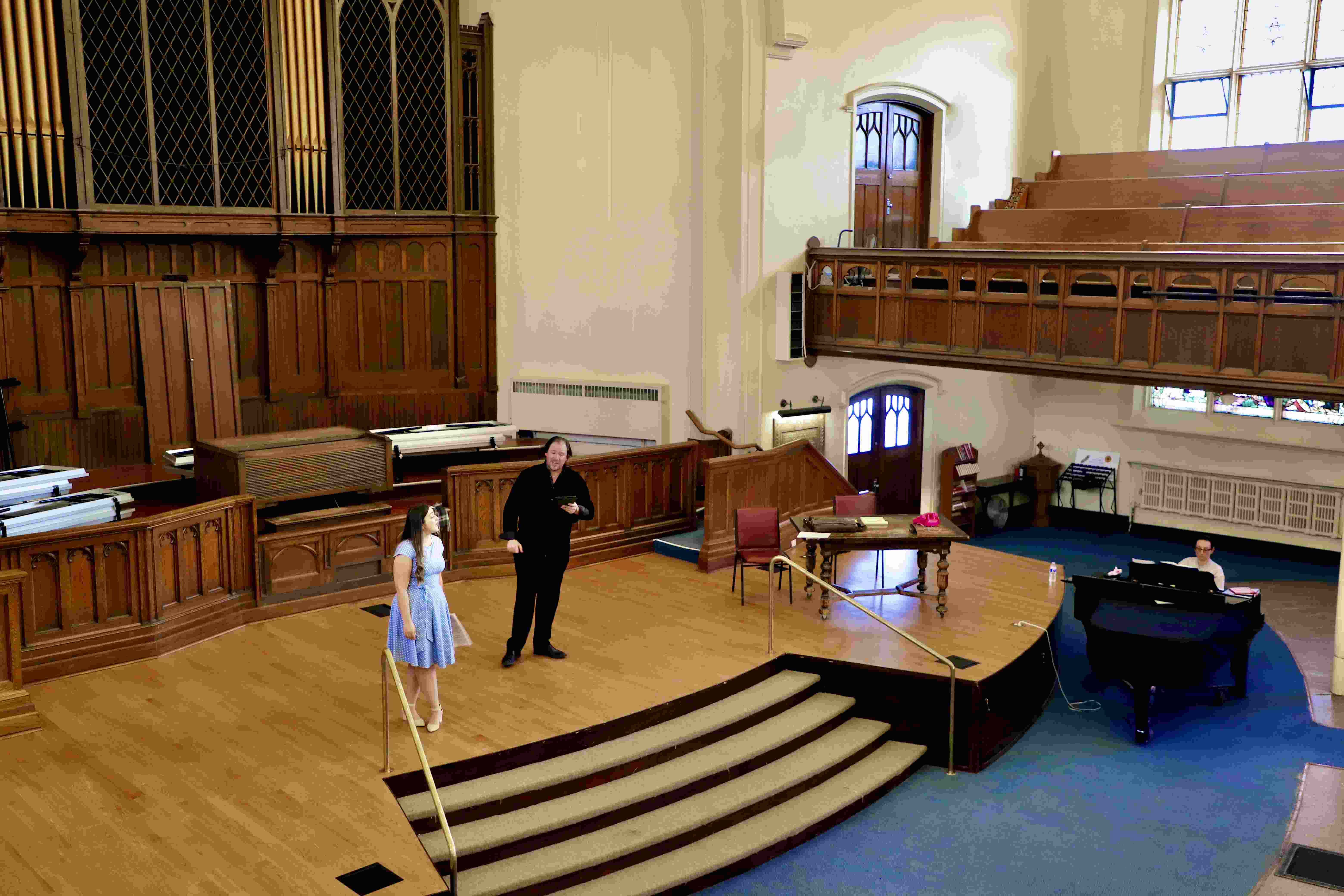
ADD: This is a passion project of mine that I’ve been wanting to put on for the past few years. I combined these two operas together to create a fully staged double bill because they are both 30 minutes long, rarely performed opera buffa’s, and they feature a coloratura soprano role, which is my voice type.
I set both operas to take place in the 50’s, and have found a way to tie them in-together. The whole performance with intermission will be an hour and 20 minutes. Menotti’s The Telephone starts off the performance following the character Lucy and her boyfriend Ben. Ben has a very important question to ask Lucy, but is having a difficult time getting her off the phone. After the intermission, Mozart’s Der Schauspieldirektor begins, introducing a new theatre to society. However, this leads to two coloratura sopranos auditioning and not seeing eye to eye with one another. Mozart had included quite a bit of dialogue and additional characters in his original score; however, going off of the Schirmer edition, as well as some edits of my own, this has been favourably cut down.
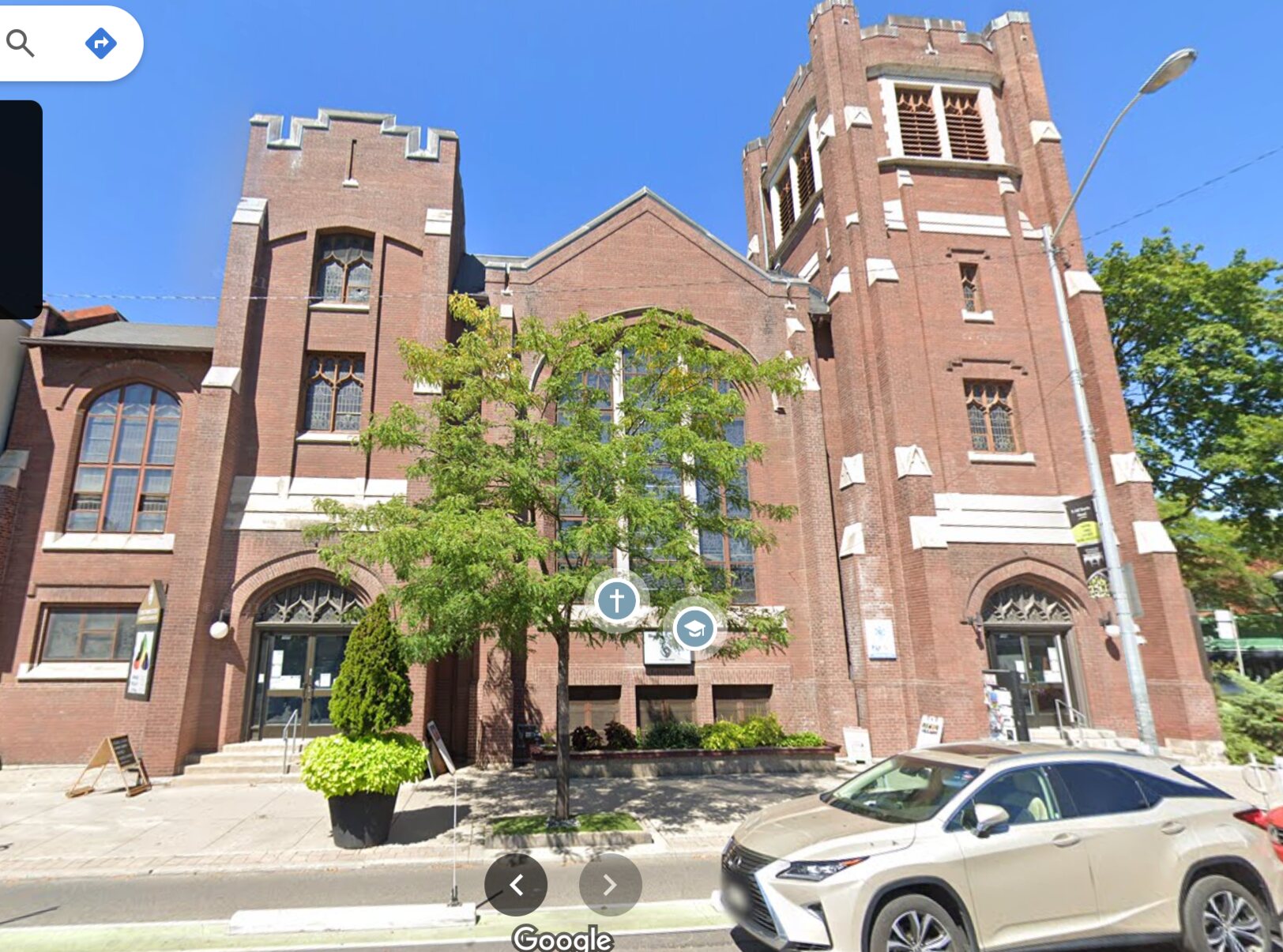
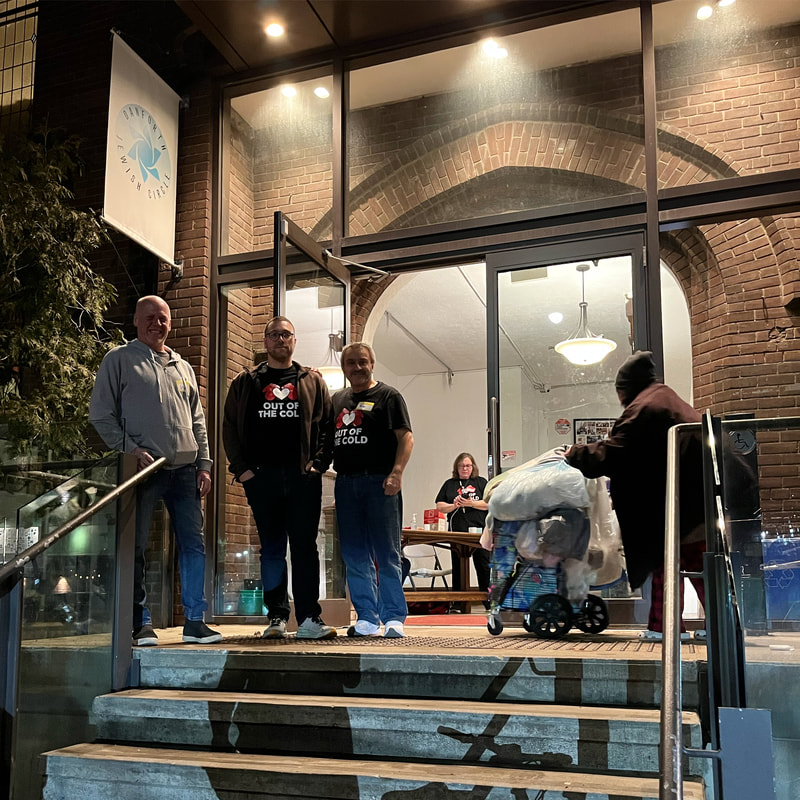
ADD: I have been extremely fortunate to be working with East End United on the Danforth to present these beautiful operas, as well as partnering with Out of the Cold, where all concession proceeds will be donated.
BB: What is your favourite part of Mozart’s Der Schauspieldirektor?
ADD: The trio! I think this will be everyone’s favourite section because of how energetic, funny, and vivacious it is. It was so brilliantly written, having the two coloratura sopranos battling each other, while the impresario (der schauspieldirektor) is trying his hardest to keep the peace. There is this section in the middle of the trio that has both sopranos singing notes that reach the stratosphere; it’s quite electrifying to listen to.
BB: Who is in your cast?
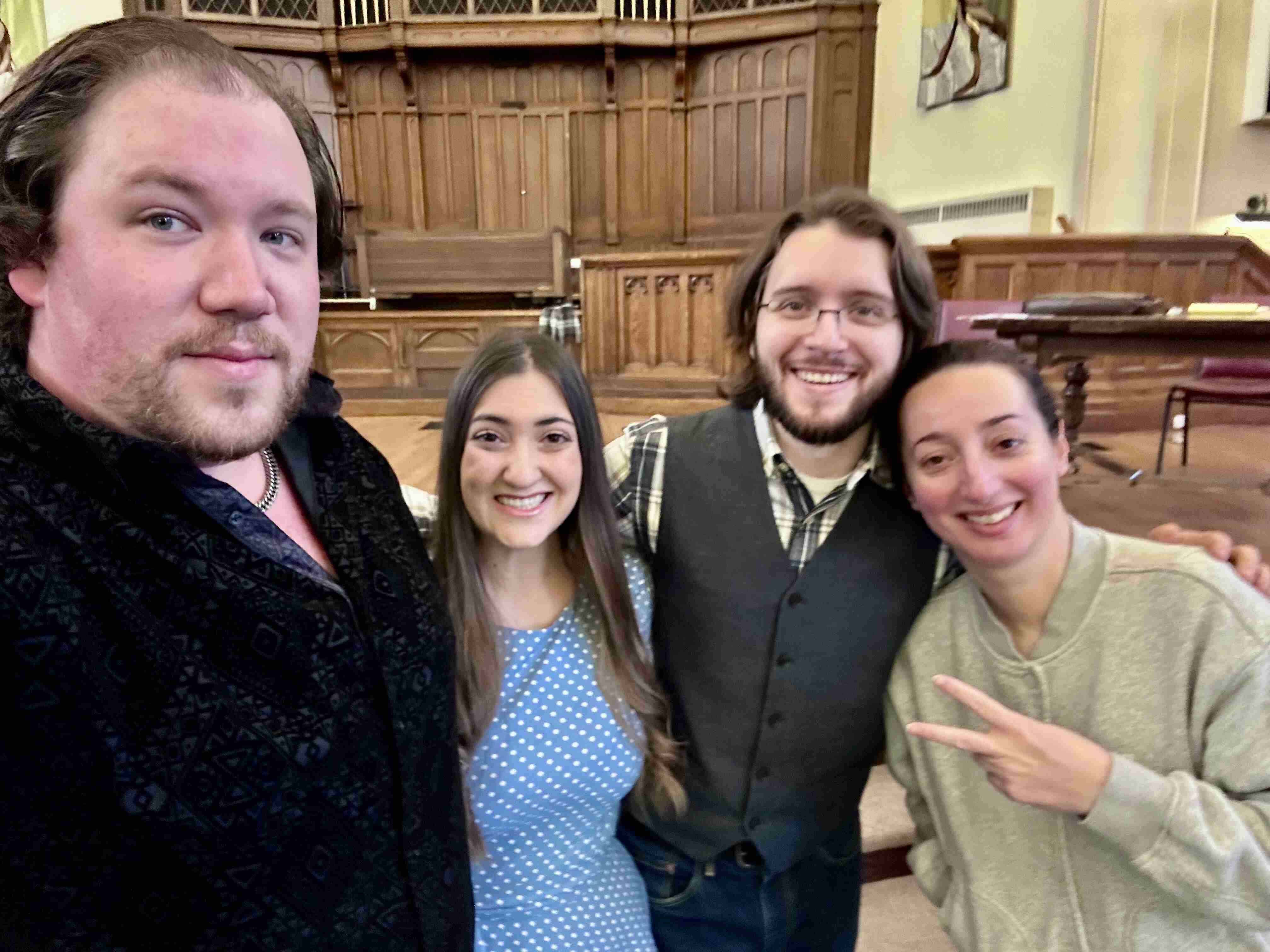
ADD: I am so fortunate to be working with such a dedicated and talented group of musicians.
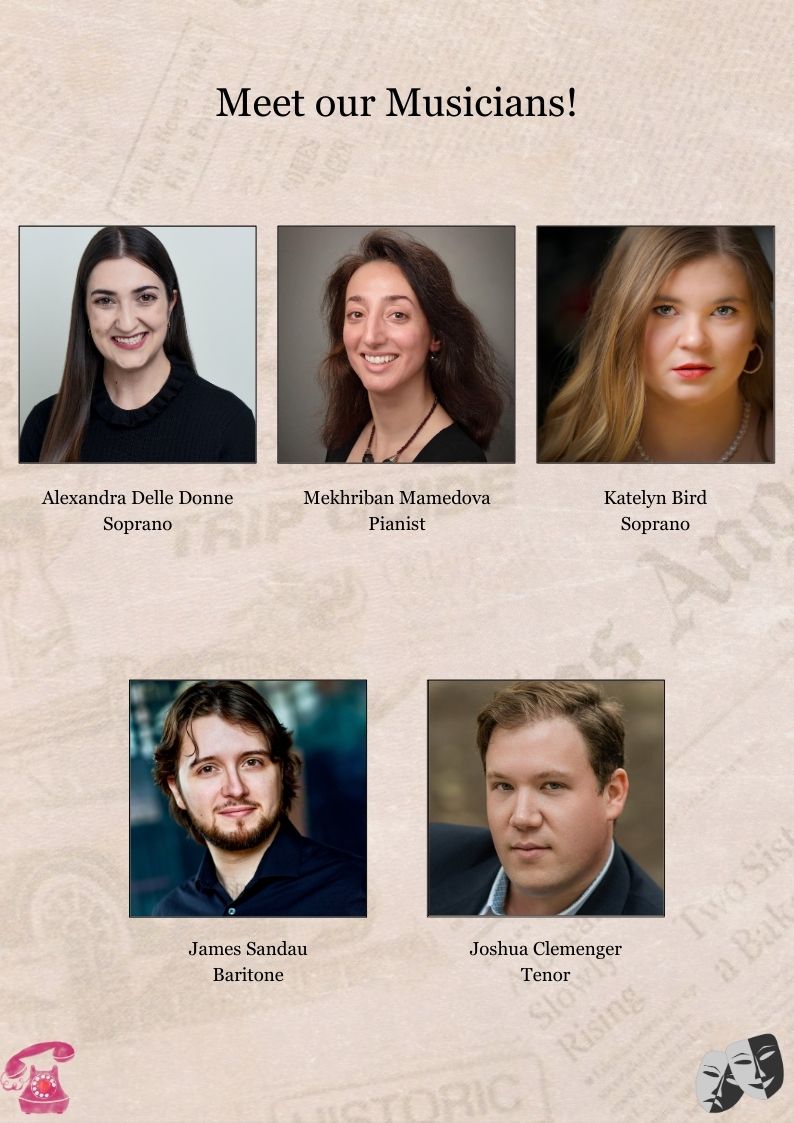
For Menotti’s The Telephone, we have James Sandau (Baritone), playing the role of Ben. James has his B.MUS from the University of Toronto in Voice Performance, with a specialization in opera. He has performed with groups such at Toronto City Opera, and the Mandle Philharmonic. James will also be playing the role of Buff/Buffo in Der Schauspieldirektor.
We have the gifted pianist, Mekhriban Mamedova who will be playing for both Menotti’s The Telephone, and Mozart’s Der Schauspieldirektor. Mekhriban graduated with honours from Gnessin State College of Music (Moscow, Russia), majoring in classical piano. Mekhriban has also sung with groups such at The Mendelssohn Choir, Trinity College Evensong Choir, and Toronto Festival Singers.
Katelyn Bird sings the role of Madame Herz in Der Schauspieldirektor, the legendary coloratura soprano who knows her worth! Katelyn holds a B.Mus. from the Glenn Gould School of Music at the Royal Conservatory of Music, and has performed with groups such as Pacific Opera Victoria, and Toronto City Opera. She is also Artistic Director of Crashcat Studios, a company dedicated to empowering young artists.
Monsieur Vogelsang is played by Joshua Clemenger (Tenor). Joshua has his M.Mus in Opera from the University of Toronto, and has performed with groups such as Toronto City Opera, Opera in Concert, and Toronto Operetta Theatre. Joshua now runs a thriving vocal studio while continuing to perform around Ontario.
I am playing the role of Lucy in The Telephone, and Mademoiselle Silberklang in Der Schauspieldirektor. For me, two very different characters, but I am so excited to play them! I am lucky to have worked with every cast member through Toronto City Opera.
BB: How can classical music & theatre be more inclusive?
ADD: I think inclusivity stems from the ability to listen, absorb, and action change. Music is collaborative, listening to one another on ideas and solutions is what creates a comfortable and warm environment.
BB: Do you have any upcoming projects / shows / workshops you might want to mention / promote?
ADD: On top of my operas happening March 8th and 9th, I am working with East End United on their very first Showcase! This showcase is designed to support and maintain our social impact on the community. We are highlighting different performers within the GTA by giving them an opportunity to perform, creating accessibility for people to experience a variety of music, and continuing to create more connections within our community. The performance will be held March 16th where myself and James Sandau will be singing.
BB: Do you believe Toronto companies could work harder to hire Canadian artists instead of importing singers from USA or Europe?
ADD: With my project, it was important for me to provide opportunities for local artists by working with people within Ontario, and collaborating with other Canadian artists. I appreciate it when larger companies support Canadian talent, but I also acknowledge that hiring non-Canadian artists can expand the talent pool for more inclusive and diverse casts. That diversity can be lost if companies stick to just one geographical location.
BB: Do you have any teachers or influences you would want to mention?
ADD: I have so much respect for the teacher who helped me sort out what I wanted from singing at such a young age, and that is Marion Samuel-Stevens.
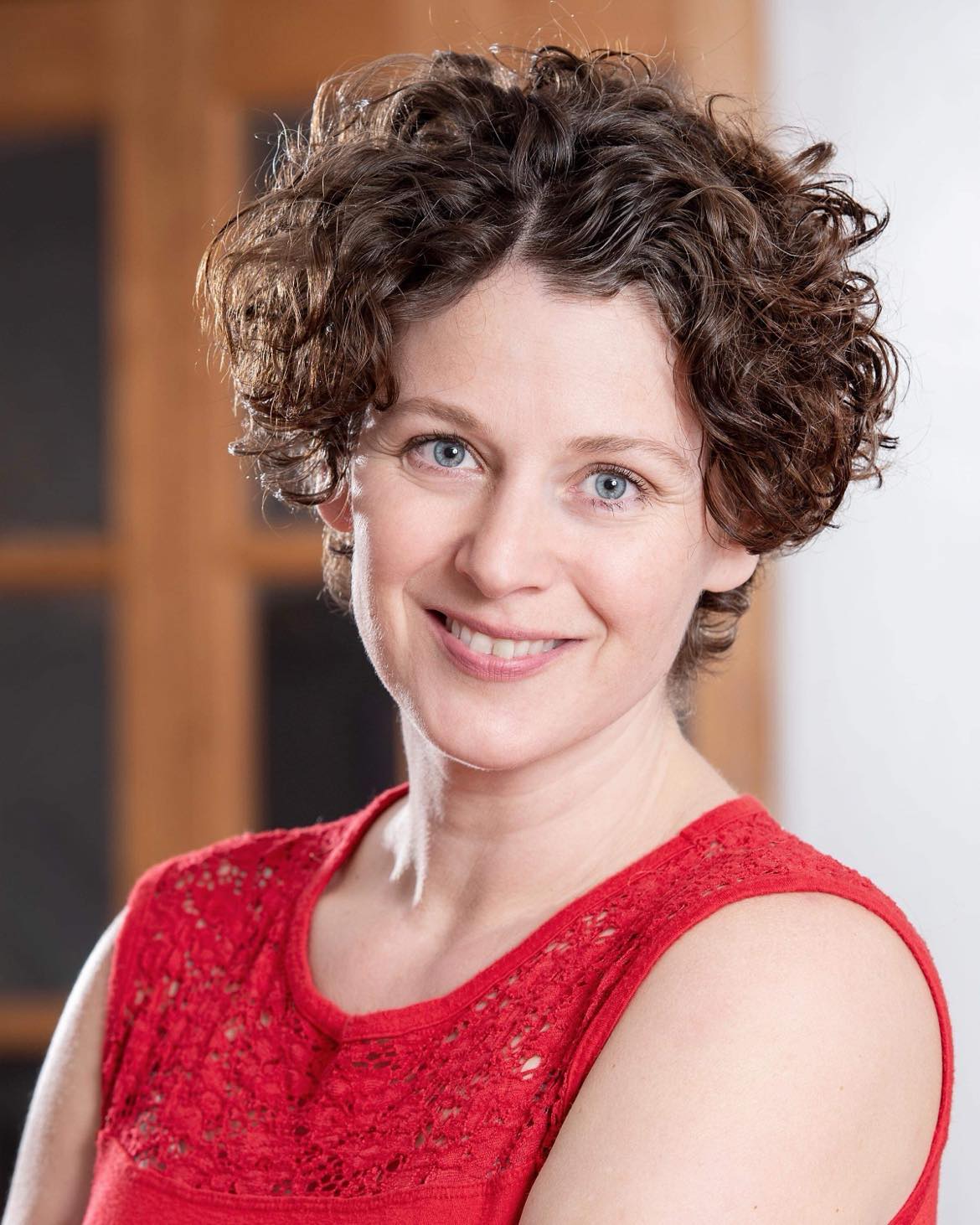
I studied with Marion for about 8 years, and I felt she knew me and my voice better than I did. She was always so supportive of me, she still continues to be, and I am proud of everything she has done for me, as well as her own accomplishments like teaching Voice with the Music Faculty at the University of Guelph. That is how a teacher is supposed to make you feel; proud of your abilities, while pushing you to be your very best and respecting that balance.
I had many different teachers and instructors while at University, and I felt supported by Order of Canada recipient, Daniel Taylor.

Daniel is the head of Historical Performance at the University of Toronto, where I studied with him and earned my M.Mus. I had a lot of ideas as a student (I still do now!), and Daniel would help me finesse and expand these musical thoughts into something more.
*******
For tickets to Menotti’s The Telephone and Mozart’s Der Schauspieldirektor, coming up March 8th and 9th click here.
 barczablog