
Last night the Toronto Symphony celebrated an honour to their music director Gustavo Gimeno from his homeland, while affirming connections to Toronto, his new home.
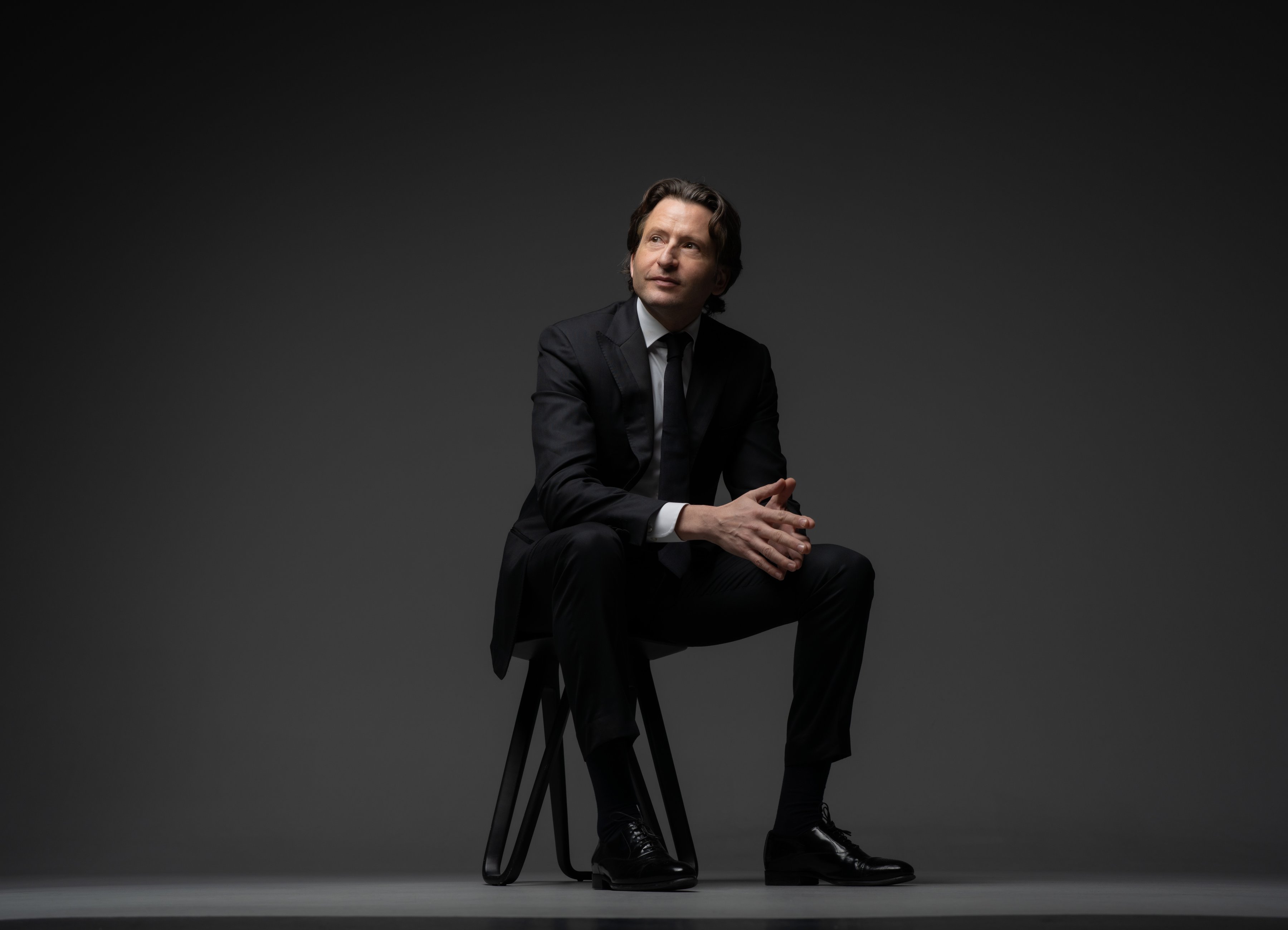
Gimeno was appointed Commander of the Order of Civil Merit (Encomienda de la Orden del Merito Civil) by his Excellency Alfredo Martínez, Ambassador of Spain to Canada, conferring the insignia and certificate on behalf of His Majesty King Felipe VI of Spain at the concert tonight.
The speeches were dignified reminders of the relationship between Spain and “the sovereign state of Canada:” words that drew great applause from the crowd. And when they played the anthems of both nations, many of us sang along with the TSO for our own anthem; I sing it in French given that they’ve changed the English words so often I don’t trust myself to sing them correctly.
The title of the concert was in recognition of the big symphonic work on the program, Mahler’s Fourth.
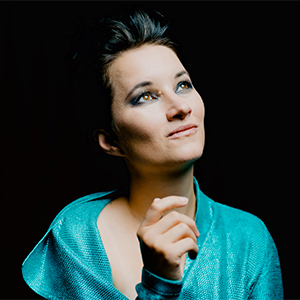
Before intermission we listened to a series of solos sung by Soprano Anna Prohaska, 2024/25 TSO Spotlight Artist. Prohaska began in the choir loft singing Rufus Wainwright’s “A Woman’s Face”, a setting of Shakespeare’s Sonnet 20, a work she has been singing for awhile judging from the different versions one can find online. This was not the only time the singing was theatrical in its presentation.
The TSO played a brilliant instrumental while Prohaska descended to the stage, the sparkling Overture to Der Schulkandidat by Maria Theresia von Paradis.
The TSO then showed us another side of Gimeno, as he accompanied Prohaska in a pair of arias. I’ve heard before about Gimeno’s work as an opera conductor, another skillset we are still discovering in the TSO’s new music director.
But the Mahler Symphony was really our focus, the reason most of us were there, and they didn’t disappoint.
I said Gimeno wore his heart on his sleeve in an attempt to capture what we heard from a conductor whose deportment and technique are often so very disciplined, so very carefully controlled. This was an interpretation that I feel met Mahler halfway, a reading full of schmaltz, warm emotion, playful celebration. The childlike tunes sprinkled throughout were given full voice, the brass especially given a chance to let their melodies fly without restraint. I’ve been listening to this symphony all my life, watching different cohorts of players, and believe this is not just the most skilled group but the best version I have yet heard in Toronto. Fans of this symphony would do well to get to Roy Thomson Hall Saturday when they repeat the program, but without the ceremonial presentation.
Prohaska’s entrance was very dramatic, coming onstage at the fortissimo climax of the third movement, coming forward to sing in the last movement. Her singing was deliciously idiomatic, responsive to the text.
 barczablog