
Stephen Bell is an award winning filmmaker and visual designer based in Toronto. Videographer by day and opera singer by night, Stephen is the Founder of Coffeeshop Film & Creative.

And on May 25th Stephen posted on Facebook that after 19 seasons performing as a Canadian Opera Company Chorus tenor, along with understudies and supporting roles that he would “step away to focus on family.”
It seemed the perfect time for an interview, looking back and looking ahead.
*******
Barczablog: Are you more like your father or mother?
Stephen Bell: This is a hard one to answer. I believe all of us are a combination of the love, time and memories each family member has touched us with. Mother, father, grandfather, grandmother, cousin aunt or uncle each of them has given us a part of the talents and personalities. Many of my family are no longer here and I would like to say I have the love of music my grandfather who played on the guitars he used to build. The voice of my grandmother who used to sing along with me to Lawrence Welk, the love of the stage and screen of my cousin who was Miss Canada in 67 and tv host for decades, the dedication to family of both my Mother and Father, and the stubborn determination of my uncles.
BB: What is the best or worst thing about what you do?
Stephen Bell: The best thing about what I do is having the chance to make a living story telling on stage or behind the camera with loved ones, friends, colleagues and industry leaders. Working in opera has influenced how I create visual storytelling in video production, and subsequently working in media capture has altered how I looked at work on the stage. The rush of energy of the stage or the excitement of capturing a moment in video both have their unique highs.
Worst thing about I do is having to say goodbye to a project when it’s done. There is always something I want to perfect after watching a past show or video. Knowing that unique moment in time is over and can’t be recreated is sometimes hard to accept.
BB: Who do you like to listen to or watch?
Stephen Bell: Maybe I am getting old, but American and Canadian rock/folk music, America, Crosby Stills & Nash, Joan Baez, Gordon Lightfoot, Don McLean, Joni Mitchell, Johnny Cash. It’s the first thing I turn on Saturday mornings with Angie and Isla as we wake up. There is something magical about playing “In the Early morning Rain” as your daughter munches Cheerios. The simple beauty of a voice and guitar combined has a power that the mightiest of orchestras and voices can’t match.
Watching? I love to watch and absorb the cinematography of Roger Deakins, Wes Anderson, Ridley Scott and Benicio Del Toro. Incredible story telling, and incredible visuals. Each film is a masterclass in framing the narrative through their work of lighting/framing and choice of film/digital/lens styling and composition.
BB: When you’re just relaxing and not working, what is your favourite thing to do?
Stephen Bell: Spending time with my wife Angie and our daughter Isla and seeing dear friends. Hiking, road tripping, antique store browsing, dinner making. One thing about working in media and the arts is you cherish the time you have with family, as scheduling can be very demanding. Softball is another love of mine, and I have played in a local Toronto league for almost 10 years as an outfielder/first baseman and a poor replacement at Third base.
Although it’s working(ish) I love creating narratives or film projects. From features, music videos to short films – I have been lucky to create film with my wife in a couple of occasions. Creating a film and entering into festivals and seeing it screened is a real thrill. I am lucky as I own a studio of gear, but passion projects allow you to practice your craft and apply skills to working scenarios.
BB: What was your first experience of music ?
Stephen Bell: I remember I used to fall asleep to Pachelbel’s Canon. My parents used to play this at bed time. It still hits me now when I hear it.
BB: Who/what was your first experience with a camera, and how did you feel?
Stephen Bell: My grandmother’s brother, Alex Saarejarv used to bring a super 8 camcorder over to my parents house when he visited me. He would film everything. I was mystified by this magical box that captured pictures. Instead of just using it and putting it away, he would show me how it worked, and also how to pull the image from the tapes to transfer to cassette and show on the TV. I guess you could say at 8 or 9, my fascination with cameras began. I am forever grateful to him for showing me and teaching this tool. The art of passing on a skill to a child is priceless to inspire a love of a craft.
BB: What is your favourite opera?
Stephen Bell: Eugene Onegin – I have sung Lensky on tour with companies in the Czech Republic and Poland, and I have sung the opera twice at the COC in chorus. All of the characters in this opera feel close to me. From Filipyevna to Lensky and Olga, Onegin, Tatiana, Larina, the bumbling lines of Triquet and yes even to the long winded nostalgic aria of Gremin. Each character is real, and the story is timeless. It’s like a cinematic narrative, and Pushkin’s novella/libretto is timeless. The opera is long, but always feels fresh. There is something about the opening chords of the work which send a shiver down my spine.
A close second would be Nixon in China. I studied this while completing my masters at UBC. Adam’s composition is almost cinematic in its style. For a film lover the setting gives a unique perspective into a recent timeline of political missteps. “News has a kind of mystery” sung by Nixon always hit, night after night. We performed this at the COC back in 2011, and I will never forget the opening staging of the chorus walking onto stage performing Tai Chi as the audience took their places. It was powerful, grounding and different. One by one, each chorus member entered the stage to begin the movement long before the orchestra warmed up and the lights came down. Finding peace on stage is something all artists look for to settle stage nerves, centre their breathing and alignment and this show gave us a unique warm up each night.
BB: Do choristers need to know how to act?
Stephen Bell: Answering a blunt question with a blunt answer. Of course. If you step on a professional stage, you need to know to act, move, react and emote, otherwise you shouldn’t be on the stage.
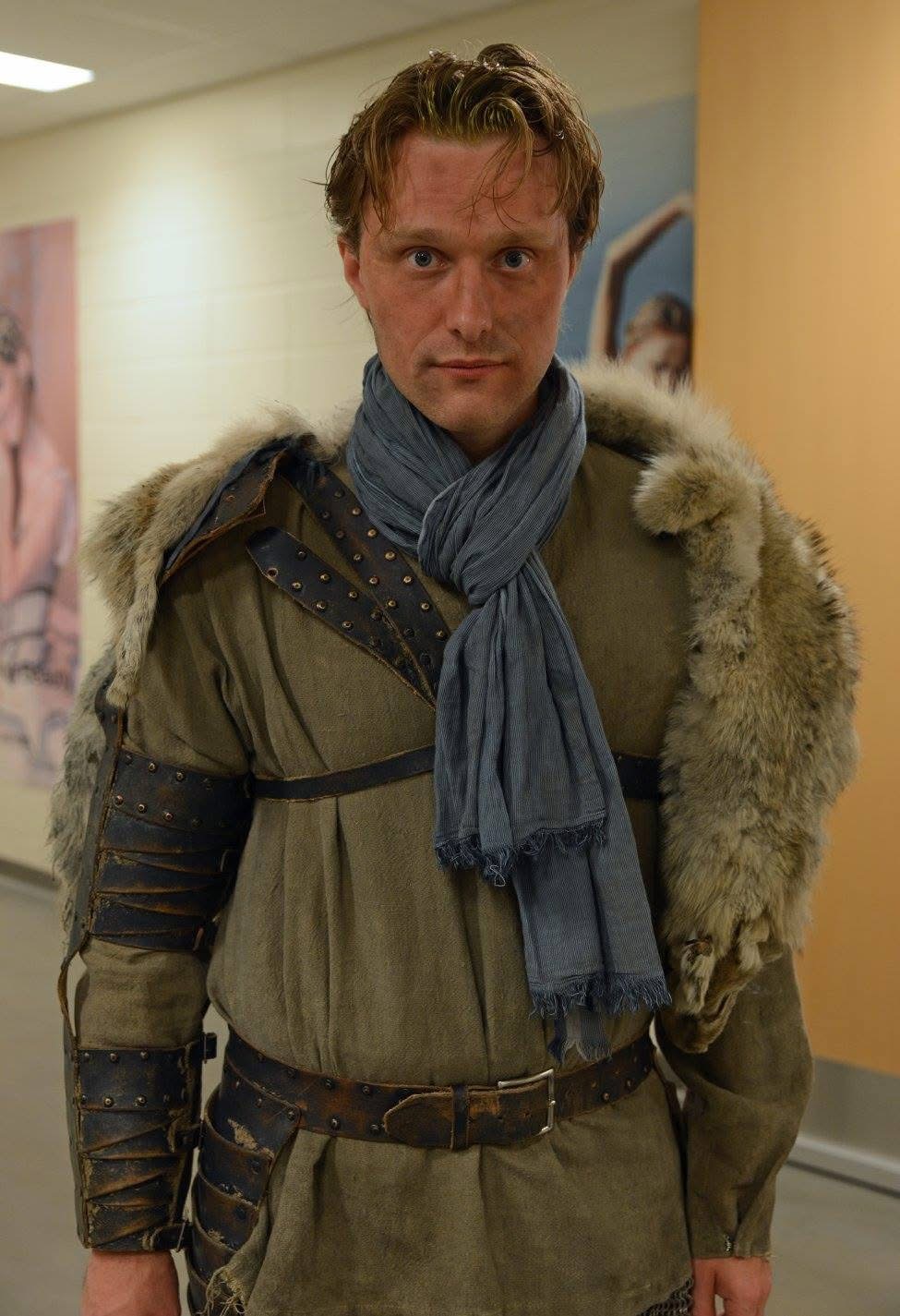
The audience doesn’t just watch the leads, their attention goes to multiple points on stage. They should see story telling both adding to and supporting the narrative.

Each chorister I have had the privilege of working with at the COC are, or have been professional soloists at some point in their careers, and subsequently each know to emote. I can recall at numerous receptions at the COC, patrons and supporters of the opera coming up to me and saying how much they enjoyed “my” performance, and look forward to seeing me in the next show. In many cases audiences become attached to the chorus.

We are the life blood of the scene. We are the village, court, army, family etc that completes scene.

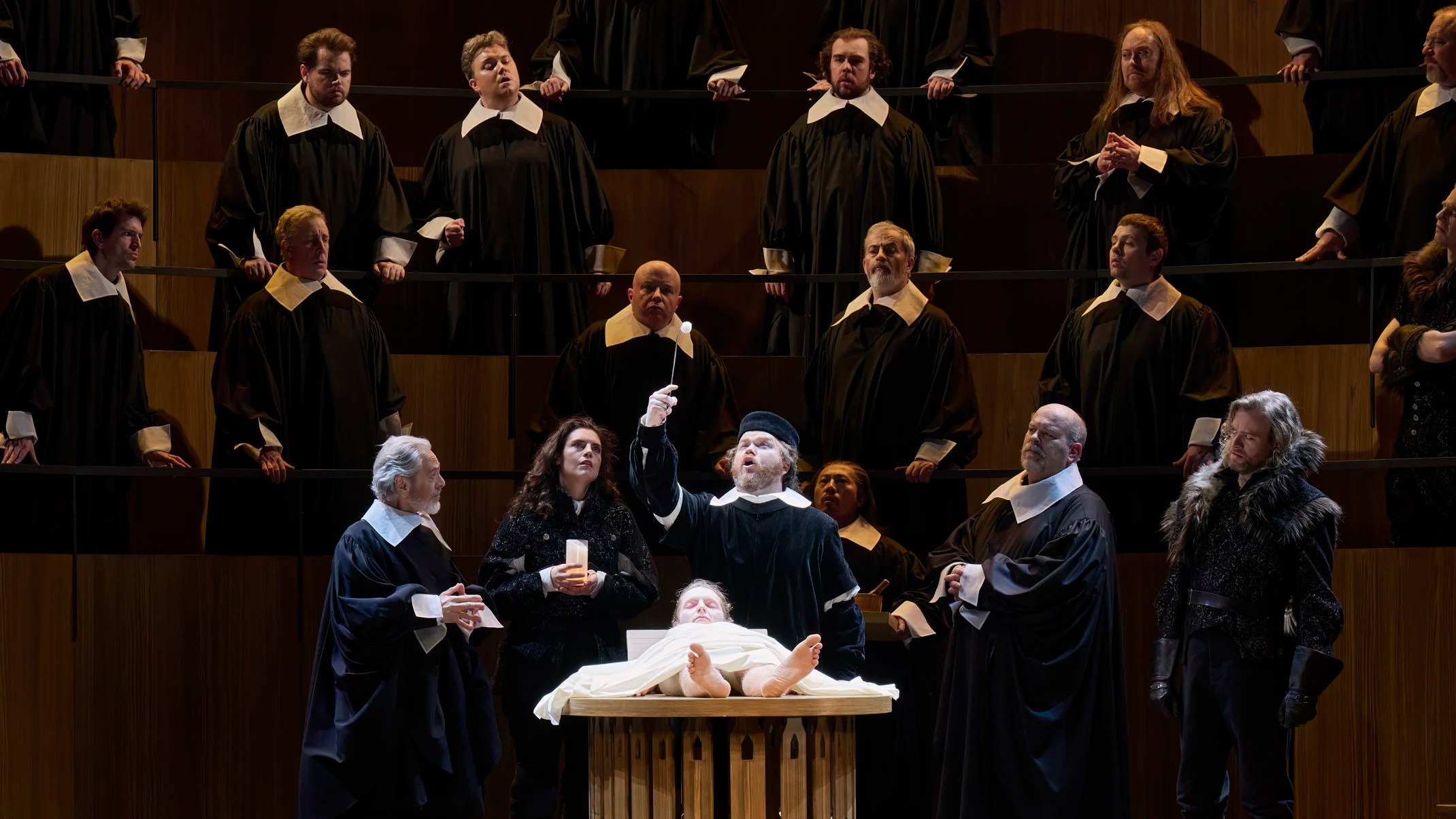

(photo: Michael Cooper)
The chorus needs to know how to lead in acting just as much as they lead with their collective voices.
BB: What directors did you enjoy most?
Stephen Bell: For the operatic stage I would have to say Robert Carsen, Atom Egoyan, and Christopher Alden. Their productions have been innovative, exciting but also all different, They have shown care to working with each artist (each member of the chorus) in rehearsal something that goes so far in creating lasting impressions.

One dear friend I have had the joy to collaborate with both on stage as well as behind the camera is Joel Ivany.
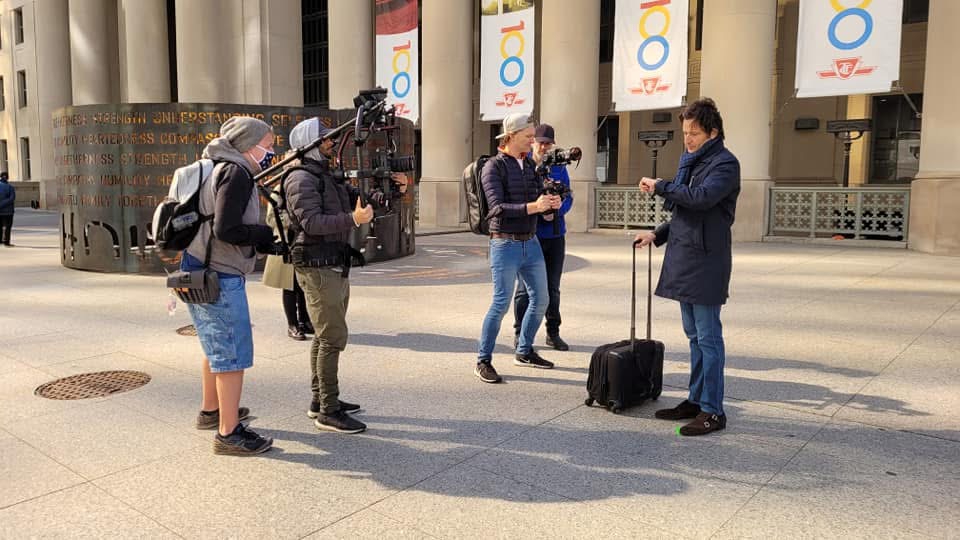
Working with Joel on projects like Messiah Complex, Toronto Symphony Orchestra features and the CBC Governor Generals performing arts awards has opened doors to other projects I never thought possible. Working as Joel’s DP on these projects during the pandemic was a joy, and I look forward to working again with him in the future.
BB: Please talk about your best experiences as a performer.
Stephen Bell:
1. I was blessed to collaborate and record with a dear friend and mentor, the late Estonian Pianist and conductor Charles Kipper. We toured Estonian art song in recital in Canada/US and in Europe also in collaboration with mezzo soprano Kristina Agur, who now sings as a full time chorister at Vienna State Opera.
2. Stepping onto a professional opera stage after school, and making my main stage role debut as Spoletta at Calgary Opera. Touring as Lensky/Tamino/Don Ottavio and Ferrando in Czech Republic and Poland.
3. The first opening night I did with the COC in 2007 – Don Carlos. The lighting of the stage illuminated the theatre and seeing the 4 rings full and the swell of the music is something I will never forget.

I remember the chorus had to run on stage and I was young guard along side fellow singer Marcus Wilson who had to lead the 60+ singers on. We had to run down the full length upstage to edge of pit and break off on either side, running straight at the conductor singing with a mighty Verdi orchestra. I remember saying to myself “wow I am here!” Even 19 years later, on opening nights, the rush was always there.
4. Meeting my wife Angela on stage who was acting in the 2012 production of the Tales Of Hoffmann.
5. Singing the role of Giuseppe in Verdi’s La Traviata at the COC in 2023. Although a small role, the opening line he sings rushing from offstage is one of the most challenging and exciting to time with the orchestra for a fast stage entrance.
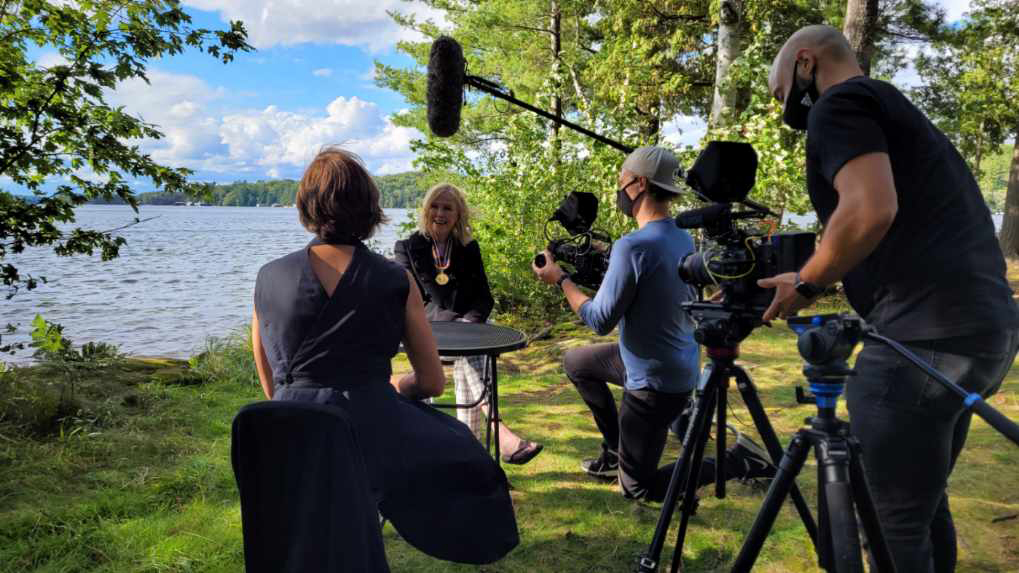
6. In film having the chance to lead camera and session directing Catherine O’Hara or steady cam operating walking around the string and wind sections of the Toronto Symphony as Gustavo Gimeno leads Beethoven’s 7th symphony after the pandemic restrictions lifted.
BB: Tell us your history with the Canadian Opera Company.
Stephen Bell:
From the thrill of the audience response in sharing the stage with Sondra Radvanovsky as a tenor chorus member during one of her encore arias in Roberto Devereux, or hearing the crowd erupt into endless applause at Lawrence Brownlee in La Cenerentola, to the quiet peace of performing Tai Chi in Nixon in China at the COC or hearing the faint echos of humming chorus in butterfly bounce off the walls of the backstage at the Four Seasons Centre. I have sung in 124 productions over 19 seasons. Over a thousand nights of show. I have understudied 14 times. Sung 5 supporting roles.
I first auditioned for the COC in 2007, and never would have guessed it gave me everything I have today. My wife, my daughter, friends and family members. I’ll never forget walking into that audition at the Imperial Oil Theatre at 227 Front street to sing for a panel of Sandra Horst, Sandra Gavinchuk, Philip Boswell and Wayne Vogan. I remember it was a very snowy day and the taxi had a hard time getting to the building with me humming along to an early iPod. The first face I saw was the smile of dear friend Karen Olinyk, who must have had a smile as she saw this nervous young tenor arrive. I remember her saying, and what do you want to start with today? The opening line of Il Mio Tesoro started on the piano, and the rest is history, I guess.
So many memories – from being painted at the foot of the stage in blood in Verdi’s Aida, to stage solo sword fighting with tenor Eric Cutler in Maria Stuarda. There have been horses, dogs and donkeys and eagles onstage, costume mishaps, early and missed stage entrances. We have had celebrities and dignitaries both in the house and back stage. Chatting with Angelina Jolie while dropping off music at the stage office, or bumping into Meryl Streep and Christoff Waltz walking the halls by the green room. So many stories. It is live theatre after all. As I mentioned in a post on Facebook, I could write a book. Another note about the chorus, is that each of us have unique stories different from the rest. Although the production is the same, each route on stage and back stage is unique and the interactions, roles, and stories are all individual.
Over the 19 years, there have been incredible productions. There have been major political moments, a pandemic, industry shifts, administration changes, but the one thing that remained the same was the shot of adrenaline you get when a new show opens and the audience leans in to the first chords. Another feeling which is hard to describe is the sound of the reverb of 60+ operatic voices supported by our incredible COC orchestra when an ensemble finishes.
The sound floats up and is suspended for a brief second in the fly areas only those on stage can hear. It’s like a moment in time we will never get back, almost like sending up a prayer.
BB: What singers impressed most?
Stephen Bell: Sondra Radvanovsky, Lawrence Brownlee, Amina Edris, Evan LeRoy Johnson, Ambur Braid, Wallis Giunta, Russell Braun, Pene Pati, Quinn Kelsey. Adrianne Pieczonka
BB: do you think the COC should try to employ more Canadians?
Stephen Bell: I think the right person should always be hired for the right role regardless of nationality.
BB: Your work as a chorister meant you were at times observing complex action onstage, both as a singing participant & actor. Talk about how this work trained you for what you do as a videographer.
Stephen Bell: Working on stage and having a chance to observe the directors, lighting technicians, set designers, costume department, hair and makeup, talent and administration has all given me invaluable experience to how I work in film and media.

For my media company Coffeeshop Film Creative, it gave me insight in creating production teams, working to employ the right people, and ultimately creating shows from a perspective where each department is fundamental to the success of the production. In many cases I have employed artisans and support team from the opera for my film projects. Everything from the opera budget and pre production planning, to production and post production work flow, edit and marketing has influenced my filmmaking and running a media company into creating Coffeeshop.
From my role now as a digital content director – I direct a content department of 12 and utilize all aspects of my opera experience. From creative story board design to shot listing and production design, I will always return to my stage routes for a guideline to success.
Soap box moment: I am a passionate advocate for digital arts in opera. The Pandemic gave us an opportunity to create digital story telling of operatic stories. We had a renaissance where artists and companies could add digital offerings to their seasons. Amazing works were being created around the world. Now, opera companies no longer put priority on digital offerings. They lean into the model of ticket sales and productions as the sole direction for their seasons. It would be exciting if companies could do one digital offering per year. Work with local production companies (large or small) to create work. Give their artists and staff film experience and vice versa. Sadly this time seems to be in the rear view mirror, as most grants for this support have long since ended. I hope in future funds become more available for opera companies to start this again.
BB: Please talk about your life with Coffee Shop Collective, and how that started.
Stephen Bell:
Coffeeshop began as an idea for creating artist websites (online portfolios) I started this with a good friend of mine, full stack developer, Bardia Doust. We created 14 sites together and then we began to grow the company. Next operatic bass and also coding friend, Michael Uloth came aboard and we grew to 40 clients quickly both in the arts and in other sectors. As our sites became more and more advanced we started to explore video for web effects. Coffeeshop started to capture social media feature video for real estate companies/ construction companies and orchestras, music videos, corporate features. In 2019 we moved into a studio in liberty village. I partnered with friend and fellow videographer Eric Moniz. From 2019-2023 Coffeeshop shot all over Canada, the US and Europe both for online, film and television. Now in 2025 Coffeeshop is still quite active in creating productions, with a sub contracted team of over 10 depending on the required project.
BB: you’re an award-winning videographer, known for projects such as Messiah / Complex with Against the Grain Theatre.
Through the pandemic AtG have established a significant online presence. Occasionally the COC (who received significant funding from the government) offer high def broadcasts as well. Do you believe the COC can change their business model, to offer more virtual & video content?
Stephen Bell:
I would hope all companies continue to diversify their seasons and offer digital programming – see soap box moment above. They don’t need to change the full season, just add one digital offering per year.
Production Broadcasts are incredibly expensive and the modelling is difficult with different union outlines. The COC is the premiere flag ship opera company of the country and one of the largest in North America, and maybe one day streaming services and or broadcast of audio or potentially archival footage may be a potential tool we could use to encourage the next generation of audience to discover opera.
BB:What opera has the best choruses, and do you have a wish-list of operas you would like to see?
Stephen Bell: Each opera with a chorus is special. Whether it’s a small ensemble in Entführung aus dem Serail or a grand Verdi Don Carlo Chorus- there are countless chorus numbers, or supporting ensembles. Depending on my taste or mood at the time, it’s hard to pick. From the energetic tempos of La Cenerentola, the heavily characterized chorus of Peter Grimes to the modern touch of Adams of Nixon in China, its hard to pick just one, as each fits a time and an emotion.
One opera I would love to see which I have sung in Europe but not here in Canada is Manon by Massenet. Combining ballet, acting arias, action and story, Manon is a beautiful piece which can appeal to many audiences. It could bring in audience from the National Ballet to see the many dance numbers featured in this grand French style, to the characterized scenes of the choruses, similar to the audience favourite La Traviata. I have a love of French grand opera, and I would also like to see Les Troyens. Another opera I would love to see is Billy Budd or Weber’s Der Freischutz.
It might sound a bit light hearted, but I do think there is a potential to discover Gilbert and Sullivan at the opera in Canada. Its timeless, often 2 hours or less (opera can be long) has broad appeal, does have challenging music in its own right and can be adapted into multiple themes or styles of staging both traditional and in modern political stature. It’s also a fun breath of fresh air during these troubled times.
BB: A breath of fresh air. And G & S would surely be a great way to sell tickets.
Did you ever go back for further lessons / adjustments to your voice OR for other skill-sets?
Stephen Bell:
A singer in the chorus has to produce at the same level as the leads in a show. In many cases, as I have had, the chorus of the COC performs covers and small roles. You need to maintain your voice. To be able to switch gears in the voice (chorus to lead) you need to maintain the instrument. On contract the chorus sings almost every day and in same cases on the weekend may rehearse two separate shows on the same day. Tenors for example often have some of the most challenging singing to perform as many composers write the line in the passagio or opera range for prolonged periods. If you don’t have a solid technique, your voice will tire.

To keep this in top form I have worked regularly with my coach Brahm Goldhamer. Brahm is a master coach to give not only styling and performance practice, but also has a seasoned ear to help in suggestion. There is always a debate about going to a teacher and coach, or going to a coach. I agree a teacher is paramount, but having a coach know your voice inside and out is key. Brahm has been both a coach/teacher and dear friend and is someone who KNOWS my voice. He understands the shape it is in after 6 months of singing every night in the chorus. He can tell the condition of my vocal line, the support status of the breathing and also can observe ideas on how to exercise the sound. It’s not always about singing the aria, it’s also about singing the art song or lieder that can massage the voice and align it after the demands of singing on the stage. Having this invaluable coaching has allowed me to maintain my vocal health and has grown my voice to be stronger, year after year. A dear friend and past teacher, conductor Bruce Pullan once said, if you can sing healthy at 40, you can sing for the rest of your life. I often laugh, the voice I have now at 43, I wish I had as a young artist auditioning around at 28-30. With what I have learned, who knows where else I may have sung.
Yoga has also been a key form of vocal conditioning, in addition to working with Candace Cox and Alexander Technique in the past. Also running, rowing, cycling and even softball are all forms or excercise where the mind can relax, the body can recharge and your voice and breathing can rest and reset.
BB: If you could advise young students going into a career in opera /theatre / film: what advice might you give?
Stephen Bell: There are many ways one can answer this, and everyone has different invaluable advice. As I have had a second career I have fostered in addition to music My advice would be To diversify yourself and study how you can be your own business. Singers today must learn the fundamentals of business practice. Investing and financial planning, tax preparation, marketing, social media and current trends, portfolio creation, schedule and planning, networking. As a singer you are a business. Being an efficient business that invests in itself will prove to be an incredible asset that will both allow you more time to focus being on that stage rather than worrying about the day to day of just getting the opportunity to get to the stage.
Having a second vocation is also key. The arts industry today is tough, regardless if you are in Europe or North America. Company budgets are tighter, productions are more and more streamlined both at home and abroad and opportunities are growing more challenging. The industry I was singing in when I left UBC opera in 2006, is very different today. Knowing you have secondary skill is key to allow for supporting the drive to be an artist. As a faculty member of Manitoba’s digital young artist program I always support the young artists with advice in learning skills that support the art of singing. Studying marketing and marketing strategies, learning computer development (a fantastic skill to have when you are on the road singing as you can work remotely) learning project management, after all you are a business. All of these are potential options that allow a singer to invest in themselves to succeed.
BB: Do you want to mention any particular mentors or teachers, who taught you / influenced you the most?
Stephen Bell: There are many people who I owe so much and have been mentors to me and have helped me along my journey as an artist. From my teachers at UBC Opera, Roelof Oostwoud, Bruce Pullan and Nancy Hermiston to the Mel Kirby and Bob McPhee at Calgary Opera, to my coaches Brahm Goldhamer and Charles Kipper and of course, Sandra Horst.
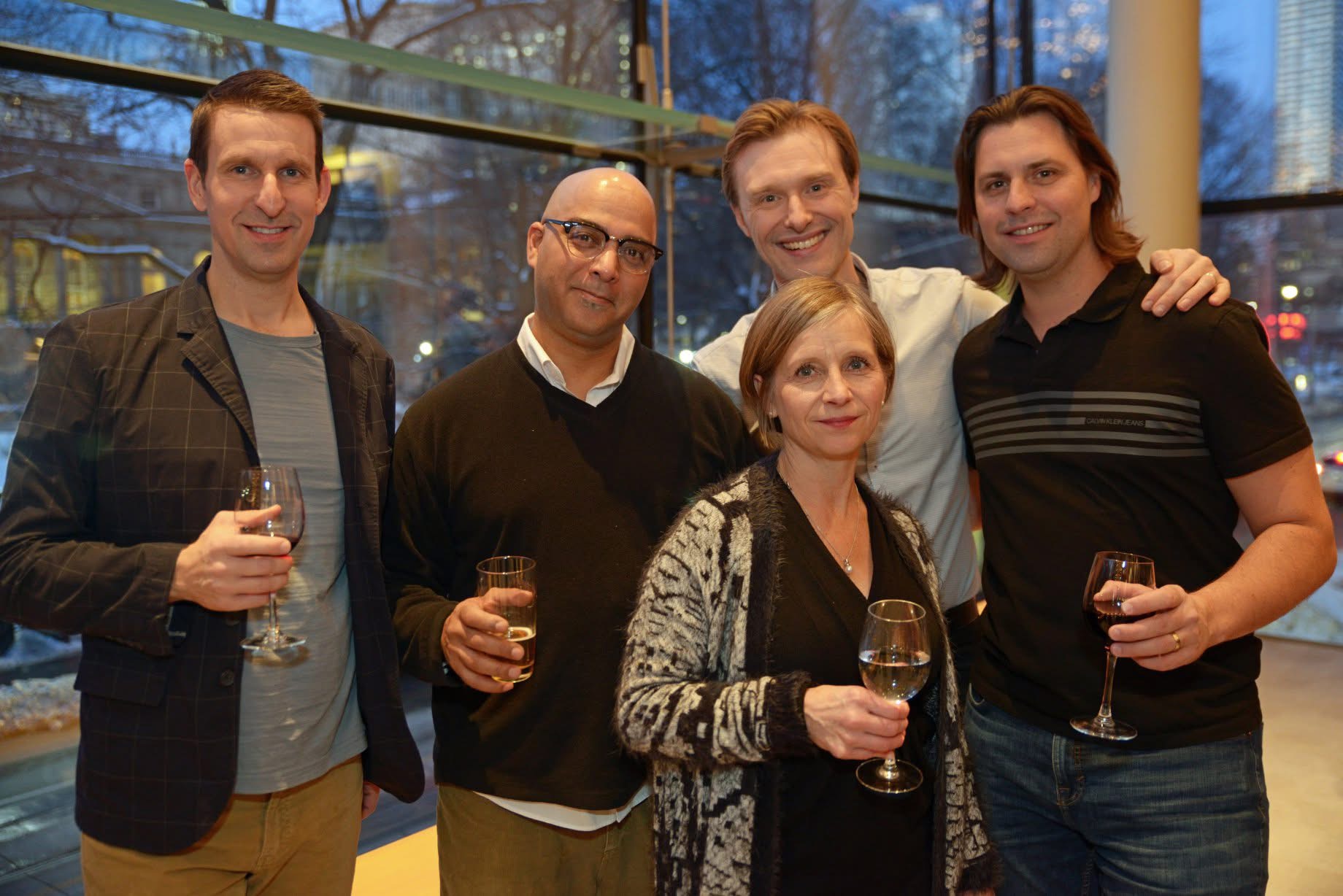
Sandra has been both a mentor, leader and also teacher. What many don’t know is that not only is Sandra our chorus master, but she is also an invaluable teacher while we are in rehearsal. She conducts the chorus in music direction and also in styling and singing methodology. Across each section, from 4 part to 16 part and more, Sandra’s ear has shaped each section year after year. She knows every single voice in her chorus and how it elevates the music from baroque to modern operas. She knows how to move the sound and styling of ensembles, from diction and vocal colouring to movement in multiple positions in the theatre to get the best sound. Her tireless dedication to consistently refining and elevating the world class chorus of the COC has enabled our ensemble to be one of the best in the industry. Countless conductors have mentioned in show and rehearsal how impressed they are when they work with us. It might sound a bit silly and film themed, but I look at the chorus like a group of spartan or roman warriors. We are combined a powerful voice. We move as one. We form the line as one. We are often the first on stage and the front line. We can adapt to any opera.
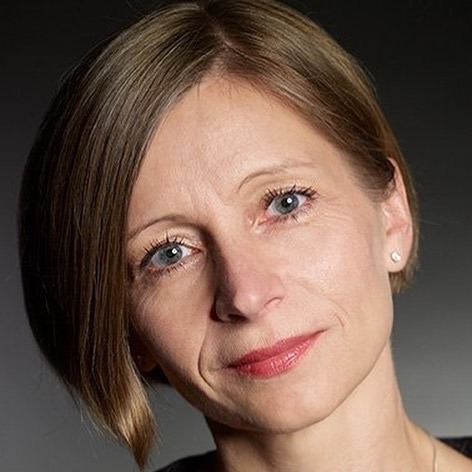
I have learned so much from Sandra and through her leadership, she has also enabled my voice to be stronger, year after year allowing my instrument to perform and always be ready regardless if we are acting/moving/dancing or stage fighting.
BB: And for the future?
Although I am stepping away from the stage for a bit, I hope in the future I will come back for a COC production. In the meantime, there is much on the horizon. I will be working to film some opera in the fall. The Coffeeshop Film & Creative team is filming the Canadian and Ontario Arts Council granted opera film “La Maupin” for OperaQ in September.

We had the pleasure of filming Medusa’s Children with them during the Pandemic which was nominated for a 2024 Opera America Digital Award. I am also on faculty with Manitoba Opera for their Digital Young Artist Program. Working with incredible talent such as Tracy Dahl, Marion Newman, Monica Huisman, John Tessier, and Anne Hodges. I look forward to the 2026 season!
Currently I work as a digital content director for Dalstrong, a culinary tools company. We have numerous product launches and collaborations with some very exciting brands such as Game of Thrones, DC Comics, Beetlejuice and couple of other film and TV series I can’t quite reveal yet. We are also creating numerous chef documentaries featuring Michelin starred and recommended locations both in Canada, the US and abroad in our Dalstrong – Heart of a Chef Series. Recently we were the sponsor of team Canada who competed at the culinary Olympics in Lyon France, Bocuse D’Or. The styles and tools I have learned in opera have been incredibly helpful in working in the culinary space.

Aside from work, I am also looking forward to being a Dad and sharing this incredible journey with my wife Angela. Although she is only 18 months old, we are finding our daughter Isla has a love of music, particularly percussion. She loves drumming, especially Scottish bag pipe bands. She also loves singing. Who knows, maybe one day she might join the CCOC and we can watch her in a production on the same stage where Angie and I first met, and all of this began.
There are so many memories, the more I look over this, the more I think I should write that book.
BB: Please do so! And thank you for answering my questions.
 barczablog