For a little while I was able to go far away from the world, as Scarborough Philharmonic Orchestra helped me & the enthusiastic audience escape at their Friday October 3rd season opener, a concert titled “Voyages”.
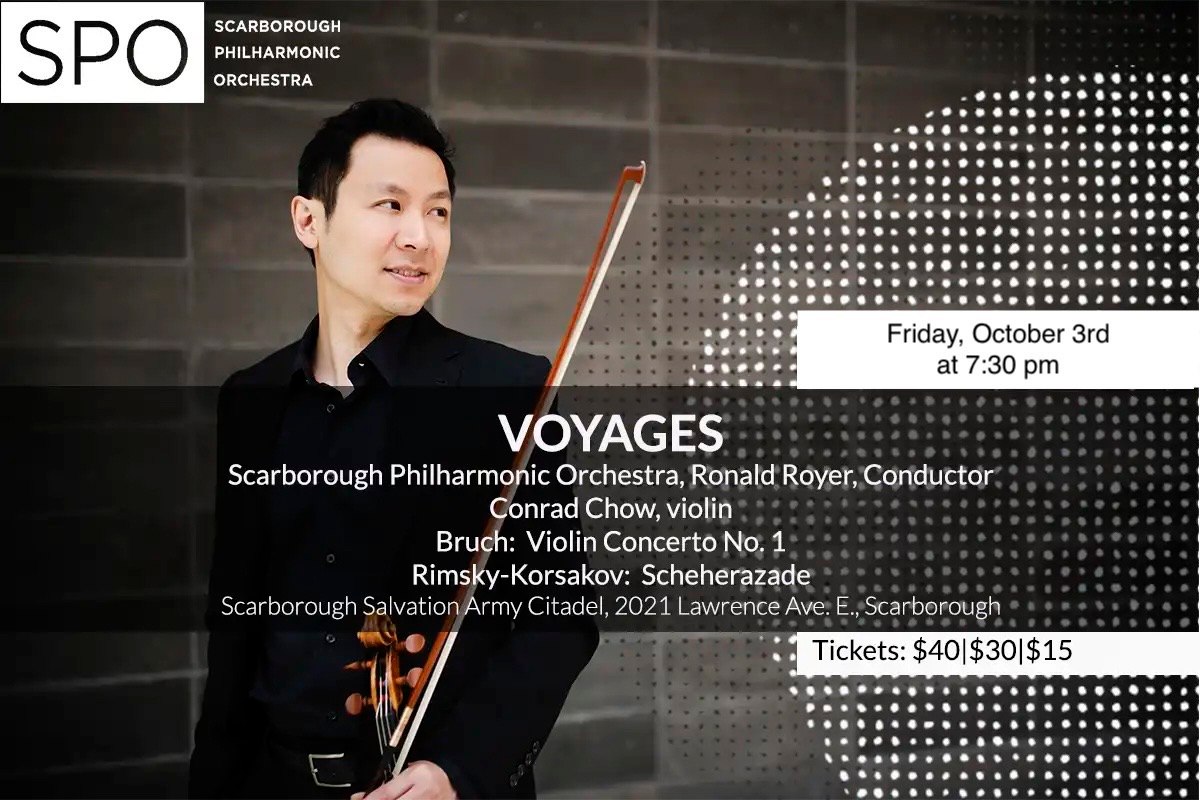
Escapism works for me, voyages into the imagination via the exotic and flamboyant orchestral sounds from Nicolai Rimsky-Korsakov, the Tall Ships from Halifax Harbour by Elizabeth Raum and then the pure emotional schmaltz of Max Bruch’s 1st violin concerto, particularly the virtuosity of violinist Conrad Chow.
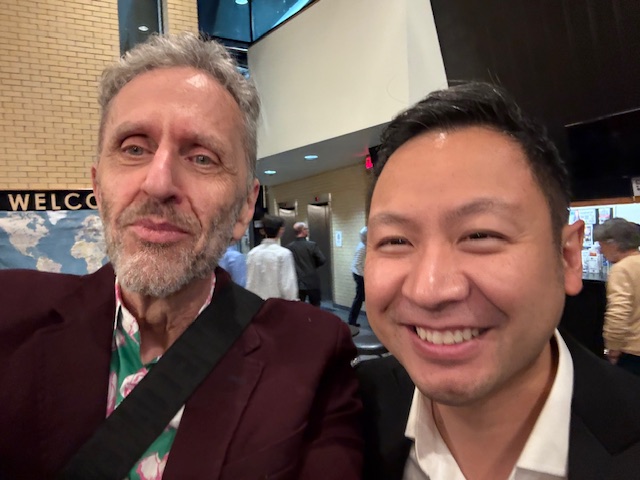
Conductor Ronald Royer was a music teacher at University of Toronto Schools before his retirement, the school where young Conrad was a student under Ron’s direction. Now Conrad has gone on to an exciting career as soloist and as a teacher himself. I also went to UTS in another century, very proud whenever I feel the connection. It helps that both Ron & Conrad are such friendly approachable people. Conrad allowed me to corner him for a selfie before he got into his formal concert attire.
Ron continues to be a passionate educator, both in the programs he curates as the SPO Artistic Director, and as a music director helping his orchestra play better. And his sparkling little talks that he gives before the performances aren’t just witty, they help us to understand the music we’re hearing, taking us deeper into each piece. I am thankful for a good teacher who can show me something and help me experience the music in new ways.
We began with Scheherazade. I’ve been listening to this piece since I was a little kid, always intrigued by the exotic colours suggesting the 1001 Nights. Ron reminded us that the story was about a king who is heart-broken by a faithless wife, who vows to kill a new wife each night: but Scheherazade’s storytelling night after night seduces and finally wins him over. Ron explained that the violin soloist is portraying that storyteller, Scheherazade. Alex Toskov, the SPO Concertmaster, is featured throughout the piece.
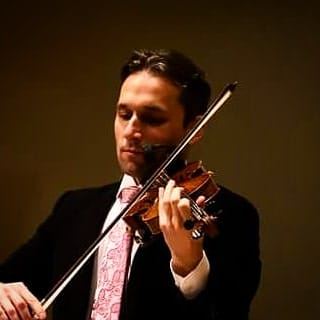
Alex’s thoughtful solos were often accompanied by harpist Liliana Dimitrijevic, a stunning pair setting up the story-telling scenarios. The big theme from the lower brass in the orchestra represents the domineering husband. Rimsky-Korsakov gives colourful solos to almost every section of the orchestra, from top to bottom, including several gorgeous cello solos, the piccolo, flute, oboe, English horn, bassoon, trumpet, trombone, french horns & tuba, as well as percussion. I mention instruments rather than people because I’m not sure which player in the section had the solo, but the level of playing was gorgeous, everyone stepping up for their big moment in the spotlight.
I was struck by the bonus we enjoy sitting in the relatively small Scarborough Salvation Army Citadel, seating perhaps 400 people in a lively acoustic without excessive reverberation, basking in the richness of the sound from the soloists, and thrilled by the gorgeous intensity of the sound in the climactic passages. It’s such a simple thing, really, that instead of sharing the sound with over 2000 people as we do at Roy Thomson Hall, or 1100 people at Koerner Hall, there is so much sound, so much detail when it’s so intimate, hearing the timbre of each instrument so clearly. I am not exaggerating when I invoke that overused phrase, to call it an immersive experience. We hear and feel the music so much better. And it helps that Ron led a really dynamic reading of the piece, playing up the big climaxes, holding nothing back, reminding me again of Ron’s background in film music. The SPO were positively cinematic, sounding better than ever.
After the interval we heard from composer Elizabeth Raum describing her suite Halifax Harbour, and Tall Ships, the piece we heard that’s an excerpt from the longer piece.
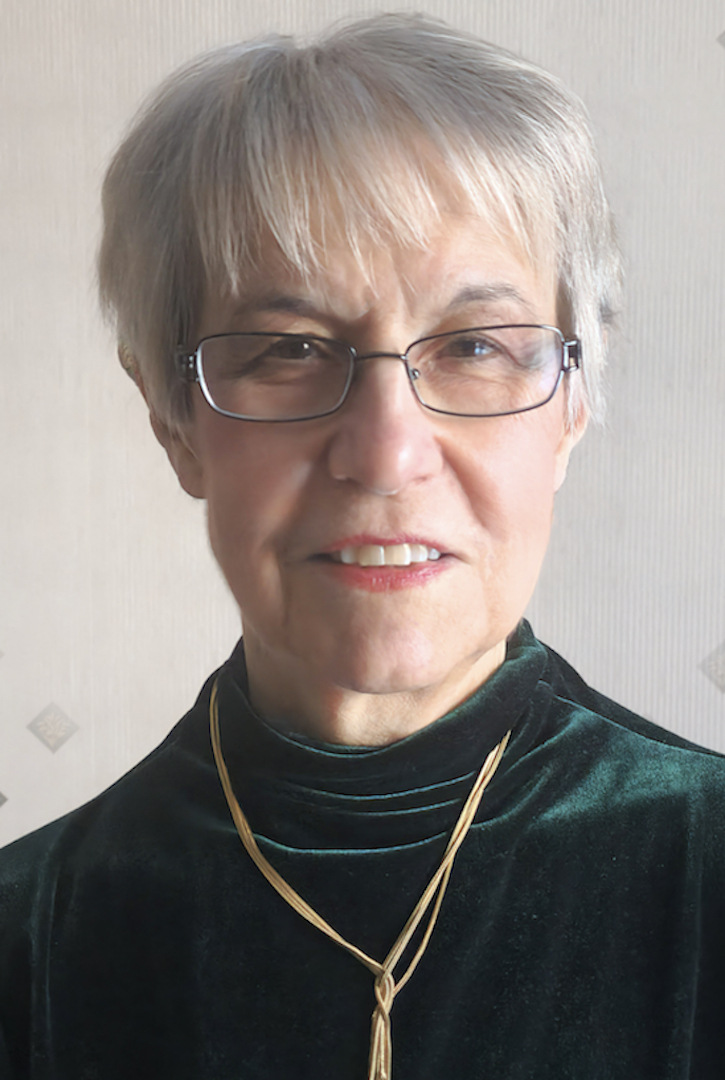
In contrast to the exotic glimpses of Sinbad & the 1001 Nights, we were in a Canadian sensibility, the energetic sound of the orchestra painting pictures that feel much closer to home, and apt for this year of “elbows up”, even if we were again encouraged to think of travel, this time voyaging out into the Atlantic Ocean. But it wasn’t nationalism on our part that we embraced the SPO’s enjoyable performance.
Next came the Bruch violin concerto and Conrad’s turn. I spoke of schmaltz because I find that Bruch invokes a certain kind of sensitive soulfulness, even if he wasn’t Jewish (and has been mistaken for Jewish because of the way he composes), just sympathetic to cultural associations, especially in his pieces for violin. I find that the first movement suggests an intense internal meditation, underscored by orchestral writing that features a rhythmic pulse that reminds me of a beating heart. The violin part flies high above the lower instruments, Conrad’s luscious tone filling the Citadel space.
We segue to Bruch’s slower second movement, a melody that soars in the simplest most direct expression, breath-taking beauty. And then the last movement allegro energico hits us with the extroverted melody from the violin soloist, a tune with suggestions of celebration and dance that I always find stays in my head for days afterwards. It was so beautiful, so uplifting. Speaking of lifting up, we were jumping up on our feet afterwards, thanking Conrad and the SPO for the excitement of this concerto and their performances.
At the beginning of the concert we had the opportunity to meet Michael Jones, the new Executive Director of the SPO, who gave one of the most interesting & heart-felt Land Acknowledgements I have ever heard.
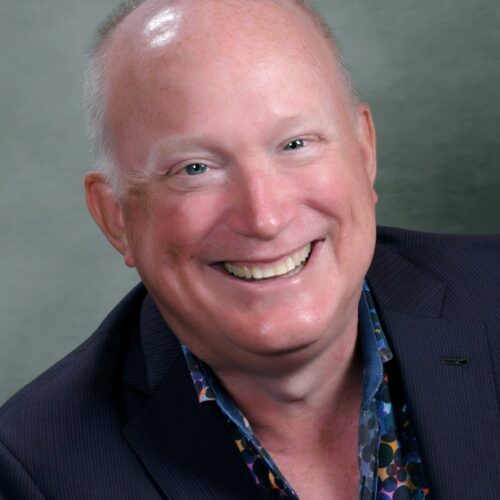
I’m looking forward to seeing & hearing where Michael and Ron lead the SPO in the years to come.
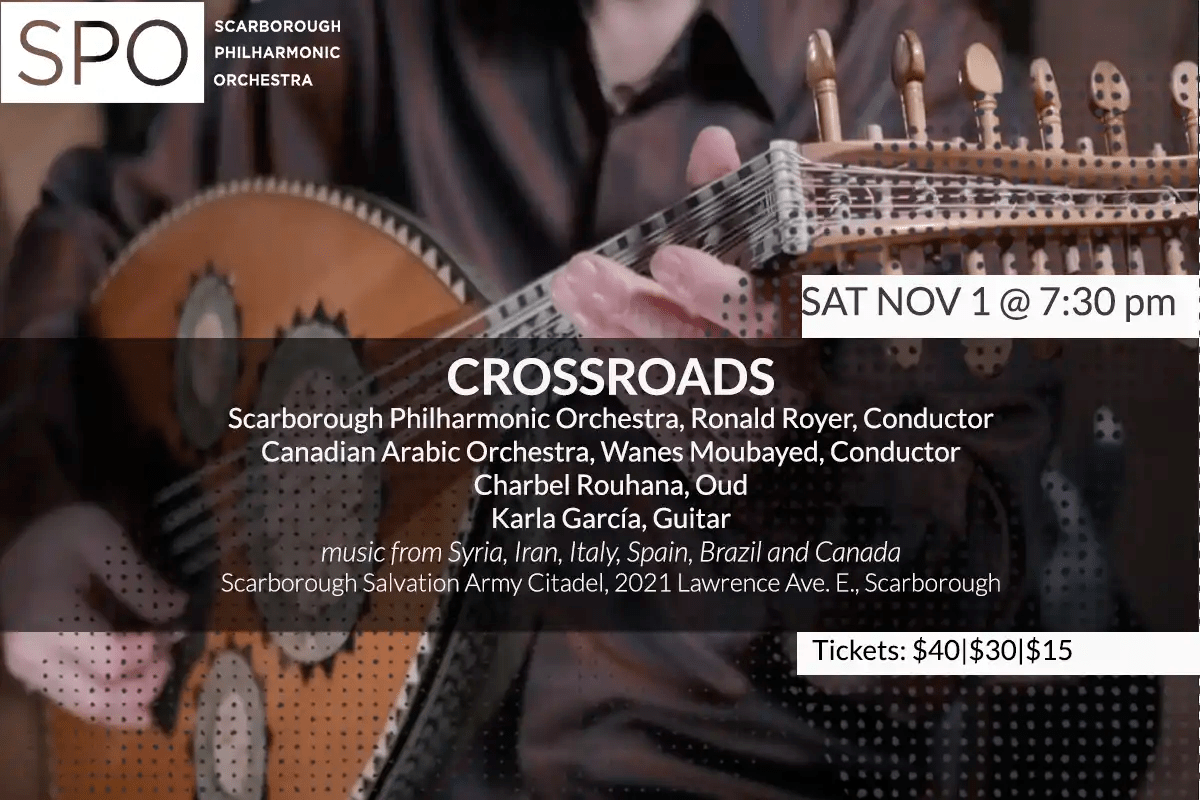
The Scarborough Philharmonic will be back November 1st in a varied program titled “Crossroads”. To find out more about the program or to get tickets click here.
 barczablog