
This week Tafelmusik’s Chamber Choir began their season with a concert titled Double Dixit, a wonderful warm-up for the Messiah, coming in three weeks.
The singers in that choir are professionals at the highest level, among the best soloists collected together for performances such as this.

And that’s not all.
While the concert title suggests duality it’s the number three that figures in the different ways I understand Double Dixit. I think first of the musicological, second the rationale for the performers, and finally my enjoyment & appreciation, exploring the ways theory and practice intersect in the performance.
I would suggest that if at all possible go see & hear Double Dixit at Jeanne Lamon Hall Saturday or Sunday Nov 29 or 30, to see and hear it for yourself.
Curating such a concert is itself a creative act. The pre-concert chat for Double Dixit, from Tafelmusik Chamber Choir chorister Kate Helsen is a fascinating bit of speculative musicology.
She imagines an enjoyable way of understanding the relationships between composers Antonio Lotti (1667-1740), George Frideric Handel (1685-1759), both of whom set Psalm 110 aka Dixit Dominus, plus their mutual acquaintance, composer Agostino Steffani (1654-1728), whose brief Antiphon for St Cecilia’s Day opens the concert, apt because St Cecilia’s Day was last weekend.
So here we are living more than 300 years later, listening to their music, wondering about their influence upon one another. Knowing that these two masters must have met one another, it’s fun to imagine their interaction.
Let me add: I love that Tafelmusik did this. I’ll make a bizarre analogy, as I speak of what I wish I could see from Turner Classic Movies. We see so many different adaptations of Pride & Prejudice (we watched one last night, after I got home from the concert) or Little Women. Wouldn’t it be amazing and maybe useful to watch them consecutively, to observe differences & similarities? No they are not quite the same (especially observing that Handel inserts a “Gloria patri et filio” into the last stunning chorus of the text “Sicut erat in principio etc” leading to a fabulous and challenging Amen to conclude). But encountering Lotti’s setting right before Handel’s is a wonderful opportunity.
It’s not the first time I’ve thought that maybe Handel is an under-rated composer, rarely spoken of in the same sentence with Mozart & Beethoven or JS Bach, when we consider who might be the greatest of all. Oh and Handel was in his 20s when he wrote this amazing chorus to conclude his Dixit Dominus. Amazing. That alone is reason why I wish I could hear it again.
Let me shift focus to the practitioners, even as I remind you that the concert was conceived by performers rather than academics locked up in some sort of ivory tower. Tafelmusik is a remarkable organization, apparently more fluid in its power structures than the cliche image we have of 20th century orchestras led by men wielding their phallic batons. Yes they focus on historical performance practices, but perhaps they are at the forefront of a new way of organizing and running an orchestra.
The brilliant thing about Double Dixit is how many opportunities these pieces on the program afford for solos by the choristers of Tafelmusik Chamber Choir. The program mentions Roseline Lambert soprano soloist & Nicholas Burns alto soloist in the Lotti, plus Lindsay McIntyre & Jane Fingler soprano soloists (and Nicholas Burns again) in the Handel: although there were a number of other brief solos that are not listed in the program.
That’s useful for everyone, including the conductor, Ivars Taurins as he prepares his chorus for what’s coming next month.
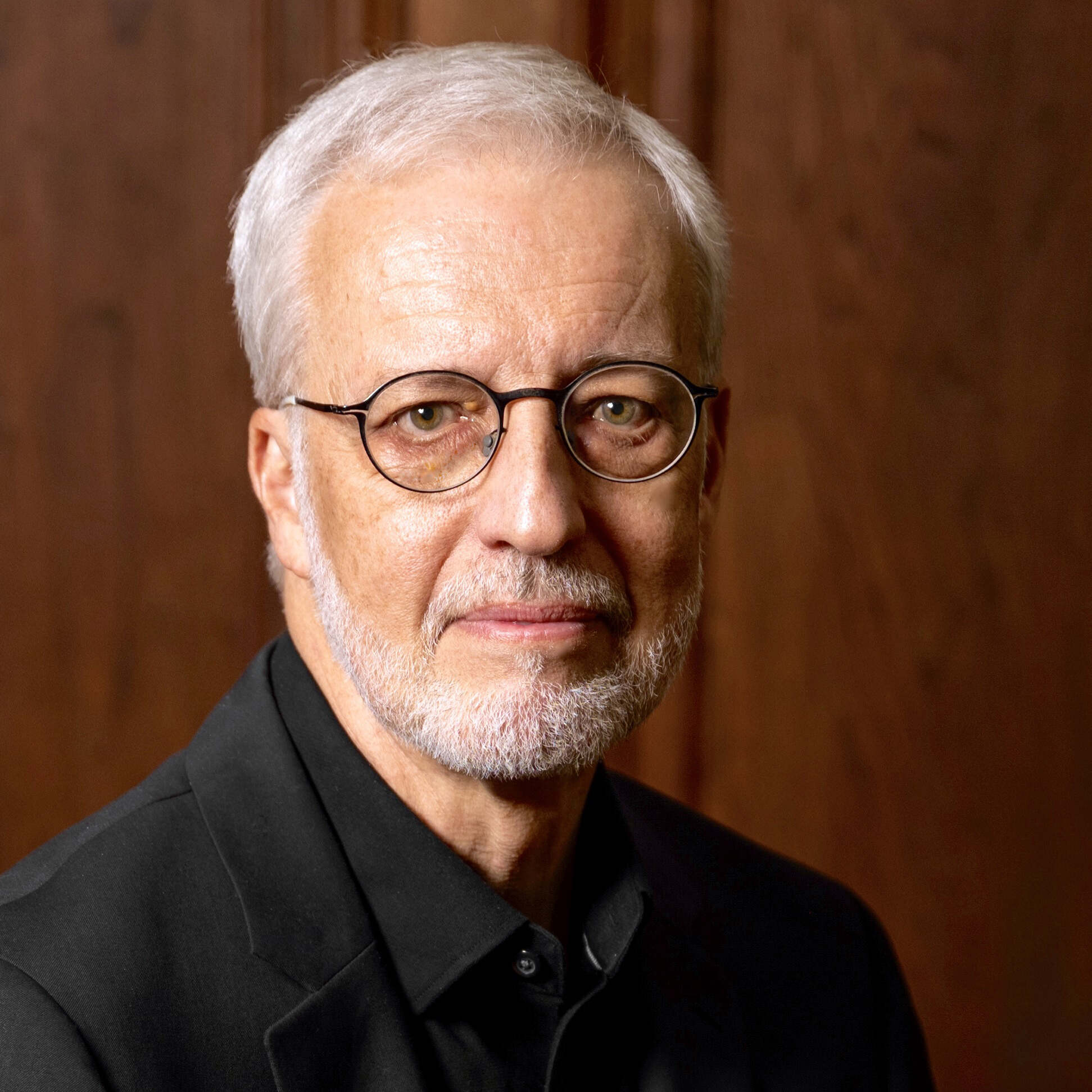
One of the great pleasures of such a concert is the chance to watch Ivars conduct the orchestra (who were wonderful, excuse me that I say so little about them) and chorus, his body language like a dance articulating the text in his directions. There was one moment in the concluding chorus when it almost seemed as though Ivars wanted to climb over the orchestra to get to the chorus, his arms making magic in the response he generates in this phenomenal choral ensemble. They’re not the usual chorus, not when each of the singers is a talented soloist in their own right.
Double Dixit has two more performances, 8:00 on Saturday Nov 29 and 3:00 pm on Sunday Nov 30th. Tickets & info are found here.
And next month Tafelmusik bring us Messiah plus the singalong, Ivars undertaking his annual role as Herr Handel.

I have to think that his theatrical portrayal of the composer also enables his musical identification, making something like Double Dixit more authentic.
 barczablog
Pingback: Tafelmusik Messiah sounds new through the drama of live performance | barczablog