When I interviewed Alex Cappellazzo a few weeks ago I asked: what does “Apocryphonia” mean?
But tonight I found myself thinking about another question (and seeing the answer before me), namely what do we understand by “authenticity?”
It came up in a conversation about the COC’s Fidelio in front of our venue, the Heliconian Hall. A chorister friend of mine explained director Matthew Ozawa’s rationale for putting women and children onstage with the male prisoners. Apparently this came from Ozawa’s subtexts namely
1-that some of his Japanese American family members were interned during WW II,
2-the caging of children at the southern border of USA
Ozawa’s choices, connecting the opera production to his personal experience, make the piece seem truly authentic.
That’s all meant as preamble to talking about Alex Cappellazzo, whose program purports to celebrate women while exploring music that’s almost completely unknown, or that’s at least what he says. Alex also sings without guile, throwing himself into his programs fearlessly. So the reason I speak of authenticity is because I think Alex is the real thing, totally genuine. I saw him delighting in the performances of the music he assembled for us, closing his eyes while they played or sang. Alex gave personal reasons for wanting to celebrate women who resist oppression.
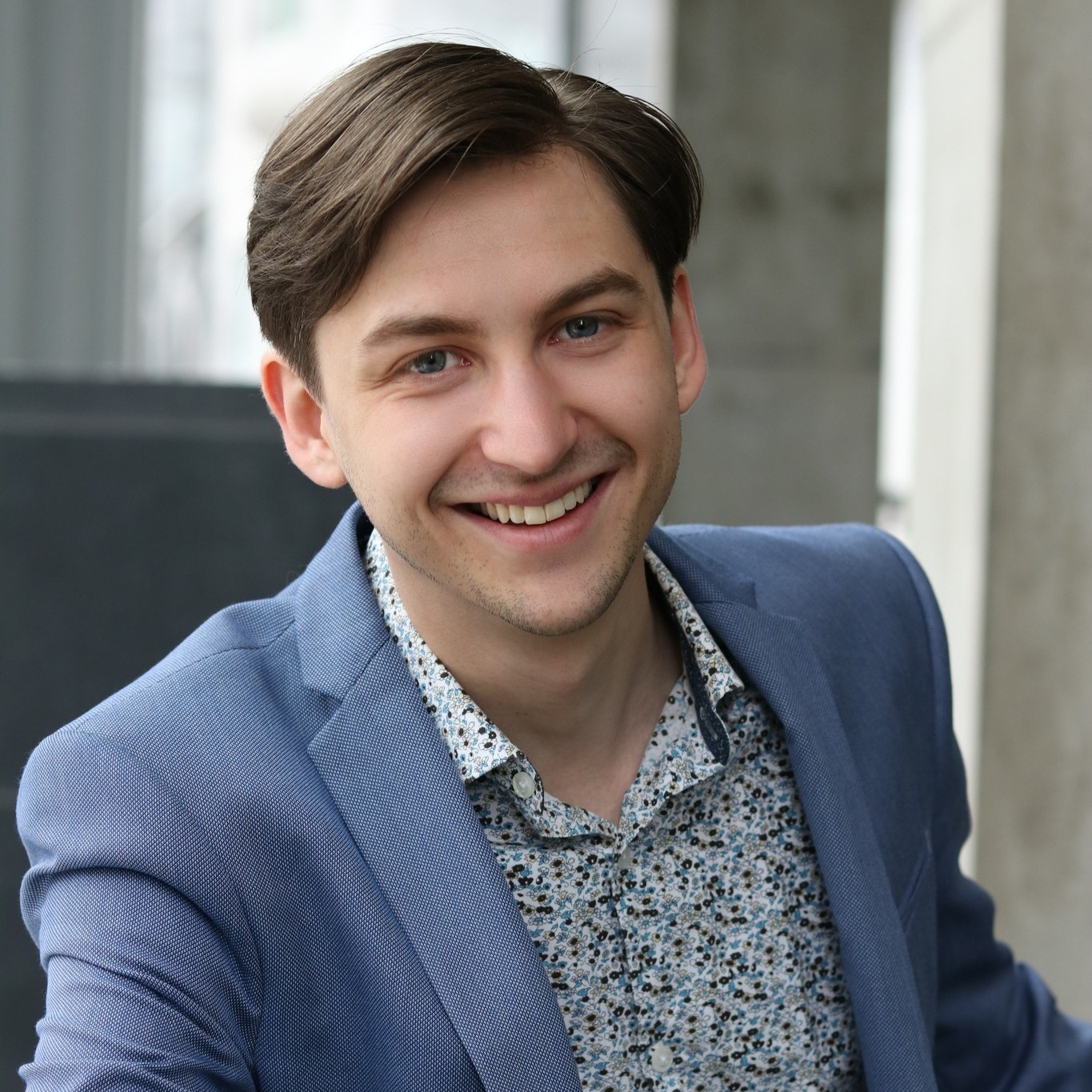
So while one might mistake Apocryphonia for a pretentious artsy-fartsy project at first glance, the audience was very enthusiastic, and Alex puts himself out there, as he explores obscure music that he likes. He explained Ginastera and Amirov via his own experience and his taste mentioning progressive rockers Emerson Lake & Palmer.
The program led me to a fork in the road. As a blogger I feel a responsibility to understand what I’m seeing and hearing, to be able to write about it. Meanwhile, I didn’t want to be a nuisance, looking at my phone to follow the texts for the pieces being sung (as this is where the translations were found).
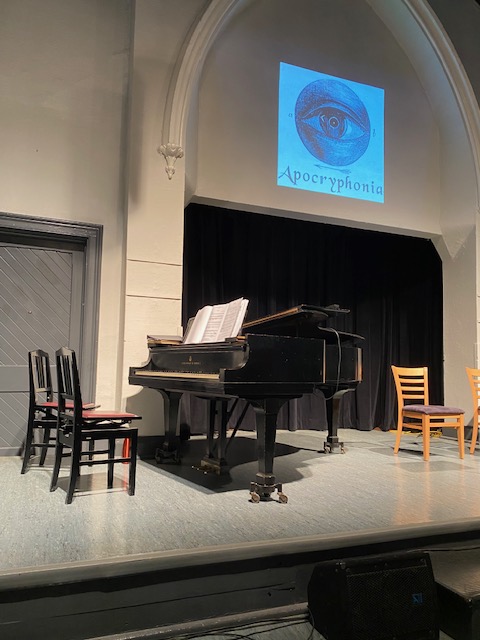
As I was sitting in the front row I was afraid the light from my phone would be disruptive. So I chose to quickly glance at my phone, then shut it off, surrendering to the performances. Maybe that’s a better way to listen, and to really see the artists.
The concert was divided in half, one composer for each half.
The name of the concert “GinasterAmirov” is a reminder of the letter “A”, combining two surnames (Alberto Ginastera and Fikret Amirov), their nationalities (Argentinian and Azerbaijani), and the presenting organization (Apocryphonia).
It’s also the most common vowel in the names of their artistic director (Alexander Cappellazzo), their soprano soloist (Thera Barclay) and pianist (Narmina Afandiyeva).
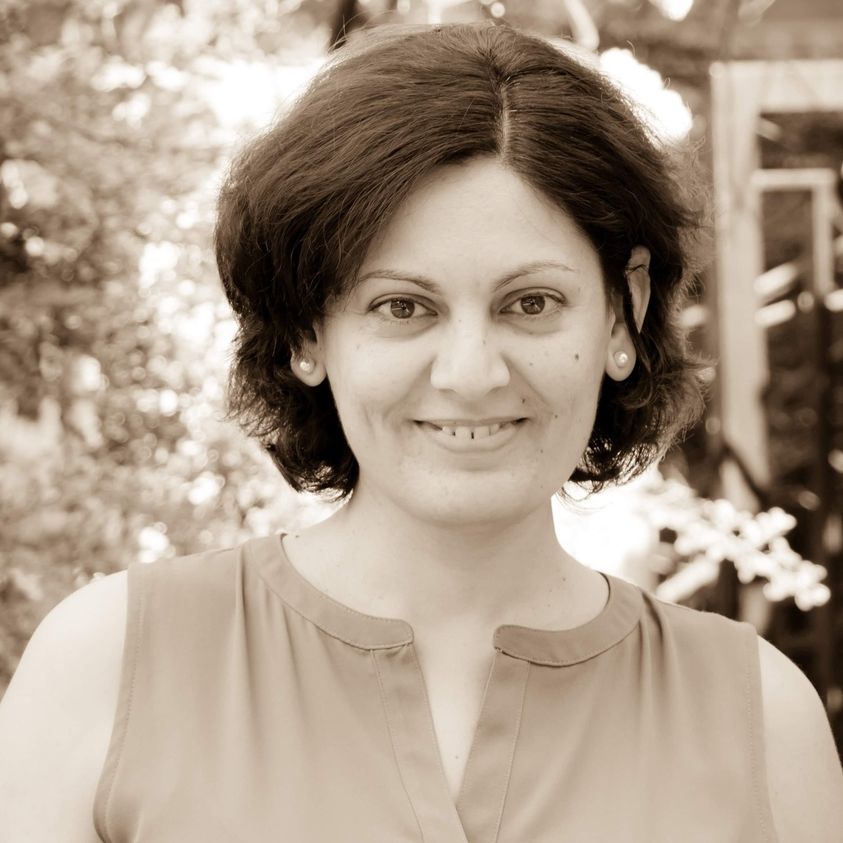
In each half of the concert, the works were broken up, alternating between the vocal works (accompanied by piano) and the piano solo movements. We’d have a movement of a piano sonata, then a song or perhaps a couple of arias, and back to the sonata, and so on. It made every moment seem fresh and new, emphasizing contrast.
The first half was split between Ginastera’s song cycle Las Horas de una Estancia Op 11 from 1943 and his piano sonata no 1 from 1952. The cycle describes the cycle of a day in five segments from night to morning to afternoon and eventually the night. The songs have a broad emotional range yet they are mostly tranquil & lyrical in comparison to the explosive movements of the piano sonata, played passionately for us by Narmina. It was especially exciting sitting so close to the Steinway, watching her volcanic energy.
After intermission it was the alternation between Amirov’s Romantic Sonata for piano from 1946, that Alex said might have been getting its Canadian premiere in these concerts (there was one in Richmond Hill yesterday), and excerpts from Sevil, a 1953 opera. The last scene reminded me a bit of Carmen, scaring me with its intensity until I was sure that the frustrated male was not going to emulate Don José’s murderous wrath, but rather accept his dismissal by the brave heroine. Perhaps the opera was ahead of its time, with its refusal to do the usual killing off of the diva as in Carmen, but I’m ready for this lovely alternative. And this is surely a great reason why Amirov’s opera deserves to be heard, especially considering the glorious music. Alex and Thera raised the roof in their last duet.
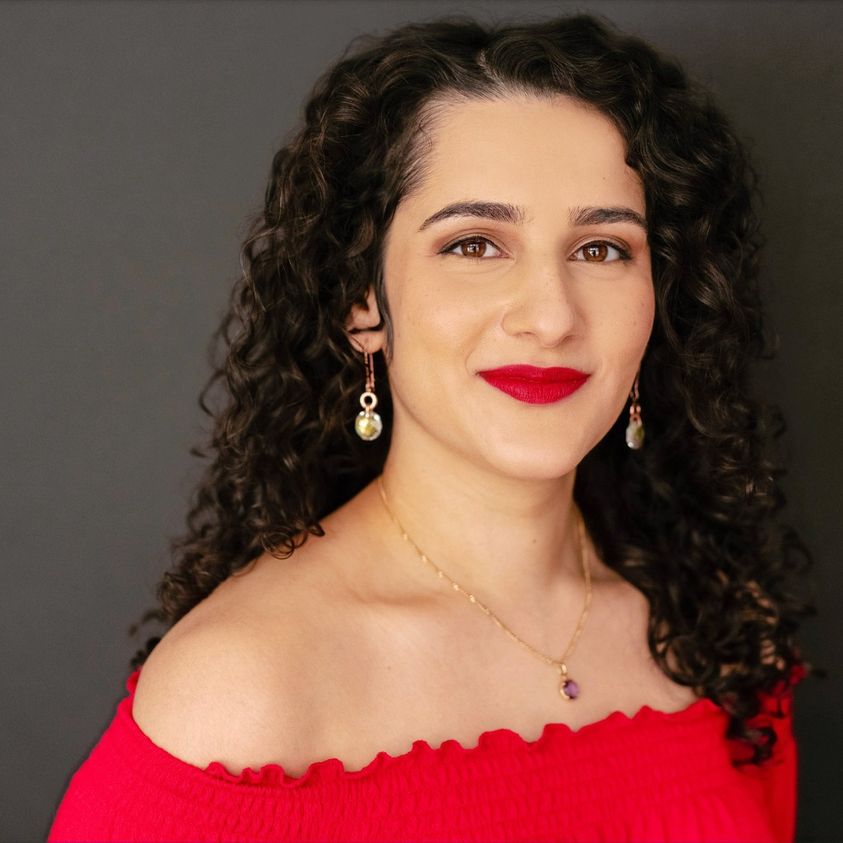
I’ll keep my eyes out for these artists, who were all so brilliant tonight.
 barczablog