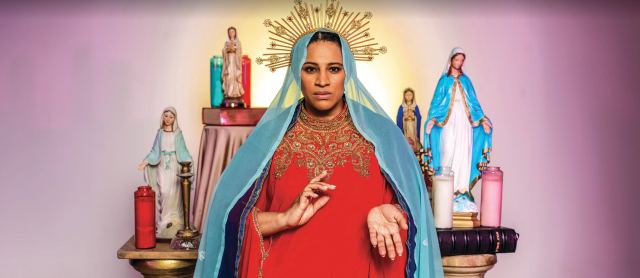
I saw the matinee of Erin Shields’ Mary, Mary, Mary, Mary on Saturday afternoon April 18th.
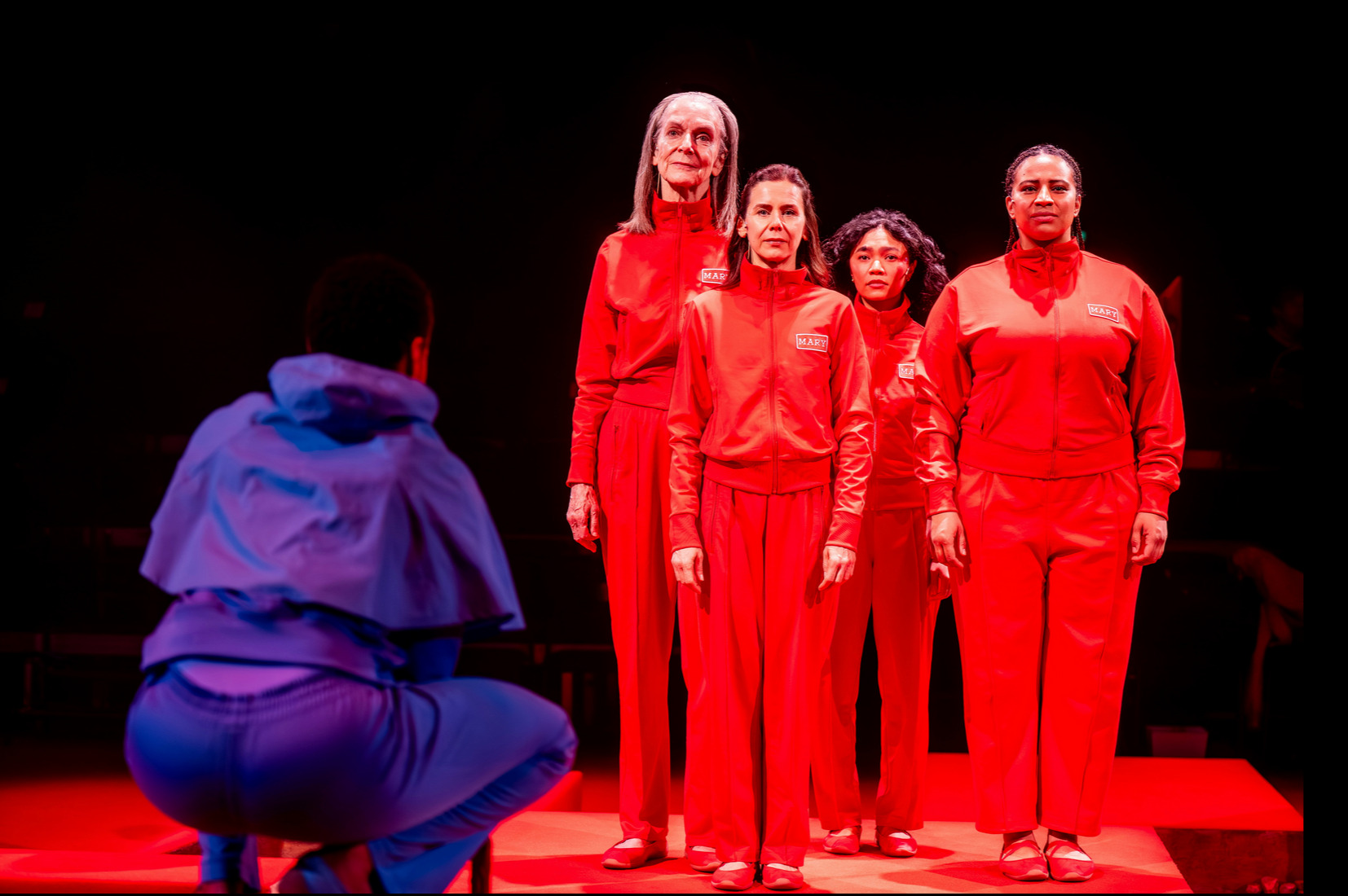
The title is playful I suppose, but makes a lot of sense when you look at the New Testament, particularly the female characters. I came to see a show that asks “what happens when four women who bore witness to miracles are finally allowed to speak” according to its press release. As I remember the Gospels, after the women especially Mary Magdelene were there to see the stone rolled away from Jesus’s tomb, it’s as though the Disciples show up and then say to the women “we’ll take it from here”. While the women were the first witnesses the Bible is still the story as told by the Matthew, Mark, Luke & John, not Mary Magdelene.
I was hoping for something edgier, more deconstructive. I was told in the ad that the play “reclaims the stories of four women who stood at the gates of revolution—only to be sidelined by history– Mary, Mother of Jesus, Mary Magdalene, Mary, Mother of John Salome, and Mary the Sister of Lazarus – and gives them the opportunity to tell their side of the story.”
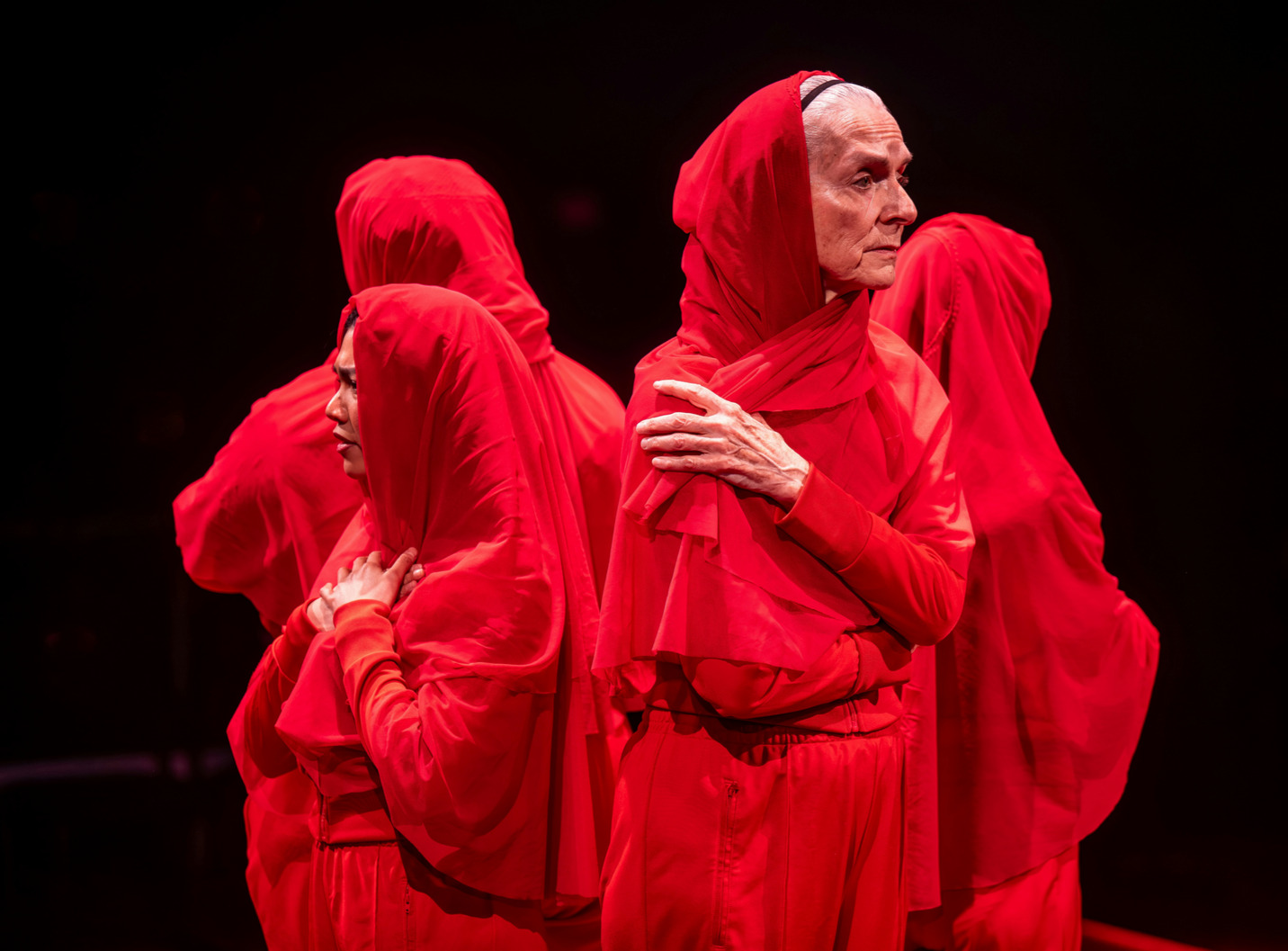
In a sense what we watch is truly operatic, if we recall that we are in the realm of myth, encountering well-known personages to whom some people pray: speaking of one of the four, anyway. Their passions are larger than life, as they witness great things.
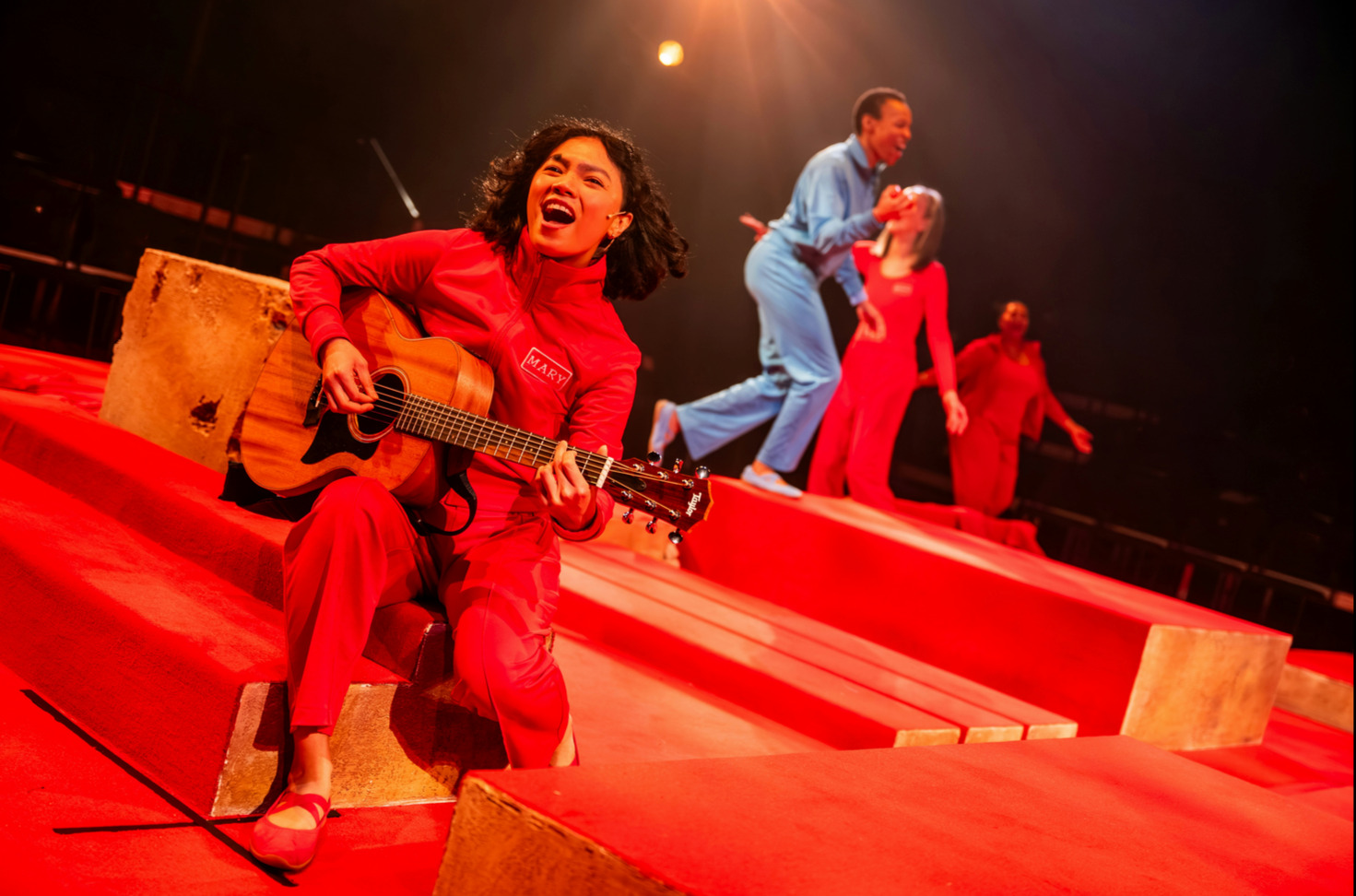
And there was music. The last time I was in the Guloien Theatre space a few weeks ago, we were invited to sing along at BELT, Monday night March 9th. From the arm gestures of the cast I assumed they wanted us singing along. But maybe that’s tough, hearing music that was vaguely popular, not quite gospel music, and new to us. We were hearing events described that were familiar, but from a distinctly new perspective. Maybe the matinee audience was too passive, as I would have been ready to join in the singing. It was a lovely performance to hear, the energy very positive & uplifting, tightly directed by Director Ellen McDougall.
This is a talented cast performing some remarkable text. At times they’re so tight I wondered how long it took them to perfect their delivery, finishing sentences for one another even without eye contact.
Their energy was almost frenetic to begin. Gradually they settled down to tell a story, after having been so strong at the start. While it’s universal to demand that actors pick up cues, I suspect this text might have been helped with a little more breathing room, slower & more thoughtful delivery of some very deep ideas. But I know to slow down would make the play longer than its current 95 minute running time, perhaps even requiring an intermission if it got too much longer. Honestly I found that the show flew by, as I was surprised when it ended.
They are genuinely a powerhouse group of actors, namely Michelle Monteith as Mary 1, Sabryn Rock as Mary 2, Nancy Palk as Mary 3, Belinda Corpuz as Mary 4, plus Amaka Umeh as Not-A-Mary.
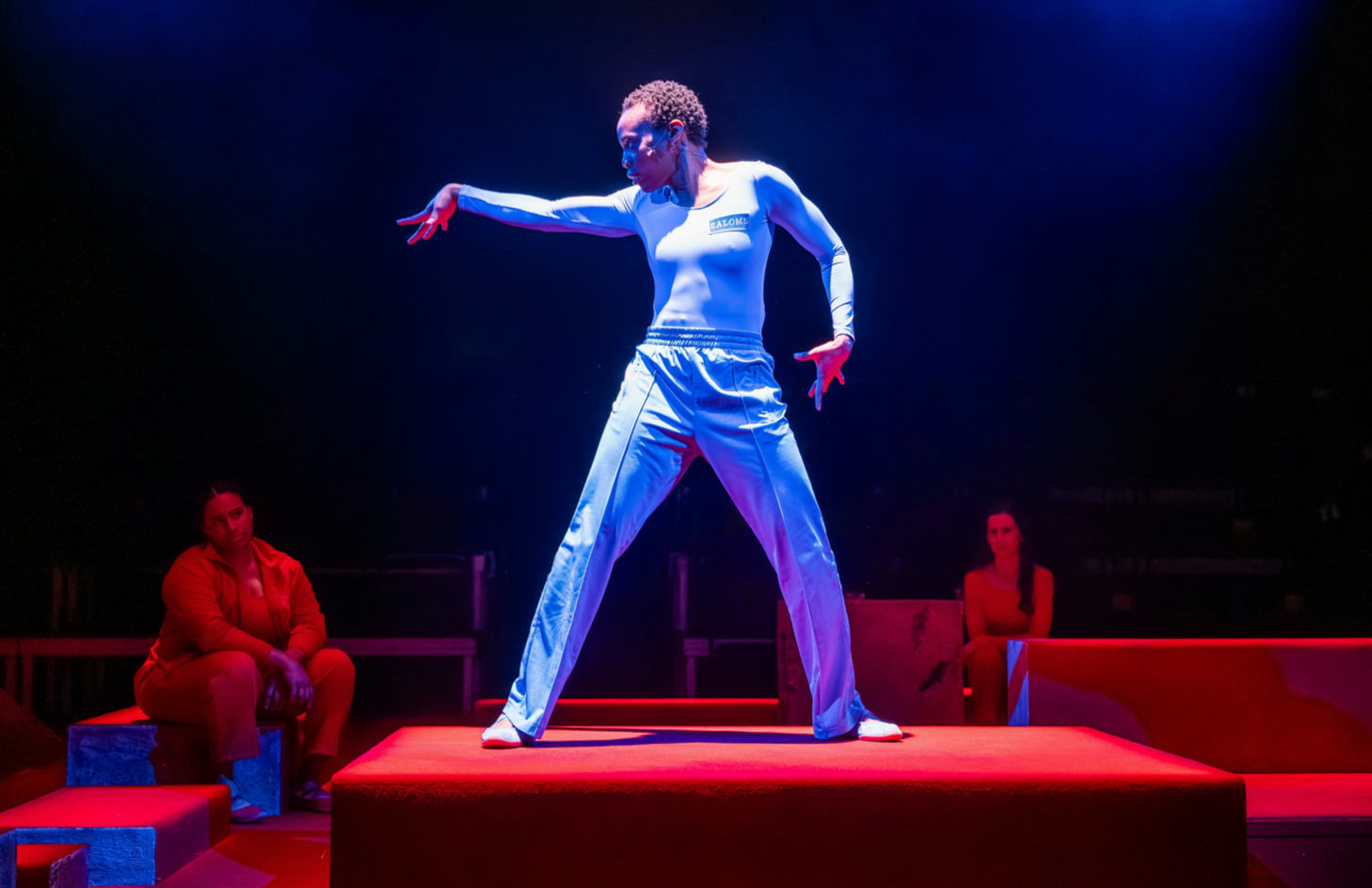
Yes it’s the first few days of the run, but I was troubled by the set. I saw actors stumble at least three times. There are a number of awkward shapes, that are difficult to negotiate given that several times the cast are speaking while moving, sometimes even when moving backwards or sideways. Speaking as an older guy who was on joint health & safety committees, I believe it’s problematic, potentially a ticket to injury, if not broken ankles. When you see an actor stumble or slip, that’s concerning. Hopefully with practice they will become accustomed to the hazards of the set.
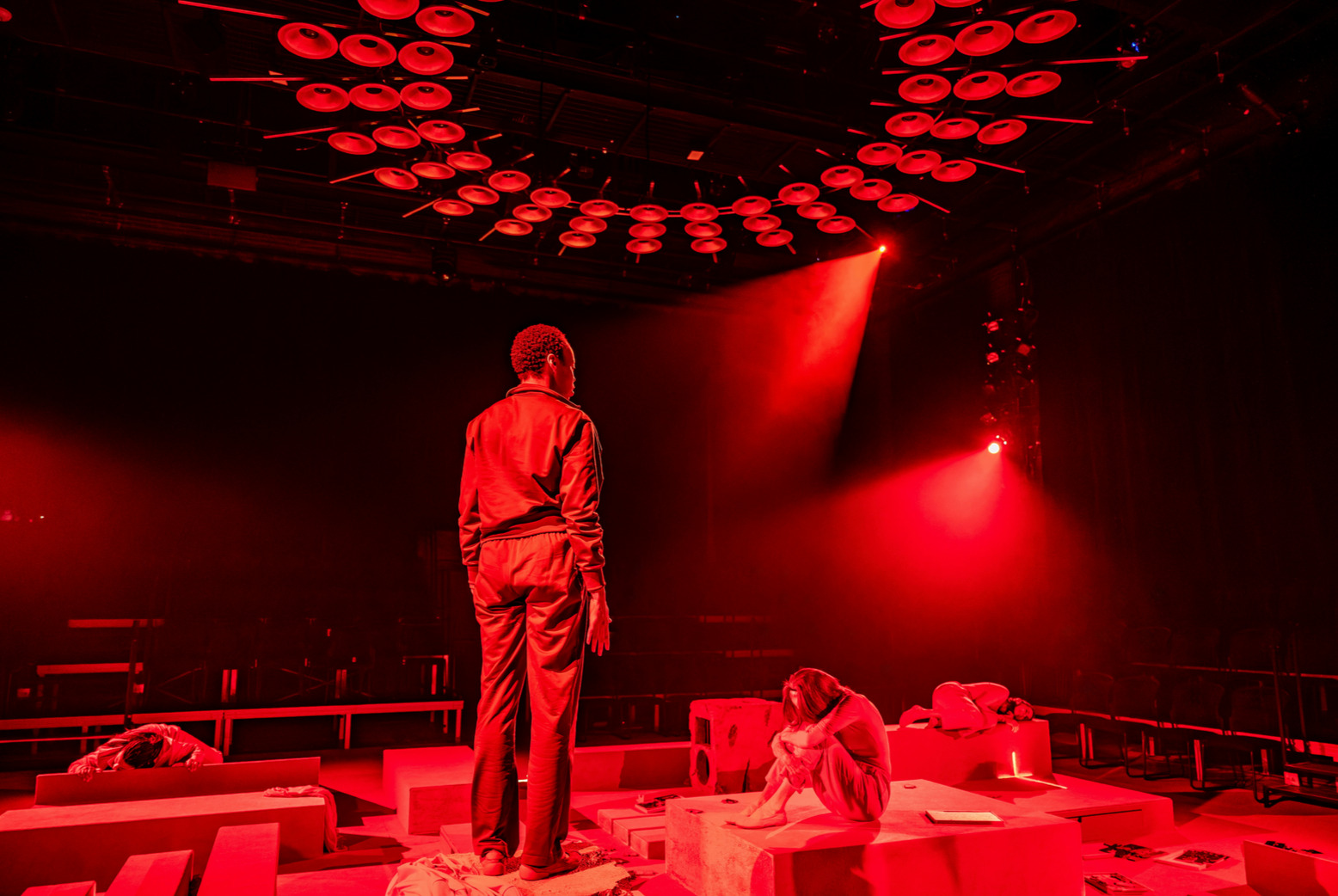
So back to Shields’ play and its treatment of the story and the Gospels, although there were some exciting moments with bright lights, no we didn’t get to see the women discovering the Resurrection (slightly different in each of the Gospels), given that we are mostly far from the realm of the action. The mansplainers weren’t included in this version of the story. Troubling as it might be, I would have enjoyed seeing the moment when the women are effectively shoved aside as a way to frame the play. I don’t blame Shields for wanting to skip those episodes, given that more personages would have been needed in her play, but that would have helped her to frame the way the women are treated & understood.
Shields’ text did not deconstruct or satirize as much as expected, leaving celebratory space for the New Testament, at least my own modern understanding of it. Is it radical to suggest that Mary Magdelene was Jesus’ lover? Or that Jesus’ mother was worried about him? I don’t think so. I felt Shields was perhaps torn, wanting to offer a critique yet still gently respectful. I don’t think any Christians would be offended by Shields’ treatment of these women, unless they’re the sort who listen to sermons from the White House.
Mary, Mary, Mary, Mary continues at the Guloien Theatre until May 3rd.