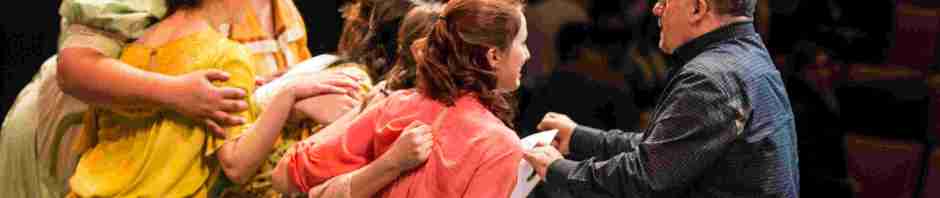
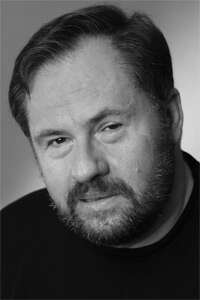
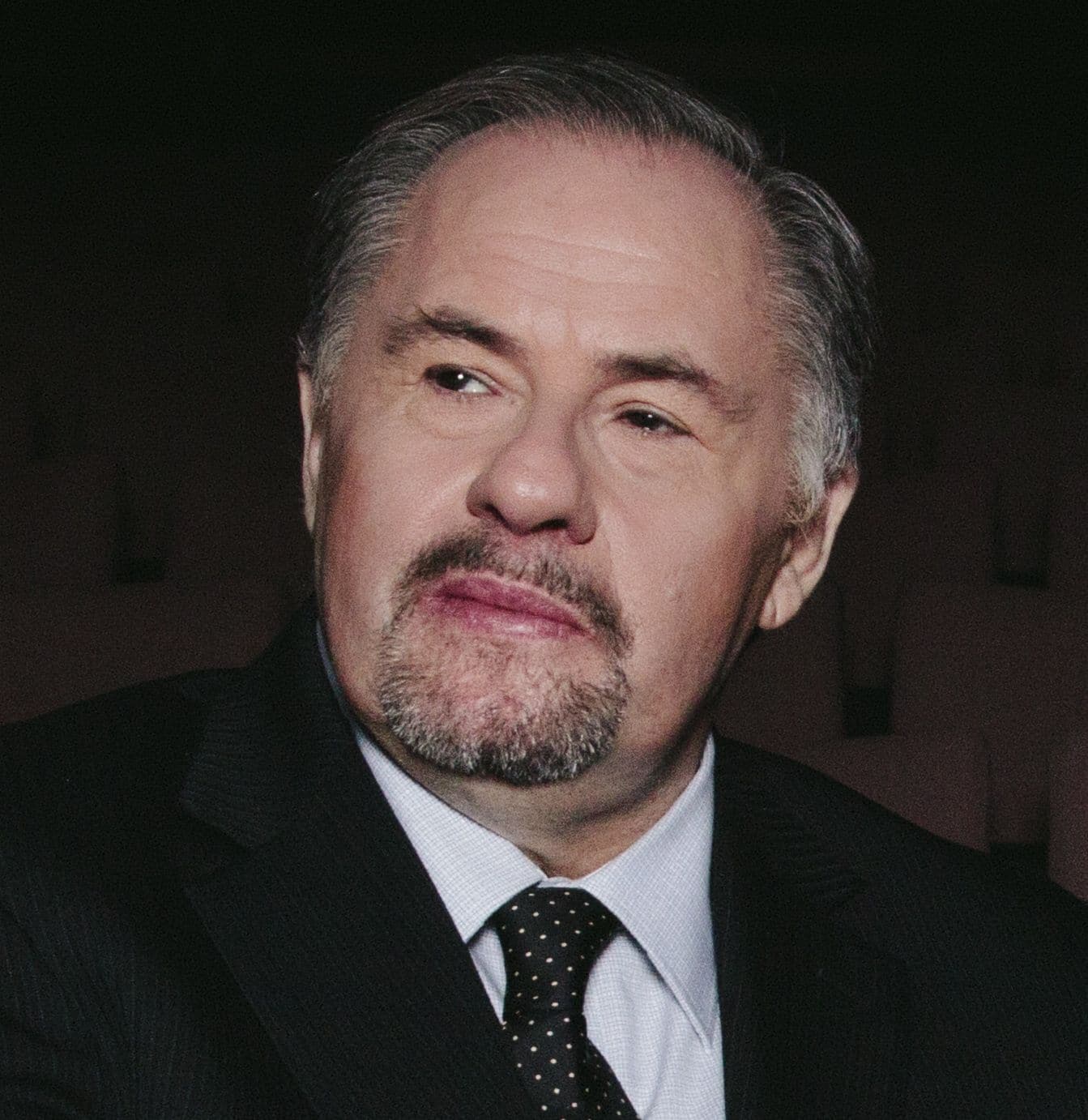
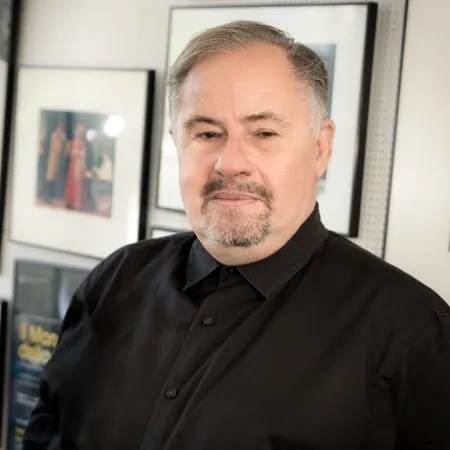
Michael Patrick Albano is Associate Professor Emeritus with the Faculty of Music, University of Toronto, where you can see his bio and this photo: but that only tells you part of the story.
Michael is resident Stage Director of the opera programme at the University of Toronto, where he has staged over forty operas including the Canadian premieres of Debussy’s L’Enfant Prodigue, Paisiello’s Il Barbiere di Siviglia, and Britten’s Paul Bunyan. And Michael has directed many other places such as NY City Opera and the Canadian Opera Company.
Michael is an accomplished librettist, including A Dickens of a Christmas, Laura’s Cow, The Legend of Laura Secord and Alice in Wonderland all commissioned and premiered by the Canadian Children’s Opera Company between 2005 & 2015; Gianni (based on the life of the baroque composer, Giovanni Pergolesi) for Opera Lyra, The Last Duel (with music by Gary Kulesha) for MusicCanada 2000, Loss of Eden, (based upon the lives of Charles and Anne Lindbergh); and more recently Rob Ford, the Opera, Antigone, Encounters and The Machine Stops for the University of Toronto’s Student Composer Collective. This November, University of Toronto’s opera department will premiere Fall River, the legend of Lizzie Borden, with Michael’s libretto and music by Cecilia Livingston, for the reopening of MacMillan Theatre.
Michael’s interest in the development of original opera librettos has led to a unique graduate course in operatic composition at the University of Toronto’s Faculty of Music as well as his involvement for the past twenty years as resident dramaturge for the Tapestry New Opera Works annual composer/librettist laboratory.
As a teacher, as a collaborator, and as a creator in his own right, Michael has had a huge impact on opera in Canada and abroad. I was grateful for the opportunity to ask Michael a few questions.
*******
Barczablog: Are you more like your father or mother?
Michael Patrick Albano: My dad had musical talent and could sing and play the piano. My mother had a flair for drama and I always thought she could have been a professional actress so I guess I am a hybrid and that opera was always on the cards.
BB: What is the best or worst thing about what you do?
Michael Patrick Albano: Well, we all have our horror stories about things going off-the-rails in performance but in my role as the resident stage director of the Faculty of Music’s opera school and also in my free-lance work, there wasn’t a single day that I didn’t look forward to going to rehearsal which never felt like a regular job. An uncle of mine wisely said, “When you love what you do, you never work a day in your life”.
BB: What ability or skill do you wish you had, that you don’t have?
Michael Patrick Albano: I would like to be able to play one musical instrument really well.
I studied the violin and played well enough to be in the Niagara Chamber Orchestra but ultimately gave it up (in the public interest!). Now that I am retired from full time teaching at the university, I try to make time daily to practice the piano with a view to improving my playing. Am I getting better? The jury is still out.
BB: When you’re just relaxing and not working, what is your favourite thing to do?
Michael Patrick Albano: Reading, reading and reading. Right now on my night table, I have Deterring Armageddon, a biography of NATO by Peter Apps, After Oscar, Merlin Holland’s excellent biography of his grandfather, Oscar Wilde, Madly, Deeply, the diaries of Alan Rickman and Dark Stories, the short stories of Daphne du Maurier. I love prowling bookstores, new and used. It’s impossible for me to go into one without buying something -my Achilles heel.
BB: What was your first experience of music ?
Michael Patrick Albano: When I was in grade three, our school was visited by a concert violinist; my classmates yawned but I was mesmerized and pestered my parents for music lessons. My first exposure to opera was seeing Così fan tutte at the Stratford Festival when I was 15 (Stratford regularly produced operas at the time). I loved it. And of course, the Saturday afternoon Metropolitan Opera broadcasts made a huge impression on me. I got the librettos from our local library and imagined the staging as I listened. The die was cast as the expression goes.
BB: Of all the productions of opera or theatre you did, what is your favourite?
Michael Patrick Albano: At U of T where I directed almost fifty operas, I am particularly proud of the rarities we were able to offer Toronto’s opera lovers. I directed the Canadian premieres of Debussy’s L’Enfant prodigue, Paisiello’s Barber of Seville, Chabrier’s L’Étoile and Britten’s Paul Bunyan.
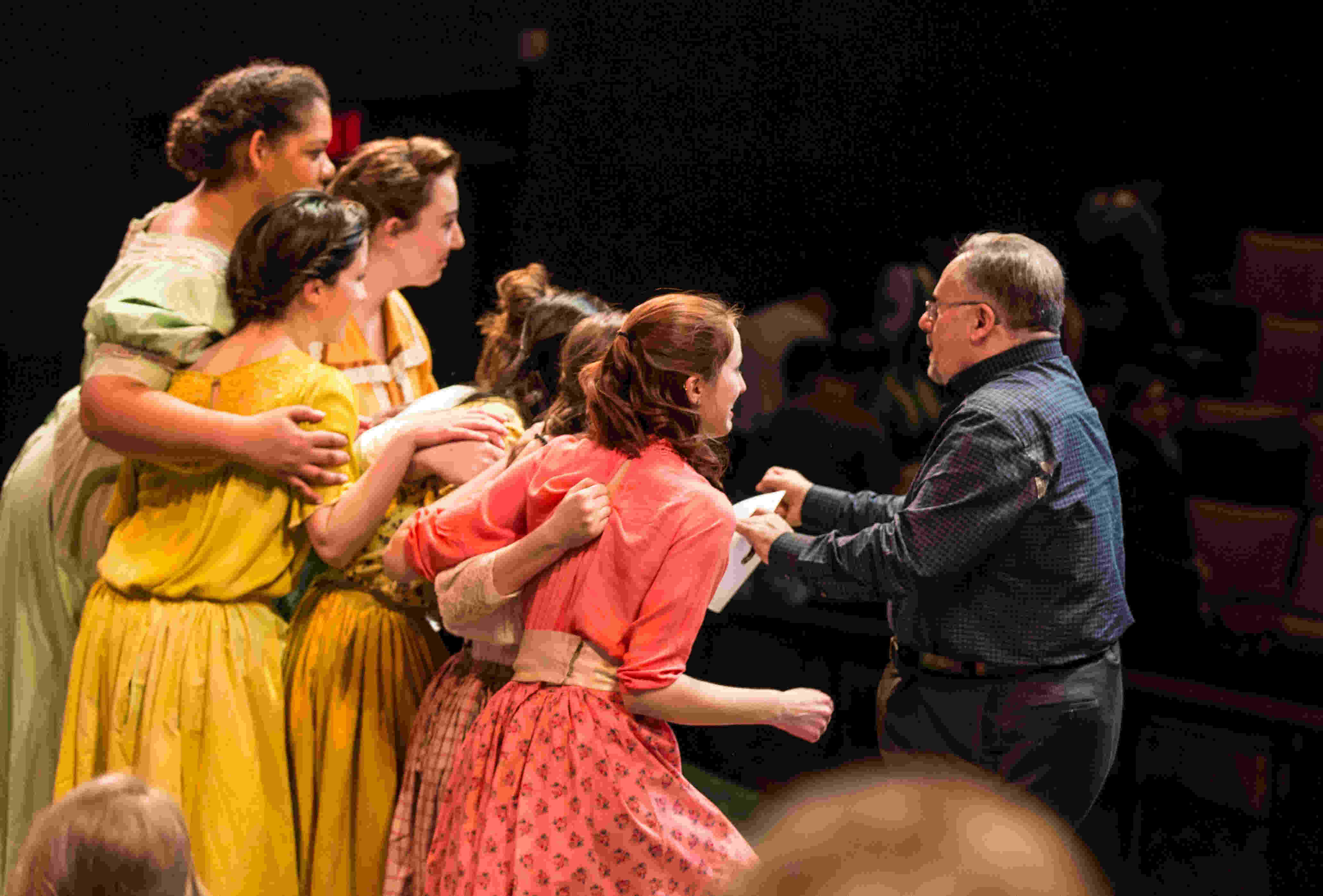
With the happy collaboration of Sandra Horst, I staged the school’s first musical, Gershwin’s Of Thee I Sing.
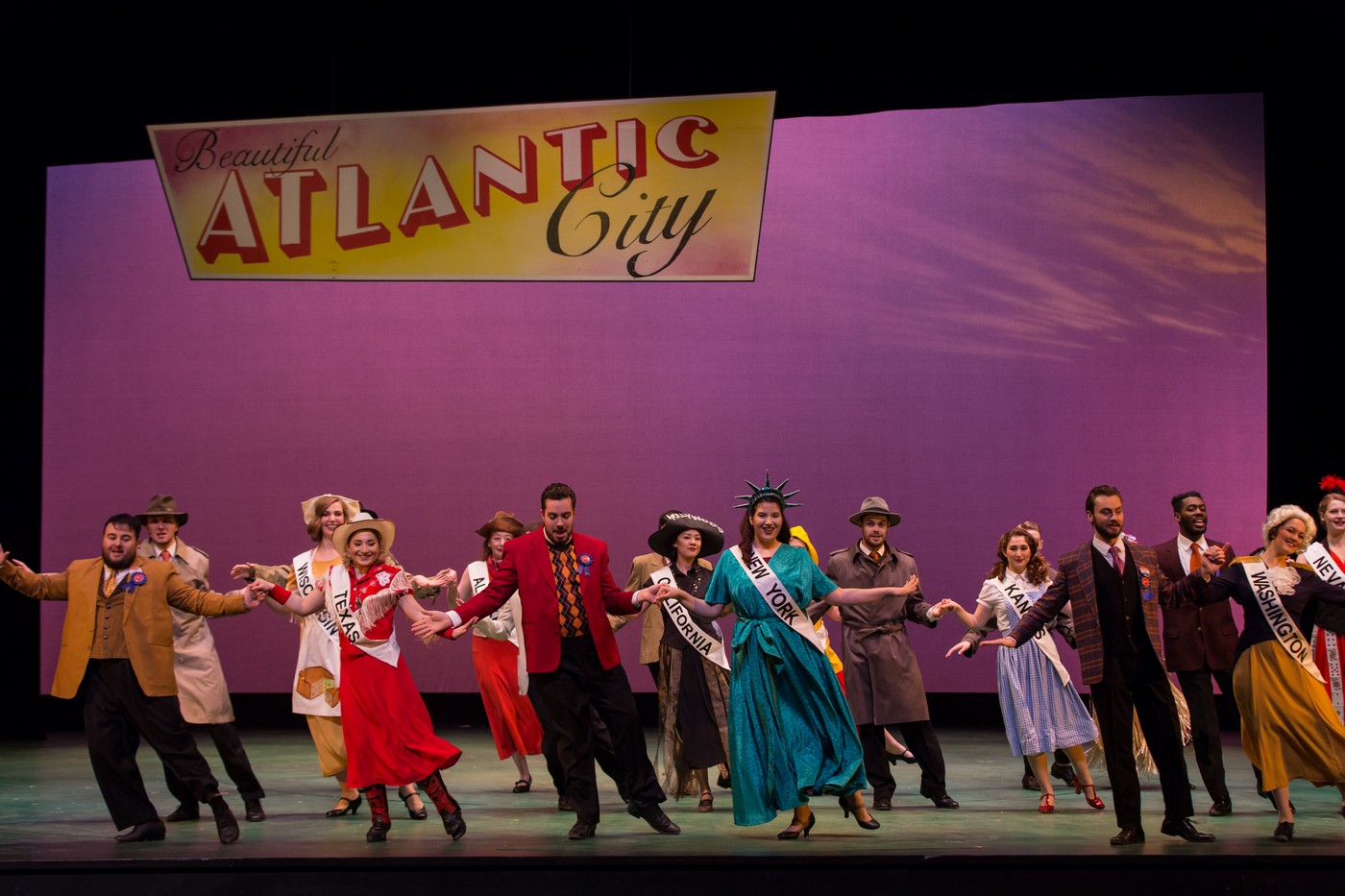
Conductor: Sandra Horst, March, 2018, MacMillan Theatre, (pictured) Artists of U of T Opera
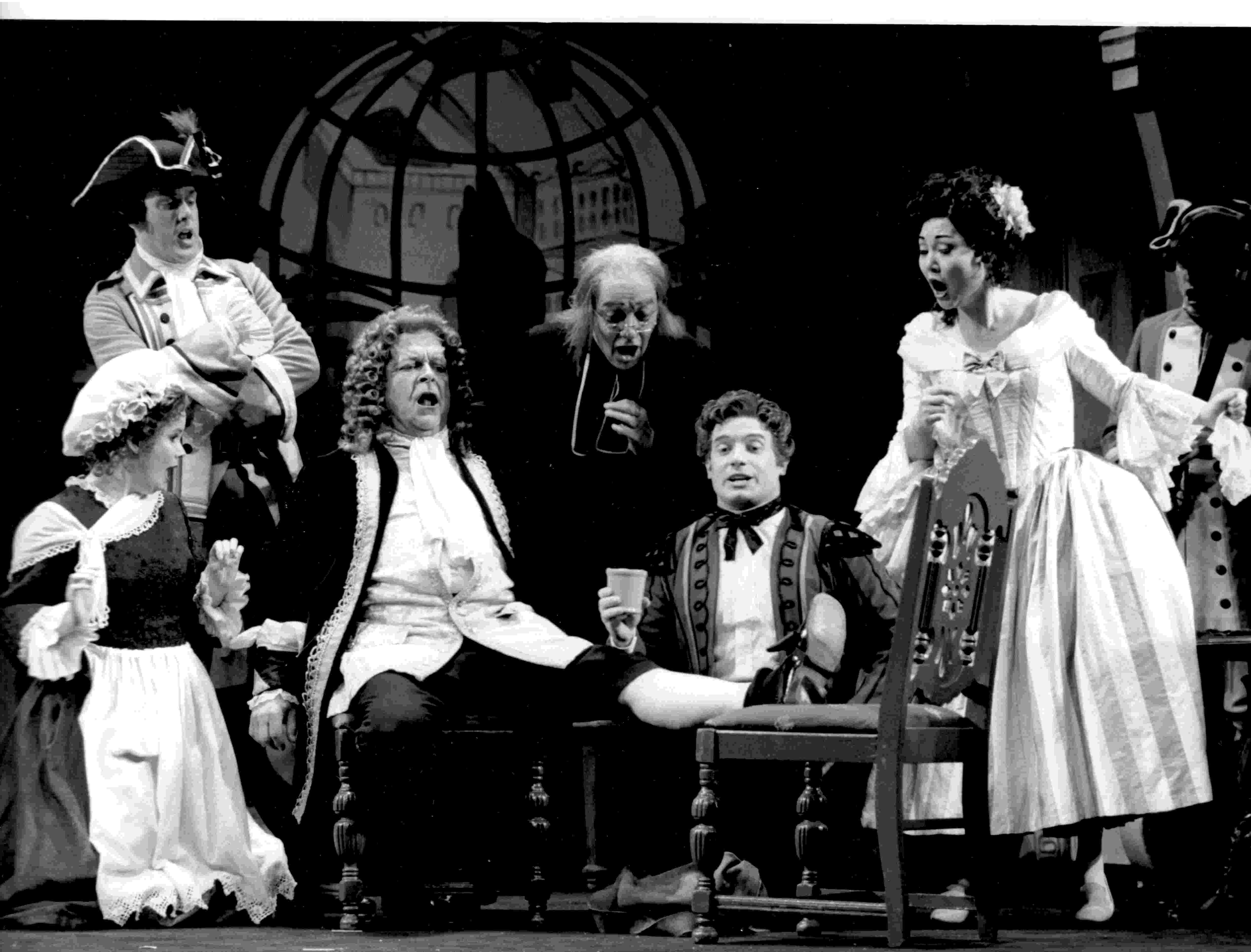
Of the four operas I directed for the Canadian Opera Company, I have particularly happy memories of Gianni Schicchi with the legendary Renato Capecchi. Other projects come to mind: La Cenerentola for the Boston Lyric Opera, The Daughter of the Regiment for the Opera Theatre of St. Louis (with fellow Canadian, Tracy Dahl) and An Evening with Noel Coward for Toronto’s Centre Stage which I also wrote.
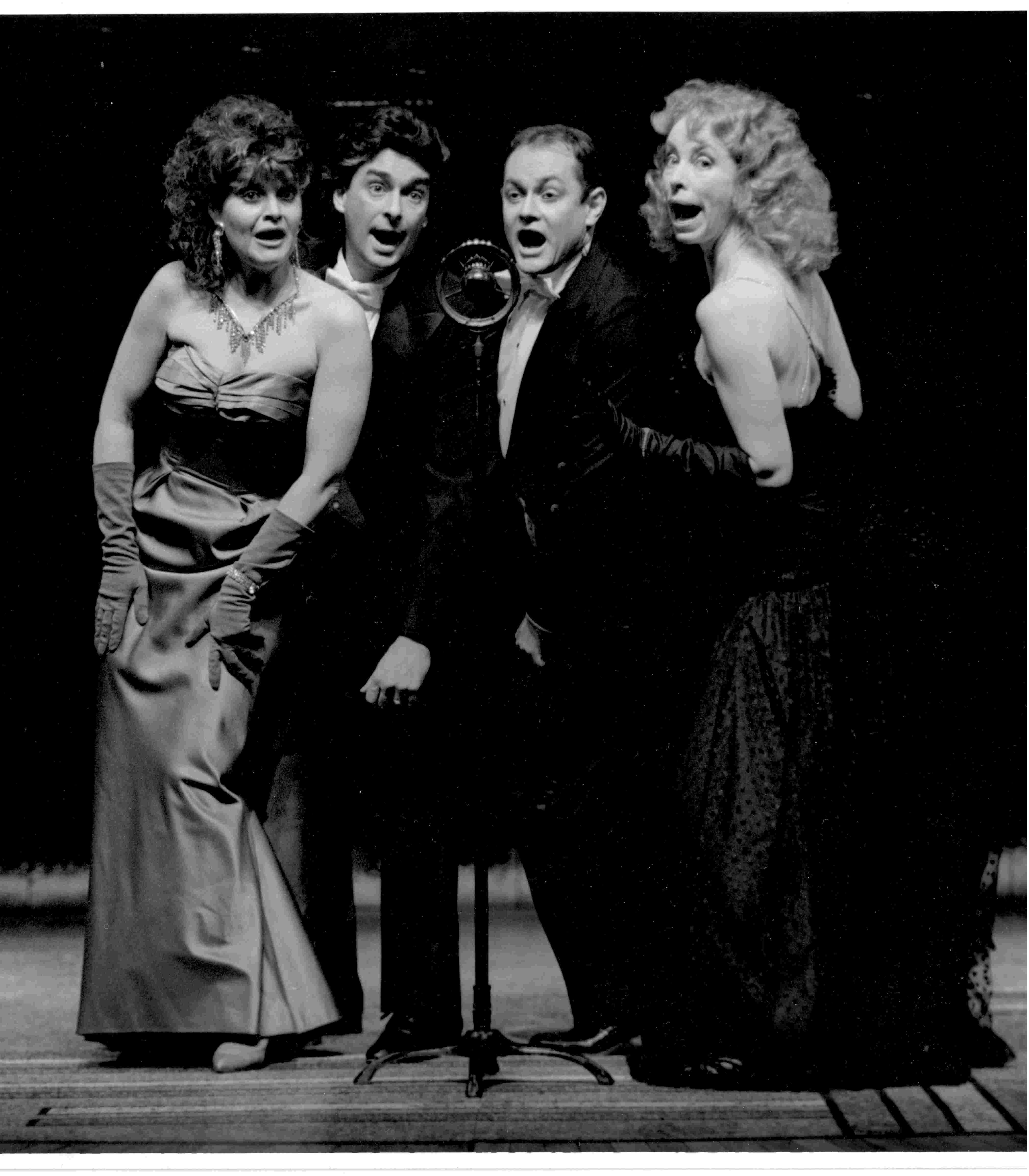
Musical Director: John Greer, Sept., 1986, Bluma Appel Theatre
(left to right) Katherine Terrell, Mark DuBois, Mark Pedrotti, Janet Stubbs.
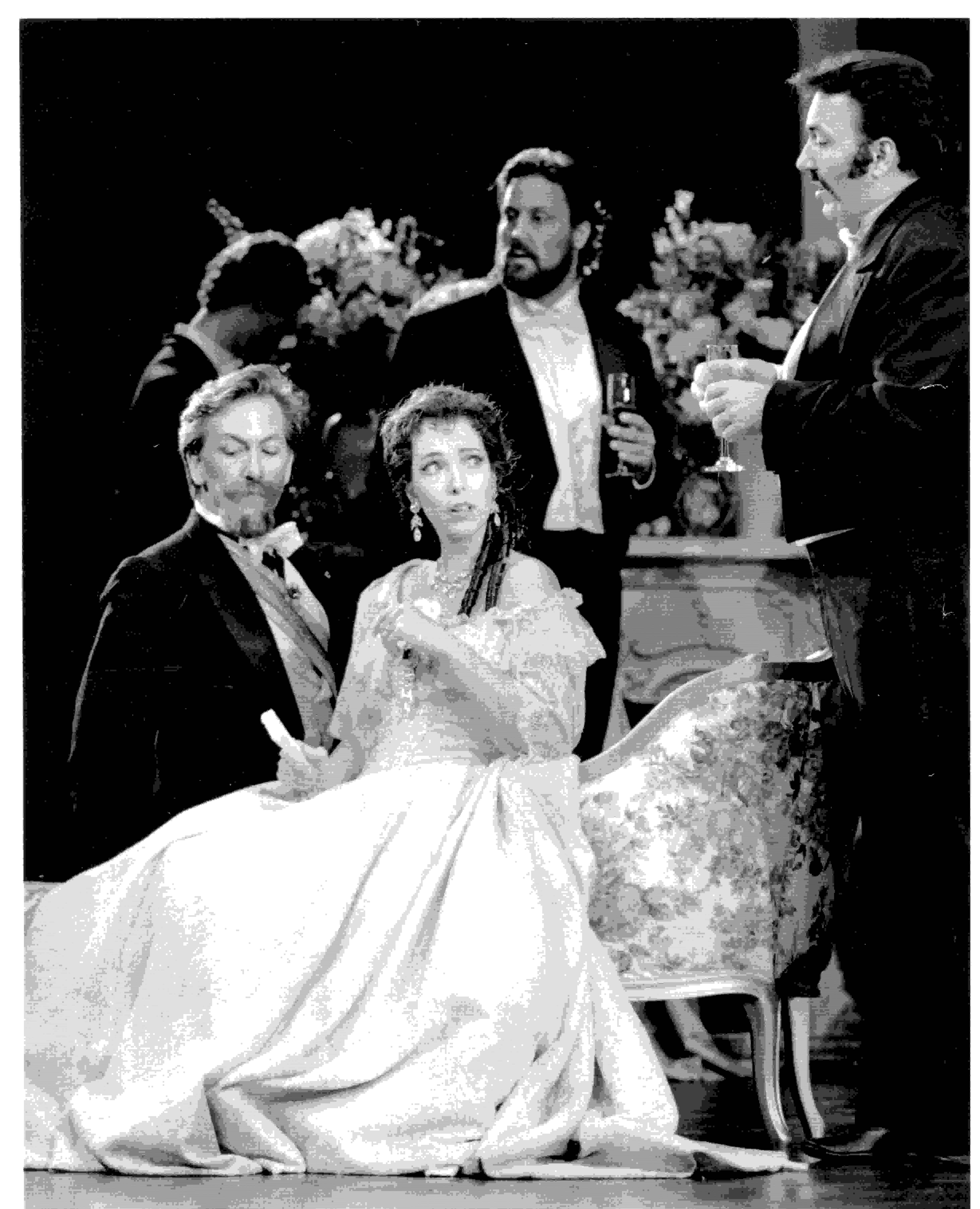
Conductor: Cal Stewart Kellogg, June, 1996, Princeton, New Jersey: Jennifer Casey Cabot as Violetta
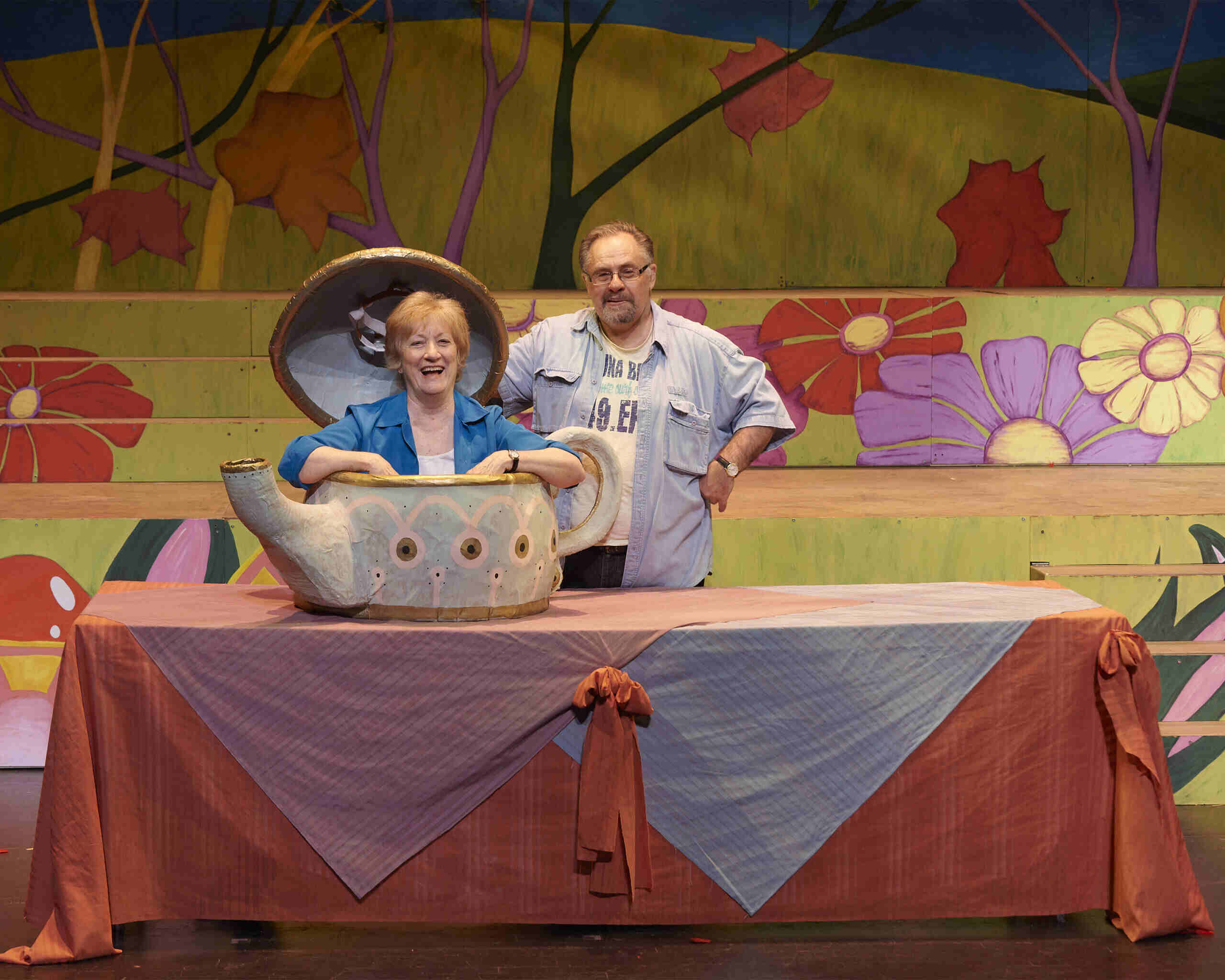
I have great affection for the six children’s operas I wrote and directed; three for the Canadian Children’s Opera Company and three which were joint commissions between the Washington Opera and the Opera Theatre of St. Louis.
BB: Of the many students passing through your shows, who stands out in your memory?
Michael Patrick Albano: There are too many to list, and I want to avoid the trap of mentioning some and not others. Suffice to say it is always gratifying to see former students find their way into the professional world and I enjoy staying in touch with many of them. Seeing graduates at the Metropolitan Opera was a particular thrill; John Fanning in Les Contes d’Hoffmann and Adrianne Pieczonka in Fidelio come to mind.
BB: Do you have any ideas about reforming / modernizing classical music culture to better align with modern audiences?
Michael Patrick Albano: The tastes and expectations of audiences are constantly evolving and we ignore those changes at our peril. For example, contemporary audiences are intolerant of the running times of many 18th and 19th century operas, one of the reasons for judicious cuts. A favourite recording of mine is the Callas/Serafin Lucia di Lammermoor collaboration. Madame Callas and Maestro Serafin were hardly raging radicals, indeed their musical tastes were quite conservative but they understood opera as theatre and the cuts in that recording (which are reflective of the live performances they gave) might shock some purists but a performance of a great opera like Lucia should feel like an exciting roller coaster ride, not like being pulled through a car wash.The purists will argue that edits violate the esprit of the composer but when an auditorium is a third empty before the third act, the creator’s intention has already been compromised. I am also in favour of editing and rewriting bad dialogue.
BB: A composer once told me that one discovers one’s own authentic voice by imitating the things you like, trying out different procedures and sounds, until finally you discover something you like. BUT our culture has had a fetish for newness & originality. How do you reconcile imitation and originality?
Michael Patrick Albano: For many years I was a dramaturg with Tapestry’s annual composer/librettist workshop. The brilliant Ann-Marie MacDonald came to speak to us and I was particularly impressed with advice she gave. She cautioned against becoming obsessed with originality. Just write, she encouraged. If you have a voice, it will be heard.
In the operatic composition course I teach, I tell our student composers that they should use the opportunity to discover their authentic voice and stop writing to please their teachers and colleagues and what they imagine to be the expectation of audiences.
BB: Do you believe Toronto companies could work harder to hire Canadian artists instead of importing singers from USA or Europe?
Michael Patrick Albano: This is a difficult tightrope to walk. When a company craves international status it makes sense to look at the wider spectrum of artists – singers, directors, conductors. However these artists should have something extraordinary to recommend them, not just foreign citizenship. I do feel the opportunities for Canadian artists have significantly improved but it helps tremendously when the artistic director of a company does all the casting themselves, a time consuming but vital responsibility. If you subcontract casting to American and European agents, one shouldn’t be surprised if Canadians get the short end of the stick.
BB: Are opera programs doing enough to prepare students for the business?
Michael Patrick Albano: Although I have been involved with the opera training programs at the Manhattan School of Music and Yale University, I can only speak with authority about U of T Opera with which I have had a long association. I think they doing a tremendous job taking operatic training into the future under the leadership of Sandra Horst, the current head of U of T Opera.
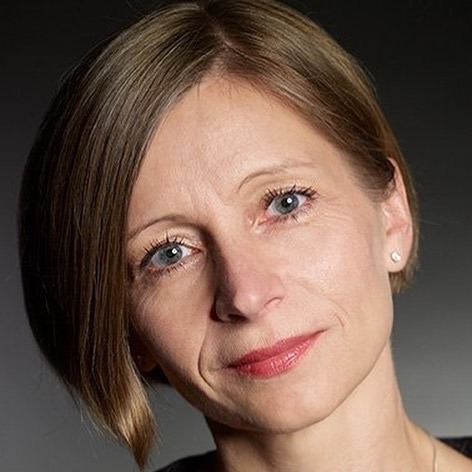
Sandra maintains communication with other schools and professional companies so that the school is preparing the kind of performer that companies want to engage. For example, facility with contemporary music and spoken text are skills which were rare back in the day but vital in today’s environment. Because they were born into the digital age, young singers now have technical skills to network and to manufacture their own digital resumes and audition videos. They are taught to be far more proactive in the promotion of their own careers.
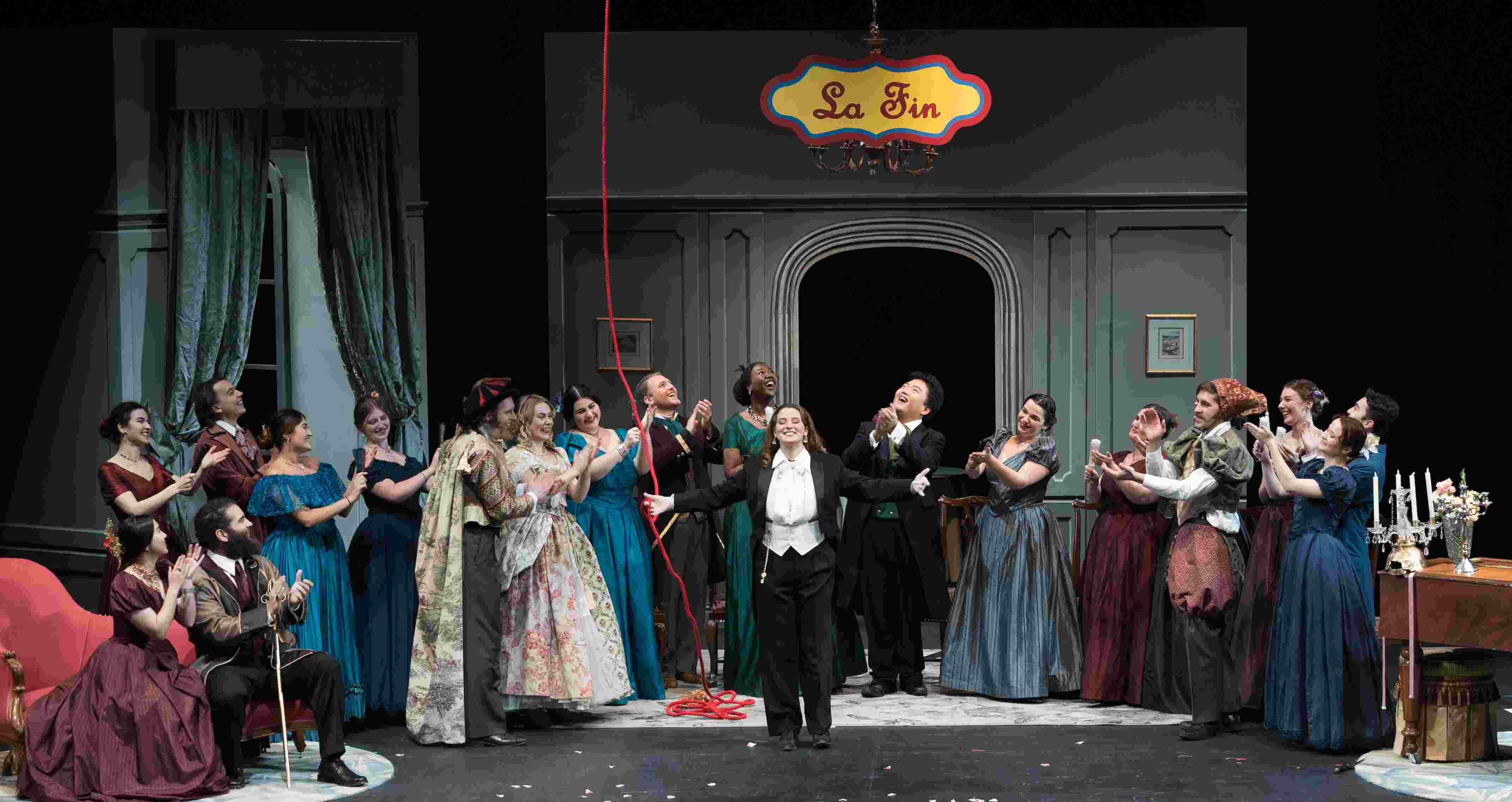
The future of opera must include new opera and in this, U of T Opera is taking the lead. In 1997, the school inaugurated a workshop at the Faculty of Music to give student composers experience writing opera, following a process of composition, dramaturgy, orchestration and staged public performance. The concept proved so successful that the workshop was ultimately introduced as a formal course in composition at the Master of Music level.
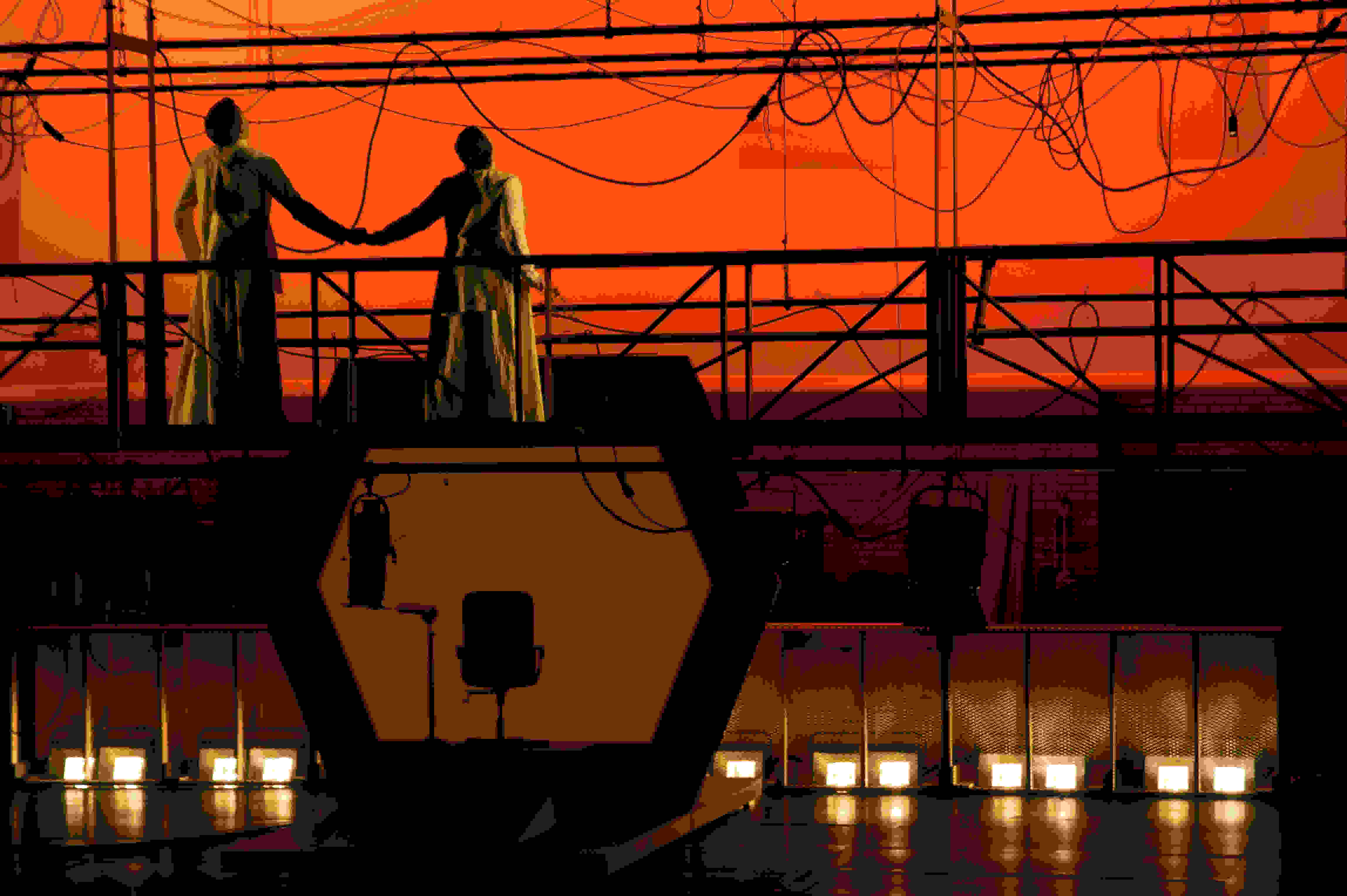
Conductor: Sandra Horst, January, 2016, MacMillan Theatre: Max van Wyck as Kuno, Victoria Marshall as Vashti
Over the years, we have annually presented a student-composed and student-performed operatic offering, varying in approach from the absurdist, Rob Ford, the Opera to the science fiction dystopia, The Machine Stops. In 2027, the opera composition program will celebrate its thirty year anniversary in the newly-opened, refurbished MacMillan Theatre.
BB: Speaking of the MacMillan Theatre, can you shed some light on the long closure of the theatre ostensibly for repairs?
Michael Patrick Albano: I am delighted that the MacMillan Theatre will reopen in 2027 but having said that, I feel the University dropped the ball in prolonging what should have been a much more efficient process. Certainly some safety issues needed to be addressed but these concerns were mixed in with updates and aesthetic improvements. Before any real expertise could be sought, an opinion was expressed by an ill-informed individual that the theatre was “unsafe”. This amateur opinion metastasized into fact or as Mark Twain once said, “A lie gets halfway around the world before the truth gets its pants on”. The theatre was shut when it could have been upgraded over the summer months, thus depriving tuition-paying students the opportunity of using the facility.
BB: Do you have any teachers or influences you would want to mention?
Michael Patrick Albano: One cannot learn stage direction from a book. Ideally one should have the opportunity to work with a director from whom you can learn something and the chance to direct early on, even if it involves making mistakes which is how one learns. John Copley, Colin Graham and Leon Major have all made strong impressions on me but I feel I learned the most from Dr. Herman Geiger-Torel (one of the fathers of the COC) and Constance Fisher, the faculty’s first resident stage director.
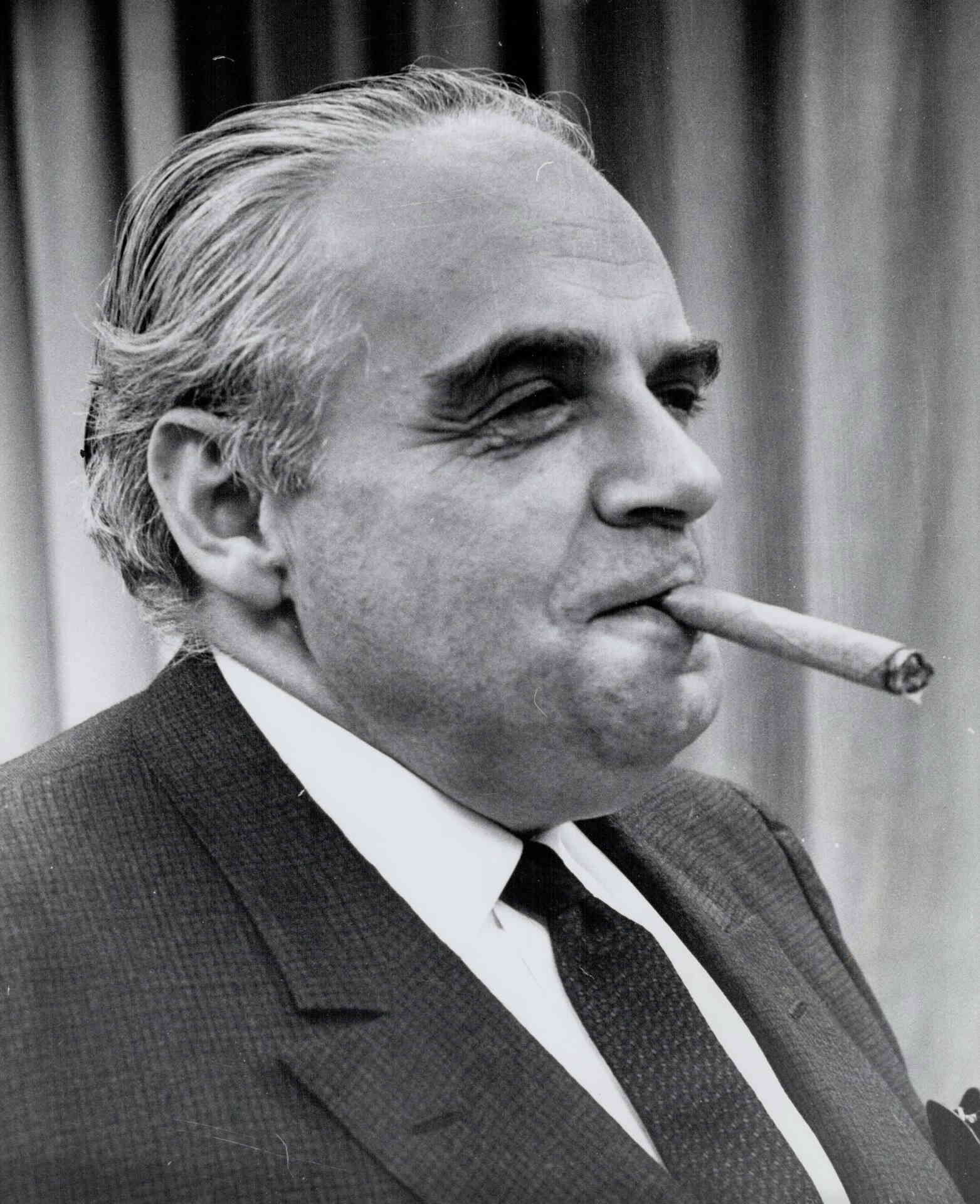
Generous mentorship is invaluable and to this day, when faced with a directing challenge, I find myself asking “How would Connie have solved this?”
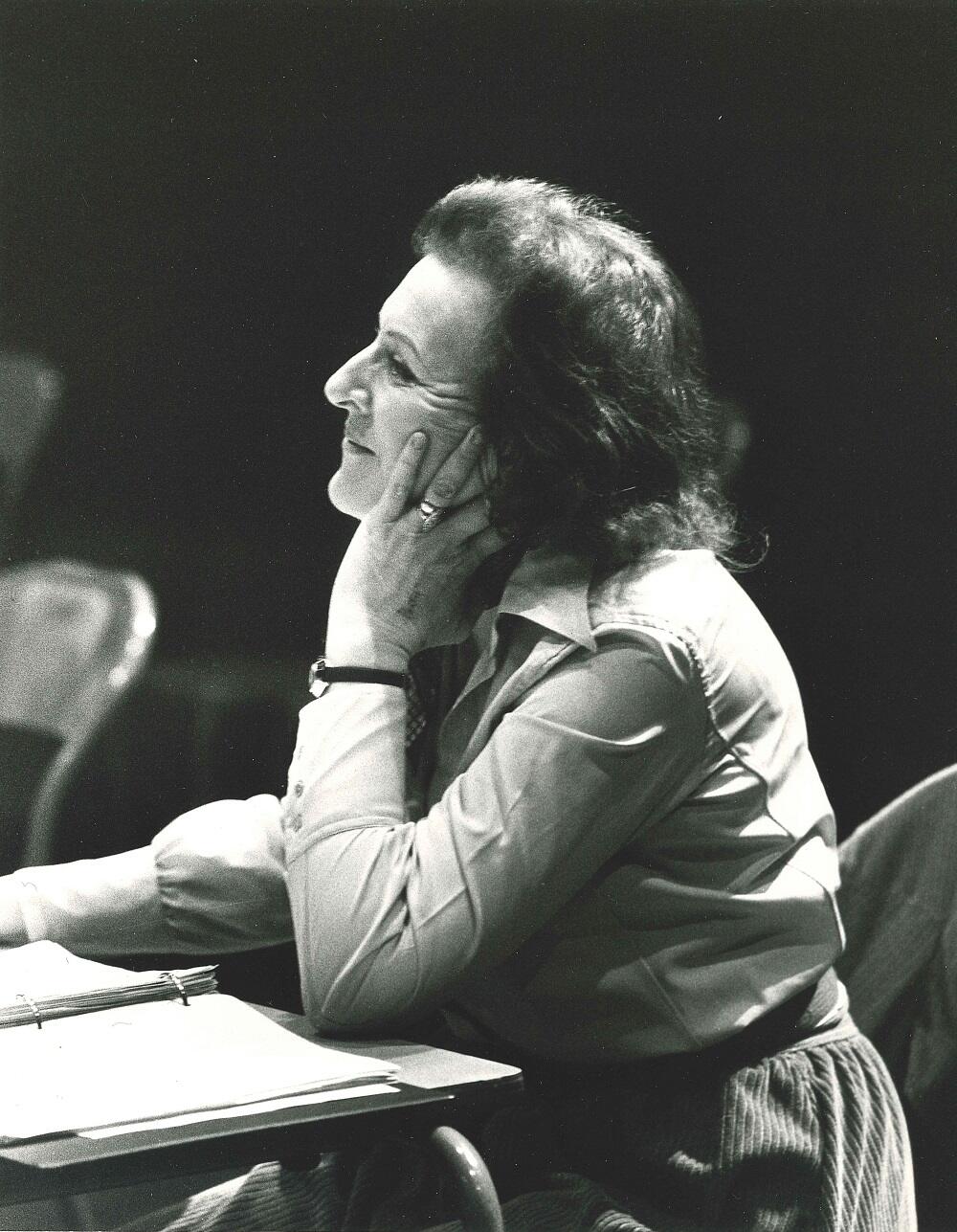
BB: Do you have any upcoming projects / shows / workshops you might want to mention / promote? and how do you understand your role now in quote unquote “retirement” from U of T?
Michael Patrick Albano: Oh dear, where to start?? This November, U of T opera will premiere Fall River, the legend of Lizzie Borden, with music by Cecilia Livingston and a libretto by yours truly. I will also direct the production which is the school’s first commissioned work in twenty-five years. Right now I’m researching Canadian history in service of writing four short librettos for our 2026-27 student composer project. Also on my desk is Hamlet, the would be King of Denmark, my own much shorter and reimagined version of the Thomas opera with some of Shakespeare’s dialogue reintroduced in place of musical numbers. Figaro in Eighty-Seven Minutes is a zany project of mine designed to give young conservatory singers a chance to perform a compressed version of Mozart’s masterpiece. Also I have just begun a new libretto for a children’s opera so, when all is said and done, the candid answer to your question about retirement is “What retirement?”


Thank you for this wonderful portrait of an amazing artist. I like to think that Michael and I started around the same time at U of T, although it wasn’t long before he outpaced me (about a week and a half I’d say). I was so glad you mentioned the Paisiello Barber of Seville, which was one of Michael’s early translation and direction projects at Opera School. I still recall standing on a staircase as Basilio, singing Paisiello’s equivalent of La Calunnia and feeling like a million bucks (much more in today’s money). It was always a pleasure to work with him and an honour to know him.
LikeLike
Many thanks for the kind words. The thing is, I feel I’m discovering Michael belatedly. I should have interviewed him sooner. I call him “multidimensional” as I struggled to find a way to introduce him that didn’t get in the way with verbosity. The pictures are mute testimony, to so many projects, so many collaborators. Opera & live theatre are so poignant in the immanence (same root word as “Immanuel” please note) of the beauty in the moment with us. It’s thrilling to be able to testify to creativity, to witness and report what we saw. I’m honoured to be able to help. Theatre history is about what we saw and heard, what we remember, and hopefully what we learn. Michael has been right in the thick of it, and continues.
LikeLike