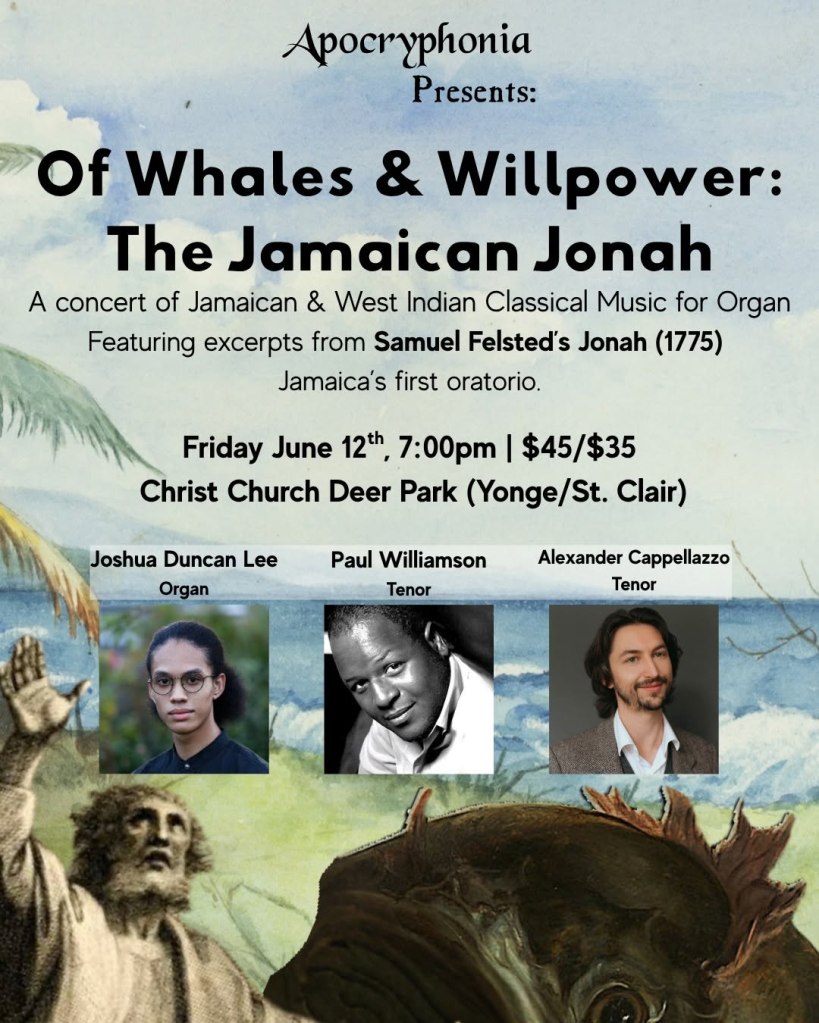
As a follower of Apocryphonia, I heard about the concert presenting excerpts from Samuel Felsted’s Jonah, coming this Friday June 12th at 7:30 pm, at Christ Church, Deer Park.
The work is significant not just as the first oratorio composed in Jamaica, but in fact the first oratorio written in the Americas, composed in 1773-74.
I wanted to find out more about this concert of Jamaican and West Indian classical music for organ. That’s why I sought to interview Joshua Duncan Lee, the talented young organist & scholar playing a key role in the project.
I found a remarkable performance from Joshua on YouTube that blew me away, both as a showcase of skill and a composition that deserves to be heard more often.
I was pleased to interview them about the upcoming event and their development as an artist.
*******
Barczablog: Are you more like your father or mother?
Joshua Duncan Lee: In terms of influence, both of my parents had a hand in how I was raised and in the direction of my schooling. When I was very young, I used to get startled around noise, and I would avoid loud situations. My mother figured out that having me create “noise” would help me become more adjusted to sounds, so she put me in piano classes. To everyone’s surprise, I loved it, and I wasn’t awful. After that, my parents allowed me to study various instruments, even though music lessons can be quite expensive. At one point, I even asked to do viola at a summer camp, despite not having played it before. Somehow, I didn’t fall flat on my face, and I still love the instrument, even though I am out of practice now.
Neither of my parents play instruments, but there is a history of playing music on both sides of my family. My paternal grandfather loved playing violin, and my maternal grandmother was an organist.
My grandma, Joyce Duncan, was the organist at St. Richard’s of Chichester in Kingston, Jamaica, but she stopped playing regularly after she moved to Canada. Our shared love of music made us quite close, and we would watch organ concerts while being on the phone together. I only started organ lessons after she passed away, but I think she would be very happy with my career choice. I will never forget that when she was in palliative care, she made sure that I went to visit her when a music therapist was scheduled to be there. When he came to play the clavichord at her bedside, she asked him if he would teach me organ. He answered, ‘maybe, when [I’m] older’. Here we are, 10 years later, and that same music therapist, Kevin Komisaruk is my organ teacher at the University of Toronto and I couldn’t be happier.
In terms of appearance, I look just like my mother; but when I was younger, I resembled my father more. It was in my teens that I really started to look like my mom, and even the thickness and texture of my hair changed.
BB: What is the best or worst thing about what you do?
Joshua Duncan Lee: Possibly the worst part of what I do is waking up at 4:30am to make sure I get to the early service on time. This is especially difficult if I had to play or sing at a concert the night before. The best part is being an integral part of the community.
BB: Who do you like to listen to or watch?
Joshua Duncan Lee: When I am not listening to music, I enjoy watching YouTube videos about trains, public transit, and urban planning. If it weren’t for circumstances working out just right, I might have gone into working in public transit.
At the start of the pandemic, things were rough financially, and Dr. Patricia Wright contacted me about applying for the Wayne C. Vance Organ Scholarship position at the Metropolitan United Church. At that time, I had just stopped taking music lessons because of the cost. Receiving the scholarship was like a message from heaven that I was to continue with my organ classes. I would have had a very different life if it weren’t for this one opportunity at that particular moment.
BB: What ability or skill do you wish you had, that you don’t have?
Joshua Duncan Lee: I’d still like to be able to drive a train or a streetcar. Maybe I’ll still get to do this at some point by volunteering at a railway museum.
BB: When you’re just relaxing and not working, what is your favourite thing to do?
Joshua Duncan Lee: I love going to museums. I have a membership to the Royal Ontario Museum which is next door to the main music building at U of T. I go over there to de-stress. Even though I enjoy going to the museum, I have a love-hate relationship with the way that objects are collected and curated. I love it when there is community involvement and participation when it comes to the exhibits, but I hate it when the items are “extracted” from communities against their will. I also go to the City of Toronto Museums a lot, with my favourites being Mackenzie House and the Scarborough Historical Museum.
BB: What was the first music/song you remember?
Joshua Duncan Lee: The earliest music I can recall is when I was about 5 and playing Jingle Bells with grandma at her house. I had a whole book of Christmas duets, and we were working through the book, I don’t remember what other songs we played, but this is the one I remember. We also have a video from that day:
My Mom made sure to take short videos even though it wasn’t perfect. I’m so grateful that she did, because it’s priceless now.
BB: Do you have a favourite piece of music you like to listen to?
Joshua Duncan Lee: I don’t actually have a singular favourite piece that I listen to regularly. If I have free time, I will more likely surround myself in the quiet, or do things that don’t involve music. I have been told that I listen to too much Stravinsky, Shostakovitch, and Schoenberg; but when my family are trying to find music we all agree on, we tend to land on Damian Marley, Protoje, and Koffee.
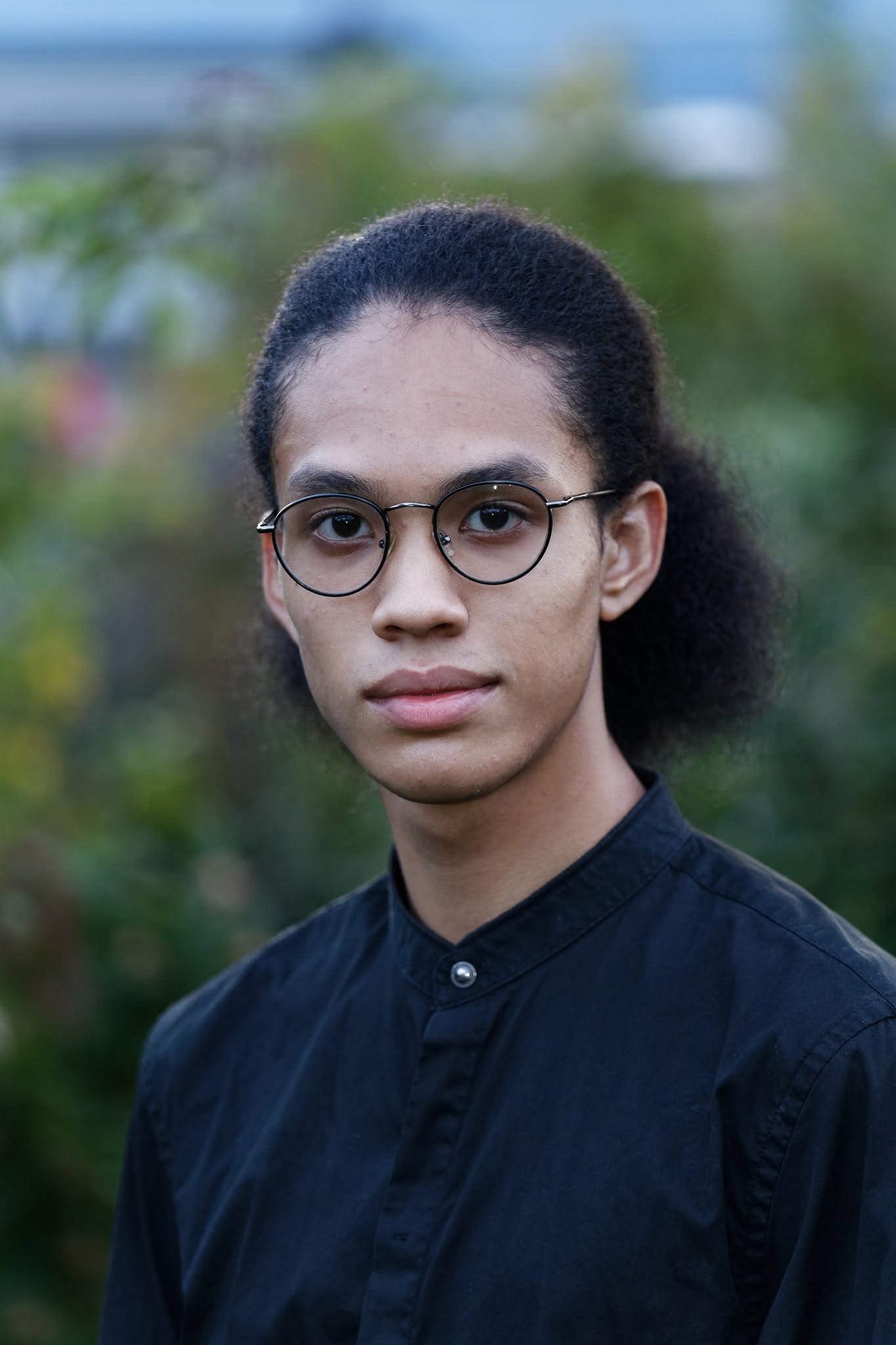
BB: what role(s) do you take on in the preparation & performances of the oratorio about Jonah?
Joshua Duncan Lee: I initially brought Samuel Felsted, and more specifically Jonah to Alexander Cappellazzo’s attention a few years ago when I was the organ scholar at Met. He was and still is one of the Tenor leads in the choir there. He was enthusiastic about it, and wanted to help me with performing this oratorio here in Toronto. He’s had more experience in producing concerts, including the Apocryphonia concert series.
Initially, we wanted to have a version of Jonah with organ and string quartet, but because of funding limitations, we decided to focus on the organ instead. We have included other Jamaican organ solo works to highlight the diversity of Jamaican Classical music.
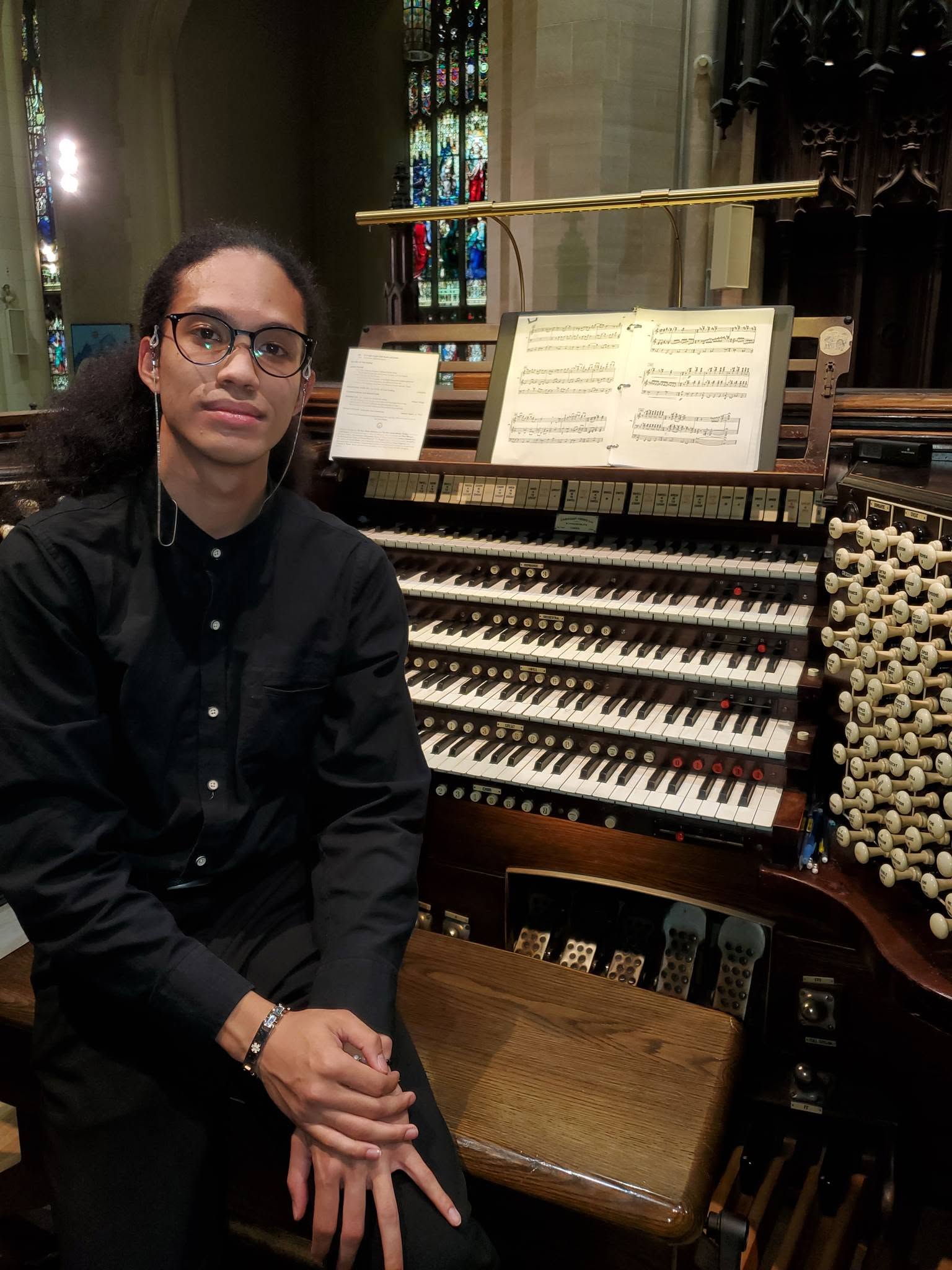
I helped organise this; selected most of the pieces; and I will also be playing the organ throughout the concert.
Behind the scenes Ted Runcie has also been helping us with organisation and trying to secure funding.
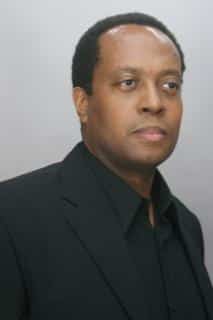
BB: Tell us about Samuel Felsted, who composed the oratorio Jonah.
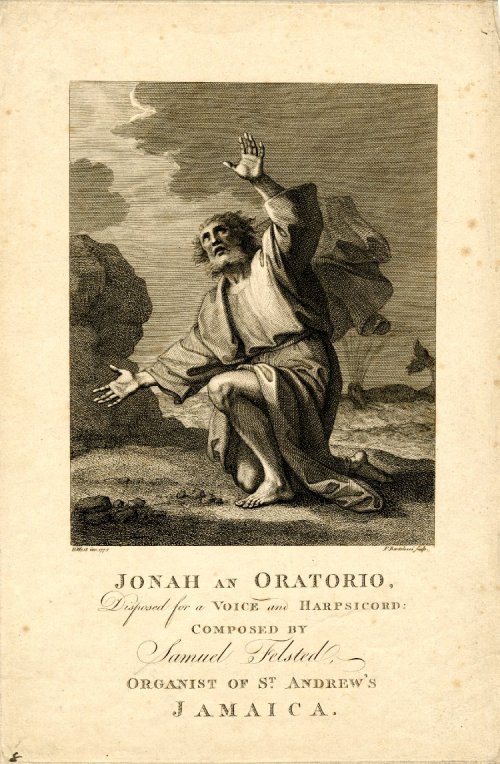
Joshua Duncan Lee: Samuel Felsted was born in Jamaica in 1743, and lived in Kingston throughout his life. Like many white people in Jamiaca at the time, he was a slave owner. Unfortunately many Western musicians either owned or benefitted from the exploitation of enslaved people throughout the Caribbean.
What is significant about Felsted’s Jonah is that it is the oldest known surviving oratorio written in the western hemisphere. It also gives us some evidence of what the classical music scene in this part of the world was like at the time, and the connections that existed between the Caribbean, America and the U.K. Jonah was written in Jamaica, published in England, and performed in the U.S. several times; it is quite likely it was also performed in Jamaica, but we do not have any newspaper articles that discuss them.
BB: As you prepare for the concert with Apocryphonia, how does this fit into the larger picture for you, of your goals and what you’re aiming to achieve.
Joshua Duncan Lee: I love music, and I love to perform beautiful music. This concert highlights classical music from Jamaica and the Jamaican Diaspora. It’s not every day a concert like this is put on in Toronto, and I’m glad to be able to do this. I like to bring lesser-known pieces to the forefront when I perform, especially when I am able to influence which pieces are being played.
The classical music scene in Jamaica has some core people who have laid a foundation in getting others interested and involved. Music Unites Jamaica has been promoting Jamaican composers, and they’ve also been active in promoting performances of Felsted’s music.
I think this concert is a testimony to the dedication of one particular Jamaican music teacher by the name of John Binns. I first learned about Jonah when I went to Jamaica with the Cathedral Singers of Ontario. The organist who organized that series of performances there, Dwight McBean, was an organ student of Mr. Binns. Both my mom and Craig Bloomfield were also Mr. Binns’ students at Campion College as they sang together in the concert choir. In fact, my grandma actually started organ lessons with Mr. Binns when my mom was at Campion. I don’t think this concert would have come together without Mr. Binns laying that foundation in Jamaica.
BB: Who is part of the team we will hear performing at the concert?
Joshua Duncan Lee: I met Paul Williamson when I was the Junior Organ Scholar at Timothy Eaton Memorial Church and he was a Tenor lead there. He is Jamaican, and he has performed Jonah before in Jamaica. In this concert, Paul will sing “Out of the Deep”, “Billows Foam Around my Head” and “Lord I Obey” from Felsted’s Jonah.
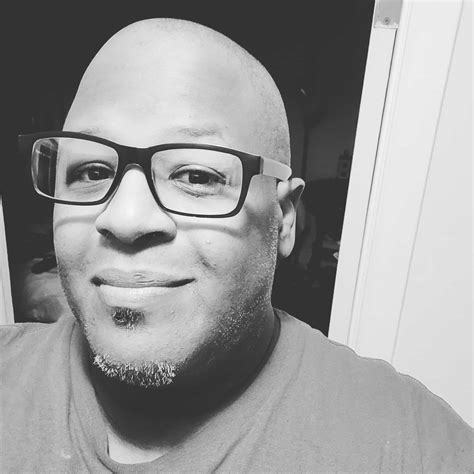
Alexander Cappellazzo will sing “Jonah Arise” from Jonah, and “Mon coeur soupire” from Joseph Bologne’s L’Amant anonyme, Bologne’s only surviving opera.
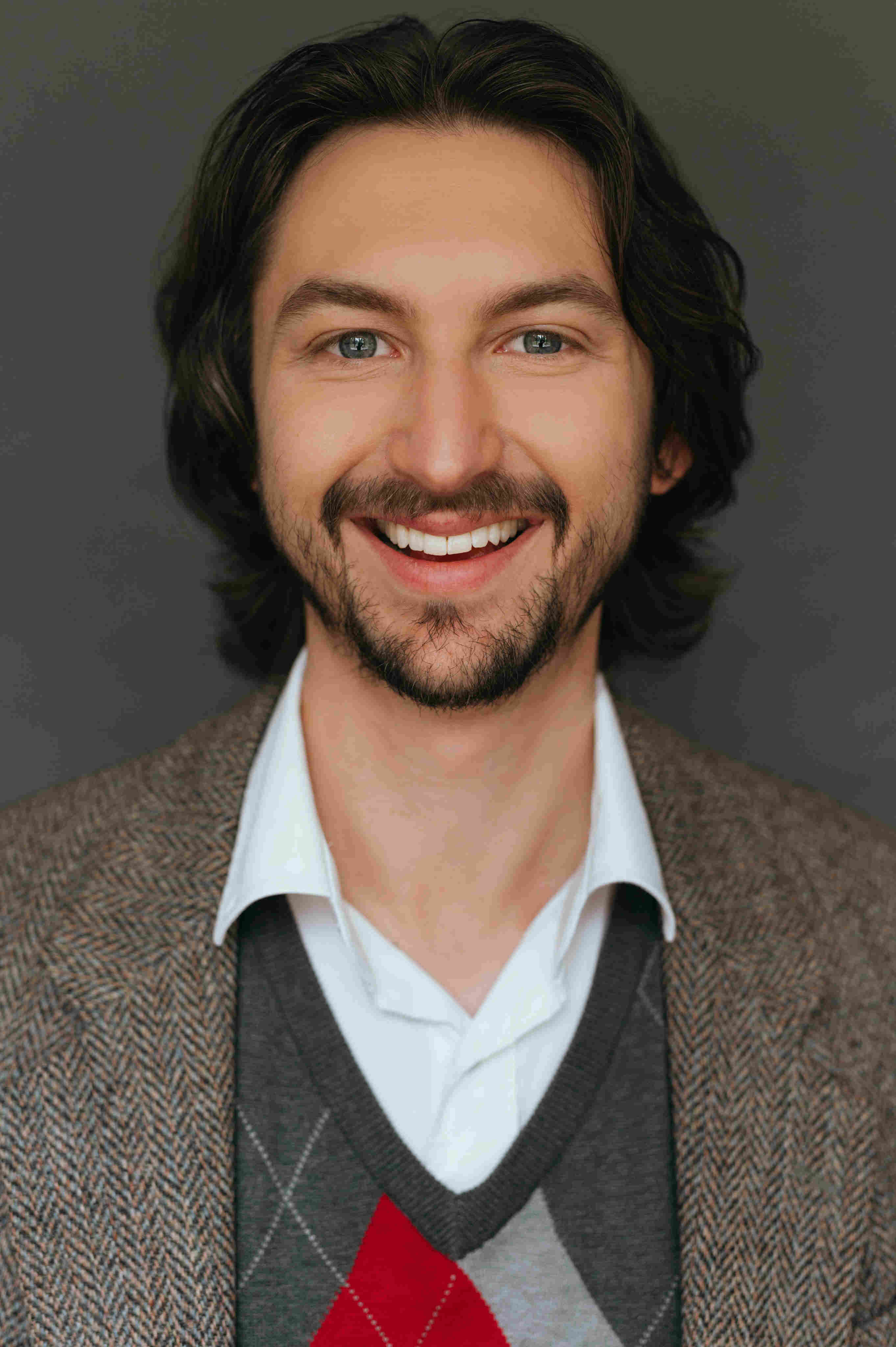
Joseph Bologne is the only non-Jamaican composer we will be performing, but he was born in Guadeloupe.
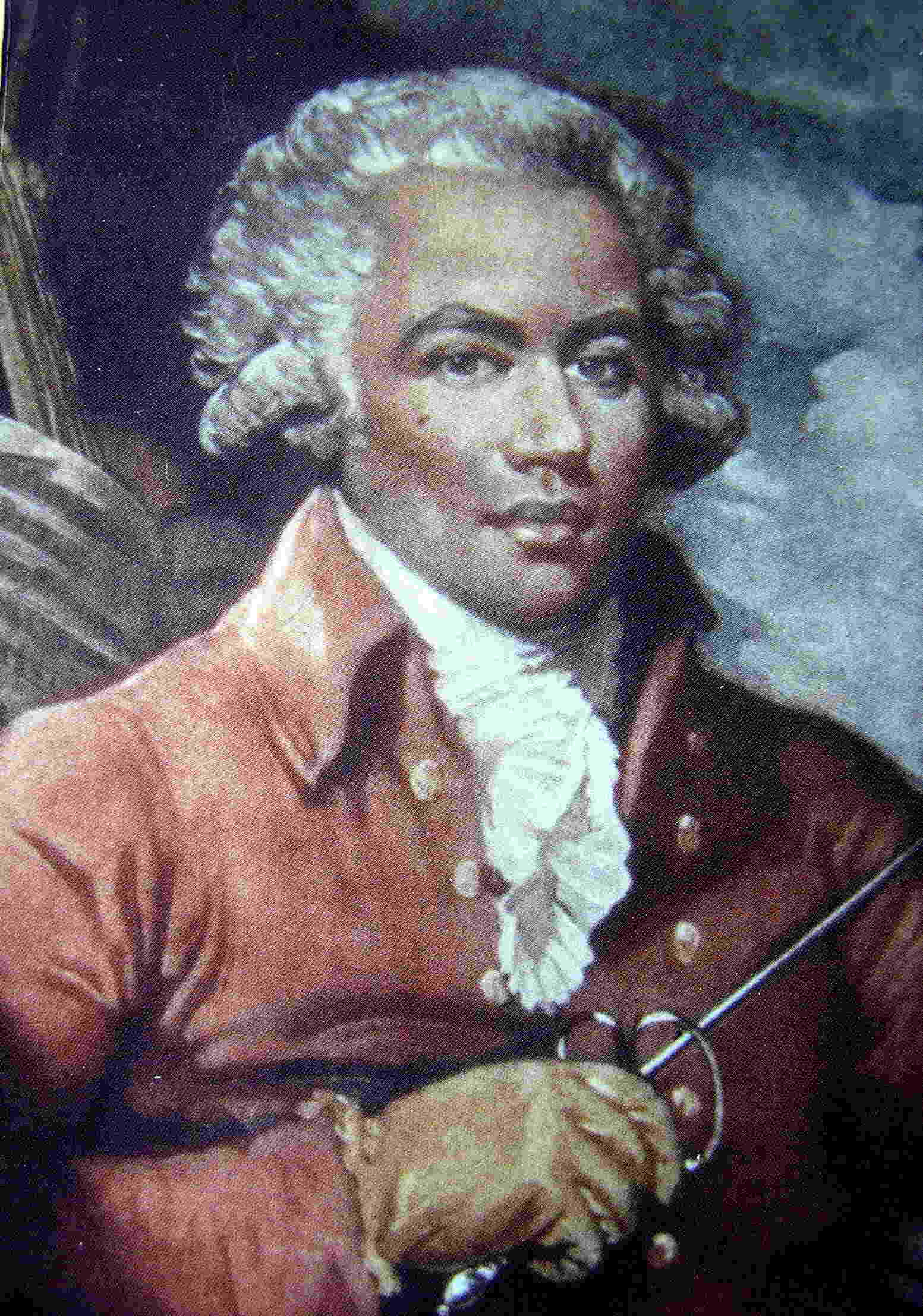
I will be accompanying both Paul and Alex in addition to playing solo organ music by Samuel Felsted, Craig Bloomfield, Noel Da Costa, Ted Runcie and Rashaan Allwood.
Apart from Felsted, they are all from the Jamaican diaspora, either based in the U.S. or Toronto.
BB: Are there any issues with assembling a score, as sometimes happens with music from the 18th century and before. Please describe the work you had to do, especially if you had to make creative choices / cuts, difficulties & challenges you faced with the text.
Joshua Duncan Lee: Felsted’s Jonah only survived in a 1775 edition which is an arrangement for harpsichord and solo voice. There is an historically informed orchestration by Manfredo Zimmerman as well as an urtext edition by Thurston Dox. As I will be the only instrumentalist in this concert, I have been using Dox’s 1997 edition, which is very close to the 1775 edition. Dox modernized the notation and added a realisation for the figured bass.
Even though the modern editions are very convenient to work with, I am also using a copy from the original that I got at the British Library.
There were a couple passages in the original score that were somewhat awkwardly written and Dox and Zimmerman preserved these passages in their editions, but Dox also provided suggestions on how to perform them.
BB: Do you have any prototypes or touchstones you listen to as you adjust the score of Jonah?
Joshua Duncan Lee: While there are recordings of Jonah, I have only listened to it in its entirety once, simply to get a vague idea of what the piece sounds like. I generally avoid frequently listening to recordings as I find that doing so might overly influence my interpretation.
BB: As you have moved from your youth to adulthood and your professional life, what did you learn that showed you the world of music was different than what you thought when you started?
Joshua Duncan Lee: I did not realise just how much administrative work was involved with being a musician. There are so many more emails than I expected.
BB: Is the organ misunderstood as an instrument?
Joshua Duncan Lee: I do think there is a tendency to view the organ as only a church instrument, or only played for horror movies. It is much more versatile than many people realise. The organ is also a very different instrument from the piano, and is its own discipline.
BB: Since the pandemic a great many artists are working virtually, both as teachers and as performers. Do you have a preference between live or recorded performance and when you record how do you make it seem live?
Joshua Duncan Lee: I find that I generally prefer live performance, as both performer and audience member.
Trying to make a recording sound like it was made live is quite difficult for me. While recording, I often overthink and do an excessive number of takes which takes away from the spontaneity. If I am being recorded, what seems to work best for me is being live-streamed, as that has the same type of pressure as a live performance.
As an audience member, I likewise find live performances significantly more engaging than recordings. I find it easier to be mentally present when I am also physically there. I think it is easier to pick up on certain nuances that may be missed in the recording process when you are in the room when the music is being played. Particularly with the organ, there is an interaction between the performer, the instrument, and the room that is a big part of our music making. You don’t get the same effect through a speaker.
BB: What’s coming up for you?
Joshua Duncan Lee: We would like to do a production of the full oratorio, ideally with a full orchestra.
I would also love to be able to put on a similar program in Jamaica, and also do pieces by other West Indian composers throughout the Caribbean.
BB: What influences / teachers were most influential on your development?
Joshua Duncan Lee: I have had many excellent teachers and supporters who have helped with my musical education. These include Marine Oganessian (piano); Amanda Lee (violin); Ian Gunther, Felix Deak, Andrés Tucci-Clarke, Rebecca Curtis Pomeroy, Deborah Pady, Larry Beckwith, Valerie Gordon, Sharon Burlacoff (orchestra); Ed Hayes, Marie Gelinas, Brainerd Blyden-Taylor (encouragement), Jamie Stager , Mark Sallmen (theory), Ian Sadler, Stephen Boda, Dr. Patricia Wright, Dr. Jonathan Oldengarm, Kevin Komisaruk, Aaron James (organ); Robert Busiakiewicz, Elaine Choi, Thomas Bell, Jamie Hillman (choir) Dr. William Wright (keyboard harmony), and Thomas Fitches (music reporting). This is not even an exhaustive list, but all of these people have helped to shape me into the musician I am today, and will continue to influence me in the future.
Quite possibly the person who has influenced my musical career the most is Wayne C. Vance, even though I have never knowingly met him in person. If it weren’t for him, I certainly would not be in organ today. It’s because I had the organ scholarships that I was able to afford to go to Academic Bridging at University of Toronto, and get the academic requirements to enter the Faculty of Music at University of Toronto.
*******
Apocryphonia presents “Of Whales & Willpower: The Jamaican Jonah, Friday June 12th at Christ Church Deer Park.