In an interview I aim for rapport, to get the subject to trust me, to be open in their answers: language I learned decades ago when I trained to be a psychotherapist, a profession that in the end was beyond me.
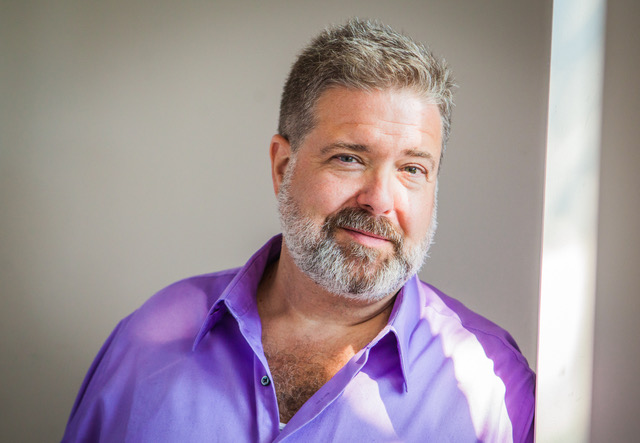
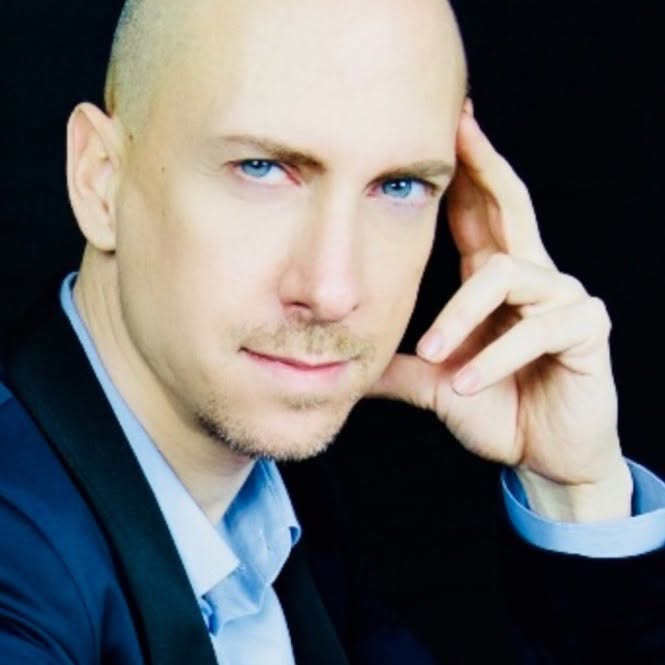
I’m reminded of such thoughts interviewing Bruce Dow, an actor, playwright and composer who is himself a psychotherapist.
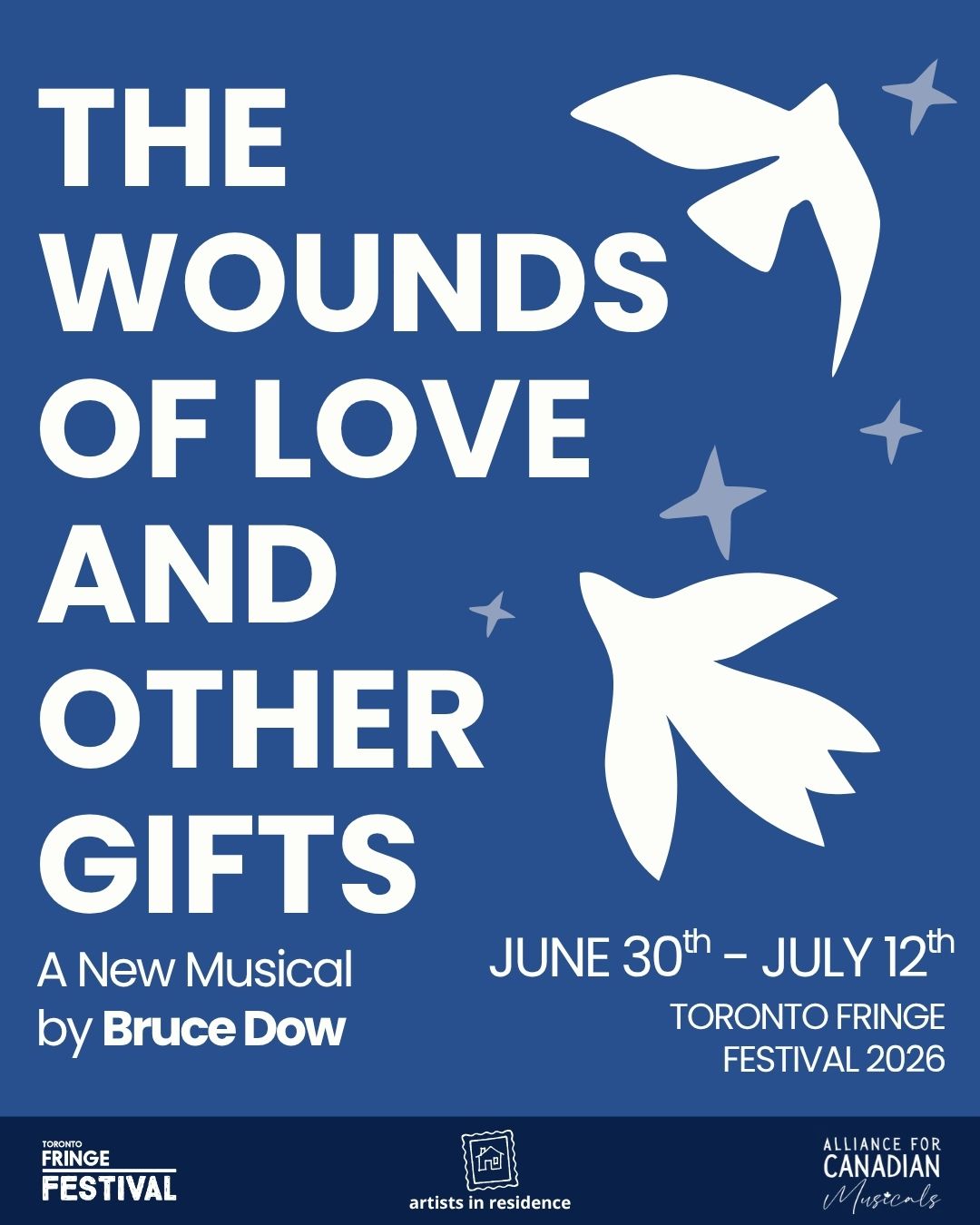
I’ve been fascinated all my life by the resemblance and overlap between different roles such as theatre director, confessor or psychotherapist. What a pleasure to be able to interview someone like Bruce Dow, whose multifaceted career encompasses all of these multiple roles, his wisdom now distilled into his new musical The Wounds of Love and Other Gifts.
*****
Barczablog – Are you more like your father or your mother?
Bruce Dow: As I age, I find myself become more of a balanced mix of both my parents. My father, a man I admired and loved but did not like, was accomplished, educated, opinionated, and gregarious. My mother was kind, thoughtful, educated, bright and generous. Both had great senses of humour and could talk with anyone they met on the street.
At first I aligned more with my mother, as my father, a grandiose narcissist, could be cruel and belittling. Mom was gentle and caring, though not innately maternal. I’ve always had dad’s gregariousness coupled with my mother’s introversion.
Which is why, as an actor, I largely diminished my experience. I became known for not participating socially, going to opening nights – I’d show up, then ghost, and completely avoiding closing nights. Where my father loved to regale the world with his accomplishments, when other actors talked about the old days and shows past, I found I actually couldn’t remember the details.
Now, as I move into my new career as a registered psychotherapist, registered counselling therapist, and certified psychospiritual therapist, I am finding a new appreciation for the things I accomplished in my other career. I can hold space for my accomplishments in a way that is not like my dad’s braggadocious bombast, but rather a quieter more personal pride.
I am actually remembering more of my career than ever before and in a new way.
BB: – What is the best or worst thing about what you do?
Bruce Dow: The best thing about being a registered psychotherapist is private clinical practice is the honour I feel for holding space for the experience of others. I have always seen the arts as an exploration of the human condition. Now, in my new world, I am actually able to do that, one-on-one.
The best thing about being an artist who is no longer dependent on the industry is that I can choose to work on those projects which for me hold the greatest meaning.
I work a lot in the realm of existential psychotherapy in which meaning is a core point of engagement. Balancing both worlds, I get to practice what I preach!
BB: – What ability or skill do you wish you had, that you don’t have?
Bruce Dow: I wish I had studied music at the university level. I studied piano for 12 years and music history and theory for 6 years, but much of my work as a composer is at a level which I can neither play nor express. I see the complexities in my scores and my ear understands them and knows what they are – but I cannot explain that to a musician, nor can I play what I write. I write at a level more advanced than my playing or explanatory skills can support.
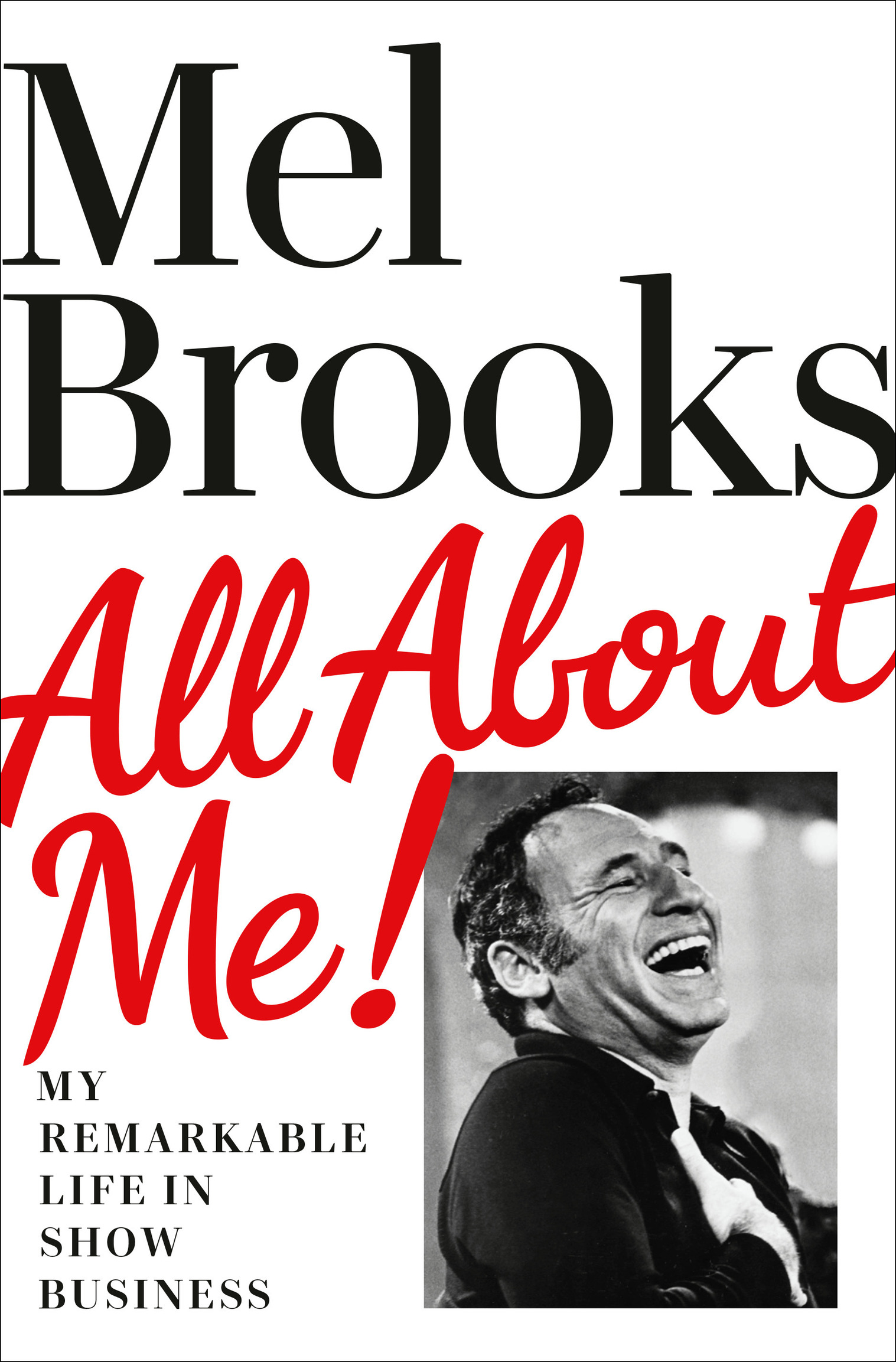
BB –BB –I appreciate your honesty. Did you know…? In his memoir All About Me, Mel Brooks explained how he wrote the music for The Producers (and other shows) evevn though he doesn’t read music. He would sing it into a recorder and a friend transcribed it. In other words you’re in good company.
(next question) When you’re just relaxing and not working, what is your favourite thing to do?
Bruce Dow: This is something I am beginning to learn to explore. Very often, those of us in the arts, do things in the arts in our off-time. For me, I was an actor, a singing actor, who would write music in my off-time. I was just doing theatre or music theatre 24/7. Now, I am exploring hiking, walking, reading more – non-arts related stuff! – and crafts like pastels, knitting, and needlework. I love to cook, but haven’t had a decent kitchen for a while.
BB: Is therapy an artform?
Bruce Dow: There is definitely an art to being a good therapist. There is something akin to being “in the flow” that we experience in the arts that shows up in a therapist’s skill for active and deep listening, for reflecting, and exploring the client’s experience.
I’ve watched a lot of my fellow student therapists, and so many get caught by “which modality am I drawn to” and “how do I practice that modality most purely with my clients” – which often takes them out of the immediate experience of offering presence of self.
My degree from Knox College, University of Toronto, is in intercultural psychotherapy and multi-faith psychospiritual therapy. Knox teaches an integrative model and approach.
This means that we meet a client with a tool box – rather than a specific tool. We learn to reach for a tool based on the client’s experience, not our expertise.
The act of therapy and the nature of the therapeutic relationship is often misunderstood. You don’t tell me your problems and I fix them. Rather, I reflect what you are telling me and I invite you to look at your experience differently so you can do things differently for yourself. I hold space for your experience of joy, loss, grief, fear of death; I honour it, invite you to honour it, and invite us both to look at it from new perspectives.
As an actor listens, so I listen. As an artist feels the energy in the space, so I feel the energy in the space.
As a musician follows the tempo of the piece, I follow the mood and tempo of the client.
Certainly, for me, there has been a cross pollination of practice between the arts and the art of being a therapist.
BB: Dogs or cats?
Bruce Dow: Both. Pure hearts.
BB: Freud or Jung?
Bruce Dow: More Jung. Though we’d have nothing without Freud.
BB: Sondheim or Andrew Lloyd Webber?
Bruce Dow: Sondheim.
BB – What’s your favourite play, both as an artist/ participant and as a member of the audience?
Bruce Dow: My favourite play… this keeps shifting… but I’ve got to come back to Oedipus Rex. It is so perfectly structured. It is so inevitable. Everything in it just has to happen. It’s like a finely made watch.
BB – How do you reconcile wearing multiple hats, creating art & as a psychotherapist ?
Bruce Dow: Wearing multiple hats is a brilliant way to describe my experience – and it’s very close to how I work with my clients who are in the arts and especially the performing arts: I am a person – who does many things. Being a person first means that I am always whole and always capable of doing. So, as you describe, me, the person, puts on the hat and does the things that hat does.
When we speak in language of being as artists, which we do far too often, I.E. “I am a playwright / actor / singer.”Then, when we are not doing the thing we define ourselves as, we are, by definition: nothing. If I am an actor and I am not acting I am not.
When I’m a person – I can do anything, including those “person” things like pay my bills and wash my socks.
I had to take off the “actor hat” to change my work to that of psychotherapy. I had to put on the “psychotherapist hat” – which I love to wear! Now, I am exploring trying on all sorts of hats I’ve encountered in my life.
Currently, I am wearing my “psychotherapist hat” – which is my preferred and most revered hat, and am trying on my “composer”, “director”, and “creator” hats.
BB: You’re both a theatre artist and a psychotherapist. What skills transfer from one career to the other?
Bruce Dow: I sort of mentioned it before, but so many of the skills of being an artist: tuning into energy; recognizing shifts in rhythm and tone and mood, and practicing being present and listening are key artist things that transfer to psychotherapy and vice versa.
Right now, the therapist is a bit hyper-aware of the innate toxicity in the arts… as beautiful as it is, we have built in some really harmful things.
Saying things like, “I’m only alive when I’m on stage / in the zone / doing my art”, can mean horrible things for the 97% of your life when you are not doing those things.
Also, there is a danger that in validating emotional experience, we begin to romanticize emotional dysregulation rather than learning to live with our emotions in healthier ways.
BB: Wow that sure resonates for me.
(next question) Who is part of the team we will hear performing The Wounds of Love and Other Gifts?
Bruce Dow: In The Wounds of Love and Other Gifts we have some remarkable performers. We have two vocal grads from Wilfred Laurier University, young, aspiring, gifted opera singers Kendra Dyck and Priya Khatri.
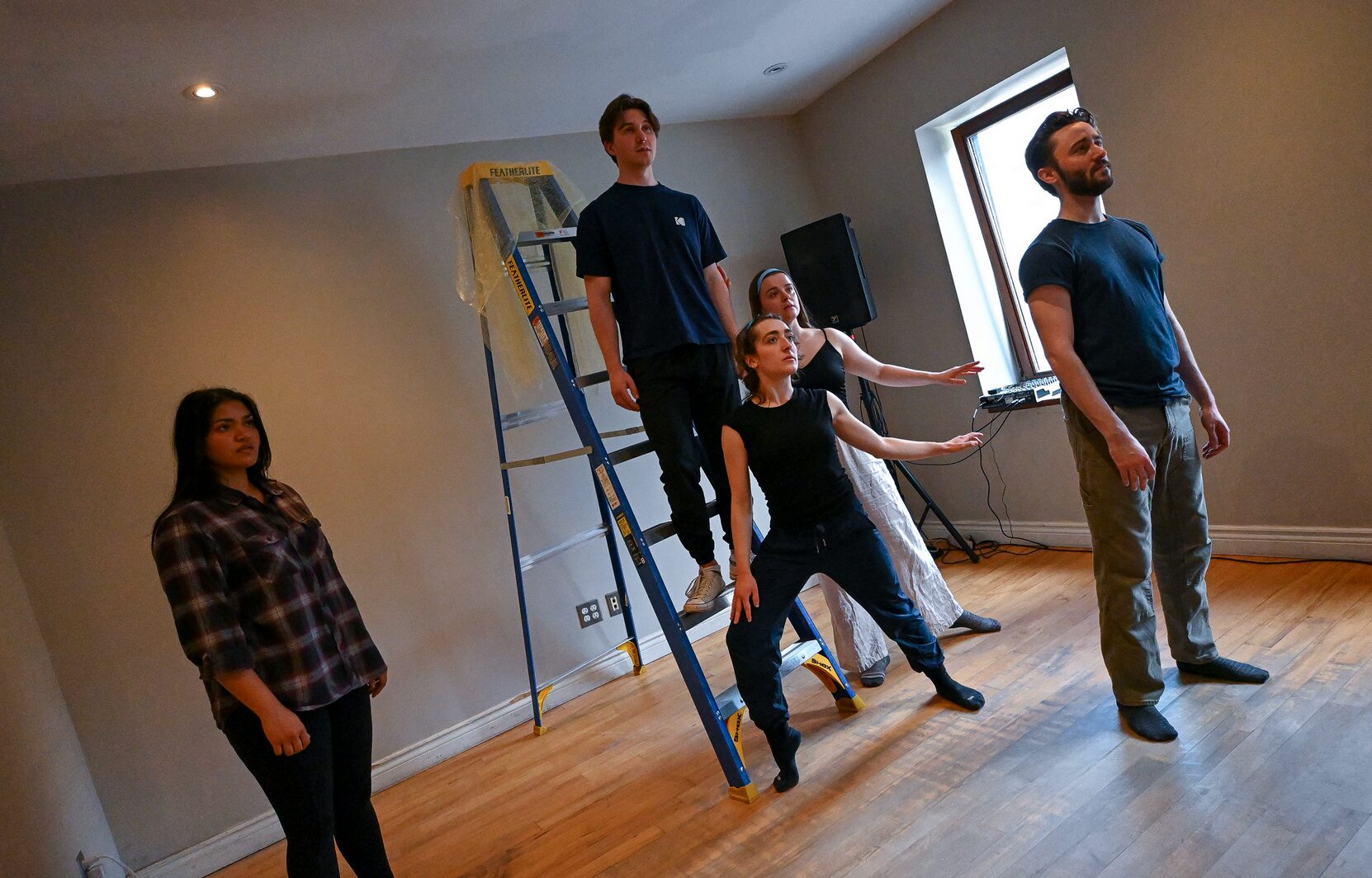
Our male performers come from more of the musical theatre world, Ronan Hayes is just completing his musical theatre studies at St. Laurence College – a great program, unfortunately shutting down due to the cuts to foreign students, and Braeden Soltys, another, like me, who wears multiple hats! Braeden just got his masters in urban planning. He also holds a degree from Sheridan College in music theatre performance.
And, we have a dancer. Working with Erinn Bekkers has been a revelation. Erinn is able to attack the piece’s four mini-ballets with improvisational skills, and dance skills from all styles.
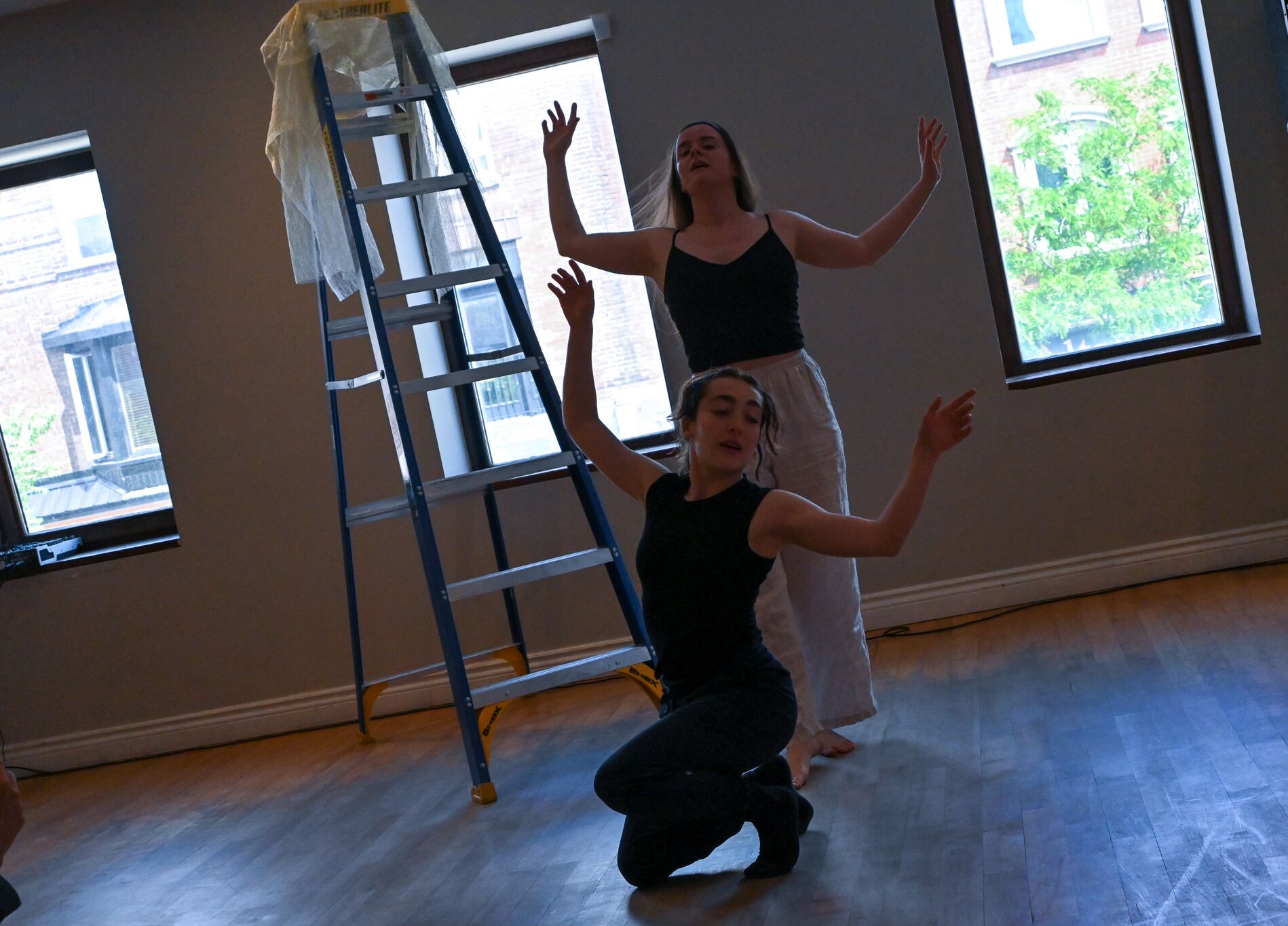
Kendra Dyck and Erinn Bekkers share the role of “The Swallow”. Kendra is the voice and Erinn is the body. Priya, though young, represents the mothers of our piece. Ronan is our prince. Braeden is our… let’s say, artists and authority figures.
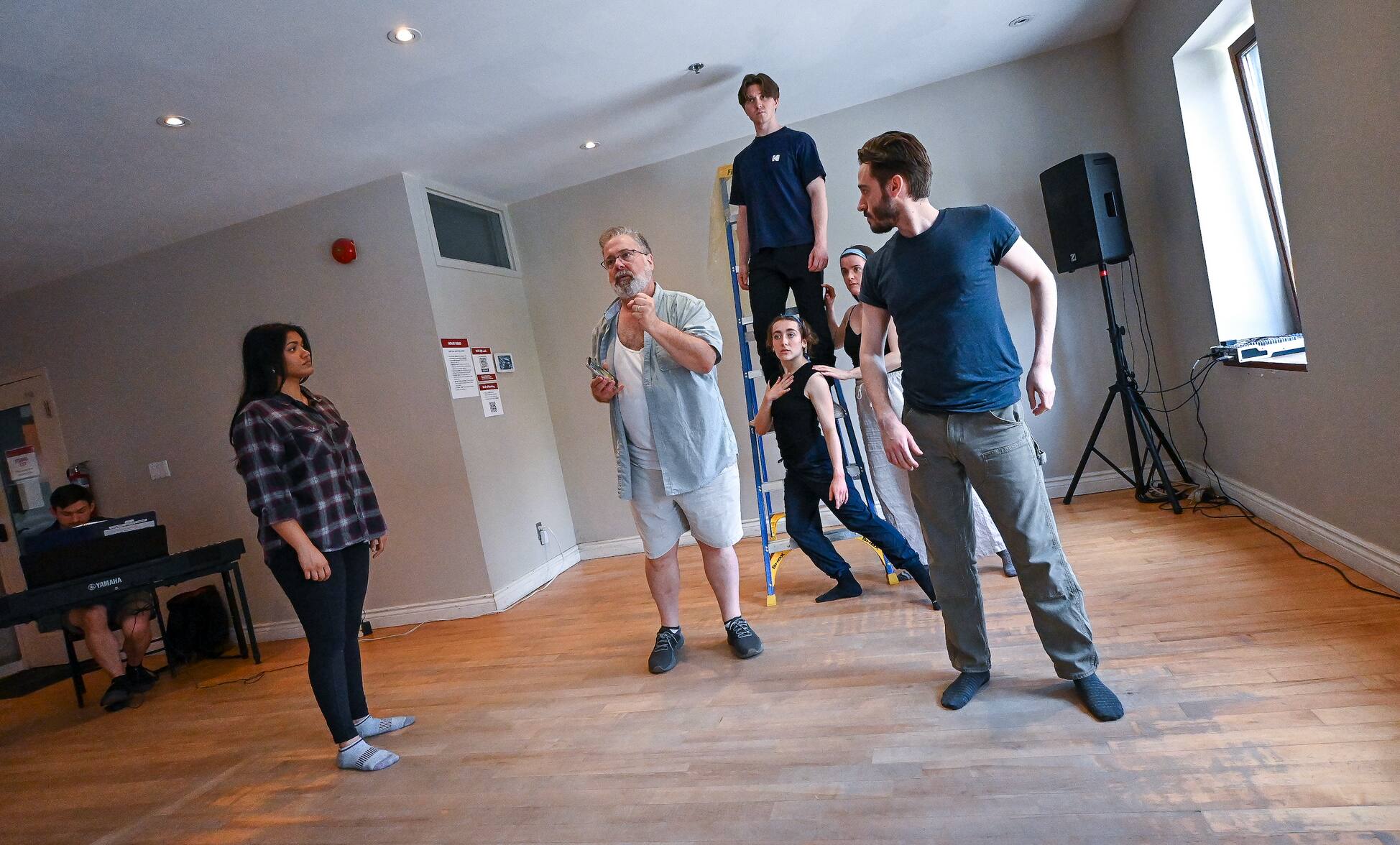
What’s been so exciting is, in getting to know them and work with them, I have been inspired to write new material for all of them!
BB: Talk about the way you combine words and music in Wounds of Love and Other Gifts, as far as prototypes we might recognize, influences & what we should expect to see & hear.
Bruce Dow: As a child, I was blessed in my crazy parents that they took me to see theatre, children’s theatre, musical theatre, classical theatre, opera, and ballet – and that they did not distinguish between them either in artistic value or in what they were – they are all forms of theatre and story telling.
I grew up with Menotti’s Amahl and the Night Visitors, L’enfant et les Sortilege, Madama Butterfly, My Fair Lady, and Swan Lake – all taking up the same space in my brain. Stravinsky, Barber, Bernstein, Sondheim, Adams, Verdi, Puccini, and Adam Guettel – too, all fill the same part of my brain.
I was a member of the Original Canadian cast of Les Miserables… bored out of my mind (another story!)… and I wanted to explore what my mind and heart were telling me about music and theatre that I was not getting from that experience.
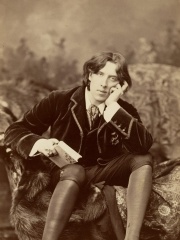
So I found the stories of Oscar Wilde and began to adapt them following my artistic instincts.
In returning to the work, I found it was not a work for children at all. It is not “story theatre” in the way we have come to know it. The Wounds of Love and Other Gifts is now informed by my experience as an existential psychotherapist. The piece asks musical questions and theatrical form questions and human questions… the core question being, “Am I old enough for fairy tales?”
BB: I am impressed to see the way you’re describing Wounds of Love & Other Gifts, “a musical inspired by Wilde’s The Happy Prince and Other Tales”; please talk about the way the piece begins with stories for children and how you go beyond that.
Bruce Dow: Oscar Wilde is most currently known as a great wit and as a queer artist. He was both. He was also a devout socialist and a devout Roman Catholic. Oscar was able to do what I often try to invite my clients to do – to hold more than one conflicting idea as true.
He wrote such beautiful stories for his sons. He was also a loving and doting father. In these stories he also spoke to the adult audience that would read this stories to their children.
Initially, I saw the children’s stories. Now, I see the incredible depth of what they ask of the adult reader. And that has become the focus of the piece.
What we are presenting, as a whole, is in fact only one half of the piece. The stories in The Wounds of Love and Other Gifts involve increasing personal and social awareness, asking of self what we are willing to do to live in our values – rather than just spout them, and the cost of acting on what meaning gives us purpose.
In loving the characters are wounded or killed. Love and hurt are explored, and then explored as gifts – not only through the giving of the characters – but the gifts given to the soul of the giver.
At first, I thought the title was too woody and too much. Now I know it’s just right!
BB: How long have you been working on this piece, and could you talk about your process?
Bruce Dow: I began writing in 1992. There have been readings of the previous forms of the work at the Shaw Festival, the Stratford Festival, a private reading I produced in Toronto, and a full production of the piece’s previous incarnation at The Pittsburgh Irish and Classical Theatre Company.
But none of them were “right.”
In being given this “gift” to re-engage with the work and to re-explore it – I think it is finally finding it’s truest form.
BB: Talk about the music in Wounds of Love and Other Gifts, and how you feel about what you’ve created.
Bruce Dow: Because I don’t have the formal musical training I would like, I have a great inferiority complex about my music writing. I know it’s “good”. But what is it.
And yet… every musician I’ve engaged through the years to work on it has had nothing but respect for it… so I guess it’s good? (Big smile!)
My inspiration comes from works of music theatre like West Side Story, The Light in the Piazza, Amahl and the Night Visitors, and L’enfant et les Sortileges – works that combine theatre, opera and ballet.
This music is hard. Challenging. It’s also melodic. It IS opera. It IS ballet. And where it veers into musical theatre it does so more in alignment with Poulenc and Blitzstein – than it does Rodgers and Hammerstein – ‘cause that’s where my musical heart lives.
Our musical director is Ethan Rotenberg, who did his apprenticeship at the Shaw Festival, and who is now becoming a fine musical director, composer, and orchestrator in his own right. I am so blessed that Ethan really gets this piece. He has orchestrated it (for now! We both have bigger plans for the piece!) for piano, violin, and cello.
Ethan’s work has taken the piece to – not only where I dreamed it could go – but beyond! He’s a doll! And a genius!
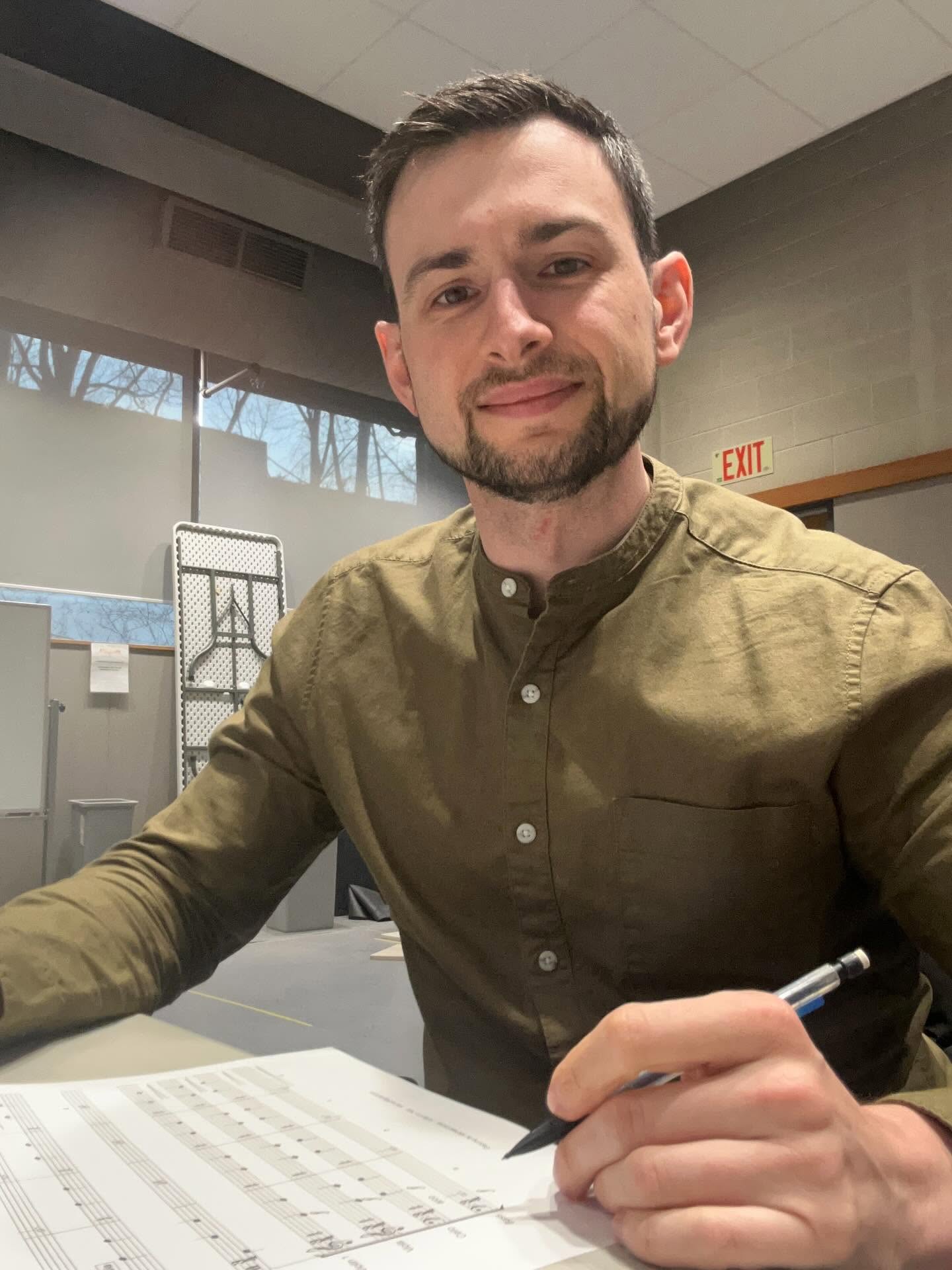
Ethan will play the piano, conduct, and Gemma Donn and Issac Kuk, both brilliant young players (how we got them for a Fringe Festival production, I will never know!) will play violin and cello respectively.
Musically, I have to speak about our choreographer and dancer in equal measure. Jeff Dimitriou and I were in the ensemble of Disney’s Beauty and The Beast for the Mirvishes in the late 1990s. Since, Jeff has gone on to choreograph and be a creative director for Netflix, the Pan Am Games, and most recently for Schitt’s Creek.
The Wounds of Love and Other Gifts includes four mini-ballets. Jeff has brought such air, spirit and brightness to this work. Our dancer, Erinn Bekkers, is embodying Jeff’s work with such precision and creativity. They are the physical manifestation and the music – in ways I could never have imagined!
BB: As a practitioner who is also a psychotherapist I wanted to ask you how you feel about the statement by Slavoj Zizek, that opera died (ended) as a form when Freud appeared because he thought that opera had functioned as our therapy.
Bruce Dow: Zizek was not wrong. But his statement was an absolute which has not stood the test of time. Verismo opera was still romantic. Romantic opera was still classical… and on and on backwards in time. Zizek recognized opera as a retrospective. His statement that opera died with the arrival of Freud was not untrue – but I think we have transcended form and style in music theatre. The Light in the Piazza is both musical theatre and opera. It is romantic and verismo. West Side Story and Sweeney Todd transcend form and style.
Certainly specific forms of opera died with the appearance of Freud – as did styles of drama and art. Drama, art, and opera continue.
BB: Great answer.
(next question) In a world full of people performing roles without ever stepping onto an actual stage, are modern psycho-therapists sometimes like acting coaches or directors, helping us improve the way we play our roles?
Bruce Dow: I think if we are playing a role in our lives, that role can either serve us – or it can undermine us. Therapy explores the stories we tell ourselves about our lives. Psychospiritual therapy very much explores how we see ourselves in our world.
All therapy speaks of a core Self that wears no hats, that plays no roles, from which we can engage with our lives free from expectations of the world and which is motivated only by my values and meaning.
So much of our lives is habit, unconscious doing. Therapy invites increased conscious engagement with my experience of living life.
BB: Between Justin Trudeau & Donald Trump it’s clear that modern leaders need to be performers. Is it more important for a PM or president to have psychotherapy or better direction / drama coaching?
Bruce Dow: I would be happy with either! Drama programs are closing down because people are realizing how few who do actor training go on to be professional actors. What we don’t notice is that drama training gives the individual such wonderful social skills, speaking skills, attention skills – human skills!
I’d love any leader to have both therapy and drama training!
BB: Can method acting and improvisation prepare us to be a better lover – parent – caregiver?
Bruce Dow: Any experience, yoga, exercise, drama, art, that brings our attention to our experience and the experience of others around us will help prepare us to be a better lover – parent – caregiver.
The caregiver or parent can only fulfill their role if they are first aware of their own experience. Both acting and therapy support our ability to understand ourselves first before we engage with others.
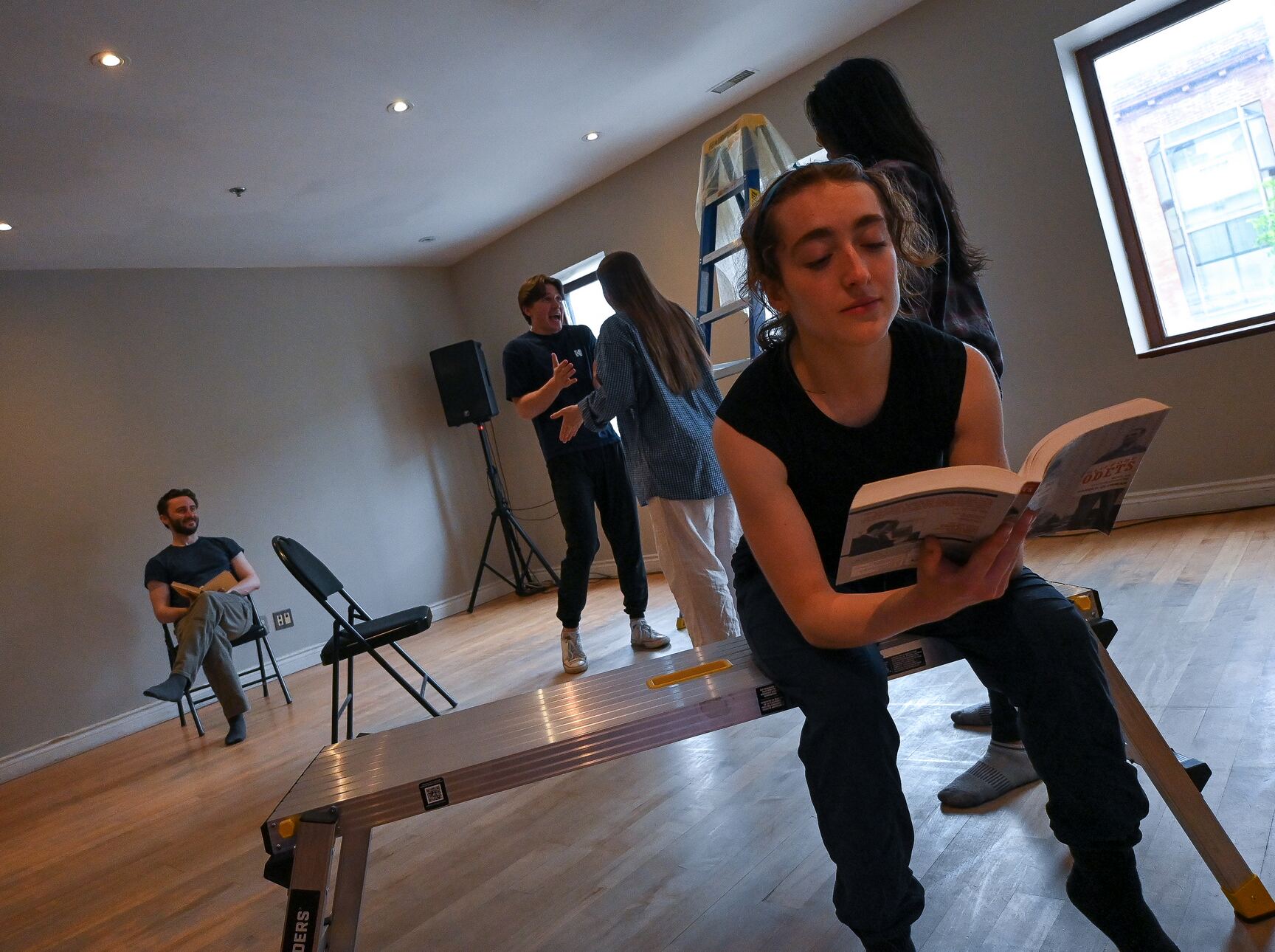
Priya Khatri (photo: Sydney LaForme)
BB: Is there a teacher or an influence you’d care to name that you especially admire or wish to thank?
Bruce Dow: Dr. Angela Schmidt, the director of the Master of Psychospiritual Studies at Knox College has been such an inspiration and a force for such good. Dr. John Brockington was an old world acting and directing teacher from my first two degrees – he too was an incomparable resource. Both offer(ed) all their students not only information, but an invitation to the highest standard of practice – along with a lot of caring and love.
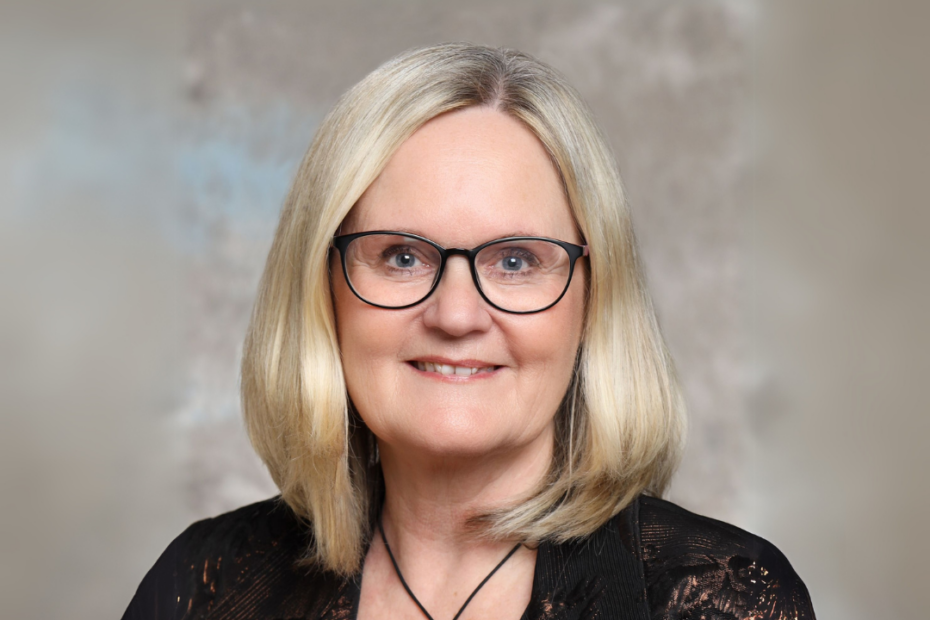
I am still in touch with Dr. Schmidt. And I dearly miss Dr. Brockington.
*******
The Wounds of Love and Other Gifts, A New Musical by Bruce Dow will be presented at the Theatre Passe Muraille mainspace, part of the Toronto Fringe Festival June 30th- July 12th. For further information and tickets click here.