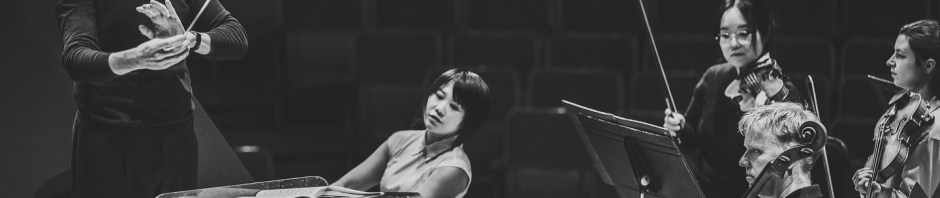
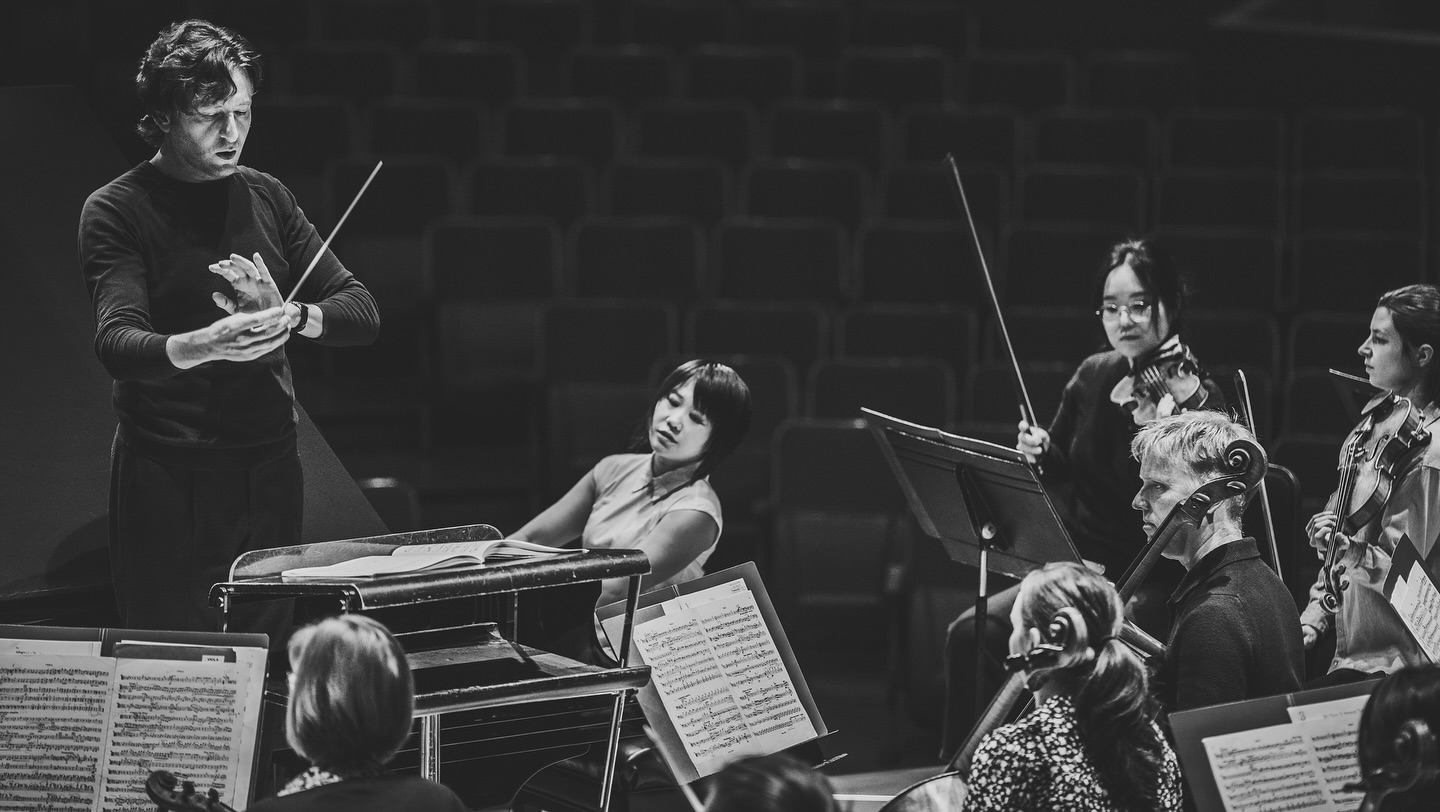
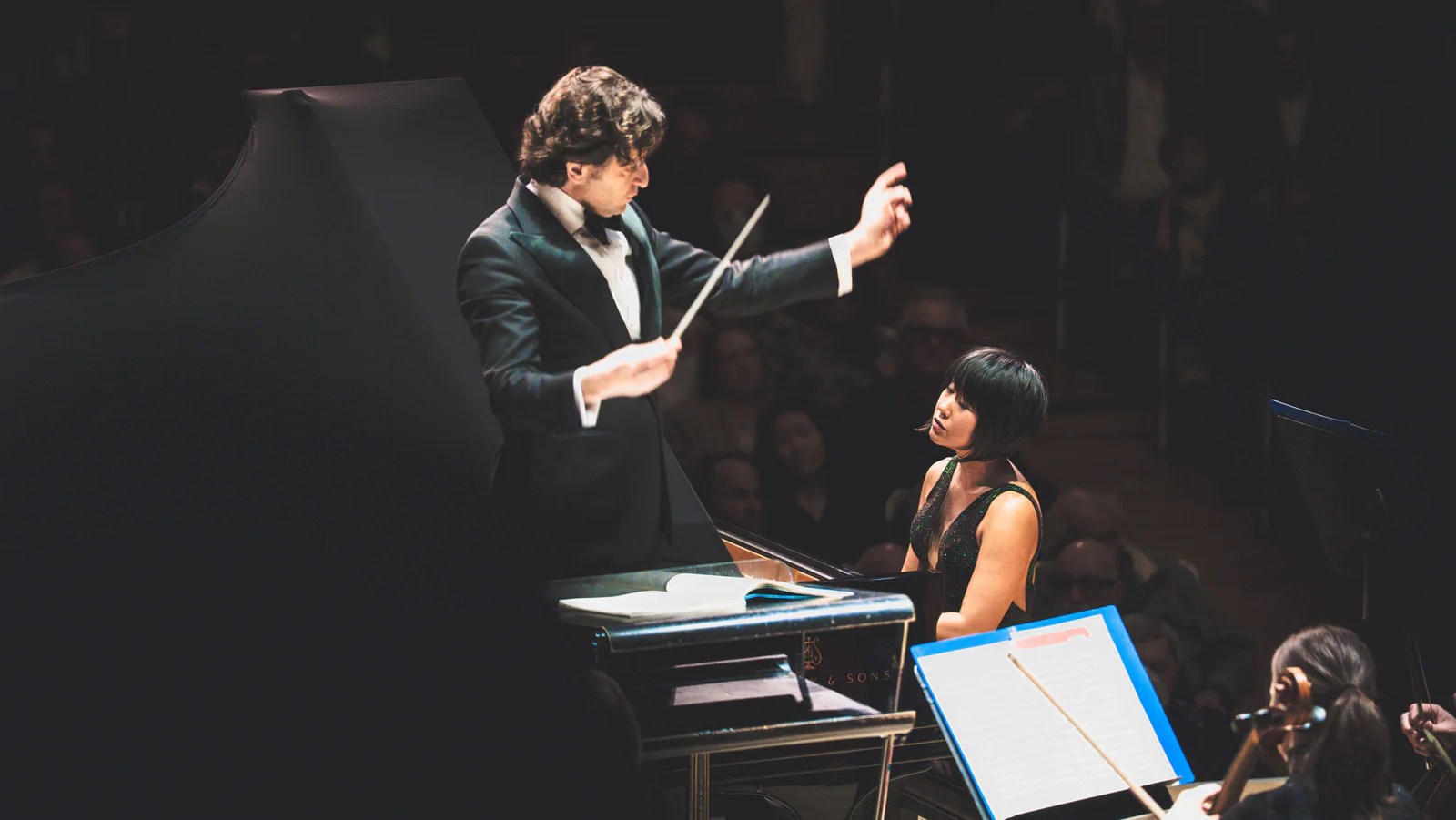
I have never seen Roy Thomson Hall as full as it was tonight, Wednesday April 16th. They had a cop directing the cars out of the underground parking garage: because so many people came to see Yuja Wang play the piano with the Toronto Symphony conducted by Gustavo Gimeno.
No wonder. Is she more or less acknowledged as the best piano player in the world right now? Forgive me, it’s absurd to try to compare as though there were a competition.
Speaking of competitions, tensions were thawed when Van Cliburn won the Tchaikovsky Competition in Moscow at the height of the Cold War in 1958 playing Tchaikovsky’s First Piano Concerto. Hard hearts accomplish nothing, let us open our hearts to beauty, whatever its nationality.
But I saw on social media that Yuja’s teacher Gary Graffman doesn’t allow his students to enter competitions, doesn’t believe in them. In a post I saw on Slipped Disc, Graffman said
“‘I was totally against competitions,’ he says. ‘I didn’t allow Lang Lang or Yuja Wang to compete.’“
And they’re fine without competitions. She is simply the best.
We’re having a bit of a Tchaikovsky Festival in Toronto. The Canadian Opera Company will be presenting Eugene Onegin next month, and the TSO and Gustavo will be giving us Tchaikovsky’s Pathetique Symphony (aka #6) in a couple of weeks. That’s on top of the ballet season built around his Nutcracker, Tchaikovsky’s annual gift to their bottom line.
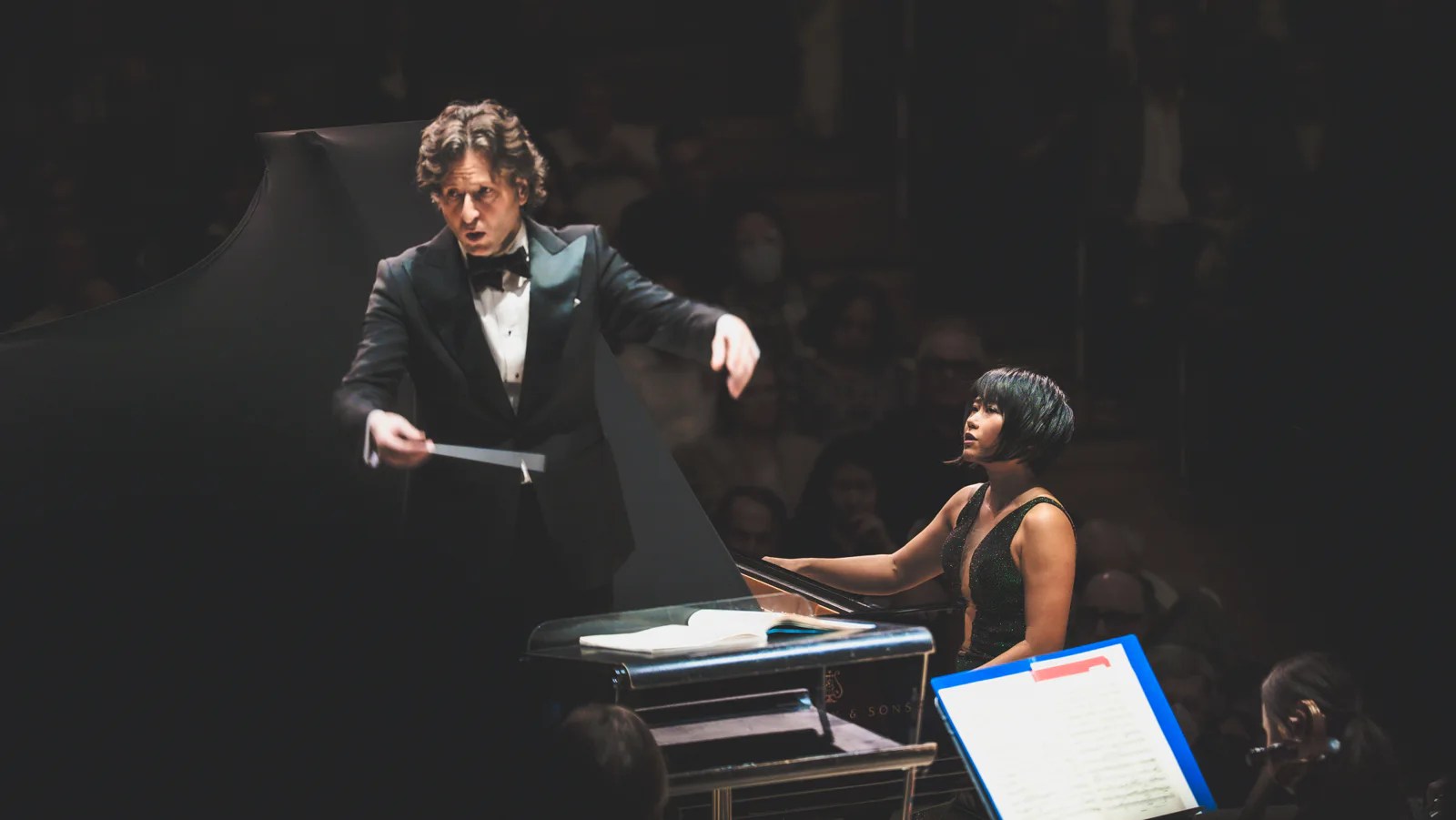
Tonight though it was a concert featuring Yuja Wang playing Tchaikovsky’s 1st Piano Concerto in a sold-out hall. As the program note observed, Tchaikovsky has often been met by condescension: perhaps because he’s popular, wearing his heart on his sleeve. The academics will someday catch up to the public who know beauty when they hear it.
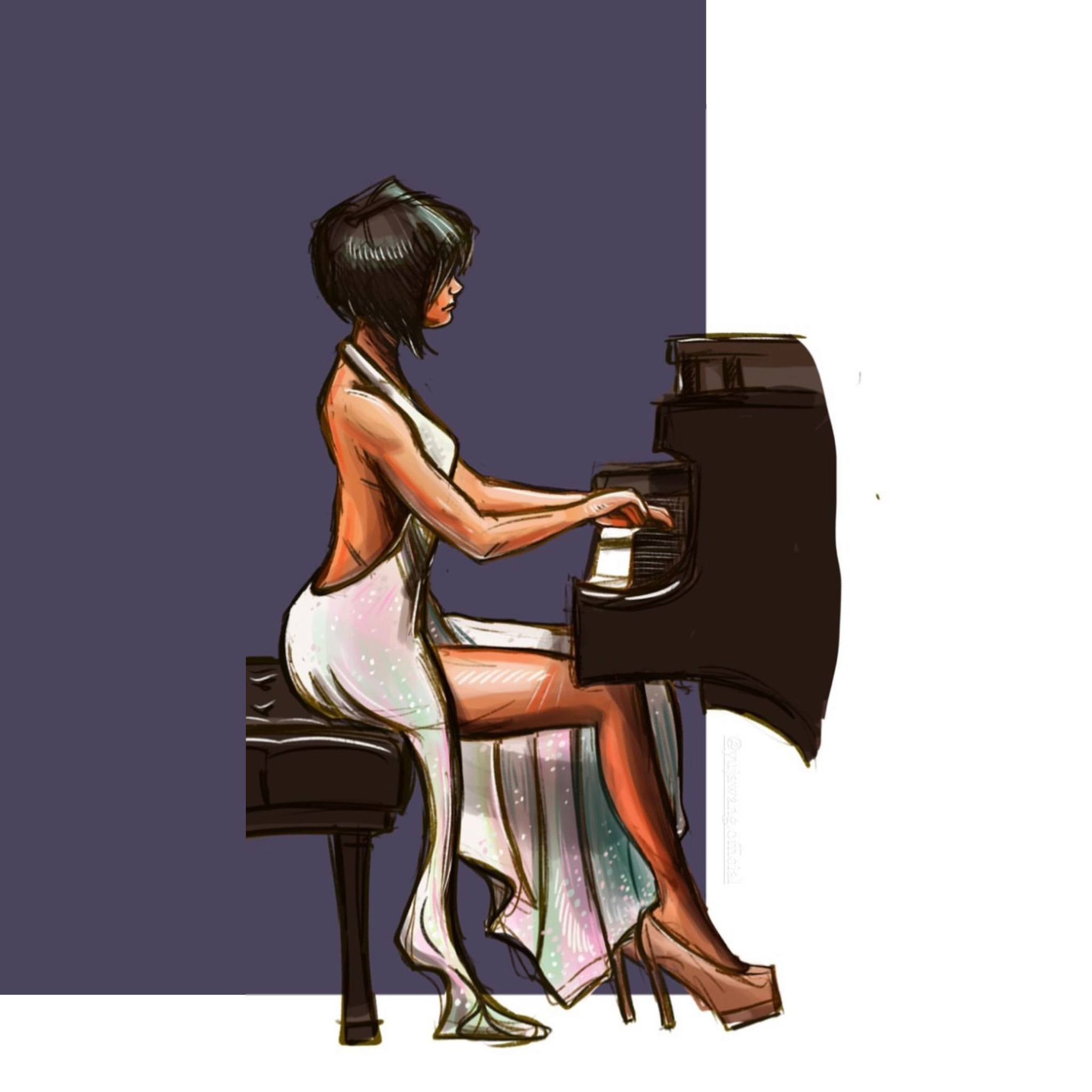
Yuja’s Tchaikovsky is unique. The soft passages are shaped so beautifully, so clearly articulated, sometimes so soft you lean forward to hear them, for instance in the cadenza to the first movement, the piano sounding like a singer’s meditation, sometimes arriving with great power. Don’t let her size fool you, she has an athlete’s stamina and reserves of power. The TSO responded under Gustavo’s baton, held in reserve until the climactic passages ending the first and last movement,
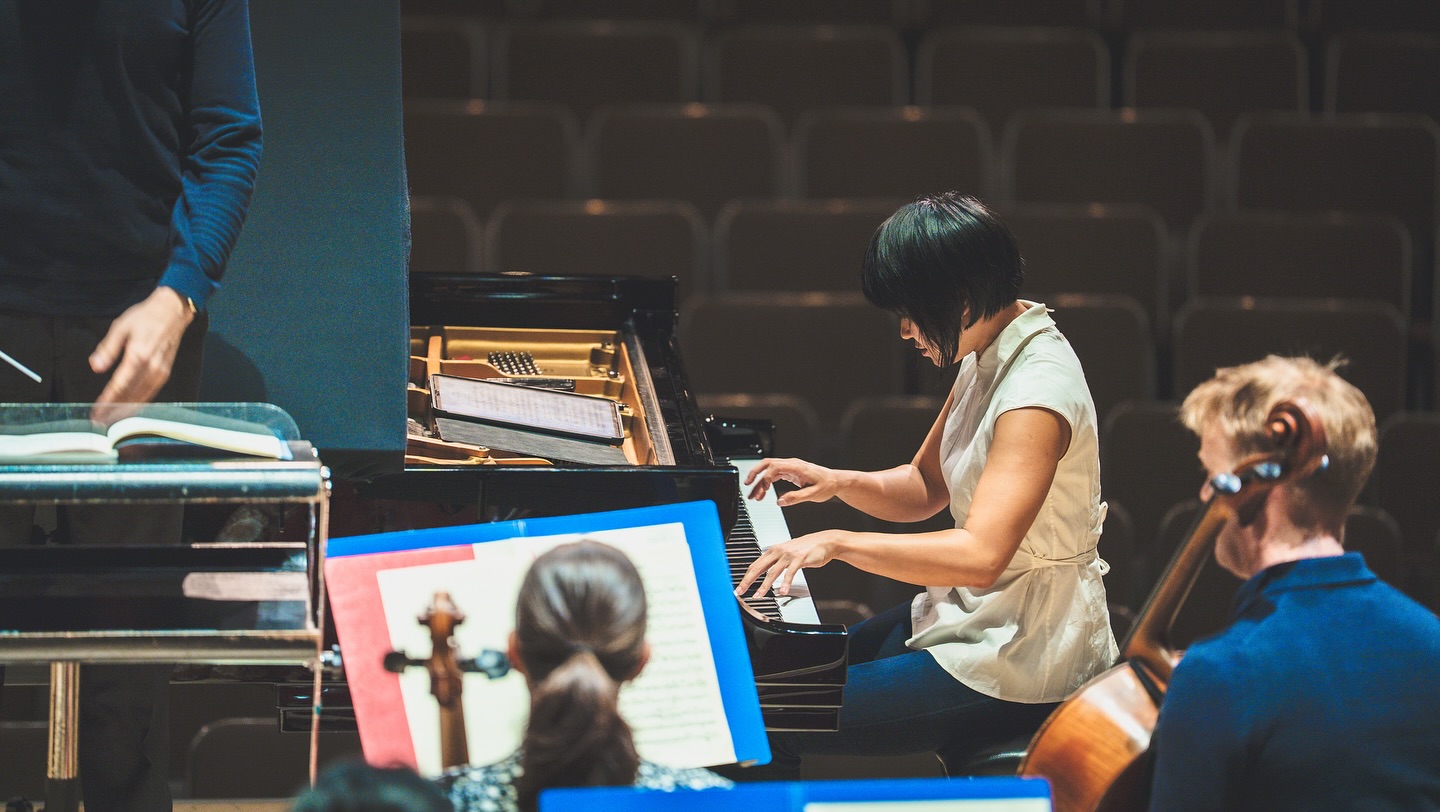
There was an explosion of applause and in response Yuja gave us three wonderful encores.
I think the first one was Danzon #2 by the Mexican composer Arturo Márquez. I only knew this because of my friend Yoel Becquer, the lovely young trombone-player sitting beside me at the concert. I took a selfie to properly credit him.
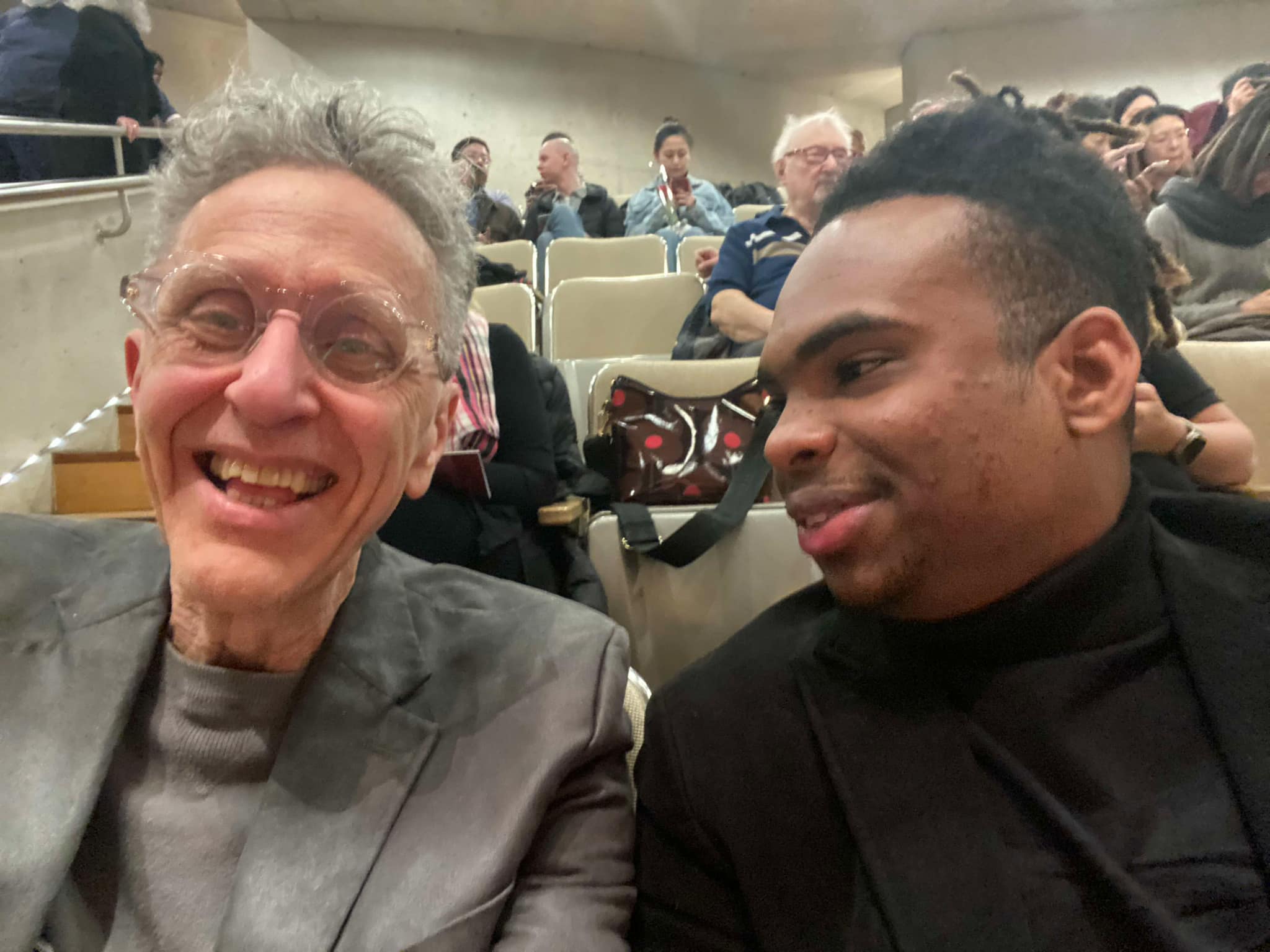
Second encore? I don’t know, I’m guessing it’s a Ligeti etude because it was similarly virtuosic & challenging as that first amazing Márquez piece, and I know that Yuja has played & recorded several of them. Beyond that, I’m just guessing. [next day I was told by TSO “SHOSTAKOVICH/arr. Yuja Wang: String Quartet No 8 (Met. 2)”]
So at this point Yuja had already given us the concerto and two remarkable encores.
And she came back for a third, the sixth Philip Glass Etude. While I’ve played the piece it does NOT sound this way when I play it (cue the laughter). Not even close.
There was a whole other half to the program before intermission.
Jocelyn Morlock’s My Name is Amanda Todd is a surprisingly powerful piece. I am of two minds about it, given that its subject is so powerful. When I heard it the first time, at a National Arts Centre concert a few years ago, I was very moved (and tearful): but likely was impacted by the powerful story of Amanda Todd that underlies the composition. Tonight I had another strong response, with additional sadness over the recent untimely death of the composer.
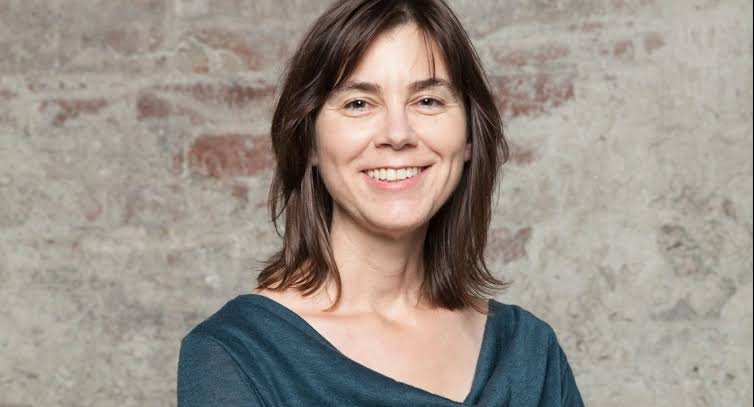
I have been reading Time’s Echo, Jeremy Eichler’s 2023 book about music and the Holocaust, that suggests that music can help preserve histories & messages after the eye-witnesses have died: an idea I find interesting yet troubling. Can Morlock’s music tell us about Amanda Todd? I’m not sure, and I think the question is kind of complex, perhaps asking too much of the composition, taking us to the limits of what any music can do. All I do know is that Gustavo brought energy and inspiration to the work. I found myself intrigued and moved by a vulnerability I experienced in the beginning part, music that had me asking myself what I was feeling. At times the voices interact, the different parts seeming to quarrel, discuss, even fight, and eventually find something more unified by the end. I couldn’t help myself, reading Amanda Todd’s story into the music. Gustavo honours the piece, a fascinating emotional tone poem to begin our evening.
Speaking of music with powerful associations, the next work was Janacek’s Sinfonietta, a piece that will enjoy its centennial next year, and that I associate with former TSO music director Karel Ancerl, having heard his recording of the piece with the Czech Philharmonic. I love this piece. I was overwhelmed by what the TSO accomplished under Gustavo’s direction tonight, and hope someday that the TSO records this piece. Oh my God. I think Ancerl always pushed the pedal to the metal in the big brass sections, asking for fortissimo whenever there was an option, while Gustavo is subtler, going for a gradual build-up to the radiant ending. This is one of those times when Roy Thomson Hall’s acoustic sounded really good, the huge brass complement filling the hall perfectly.
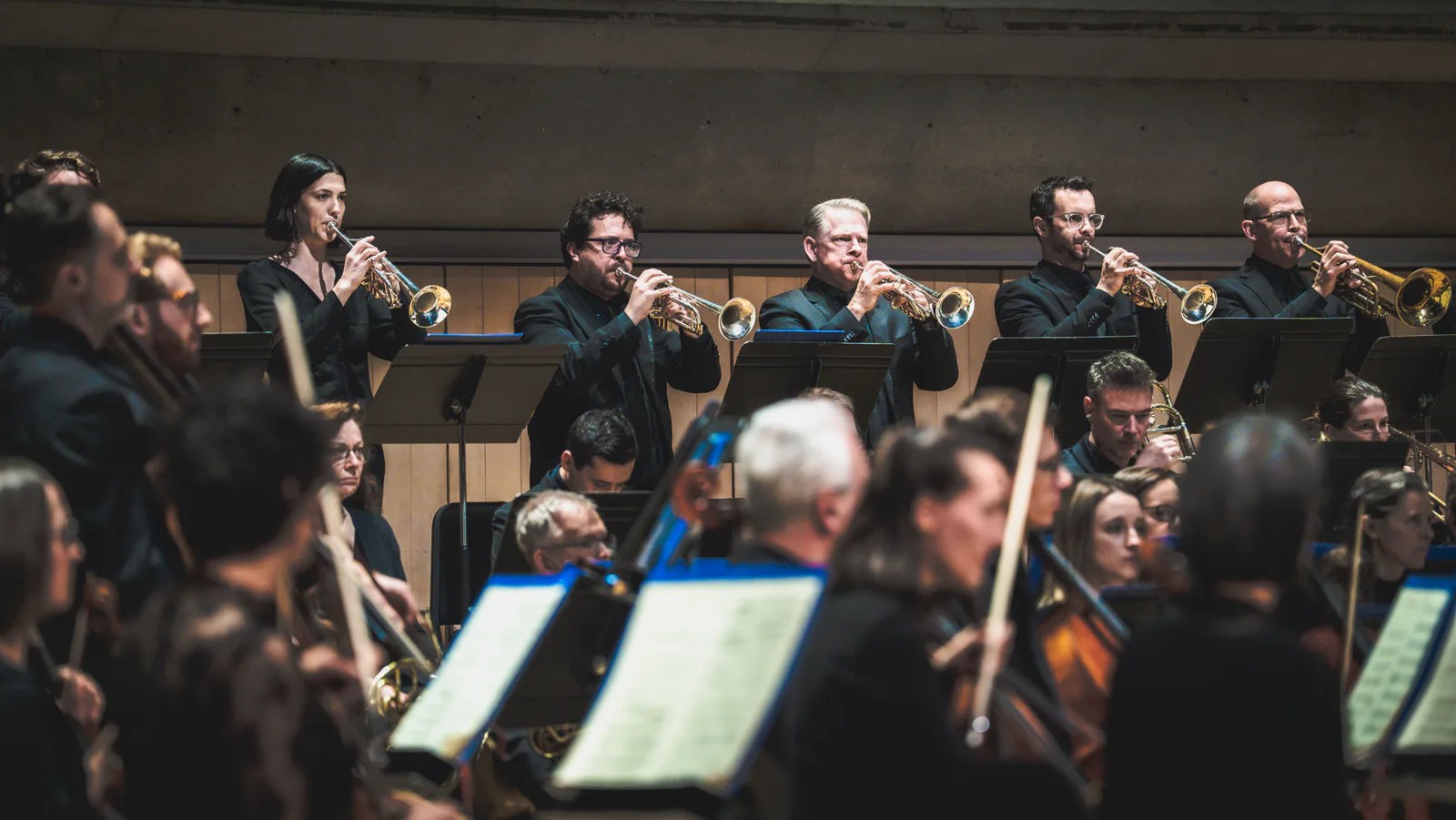
Gustavo invited all the inner voices to come through regardless of whether they were dissonant or not.
Maybe I’m a bit sentimental but when I thought of Ancerl who survived Auschwitz to come to the Toronto Symphony in 1969, I imagined him listening in the stunning perfect last few minutes, as my tears flooded down my face. Yes flooded.
Yuja and Gustavo and the TSO will be back to play the Tchaikovsky and Morlock and Janacek again Thursday and Saturday at 8;00 pm at Roy Thomson Hall. I believe they’re also sold out.

I was thinking Saturday Night Live should get Yuja as their musical guest. Lizzo sang two decent songs this past week, better than the usual. Years ago SNL had Luciano Pavarotti on and surely could afford Yuja.
There’s nobody better.
Come on Lorne!
 barczablog
(I believe Encore#2 was Tchaikovsky Symph 6 arr Feinberg)
LikeLike
Perhaps Thursday night’s concert? i was there Wednesday night. Not Symphony #6 on this night.
LikeLike
Yes, that was on Thursday. Sorry for confusion.
LikeLike
Excuse me if my post (late Wednesday night) was ambiguous.
I found a YouTube video of Yuja playing that Scherzo (from another concert in a different city).
LikeLike
Really enjoyed this post. Will watch out for Yuja Wang in future. Thanks for posting the video of the duet. Remarkable.
And hi, Yoel! You seem to be thriving in Toronto!
LikeLike
Thank you. I think I may be transgressing the usual understanding of “critic” in sharing video like this, but Yuja’s encores are like an entirely additional industry, especially when she ventures into repertoire that’s not well-known. She went far above & beyond what’s usually expected. And yes, I guess I’m another adoring fan (ha obviously).
AND I will send a hello to Yoel via Facebook.
LikeLiked by 1 person