I bask in the reflected glory of interview subjects. If they look good I look good, and that’s especially true when they’re showing their brilliance in this space. One of the most enjoyable interviews I ever did was with George Frideric Handel in 2017. Yes of course, that’s a theatrical persona.
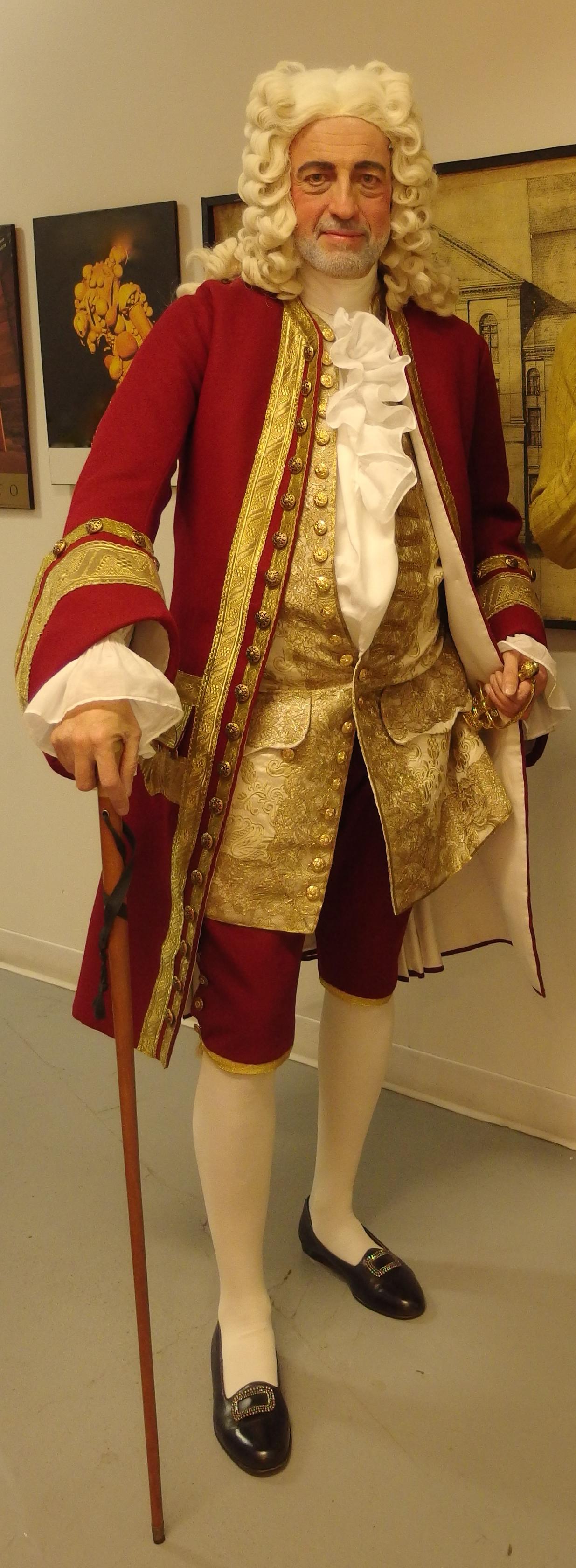
I just realized I am now about to interview someone whose alter ego was already interviewed. But when Ivars is conducting –with or without the costume– he seems inspired, imbued with the spirit of another century, and dare I say it, seems to be filled with the spirit of the composer.
I feel especially privileged to have the opportunity to interview Ivars this time, even if you might say
“but you already interviewed him!” Yes & no. This time I wanted to ask Ivars (not George Frideric) about the Tafelmusik concert program Vive la France! upcoming Nov 27-29…and lots more.
Barczablog – Are you more like your father or your mother?
Ivars Taurins: As they say, a bit of both.
I got my artistic talents, attention to detail, interest in fine tailoring and sartorial elegance, and love of history from my father (as well as some of his grumpiness). It was the music of his LPs of Rubinstein (Rachmaninoff) and Horowitz (Chopin) that were my introduction to classical music. In addition, my mother’s numerous records of Harry Belafonte, as well as the golden voices of Ella Fitzgerald, Billy Eckstein, Sarah Vaughan, Nat King Cole, Judy Garland, Frank Sinatra, Tony Bennett, and Barbra Streisand regularly filled our house.
These early influences opened the world of vocal music to me, and the revelation of a singer’s abilities to illuminate words through their vocal artistry. Later, in my teens, this was reinforced through the works of Schumann and Schubert, Vaughan Williams and Britten, sung by Dietrich Fischer-Dieskau, Elly Ameling, and Robert Tear. And then I discovered Brahms and Mahler!!
From my mother comes my love of the performing arts – she lived for music, theatre, ballet, and especially the cinema. She took me to Massey Hall to hear all the great artists of the time when I was a child: Rubinstein, Horowitz, Ashkenazy, Segovia, Barenboim and du Pré. She introduced me to ballet (Nureyev & Fontaine, Baryshnikov & Makarova, Kain & Augustin), and Broadway musicals (Camelot, Showboat, The King & I), all at the splendid, elegant O’Keefe Centre (aka Hummingbird/Sony Centre/Meridian Hall).
The O’Keefe Centre had its own orchestra from 1960-87, under the direction of William McCauley. Mirroring Leonard Benstein’s legendary Young People’s Concerts, McCauley presented his own young people’s concerts, to which my mother took me.
And so began my fascination with conductors and conducting, and the magical sounds of a symphony orchestra. The rest is history….
BB – What is the best thing about what you do?
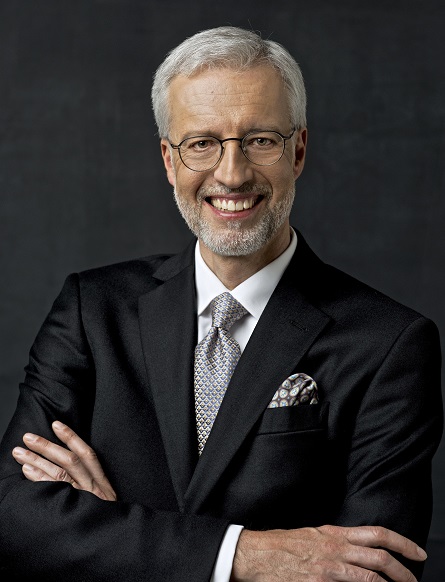
Ivars Taurins: Sharing my passion for music with others, whether it’s with my choir, or guest conducting, or in my teaching. Being part of Tafelmusik from its beginnings over 45 years ago until today has been remarkable: seeing many corners of the world, experiencing other cultures, and making music with so many inspirational musicians – and sharing that life-experience with my wife, Charlotte Nediger, who has also been such an integral part of Tafelmusik over these many years.
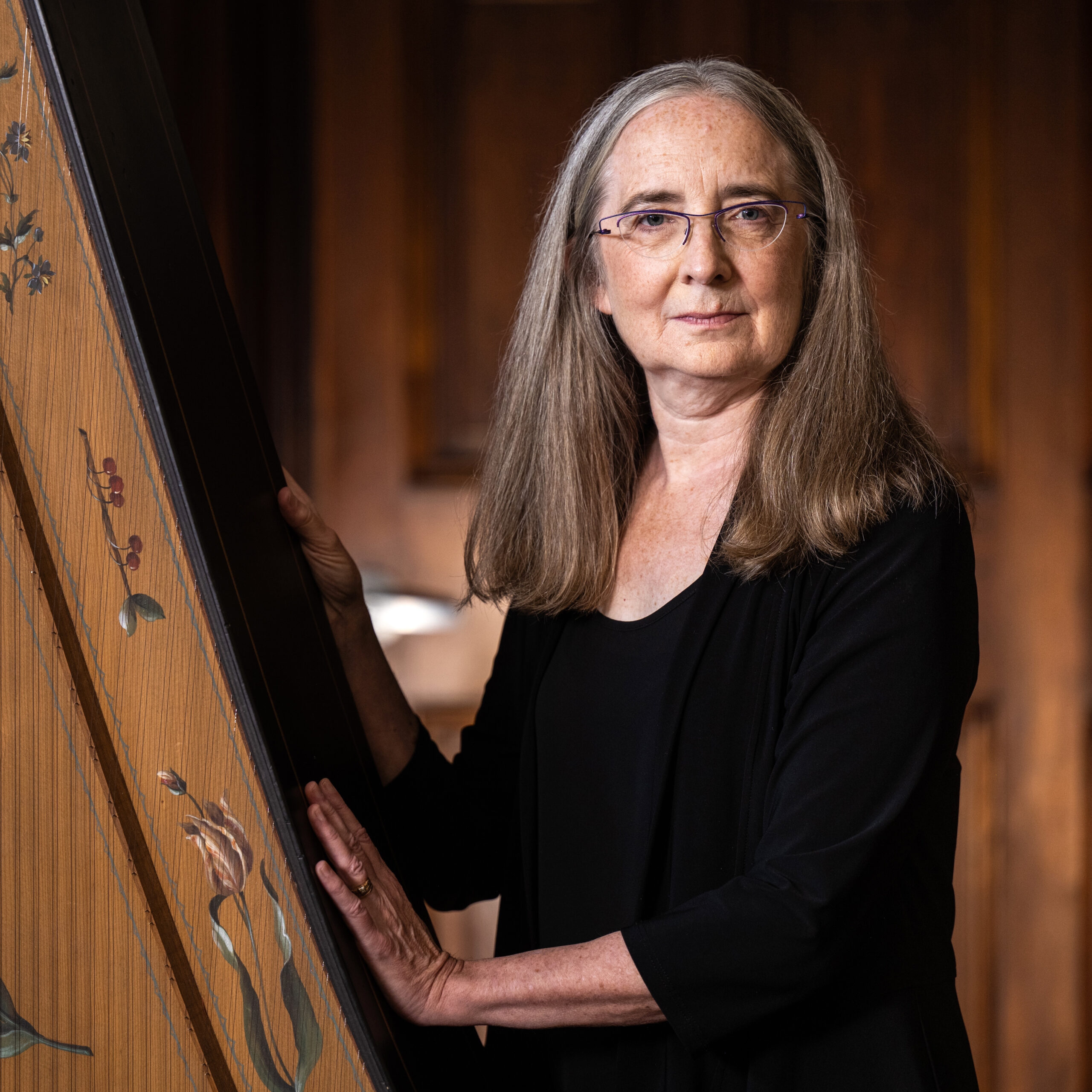
The Tafelmusik Chamber Choir has enabled me to fulfill my desire to explore the passion I have for words and music, and how to actually create the magic that I experienced as a child and in my youth.
BB – What ability or skill do you wish you had, that you don’t have?
Ivars Taurins: I wish I had learned other languages more fully… I get by with what I have (learned over the years through the requirements of being a musician: working with texts, touring around the world, reading treatises in their original languages, and working with European colleagues), but I am in awe of colleagues who can carry a conversation or do an in-depth interview with linguistic fluidity and grace in a number of other languages.
BB –When you’re just relaxing and not working, what is your favourite thing to do?
Ivars Taurins: I have so many other interests outside of music that I only can find time to dabble in them. I think when I’m past being functional as a musician, I will be very content dabbling and puttering around with my numerous non-musical interests. When I do get the opportunity, birdwatching is such a calming, restorative pastime. Being in nature puts everything into proper perspective.
If I had another life, I’d want to devote it to some sort of creative work in museums, or decorative arts, restoration work, historical costumes, curatorial work….
BB: What was your first melody that you remember?
Ivars Taurins: That would be my mother singing me to sleep with the Latvian lullaby “Aijā žūžū lāča bērni” (Hush-a bye, little bear cubs)
Every Latvian knows this lullaby!
BB: Dogs or cats?
Ivars Taurins: If I must, dogs.
BB: Paper scores or digital?
Ivars Taurins: ALWAYS Paper! How can one conduct from a tablet that shows only one page of the score at a time!
BB: Bach or Handel?
Ivars Taurins: Both. Bach for the astonishing complexity and number of layers one finds in his music, even when it sounds deceptively “straightforward” (the monumental opening chorus of Cantata 77, “Du sollt Gott, deinen Herren, lieben”, is a mind-boggling example with its hidden musical, theological, and numerological messages woven into the score).
And Handel for his ability in his operas and oratorios to plumb the depths and inner workings of the human psyche purely through music, often using the simplest of means (the aria “Scherza infida” from Ariodante, for example).
But then, on another day, the music of Purcell or Monteverdi or Charpentier or Rameau will just stop me dead in my tracks.

BB: Do you have a favourite piece?
Ivars Taurins: There are too many to choose just a single piece (see above). It depends so much on my mood, or the situation. It can sometimes be something I haven’t heard in years, that, like a certain fragrance or smell or taste, becomes a portkey to another place and another time. I hadn’t heard Richard Strauss’ Metamorphosen for 23 solo strings in decades, and when I heard its elegiac strains again it shattered me. Brahms and Mahler do that to me as well, because in my daily (rather hectic) life I don’t listen to the recordings I used to devour as a teenager and young adult. So when the opportunity arises to hear a piece again live at a concert (Mahler 3 with Iván Fischer and the Budapest Festival Orchestra recently) it can be so beautifully overwhelming.
BB: Who has influenced you in your work as a musician and conductor?
Ivars Taurins: Nikolaus Harnoncourt and Carlos Kleiber, both sadly departed. They were both filled with the fire of music, and with an understanding of its potency, purpose, and deep spirituality. They breathed it – and its expression was made manifest through their remarkable communicative powers. To watch Carlos Kleiber, for example, in the rehearsal film-clip of him directing the ‘Liebestod’ from Wagner’s Tristan und Isolde, or conducting Beethoven’s 7th symphony with the Royal Concertgebouw Orchestra leaves me gobsmacked; or to experience Harnoncourt rehearsing the Beethoven symphonies…! These are remarkable lessons in music-making. Kleiber’s passionate, sweeping, balletic conducting style is in sharp contrast to Harnoncourt’s visceral, intense, raw energy (and those searing eyes!).
BB: I would say you have a unique approach to conducting (I like it please note). If you were asked to describe how you approach conducting, how would you describe it?
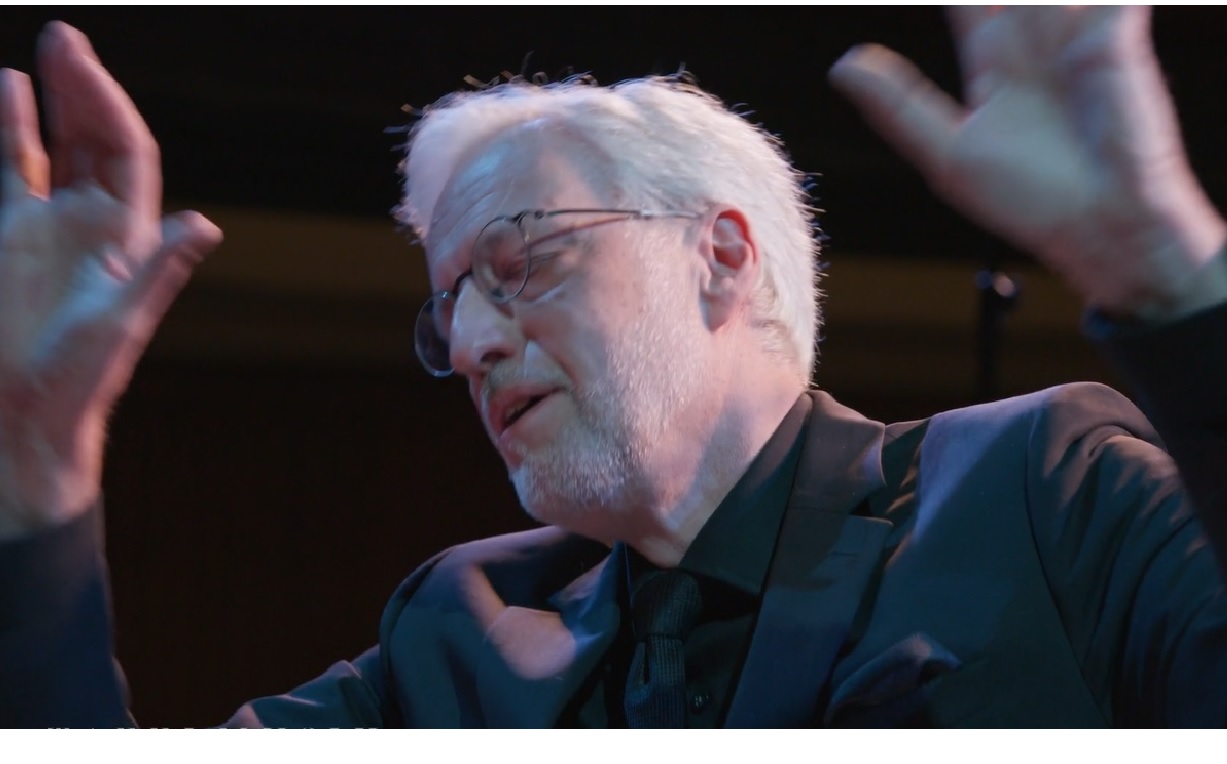
Ivars Taurins: I jokingly refer to my style as being of the Fred Astaire – Bugs Bunny School of Conducting. Music critic William Littler early on described my style on the podium as being reminiscent of an orangutan on Benzedrine. Perhaps it lies somewhere in between the two.
As a child I watched Bernstein’s Young People’s Concerts on the television, as well as broadcasts of Karajan. Later, when I began to attend Toronto Symphony concerts, I had the good fortune to observe Seiji Ozawa, Karl Ančerl, and Sir Andrew Davis in action, and studied how their particular gestures and individual styles influenced the orchestra. My first real conducting lessons were with the late Simon Streatfeild during my years at Western University. He had a huge influence on me, and encouraged me to pursue my budding interest in period instruments and “early music”, as well as helping me hone my technical and gestural skills as a conductor.
BB: Is there a difference in how you approach conducting an orchestra and a chorus?
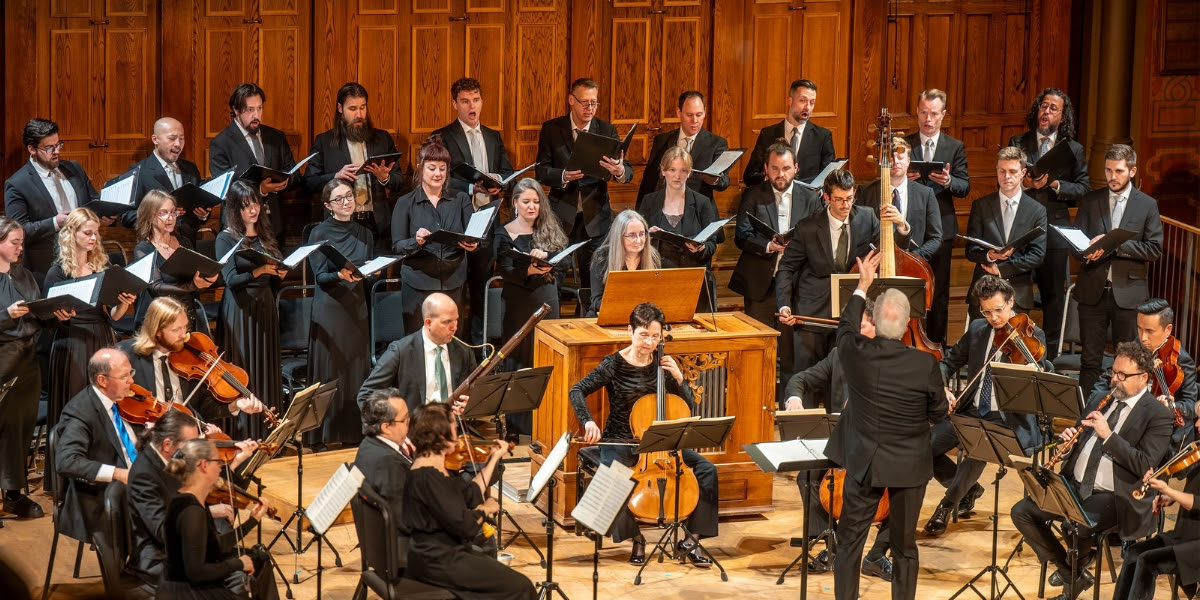
Ivars Taurins: Not really… both deal with creating sound from an ensemble, and my role is to help them explore and discover the possibilities of colour, texture, articulation, and phrasing and above all emotion within a given piece.
BB: Please tell us about the upcoming Tafelmusik concert program Vive la France! upcoming Nov 27-29.
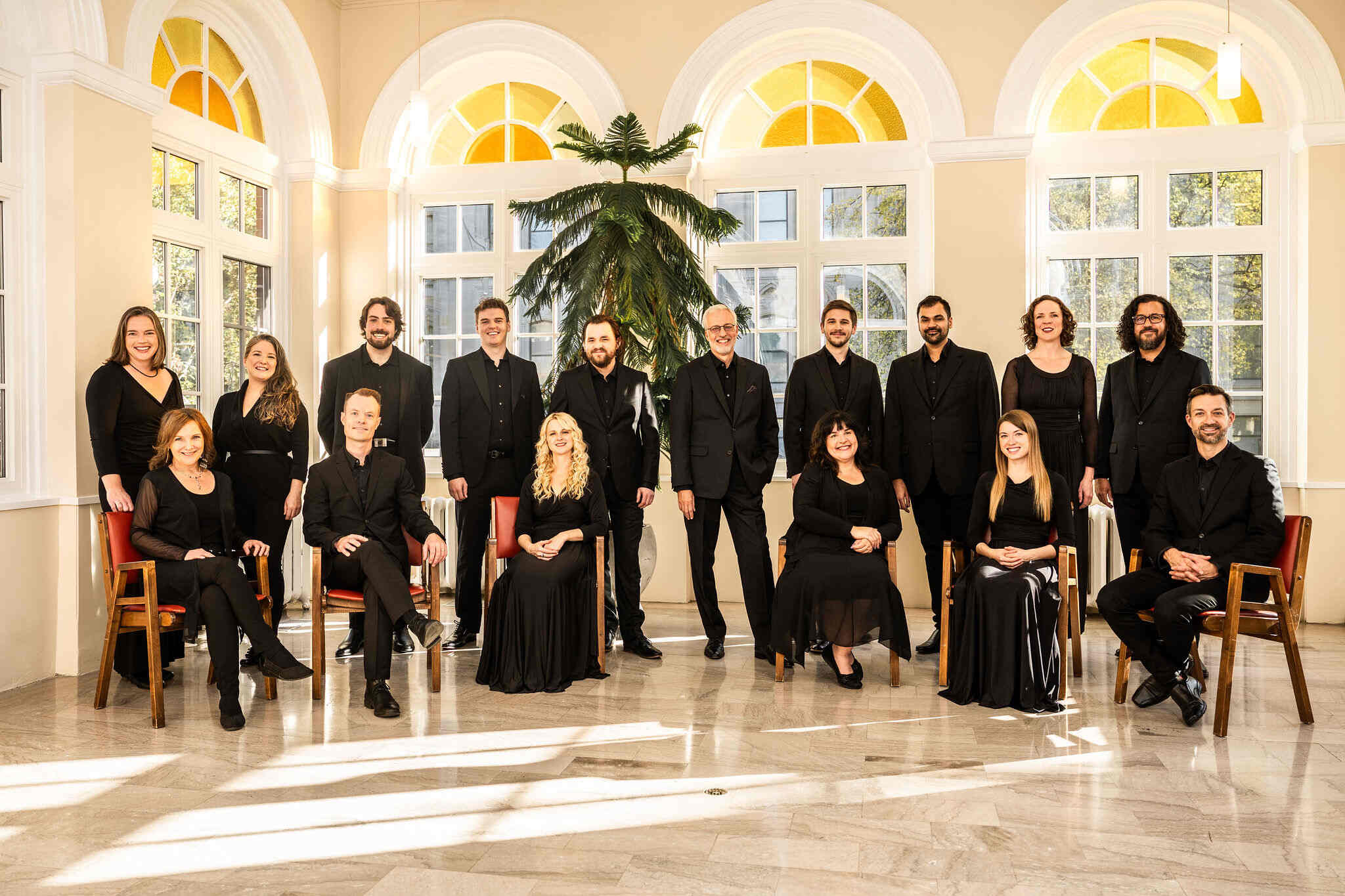
Ivars Taurins: The Tafelmusik Chamber Choir celebrates its 45th anniversary this season, and we are in the midst of rehearsals for the choir’s first programme of the season – a celebration of the French baroque composers both well-known (Rameau, Lully, Charpentier) and less so (Campra, Lalande, Desmarest, Bembo, and Mondonville).
BB: The description of the Nov 27th concert “Vive la France” says “No one embraced choral music more exuberantly than the French in the 17th and 18th centuries, not only in the church, but also in the opera theatre and the concert hall.“
Could you please elaborate on that statement?
Ivars Taurins: British music historian and writer Charles Burney noted after a performance in Paris by the Concert Spirituel in 1770:
“I plainly saw, by the smiles of ineffable satisfaction in the countenance of the company, and heard by the most violent applause a ravished audience could bestow, that it was quite what their hearts felt, and their souls loved. C’est superbe! was echoed from one to the other through the whole house”.
The French baroque composers and their audiences revelled in choral music. More than anywhere else in continental Europe, the chorus was given a prominent role, whether in the opera theatre, church, or concert hall. Besides glorious Mass settings or Requiems, The Grand Motet became the centrepiece of choral expression, and the motets of the great 17th c. French composers were celebrated at the Concert Spirituel, the first public concert series created in Europe. Founded in 1725, it ran for 65 years, with two to three dozen concerts a season. Many popular works would be repeated within the same season, as well as new motets being premiered.
BB: In December you’re conducting Messiah, including the Sing-along, for the umpteenth time. Please share how you make it seem so fresh every year.
Please share how you make it seem so fresh every year.
Ivars Taurins: One doesn’t get bored with a masterpiece like Handel’s Messiah. Nor does it grow stale. I liken it to revisiting a favourite painting in gallery – there is always something new to admire and to discover. The more one studies and delves into a composer’s oeuvre, the more it influences how one approaches a particular work.
And then there is the added factor of working with a different cast of soloists each year, who add their own creative ingredients to the wonderful recipe that Handel has gifted us with.

And the third factor for me is the electricity of live performance, and the audience’s reactions to what is musically and dramatically unfolding before them.

BB: Do you have any suggestions as to how to prepare for the Sing–along?
Ivars Taurins: Your own post from December 13, 2019 pretty well says it all!:
https://barczablog.com/2019/12/13/how-to-singalong/
BB: Thank you for the kind words.
Ivars Taurins: My suggestions: dust off and study your score, listen to the choruses you’ll be singing (preferably using Tafelmusik’s recording!). Consider throwing a Sing-along prep party, where, together with good food and drink, you can try to tackle the choruses en masse. On the auspicious day, have a good lunch ahead of the show, preferably surrounded by family and friends, and upon arrival at Massey Hall find a good spot… you don’t necessarily need to stick to the rule of singing in your voice section if you wish to stay as a group. And above all let the glorious music envelop you in a cathartic embrace!
BB: Seems appropriate to insert one of my favourites...conducted by yourself of course.
BB: What’s next for you this season?
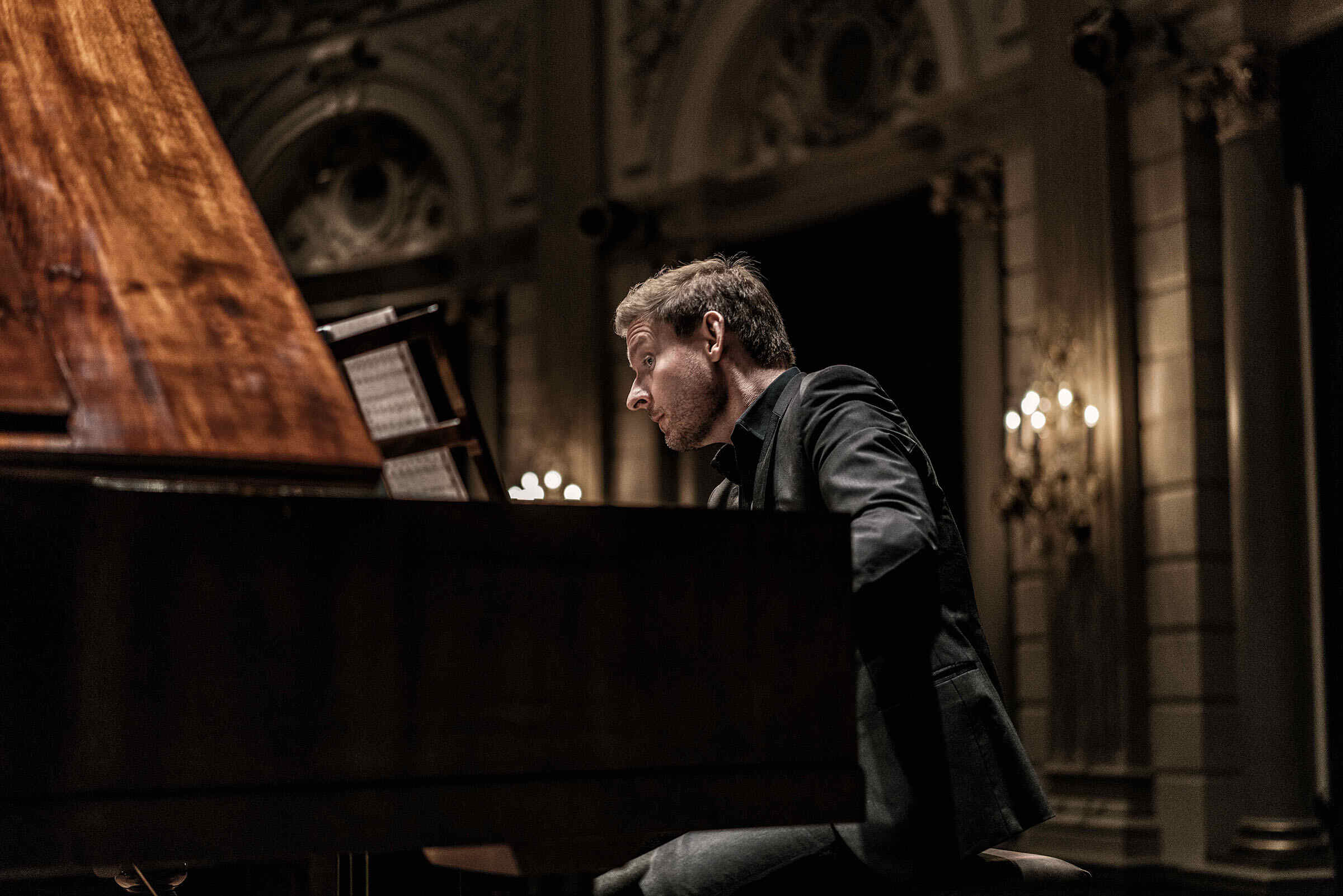
Ivars Taurins: In the new year, I will be preparing the Tafelmusik Chamber Choir for Bach’s St. John Passion, guest directed by Kristian Bezuidenhout.
Finally, the choir’s season will culminate in performances of Purcell’s King Arthur, with renowned Canadian actor R.H. Thomson as narrator.
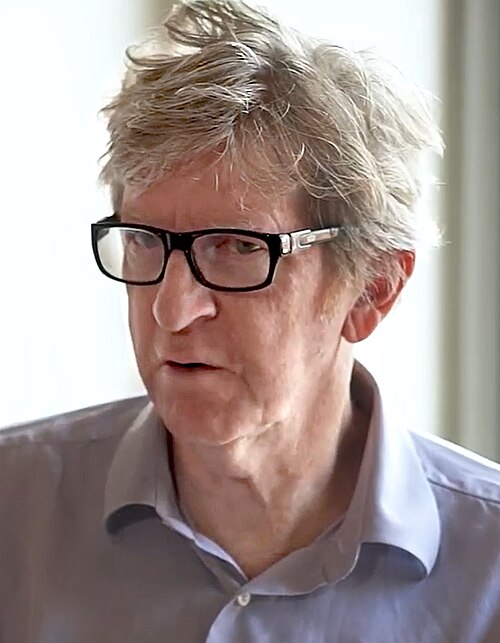
Outside of Tafelmusik, this November I travel to Kelowna B. C., to guest direct the Okanagan Symphony in a program entitled “A Musical Grand Tour”, featuring baroque music of Germany, England, Italy and France. Then in December I fly to Winnipeg to direct the WSO’s Messiah, before heading back to once again direct Tafelmusik’s Messiah.
BB: Is there any piece you wish you could conduct?
Ivars Taurins: Brahms: Ein deutsches Requiem. I was immediately drawn to the work when in high school we performed two of the choruses from it:
“Wie lieblich sind deine Wohnungen” (How lovely are thy dwelling places), and “Denn alles Fleisch, es ist wie Gras” (For all flesh is as grass).
Sidebar: Those pieces, and Brahms’ Second Symphony, which we also performed at North Toronto Collegiate, were my first introductions to his music.
If the opportunity arose, and as I’m now in the eighth decade of my life, it would be a lovely circle to close.
*****
November 27th – 29th Ivars Taurins leads the Tafelmusik Baroque Orchestra and Chamber Choir in a concert program titled Vive La France! Click here for further information & tickets.