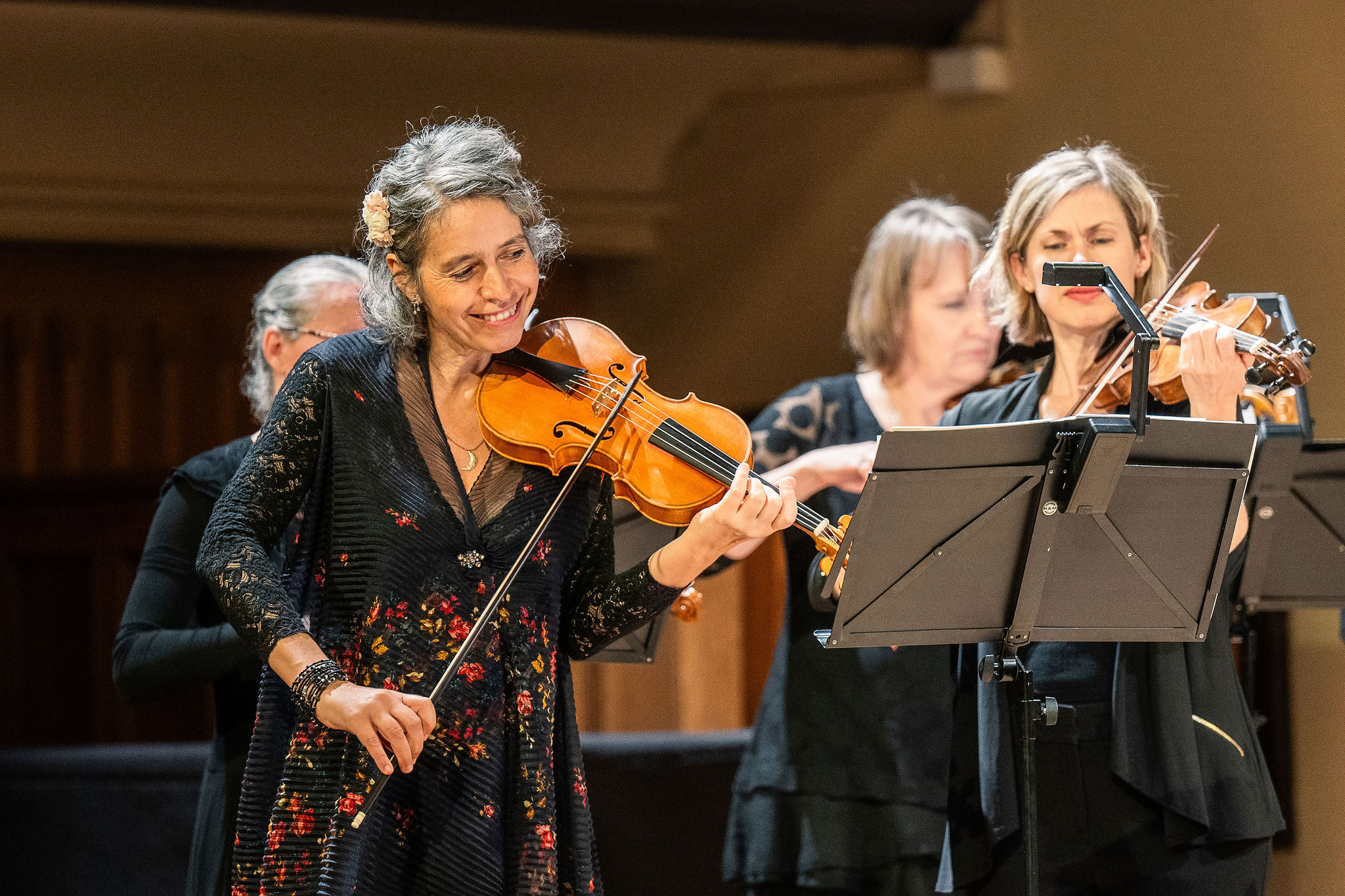
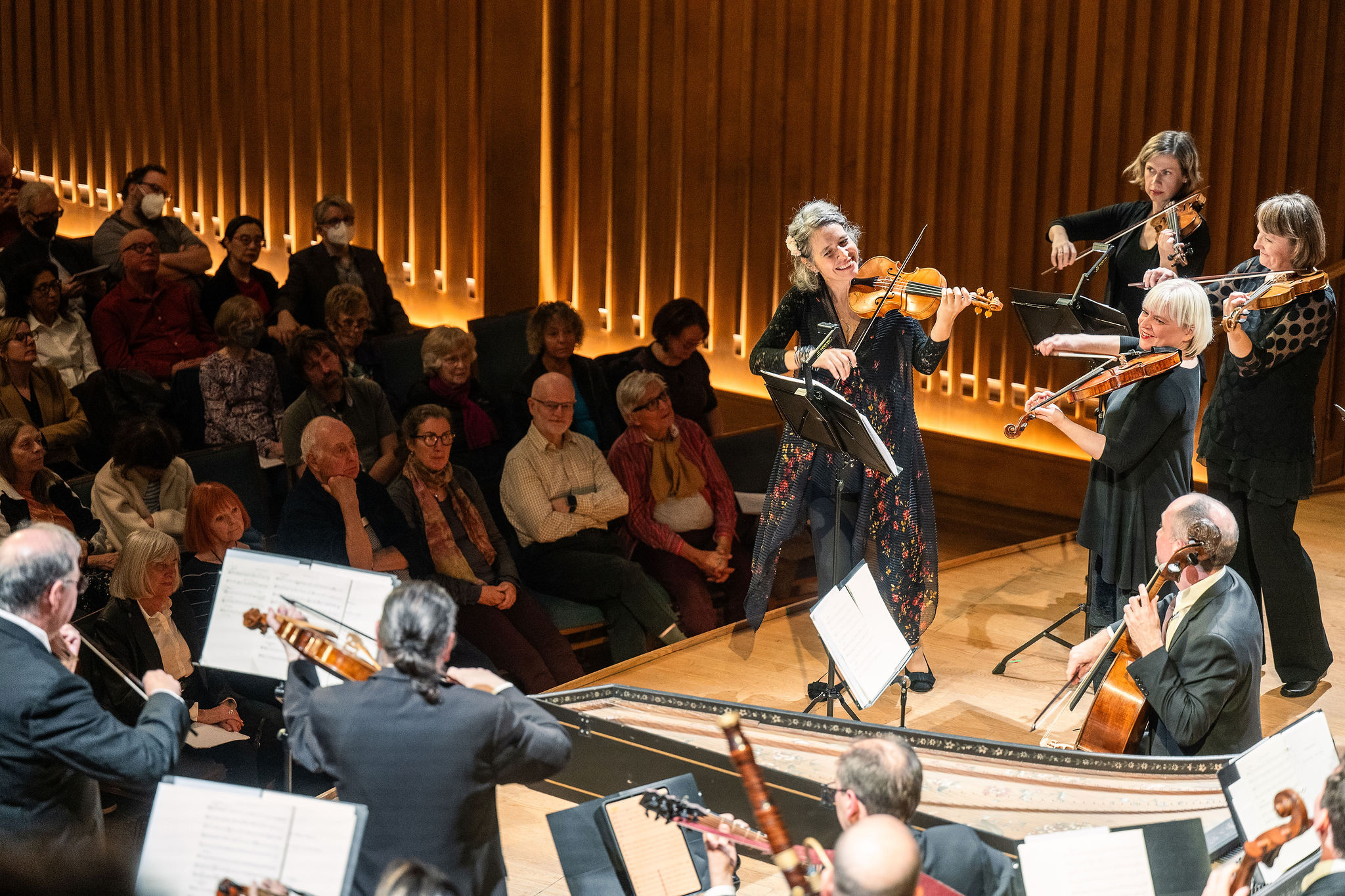
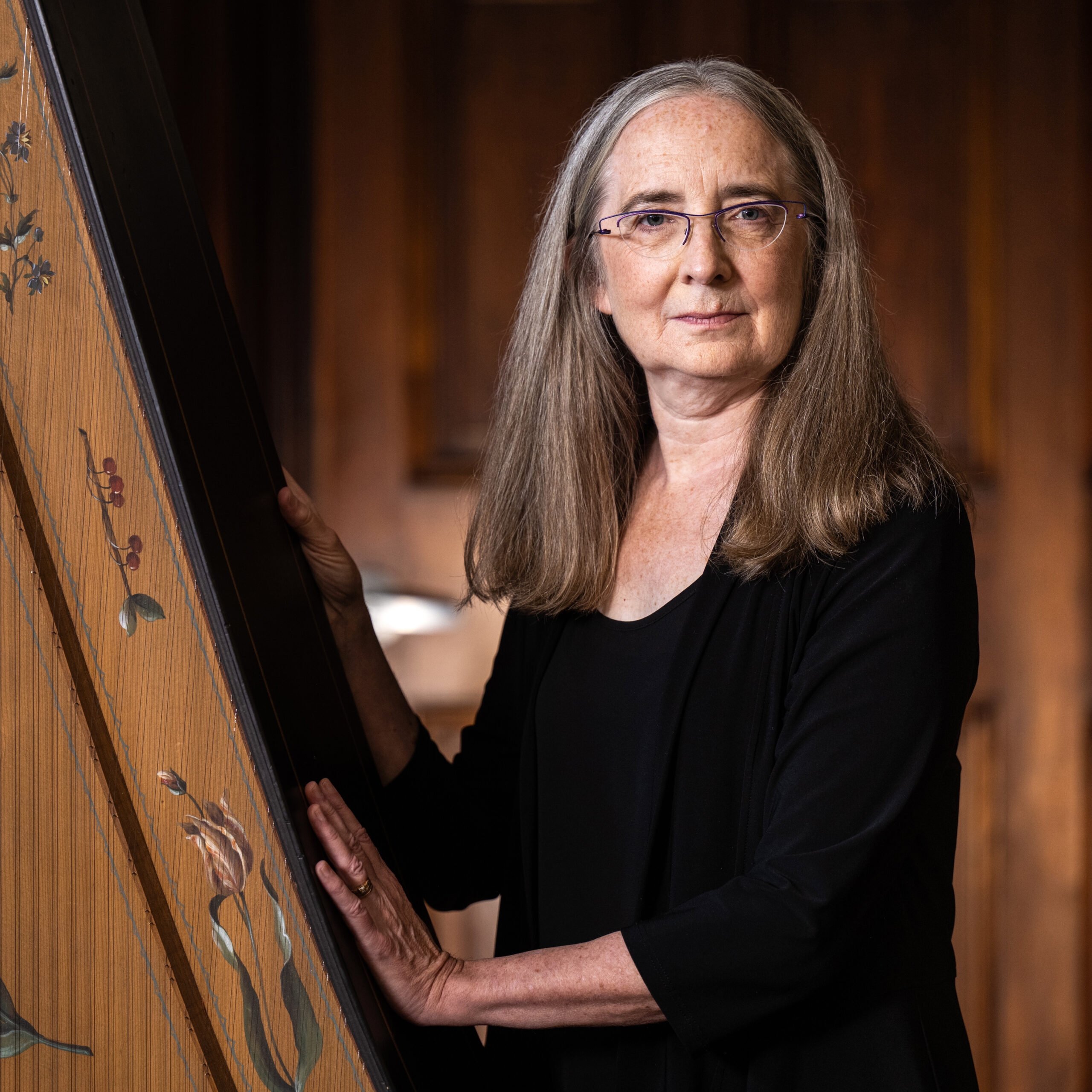
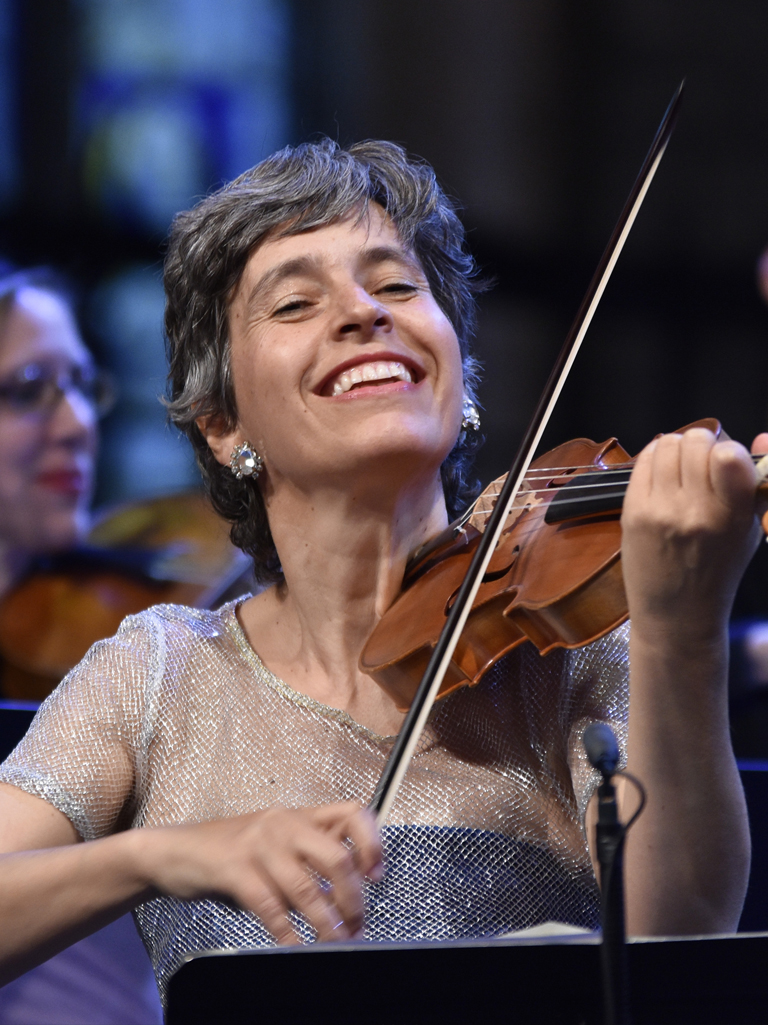
Tafelmusik and Ivars Taurins celebrate Handel

Tafelmusik turned their choral specialist loose for their season-concluding Handel celebration concert. If you have any way of getting to this concert do so, a love-fest centred on Handel and his alter-ego Ivars Taurins.

You may know Ivars Taurins for his Messiah, including his annual portrayals of George Frideric Handel for the singalong.

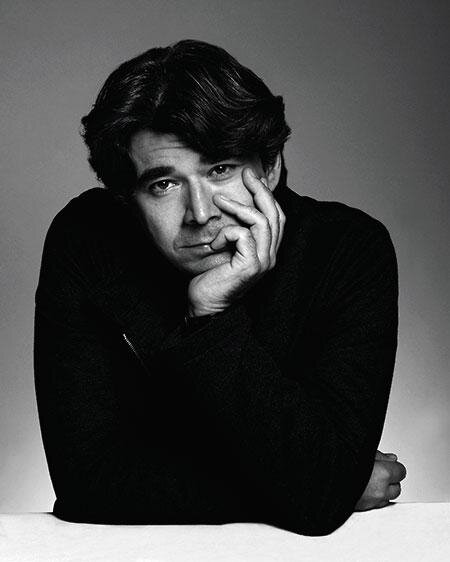
The ghost of Christmases past? Or Ivars Taurins a few years ago as Herr Handel (photo by Gary Beechey)

No wonder one might think that Ivars knows how Handel thinks.

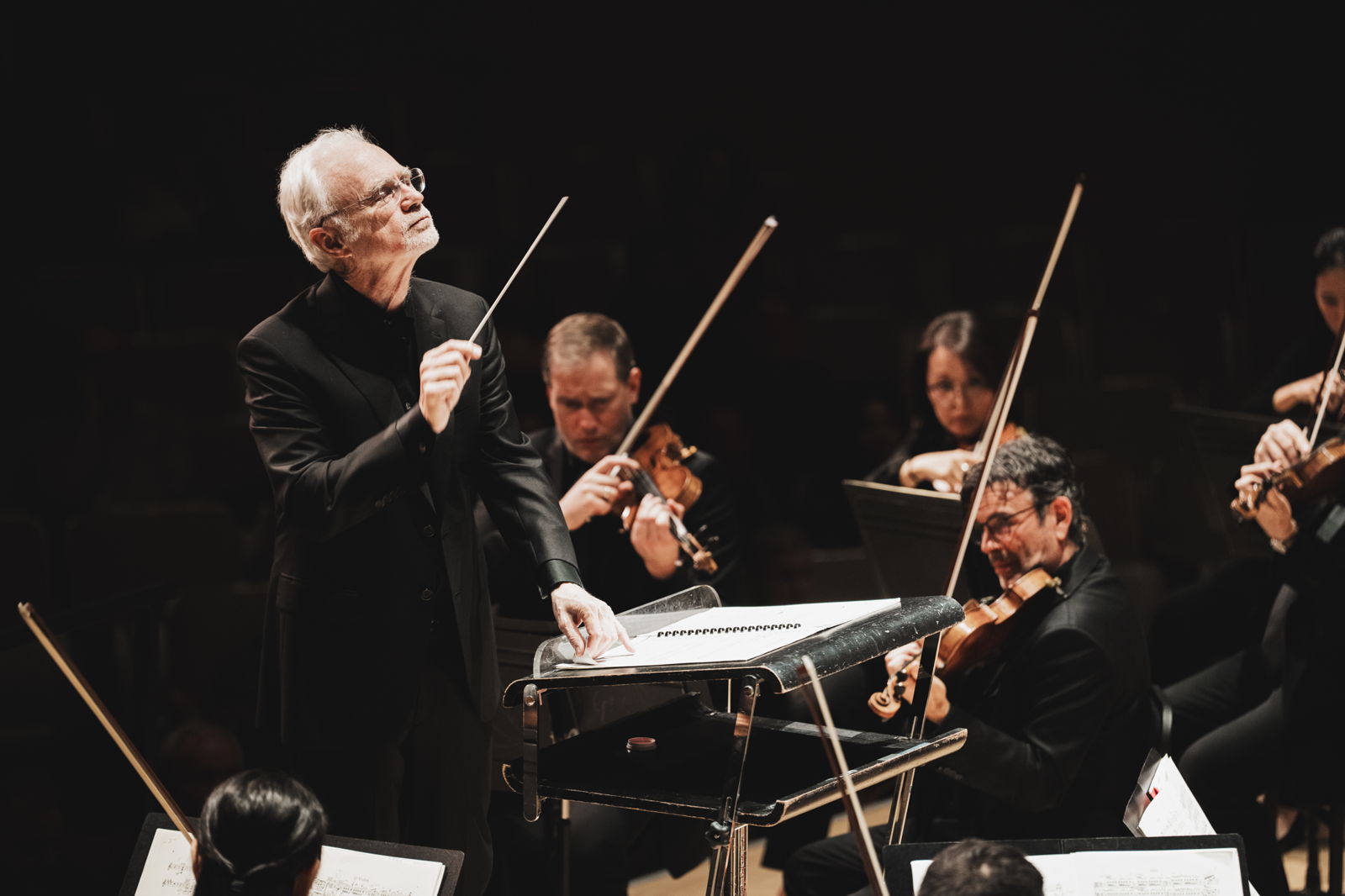
On this occasion Ivars was in modern formal attire, but fully immersed in the sensibility of the baroque composer to assemble a pasticcio from an assortment of arias and choruses from Tafelmusik Chamber Choir.

The result? an absorbing evening of truly brilliant performances that suggest maybe Tafelmusik should give Ivars more opportunities to conduct. There were no dull moments in a program perfectly balancing solo and choral numbers.

Ivars made everyone look and sound good.

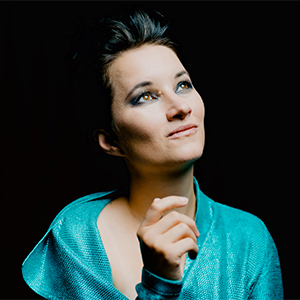
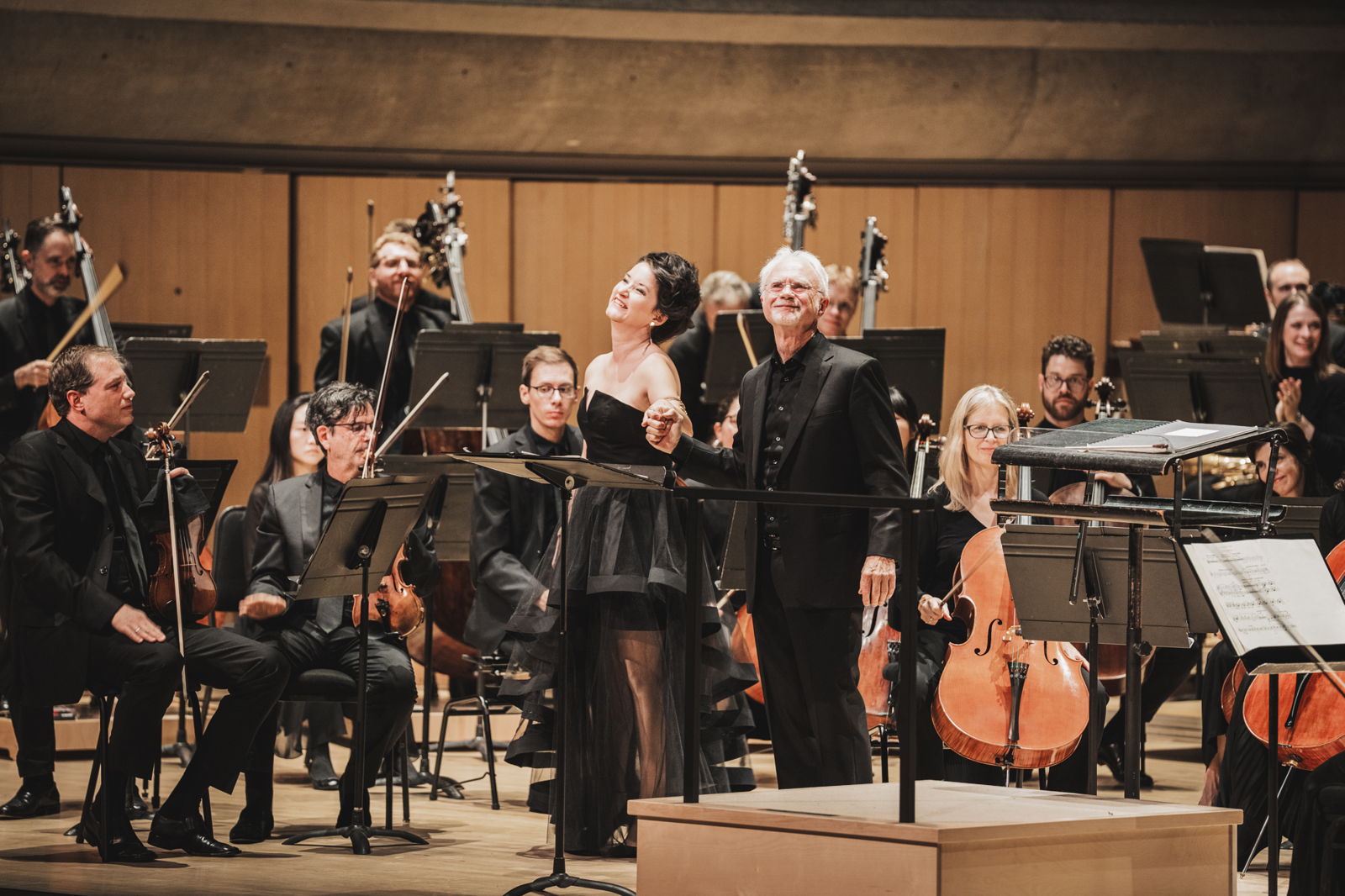
Amanda Forsythe and Thomas Hobbs accepting our applause

We heard amazing coloratura from soprano Amanda Forsythe, sometimes in games of imitation with wind players before and after intermission. “Sweet bird” from L’Allegro, il Penseroso ed il Moderato might be mistaken for something more recent with its brilliant virtuoso flute part played to perfection by Grégoire Jeay.

Amanda Forsythe, soprano, and Grégoire Jeay, flute (photo: Dahlia Katz)

But this is a baroque sensibility as the “bird” (aka the flute) shows off his skill while seemingly competing with the soprano in a joyful singing competition to make Wagner and his Meistersingers blush. It’s not impressionism but more of a pictorial game, and it’s pure fun as they match voices. Forsythe’s takes unexpected turns always bang on pitch but sometimes delicate up top, flying as high as the birds with her extraordinary range and precision. When it was time to show us Semele’s coloratura she flew every bit as high, adding a layer of humour in her amusing presentation of “Myself I shall adore”, exchanging smiles with her Jupiter, tenor Thomas Hobbs.

Hobbs/Jupiter then took us gently into the realm of erotic love with his presentation of the familiar “where’er you walk”, including a breath-taking da capo verse that literally stopped the show for a moment when I heard the entire Koerner Hall audience silent in anticipation.

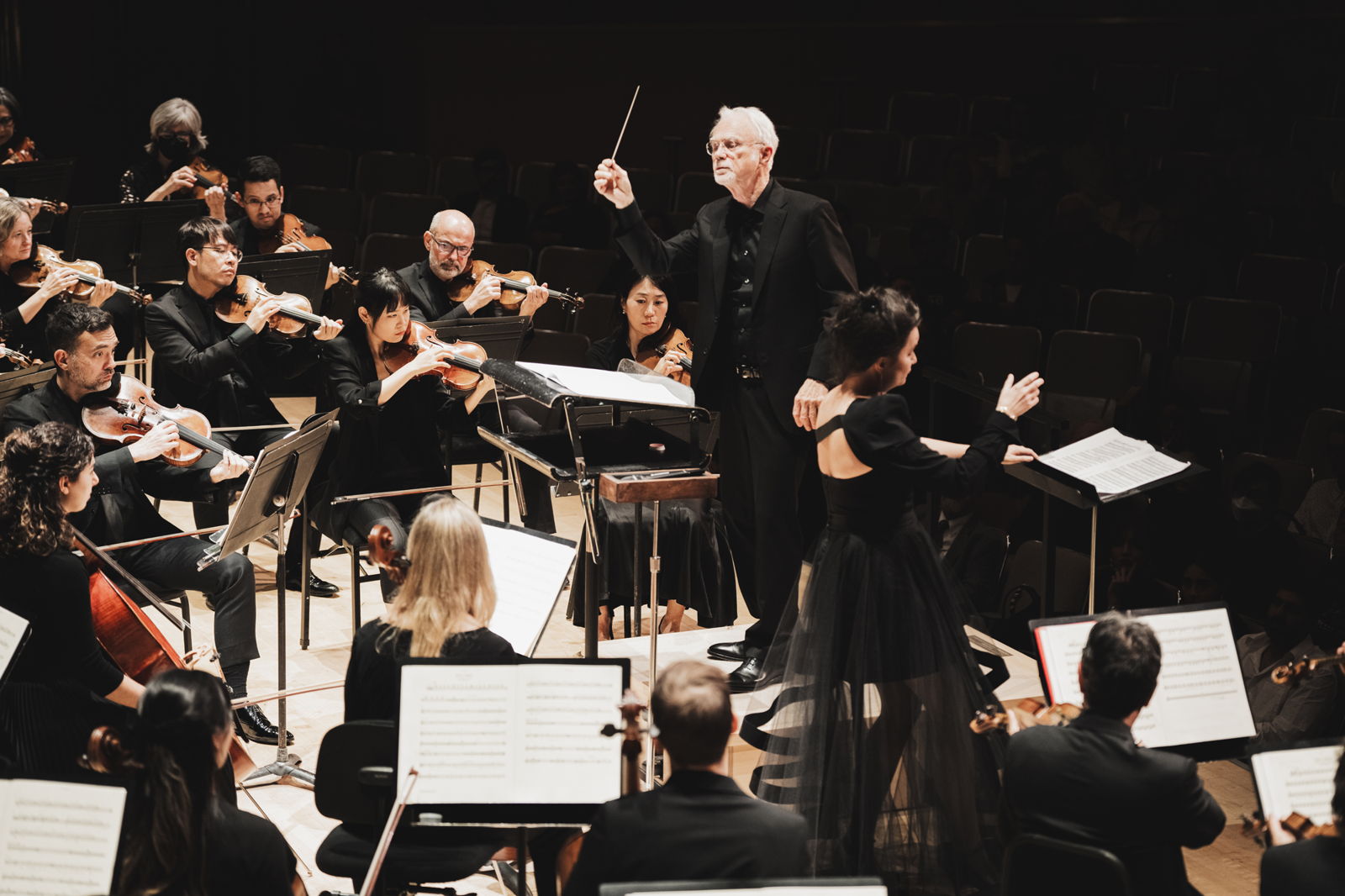
Keiran Campbell, cello; Ivars Taurins, conductor; Thomas Hobbs, tenor (photo: Dahlia Katz)

Clever Ivars assembled these solo marvels among a series of choral showpieces. Don’t mistake the chorus for a backdrop or secondary element, not when their works are the highlights of the evening.

Tafelmusik Chamber Choir (photo: Dahlia Katz)

Set between the visits to the score of Semele we heard a stunning reading of the Hercules chorus about jealousy, the “infernal pest”. Ivars made great theatre out of this piece, as the chorus crackled as they hissed the word “jealousy” to make you shiver at what was to come. And of course that’s subtext for what Juno does to Semele.

The choruses we hear are often short back and forth in happy and mournful moods, martial colours for war or philosophical musings about death. The Tafelmusik Orchestra responded to Ivars leadership, his gestural language for orchestra similar to his technique for chorus, fluid and sensitive, always clear.

Chorus and solo numbers seem to arrive on a somewhat even footing given that Ivars the choral conductor is never one to undervalue choral expression but curating a collection to make soloist and chorus shine equally.

Tafelmusik have always been a generous organization dodging the usual egomania of classical music, in a committee approach to leadership shared over the years. Ivars helmed the choral journeys, David Fallis the operatic & balletic voyages via Opera Atelier and the enlightened leadership of Jeanne Lamon for so many years.

I hope Ivars gets more opportunities to curate and conduct given the excellence of this program. Imagine a Tafelmusik Missa Solemnis for example.

For 2024-25 Tafelmusik won’t offer anything more modern than Mozart in next season’s programming but in fairness they know their strengths. Much as I desire to hear them undertake romantics, symphonies of Mendelssohn, Schubert or Schumann, the concerti of Beethoven, Berlioz or Chopin, Tafelmusik are after all a baroque ensemble. They know who they are and on occasions such as the concerts this weekend they are as good as anyone in the world, certainly a treasure for Torontonians to celebrate and cherish.

Tafelmusik’s Handel Celebration continues Saturday and Sunday June 1 & 2 at Koerner Hall.

Posted in Music and musicology, Opera, Reviews | Tagged , , , , , , , | Leave a comment

Canadian Premiere of Tom Pasatieri’s The Seagull, Friday June 7th: An Interview with Bill Shookhoff

Tom Pasatieri’s opera The Seagull will get it’s Canadian Premiere on June 7th with Opera By Request. I interviewed Bill Shookhoff to find out about it.

~~~~~~~

Barczablog: Describe the works of Pasatieri: what is his style like? 

Bill Shookhoff: Pasatieri is possibly the most prolific opera composer of the 20th and early 21st century, having composed over 20 operas, along with several works for solo voice, chorus, chamber music and orchestra.  His work defies categorization.  He exudes a definite contemporary sound, but retains lyricism and a sense of tonality, though the tonality is constantly shifting.  Besides The Seagull, his best-known operas include La Divina, Black Widow, Frau Margot and Signor Deluso.  The latter is probably his most-performed work, as it’s a short comedy, well-suited to university and young artist productions. 

His monodrama Lady Macbeth and settings of Oscar Wilde poems are also frequently performed. 

He also scored several films including Shawshank Redemption, Fried Green Tomatoes, and American Beauty.

BB: Describe the music of The Seagull.
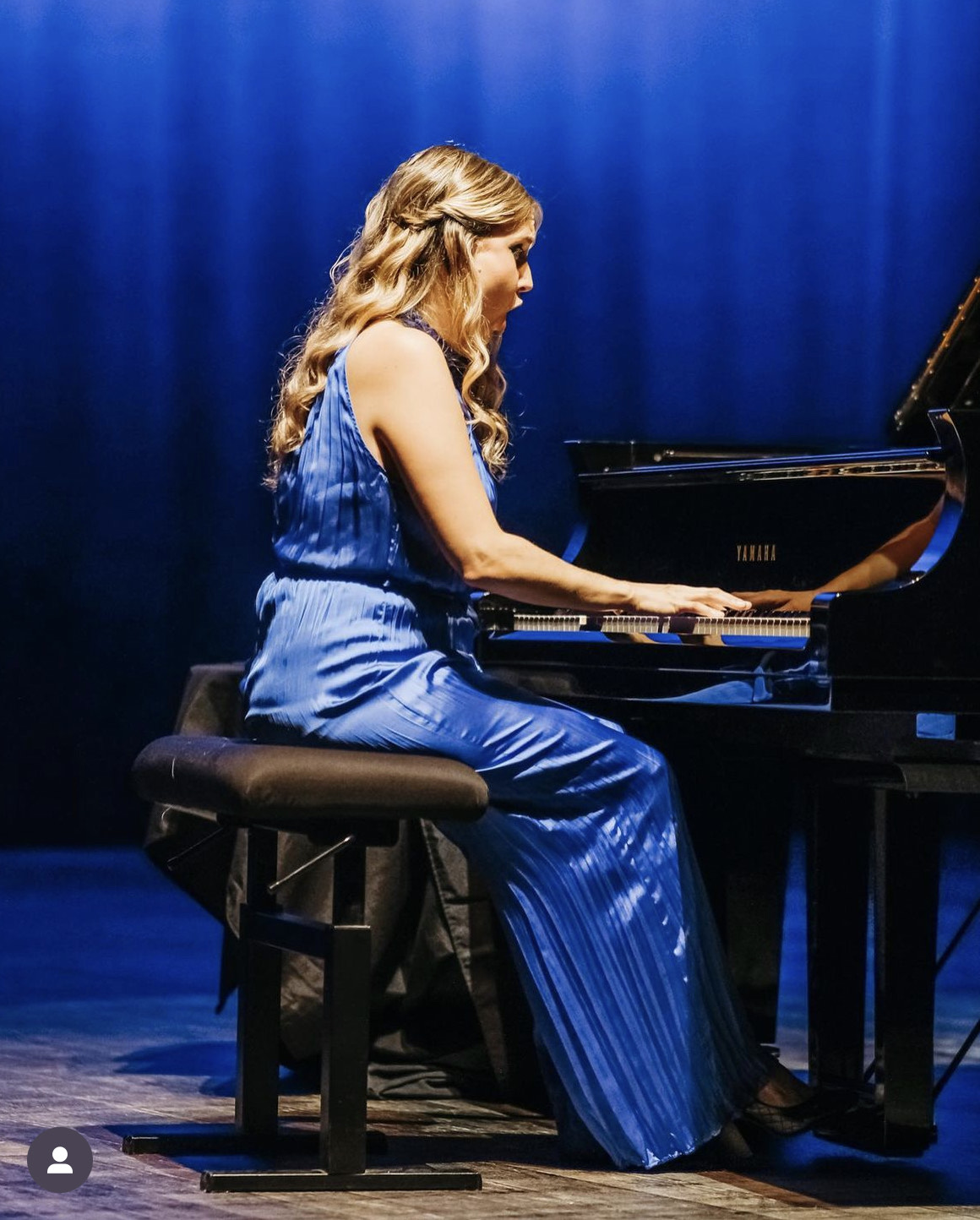
Bill Shookhoff: With his mixture of contemporary atonality and lyricism, Pasatieri captures both the intense conflict and the inner passion of the work.  His subtle use of leitmotifs define the principal characters and the principal themes: love proffered, love unrequited, anxiety, loneliness.

BB: Does the libretto from Kenward Elmslie and Frank Corsaro follow the original Chekhov?

Bill Shookhoff: The work is quite faithful to the original play, though with necessary condensing for operatic purposes. 

The story can best be summarized as Russian families and colleagues thrown together in a country estate, where virtually everyone is in love with the wrong person.  The most central character, Nina, travels the most complex journey:  half-orphan neighbour, happy childhood, then abusive step-parent, aspiring actor, struggling career in Moscow, seduced and abandoned, ultimately resigned to a life as an itinerant player in regional theatre.  Constantin, a writer whose work is not accepted, meets the most tragic end, while Trigorin, a mediocre writer, is always successful and always somehow lands on top. 

The most striking difference is the addition of Arkadina reciting Jocasta’s monologue (which is totally original, not found in any version of the Oedipus plays), as an apparent allusion to her relationship with Constantin.

BB: What are the roles like, what kind of singers are needed?

Bill Shookhoff: The principal roles:  Nina, Arkadina (the aging actress), Constantin, Trigorin, and Masha, the estate manager’s daughter, have extremely demanding roles with extensive range and dramatic demands.  These roles require stamina, as they each have extensive scenes to play, and dramatic capabilities, as their music defines them in all their conflicting characteristics.

BB: Who is in the cast, and where have we seen them (if ever) before?

Bill Shookhoff: Monica Zerbe (Arkadina) was in OBR’s Jenufa and Anna Bolena, and was an Eckhardt-Gramatte winner.  Andrew Tees (Trigorin) sang Wotan in OBR’s Ring Cycle and has a long legacy of performances throughout Canada. 

Michael Robert-Broder (Constantin) is one of Toronto’s busiest baritones, was recently in Janacek’s Makropulos Case (OBR/CICM) and will soon be singing the title role in Nabucco with Calgary Concert Opera. 

Meagan Reimer (Masha) joins us from Manitoba, as she did a year ago to sing Desdemona in Rossini’s Otello.  She was singing extensively throughout Germany when the pandemic hit. 

Meagan Reimer (Desdemona) and Paul Williamson (Otello) rehearsing Rossini’s Otello last year

Jenny Ribeiro, from Michigan, has performed with orchestras and opera companies throughout the US, and is involved with numerous audience-development projects in Michigan and New York. 

She is a devotee of Pasatieri’s work, and was key to making this production a reality.

Bill Shookhoff and Katie Mills who makes her OBR debut as Pauline

BB: What is the piano part like? 

Bill Shookhoff: Having just presented Makropulos Case, this piano part seems quite manageable, but is in fact very challenging.  Pasaieri’s orchestration includes a lot of quasi-contrapuntal inner voicing, which is difficult to achieve on the piano.  Parts of the orchestration are quite thick, so one needs to fulfill the orchestral sound without having it sound bombastic.  In many ways, it is comparable to the piano reductions of Carlisle Floyd, but because Floyd was a pianist, his reductions were more pianistic.

BB: How did this opera performance come about? 

Bill Shookhoff: Decades ago I was in New York City shortly before conducting Signor Deluso with Canada Opera Piccola and Pierrette Alarie in Victoria.  I had some questions about the score and arranged a visit with the composer.  He gave me a copy of the score of The Seagull, and shortly thereafter I was working with Patricia Wells, the original Nina, who absolutely loved the work and I’ve been wanting to do it ever since.  However, the work was long, very difficult and very hard to realize on the piano. 

Then, in 2003, a revised version, shorter and more compactly orchestrated, was presented by the San Francisco Opera Centre, with, coincidentally, Canadians Mark Morash (conductor) and Jane Archibald (Masha).  This version seemed eminently doable.  Two years ago I met Jenny Ribeiro at Peter Furlong’s (Siegmund, OBR Ring Cycle) Ring Cycle in One Evening in New Hampshire.  We maintained contact, she is a champion of Pasatieri’s work, we discussed logistics, and now it’s about to become a reality.

Bill Shookhoff and Ernesto Ramirez rehearsing Otello last year.

On Facebook I saw the following posted by Bill Shookhoff :

Back home and back to work. Really looking forward to the Canadian premiere of Tom Pasatieri’s The Seagull on June 7th and Cilea’s Adrianna Lecouvreur on June 22nd. Guest artists Jenny Ribeiro (Seagull), Whitney Sloan and Alicia Woynarski (Adrianna) will be joined by OBR stalwarts Michael Robert-Broder, Andrew Tees, Monica Zerbe, Meagan Reimer, Ernesto Ramirez among others. Cesar Bello will be making his long overdue OBR debut in Adrianna.

Posted in Interviews, Opera | Tagged , , , , , , , , , , , , , , , | Leave a comment

After last performance of Don Pasquale, looking back and ahead plus two anonymous voices

This afternoon we watched the Canadian Opera Company’s closing performance of the Renaud Doucet–André Barbe Don Pasquale at the Four Seasons Centre, bringing their spring season to a boisterous close.

Joshua Hopkins (Dr Malatesta), Misha Kiria (Don Pasquale) and Simone Osborne (Norina) photo: Michael Cooper

The unexpected adjective I’d apply to the colourful production is “authentic”. Notwithstanding the modern 1960s look of the show, we were firmly grounded in a bel canto sensibility beginning with Conductor Jacques Lacombe’s effortless control of the COC Orchestra, chorus and soloists bringing us a brilliant reading of Donizetti. I was especially grateful for the friendly acoustic of the COC Theatre, enjoying the lyric voices of tenor Santiago Ballerini and baritone Joshua Hopkins, the genuinely buffo stylings of basso Misha Kiria in the title role, alongside the star turn from Simone Osborne as Norina, funny while displaying flawless vocalism.

As I recall the six shows this season and the plans for next year I’m starting to get a sense of General Director Perryn Leech.

COC General Director Perryn Leech

I’m a satisfied COC customer as far as performance values, Don Pasquale being the latest in a series of successful productions, with a combination of visual appeal to the design, excellent direction of a strong cast that sang and acted as well as anything we’ve seen in this city. Five of the six shows this season (Don Pasquale & Medea having just finished, after winter productions of Cunning Little Vixen & Don Giovanni, plus Fidelio & La Boheme back in the fall) were new to this city. That follows a 2022-2023 season that might seem conservative, having only the single new production (McVicar’s Macbeth) among five revivals (Egoyan’s Salome, Guth’s Marriage of Figaro, Alden’s Flying Dutchman, Curran’s Tosca and Ivany’s Carmen).

Next season we get five new productions plus one revival. While I’m thrilled to see the Wozzeck co-production that the COC share with The Metropolitan Opera, the Salzburg Festival, and Opera Australia, glad to see the return of Kyle Ketelson as Mephistopheles in Faust, Tamara Wilson’s Abigaille in Nabucco, yet I’m disappointed by the casting of so many imports when there are Canadians who could sing the parts.
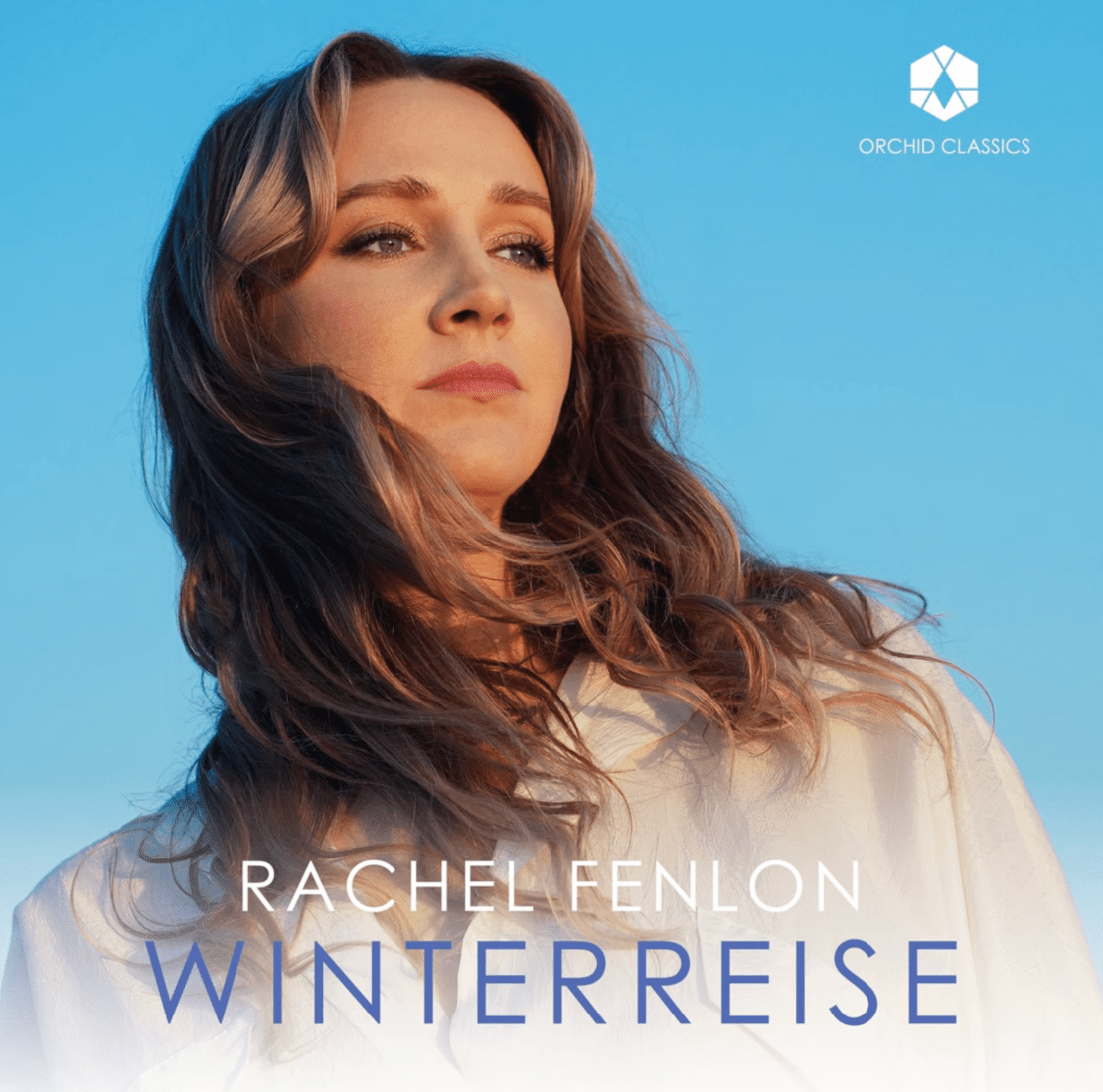
Yes I renewed my subscription.

This image has an empty alt attribute; its file name is img_0753.jpg
A photo of my COC renewal brochure

I want to share two recent quotes.

First: a friend drew my attention to something on social media from an anonymous member of their employee group.

“AITA for feeling that COC’s upcoming season is shameful and disgustingly out-of-touch with reality casting-wise?
Sure a couple superstars are good to fill seats but of the approximately 41 roles available, only 18 go to Canadians. Of those roles only 4 lead categorized roles given to Canadians.
3 Russian nationals in lead parts that could easily be cast by Canadians (or Ukrainians).
What are they thinking?”

AITA? If it’s new to you, “AITA” is short for “Am I the asshole”?, as you try to be fair but are exasperated that your point of view isn’t obvious.

ANONYMOUS?
Anonymous because calling out management can have consequences if you’re hoping to be hired.

Of course you don’t expect a truly objective appraisal of a boss from their employees.

Second, here are some words from an anonymous observer.

Under Hermann Geiger-Torel:
Promotion of Canadian singers.
Under Lotfi Mansouri:
American singers on their way up or on the way down.
Under Brian Dickie:
Brits
Under Richard Bradshaw:
Two for one specials of Russians due to their low fees.
Alexander Neef: Had quite a strong commitment to established Canadian singers, and repatriated some, but I felt he could have and should have done more. 
Perryn Leech: Who knows?”

They continued:

“With Mansouri they brought in mediocre Americans
Dickie brought in Brits
Richard brought in cheap Bulgarians and Russians …
Neef was the best at genuinely trying to hire Canadians since Torel 
Richard got Russians at two for one specials.”

They were laughing at the end, even as they expressed their frustration.

I post this because, as I peruse the next COC Season I wonder whether Mr Leech has any interest in casting Canadians. Is it simply easier to import? Surely Canadians are cheaper. Surely using Canadians helps connect the personnel onstage with the audience.

I saw a piece by Aisling Murphy with the title “For the leadership at Crow’s Theatre, investing in local talent is crucial” just this week that struck a chord for me. I’m citing Murphy’s piece in Intermission Magazine, quoting Paolo Santalucia speaking of Crow’s Theatre, that seems relevant to the COC:

“It’s been really invigorating to see how the public has absorbed and embraced Canadian talent across the last few years,” he said. “I think that’s indicative of the fact that audiences are excited by the talent pool we have here. One thing we can do as a Canadian theatre centre is make strong advocacy for encountering prestige, Canadian talent, and allowing that to meet the public in a vital, exciting way.”

I wish someone would show Santalucia’s words to Perryn Leech.

Posted in Opera | Tagged , , , , , , , , , , , , , | Leave a comment

2024 Met Gala – JG Ballard’s Garden of Time tone deaf to the rabble

The 2024 Met Gala fund-raiser used a JG Ballard story for its theme, The Garden of Time.

Ballard is one of my favourite writers, especially his short stories and science fiction. Several have made wonderful films.

Art and commerce lurk in the conversation about the latest Met Gala.

Ballard’s story reads as a symbolist piece about the nature of beauty itself with undertones of something darker in the way it portrays the different classes we encounter in the story. I wonder whether they really looked closely at the implications of employing Ballard’s text this way.

Does beauty belong to the upper classes, and something only the wealthy can understand or appreciate? Ballard’s story shows an isolated sanctuary of fading beauty beset by an enormous crowd preparing to overrun and destroy the space. As Ballard’s Count Axel walks in his garden, looking out from a place of wealth and beauty, a huge disorderly army approaches from the distance. He plucks time flowers to reverse time, temporarily slowing the advance of the vast throng. But the time flowers are becoming scarce, the horde getting ever closer.

Ballard calls them a rabble.

You can see for yourself by clicking here to read The Garden of Time.

I understand the annual Met Galas to be a fund-raising exercise, a fascinating intersection of art, fashion and popular culture, but having re-read the story I am disturbed by the implications of juxtaposing this story and the Gala.

When I first read the Ballard story back in the 1970s, I hadn’t yet encountered the long symbolist play Axël by the Auguste de Villiers de l’Isle-Adam, composed roughly between 1870 & the author’s death in 1890), a work I read as part of my research into Claude Debussy, Maurice Maeterlinck and the symbolist movement.

You can read Axël here.

Frontispiece image of Auguste de Villiers de l’Isle-Adam

No they’re not the same story but I am certain that Ballard uses the name as a deliberate reference to Villiers de l’Isle-Adam’s hero, a symbolist evocation of time and the decay of culture. Axël is a long sad story of a Byronic hero looking for spiritual enlightenment, ultimately taking a pathway similar to Tristan, as he drinks poison with his beloved. The most famous quote I found online (having read the play more than 20 years ago):  
Vivre? les serviteurs feront cela pour nous” (“Living? Our servants will do that for us“).

The symbolist ideal is very much an elusive search that makes no claim to be democratic or socialist, but rather leans more in the direction of elitism if not a genuine contempt for the masses. And no I don’t share such views. They creep me out whether they’re in the mouth of the poet or a devout follower such as Claude Debussy, Stéphane Mallarmé or Richard Wagner.

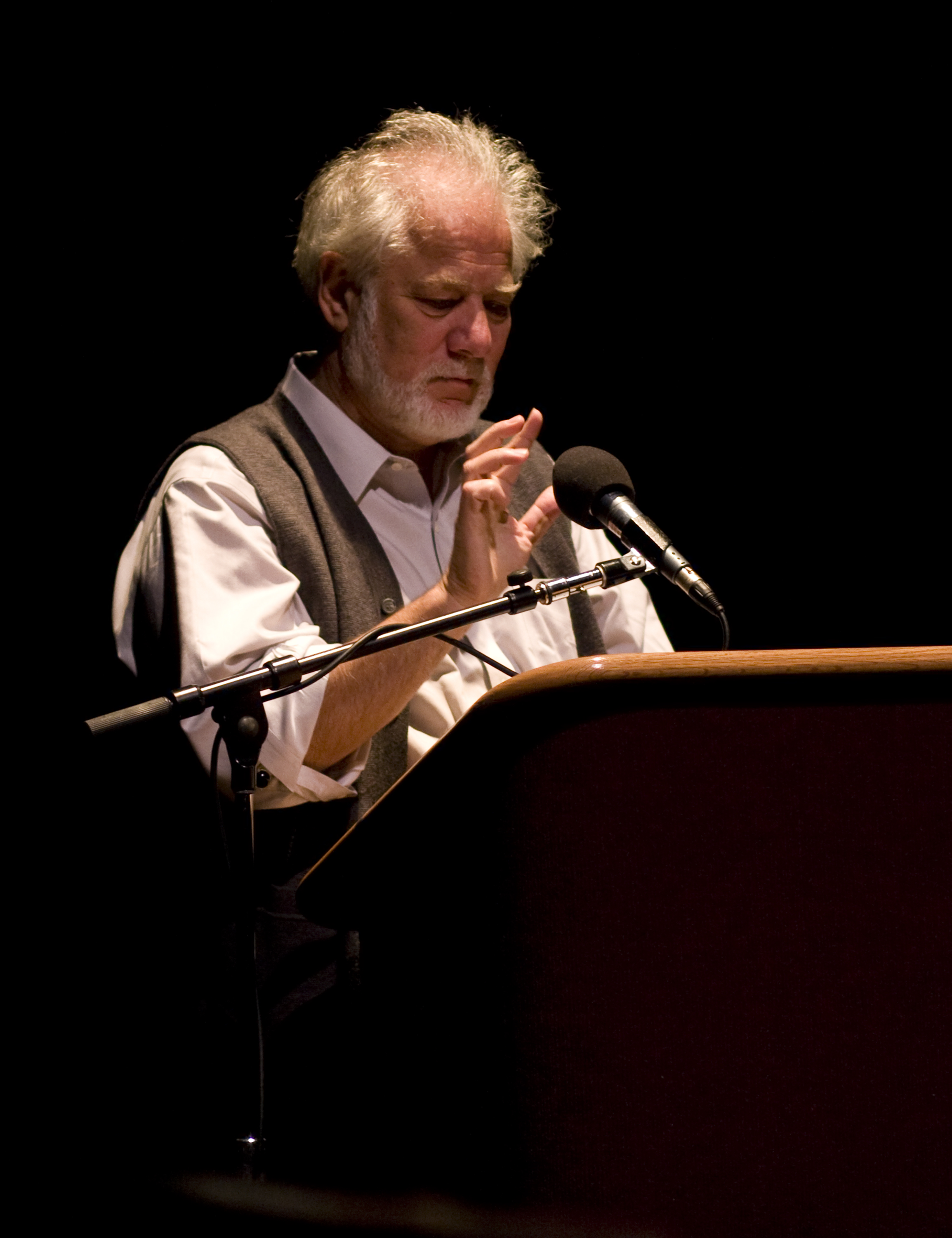
JG Ballard

Debussy attempted to set Axël to music in his youth, although I don’t believe more than a fragment of a piano-vocal score has been found, composed in 1888 according to catalogues of Debussy’s works.

Speaking of time, the 19th century Axël takes a very long time to reach a conclusion that Ballard accomplishes with breath-taking swiftness.

In the story a tiny stronghold of beauty is under attack by a destructive rabble, as though beauty itself belongs only to the wealthy few, while the hordes are insensible to beauty.

At a time of runaway real estate prices, inflation, and huge wealth discrepancies, it seems astonishingly tone deaf of the organizers to choose Ballard’s imagery for their theme. Why am I surprised? Silly me.

Posted in Art, Architecture & Design, Books & Literature, Popular music & culture | Tagged , , , , , , , , | Leave a comment

Philip Chiu’s Fables

Pianist Philip Chiu

I have been listening to FABLES, the excellent ATMA CD of piano music by Philip Chiu pairing two piano transcriptions of music by Ravel with Mnidoonskaa (A Multitude of Insects), a 2021 work by Anishinaabekwe composer Barbara Assiginaak.

“Fables” makes an interesting departure point for me, suggesting different ways to listen and understand music, underlined in the pianist’s personal message inside the disc, a note he signs:
“Sincerely, Phil”.

In 1999, as teenage-me sat in his bedroom listening to Mendelssohn’s Overture to A Midsummer Night’s Dream over-and-over-again, enthralled by the fantasy, heroism, and romance of a story I had never even read it dawned on me that music is undoubtedly storytelling. It tells tales without words and also adds new dimension and colour to stories we already know. Through sound and silence, music illuminates the depth of emotions and makes visceral what is otherwise intangible.

Phil reminds me of my own encounters with music meant to accompany and illuminate plays and films. There may seem to be a dilemma in this encounter. On the one hand we are invited to see images & to discover the underlying narratives that inspired the music. Yet however vivid the imagery, at the same time the pianist is still playing a piano. There is no dilemma however, given that we can hear the stories and images we see in our mind’s eye as we listen to the literal truth of the piano.

It’s a kind of magic, that sometimes a piano stops seeming like a piano. When we hear a transcription of a symphony or a tone poem the piano becomes a fantasy portal to other worlds, as though the piano were doing the equivalent to pencil sketches of colourful scenes. As Maurice Denis reminded us “Remember that a picture, before being a battle horse, a female nude or some sort of anecdote, is essentially a flat surface covered with colors.” Similarly the music at the piano may conjure other instruments and colours even though the magic was entirely through pianism.

There may be no real dilemma but pianists do face interpretive choices, ways to honour the piano score while being mindful of the poetic possibilities.

Ravel has a curious relationship with the piano. He is both the vivid impressionist orchestrator of Mussorgski’s Pictures at an Exhibition, the version most people know and love, and one of the great romantic tone-painters of virtuoso piano music in such works as Gaspard de la Nuit.

Yet the nine movements of the two Ravel works are presented in transcriptions, revised by Philip Chiu. We begin (if you choose to listen to the CD as a whole: a practice that some might call old-school, given that one may never bother with all the tracks if they prefer to download portions) with Ravel’s 1903 String quartet in F. I’m not sure what it says that Phil’s version of the work makes it sound as though it were composed at the piano, as though this is where Ravel conceived the piece: which is entirely possible. Two of the movements are among my favourites, and yet I swear to me they sound better on the piano than played by a string quartet. Is that heresy? Certainly. And my own background as a pianist who loves transcriptions is showing. I also remember hearing that some Europeans believed Shakespeare was better in translation. Perhaps transcribing distils the essence of the music. Or maybe it takes us back to what Ravel was doing in the first place.

The Ravel makes a good prelude to what follows, Book One of An Abundance of Insects by Barbara Assiginaak. I want to be careful in writing about the assumptions behind these colourful little pieces, suggesting broad swaths of colour and varieties of light & shade. Ravel the impressionist might program me to expect Assiginaak to be engaged in something similar, when the music may be enacting something else, such as celebratory ritual or dance rather than painting. I find that the pieces fly by very quickly, in the manner of lyrical meditations rather than the dramatic discourse of sonatas. Hm I said that they fly by, which come to think of it is very apt for the quick little creatures we’re meeting in these works.

The CD concludes with Mother Goose, five pieces from 1910 in transcriptions of Ravel that have been revised by Phil. These feel closer to what Assiginaak was doing in her pieces, as the pieces don’t so much tell the Mother Goose stories as sketch portraits of characters. I suppose I’m inclined to think of Denis because I think of these works as pictures, that can be brilliant whether done in the full colour of orchestra or the subtleties of a piano sketch. Phil’s piano is radiant, gleaming, a transparent reading to honour the simplicity of Ravel’s original.

These recordings feel like the personal testimony of an artist. No wonder the album won a Juno.

More information about Philip Chiu’s recording Fables can be found here.

Posted in Art, Architecture & Design, Music and musicology, Reviews | Tagged , , , , , , , , , | 1 Comment

COC Medea explores truth

Yesterday I attended the Canadian Opera Company’s Sunday matinee of Luigi Cherubini’s Medea. The main character may tell a lot of lies but that didn’t stop the audience from cheering her on in one of the darkest operas imaginable, a sharp contrast to Donizetti’s Don Pasquale, the other work in the COC spring season.

Speaking of truth, as we drove to the Four Seasons Centre we discussed whether we should expect to see Sondra Radvanovsky not even 48 hours after her Friday night triumph (as reported by friends) in one of the most demanding roles. When Perryn Leech appeared I knew exactly what we would be told.

Chiara Isotton, who was expecting to sing the final two performances of the run sang this difficult role bravely and boldly in an unexpected COC debut.

Chiara Isotton accepting the rapturous applause after singing Medea Sunday afternoon

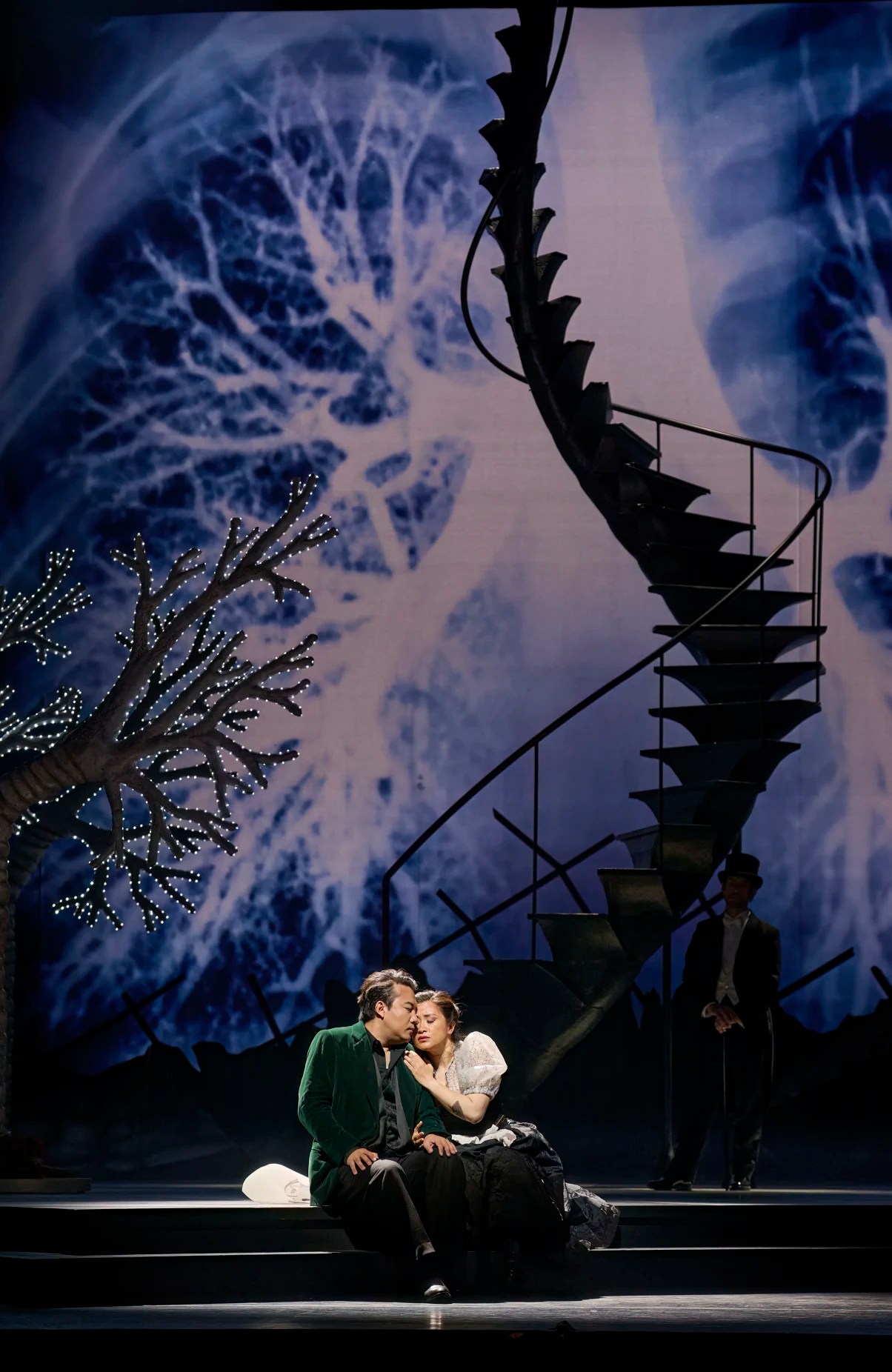
The diva shares the spotlight with an extraordinary set design by director Sir David McVicar in this co-production of The Metropolitan Opera, Greek National Opera, Lyric Opera of Chicago plus the COC, a delightfully anachronistic assembly of colours and textures.

There are two remarkable features to the set, the first in a series of sliding panels that act as doors, opening and closing to change our view. Sometimes they’re completely closed, providing a place at the front of the stage for intimate exchanges, sometimes they offer partial framing or open fully. I was reminded of the way films sometimes employed an iris or a door to set up the transition from one shot to the next. For much of the opera, the action is framed and kept far away from us, which makes a lot of sense if the material might be disturbing.

When the doors were fully open we had a chance to see the the more spectacular second feature. McVicar’s stage places a large mirror surface at an angle upstage, that reflects a view of everyone but seen from above. It’s sometimes disturbing, sometimes stunningly beautiful, but throughout the opera we’re able to see people plus a view of them from above. I am sure this works entirely differently for those sitting further back.

Sondra Radvanovsky in the title role of Medea (The Metropolitan Opera, 2022)

When we open the final act the doors are fully open. Medea is far upstage, seen in the reflection as though floating in the sky. It’s unsettling yet very beautiful. Our final view of her as the temple burns is surprisingly moving.

    I found myself feeling grateful for the melodrama of Cherubini’s two dimensional dramaturgy, wanting distance from the ugly story. We don’t expect method acting or depth from Godzilla or Dracula, and Medea is just another monster. The artificiality of music allows us to revel in passion without getting too close to the nasty realities of the story. There is a certain delight in watching pure passion, especially when a composer has captured raw emotion in his music as Cherubini has done. The nerdy part of me that listens to this opera (I have a hair-raising recording with Maria Callas, Jon Vickers, Nicolai Ghiaurov & Giulietta Simionato) revels in Cherubini’s directness, and perhaps that would ideally have me sitting further away, not looking too closely at what they were saying or doing.

    Even sitting very close to the action we could see the ways that the director chose to alienate us, to remind us of the artifice. I wish I could have seen how Sondra played the craziest moments, given that I was unable to find sympathy for what Chiara did with the part when she sees the resemblance between child and father, surely a daunting moment for any singer:

    MEDEA ——————————MEDEA
    Guarda ei pur così! Così Giasone–He too has the same look! Jason
    falso ha lo sguardo! —————–has the same false glance!
    A morte, orsù! ———————–Come you must die!
    (Afferra i bambini ——– (She seizes the children
    levando il pugnale.) —— raising her dagger.)
    No, cari figli, no!—————–No, dear children, no!
    Son vinta già!——————-I am defeated already!
    Cessò del cor la guerra;——-The war in my heart has ceased

    While Chiara sang very well I wonder how much time she has had to develop the nuances in her interpretation of the role, one that Sondra has done previously elsewhere. If I had been sitting further back perhaps I would have been swallowed up by the music rather than disturbed by what I was seeing. The audience exploded in response to her COC debut, well sung even before we remember that this was an impromptu debut due to Sondra’s indisposition.

    To his credit, Leech has been making great use of covers, recalling the Lady Macbeth replacement drama, that began with Sondra Radvanovsky’s withdrawal from the production. Her Friday night performance may represent a triumphant comeback by an intelligent artist, but a big part of being an intelligent artist is knowing when to cancel a performance.

    More power to her, and maybe someday I will hear her again.

    I would be remiss if I didn’t notice the many other significant contributions to a dramatic afternoon of opera. Matthew Polenzani sounded properly heroic as Giasone, in a thankless role reminding me of Pinkerton, another self-centred sailor with a lover in every port whose vows cannot be trusted. Janai Brugger was a congenial Glauce, displaying a beautiful timbre and a winning presence. Alfred Walker’s Creonte improved from a rough start, perhaps unhappy to be singing on less than two days rest. Zoie Reams as Neris was vocally splendid while carrying out some of the more difficult actions of the story; she’s important to the advancement of the plot, reporting on various parts of Medea’s evil work, bringing the children to Medea, taking poisoned gifts to Glauce, while somehow making that believable and even sympathetic.

    The COC Chorus played their usual part in painting the dramatic illusion while singing appropriate responses to situations where they often echoed the sentiments of soloists expressing delight, sadness, or horror. There’s no middle ground. Conductor Lorenzo Passerini gave a taut and apparently flawless reading to a score full of soft lyrical moments between outbursts of fury and horror.

    The COC’s production of Medea continues with performances May 9, 11, 15 and 17.

    Posted in Opera | Tagged , , , , , , , , , | 5 Comments

    Nightwood Theatre presents the15th Annual Lawyer’s Show June 13-15: The Sound of Music

    Nightwood Theatre presents the 15th annual Lawyer Show

    The Sound of Music
    Music by Richard Rodgers
    Lyrics by Oscar Hammerstein II
    Book by Howard Lindsay & Russel Crouse
    Suggested by The Trapp Family Singers by Maria Augusta Trapp
    at the Jane Mallett Theatre, St. Lawrence Centre for the Arts
    June 13–15, 2024

    (Toronto, ON)—Nightwood Theatre is proud to be returning to the stage with our fifteenth annual Lawyer Show,
    Rodger and Hammerstein’s The Sound of Music!

    Directed by Sadie Epstein-Fine, assisted by Lee Stone, and Musical Directed by Melissa Morris, assisted by Alexa Belgrave, and supported by a team of professional designers and crew, this unique event brings a cast of over 35 lawyers together for four live performances at the St. Lawrence Centre for the Arts. As Nightwood’s biggest annual fundraiser, the Lawyer Show delivers vital funds that go directly toward the company’s mentorship initiatives, training programs and main stage productions.

    While Lawyer Shows happen across Canada in various regional theatres, Nightwood’s scale is one of the largest in the country. Over the past decade, Nightwood has engaged over 300 lawyer-actors, received hundreds of sponsorships from some of Toronto’s top law firms, and has raised over $1,300,000 to support local artists. Moreover, the engagement has led to other creative endeavours, where lawyer alumni have produced their own Fringe shows, performed stand-up comedy, and formed indie theatre companies.

    The show’s Director and Choreographer, Sadie Epstein-Fine, shares, “I am always thrilled to come back to the Lawyer Show. The lawyers remind me why I love theatre. It is not the fact that there are many incredible actors, singers and dancers (which there are), but that they are truly joyous to be in the room putting on a play.”

    Reflecting on The Sound of Music, they remark, “We are living in polarizing, scary times. As we dive deeper into the play it has become clear that we are living in a moment that the characters in the Sound of Music find themselves in. The play is also about connecting through a love of music and that is something we have all been able to relate to.”

    Musical Director, Melissa Morris, adds, “The lawyers are such enthusiastic, hard-working and talented individuals. It has been a pleasure getting to know them and to watch them blossom into their characters! This is going to be a truly great show- you don’t want to miss it.”

    SHOW DETAILS:
    Available through the Nightwood Theatre site: https://www.nightwoodtheatre.net/2024-lawyer-show/

    TICKETS:
    Tickets: $65 – $85 (includes partial tax receipt). Tickets on sale now.
    Dates:
    Thursday, June 13 7:30 pm
    Friday, June 14 7:30 pm
    Saturday, June 15 1:30 pm
    Saturday, June 15 7:30 pm
    Location: Jane Mallett Theatre, St. Lawrence Centre for the Arts, 27 Front Street, Toronto, ON

    ABOUT NIGHTWOOD THEATRE
    As Canada’s preeminent feminist theatre, Nightwood cultivates, creates, and produces extraordinary theatre by women and gender-expansive artists, liberating futures, one room at a time. Founded in 1979, Nightwood Theatre has created and produced award-winning plays, which have won Dora Mavor Moore, Chalmers, Trillium and Governor General’s Awards.

    Nightwood Theatre would like to thank our 2024 Lawyer Show sponsors:

    Appeal Sponsors: Epstein Cole LLP, FCT

    Justice Sponsors: Blake Cassels & Graydon LLP, Carters Professional Corporation, Marchetti Lee Family Law, Mathers McHenry & Co, McCarthy Tétrault LLP, Mills & Mills LLP, Rayman Harris LLP, Shilbey Righton LLP, Torys LLP

    The Sound of Music is presented by arrangement with Concord Theatricals on behalf of The Rodgers & Hammerstein Organization.
    www.concordtheatricals.com

    *******

    Press releases and announcements” are presented verbatim without comment

    Posted in Dance, theatre & musicals, Press Releases and Announcements | Leave a comment

    Prelude to Hope

    They began with this artistic manifesto:

    As a collective of artists working within a creative circle associated with the Scarborough Philharmonic Orchestra, we have asked ourselves how artists can and should respond to the times we live in. Our answer has been the one word “Hope”. Drawing on various texts from the classical to the new, and set within our own musical styles, we have  jointly conspired to infect our audiences virally with Hope.

    They are the collective of musicians, singers, composers, brought together under the auspices of the Scarborough Philharmonic Orchestra, the Odin Quartet. The program lists Danielle MacMillan, Mezzo Soprano; Maghan McPhee, Soprano; Odin Quartet (Alex Toskov, Tanya Charles Iveniuk, Matt Antal, Samuel Bisson); Kaye Royer, Clarinet; Gilles Thibodeau, Horn; Kristin Day, Bassoon, Lisa Tahara, Piano, Vanessa Yu, piano, Ronald Royer, Conductor, Ted Runcie, Conductor.

    Mezzo-soprano Danielle MacMillan
    Soprano Maghan McPhee

    Friday night’s “Prelude to Hope” from that collective at the Heliconian Hall was the first of two concerts. Saturday’s “Songs of Hope” at St. Paul’s L’Amoreaux Anglican Church (3333 Finch Avenue East) includes additional pieces while reprising many of the same compositions.

    Ron Royer, Artistic Director of the SPO, was our host and master of ceremonies encouraging each composer in attendance to come forward to speak before their pieces. Their comments underlined how challenging it can be.

    Ron Royer

    I find myself asking chicken & egg questions lately, unsure which came first between composers composing, writers writing, ensembles commissioning, teachers encouraging, and an eager audience making it all come to life.

    I can’t decide whether the concert I saw last night was more apt for springtime –when new growth flourishes — or autumn–when the fruits are harvested.

    Saturday night’s concert includes much of the same music heard in Friday’s program (listed here):

    Daniel Mehdizadeh, composer Jess Azevedo, librettist, New Castles, for Soprano, Mezzo Soprano, piano and cello (SPO Commission and Premiere)

    Elienna WangRosé Leaves, for Mezzo Soprano, Viola and Piano

    Ryan Fwu, composer, (Maya Toussi, words) , The Midnight Garden, for Soprano and Piano

    Anika-France Forget: composer, (Aude A. Saint-Laurent, words),  I Will Whisper Your Name, a Sweet Boy’s Lullaby, for Mezzo Soprano, Cello and Piano

    Yuhan Zhou: Tonight, for Soprano and Piano

    Rachel McFarlane, music and words, Eternal Embrace, for Mezzo Soprano and Chamber Ensemble (New Generation Composer, SPO Commission and Premiere)

    Alexander Glazunov: Serenade for Horn and String Quartet

    Shreya Jha, music and words, Walk with Me, for Mezzo Soprano and Piano (New Generation Composer, SPO Commission and Premiere)

    Ted Runcie:  Where Shadow Chases Light (words by Rabidinath Tagore) for Soprano, Mezzo Soprano, and Chamber Ensemble (SPO Commission and Premiere)

    ~intermission~

    Bruno Degazio:  Seven Parables of The Rising Dawn, words by St. Thomas Aquinas for Soprano, Mezzo Soprano, and Chamber Ensemble (SPO Commission and Premiere)

    Hsiu-Ping Patrick Wu:  That Last Moonlight, for Soprano, Cello and Piano

    Ronald Royer: English translation adapted from Dante Sapia of Siena and Beatrice from Women of Dante’s Divine Comedy, for Mezzo Soprano and Chamber Ensemble (SPO Commission and Premiere)

    Mitsuko FernandesA Song for the SPO, for Soprano and Piano

    Leela Gilday, music and words, (arranged by Martin Loomer)  All Alone, for Mezzo Soprano and String Quartet

    Odin Quartet (Matt Antal, Alex Toskov, Tanya Charles Iveniuk, Samuel Bisson)

    I have never been to a concert with so many original pieces getting their premiere. Except for the Glazunov and the Gilday, everything was a premiere, and perhaps the arrangement of Gilday’s piece is new too.

    It’s a reminder that at its core, poetry, art, music can be understood as a proposition, energy directed towards the eyes and ears of others, especially when one participates as I did in the excitement to give thanks in response.

    I came in asking myself “How does one signify hope in music”? It helps to have titles and text, poems or meditations, although at times the abstract composition takes you from a place of fear or sadness towards something happier, from darkness to light, from slower to faster, from doubt towards commitment & confidence. Some composers opted for a very simple and direct approach, others probed in poetry or meditations to dig more deeply.

    I might misquote Descartes’ “cogito ergo sum”, to suggest that when we sing therefore we are alive. I am thankful for the arts councils funding projects like this one, the schools like UTS encouraging students (including a few we heard on the program).

    I am inspired by what I saw and heard.

    Posted in Music and musicology | Tagged , , , , | Leave a comment

    Spaceman is lightyears away from Operaman

    After a friend described Spaceman as Adam Sandler’s best film I had to have a look, especially given that nobody I know takes Sandler seriously, and quite a few grimace at the mention of his name.

    I recently quoted CS Lewis on the topic of criticism. He said
    Let bad tragedies be censured by those who love tragedy, and bad detective stories by those who love the detective story. 

    If someone who hates Adam Sandler says they’ve seen his best film, what does that mean? In Spaceman Sandler is almost silent, meaning no mugging no shenanigans no songs. Perhaps they like it because 99% of the things offensive in most of Sandler’s movies have been purged.

    Sandler is Jakub Prochazka, a solitary voyager sadly taking us on a psychological journey to remind you of the isolation of the Jupiter mission in Kubrick’s 2001, a combination of the psychological sci-fi of Contact (recalling Jodie Foster’s performance as Ellie Arroway, in an encounter that may be all in her head) and the existential questions of Kafka’s Metamorphosis (because there’s a creepy crawly creature in the spaceship).

    That opinion that Spaceman is Sandler’s best reminds me of (if you’ll excuse a strange segue) Pelleas et Melisande, the opera that was the focus of my dissertation. It’s the least operatic opera as the singers avoid the usual sorts of operatic singing. If you hate opera for the loud extroverted performances, maybe Pelleas will please you, in much the same way that a hater of Adam Sandler might like his work in Spaceman.

    Meanwhile just as I’m an opera fan I came to Spaceman as a fan of Sandler.

    Let me come clean. I have loved Sandler’s work since he and Chris Farley were regulars on Saturday Night Live. In the 1990s as the designated ticket buyer at the University of Toronto’s Drama Centre who would make arrangements for tickets to the Canadian Opera Company’s dress rehearsals for classmates & colleagues, I used the alias “Operaman”, aping Sandler’s character from SNL. My emails made reference to the guy in this video from SNL.

    While Sandler’s Operaman was created during his tenure on SNL between 1990 and 1995, he recently came back to advise Joe Biden how to win the presidency. In his usual rhyming couplets, Operaman said

    “Joe for this
    you won’t go far-o
    To win white house
    You need to bang porn star-o.”

    Sandler’s career reminds me a bit of Eddie Murphy, another comedian whose huge output includes both great work and outings of lesser quality. It’s hard to reconcile the brilliance of Murphy’s Oscar nominated work in Dream Girls or his voiceovers in the Shrek series, with his silliness as The Nutty Professor.

    Adam Sandler is just the latest in a long series of comic actors migrating into more serious roles. I offered an opinion about this recently on Facebook, in reply to a post about Hollywood hiring English actors. I said (in response to disrespectful comments about Kenan Thompson):
    Kenan was especially brilliant this past week (the Ryan Gosling episode). Perhaps instead of saying that what he does isn’t acting it might be more accurate to observe how influential improv has been upon cinematic acting over the past half century:
    1- changes to how films are written since the time of Robert Altman incorporating improvisation into the performance
    2-comedians standing tall as actors (Robin Williams , Tom Hanks & many more I could name)
    3-de-emphasis of stage acting chops except in period films where it lends a lustre to the project
    Scripts ain’t what they used to be, meaning that the writing process has been transformed and as a result, the way actors work is now different. Critics and pedagogy (acting teachers, film teachers & writing teachers) tend to take ages to catch up to the reality in the field.

    The last half-century of film-making includes so much improvisational performance that comedians had a natural advantage. The shift has been so profound that when I name performers from comic TV & film who seemed adept at improv work, we may question whether they’re really comedians.

    I first saw Jonah Hill and Emma Stone in the comedy Superbad (2007), along with Bill Hader and Seth Rogen. Does anyone think of Stone as a comedian? Probably not.

    Comedy continues to be disrespected as a lower form, echoing a centuries old class distinction elevating tragedy above comedy. Academy Awards are merely the most recent instance. Was Oppenheimer really a better film than Barbie, or is it simply this ongoing assumption that serious topics are somehow better, that comedy is less important..?

    Sometimes the actors came from standup (Tom Hanks, Robin Williams, Whoopi Goldberg) sometimes situation comedy (Jackie Gleason, Lucille Ball, Mary Tyler Moore, Steve Carell, Woody Harrelson) sometimes sketch comedy (Peter Sellars, Catherine O’Hara, Bill Murray, Michael Keaton, Lily Tomlin, Eddie Murphy, Mike Myers). I’m only scratching the surface.

    Speaking as a critic I’m aware that in taking Adam Sandler seriously as an actor I may be out of step with other critics, but it wouldn’t be the first time. In 2020 when I was in NY, Zoe and I went to see Uncut Gems, I remember there was a bit of surprise at how well Sandler did in a film also starring Judd Hirsch (speaking of actors coming from comedy).

    Film, opera, theatre and concerts entail two parallel interlocking tracks, each hugely important in the outcome. On the one side there’s the purely artistic conversation, the directors and writers and designers working with actors and cinematographers. But before any of that happens there’s another stream, the curatorial stream where producers and programmers decide what pieces to put into the concert program, what operas to put into a season, what artists to hire for roles in the opera or play or film. First someone has to decide the shape of the project, by hiring writers, seeking out directors and actors. It’s hard to know which is the chicken and which is the egg, given that a Judd Hirsch or a Carrie Mulligan or an Adam Sandler may be brought into a project before or after the concept takes shape. The flexibility of performers who can improvise surely makes them attractive for producers.

    I don’t hate Spaceman but (surprise surprise) I don’t think Spaceman is Adam Operaman’s best film. You can decode / evaluate this opinion via my Sandler touchstones, the films I’d consider his best. While I mentioned Uncut Gems (2019) back in 2020, it’s a bit like Spaceman in its departure from the usual Sandler toolkit, although yes Sandler is very good. But –sentimental beast that I am– I was far happier with Deeds (2002), an update of the Frank Capra classic, or 50 First Dates (2004). The question is messed up by the fact that Sandler is not just an actor but sometimes a writer as well, as in Waterboy (1998), and You Don’t Mess with the Zohan (2008). Also fun (acting without writing) are the remake of The Longest Yard (2005) and Spanglish (2004).

    Yes I often like Sandler’s work although there are several films I can’t stand such as Little Nicky or Big Daddy.

    If I have to pick a favorite it must be Anger Management (2003) featuring superb work from Marisa Tomei and Jack Nicholson, including some of the best versions of Leonard Bernstein’s music that I have ever heard.

    Posted in Cinema, video & DVDs, Dance, theatre & musicals | Tagged , , , , , , , , , , , , , , , | Leave a comment

    Seraphia closing April 27th

    I got some bad news today, when Peter at Seraphia informed me that he will have his last day Saturday April 27th.

    I can’t properly capture what his Scarborough gourmet shop has meant to me and my family. I’ve been a caregiver to a family member who ate some amazing meals thanks to Peter’s good taste. Do I suddenly have to learn how to cook? Maybe.

    I understand that the reason he’s leaving is because the new lease would mean a big rent increase. Perhaps he’ll find a new location somewhere else, although I fear he’ll simply pack it in. The kids from RH King, the brave guys from the nearby firehall, and those of us who live in the neighbourhood will all have to get by without his lasagna, his muffins, his spanakopita, his quiches, his sister’s baklava, his poutine, his burgers, his breakfasts…. And so many other things like salads and cole slaw and Greek salad and Caesar salad. Sigh.

    And we’ll miss his personality and the Q107 accompaniment.

    Ave atque vale or as the Romans used to say: hail and farewell.

    I’m re-blogging a piece I wrote back in 2021.

    Posted in Food, Health and Nutrition, Personal ruminations & essays | 1 Comment