Wednesday night saw the premiere of Pelléas et Mélisande in a new orchestration by Christopher Bagan, conducted by David Fallis at Koerner Hall. Opera Atelier commissioned Bagan to reduce the scope of Debussy’s opera from a post-Wagnerian orchestra (70 + players including 22 specific wind parts in addition to the strings & percussion) to a chamber ensemble of just 14 remarkable soloists.
Christopher Bagan
As I discussed the production at intermission with friends, it was clearly another test case of the idea of director’s theatre, where a well-known work is done in a new way. Those who insist that the text must be done as written resist, where those who don’t know the work or who don’t care about departures, digressions & deletions will be delighted.
For the most part I liked it, impressed by most of the creative choices from director Marshall Pynkoski & choreographer Jeannette Lajeunesse Zingg.
Bagan said in his interview that the smaller orchestration “opens the door to “lyric” singers who have incredible artistry but might not have the sheer physical volume to compete with an 80-piece orchestra. It makes the art form more mobile and accessible.” I can’t help thinking that Debussy himself had this objection to grand opera, especially Wagnerian music drama, and its requirement of big loud virtuoso voices with high notes, limiting the dramatic possibilities: given that the opera he wrote is already a bit like Wagner 2.0. The singers aren’t pushed nearly as far by Debussy as they are by Wagner or Verdi even with the larger orchestra. Bagan’s work makes it easier still, more accessible.
Bagan also said that his orchestration “restores the “recitative” nature of the work,” and that a “14-player chamber ensemble, however, can move as deftly as a Baroque continuo section, responding moment-to-moment to the emotional nuances of the singers on stage.” We saw this at times from conductor David Fallis, the pace very flexible and sometimes very quick. I’m not sure I’d call it “recitative”, but that’s just terminology. The point is, the new adaptation works.
What I didn’t expect were the cuts to the opera, and for the neophyte those won’t matter. I didn’t mind them either although they do change the work somewhat. Debussy’s scene changes function much like the ones in Berg’s Wozzeck or indeed in Wagner’s Ring cycle music-dramas (albeit on a smaller scale), as a kind of reflective breathing space, where the audience has a moment to ponder what they’ve seen.
Marshall & Jeannette chose to add dance. I’m not sure what I think of it, as I think in places it’s redundant and not really adding anything no matter how beautiful. The dance releases tension, which is not always a good thing when the opera has built up dramatic tension. As I say, I’m not sure what I think. The main thing to observe is that Marshall & Chris have not just reduced the orchestra’s size but changed the story somewhat. In opera, directors do that. I argued with people about the changes in the Met Opera’s Tristan und Isolde a few weeks ago, and have defended directors for much bigger changes to a score that were made at the COC.
Marshall is usually faithful to the text. The one thing that I feel needs to be said is simply that this is original and new. And there’s nothing wrong with that. It’s not historically informed Pelléas, which would be to show us the opera as it might have been done sometime between 1895 (when the piano score was finished) and 1902 (when the work premiered in its fully orchestrated incarnation) or a little thereafter. While you can make the case that the reduced orchestration is in the spirit of Debussy’s creations at the time, that goes out the window when you insert dance numbers with baroque music (before Acts 1 & 2 and again after the intermission, in the midst of Act III). I’m not objecting to those changes, just wanting the interpretation to be understood as new rather than true to 1902, which it is not. But that’s a trivial nerdy question, given that overall the production is successful, beautiful to look at and wonderful to hear.
For those who know the opera it may be odd that some things they knew and loved are gone, such as the subterranean scene between the brothers, the subsequent scene on the surface, the commentary from Arkel after Golaud pulls Mélisande’s hair, including the line of the opera that is possibly its most famous, or the moment in the last act when the servants (having mysteriously appeared) drop to their knees to announce Mélisande’s death. I don’t believe in arguing with a director, if that’s what Marshall wants to do, by all means: but it struck me as an odd thing to omit. I usually cry at the end of this opera, and while I was very moved in places, I was not sure what to think, left cold by the way Marshall chose to end the work. I’m not saying it’s bad. I’m saying I don’t get it, I do not understand.
You might love it.
I wonder if Chris re-orchestrated all of the opera, and then Marshall made cuts. It’s a long evening after all, so that might have been necessary. I did not expect to see Yniold’s scene in the 4th act, my favourite scene of the opera, and one that Against the Grain also cut from their Pelléas.
I was pleasantly surprised by the talk Marshall gave to introduce the performance. No mention this time of “impressionist”, a word that I don’t think should be used about Debussy even though yes, Leonard Bernstein does use it, speaking of Debussy’s piano music. Marshall spoke of the opera in context with the reaction against naturalism / realism in the theatre, which is great to hear, the Symbolist movement in the Parisian theatre as a very brief reaction, a sort of counter-discourse.
So let me be clear, I’ve said before that Marshall is very creative, sometimes brilliant. In places those adjectives apply to his Pelléas et Mélisande. But this is an original new creation, not a historically informed interpretation. While Debussy might have embraced the reduced orchestration and while Mallarmé and his circle saw dance as a kind of poetic ideal, that doesn’t mean he would have quietly nodded in approval to all the dance added to this opera, especially considering that several scenes were cut to allow time for the dance interludes, lovely as they may have been. And indeed I’m not saying it’s bad.
I’m saying it’s new. It’s Marshall & Jeannette changing Debussy, and that’s fine. But let’s not pretend this is a faithful representation of what Debussy wrote. It’s not, even if in places it’s brilliant, often very beautiful, very moving.
Douglas Williams was a powerful Golaud, scary at times, sympathetic always, the voice beautiful, the physical presence, awe-inspiring. In the company of this chamber ensemble & David Fallis’s sensitive leadership, he was fluid, sensitive and totally heart-breaking. Douglas continues to be a tower of strength for Opera Atelier.
Douglas Williams & Meghan Lindsay (photo: Bruce Zinger)
Meghan Lindsay was the enigma at the centre of the production, intriguing from the first moment that we saw her lost in the forest. I continue to be amazed at her flexibility, recalling her Agathe in Der Freischütz more than a decade ago, yet still a radiant young presence who can play the ingenue or the femme fatale,Mélisande being a bit of both. Antonin Rondepierre as Pelléas was a terrific match for her, as he underplayed until his final scene.
I was thrilled to hear the gorgeous voice of Philippe Sly as Arkel, his first appearance being one of Marshall’s strokes of genius. Arkel is understood to be an old blind patriarch, who was played by a young man wearing a blindfold and tormented by dancers onstage: which might be the most creative way I’ve seen the character portrayed. I found his first scene very moving. I’m sorry that the production chose to cut some of his part, although that’s also true of all the other principals except Geneviève, sung by Measha Brueggergosman-Lee. The first time we see her in the second scene, reading from a letter, she made more of this than usual, as I’ve found this is usually done slowly, whereas she gave it terrific energy, which made a great contrast when old rumbling Arkel replied to her.
Measha Brueggergosman-Lee (photo: Bruce Zinger)
And the family dynamics peer between the lines of that exchange, as we see that everyone is a bit afraid of Arkel (Golaud speaks of the possibility that Arkel will be angry with him,), who is a slower older version of temperamental young Golaud. That later scene that’s cut with Yniold (Cynthia Akemi-Smithers) also features a bit of a tantrum, the men in the family seemingly having anger issues. But Cynthia’s one big scene with Douglas was one of the highlights, his heavy-handed & abusive nature hard to watch. I was impressed with the way Marshall had her peer into the bedroom with the help of dancers.
Toronto Symphony recently released their third Harmonia Mundi live recording, captured from performances 21-23 November 2024 at Roy Thomson Hall, featuring two works by Béla Bartók (1881-1945) plus a piece by Canadian Emilie Cecilia LeBel.
Roy Thomson Hall’s acoustics seem to be perfect for large orchestral works such as these three compositions:
Béla Bartók: The Miraculous Mandarin (complete) 32:51 Emilie Cecilia LeBel: the sediments 9:27 Béla Bartók: Concerto for Orchestra 37:55 in five movements
The Concerto for Orchestra is a big treat, the occasion for our TSO to show their excellence, with Gustavo Gimeno showing us more of his true colours. It may be dangerous because I keep driving the car with the volume turned up, immersed in Bartók.
The TSO have reached a higher level of virtuosity, clearly able to play anything and make it sound fluid and easy, as this piece demonstrates, a unique work that is well known featuring some remarkable sounds and moods. We go from a serious realm in the first movement into something more ironic in the second, sadly meditative for the third, and playful in the fourth even as a solemn melody comes to pieces as though in self-mockery. And then in the closing movement as he brings past themes back, the energy and pace picks up relentlessly, a series of breathless thrills, building to a kind of celebratory finish, feeling public & expansive.
Gimeno’s dynamics are often subtle, the interior voices distinct but gentle. After hearing so much Bach lately I’m recognizing the counter-point and subtler voicing in Bartók I didn’t notice at first. The more I listen to this performance, so clean & effortless, the more depths I find to it.
I think it’s impacting my thinking, as the last two reviews I wrote (one about a new play, the other a Tafelmusik concert) had me repeatedly thinking as though from first principles. I am smiling a lot as I keep listening to this CD over and over.
Gustavo Gimeno (photo: Allan Cabral)
I was puzzled at first that the recording bears the title of the lesser known work (The Miraculous Mandarin) rather than the popular one (Concerto for Orchestra) that I’ve found so thrilling, although with repeated listening I came to discover depths & thrills in the Miraculous Mandarin too.
And when I look more closely at that colourful cover design, yes both works are mentioned. Maybe the obscure title of a lesser known work might get the TSO more attention, given that it’s not usually heard in its complete form.
Gimeno and the TSO remind me of the way a musical score is a kind of puzzle asking to be solved. The way the music is played represents solutions to the enigma, expressions of the composer & their style filtered through the performers and their own style. I recognized listening to this over and over that I didn’t know Bartók as well as I thought.
The Miraculous Mandarin caused such a scandal at its 1926 premiere that it was banned. A century later, I think it’s a revelation. The lurid story is summarized in the record’s liner notes:
Three lowlifes force a young girl to pose at a window and attract men passing on the street, so they can rob them. After an elderly rake and a timid young man, both penniless, have been enticed in then thrown out, she lures a wealthy, strange-looking Chinese man, whom the thieves try to kill, but in vain: neither stabbing him with a knife, nor suffocating him with pillows, nor even hanging him from the lamp bracket can finish him off. He dies only when the girl offers herself to him, finally satisfying his desire.
Menyhért Lengyel (1880-1974)
Bartók’s orchestration is brilliantly original, sounds that had never been heard before to match the extreme stage actions in Menyhért Lengyel’s scenario for the ballet. The descriptive term we sometimes encounter is “expressionist”, that fits most parts of the score really well, music portraying extremes of emotion, employing an exaggerated & angular sonic vocabulary.
I am reminded of Stravinsky’s Sacre du printemps by the way the titles of sections leave so much to the imagination. I used to drive myself a little crazy trying to picture how the particular sections of Le Sacre would be choreographed, wondering what actions or movements went with the particular sections of the ballet. It took me a long time to let go of that compulsion with Stravinsky, something I don’t feel with the Bartók given that it’s newer to me, and its history onstage is so much rarer than Le Sacre. But even so I wonder how this would be staged. While a modern director / choreographer would freely do as they please, I can’t help wondering what Bartók might have meant: although we’ll never know.
While Bartók may have intended his music to depict specific action or movement, the titles of the sections tell us little; this is again from the liner notes.
1. Beginning – Curtain rises 3’05 2 | II. First seduction game 3’37 3 | III. Second seduction game 3’08 4 | IV. Third seduction game – The Mandarin enters 4’11 5 | V. Dance of the girl 4’51 6 | VI. The chase – The tramps leap out 4’27 7 | VII. Suddenly the Mandarin’s head appears 7’17 8 | VIII. The Mandarin falls to the floor 2’15
In the pantomime we meet the three tramps & a girl, then watch three successive attempts at seduction of passersby: first a shabby old man, then a young student, and third a wealthy Mandarin. Where the first two were lured in, and thrown out when their poverty was discovered, the Mandarin is a worthwhile catch for the thugs. The Mandarin is attacked, but does not die and continues to desire the girl. His head mysteriously glows in the dark. Only when the girl recognizes his need and helps satisfy him, does he begin to bleed and he dies. Yes it’s inexplicable as per the title. I see echoes of other death & redemption stories such as The Flying Dutchman or Kafka’s Hunter Gracchus.
The music is often so powerful as to suggest the grim realities of poverty in an urban setting, complete with physical struggles, violence and sexuality. There is also a brief subtle wordless chorus towards the end of the complete ballet (that’s missing from the orchestral suite), performed by Toronto Mendelssohn Choir, led by Jean-Sébastien Vallée. The descriptor “expressionist” breaks down when used for this part, and I say that as an agnostic who dislikes such terms, often thrown about carelessly. Immediately before and after we are still hearing angular & rough sounds, but then the wordless chorus takes us into another realm entirely, one that for me is more of a symbolist effect. We have encountered this before, in Giuseppe Verdi’s Rigoletto in the 1850s, in Debussy’s third orchestral nocturne in the 1890s, Ravel’s Daphnis et Chloé just before the Great War in 1912 or Holst’s Neptune at the close of the war, perhaps finished in 1918. And then there’s the frequent use of wordless chorus in films of the past half-century, because such voices suggest or imply humanity, the presence of life, whether alive or dead, human or supernatural but non-specific given that the choral effect has no words nor any visible personages. I wrote about it a few years ago. Where much of the score is over the top (expressionist), the last part is characterized by restraint & subtlety (symbolist). My joy at the encounter with the music was balanced by huge doubts, humbled when pondering the limits to my analysis and hesitancy about using descriptive epithets. Add to that the awareness that Bartók would not have seen this again in his lifetime. I wonder how it would look in a staging even as I recognize that it’s unlikely I will ever have that privilege.
For this and for the rest of Miraculous Mandarin, I can only say I wish someone would consider this darkly intriguing story, especially considering that what was scandalous in 1926 is much more commonplace a century later. Perhaps someone might consider making a film, video, even animation or puppetry.
Between the two powerful Bartók works we hear Emilie Lebel’s sediments, a TSO Commission in its World Premiere Recording. She speaks briefly on YouTube about her composition, and the support offered by the TSO to Canadian composers.
We hear about the honour Lebel felt sharing the CD with Bartók, a composer she encountered in her studies. I think Lebel’s score makes a calm break from the wild intensity of the two massive works on either side of her piece. While it opens with a passage of great intensity the piece is mostly tranquil, even static in comparison to the Bartók pieces.
As mentioned I’m hesitant about descriptors for musical compositions, especially if they are used to classify works & their creators into pigeon holes. When LeBel speaks of Rachel Carson’s book The Silent Spring (1962) leading to the attempt to represent “sediments” in the composition. Here’s a more detailed look quoted from the recording liner notes.
‘The sediments are a sort of epic poem of the earth. When we are wise enough, perhaps we can read in them all of past history. For all is written here. In the nature of the materials that compose them and in the arrangement of their successive layers the sediments reflect all that has happened in the waters above them and on the surrounding lands.’ — Rachel Carson
‘At the beginning of things, before it ever rained, there were clouds. Clouds so heavy, no light could penetrate to the earth. Any rain that did fall was instantly converted back into steam. At some point when the temperature of the earth dropped enough, the rain fell. Every surface on the planet filled up, and the continuing rain dissolved the land above, washing away and dissolving things. As I listen now to the rain, water surrounds me. I think about the weight of sediment, and our history. Water flows on, whether I am here or not. Everything that ever was is still here.’ — Emilie Cecilia LeBel
I wonder if the piece can be understood in some sense as “impressionistic” given the use of music to suggest rock and water in the Earth. But notwithstanding Leonard Bernstein’s lecture about Debussy’s impressionism, I think this term is so vague as to be useless (sorry Leonard), given that any music seeking to capture a visual reference is therefore in some sense impressionistic: unless he meant to insist on French composers, which makes it even less meaningful. I think Lebel’s words suggest a poetry in her reading of Carson’s book that carries over to her music, an imaginative and suggestive halo to illuminate her work and its imaginative orchestration.
I wish I had been at the hall for the concert, as I’m intrigued by the way different media change our experience of the music. Streaming the music, one can assemble it any way one wishes. In theory that’s also true with a CD, although I’m somewhat old-school, playing a disc from beginning to end, which led to some unexpected consequences for me. On CD you follow the Mandarin’s soft death rattle with the loud opening notes of elements, and so at first I mistook it for the end of the Bartók. Seeing it live, we have a separate experience of each work, including the moments of recognition for Emilie Lebel during the applause that you see on the video.
Placed alongside their two previous recordings, Messiaen’s Turangalila-Symphonie (May 2023), and Stravinsky’s complete Pulcinella with The Fairy’s Kiss (February 2024), the performances boldly promote an image of Gustavo Gimeno and the TSO as modernist experts. Their next project scheduled for June 2027 is Mahler’s titanic 8th Symphony. When I saw that in the schedule I was tempted to join the Mendelssohn Choir, to be part of the excitement, indeed it might help with their recruitment this year. At the very least I want to be there at Roy Thomson Hall.
Influencers is the anachronistic title for Tafelmusik’s concert program this week at Jeanne Lamon Hall.
I’m reminded of the way Richard Strauss put Viennese waltzes into Der Rosenkavalier, a modern dance-form that didn’t really fit the time of the story, or Baz Luhrmann’s use of pop songs in his Moulin Rouge, set a century earlier.
To describe CPE Bach or JC Bach using the contemporary term influencers is outside the usual purview of Tafelmusik.
I like the idea for at least a couple of reasons. The choice of language invites engagement with a younger audience, and in fact I saw quite a few youthful audience members.
More importantly though is the way the concert was assembled, another bit of experimental programming from Tafelmusik. We were invited to notice the connections between composers associated with different generations & styles.
We heard these works, to be repeated Saturday night & Sunday afternoon at Jeanne Lamon Hall:
Johann Christian Bach (1735–1782) Sinfonia in G Minor, op. 6, no. 6 Wolfgang Amadeus Mozart (1756–1791) Violin Concerto no. 3 in G Major, KV 216 Rachel Podger, violin soloist
INTERMISSION
Carl Philipp Emmanuel Bach (1714–1788) Cello Concerto in A Major, Wq.172 Keiran Campbell, cello soloist Joseph Haydn (1732–1809) Symphony no. 52 in C Minor
Patrick Jordan (photo: Dahlia Katz)
I was largely guided by Tafelmusik violist Patrick Jordan who said the following in his insightful program note:
“Europe in the middle of the 18th century was enjoying one of its most peaceful periods ever, and with that peace came liberalization and openness. Whether in the field of philosophy, social theory, governance, or the arts, there was a remarkable air of experimentation. For art music, there is an incredibly diverse and fertile grey zone (c. 1720-1780) that straddles what we generally refer to as the baroque (1600-1750) and classical (1750-1820) styles. Years ago, while preparing a work of J.C. Bach (one of our featured composers for this concert) the director of that program told me, “You have to decide whether to put him on the baroque or the classical stool. ” As time has passed and I have become considerably more familiar with the vast constellation of composers and music of the “grey zone” I couldn’t disagree more! In fact I believe we’re far better served by listening to these voices for their own sense of expression and creativity, rather than trying to shoehorn them into a history that was written decades or centuries later.“ [my boldface emphasis added]
I love that phrasing from Patrick, as musicology has often seemed to be working with multiple shoehorns, preoccupied with classifications & categories. The concert seemed designed to challenge our assumptions while, above all, aiming to make the music enjoyable.
I’m overdue mentioning the phenomenal Rachel Podger, who is like an avatar of joy onstage and in the creation of the music. Her September 2024 concert playing a Mozart violin concerto & leading a Mozart symphony performance had already challenged many of my assumptions about how to approach this music, as you can see in this excerpt:
I had the pleasure of crossing paths with her before the concert, almost colliding in the hallway (en route to the washroom) muttering “ah Rachel Podger” and she turned around with a big smile. But I said “sorry just a fan saying hello” as it’s really bad form to invade the space of an artist before they go on. The point I’m making is that the smiles we get onstage aren’t merely a performance but appear to be the most genuine enjoyment of her visits to Toronto, collaborating with the remarkable artists of Tafelmusik.
And she seems like a truly nice person even when a starstruck fan can’t keep his mouth shut. You might well say “she had me at hello.”
Violinist and Tafelmusik Principal Guest Director Rachel Podger (photo: Broadway Studios)
What I saw last time was taken to the next level. Whether in a concerto or leading a symphony, there is a readiness to engage with the underlying drama in the score, a genuine discourse, a conversation between the voices.
When JC Bach writes music that does any sort of call & answer, the eye contact she employs plays this up for us as the most genuine drama, the suspense and release of tension between one section and another.
When the cadenzas in the Mozart concerto no. 3 place the drama completely in her hands, we are played with in the most delightful way, taking the gamesmanship to a new level from last time. It doesn’t matter whether this would be how Mozart would do it, so much as to observe that this has always been an option within the music. In the second movement her brief cadenza was a model of restraint & taste. The rondeau, which offers us a series of episodes, felt genuinely like role-play. When we ventured off into a new tune partway through, it was as though Rachel’s body language showed us a new persona to match that new mood. It’s a latter day visit to the realm of Mozart, making his dramaturgy transparent, her portrayal of the parts helping us to understand the piece.
The second half of the concert was a little more serious, between a cello concerto played by Keiran Campbell & another Haydn symphony. Another one? I was remembering Rachel’s Haydn symphony recording with Tafelmusik, already a strong signal of her leadership and insights into Haydn.
Cellist Keiran Campbell (photo: Dahlia Katz)
But first we heard CPE Bach’s A Major Cello concerto and Keiran’s intricate work as soloist. The first movement OMG so many notes, as I watched Tafelmusik string players grinning in admiration. The slow movement brought out a lovely tone that might be suitable for a romantic concerto, not something written by a guy named “Bach”. But I was eager to jettison old assumptions and to embrace the beauty of what we were hearing without the limitation of pigeon holes. Our finale was a subtler version of what Rachel did, the back and forth between voices implying some metadrama onstage, but Keiran wasn’t quite so comical about it. But of course as a cellist he’s seated, and not able to dance around the way a violinist can.
Then we came to Haydn, a deep and endless treasure-trove. Is he perhaps the most under-rated composer of all? Bach and Mozart and Beethoven get so much credit, while somehow we pay less attention to Haydn. Of course he was successful in his prosperous life with the Esterhazy court, perhaps less influential but prolific & brilliant.
The outer movements were perhaps the closest to the epithet “sturm und drang”, but recalling Patrick’s words, I’m hesitant about epithets & labels. The drama seems to sometimes come out of nowhere, the classical form we’ve inherited in books & from Leonard Bernstein lectures on tv: not just limited but yes limiting. The Andante was deep, at times reminding me of a romantic: another problematic label. The Menuetto & Trio had boisterous energy and seemed to be full of neurotic tension. Haydn wrote so many symphonies, not always a happy camper in his music. Is it simply the dramas staged in the Esterhaza theatre, leading to sturm und drang, or did he have other reasons? I wonder how Haydn’s patrons liked this remarkable quirky music. But all was released or burst free in the explosive finale, even as it too seemed to suggest extreme emotion, perhaps pent up passions released, catharsis in letting the dogs or horses run freely, the brass suggesting hunting or even a cavalry gallop. Perhaps in April 2026 I’m over-sensitive.
Afterwards I was reverberating with the sense of influences, if not actual influencers. One noticed echoes throughout, times when Mozart sounded like JC Bach, or Haydn emulated some of the effects heard in the musics of CPE and JC Bach. And I wanted to forget all about what I’d been told about periods & forms & styles. It’s refreshing to hear something without preconceptions, sounding brand new. And this flamboyant performance style really does seem to invent the score from first principles.
In future I’m hoping Rachel will come back to delve deeper into Haydn and anyone else she might want to explore for that matter.
Tafelmusik will be back: April 30-May 3 for “Hearing her voice” with soprano Amanda Forsythe; May 15 Abendmusik exploring Buxtehude’s influence on JS Bach conducted by Ivars Taurins; May 29-31 Beethoven Eroica & Bologne: The Winds of Change, featuring violinist Shunske Sato
Room of Keys is a sort of sacred mystery play. I don’t throw that M word out there in the spirit of a whodunnit so much as the old sacred pre-Shakespearean plays that would stage a small Biblical episode.
No wait, miracle is a better M word. It’s a Miracle Play.
And speaking of “M” words we watch & hear someone who cries out that they hate music but mysteriously, miraculously learn to love music. It’s a sacred mystery, and a miracle.
The music too is a bit of a miracle.
Pianist & Piano Lunaire founder Adam Sherkin was making his debut as an actor at nanoSTAGE at the same moment that David James Brock’s play Room of Keys had its world premiere in the hands and voice and physical presence of Adam. I watched an intense dramatic monologue directed by Tom Diamond that leads directly into a concert, Adam the actor showing us Adam the pianist playing the piano music of Béla Bartók.
Adam Sherkin, moments after finishing the performance
Yes I knew a concert was coming but even so it felt like a miracle, erupting out of David’s poetry. The space was genuinely poetic with some beautiful paintings by Gail Williams & an appreciative audience.
The nanoSTAGE space is also an art gallery. The seats were full by the time the show started.
The upcoming Canadian Opera Company revival of Robert Lepage’s production of Béla Bartók’s opera Bluebeard’s Castle was the inspiration for the new work. Duke Bluebeard is taking his new wife into his castle with its seven doors opened by seven keys. Sitting in the front row watching Adam I understood the new play, with its seven different keyboards each with a number and a card containing a special word (such as “play”) was an attempt to explore Bartók, his work and the experience of music itself from first principles.
The mysterious communication between Greenie (played by Adam) a man who hates his father’s music and the messages from his father reminds me of the popular experience of classical music, especially for the musician sitting down to play a score from someone like Bartók. While some of us are brought up loving classical, it’s more normal to prefer beatles or blues to Bartók or Beethoven. Any page of music, though is a bit of a puzzle, a message from a person who may be dead, telling us how to make music. I wonder, can one really make music if one hates what one encounters on the page? You have to at least for the moments you’re playing surrender to that creation as if you like it. That’s also true of any dramatic text, any art we encounter. At the very least there has to be some identification. I recall that Anton Kuerti said in the liner notes for his Beethoven piano sonata cycle, that to play Beethoven you must become Beethoven: at least as your goal. When I place that ideal alongside Greenie, who hates music as he gradually confronts messages from long ago, which can be understood as the heritage left to us by composers of the past such as Bartók or Beethoven, it makes this play seem especially universal in its exploration of the process of music itself, the encounter between the past and present in music.
That we can make music from the dots & lines on a page is surely magical, a sacred mystery whereby we channel the thoughts & feelings of persons alive or dead, bringing those musical moments vividly to life. Sometimes we play accurately, sometimes the requirements on the page may be beyond our abilities.
Seven different keyboards each bore a number and a brief message.
The questions Adam was posing seemed to be the fundamental existential concerns of any musician, as though the music explains and even redeems the world. After he had played different sorts of music from blues to church organ to electronic patterns, Adam segued into a brief powerful concert of Bartók for us on the grand piano upstage.
Yes that’s a portrait of Bartók on the piano, as you can see in this close-up.
Adam played very well, not just as an execution of the composer, but as an organic response to what he had been saying as Greenie. I have seen this from Adam before, in his YouTube performance of Mozart, that shows a readiness to improvise / elaborate upon what’s on the page, perhaps as might have been normal in the time, but a delightfully spontaneous approach. Ideally the notes on the page are not dogma but a departure point for a live performance where the artist responds to surroundings, which seems especially important when the music seems to be emerging spontaneously from the situation onstage.
Virtuosity sometimes alienates us because the show-off calls attention to a performance, and brings focus to the ego of the star rather than their portrayal. When I loudly cheer my role as an audience member further disrupts the magic of the portrayal, reminding everyone of the artificiality of the event. At their best a virtuoso like Jimmy Hendrix or Yuja Wang is so intent on their art that they expand the possibilities for those who follow, showing us what’s possible, and aren’t just showing off, even if as listeners we may be so mesmerized so in awe, that the fourth wall is broken. I was impressed that Adam could seamlessly segue into playing the music without it seeming to be artificial, the piano as much a part of his life as his facial hair or his clothes.
I feel like a voyeur intruding upon poet, director & pianist taking a moment to celebrate & sip wine after the show out in the alley beside the nanoSTAGE.
Adam will repeat his performances Friday & Saturday April 10 & 11 at nanoSTAGE – 1001 R Bloor Street West, and again next week April 16 at the Richard Bradshaw Amphitheatre free noon-hour series.
Room of Keys is David James Brock’s one act play, created with Adam Sherkin of Piano Lunaire, inspired by Béla Bartók’s Bluebeard’s Castle (1918).
It’s natural that a mysterious symbolist play invites exploration. As with the piano paraphrases of La Reine-garçon invented by Adam last year, a modern opera produced at the Canadian Opera Company functions as the departure point for something new, both an exploration of the opera and something original from Adam & Piano Lunaire: and this time, also David and his play.
David James Brock
Let me unlock David’s clever title. Remember that Bluebeard takes his new wife into his castle, exploring one room after another: and she keeps asking for the next key, and the next key. Remember too that Bartók was both pianist (playing black & white keys) and composer (of music in major or minor keys).
As I’ve been listening to a new CD of orchestral music of Béla Bartók by the Toronto Symphony, I can’t help thinking that sometimes it takes a long time to fully understand an artist & their work. Later this month the Canadian Opera Company will revive their famous Robert Lepage double bill of Erwartung (by Arnold Schoenberg) & Bluebeard’s Castle (by Bartók).
Robert Lepage
A work like Roomful of Keys offers new perspectives on the composer and their influence, a better & deeper understanding of Bartók. That’s one reason I had to ask a few questions.
Barczablog: Are you more like your father or mother?
David James Brock: If I’m anything like either of them, I’m lucky. They’ve been ridiculously supportive of what I’m up to with my life, even when I can’t always explain it well or don’t know myself. I often write “bad” parents in my stuff and Room of Keys portrays a father who’s maybe not so kind to his son, Greenie, the play’s main character. One way into Greenie was to ask…what would my Dad not have done in this situation?
I think it’s nice to have parents (or any family member, caregiver, friend) who ask questions but don’t question when the stakes are joy. My parents understand the joy of life. They live well, forgive, and have taught me to relax despite my anxious nature. Both are creative and curious people – my mom is a gifted stitcher and even designed and sewed costumes for plays I did in high school like Joseph and the Amazing Technicolor Dreamcoat (I was the Butler). I chase my mom’s aversion to procrastinate (get it done, now) and my dad’s hippie sense of humour. Room of Keys has Greenie wishing…wondering if his Dad could have “taught him funny” instead of forcing him to learn music. Greenie’s Dad makes cruel jokes, and I hate that for Greenie. My Dad is damn hilarious.
BB:Ha okay yes I want to see the play, but I also want to meet your dad. (oh well maybe later)
Your upcoming opera libretto for COC & Piano Lunaire in April is called “Beyond Bluebeard: room of keys”, anticipating the COC production of Bartok’s Bluebeard’s Castle. Please describe the project.
David James Brock:Room of Keys is a one act play, not a libretto, though that is a common form I write in.
BB: Whooops…!
David James Brock: I don’t want anyone to be disappointed that Adam doesn’t sing!
Adam Sherkin
The play was made in reverse: my frequent collaborator Adam Sherkin had secured performance dates for a yet to be written show–a twenty-minute monodrama for acting pianist (himself) in conversation with COC’s April production of Bartok’s symbolist opera Bluebeard’s Castle. The incredible Tom Diamond would direct and did I have any ideas?
BB: Wowthat’s interesting how that worked.
David James Brock: Call it a commission, call it cart-before-the-horse, call it a gift, but with these gentle conditions, I needed to find a way in. There’s Bluebeard’s Castle, seven rooms/seven problems, a team, a date, and a piece that means a hundred different things to a hundred different people. What to do? Eventually we got to the story about a man discovering his father’s secret music room and the seven instruments that tell the story of Room of Keys.
BB: Whose idea is that clever title Beyond Bluebeard: room of keys in its double meaning (door locks vs piano keys).
David James Brock: I suppose that was me when I asked Adam if he could play a harmonium. The creation of this play involved a bit of free associating: Bluebeard’s Castle has seven doors and I imagined seven locks, hence, a key would open the play. Each movement would be reflected in the instruments Adam would play (all with keys!). And of character: Adam would play Greenie, a man discovering his Dad’s abandoned music shop, with seven keyed instruments.
There’s a lot of play involved in the pieces we dumped out on the proverbial floor, and that’s why I think Tom Diamond is such a great director for this play/recital.
Tom Diamond
Tom has a sense of drama and music needing jokes, which I often need to be reminded of while still shaking the need to be taken seriously.
BB: Adam Sherkin of Piano Lunaire will be playing and performing in Beyond Bluebeard: room of keys. How will that work?
David James Brock: Greenie, the son left behind, is played by actor and pianist, Adam Sherkin.
Adam Sherkin
Musically, he’ll be playing two toy pianos, a melodica, harmonium, organ, a synth, and a grand piano. Each is a memory of his relationship with his father, with music. I wrote this as a one act play that would integrate with a 25-minute recital of Bartok’s music, all from around 1911, about the time Bartok wrote Bluebeard’s Castle. The goal was to highlight what Adam is known for (his piano) and what he should be soon known for (his acting). I love the tension of folks following the story of Greenie discovering his father’s music messages alongside certain audience members who just want to hear Adam play, already! The grand piano will be a bit of an elephant in the room for a lot of the spoken parts.
BB: Who do you like to listen to or watch?
David James Brock: I crave entertainment, and I understand that might be the ostrich’s reaction to shutting out the world’s noise. But we watch hot shows, dragon shows, hospital shows, shows with magic tricks. This sometimes makes me feel unserious, so when I wake up, I give myself thirty minutes of news, which I understand is a privilege. Still, I try to stop noise with more noise: my go-to is pro wrestling (Attitude Era, AEW) and baseball to soothe the eyes. Black metal and country rock go to the ears and skin. I think what I like to watch and listen to has made me speak louder than I used to.
I understand, specifically with something like pro-wrestling, that it can be antagonistic to some perception of classical music, poetry and opera – all forms I work in, but I’ve loved wrestling my whole life. It’s maybe a bigger topic: my love of wrestling’s storytelling, structure and audience immersion and why I write for the stage – why I’m attracted to brazen choices in real-time, like asking piano virtuoso Adam Sherkin to act and play seven instruments in 45 minutes on Room of Keys, which he does with an artist and athlete’s skill.
BB: What ability or skill do you wish you had, that you don’t have?
David James Brock: To get the exact sound I want out of a guitar, which usually means something nimble and dexterous like Paco de Lucia or Sister Rosetta Thorpe or Nancy Wilson or Jerry Reed or Dave Mustaine or Mike Haliechuk or…
BB: Talk a bit about your background training, and how you got here.
David James Brock: I’m a playwright with a zoology degree. I also attended university for creative writing, both as a second undergraduate (UVic) and graduate (Guelph) focusing on drama. Nothing has really been a straight line. I’ve been pretty lucky to work in theatre, film, new music, and opera, which I was introduced to through my participation with the Tapestry Lib Lab program way back. I’ve even published a few books with another on the way next spring, a collection of short stories. The vision I had of myself, to be a constantly produced playwright, hasn’t quite manifested the way I dreamed, but it’s probably gone a bit better than that.
Saying yes to everything and following uncertain paths has led to some fun projects. I co-created story and lyrics for F*cked Up’s Year of the Horse EP (another Tapestry introduction) & I wrote a hybrid play-opera for Young People’s Theatre called a million billion pieces with Gareth Williams, who is familiar to most Toronto opera-goers. This sort of variety means I sometimes get asked to participate in multi-hyphenated art forms like a one-act-play-recital and I’ll admit makes me a bit hard to categorize.
BB: When I went back to look at past blogs, I’ve written about you before.
(l-r) David James Brock, Erik Ross, Brian Harman, Steven Philcox, Jennifer Nichols, Ambur Braid and Carla Huhtanen
And in 2022 there was Mother Sorrow in a workshop, when I wrote the following words that seem highly relevant to the project in 2026: I was very intrigued by some of the text from David James Brock, There’s some new spoken text that makes a fascinating kind of gloss on the old work, reminding me of old biblical texts that might include commentary in the margin beside the text. It’s the medieval version of metatext. There is a quality to some of this writing reminding me of the multiverse, as though there are different realities implicit within The Bible stories of Mary and Jesus, perhaps implicit in the multiple versions we encounter (such as the four Gospels). It’s powerfully suggestive without seeming to deconstruct or fight with the original. I use that modern word but want to emphasize that it’s not modern, not anachronistic, or fighting the ancient quality of the Biblical story. There are overtones of something very spiritual, as though we might be watching Mary encountering ghostly or angelic versions of her son, especially when we include the different bodies performing, multiple persons to portray a single character (a strategy i really love). I am reminded of a medieval gloss because it seems to exist in parallel, like a meta-reality or commentary, rather than in any sort of opposition or competition with the original.
Interesting to see David again combining old & new in a kind of meta-textual way..!
So on your websiteyou list over 25 writing credits for film, TV, opera & theatre. Is there a favourite, the piece you might be proudest of, or the most enjoyable experience..?
David James Brock: The piece I’m proudest of is usually the next one, and in this case, that would be a movie I co-wrote with Melissa D’Agostino called The Christmas Witch Trial of La Befana which will be out this year. It has it all (theatre, music, even opera – with all music and original songs composed by Rebecca Everett). It’s an animated musical starring Anjelica Huston, who portrays La Befana, the Italian witch predating Santa Claus who brings oranges to the good Italian girls and boys on Epiphany! Well, three kids who get coal put La Befana on trial, wondering what they did that was so bad. It’s sort of like Arthur Miller’s The Crucible meets Miracle on 34th Street. It was neat to be able to bring in Toronto opera stalwarts like Peter McGillivray, Keith Klassen and Stephen Bell to record the opera vocals that are in the film!
BB: What was your first experience of music ?
David James Brock: I like this word experience, Leslie. I want Room of Keys to be an experience, not a “show.”
BB: We must understand the process and context to write about anything musical or otherwise, omitting nothing. I am more dramaturg than musicologist. My degrees were in drama & literature, not music although I’m a professional musician & singer. Thanks for noticing.
David James Brock: We’ve made an experience hosted in a lovely space. Folks might anticipate one of our city’s best piano players getting to that grand piano and playing the damn thing he’s known for! But he needs to navigate through this story Brock imagined and six “other” instruments: some of which the audience will have never seen or heard live. I like that this might be an anticipation or hard to explain when someone asks them what they did last night. Likewise, it’s hard to explain my first experience of music, but I do remember my Italian grandmother (we called her Munga) singing to me and my sister in a kitchen:
I love you, a bushel and a peck and a hug around the neck and a hug around the neck.
BB: I love the way you answered that, nice segue….Do you have any ideas about reforming / modernizing classical music culture to better align with modern audiences
David James Brock: I want to write about the time I exist in (politically, aesthetically, whateverly), but it might crush me to worry about reforming any art form as a central reason for playing with it. I guess this question relates to a work like Room of Keys which is a response to century-old ideas and music from Bartok and Balázs (maybe I’m trying to reform how we talk about opera by mentioning the librettist even though in our show, there is no singing – I’m not a librettist on this one).
But with this project specifically, where Bartok was offered up in advance, I’m trying to contextualize Bluebeard’s Castle and the pieces Adam plays on a timeline of listening for pleasure and experience. Bartok’s recordings exist in this same world as Beastie Boys and Pet Shop Boys and Right Said Fred and The Cure and Nine Inch Nails and Whitney Houston, which Greenie discovers as a teenager but keeps secret from his classical music loving father.
BB: True! I’m listening to a CD of Bartok played by the Toronto Symphony. The concerto for orchestra might be a difficult piece to play but it’s also full of irony and fun and playfulness. People need to expand their worlds. I think your piece is part of that process, helping to make someone like Bartok less scary & forbidding.
David James Brock: I like classical music and opera, but it’s not why I love music. My first tapes were Twisted Sister and Bel Biv Devoe and Samantha Fox. Same as a streaming playlist or a CD rack, Adam’s character Greenie reconciles the seven instruments his Dad left him as possibilities and tries to align them with his own desires, tastes and regrets, so maybe there’s something to that idea of pouring everything into the stew and seeing what it says about “the culture.”
BB: Timothee Chalamet called ballet or opera dying art forms “no one cares about anymore.” Do you mind the concern to (in his words) “keep this thing alive”; do you have any ideas how to sustain those art forms?
David James Brock: Classical is not the first thing I put on either during a summer BBQ or added to the mix CD of the high school crush when I was a teenager. I don’t agree with broad strokes that smart arse on anyone’s passion or hobby or tastes or fandom (“this artist sucks,” always gets my cankles up). How many times have we heard someone really into music say, “I’ll listen to anything…well, except classical.”?
BB: Very true (alas). Especially with opera.
David James Brock: That Timmy C doesn’t like these forms…it isn’t shocking. He doesn’t know everything yet. He’s young. He’ll know more later. Maybe he hasn’t had a WOW! Moment. I get it. We all have our experience timeline. We don’t see everything and then we see something. Until then, we speak mistakes and I-don’t-knows and pretend we know things we don’t.
I’m starting to defend him based on age, aren’t I? TC’s art form, though, is attention and he’s better at it than we are.
BB: OMG so true..! Hits – likes – traffic.
David James Brock: He’s monetizing it better, anyway. But since I’ve deleted Twitter, here’s what I imagine I might have said the day of his viral moment… “I don’t need your movies, Timmy C. What art forms do your movies sustain? How many billionaires did it take to make that table tennis movie? #Commerce #KevinLeary #thankyounext” [3 likes]
BB: If you could tell the institutions how to train future artists, what would you change?
David James Brock: This is something I think of a lot (I’m a professor of creative writing) and I do train future artists. I don’t think there’s one way to teach or train or create (don’t do AI is the hottest take I have). I also remember my own wonderful creative writing training as a student at both University of Victoria and Guelph and in some cases, I’m sharing the things I liked as a student.
I’m aware that my prof-job is to offer foundational ideas, soaked in my own bias and tastes and energy, so that maybe emerging artists are curious enough to go out and discover their own way. The people who taught me aren’t writing for me. Like any of us doing anything in this climate, future artists (which I still am, right?), will pick and choose what they respond to. Anyone who trains to create is subject to the coincidence of the teachers and influences they encounter.
BB: Do you ever feel conflicted, reconciling the business side and the art?
David James Brock: Sure…I’m conflicted! But these great questions you’re asking, Leslie, this is the business, isn’t it? A collective promote and critique creation ecosystem – such an important part of the conversation and it feels like it’s going away, partly because of budgets and partly because of artists who can’t handle the dirt. I mean, I probably can’t handle the dirt. I’ve been roasted in opera reviews (not yours – I don’t think) for trying stuff not in lockstep with opera text written 150, 250 years ago. That’s the business. Why should anyone feel invited to that highwire? How dare any of us try this in the shadows of Verdi, Puccini, Mozart, Bartok, Britten, John Adams…a new opera at the COC was getting booed at curtain call? Who wants to be on that business ladder? But then, what artist wouldn’t want to at least try? Yep…conflicted.
BB: If you could tell the institutions how to train future artists, what would you change? (Returning to this question!)
David James Brock: All we can do is share our living-breathing experience at various stages of the exploration (I remain a future artist, until I die or quit), but I know there’s almost nothing better for learning to be an artist than deciding to go make art! I love talking about stories with students because unlike most training programs, they are doing it from Go, not when they get some certificate telling the world they are ready now to write. Some of the students I teach will make a career out of this and that’s on them. Some are getting grades they don’t currently love. They are allowed to think that’s my mistake.
I think one tension I’ve liked exploring with Room of Keys is the concept of a trained artist, forced to practice by a parent. Art or not, maybe we all have an experience like this (sports, school, #adulting, a job). Maybe, like Greenie we all get a little good at something on someone else’s terms.
Adam Sherkin (photo: Evan Bergstra)
*******
And now I am curious, wanting to see this Room of Keys and to hear what Adam says & plays.
ROOM OF KEYS: Recital programme component
April 9, 10, 11, 2026 (The nanoSTAGE – 1001 R Bloor Street West) | Tickets & info April 16, 2026 (Richard Bradshaw Amphitheatre)
Listening to Scarborough Philharmonic’s “French Meditations” concert Saturday night I wondered: is it the leadership, is it the players, is it their choice of music? whatever factors came into play, this was the best I have ever heard them sounding.
I do not know whether the personnel are the same. Maybe Artistic Director Ron Royer has recruited new players, maybe he is helping them to improve. Ron used to be a music teacher, and I have to think he’s the reason they’re sounding better, with his guidance.
Ronald Royer, SPO Conductor & Artistic Director
It could also be the ambitious programming, to foreground the strengths of the ensemble:
To begin, Rhapsodie Espagnole by Maurice Ravel, four movements featuring sparkling wind solos & rhythms requiring terrific percussion, and they met the challenge admirably. Ron took a moment before to introduce the soloists, which may have given them added encouragement, as they played their solos flawlessly, with confidence.
Then for a contrast, Meditation from Jules Massenet’s opera Thaïs featuring Concertmaster Alex Toskov’s beautiful violin solo.
And then another wild piece, Danse Bacchanale from Camille Saint-Saëns’ opera Samson et Delilah, featuring Gillian Howard, oboe in a solo to begin. While the piece begins and ends with energetic rhythms to suggest orgiastic revelry including lots of colourful winds, the middle section switching to the major key features a gorgeous melody in the strings. We heard the best playing I’ve ever heard from the SPO strings, a luscious sensuous passage including everyone, balanced, subtle, inspired.
–intermission–
After the interval we heard Charles Gounod: Messe solennelle en l’honneur de Sainte-Cécile featuring the many voices of Toronto Choral Society, and soloists Michael Robert-Broder, Alexander Cappellazzo and Lauren Estey Jovanovic.
Baritone Michael Robert-Broder
Tenor Alexander Cappellazzo
Soprano Lauren Estey Jovanovic
The piece was conducted by Geoffrey Butler, who is Toronto Choral Society’s artistic director.
Geoffrey Butler accepting applause. How did they manage to fit everyone in? A miracle.
The biggest feat of all was somehow fitting the huge choir onto the front of the stage. I see on their website that they have 150 members, who stood on the floor or front steps of the stage (it’s a church space, as the cross suggests), such that we could no longer see the orchestra. Geoffrey stood on a platform to conduct the choir, orchestra & soloists, the latter trio tucked in at the side (you can see soprano Lauren Estey Jovanovic in the photo, the two men are further to our left, beyond the photo)
Yet it sounded quite amazing, one of the best things I’ve heard this year, and for me without question the best playing I have yet heard from the SPO.
The Scarborough Philharmonic will be back at Salvation Army Scarborough Citadel on Saturday May 2nd for “The Romantics”, a program featuring two world premieres plus Weber’s clarinet concerto #1 (featuring Toronto Symphony principal clarinet Eric Abramowitz) and Beethoven’s Symphony #7.
I have just seen Cyclops: A Satyr Play, Produced by Panic Theatre in association with Talk is Free Theatre, Written, Directed and Performed by Griffin Hewitt, with Original Music by Juliette Jones.
Griffin Hewitt
If I said it’s Euripides’ only surviving Satyr Play you might sigh and get the wrong idea.
If I told you it’s a musical full of profane double entendres & lots of fun audience participation (no pressure) you’d probably have a better idea of what the show is like, even if you’d never connect it with classical theatre.
I can’t help it, Timothee Chalamet’s words are lurking in the back of my mind.
He said “no one cares about this anymore,” speaking of art forms he thought were dying, resenting the implicit call he heard in his head (or from his family) of ‘Hey, keep this thing alive.’ While he may have been thinking of ballet & opera, it could apply to any art form that’s precarious or esoteric, the ones with a smaller audience base than his popular films such as Little Women or the Dune franchise.
Maybe the best pathway is to relax and have fun. I have been having similar thoughts after seeing the Metropolitan Opera Tristan und Isolde in the Cineplex, or the St Matthew Passion presented by Toronto Mendelssohn Choir: that the tight-assed purist kills art for everyone. “Lighten up” is sometimes a mantra I say to myself, trying not to take things too seriously, but it might be the best advice artists can follow.
After Cyclops ended I came out of the theatre unexpectedly thinking of John Milton’s famous line “justify the ways of God to men” from the beginning of his epic poem, Paradise Lost. Excuse me if that sounds pretentious, but it comes to mind because the highest aims of artists is a kind of communication, to channel the divine, but in ways that persuade. If one keeps speaking Miltonic language everyone but the purists will fall asleep.
Whatever else we might say about Cyclops I feel it is an attempt to make Euripides popular, accessible, fun, inclusive. The only people who might have a problem with it (recalling the conversation about Wagner) are the people who think that they are experts in Euripides and classical theatre, the people who might say “you can’t do that!” I think worrying about that sort of response is a waste of time given that there are always a few people who are hard to please.
Maybe there was no conscious attempt to try to save classical culture. And I won’t argue with Timothee whether anyone cares. But it seems their (Griffin & Juliette) voyage of discovery was aided if not inspired by refusing to let anything hold them back, treating the material as inspiration, and then using this wacky tale of dionysian revelry & crazy mythology as an excuse to run wild. They seemed to enter into the spirit of the text, a satyr play that embraces everything about the word satyr, including goats, animal impulses, jokes, dance, music, song, terror, long phallic objects pressed into service in the story-telling, refusing to be held back by the alleged seriousness of the project. And I am sure I have left a few things out of that list.
Composer Juliette Jones
Is it serious? the core of the story is a combination of mythology, filled with all the blood & gore of a horror movie, as the Cyclops dismembers & eats Greek sailors he has captured, leading to a rescue through drunkenness and hints of lots more violence. The story-telling pops back and forth between the story and a reflective meta-space induced by drunken revelry, distanced as he tries to get his head together & his story straight. We walked into a theatre space at the corner of Bathurst & Dupont, aka the B Street Hub with our protagonist lying unconscious on the floor before us.
I think that’s Griffin Hewitt, although it’s hard to tell
And speaking of the normal procedures of classical Greek tragedy the violence was all offstage. Have no fear no one was killed or injured before our eyes. It’s funny considering that this modern piece of theatre is a million miles away from orthodoxy.
It does raise a few fun questions. Can a dildo poke someone’s eye out?
In the tiny space Griffin’s performance is as flamboyant as a private visit with a rock star, in your face but maybe more musical than what that might imply. Griffin has a great voice that he uses to great effect, the levels set really well for the tiny space, speaking as someone who used to put ear-plugs in my ears to protect myself when going to loud concerts (the first time was at the suggestion of the Globe’s rock critic back in the 1980s, as we were in the washroom together discussing the concert, and I asked him how he avoided going deaf). These levels are close to perfect.
Griffin Hewitt
He really does have a beautiful sound to his voice, the songs rarely pushing him to rave although near the end there’s one that takes him way up in his range. The part of me responding intellectually to the original show is a different part of my brain from the part of me that responds to a great voice. Or is that my viscera? Seriously this is really great singing, a series of great songs, and terrific writing.
That being said, at times I thought I was watching stand-up comedy, as Griffin seemed to be riffing off the audience and what we were doing. He responded to a couple of things I said, incorporating them effortlessly into his show.
I found myself wondering if there’s a soundtrack recording coming. And I wonder if a longer version of the show is being conceived, given that Fringe shows sometimes are the baby version of something bigger & more elaborate. This one comes in at a breathless hour. If it went longer I’d want someone to help Griffin as he’d exhaust himself, and maybe damage his voice if he keeps screaming out these amazing tunes. The fun started today, a run that goes until April 4th. As a one-man show it’s about right at one hour, perfect for a Fringe Festival. It was in Adelaide Australia’s Fringe February 24th until March 22nd, but the voice sounds fresh.
I would love to know what kinds of conversation went into the collaboration between Griffin Hewitt and Juliette Jones, and what their future plans are, whether in the expansion or revival of this work, or in anything else. Their work is impressive.
Forgive me that I am not hitting you with my knowledge of Euripides or Greek drama. Nope. That’s as irrelevant as opera or ballet, although Griffin does really know how to sing. And he does dance a bit too.
Wednesday March 25th I attended the concluding performance of Johann Sebastian Bach’s St Matthew Passion at Koerner Hall by the Toronto Mendelssohn Choir and the TMC Baroque Orchestra led by Jean-Sébastien Vallée.
Jean-Sébastien Vallée, Artistic Director of the Toronto Mendelssohn Choir
This massive work is the perfect celebration of the Lenten Season, even if we are now experiencing the compositions of Bach as art rather than liturgical celebrations at the relevant moment in the church year: a point made by Jean-Sébastien at his recent Singsation lecture, when he pointed back at the revival in 1829 by Felix Mendelssohn.
Please bear with me as I don’t think I can get to the bottom of this mystery (and I use the word in the sense of a sacred mythic puzzle), the meanings of “re-contextualized” that I find stir the deepest questions. Yes I had an amazing experience at the concert among enthusiastic fans, as I ponder Bach’s St Matthew Passion re-contextualized and what that means.
Everyone will have a different experience. As a sometime church musician who had a decade or two when I attended every week, I relate to this on a personal level. I recall a time when I used to select hymns weekly, singing as a soloist, sometimes playing the organ, scouring the Biblical readings every week, feeling like a curator assembling beautiful music and words, feeling the rhythms of the seasons that make up the church year. But notice that I am still a modern person looking backwards, a curator in the sense of a librarian of the old books, the keeper of ancient relics & specimens, lovingly collected & assembled. While Jesus is alive in one sense he did live long ago and the Christian churches I have been in all my life have never felt over-confident about the congregational support.
I digress as I am suddenly –perversely– mindful of what Timothee Chalamet said, but this time it’s not about ballet or opera. While it may seem silly to quote someone whose words have been re-hashed more than a Taylor Swift lyric (and please note that while I approve of her I couldn’t name a single one of her songs), I am placing it in a slightly different context, observing the parallels between being a regular at classical music concerts and being a regular in a church. TC said he wouldn’t want to work in ballet or opera because “no one cares about this anymore,” implying they are dying art forms, and in conversation with Matthew McConaughey, stated, “I don’t want to be working in ballet or opera, or things where it’s like, ‘Hey, keep this thing alive.’” The funny thing I’m observing is the parallel sensation of wanting to keep them alive, and delighting in the full house at Koerner Hall for this concert.
I try to be mindful of the liturgical context as I relate to Bach’s music, a different experience from what I feel with Handel’s Messiah or with Requiem Masses from classical composers such as Mozart, Berlioz, or Verdi. They are all part of that continuum of experience, between the secular and the liturgical, that brings something sacred out into the world of art and performance, a performance in a concert hall not a church, played for an audience, not a congregation, performed in German for an English speaking audience, silent & respectful to be sure, but still a group who are visiting an alien place that seems to be temporarily sanctified by this performance of Bach’s Passion according to St Matthew.
The gap between us and that old context is easy to forget. If we were living in that time, among people we would greet regularly in church singing many of the same hymns, where life-expectancy was shorter, infant mortality rates higher, we would hear Bach differently. Life and especially death have a different meaning when invoked in a hymn or a liturgical composition from Bach. At the end in Koerner Hall we exploded in our applause. I heard some afterwards in the hall and on social media later speak of Bach’s profundity. I wonder, is that because we are not accustomed to facing such questions every hour? But the community around Bach lived and breathed these concerns, as though they were fish swimming through these questions.
But I think it would be articulated as part of a Christian celebration of Good Friday and then Easter. Perhaps that meant something more self-effacing and played a part in the way Bach vanished for awhile after his death, that his music was not performed with fanfare and virtuoso singers, but simply as part of the normal celebrations of Easter. In 2026 we applaud to celebrate performances, but I suspect it was not the way the listeners of Bach’s time would respond. As hard as I try to enter into the spirit of the time, I am an alien in a strange world: as were we all. And in our applause we emerge back into our secular world, thanking the performers who took us into that new world.
I wonder just how their appreciation would be expressed. Would they approach the congregation member who sang the role of Jesus or Judas, thanking them, complimenting their performance? Was the Evangelist’s role to be cool & distant, without emotional engagement in the story they are narrating (as I have sometimes seen elsewhere), or showing emotion? Our Evangelist this week at Koerner Hall was tenor Nicholas Nicolaidis, who presented a superbly engaged reading, a huge role as far as the number of words and musical notes, but also the vast range of moments in the story he tells. I like that he did not choose to be cool nor distant but was at the centre of the dramatic story he was telling.
Tenor Nicholas Nicolaidis
I believe that Nicholas’ emotional involvement in the Gospel story-telling would be truer to the spirit of the time. I really have no evidence (sorry I am not a baroque scholar), only my own experience with other performances, also as a regular church-goer. I see people reading from the Bible, and some attempt to be dispassionate, calm, detached. Others I have seen grab the spotlight and turn it into something more performative, exciting. I recall watching a few readings from a colleague, Dr Paul Babiak at Hillcrest, allowing his actor training to inform his powerful readings. I think given the range of possibilities, given the drama in the words and music, it makes sense to see Nicholas taking the stage as it were, bringing the Gospel vividly to life. There were so many moments one could remark upon, but the one that caught my attention was his gradual thoughtful delivery of the phrase “weinete bitterlich” (wept bitterly) for Peter’s guilt & self-recrimination at denying Jesus.
It was magical to be led deeper into the heart of the story, even if this was still art rather than liturgical. Allyson McHardy mezzo-soprano in a sort of duet with concertmaster Cristina Zacharias offered one of the highlights of the night, in Erbarme dich mein Gott (have mercy my God).
Allyson McHardy (photo: Bo Huang)
The Baroque orchestra featured several familiar names including cellist / gambist Felix Deak & harpsichordist Chris Bagan.
Felix Deak
Christopher Bagan
JS Vallée is a studious & tireless scholar who I trust as a proper champion of JS Bach, leading a wonderfully authentic sounding performance. As I look back on my acquaintance with JS Vallée, first in a collaboration with the Toronto Symphony singing Messiah under Gustavo Gimeno in 2022, or the concerts I’ve seen him leading, there can be no doubt that this choir are reaching new heights under his leadership.
I want to address the elephant in the room. I hope you don’t mind the metaphor but I think it’s apt considering we are pondering matters of size, and the Toronto Mendelssohn Choir are an enormous ensemble that likely dwarfs the forces Bach would have used in his time. I count 169 names in the program (47 sopranos, 54 altos, 31 tenors, 37 basses). And yet once again JS managed to make the TMC seem smaller & more intimate than expected, even given that Koerner Hall has such clear acoustics. I made a similar observation almost exactly three years ago, having enjoyed Bach’s B minor Mass with JS conducting the TMC.
Setting aside the Junior Choir of St Michael’s Choir School, who acquitted themselves admirably, singing in the upper loft, there are at least two distinct ways the singers of the Mendelssohn choir were employed. There are dramatic choruses, where a chorus engages in the drama as though they are a character in the story, as for example when Pilate asks about Barabbas & Jesus, and shortly thereafter they call for Jesus’s crucifixion. These were powerful, their German diction superbly well articulated considering the large numbers of singers, and the size of the ensemble effectively underlining the drama visibly (lots of faces looking down at us, singing passionately).
The other way we heard the TMC is in chorales such as O Haupt voll Blut und Wunden (O Sacred Head, now wounded, a well-known melody heard multiple times over the evening), lyrical compositions where the drama has stopped for moments of thoughtful contemplation. These were softer still, always tasteful, sometimes exquisitely restrained, and beautiful.
I find myself a wee bit perplexed as I contemplate modern behaviours, recalling the two choral workshops I recently attended. At Singsation (led by JS Vallée) singing Bach, or at BELT where we sang Harold Arlen’s Somewhere over the Rainbow, the event was regularly punctuated by enthusiastic applause. For TMC, soloists, and the St Michael’s Junior Choir plus JS Vallée we were very restrained in our responses, bursting forth at the interval and at the end but silent throughout. That’s is perhaps to be expected, that we behave with one of Bach’s Passions, Handel’s Messiah or a Requiem Mass from a classical composer almost as though we were in church. Don’t get me wrong, I am not complaining.
As I watched our excellent soloists, recalling those I had seen before (Nicholas Nicolaidis, Allyson McHardy, Isaiah Bell, Neil Aronoff, Sherezade Panthaki, Lindsay McIntyre) and those who were new to me, singling out Jonathan Adams whose performance of Jesus was striking, I wished many times that I could applaud especially listening to Jonathan.
Baritone Jonathan Adams (photo: Ayako Nishibori)
Yes I know, the piece is already long, adding applause pushes us even later, the night even longer. Even so it’s not church, it’s art music and these were stunning performances.
While I might wish I had the nerve to applaud I also know that it would have upset everyone, and even have been understood as disrespectful. No I do not clap between the movements of symphonies, but I understand the impulse and delight in the anarchy implicit in those moments of spontaneous delight.
And so alongside the Timothee question I ask: why did Bach and his great music vanish, why was he forgotten? Was it because Bach didn’t have a good agent, didn’t have Instagram to promote himself as an influencer, no recordings,…? As Kapellmeister as Cantor humbly or proudly doing his duty in his congregation, I wonder, what were the years like after he passed. Did anyone notice, or was it that someone new took over and perhaps nobody was terribly upset. Maybe I need to read more books but I’ve never seen this question addressed. Thank you Felix, for giving your name to this Toronto choir (although you were not asked). And thank you that you revived the St Matthew Passion.
~~~~~~~
Toronto Mendelssohn Choir & JS Vallée will be back Saturday April 25 for The Sacred Veil in a co-production with Metropolitan United Church, including The Sacred Veil by Eric Whitacre and Mystical Hope by Stephanie Martin a TMChoir Commission & World Premiere. Click for tickets & information.
Saturday March 21st I was among the viewers in a Scarborough Cineplex watching and listening to the Metropolitan Opera high definition broadcast of Tristan und Isolde directed by Yuval Sharon, conducted by Yannick Nezet-Seguin. At least as far as the listening there can be unanimous praise for the musical side, especially soprano Lise Davidsen as Isolde & Michael Spyres as Tristan, as good as I have ever heard, speaking as a lifetime fan of this opera.
But there are fundamentalist Wagnerians who see the original text as something sacred, who challenge the right of directors & designers to explore the deeper meanings in the opera if their work seems to depart too far from expectation. I loved what I experienced at the Cineplex and plan to see the encore in April, even as I recognize that what we saw via camera work misses some of the magic of an extraordinary design in the theatre space. Spoiler alert: I will describe a few things that may take away some of the pure excitement you’d experience if you didn’t know what’s coming.
Central to my testimony is a bit of comedy at our Cineplex, that our broadcast started late, missing any introductory words, instead beginning partway through the Prelude. While some might be outraged I think it was a windfall, a blessing to be immersed in the first pages of Wagner’s score without preamble or explanation, thrown into the deep end the same way as if we had walked into the theatre at Lincoln Centre NY.
We saw a man and a woman facing one another across a table. In time we saw a second space further upstage where the drama of the first act was played out. It made more & more sense later, especially in the third act, where Tristan is mortally wounded, nearly dead and like a person called back to life before finally dying. The set and the divided personage called to mind the near-death experiences that we often hear about in the media, so that it was as if the struggles of Tristan nearly dead were perfectly captured onstage. And in due course Isolde had her own comparable moment.
Notice how there are two parallel spaces, one occupied by the singers, one by actors. This works differently at different parts of the opera, as sometimes the singers were in the downstage space. I suspect this was a huge challenge to diagram and plan, let alone to execute and design.
This is especially electrifying in the last act, when first Tristan and then Isolde die, their upstage self being: I’m not sure what exactly. In my spirituality I think of them as the souls. But I think it depends how you understand the world, as to what you will see & understand, and don’t want to impose my beliefs upon anyone. I believe in the immortality of the soul & an afterlife. I suspect Yuval didn’t want to taint his work with anything as spiritual as what I have just described, indeed he missed an opportunity that again might have been too awkwardly sentimental: that Isolde in passing might see Tristan or vice versa. Am I a sentimental fool? perhaps.
There were some things in Yuval’s production that I am not sure I fully understand: and I invoke them without prejudice. I find it comical that some critics go apeshit when they don’t understand something, as though it’s an insult to require the audience to engage their brains. Ego can get in the way. And so I report aspects I did not fully understand or appreciate even though I still found this to be the best Tristan I’ve ever seen, indeed my favourite operatic experience of the last decade, given that the musical side was so good.
While I am not sure I understand why Isolde is shown to be pregnant when she arrives near the end of the opera, and seems to deliver a baby, singing her Liebestod (love-death) presumably having died in child-birth, yet I find this a far more satisfactory resolution than the usual, where Isolde seems to die for no apparent reason. The fact that Tristan tells us in one of his long Act III narratives that his mother died in child-birth may suggest that having Isolde sing her love-death from the upper space as though her body has passed away and she is observing from after life is an interesting choice, whether or not I have understood it correctly or not. I believe the theme of continuity and cycles is clear enough in a set and a story full of circular shapes. I’m also reminded of mysterious Mélisande who dies at the end of her opera, having just given birth to a child.
In many places throughout the opera I was moved powerfully, sometimes to the point of crying convulsively, trying not to be so loud as to disturb other patrons. The end of Act one, after Tristan and Isolde have taken the love potion, and have become so absorbed with each other they have no concept of anyone or anything else, was done as well as I have ever seen it; the double spaces underlined the disrupted subjectivity of the potion. While the music is happy & celebratory with the arrival of the ship into port, the chorus singing their praises of King Marke, our focus is on the two lovers and their unhappy position. That juxtaposition of happy and sad hit me hard.
The love duet of act two is in some ways very conservative, Yuval simply having the lovers stand & sing, before the arrival of the King and his entourage. When Tristan then sings about Isolde following him into the realm of night, and he begins to methodically & ritualistically put out candle after candle, I lost it totally, especially when for a moment tenor Spyres looked into the camera with an expression that seemed to say “this is how I am going to do it”. Remembering that his very forward behaviour triggers Melot to stab him, I wondered if he was aiming to provoke the attack. Or maybe I’m reading too much into it. But I found it very powerful, very moving, this very simple structured set of actions.
And for much of the third act I was crying. As a nerd who grew up with recordings, I was thrilled by the work of Tomasz Konieczny as Kurwenal, playing up the aspects of a role that often get brushed aside in the focus on the protagonists, the observer whose expressions while working loyally for a happy outcome really breaks your heart.
I was moved by Spyres, singing as though he has one foot already in the grave, the split stage making most sense in the last act, seemingly meant especially for the moments in Act III when each protagonist is struggling to stay alive or actually dead. While I love the singing of Lise Davidsen I didn’t find the Liebestod moving in the same way, indeed there was a point partway through Act III when the choreography killed much of my response, watching dancers who didn’t seem to be a match for the opera. If I could advise Yuval –whose work was so stunning– I want to say “less is more”. The gentle intimation of afterlife & spirit powerfully moved me, admittedly aided by the passing of my mother in 2024, that likely sensitized me. But the white-clad figures upstage behind Tristan put me in mind of Roger De Bris (from The Producers) , as I almost said “one two kick turn” aloud in the Cineplex, feeling that we were being hit over the head after so much subtlety in the moments before, and the insertion of a whole new creative vocabulary cluttering the experience and upstaging the tenor.
And I did not understand why Yuval thought it made sense to make a kind of dramaturgical intervention with the plaintive English Horn solo that is heard repeatedly in the 3rd act, presumably played by a shepherd. Normally it’s played from offstage. Tristan explains that the melody has accompanied the news of his father’s death before he was born, and news of his mother’s death at his birth; yes it’s illogical that he can tell us about a tune accompanying the news of something before he was born, we are in a mythological space. Yuval decided to have the English Horn player onstage playing the tune. I can’t understand why, although I am open to hearing someone tell me why. It didn’t kill things the way the white clad dancers did, but then again such things are individual.
Overall I had an amazing experience. That’s why I was happy that our Cineplex started late, throwing us right into the opera. I didn’t need any explanations from Yuval, didn’t need anyone to tell me what I was seeing or what it meant. Later I went looking for explanations, and they didn’t contradict what I observed from first principles in the cineplex.
Yuval Sharon (Photo: Austin Richey)
Director Yuval Sharon described his approach this way in an interview “To explore polarity, we are introducing a “split world” into our production: Let’s call it the “world of the table” and the “world of the fable.” At the start of the opera, the singers will appear on the stage in a way that will feel very recognizable to us in 2026, closer to a contemporary couple. At the table, arranged ritualistically, are all the objects that have the totemic power to bring us into the world of Tristan and Isolde’s story. As the music unfolds, those objects become portals into another dimension, containing the landscapes of the opera: The water in the jug becomes the ocean centuries earlier, as Tristan’s ship carries Isolde to King Marke. The couple at the table become possessed with the music and the story, occupying both worlds at once: our world, from the standpoint of 2026, and the mythic world of the opera, existing in the blurred historical moment of legend. Like shamans, they will stand in the visionary space containing two realms.“
Whether you have read this or not, the production is completely intelligible. It helps to know the opera, so long as one doesn’t show up with stipulations and demands of the designer or director.
The creative team includes Set designer Es Devlin, Costume designer Clint Ramos, Lighting designer John Torres, Projection designer Jason H Thompson, Video designer Ruth Hogben, and filtered for us by Live in HD director Gary Halvorson. We seemingly had the best of both worlds, at times so intimate as to be watching gigantic images of the protagonists, sometimes watching the complex stage picture from afar. I don’t envy Gary his impossible job, deciding what moments deserved a closeup.
Instead of my rapturous reading you can find some online who object to the production’s concept & its design, which I embrace even if Yuval & his team lost me in the few places that I mention. But for most of the four + hours I was enraptured, not just by Yannick’s superb tempi and the brilliant play of his orchestra but also by tremendous singing. Yannick showed a willingness to adjust, sometimes fast, sometimes slow, in the demands he makes on the singers, a conductor aiming to follow them.
If you are a Wagnerian in Toronto and you missed the broadcast, there’s an encore on April 11th, or if you can get to NY there are four performances left on March 25, 29 April 2 and 4, that last one with a different Tristan & King Marke. Whether you’re a devout Wagnerian or just curious, I strongly recommend the production, which undertakes inclusion of several fascinating aspects of the opera’s subtexts in its presentation. I’ve never had such a satisfying experience, and plan to see the encore in April, hungry for more of what I already experienced.
Sometimes I was a bit perplexed trying to figure out what I was seeing. Is that bad? If you walk into an art gallery, or to a concert of new music one expects challenges from the artists. That’s normal. I would add that when a piece includes a preamble, artist’s statement or program, I take an agnostic position, questioning whether the piece requires that explanation, whether the piece becomes incomplete without its preamble. I’m glad I saw the show without any preconceptions or introduction, and it still held together beautifully.
Critics are not here to tell you what’s good or bad, as though a film or an opera were a car or a blender, to help you decide whether your investment of time & $ is a good choice. Long before the invention of clickbait critics were offering judgment & dismissal in newspapers & print, giving readers a kind of pleasure in the abuse to which they subjected the artists. I have always found this perverse, possibly because I recognize the vulnerability of artists. I remember tenor Jon Vickers avoided Toronto for so many years after he was dismissed as a fat & balding tenor by a critic at the Globe, language that is not far from what we heard more recently directed at Yuja Wang by Norman Lebrecht. Surely the physical appearance of an artist is not just irrelevant but potentially offensive when placed into commentary on the performance as musical artists.
No I won’t judge. And yes that makes my job more difficult. Criticism is only a useful contribution to history when we testify about what we observe & feel, hoping to describe & explain art by making our own subjective experience into a specimen for analysis. Given that creation and reception are processes, we must answer questions such as “how does it work” and “what does it do” and let’s also avoid technical jargon, aiming for inclusiveness, to be helpful. That’s also a good reason to go see the show again, not just for the pleasure but in hope of better understanding what we see and hear. In case I wasn’t clear I recommend that you go see the encore or if possible see the show live in New York.
Christopher Bagan wears a lot of hats, as keyboardist, conductor, professor at University of Toronto, chamber musician, basso continuo specialist, coach & repetiteur. In the immediate future: Christopher joins Toronto Mendelssohn Choir’s presentations of Bach’s St. Matthew Passion March 24th-25th. April 15th is the world premiere of his new chamber arrangement for 14 players of Debussy’s Pelléas et Mélisande.
Christopher Bagan at the Richard Bradshaw Amphitheatre at the Four Seasons Centre
And although he does so much, yet he’s very humble about what he does, as you will see reading our interview. I was delighted & grateful that Christopher found time to answer some questions.
*******
Barczablog: Are you more like your father or mother?
Christopher Bagan: I was raised in a musical household; my father ran a recording studio out of our home, and my mother taught piano for much of my childhood. They never forced lessons on us, but by the time I was ten, I insisted on piano lessons—much to their secret delight. I never looked back.
In terms of personality and appearance, I’m much closer to my mother’s side of the family. However, I have a few significant characteristics of my father that do the “heavy lifting” during big projects. My dad will work diligently on a project, no matter how large, almost without food or sleep until it is done. His mind simply won’t allow him to stop before completion. I have a lot of that in me; it’s the engine that helps me arrive at seemingly impossible deadlines.
BB: What is the best or worst thing about what you do?
Christopher Bagan: I have an astonishing amount of variety in my work—teaching, performing, conducting, arranging, and typesetting. The repertoire is a wide, fascinating swath. The “worst” part is the schedule inconsistency. My partner is also a musician and is out at rehearsals most nights, so balancing family and home life can be quite a puzzle.
BB: Who do you like to listen to or watch?
Christopher Bagan: I don’t find much time for TV, so I tend to revisit old favorites like The Office or Seinfeld. As for listening, if I’m not reviewing scores for a rehearsal, you’ll usually find heavy metal in my headphones or a podcast playing.
BB: What ability or skill do you wish you had?
Christopher Bagan: I wish I played a stringed instrument and could better speak the “language of the bow.” If I had the choice, I’d pick the cello or the viola da gamba. I love the gamba’s repertoire, and it lends itself beautifully to self-accompanying.
BB: When you’re just relaxing, what is your favourite thing to do?
Christopher Bagan: I love to go on long walks. It’s a healthy outlet that gives me time to think while moving toward a goal. Occasionally, I’ll also find time to disappear into a video game on my PC.
BB: What was the first music you remember?
Christopher Bagan: My first “musical awakening” came from 1980s musical theatre—Les Misérables and Phantom of the Opera—alongside my parents’ classical records. I loved the freedom of pulling a disc off the shelf at nine years old, having no idea what I was about to hear. My tastes moved through many styles quickly before settling on heavy metal and Classical as my “home” genres.
BB: What do you enjoy playing at the keyboard for your own pleasure?
Christopher Bagan: It depends on the mood. Sometimes I’ll sit down to transcribe something, working until I’ve uncovered the DNA of the harmony and structure. Other times, I’ll go back to the 19th-century Romantic world—Chopin, Rachmaninov, or Schumann—to reconnect with my undergraduate roots.
Christopher Bagan
The St. Matthew Passion & The Continuo Team
BB: What role do you take on in the JS Bach St. Matthew Passion with the Toronto Mendelssohn Choir?
Christopher Bagan: My main role is part of the “continuo team.” We are the heartbeat of the piece—cello, organ, and harpsichord (sometimes joined by theorbo or bassoon) all playing the bass line. This is the backbone of Baroque music.
For this performance, I’m working with cellist Felix Deak and organist Jonathan Oldengarm. Because we’ve worked together so often, we speak the same musical language. A tight-knit continuo unit saves the conductor from getting bogged down in minutiae, allowing us to get to the “music-making” quickly and efficiently.
BB: How does this relate to your ideas for Pelléas et Mélisande?
Christopher Bagan: I’ve never really had a “usual” repertoire. I’ve always played modern piano and contemporary music alongside my deep dives into the Baroque. Historical performance practice has given me a “forward-oriented” approach to music history. It’s more interesting to watch stylistic innovation unfold sequentially than in hindsight.
Many Romantic composers were more connected to the past than we realize. For example, the first editor of the complete harpsichord music of François Couperin was actually Johannes Brahms!
BB: Do we misunderstand Debussy by thinking of him as “modern”?
Christopher Bagan: The labels are often more limiting than helpful. Debussy was an innovator, but he was also deeply aware of his history. The “programmatic” nature of his music—those evocative titles—owes a direct debt to the French harpsichord tradition of Couperin. He looked back to find the freedom to move forward.
Re-orchestrating Pelléas et Mélisande
BB: What were your objectives in re-orchestrating Pelléas?
Christopher Bagan: The goal was to make the score playable by a maximum of 14 players. I modeled the ensemble after Arnold Schönberg’s “Society for Private Music Making.” Schönberg sought to distill massive Romantic works (like Mahler or Bruckner) into intimate chamber versions that could be appreciated without the “bombast” of a massive hall. It maximizes individual color while sacrificing very little of the original atmosphere.
BB: Describe the changes you are making to the orchestration.
Christopher Bagan: Debussy originally wrote Pelléas as a piano-vocal score before expanding it for a massive orchestra of 60–80 players. I’ve essentially worked in reverse, using both the piano score and the full orchestration as guides.
I’ve distilled it down to a “soloist” ensemble: a string quintet, a wind quintet (flute, oboe, clarinet, bassoon, horn), and auxiliary players (harp, piano, percussion, and one trumpet).
BB: What do these changes mean for the way the opera works?
Christopher Bagan: It restores the “recitative” nature of the work. In many ways, Pelléas functions like a Monteverdi opera—one long, unfolding musical conversation. A full modern orchestra is a “lumbering creature” that is slow to react. A 14-player chamber ensemble, however, can move as deftly as a Baroque continuo section, responding moment-to-moment to the emotional nuances of the singers on stage.
The photo of Christopher at the piano suggested itself after Christopher spoke of “responding moment-to-moment to the emotional nuances of the singers on stage,” reminding me of a collaborative pianist or accompanist.
The Future of the Art Form
BB: Are reduced productions like this helping to reinvent opera?
Christopher Bagan: Absolutely. I’ve always been more interested in the “spirit of the law” than the “letter.” Reducing the orchestration isn’t just about saving money (though that’s a great bonus); it opens the door to “lyric” singers who have incredible artistry but might not have the sheer physical volume to compete with an 80-piece orchestra. It makes the art form more mobile and accessible.
BB: What do you think Debussy would think of your orchestration?
Christopher Bagan: I’d like to think he would hear it and immediately want to get in there and “tinker” with me! He was aware of these types of chamber arrangements in his own time. I hope he’d see it as a living adaptation rather than a museum piece.
BB: I think you’re right, I agree. What’s coming up next for you?
Christopher Bagan: I’m moving more into conducting, which has been a tremendous learning experience. I’ve just finished Handel’s Hercules in Edmonton. This summer, I’ll be directing Dido and Aeneas for the Ottawa Chamberfest, followed by the fall Opera Atelier production of Charpentier’s La descente d’Orphée aux Enfers at Koerner Hall for the 2026-27 season. I’ve finally done enough of these to quiet the “imposter syndrome” and really start enjoying myself!

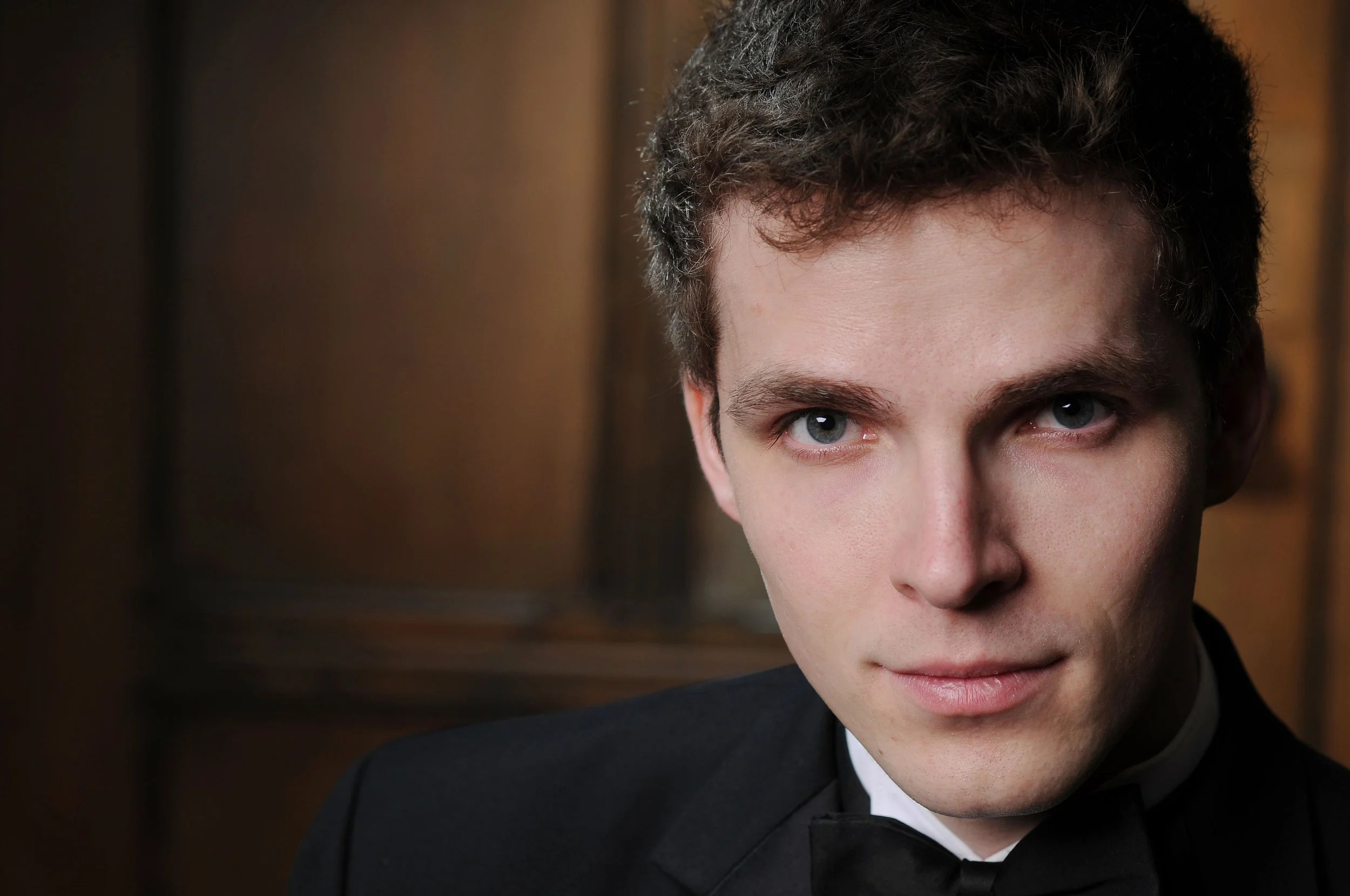
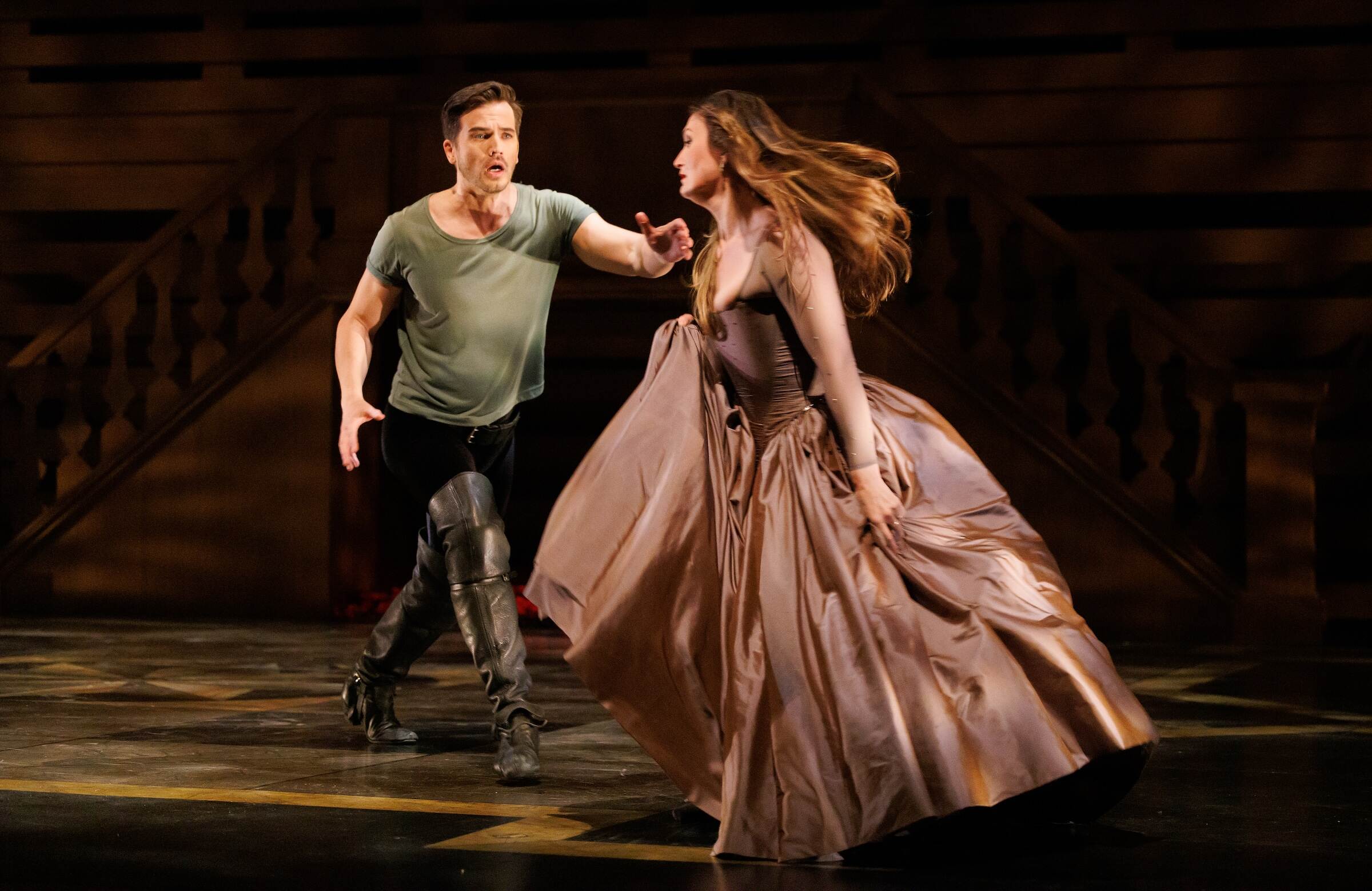
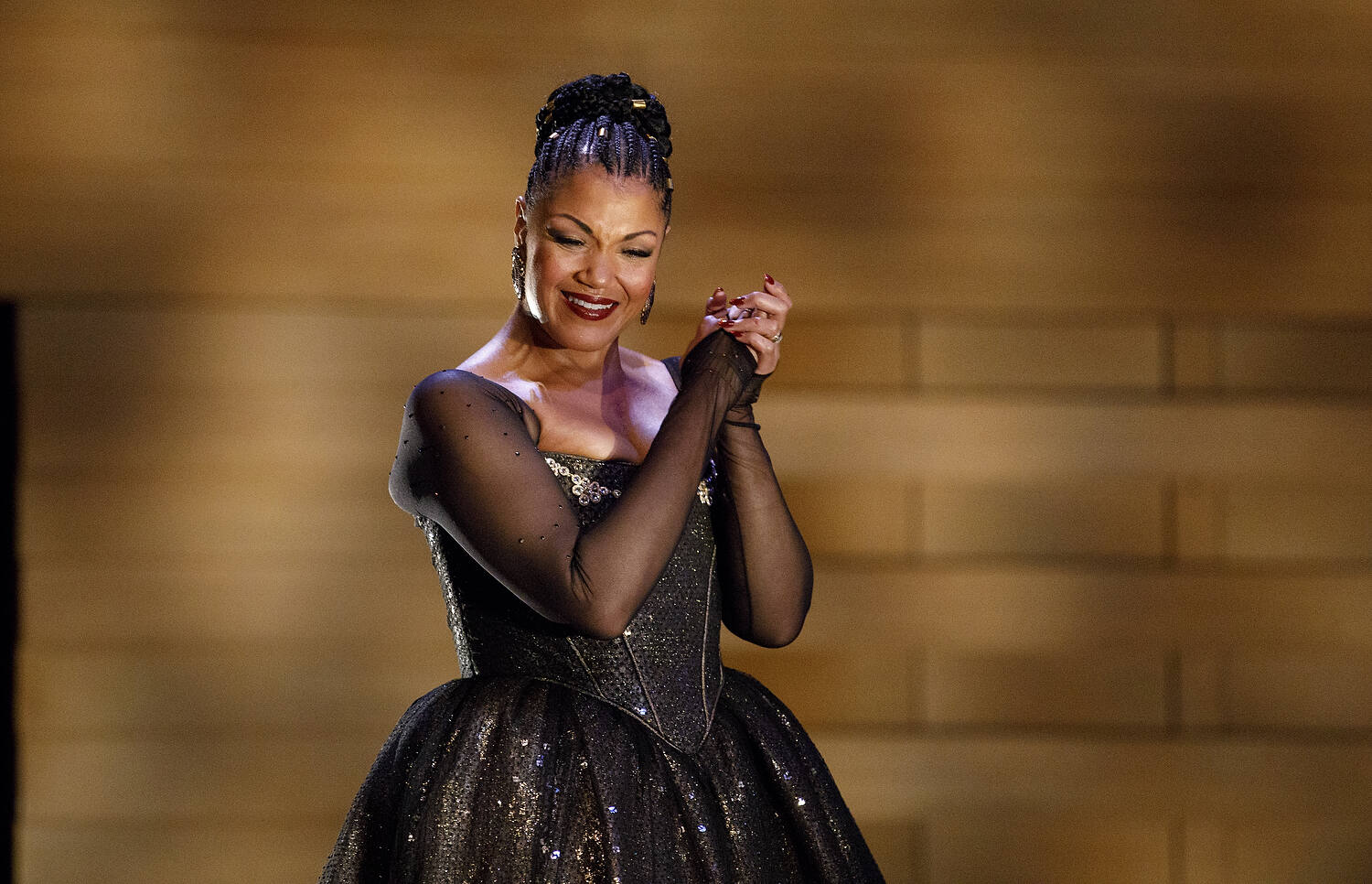
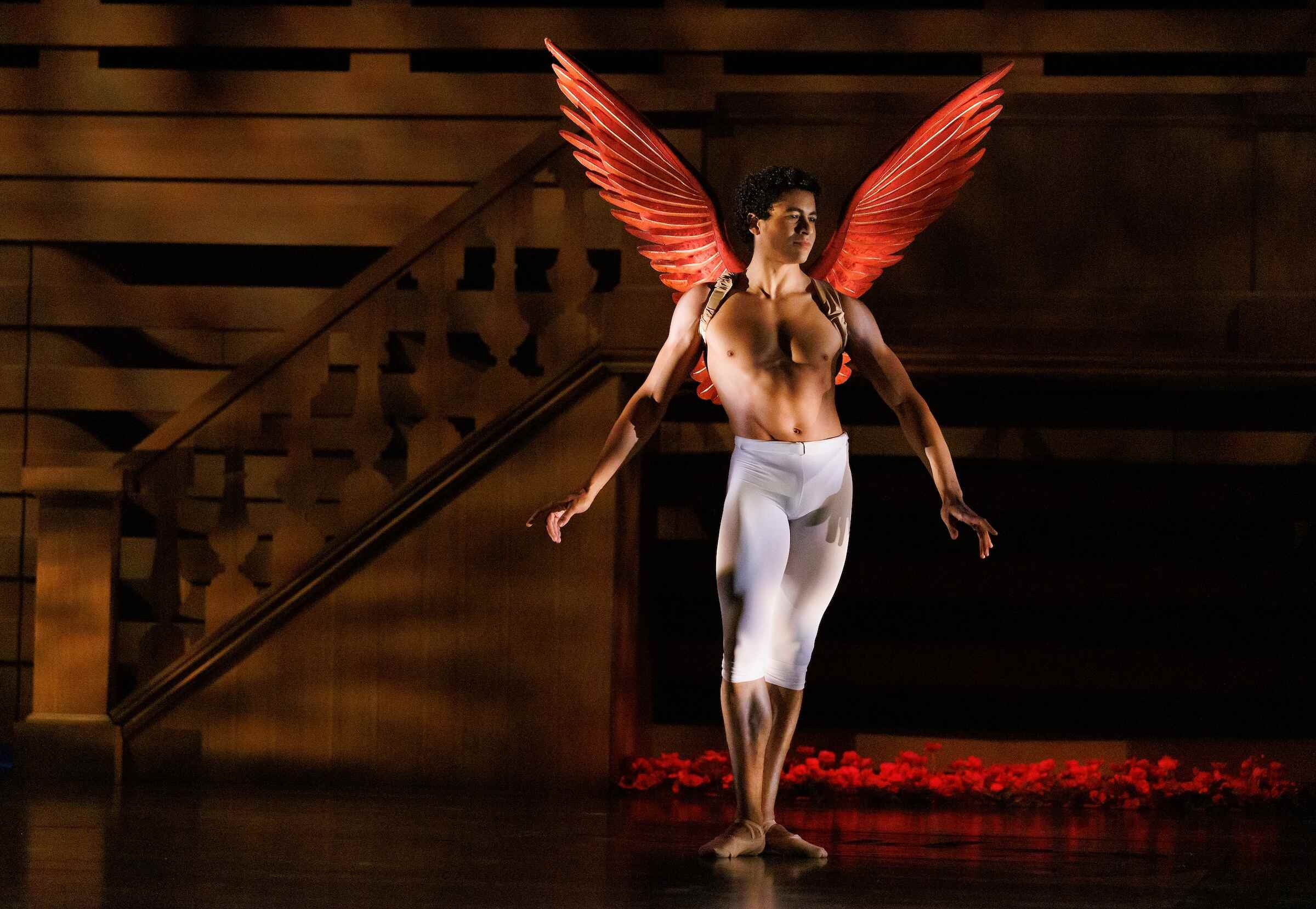
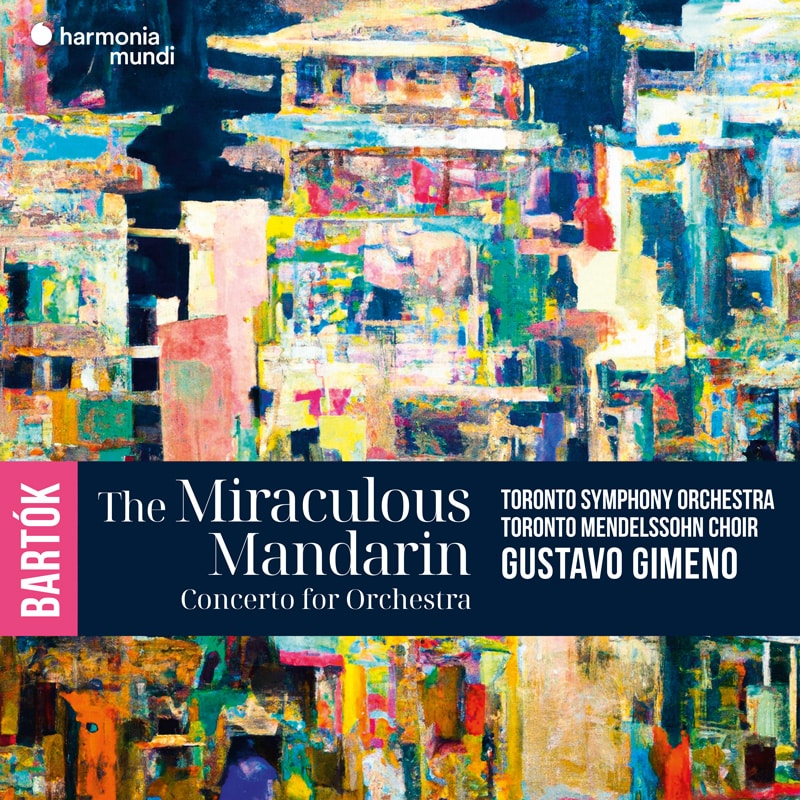
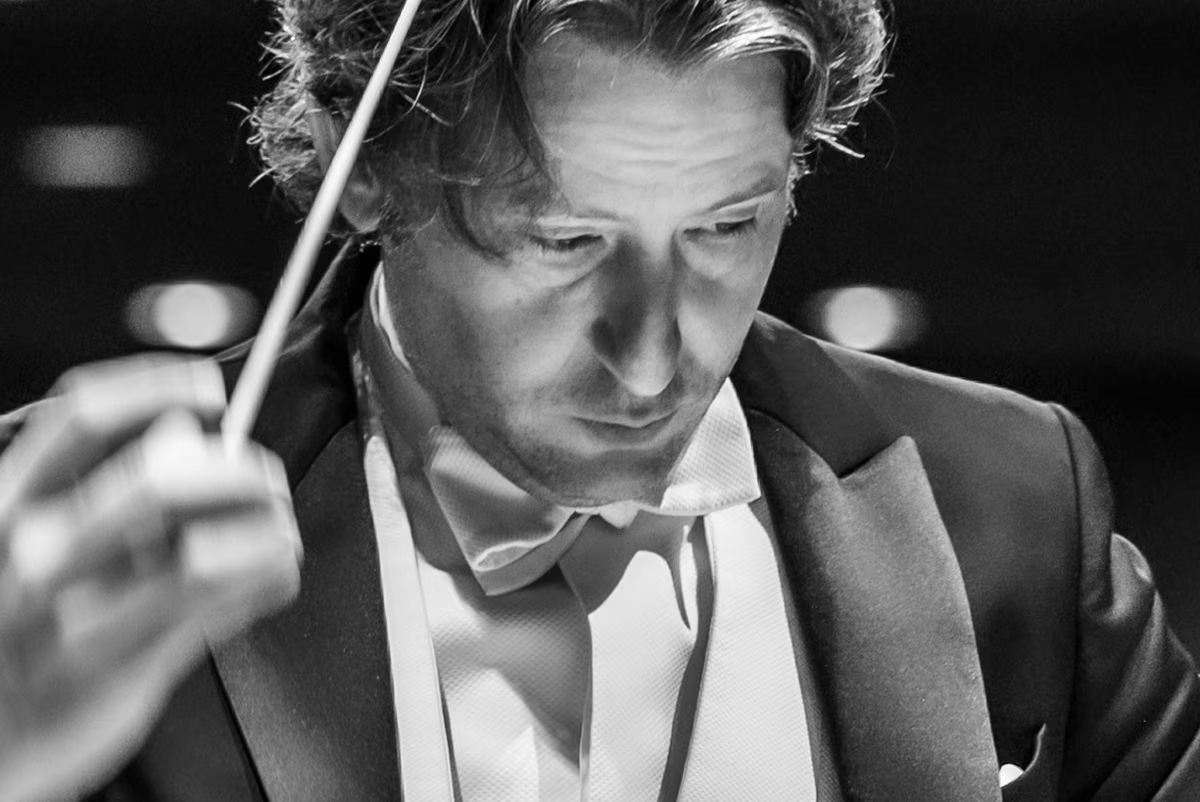
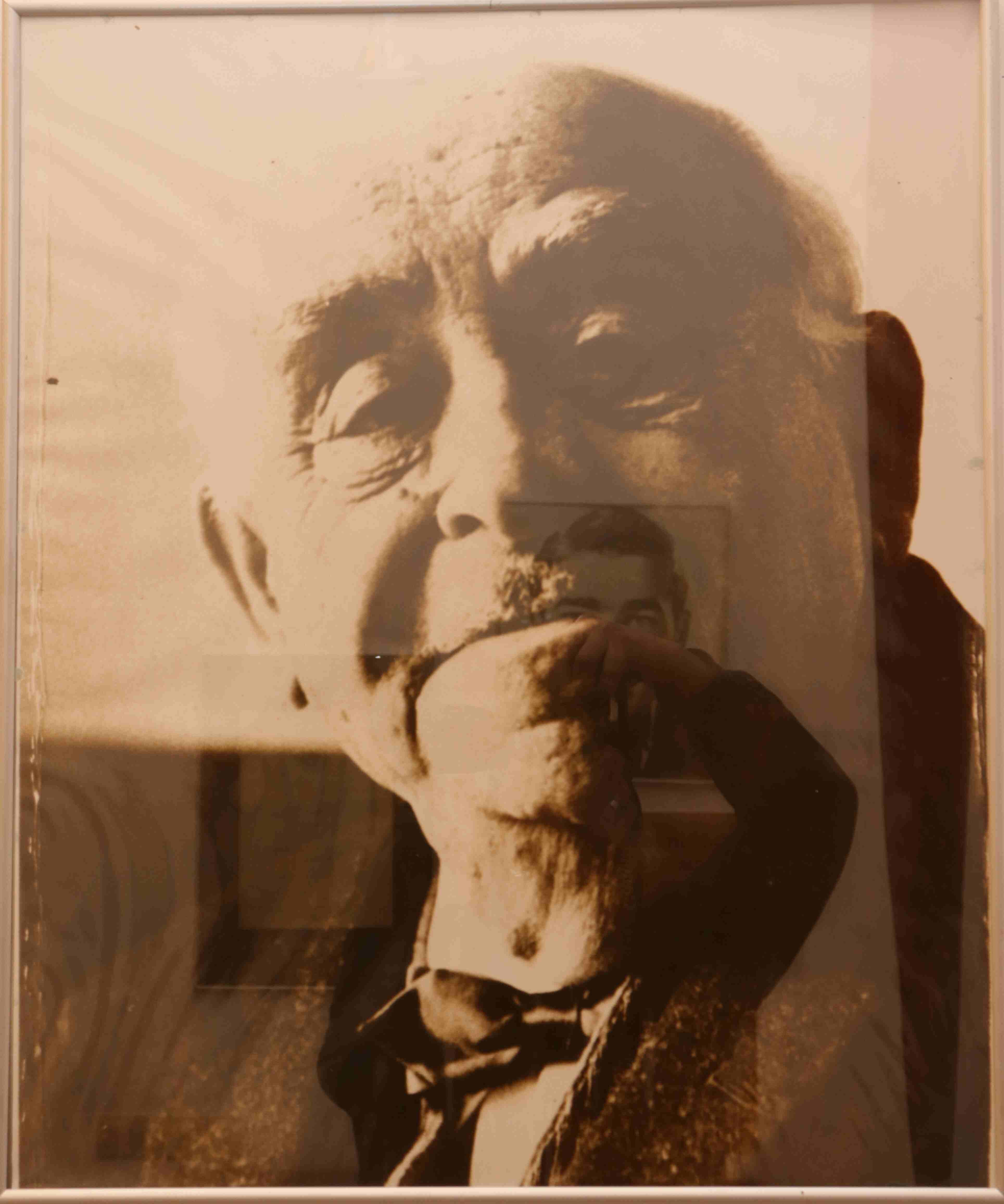
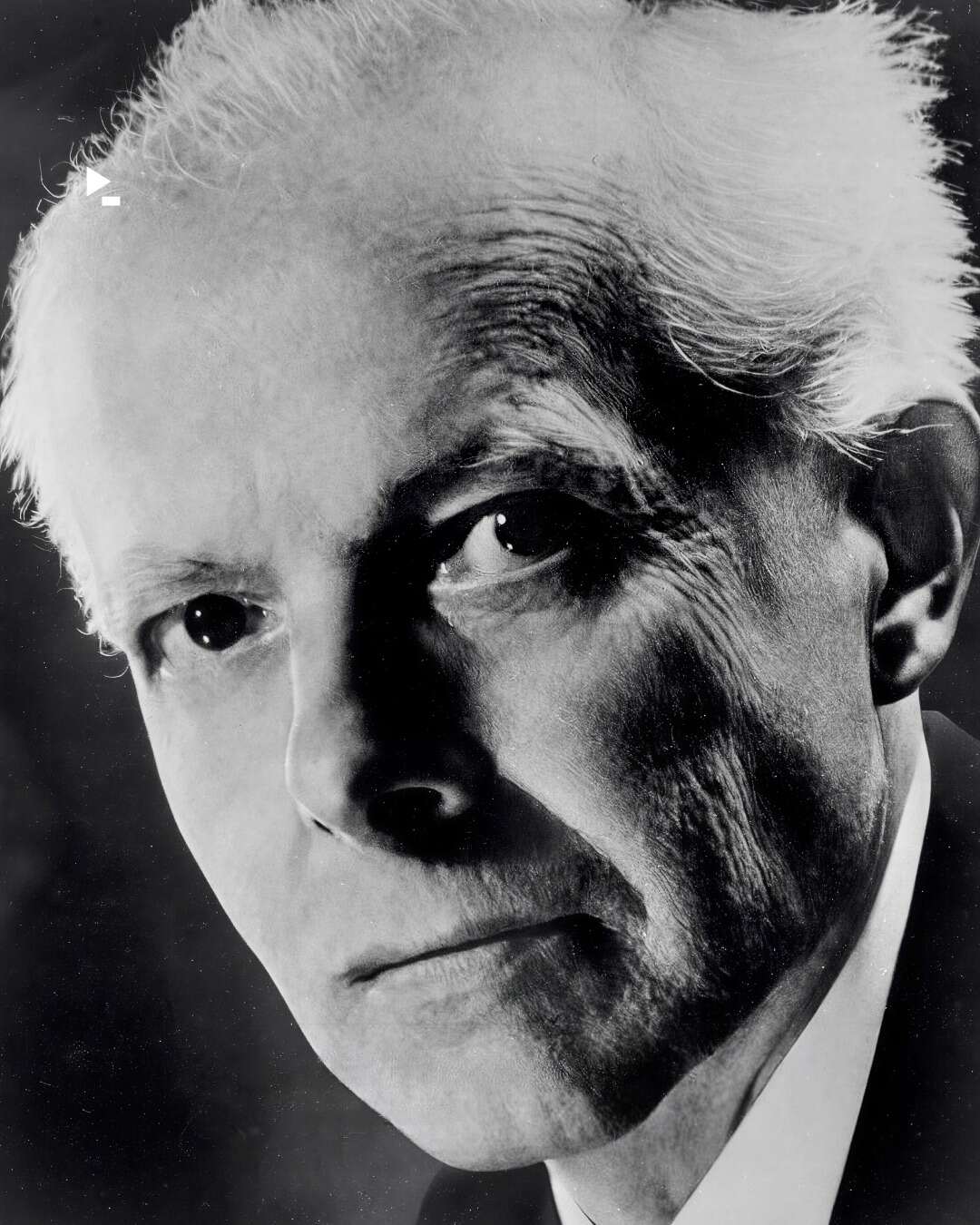
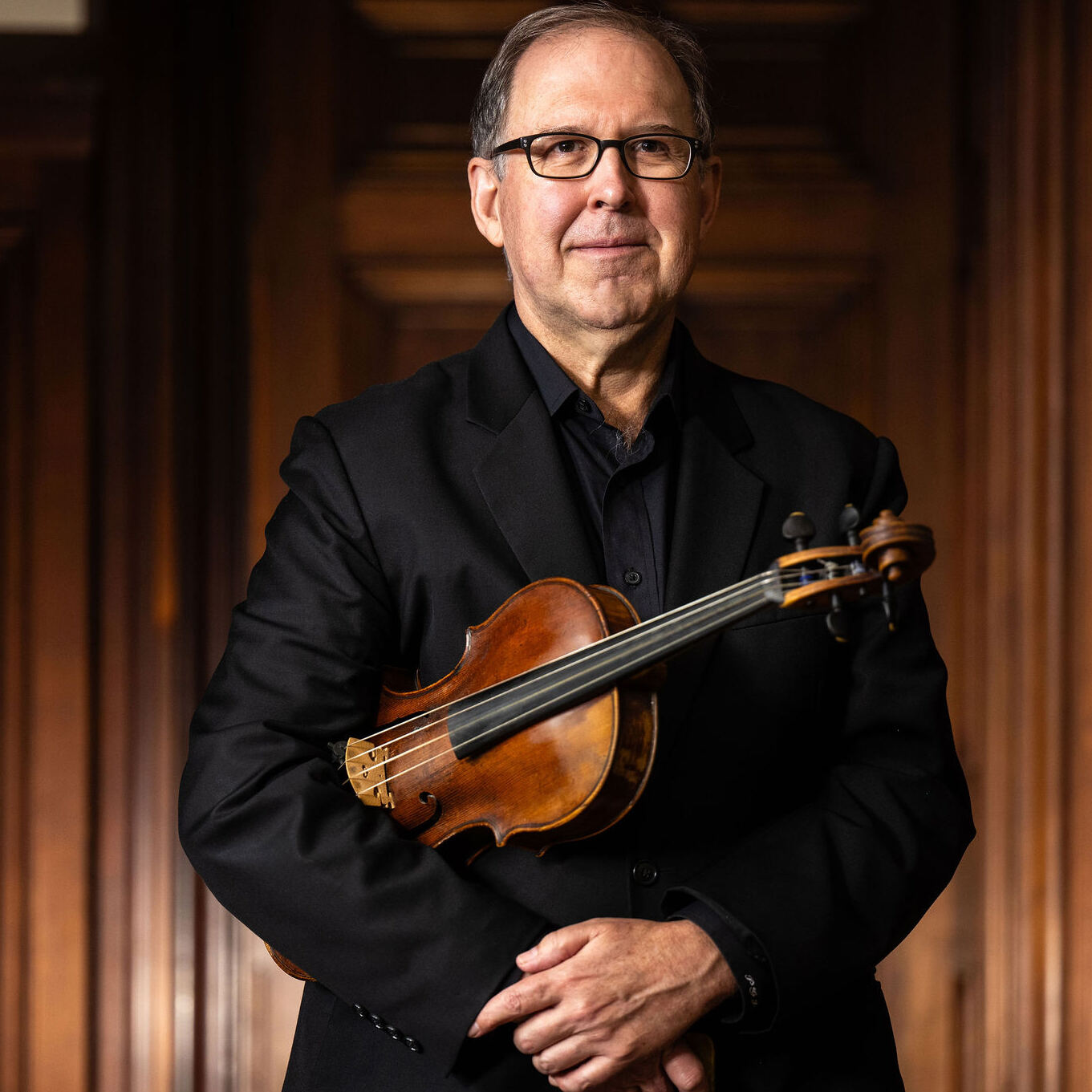
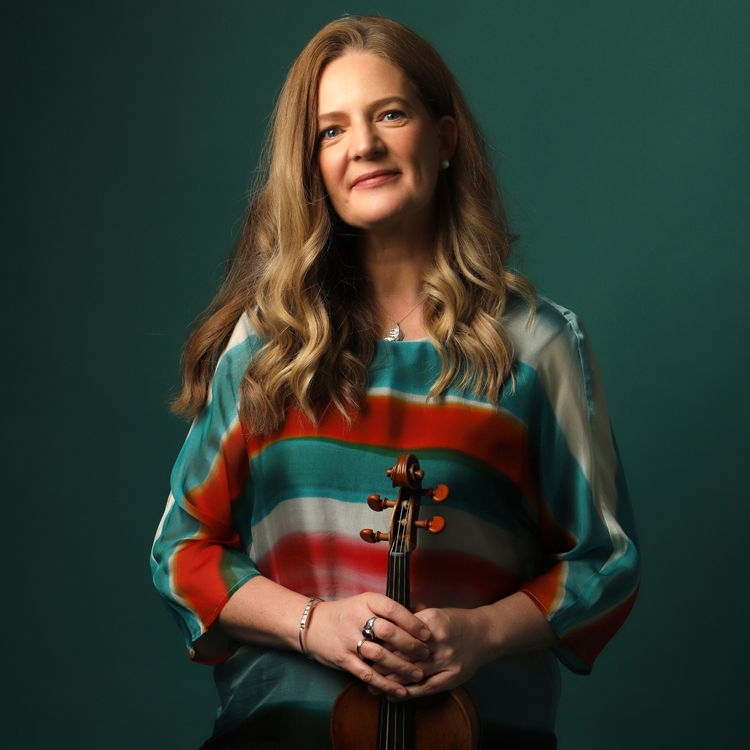
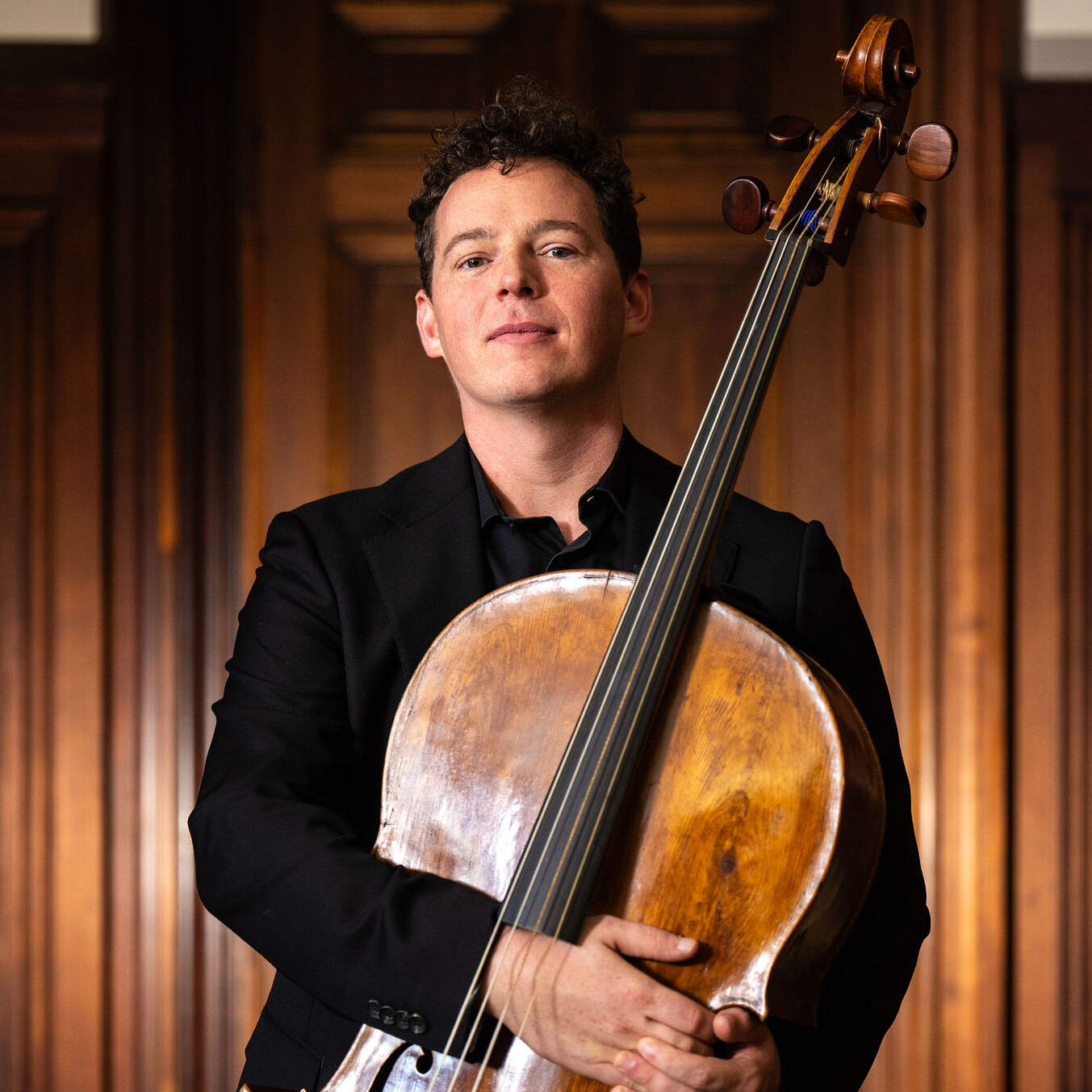
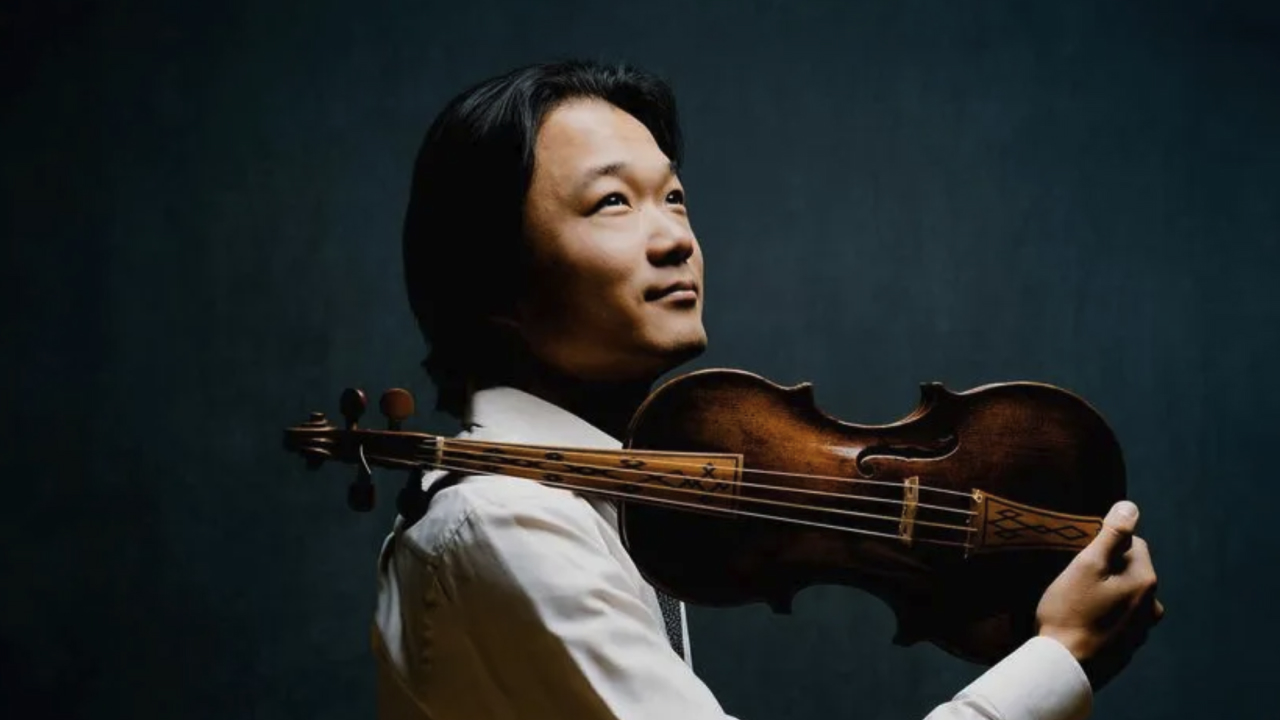
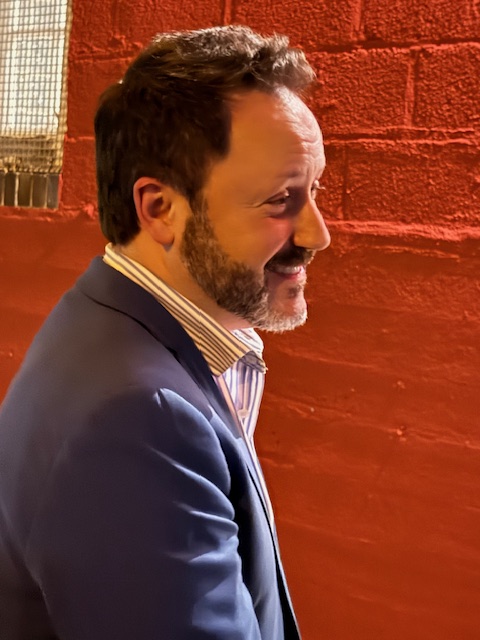
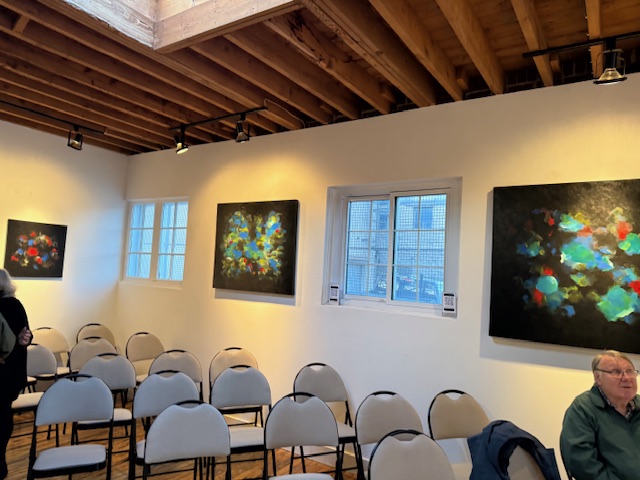
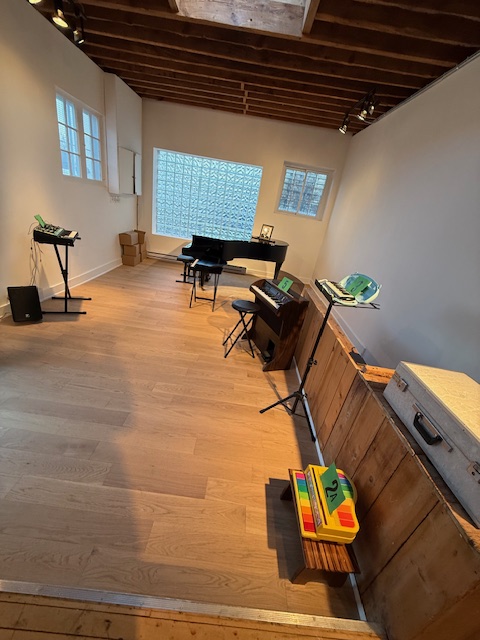
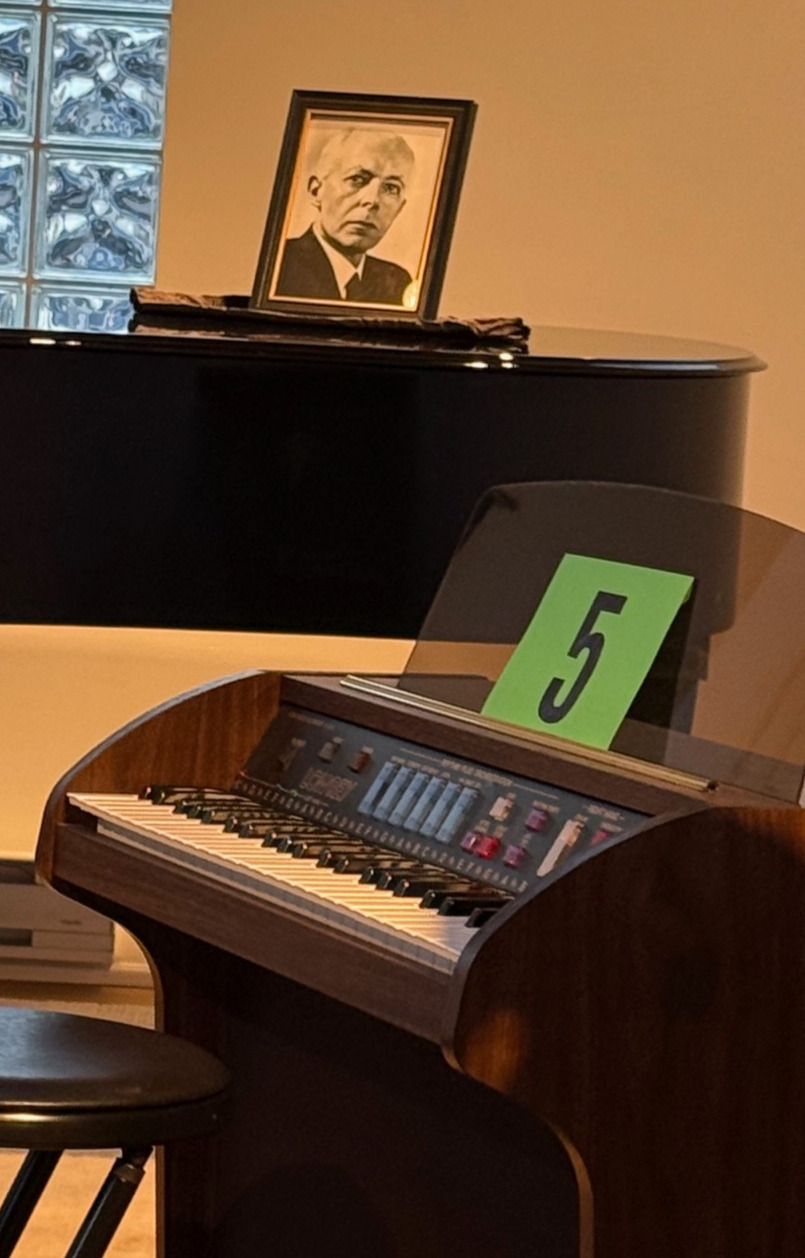
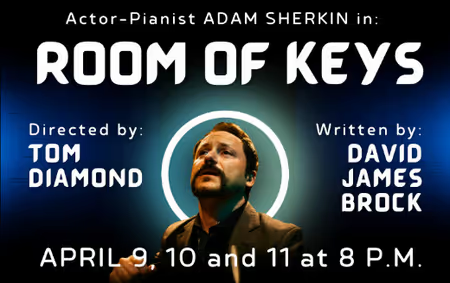
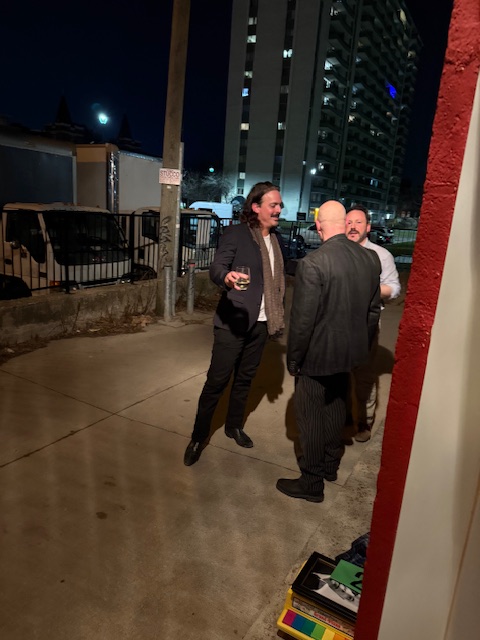

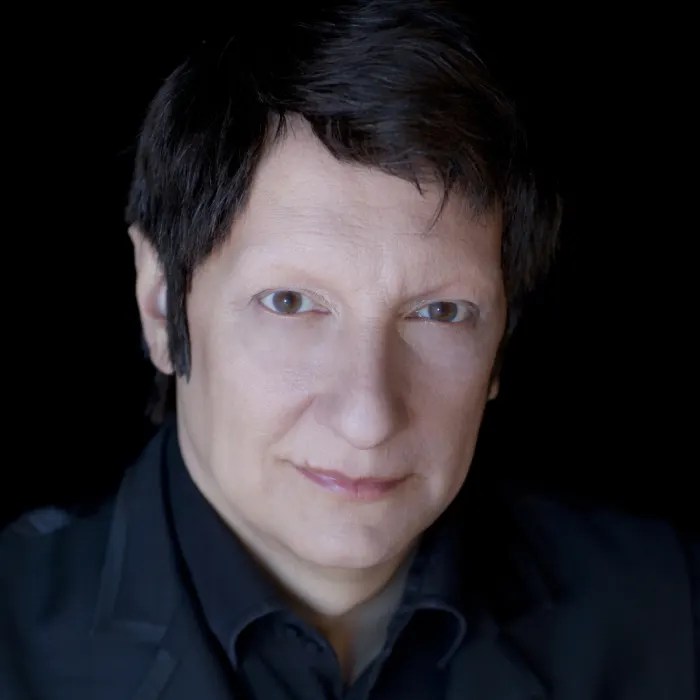
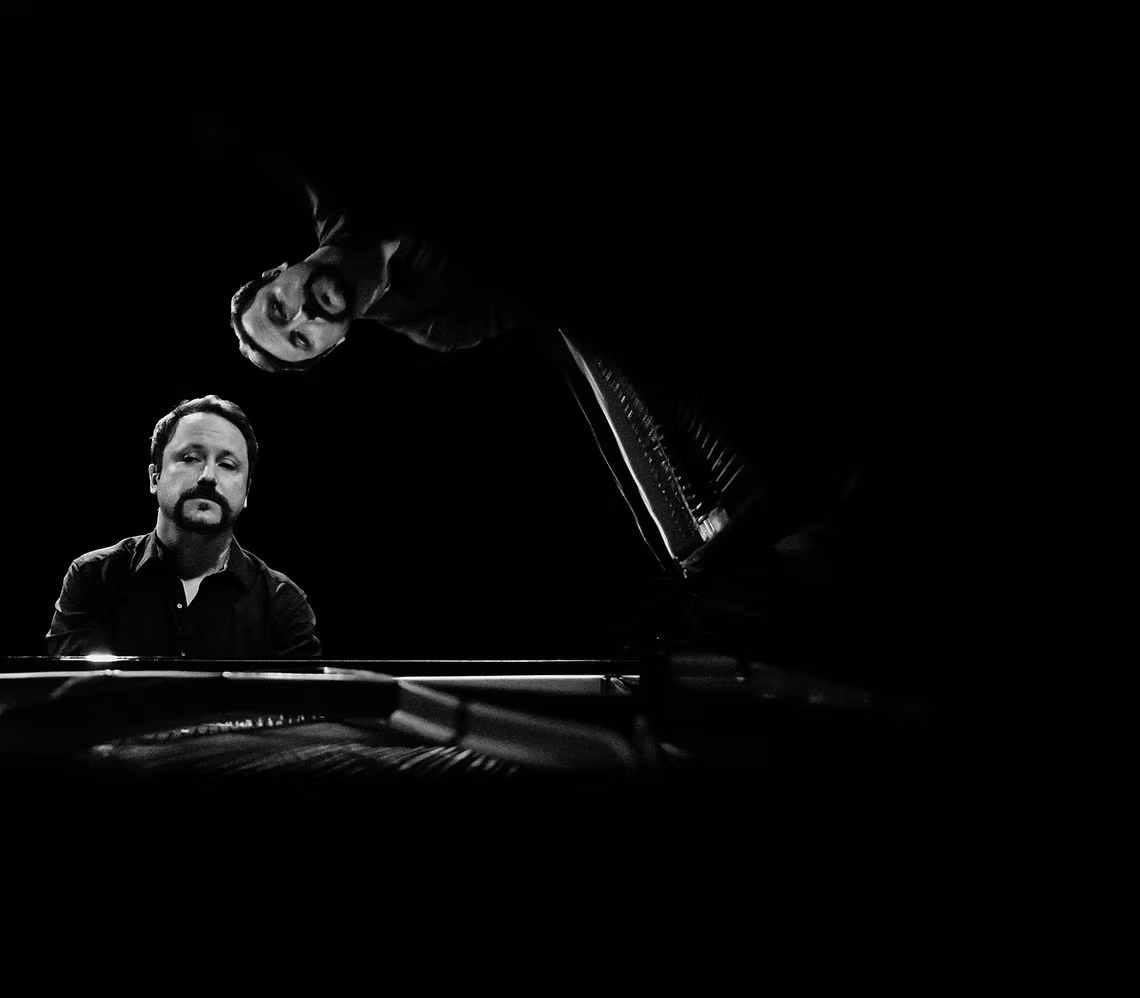
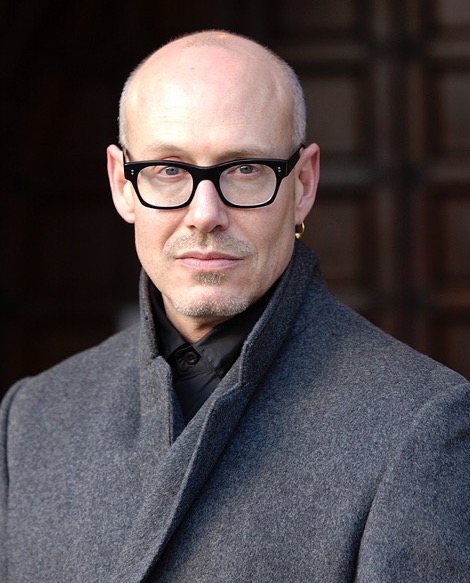
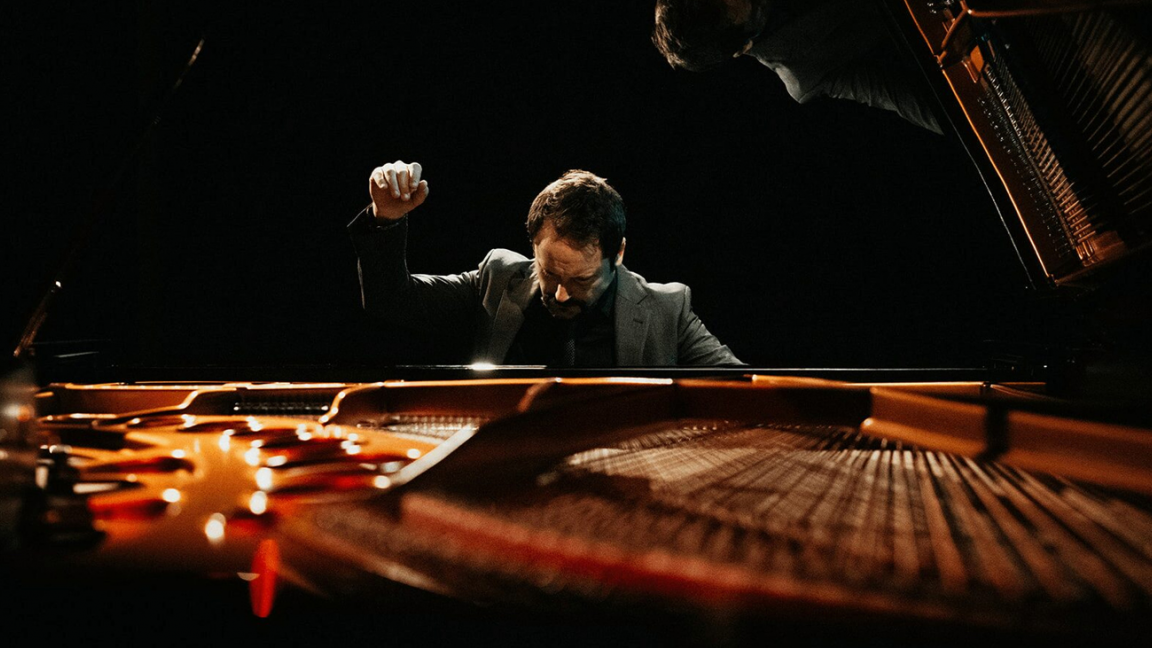
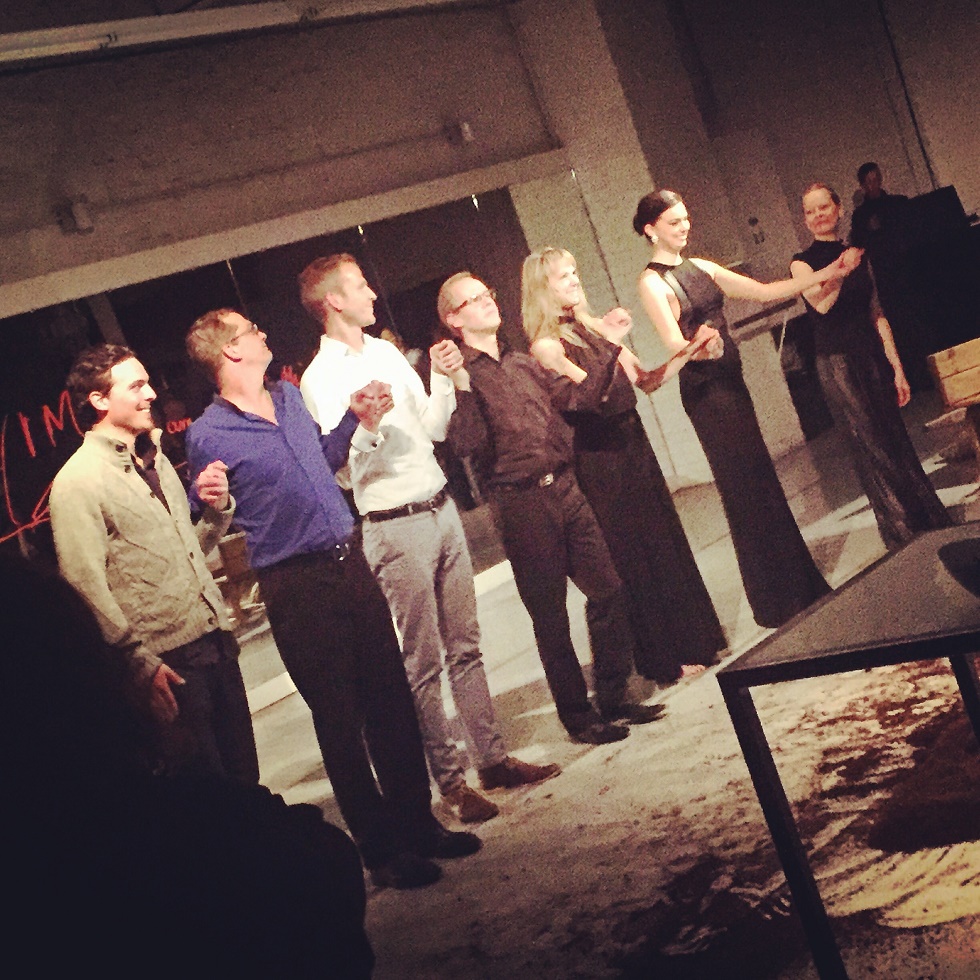

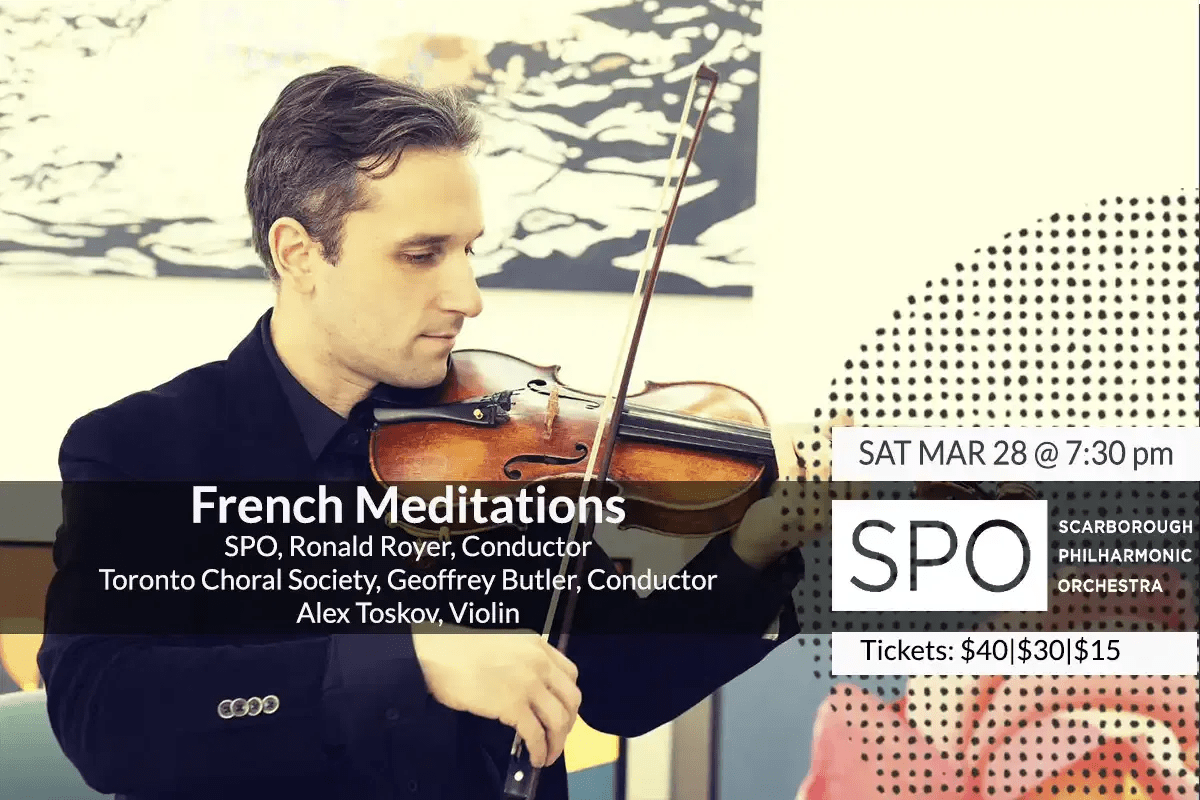
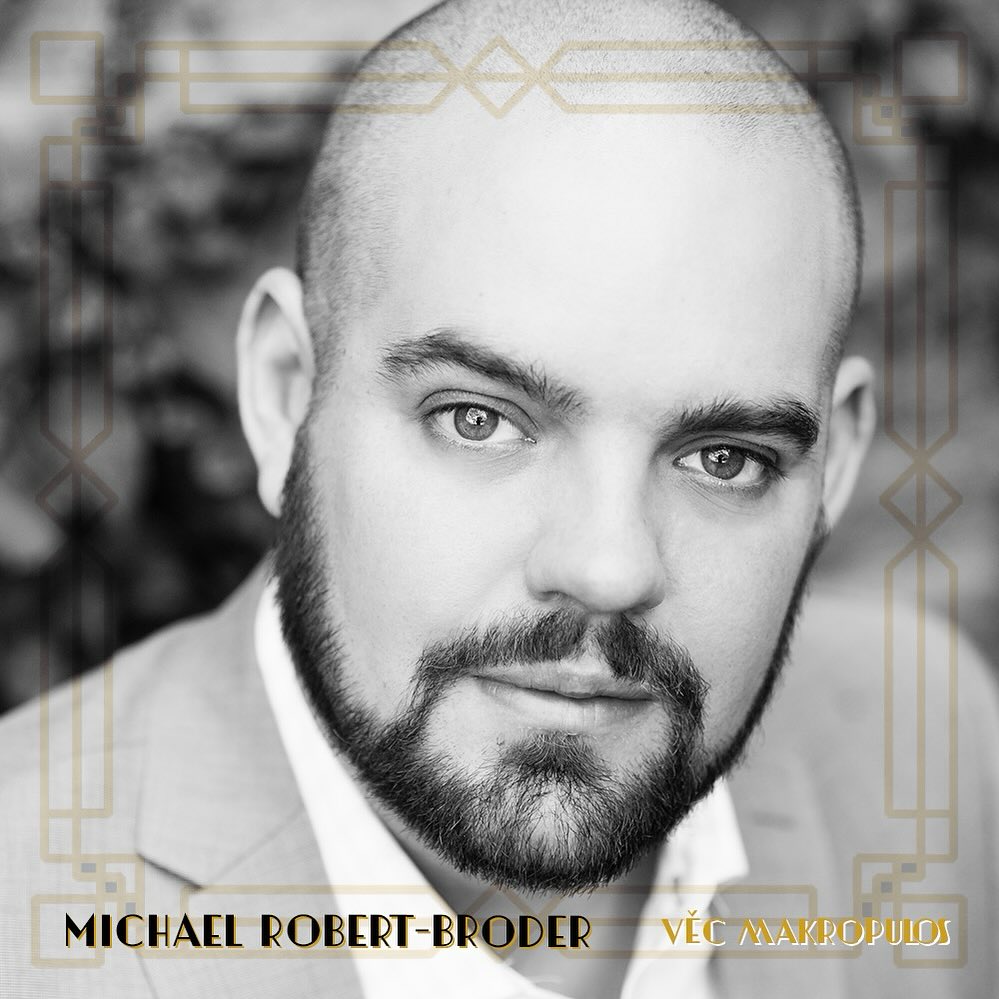


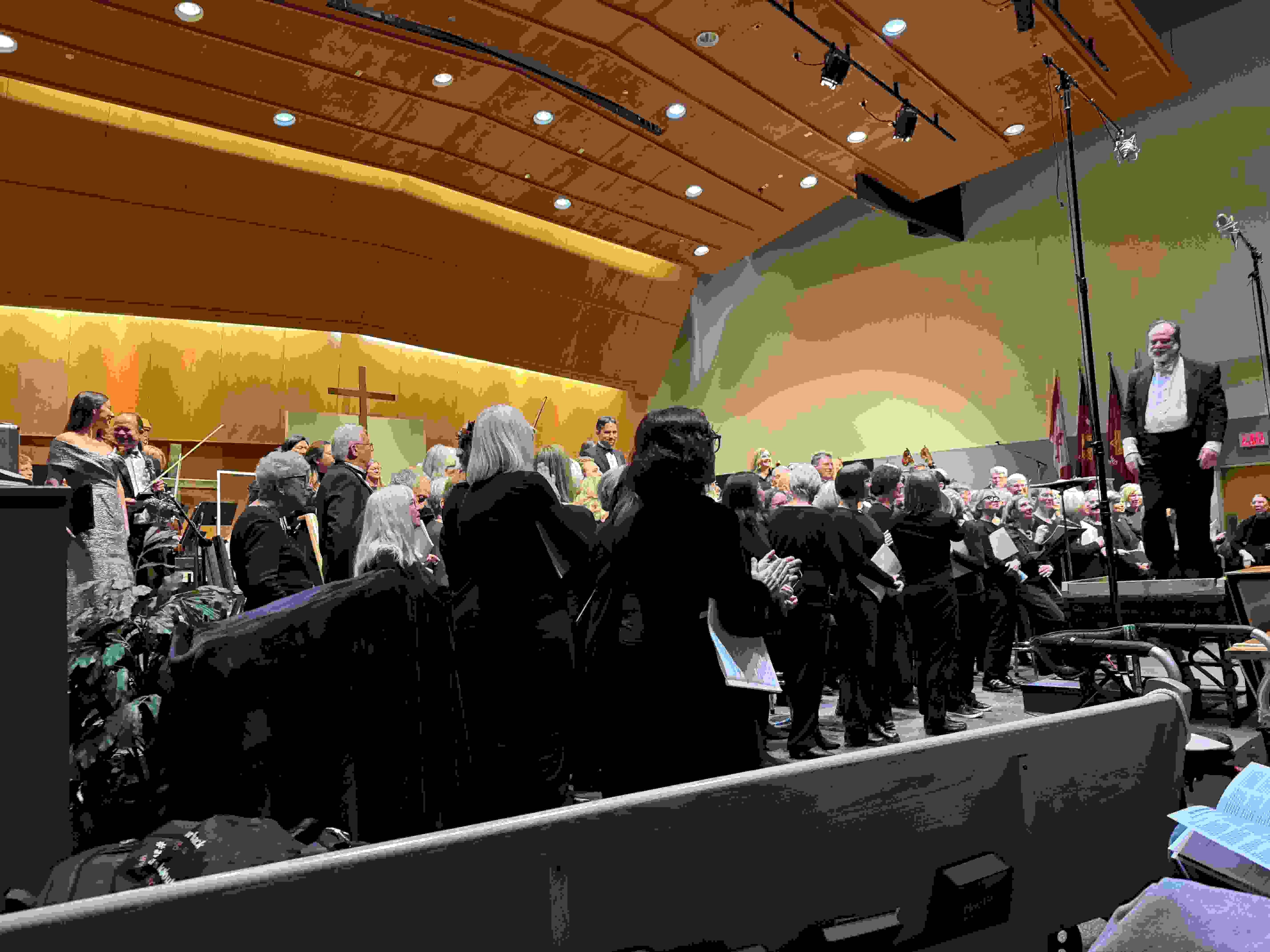
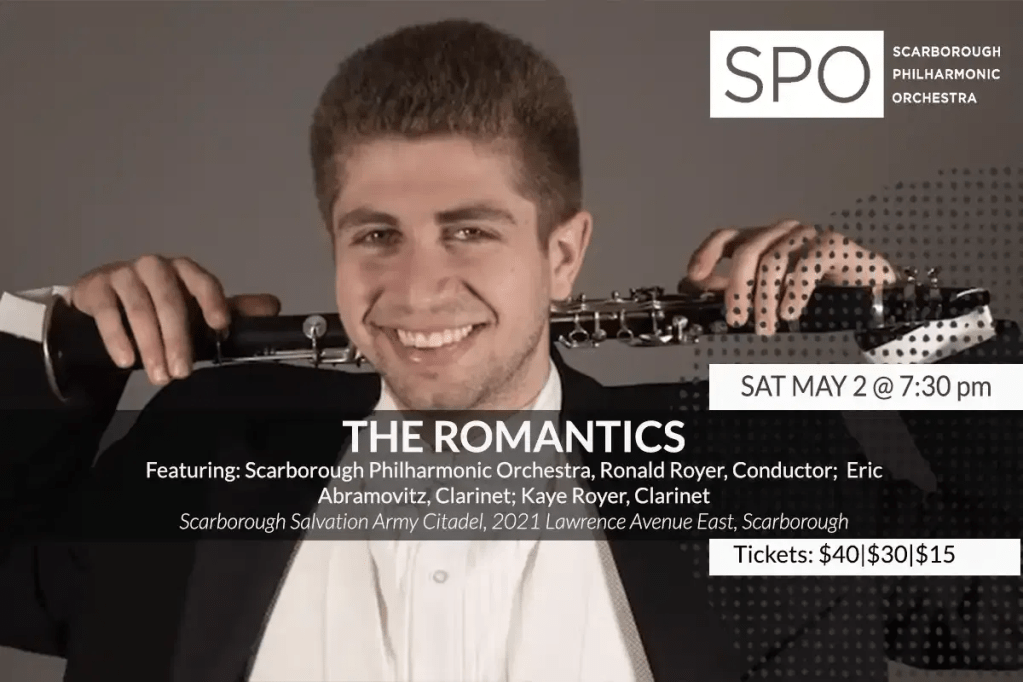
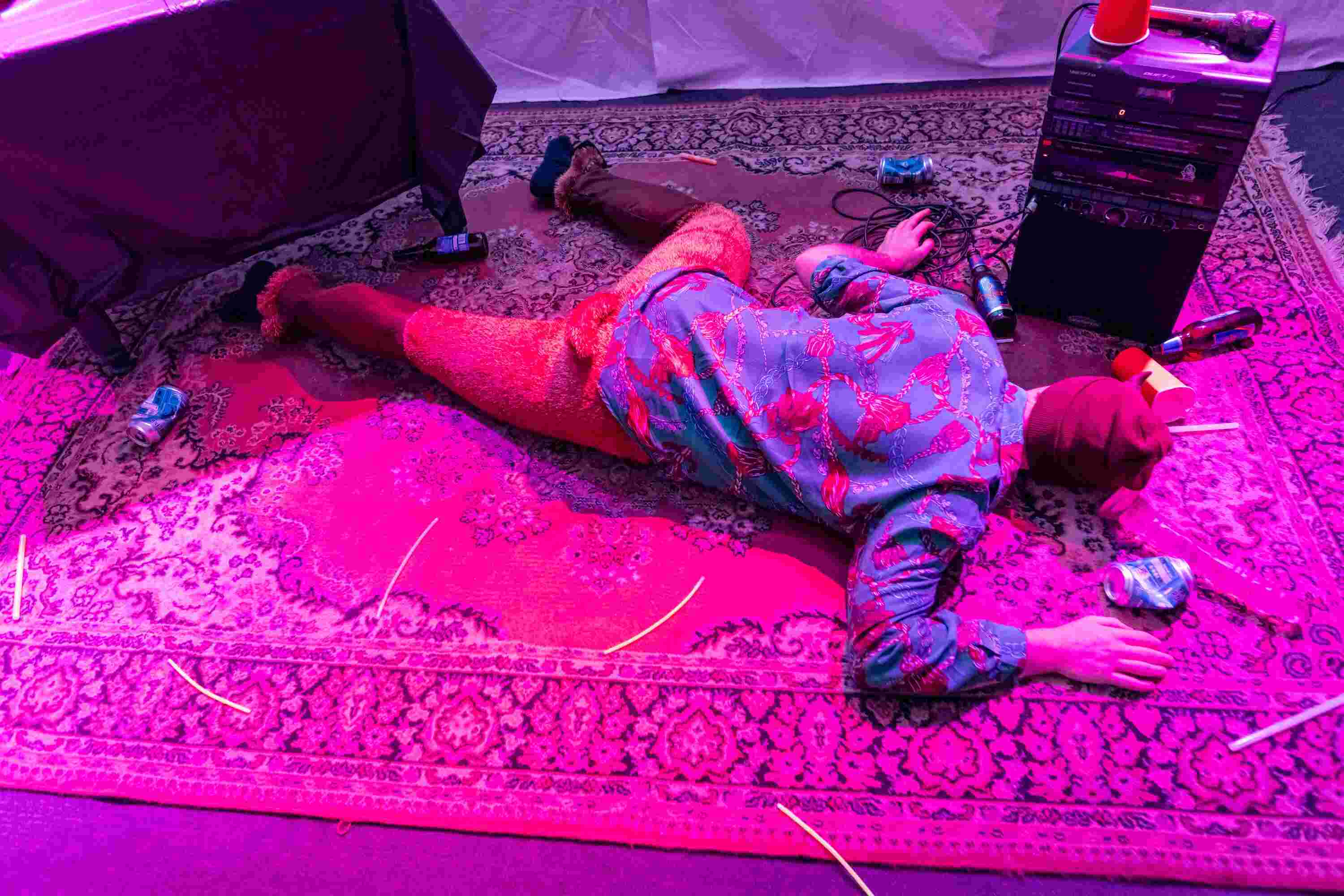
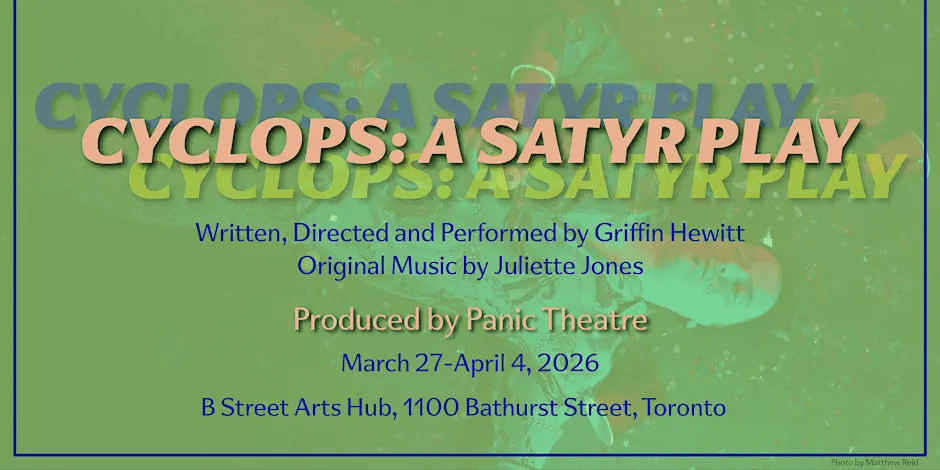

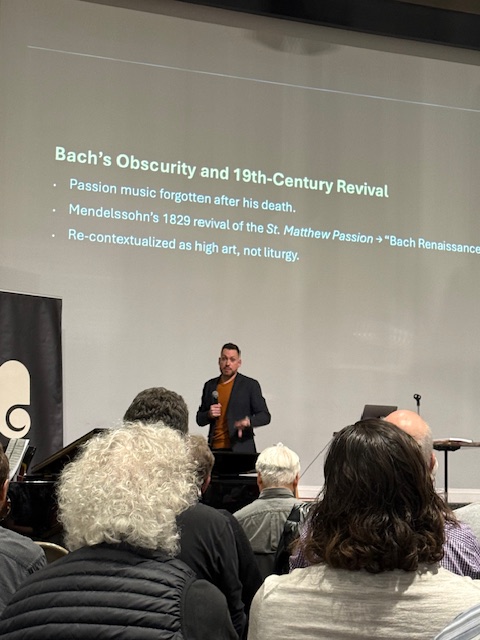
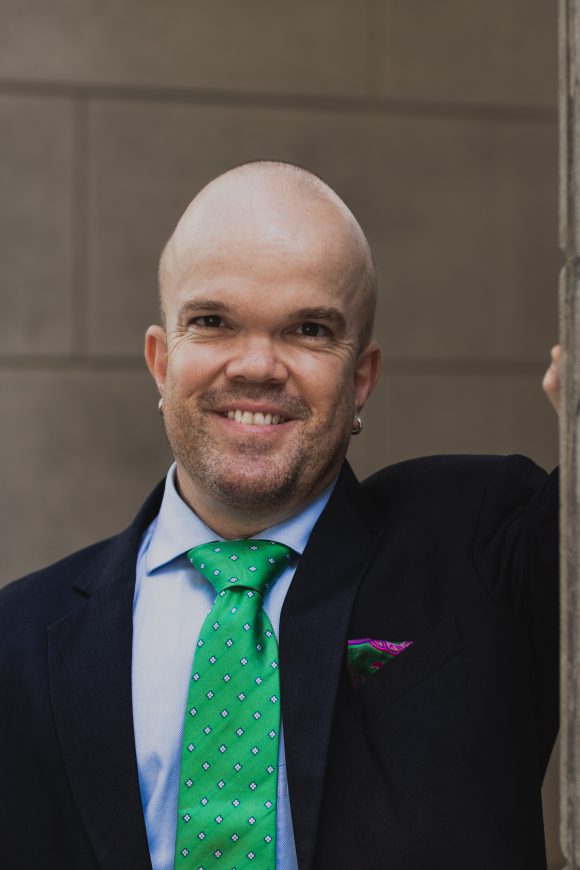
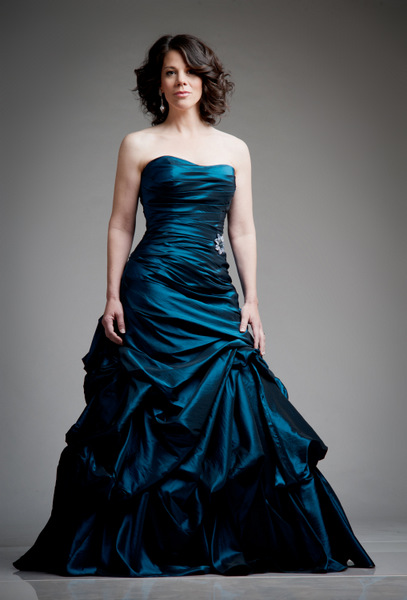
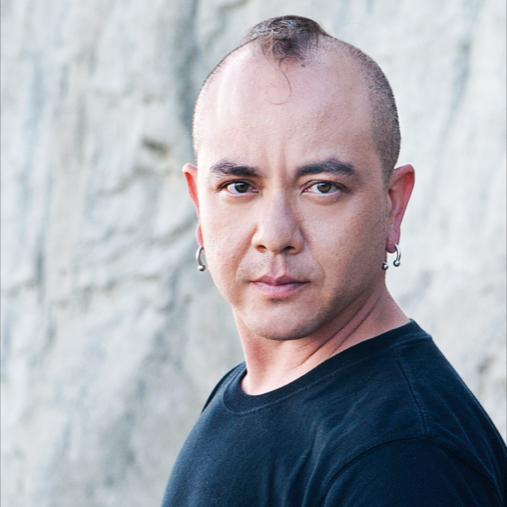
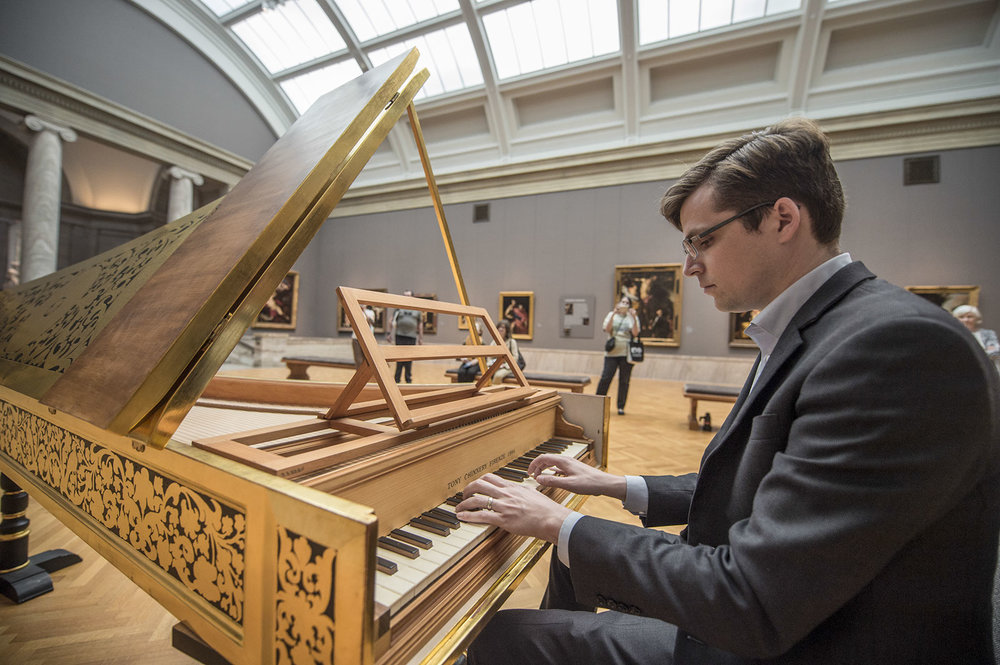
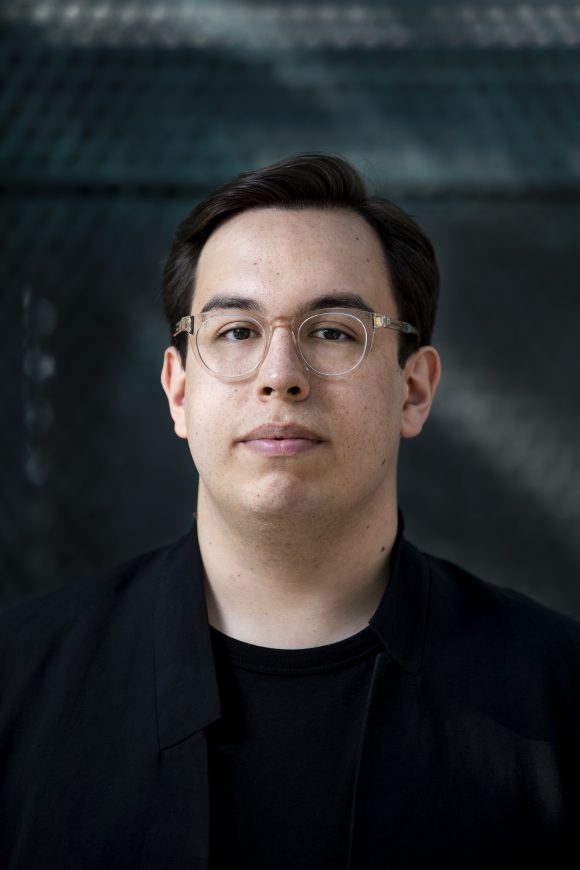
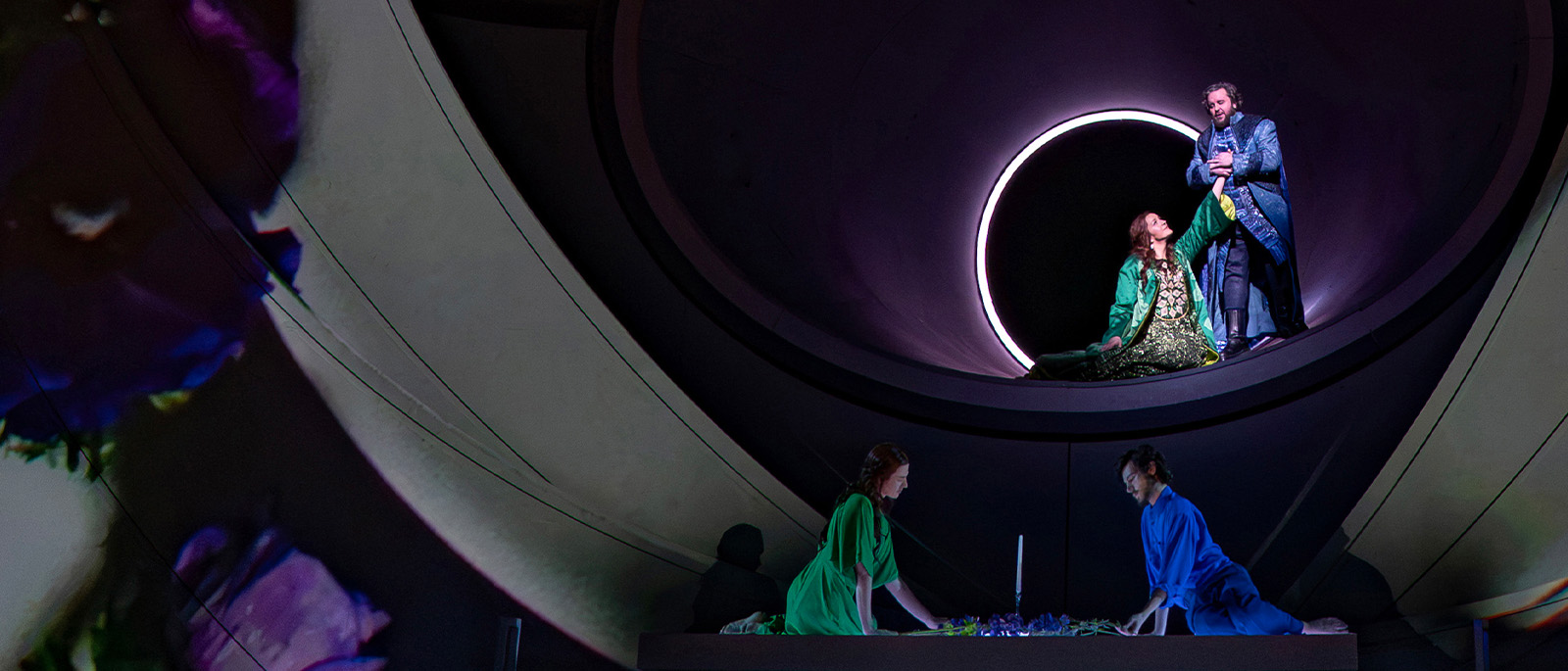
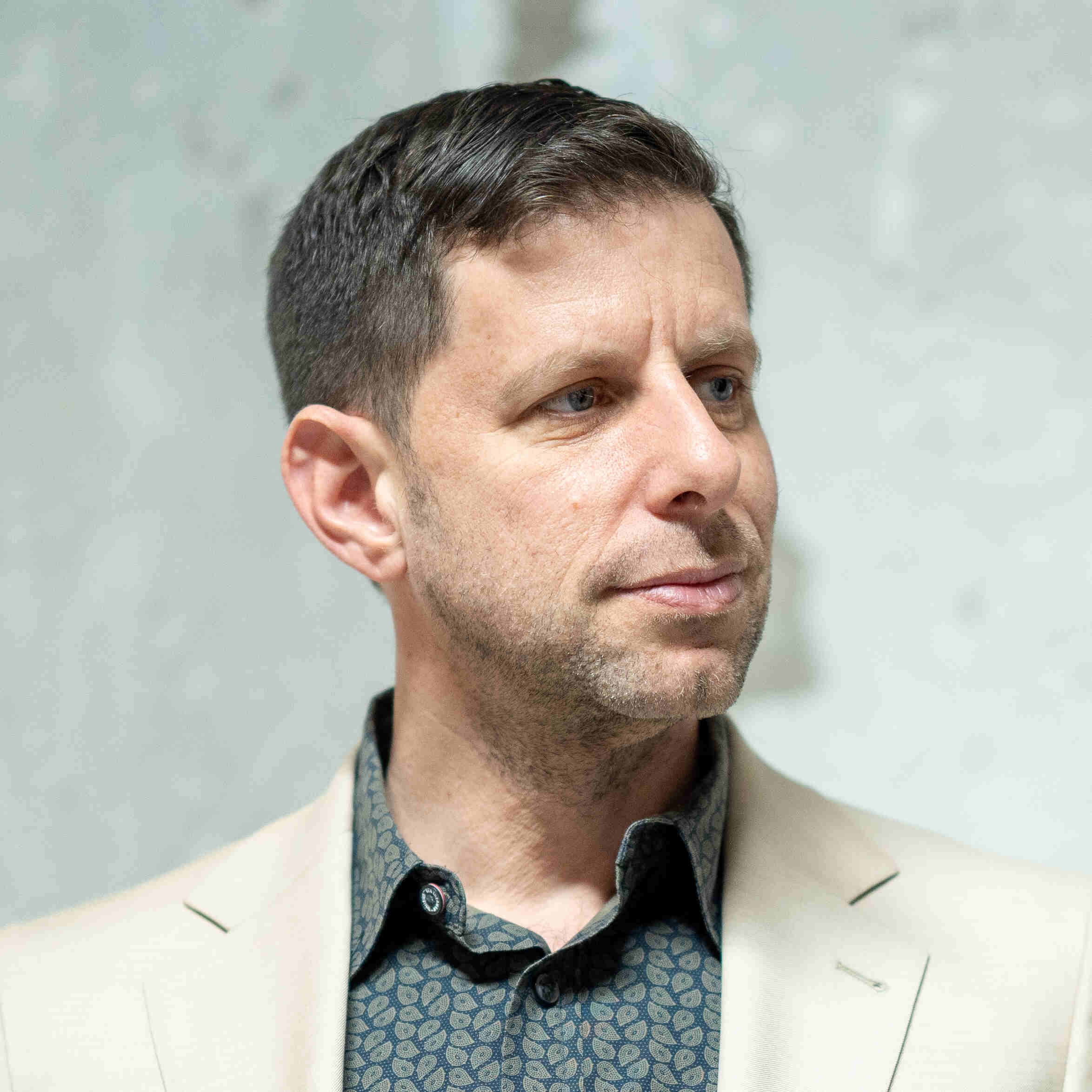
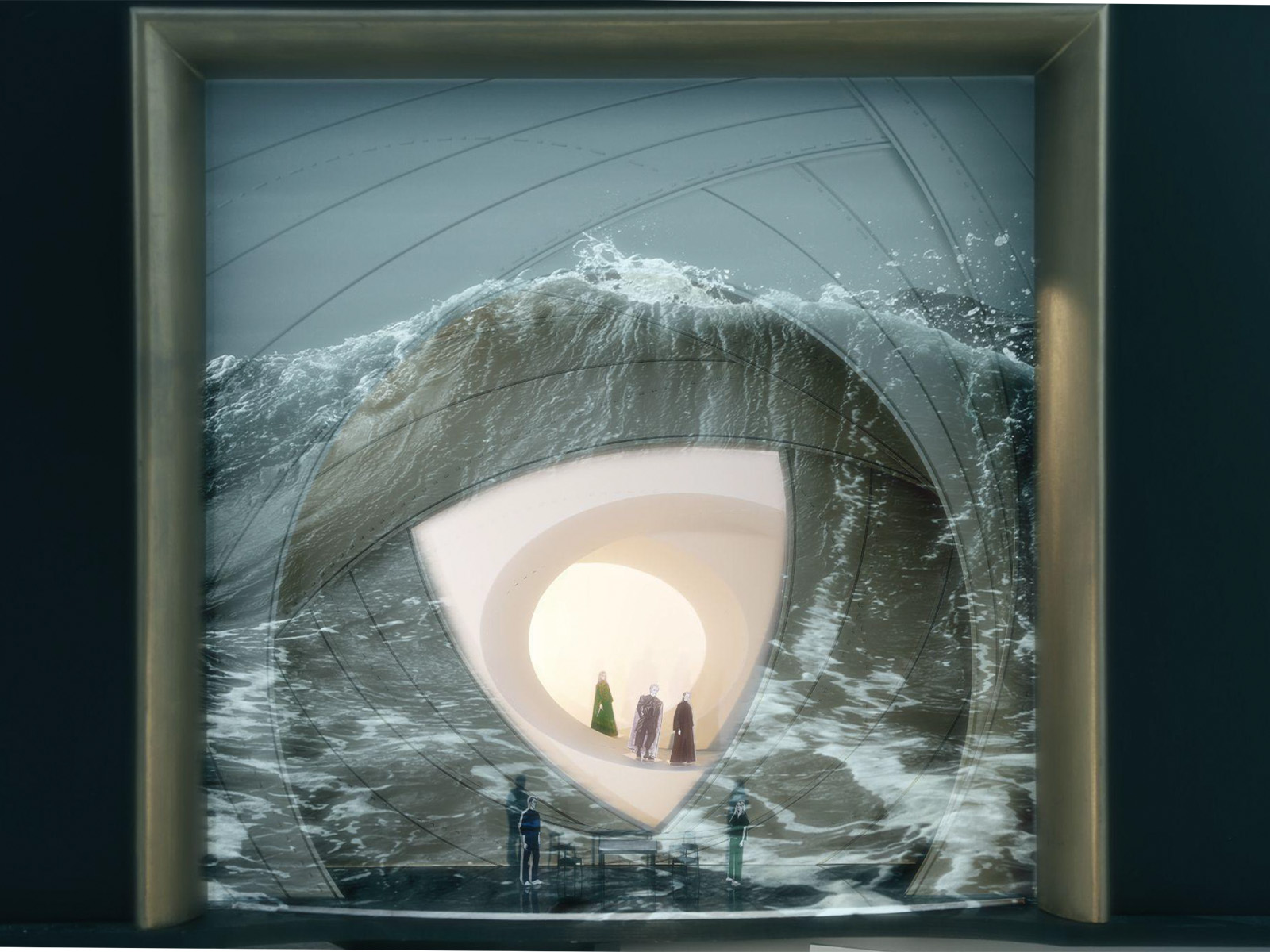
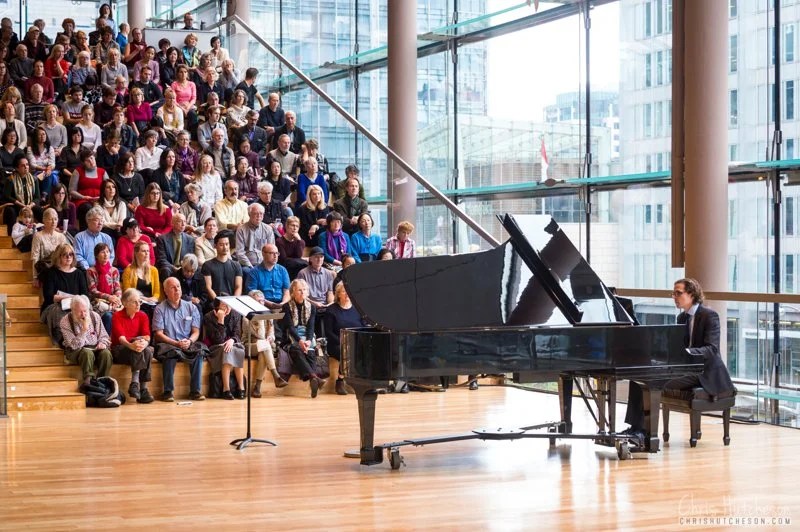
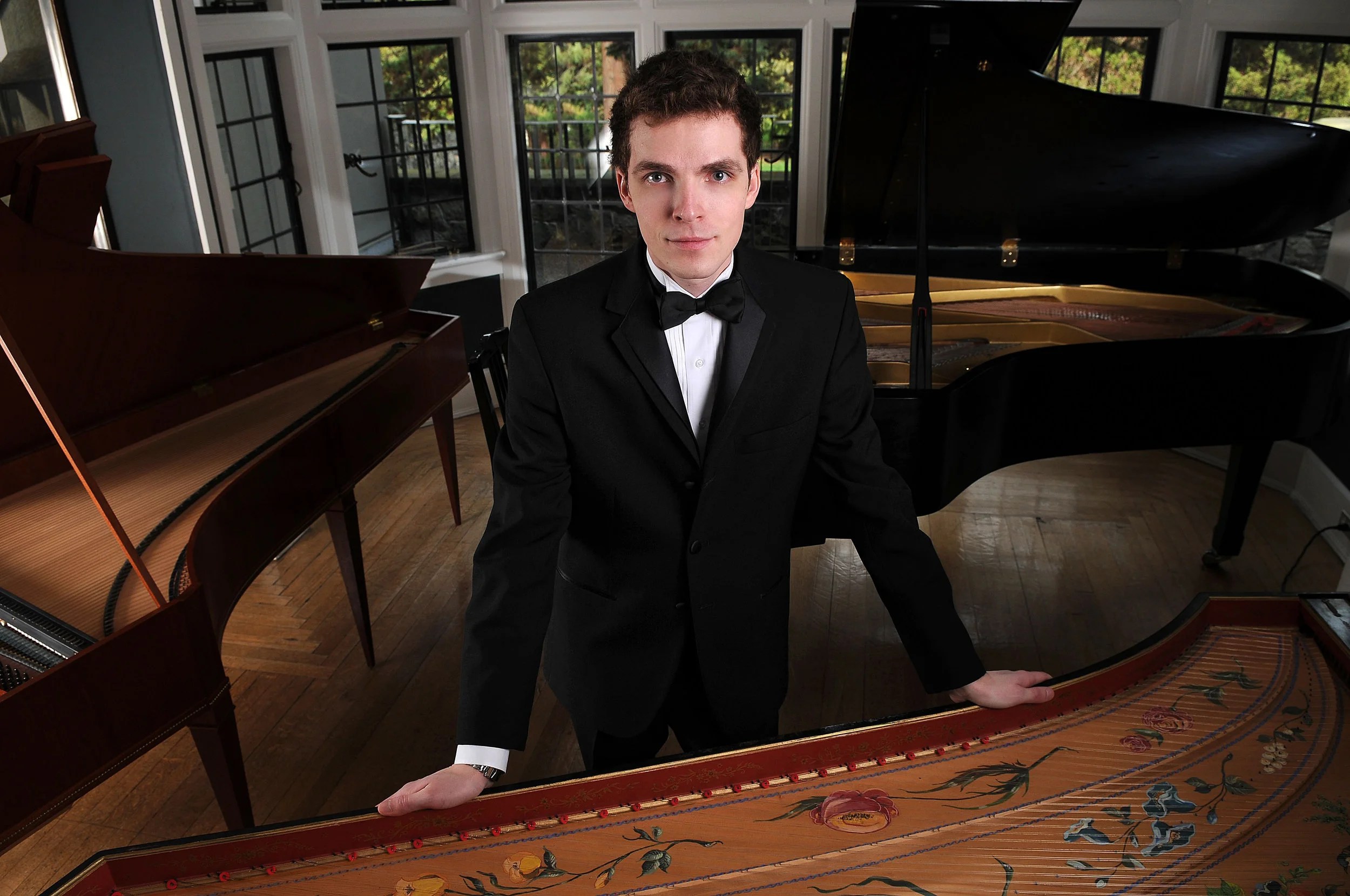
 barczablog