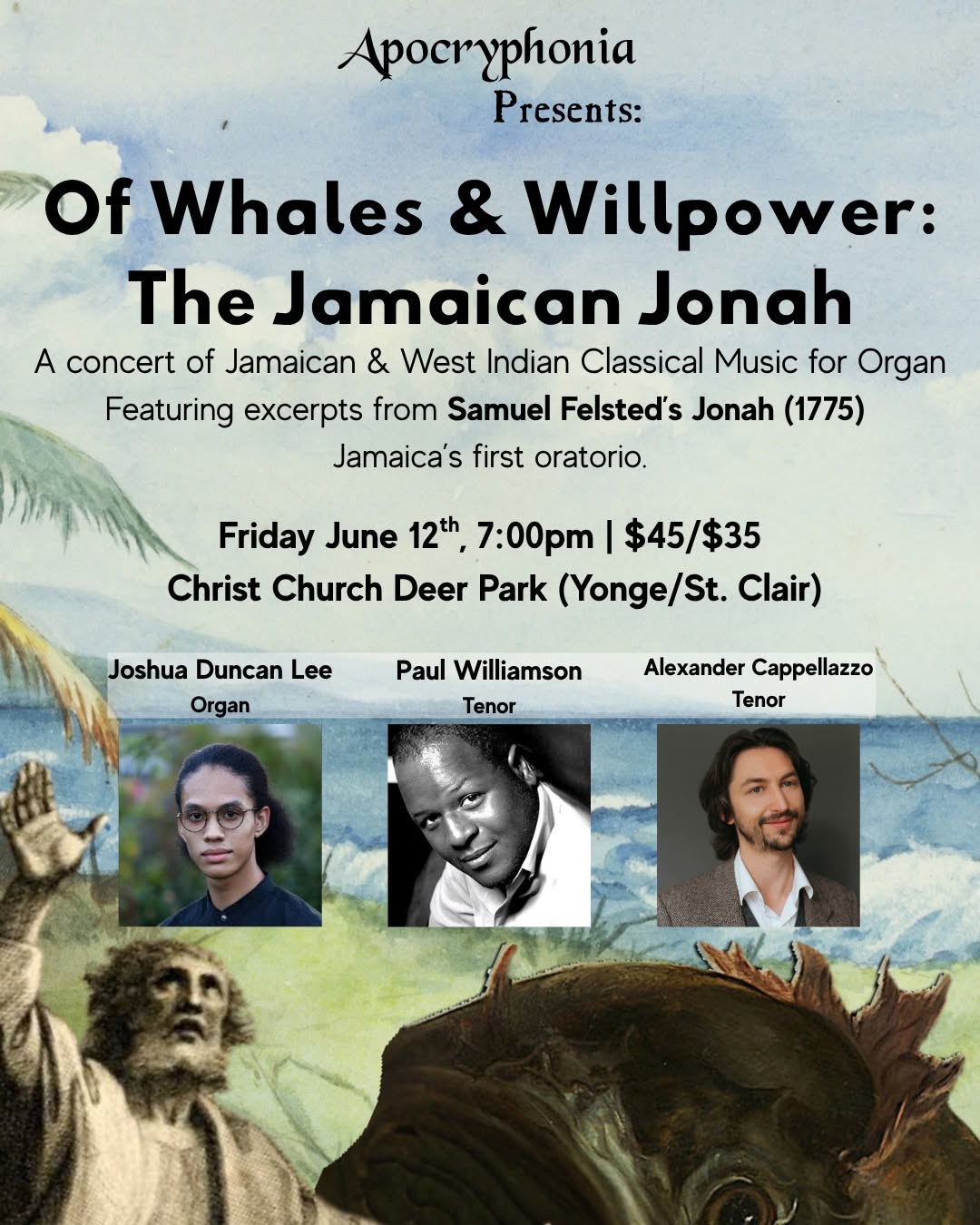
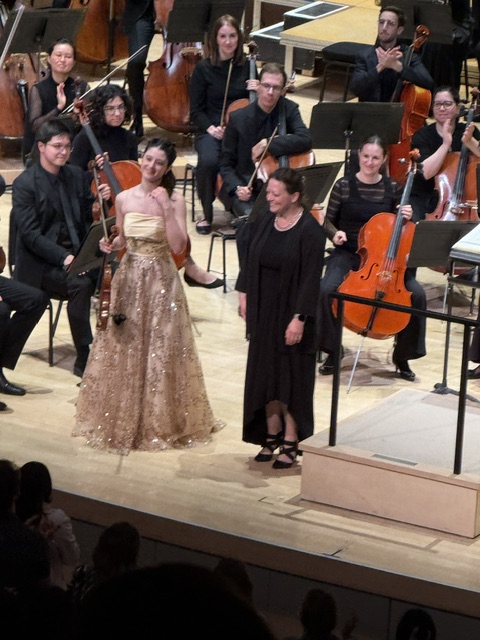
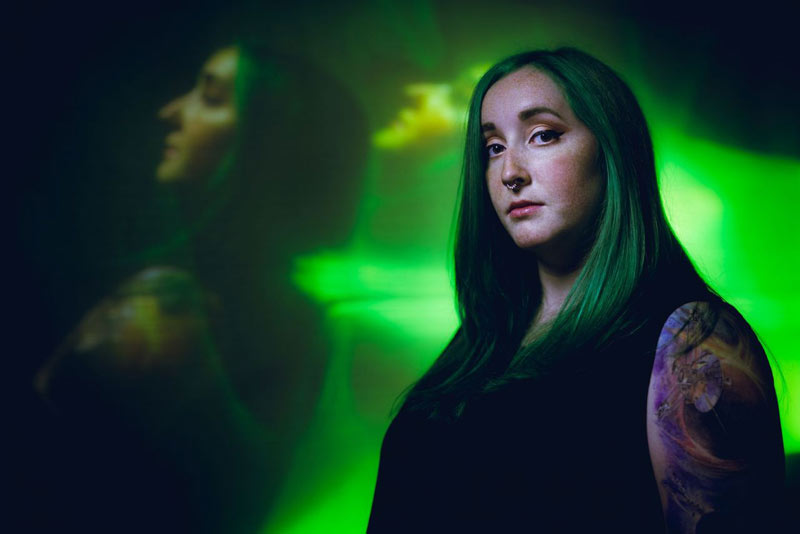
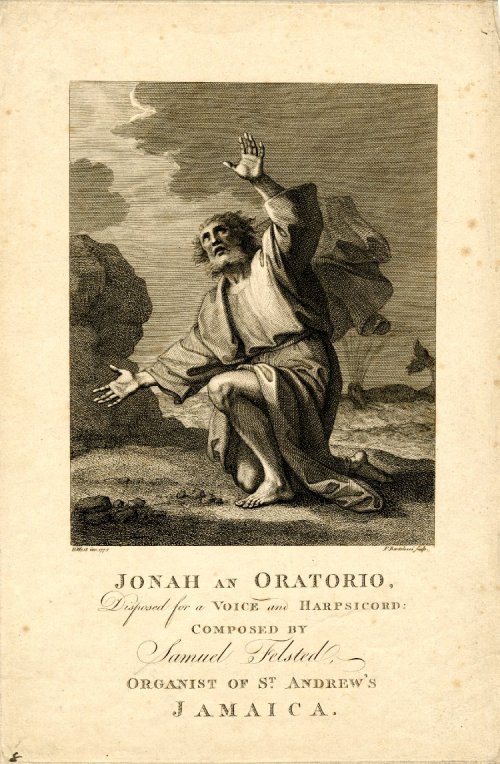
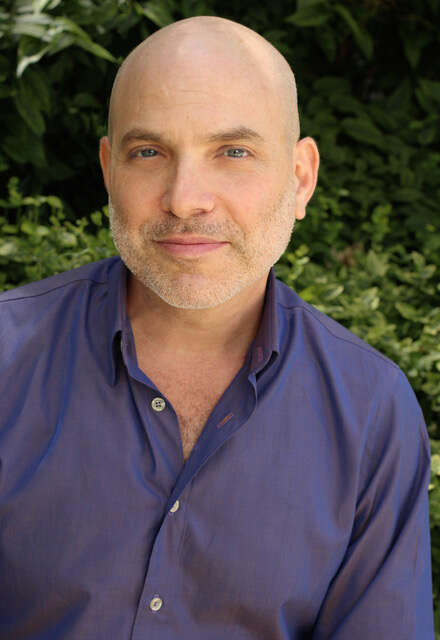
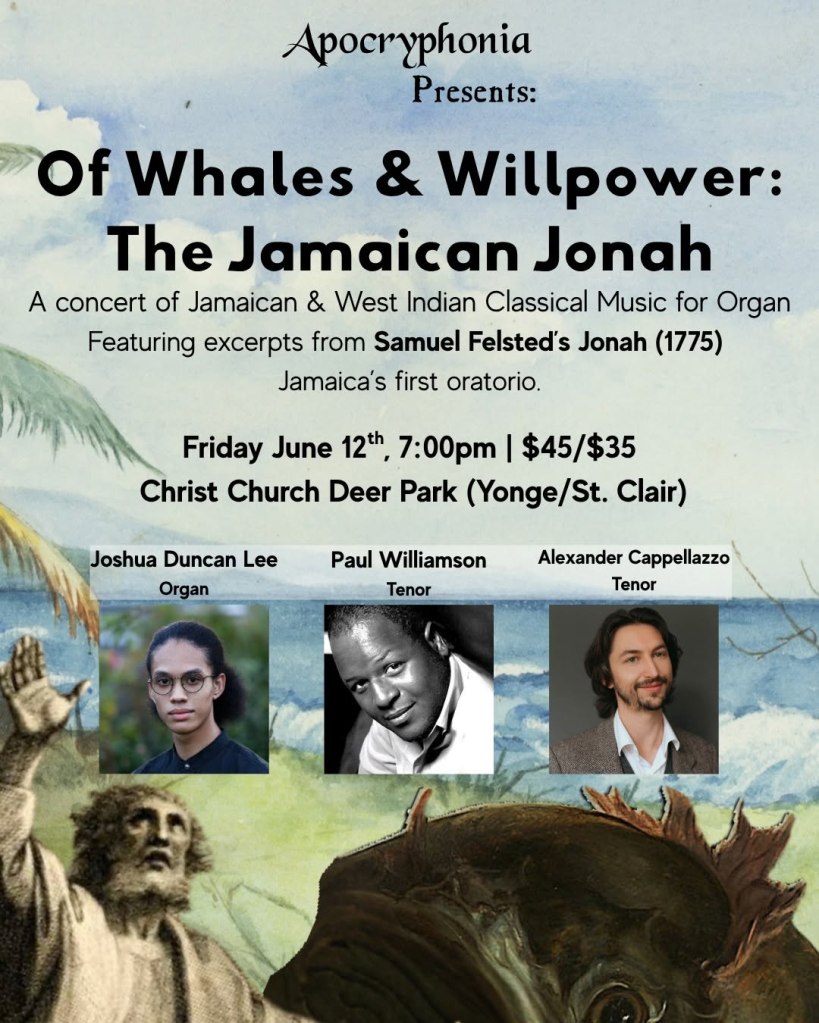
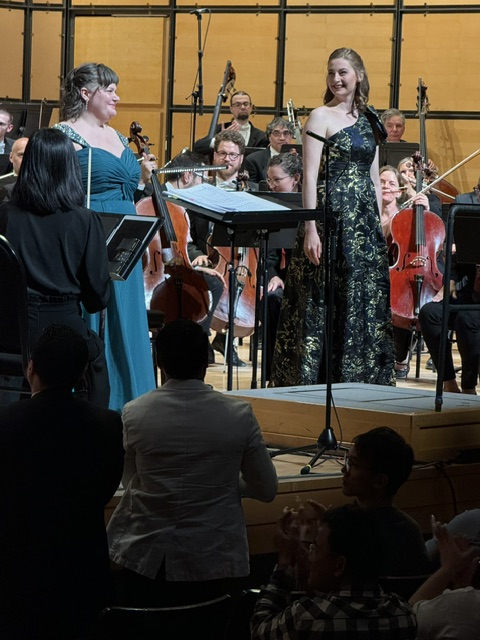
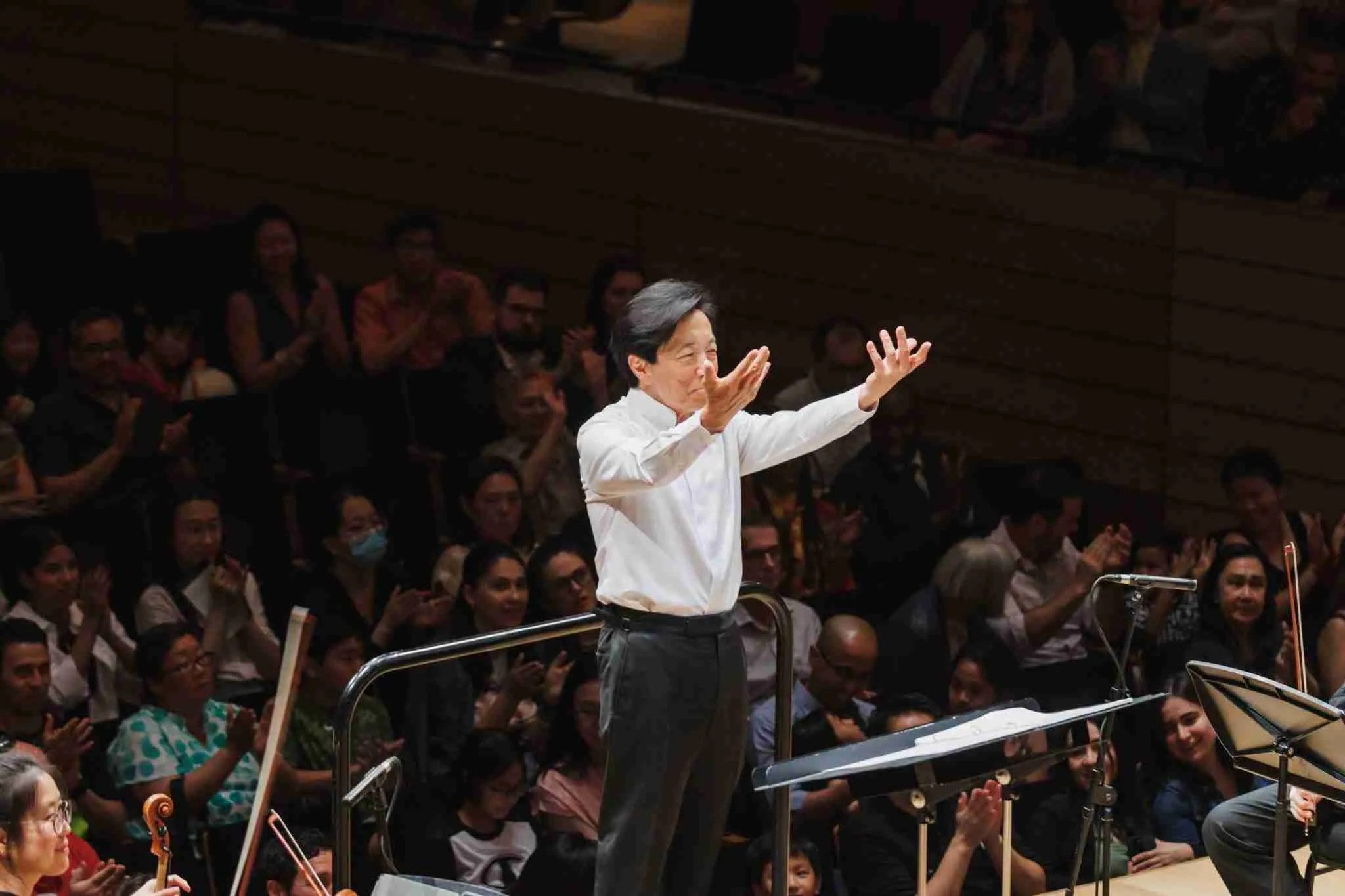
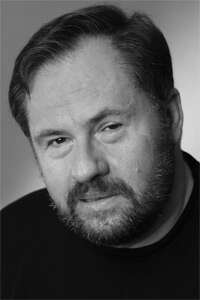
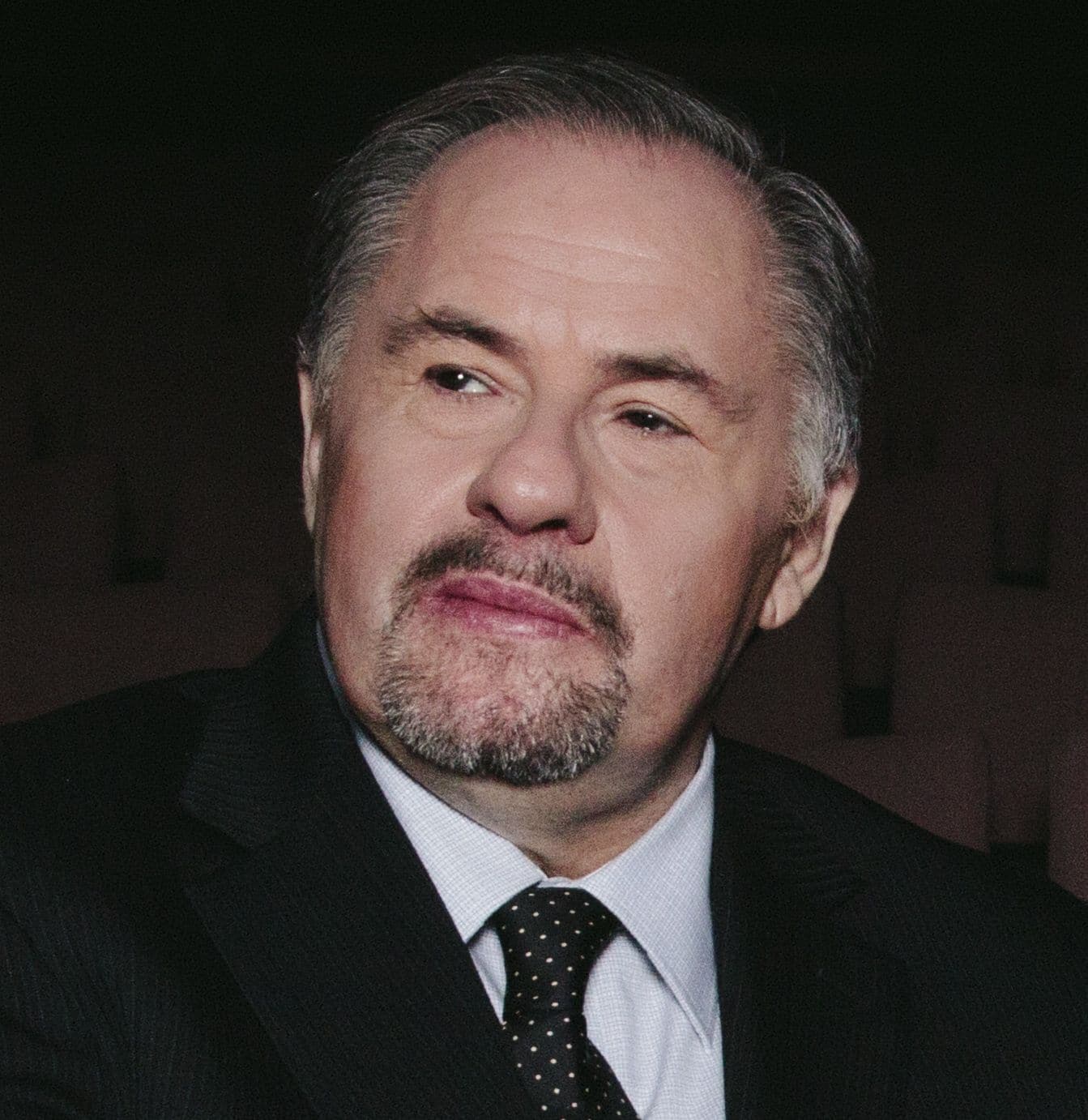
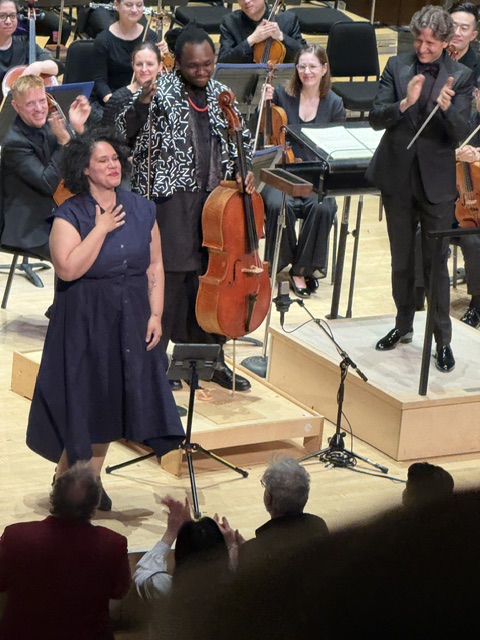
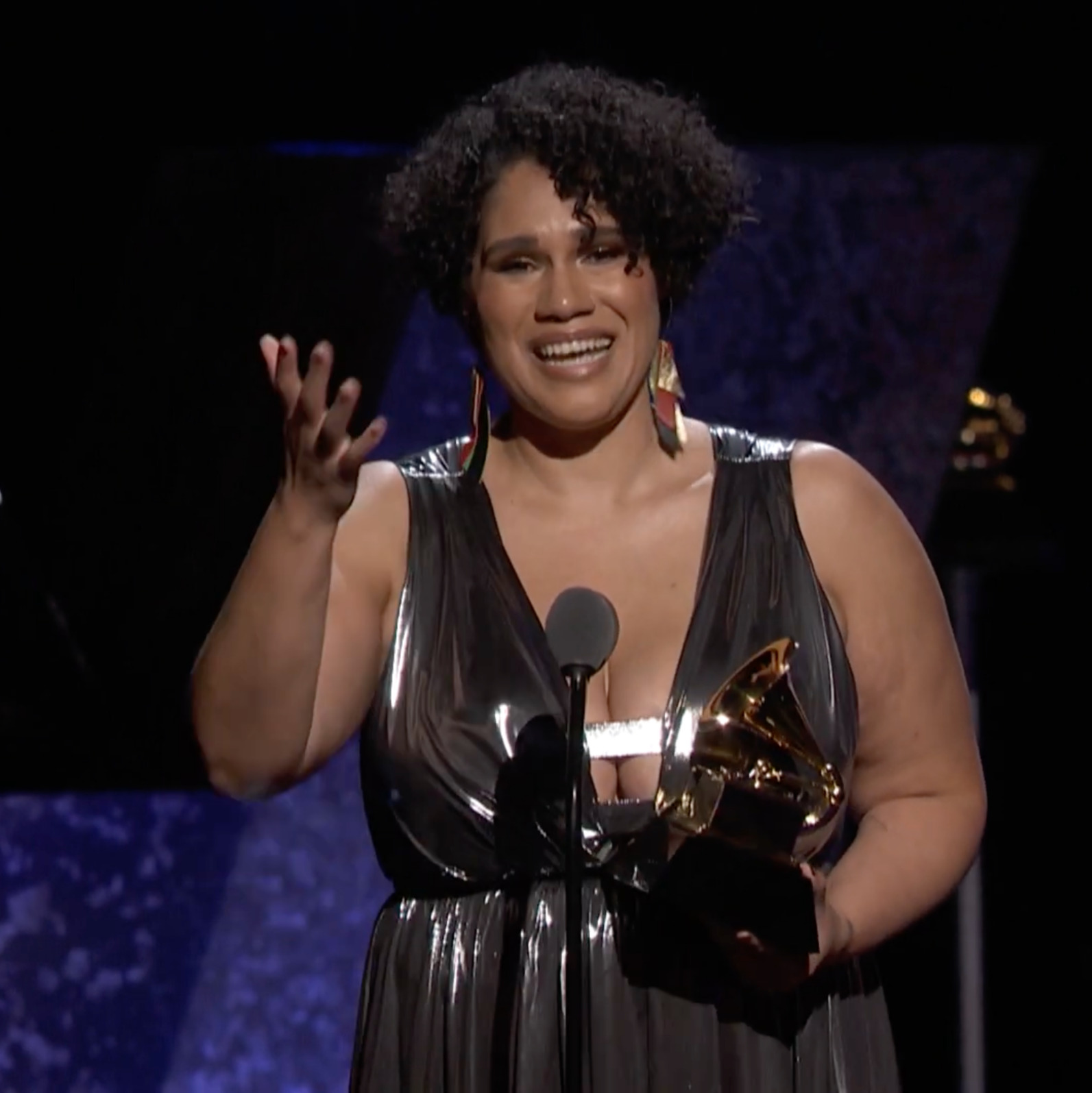
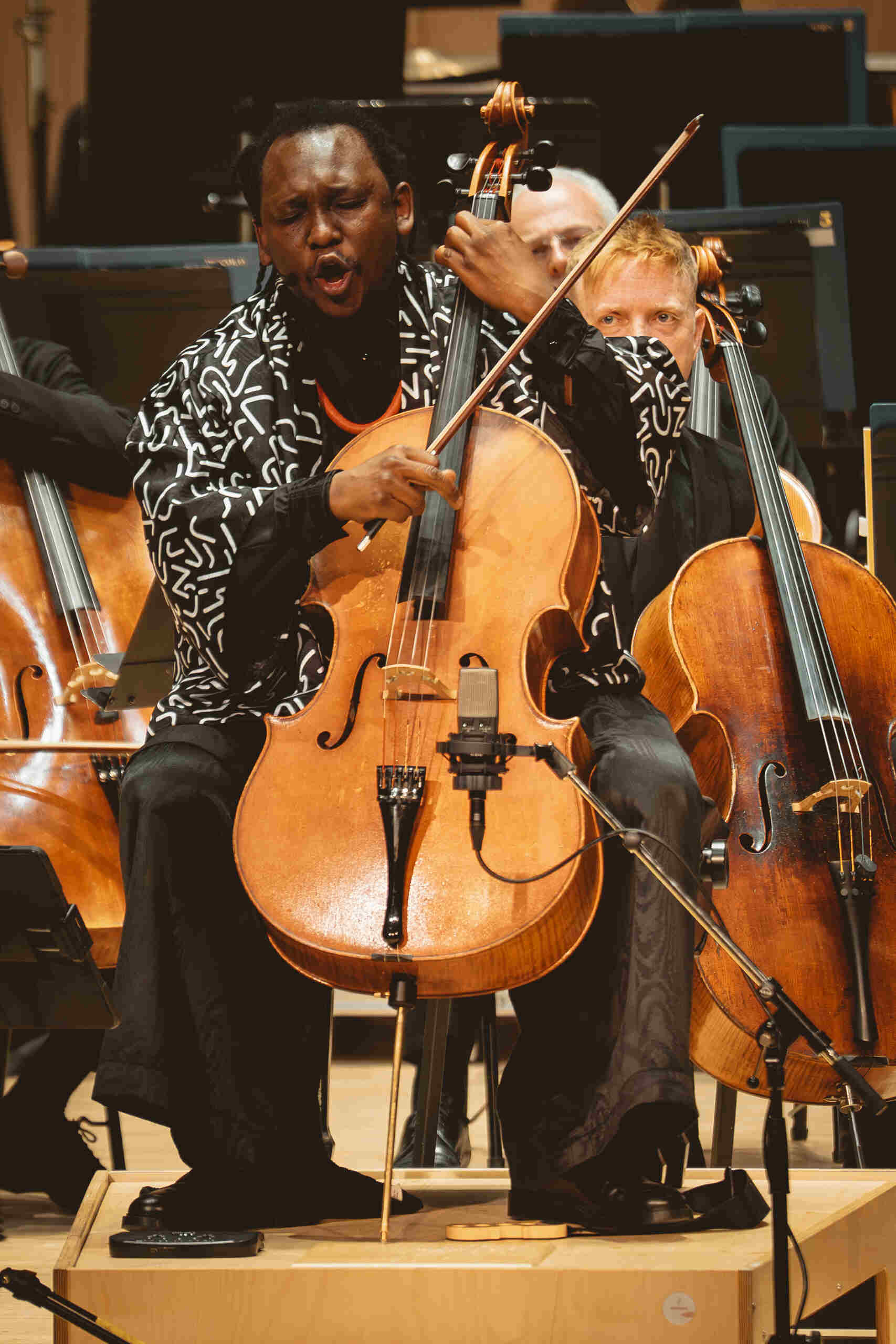
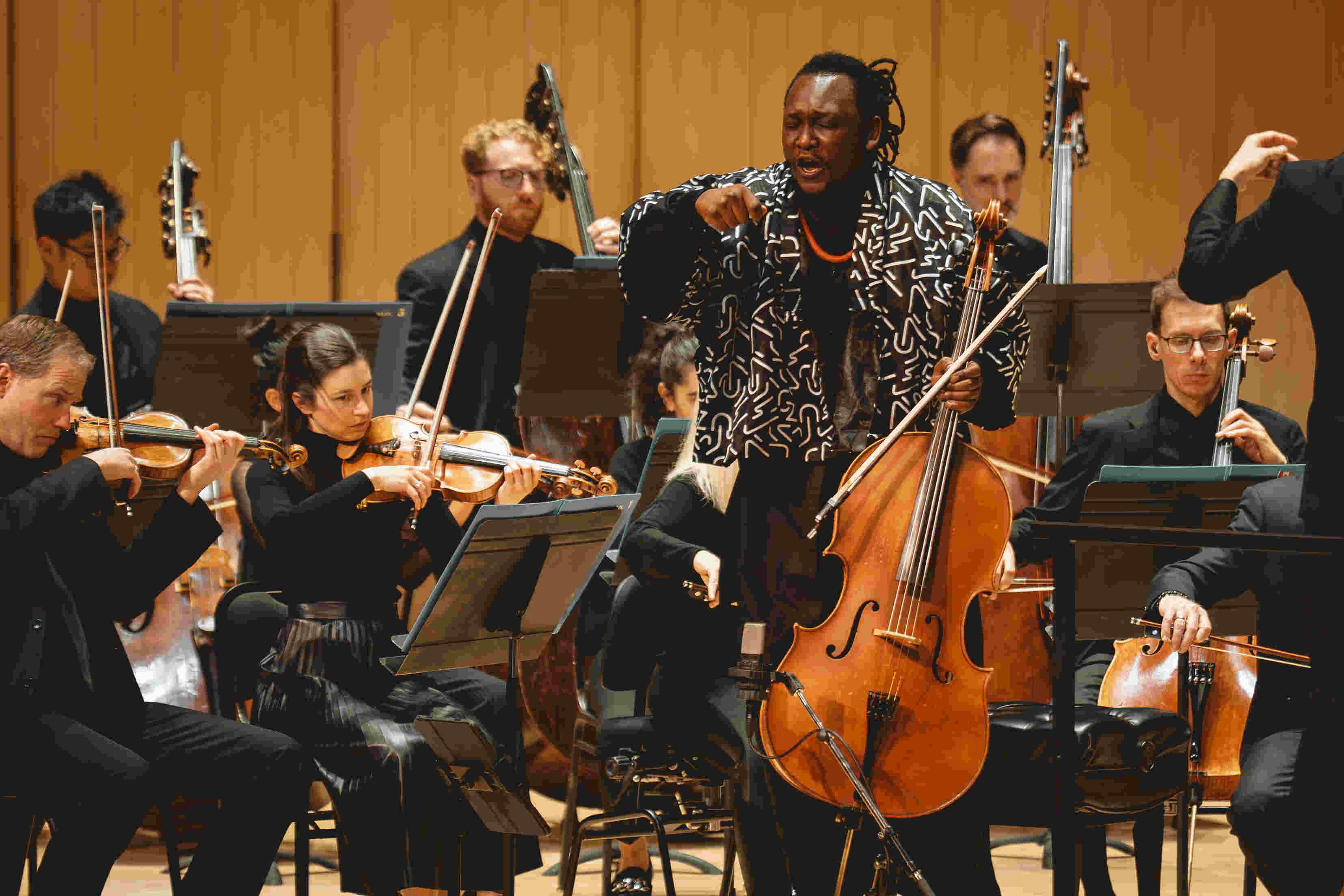
The title of the concert Friday June 12th at Christ Church Deer Park was “Of Whales and Willpower: The Jamaican Jonah, Part 1”, suggesting that there’s a sequel in the works.
This first step was hearing excerpts from Samuel Felsted’s oratorio Jonah (thus the reference to Whales in the title). At a future date Felsted’s complete oratorio is to be presented with an orchestra as Apocryphonia artistic director Alexander Cappellazzo explained.
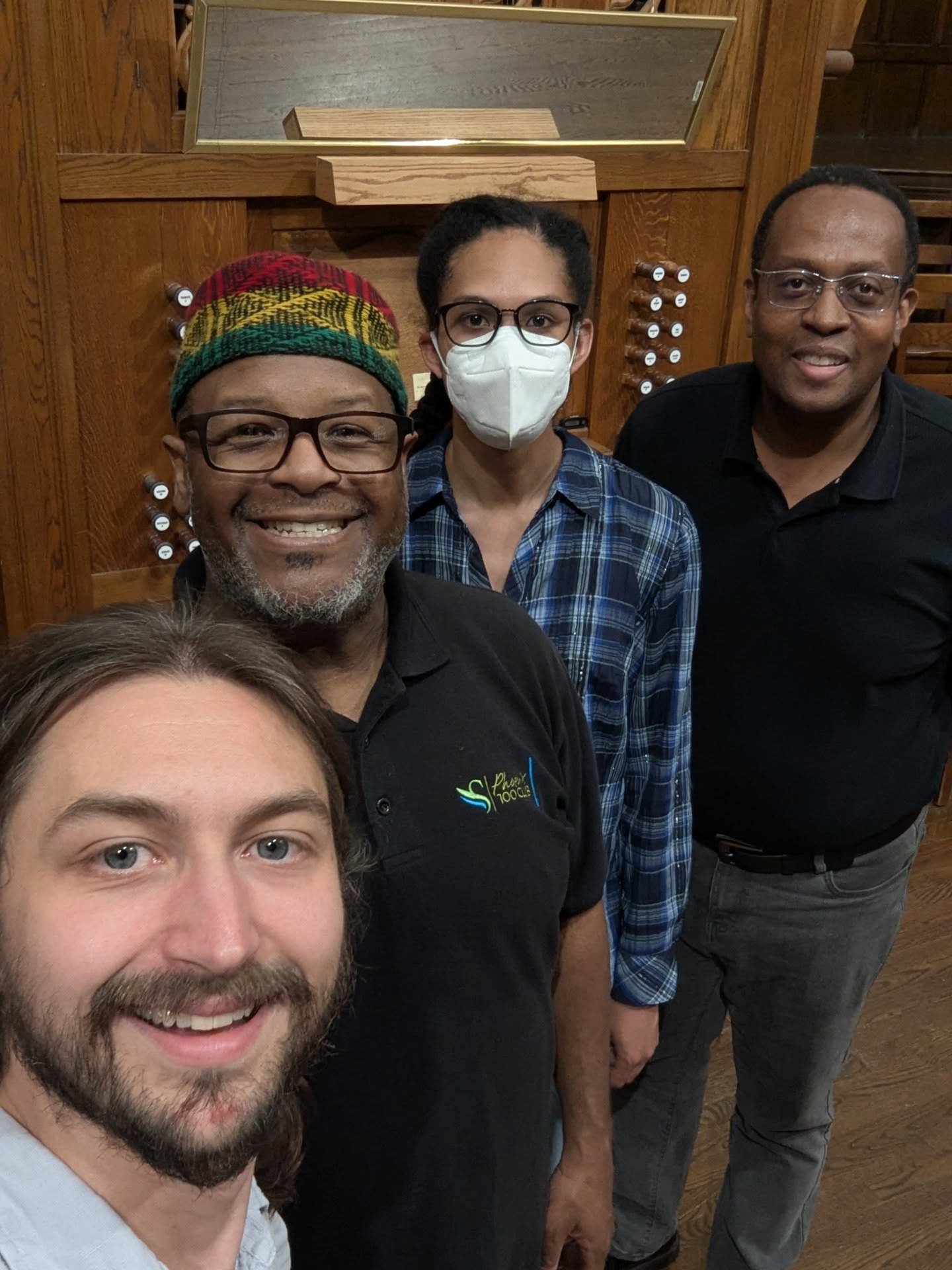
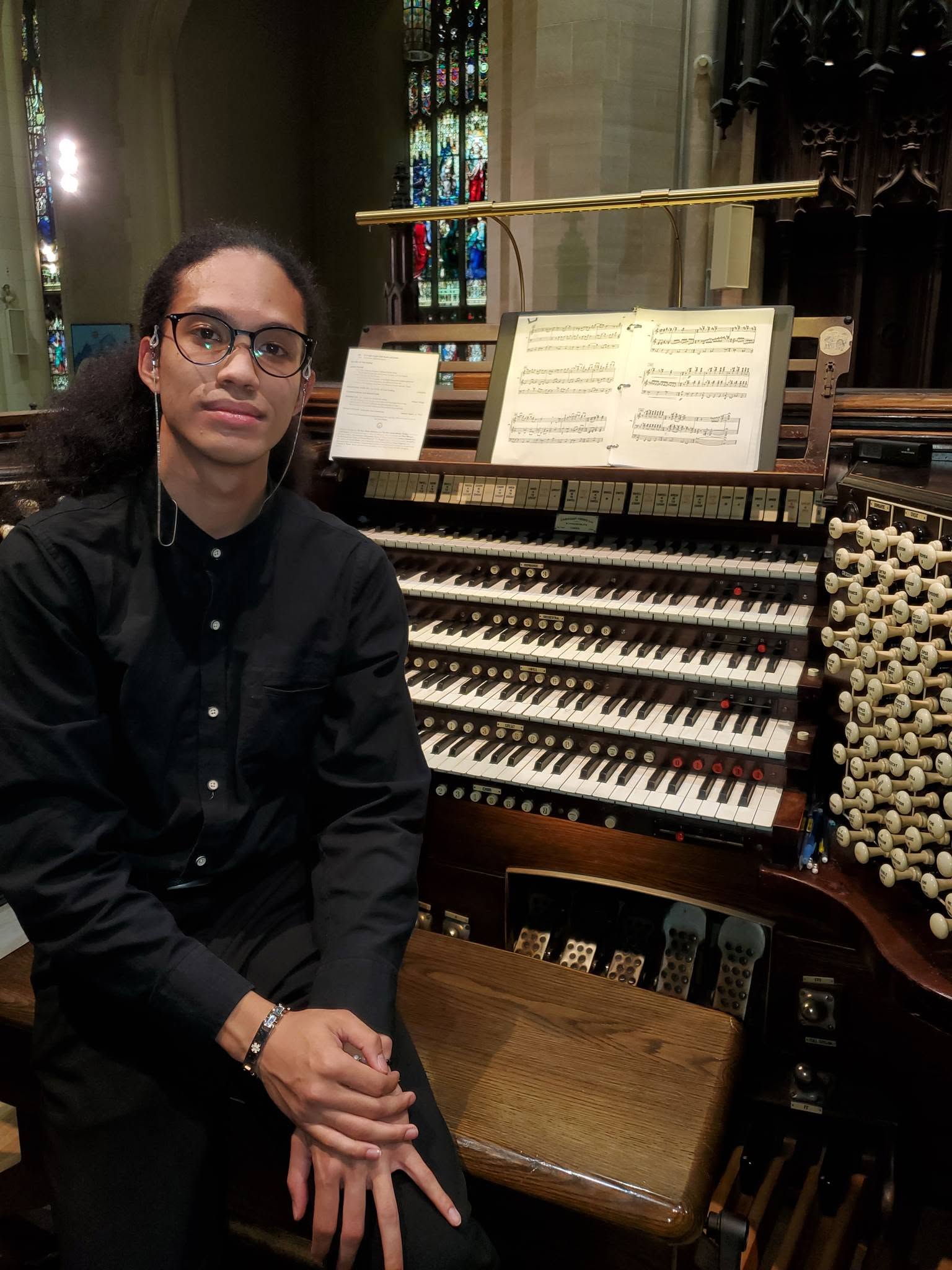
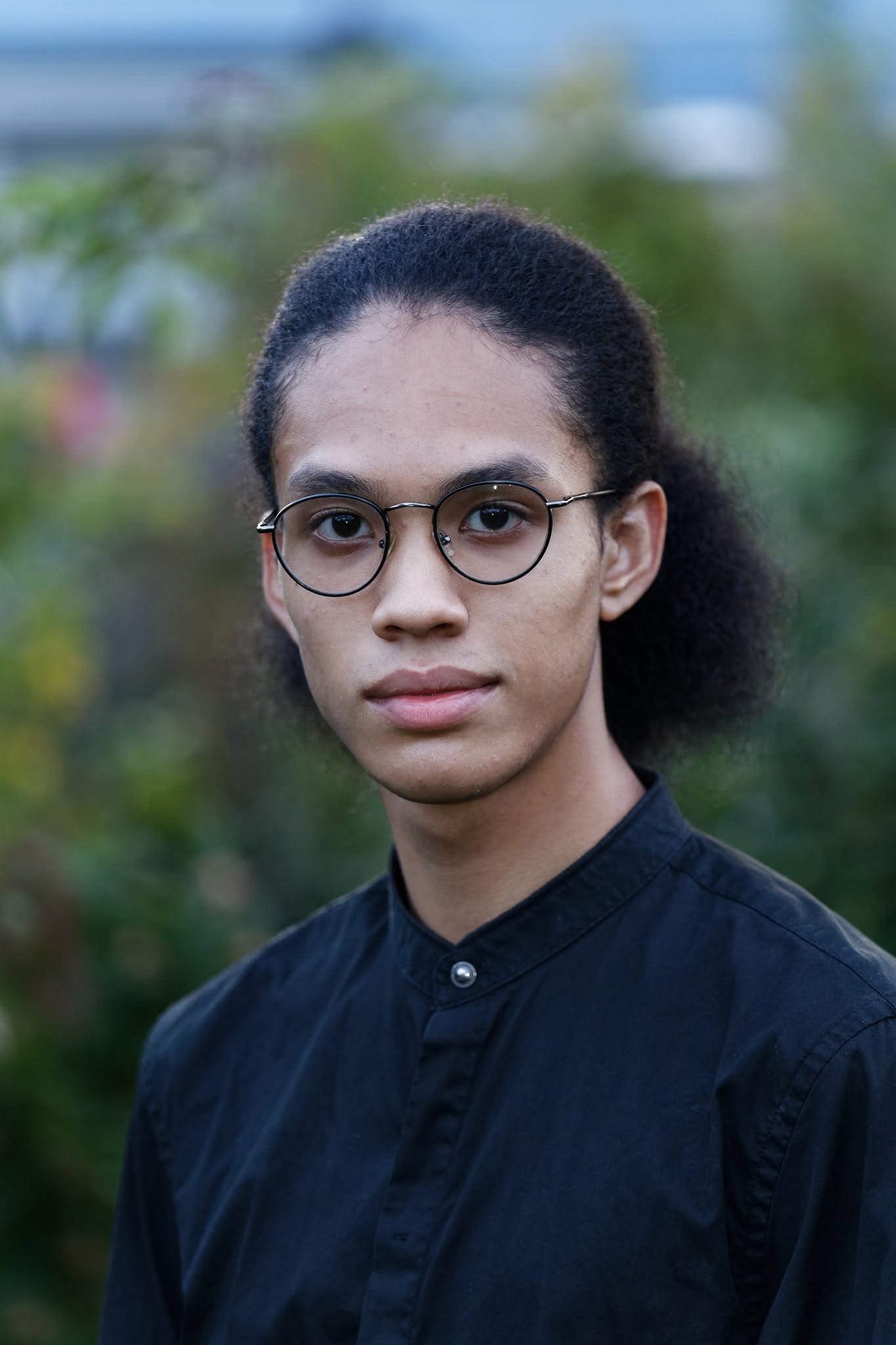
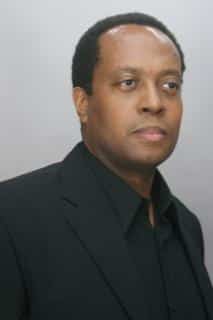
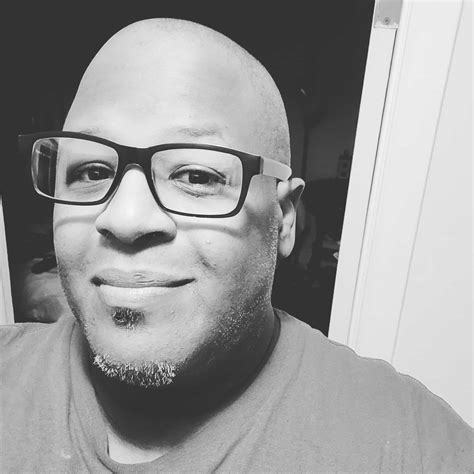
(left to right) Alexander Cappellazzo- Tenor & Apocryphonia’s Founder, Paul Williamson- tenor, Joshua Duncan Lee-Organist & Concert Curator and Ted Runcie -Composer & Artistic Advisor
Apocryphonia aims to find obscure or hidden works to play at their concerts. In this program nothing could be considered familiar and of the 13 pieces 9 received their Canadian premiere, a concert featuring a lot of organ music. Organist Joshua Duncan Lee assembled the program, played every piece, collaborating with singers on four arias from the oratorio Jonah, and a fifth aria from Joseph Bologne’s L’Amant anonyme. The other 8 were compositions for organ. Joseph Bologne is the only non-Jamaican composer in the program, born in Guadeloupe.
Ted Runcie- Amen Samuel Felsted- Voluntary I in E minor (Canadian premiere) Samuel Felsted- Voluntary II in F major (Canadian premiere) Craig Alastair Bloomfield- Gethsemane (Canadian premiere)
Joshua Duncan Lee-Organ
Samuel Felsted- Excerpts From Jonah (1775) Jonah Arise – Out of the Deep – Billows Foam (Canadian premieres)
Paul Williamson & Alexander Cappellazzo, tenors Joshua Duncan Lee-Organ
–intermission–
Rashaan Rori Allwood- Miniatures for Mark Samuel Felsted- Voluntary V in B-flat major (Canadian premiere) Joshua Duncan Lee-Organ
Joseph Bologne- from L’Amant anonyme “Depuis longtemps mon coeur soupire” Alexander Cappellazzo, tenor Joshua Duncan Lee-Organ
Samuel Felsted- Voluntary IV in G minor (Canadian premiere) Noel Da Costa- Variations on Maryton Joshua Duncan Lee-Organ
Samuel Felsted- Aria From Jonah (1775) Lord I Obey (Canadian premiere) Paul Williamson, tenor Joshua Duncan Lee-Organ
It was a hot evening in the big church. As I was leaving I heard someone say that this was an important occasion. Considering the usual perceptions of organ music, I’d have to insert the caveat that it’s not for everyone. But I loved what I heard, and agreed that it was important. On a day when Toronto hosted its first World Cup game downtown, in the midst of Pride Month, it is a beautiful feeling living in Toronto, a welcoming multi-cultural city.
Perhaps it’s no coincidence that as I emerged from the church in the middle of a busy city, walking to my car, I came upon a rabbit happily grazing in the grass on Heath St, undisturbed and unafraid. No it’s not Bach’s sheep safely grazing but it felt kind of miraculous, and I think it’s a wonderful omen.
Joshua was tireless, as they played every piece, but that’s the least of it, considering that they curated our evening, preparing the scores and rehearsing the works with the singers.
Perhaps I should declare my sympathies, as a tenor and as an organist. I can’t do what Joshua did (and never could, I’m not that good on the organ). I understand orchestration playing on the synthesizer or organ, a thrilling game of timbres, textures & contrasts. At best one aims for clarity & simplicity rather than complexity for its own sake. In almost every piece we were hearing, Joshua was employing multiple manuals to maximize the drama in the music. Where there were voices exchanged, they were given contrasting stops on the organ, sometimes switching so quickly as to dazzle us. Joshua exploited the possibilities with the big organ in this church.
Given how unfamiliar the music was, the audience was tentative about applause until we were sure, at which point we’d show our appreciation with enthusiasm.
Felsted was a revelation, writing in a style that could comfortably entertain a baroque or early-classical audience. His melodic gifts were especially impressive in “Billows Foam”, as the accompaniment billowed appropriately under tenor Paul Williamson. Paul sang in a manner that I’d think of as appropriate for the concert, understated as far as the drama with exquisite musicianship. I always enjoy hearing his voice.
I was especially thrilled by Rashaan Rori Allwood’s “Miniatures for Mark”, a moment that was for me the highlight of the evening. I was delighted to find Joshua playing this fascinating piece recorded two years ago on YouTube, although I think the version they played this time was even better.
Titles like this one inspire curiosity, but maybe we aren’t meant to know the subtext.
This was the final Apocryphonia concert of the season. If I hear anything further concerning the fund-raising for the future presentation of the complete oratorio of Judah I’ll post the information here.
In a week when every item in the Toronto Symphony’s concert program has a connection to film, it was amazing to see such a remarkable variety, the many different ways music and movies can be connected. And the results were spectacular in this cinematically inspired program.
Before I babble on about the concert I want to remember previous programs where the TSO and Gustavo Gimeno stunned us with combinations of music to great effect, perhaps because I’m looking back at the end of another season. I went back to a quote from 2022 when Gimeno said the following in a TSO program:
“The creation of contrast is at the heart of what I believe about concert programming—the coming together of past and future, masterworks side by side with new commissions, old friends and new faces on the concert stage: all manner of refreshing or startling juxtapositions.”
There have been several fascinating moments from the TSO over the years: in 2022 when Ligeti Atmosphères (as heard in 2001: a Space Odyssey) was followed by Wagner’s Lohengrin Prelude (that’s when I quoted the passage above) or in 2023 when loud music by Berlioz met an elegant Mozart piano concerto or in 2024 i was stunned by the combination of Lontano by Ligeti, the soft Parsifal Prelude by Wagner and then “Yericho” a powerful trombone concerto by Samy Moussa
They did it again this week in spectacular fashion.
I have been trying to find the right way to write about this week’s concert. Usually I aim to publish a review the night of the concert or shortly after, but this time I was so stimulated I couldn’t find the right words, possibly because the subject is near & dear to my heart.
I used to teach film music courses at the University of Toronto School of Continuing Studies, another at the Royal Conservatory, essentially music appreciation courses, adult ed. Even so there were years early on when we had practitioners enrolling, bewildered because (as they told me) nobody was teaching the subject, at least not yet. And until recently it was normal practice to think of film music as a lighter sort of music. Meaning no disrespect, film music was not given with the same seriousness. Ten years ago, for example, I interviewed Steven Reineke, TSO’s Principal Pops Conductor, about a concert featuring music by John Williams. Please note, I am not one of those people who considers film music or pops concerts somehow lesser. I may sound a bit like Rodney Dangerfield.
…when I say that film music doesn’t always get the respect it deserves. Thirty years ago it was a relatively new concept in the academic realm, as more analyses were being written.
Principal Pops Conductor Steven Reineke
So it felt like a breakthrough to see the Toronto Symphony treating music composed for film seriously, put into their “Masterworks” series. Every work in the program had cinematic connections, especially the first two items. I am resisting the impulse to use exclamation points, but I find what I am saying very exciting. When you look at what the TSO & Gimeno did this week? They took that “contrast” principle to the next level. Here’s the program.
Bernard Herrmann/ ed. John Mauceri: Psycho: A Narrative for String Orchestra Erich Wolfgang Korngold: Violin Concerto in D Major, Op 35 -intermission- Bekah Simms: Nostalgie Felix Mendelssohn: Symphony No. 4 in A Major Op. 90 “Italian”
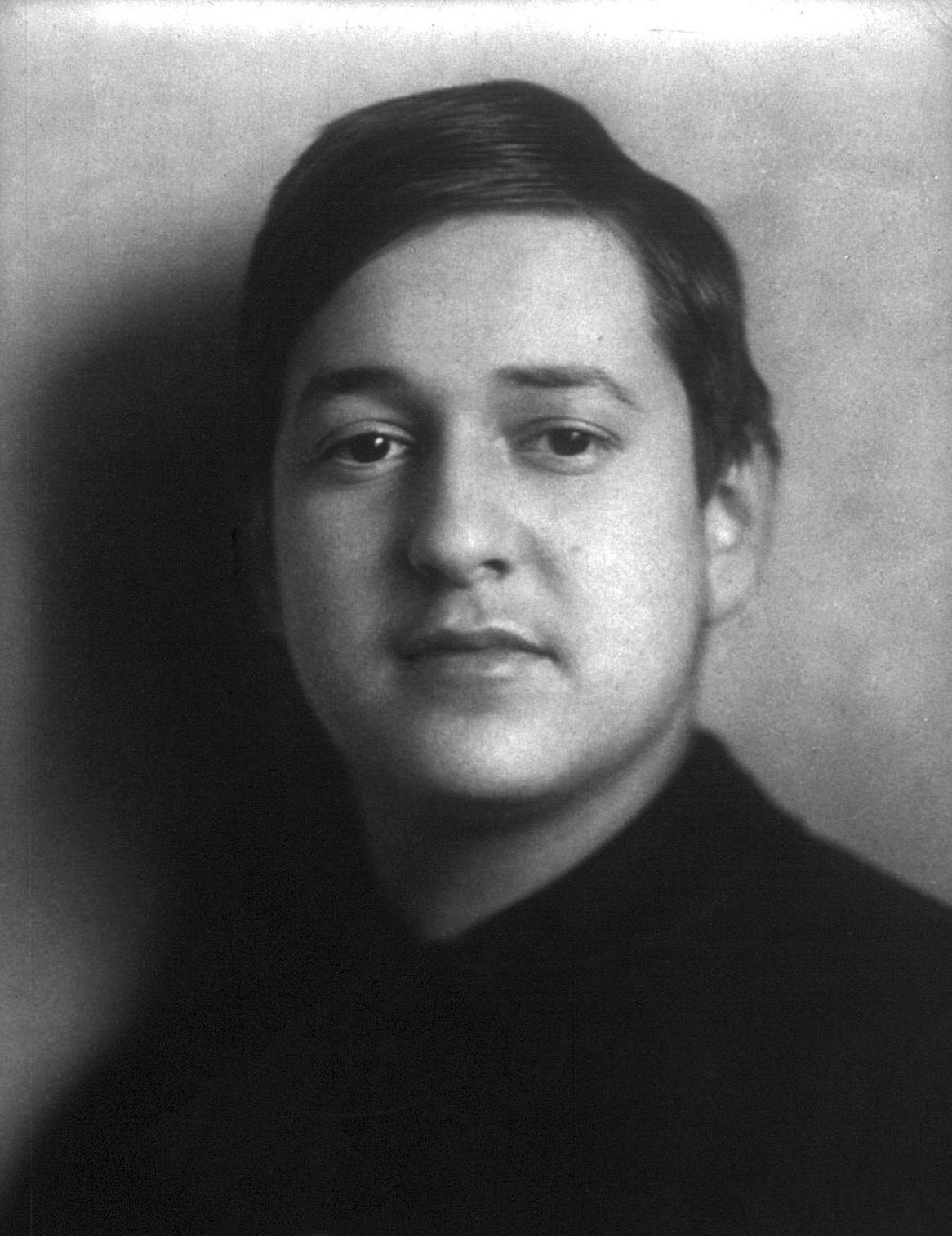
My mind boggled over the contrasts implied by the complementary opposites in that first part of the concert, although hearing the concert played live took it to the next level. Korngold was part of the first generation of film music composers along with Max Steiner, with a dramaturgy where the music employed leit-motivs as in a Wagnerian music drama, the orchestral score like a Greek chorus. The “Hollywood sound” was a kind of normal performance practice accomplished in studios, perhaps aiming to make a 20 piece orchestra sound like 60 players, deliberately lush & dramatic, and making good use of the money spent on the music in these films.
And there were also composers who resisted this tendency. Chief among them, Bernard Herrmann, who used orchestration and instrumental colour to great effect, while avoiding the Hollywood sound, aiming instead for instantaneous effects from the first minute of his first appearance in Citizen Kane, or in such colourful scores as Beneath the Twelve Mile Reef or The Day the Earth Stood Still. One didn’t wait for the emergence of a leit-motiv, not when an instrument’s colour could viscerally communicate right away.
This is one of my favourites. The conclusion of the film on a discord is as powerful as any operatic climax.
The title for the concert was “Maria Dueñas Plays Korngold”, highlighting a melodic violin concerto that quotes from several Korngold film-scores.
But what came before Maria appeared to play this sensuous emotional music was the most perfect preparation imaginable, the most remarkable sort of contrast I have ever encountered in a concert program. Before the colourful music we had the musical equivalent of black & white: like the film for which it was composed.
We sang Oh Canada accompanied only by strings, because the opening piece was Psycho: A Narrative for String Orchestra, using the music Bernard Herrmann composed for Alfred Hitchcock’s 1960 film.
Bernard Herrmann
The 16 minute work to open our concert was in segments, with titles given in the program as follows: Prelude The Madhouse The Murder The Water The Swamp The Stairs, The Knife and The Cellar Finale
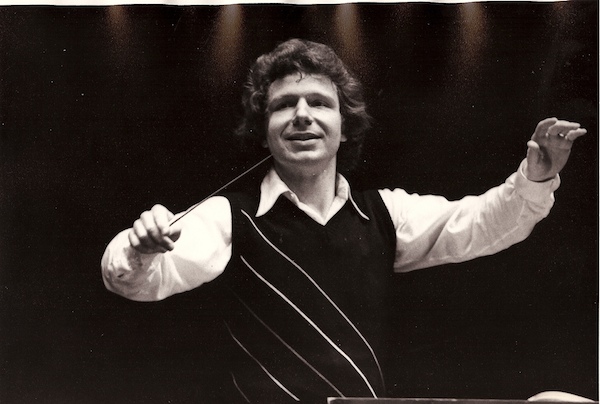
The program says “edited by John Mauceri”. Looking at his website I was humbled by how much he has done in a long career, a winner of Grammy and Emmy awards. I have to think Mauceri is someone Steve Reineke knows of, perhaps even as a friend and colleague. I’m including a 1974 photo because it lines up with Herrmann who died in 1975, although Mauceri is still alive after a long & distinguished career.
John Mauceri rehearsing for professional orchestral debut with Los Angeles Philharmonic (1974).
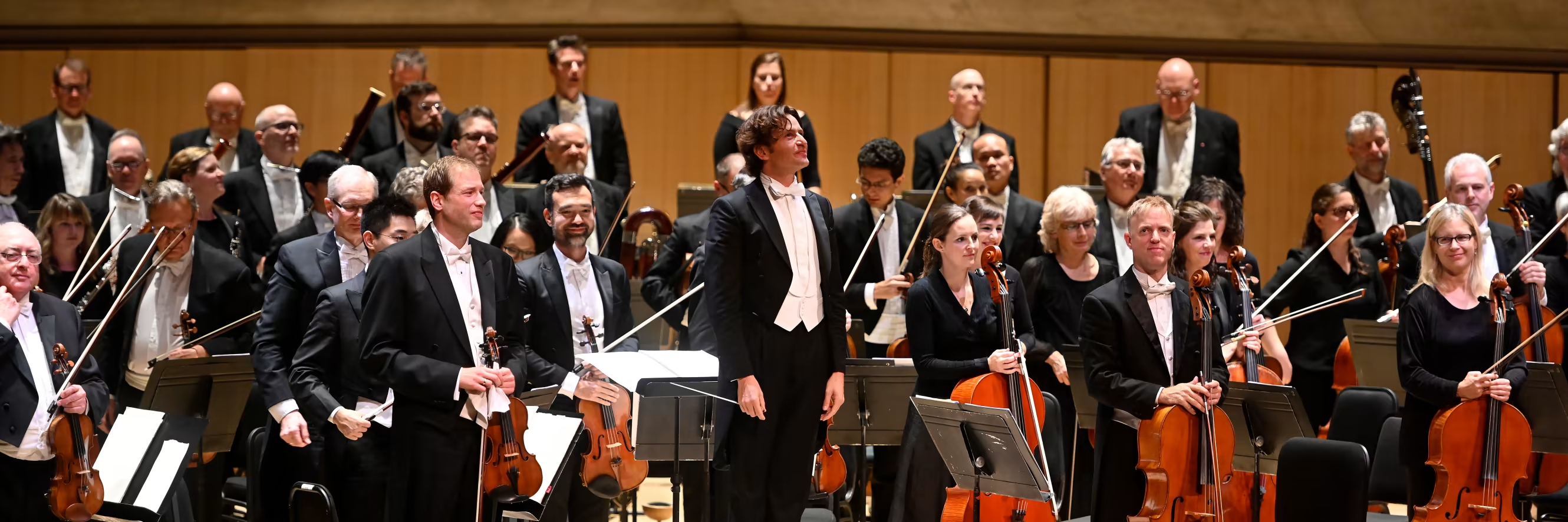
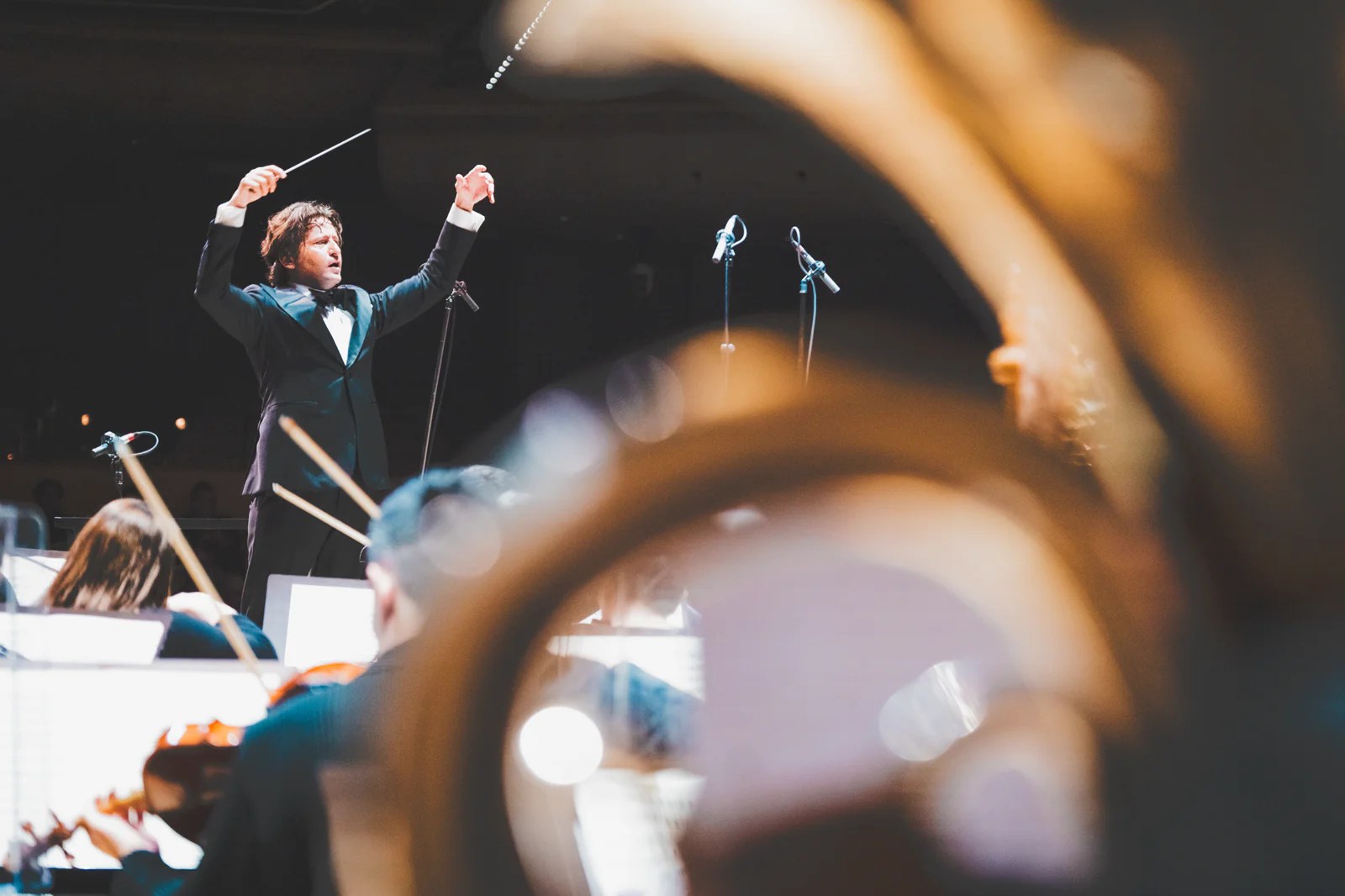
I found two other performances of this piece on YouTube, both far less exciting than the one we heard from the Toronto Symphony, conducted by Gustavo Gimeno. While the others played it perhaps as a specimen to remind us of a film, Gimeno came to Herrmann the way he came at other modern works such as the Bartók Miraculous Mandarin CD, which is to say the players of the orchestra were challenged to make the best possible music they could, underlining the drama in the music and not just the beauty.
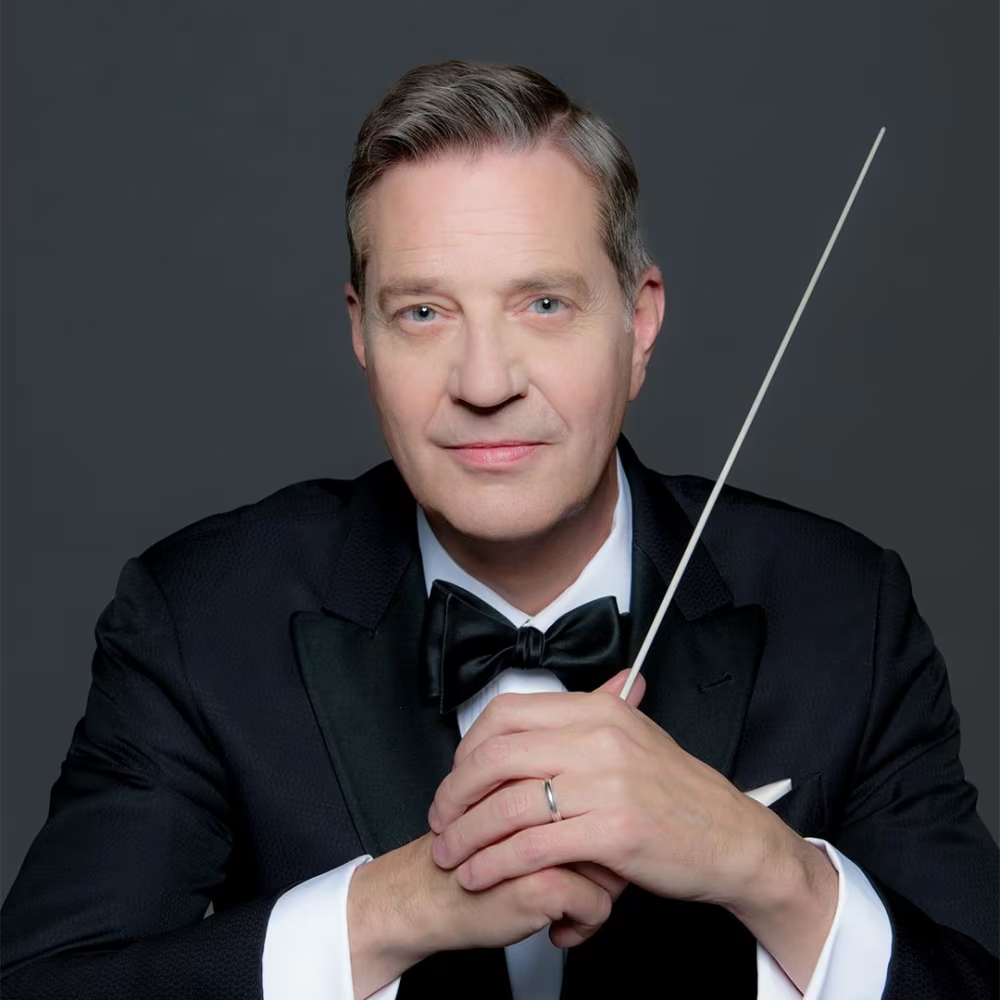
Toronto Symphony conducted by Gustavo Gimeno
I found myself wondering how this music sounds to anyone who has not seen the film. When we came to the famous stabbing music (one for the shower, another later) there were nervous giggles through the audience. I remember how audiences respond to the Jaws music played by the TSO in their film music concerts showcasing John Williams (Steve Reineke of course). The raw edgy sound isn’t meant to be pretty or tuneful, but simply to provoke a response when played with visual images & dialogue.
I recall the pure joy of turning this music into an experimental specimen in the classroom for students. Playing the music alone (from a CD I have) but without the images is very different than watching Hitchcock, and the film becomes different again when we turn off the sound. How would our assessment of Hitchcock change if you take away Herrmann’s contribution from Vertigo, North by Northwest, Psycho, Marnie, or the Man Who Knew too Much? Hitchcock reminds me a bit of Lorenzo da Ponte, the librettist whose highest achievements were collaborations with Mozart. Yes this will sound like heresy but I think Herrmann isn’t given enough credit, Hitchcock gets too much credit. In the previous century when we spoke of La boheme or traviata, we barely remember the librettists, while identifying these works by their composer. In the BFI’s Sight & Sound magazine survey, that previously had given the best film of all time honour to Citizen Kane (directed by Orson Welles, score by Bernard Herrmann), it was replaced with Vertigo (directed by Hitchcock, score by ahem Bernard Herrmann). And while Hitchcock didn’t ever get anything nearly as wonderful without Herrmann, the directorial partners in Herrmann’s life were amazing, from the beginning (Citizen Kane with Orson Welles) to the end (Taxi Driver with Martin Scorsese) with great stuff in between such as Fahrenheit 451 with François Truffaut.
Okay excuse the digression. Herrmann has other music that I hope the TSO will undertake some day. To repeat what I said earlier I love the choice to play Herrmann alongside Korngold as high art, especially the way Gimeno brought out the stark brutality of the strings in this score. I dream of encountering other Herrmann scores in future TSO concerts.
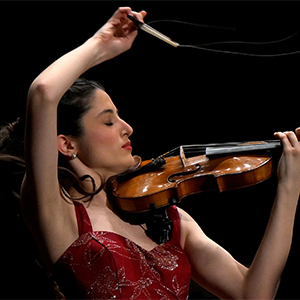
The combination was a special gift to violinist Maria Dueñas, preparing the audience for what she brought to the Korngold violin concerto. Imagine you’re the violinist, what could be more ideal than this. It was as though the Herrmann piece was a chilly blast of snow, and then the violin arrived like a warm breeze to remove the chill from the air. Excuse me as I overuse the word “contrast”. We went from the black and white astringency of the Psycho suite to the warm use of a full orchestra, woodwinds and brass. We went from jagged music to melodic phrases, from anxiety & tension embodied in a score portraying murder, to something tender and romantic. And of course this made Maria sound that much more beautiful in the concerto. We were not only able to linger over phrases, expressiveness simply for the momentary pleasures of sound, but the shift from melodrama to lyricism made the violin sound as though it were alive in Maria’s hands.
Violinist Maria Dueñas
After her amazing performance we were in for an additional treat. I think we were all a bit perplexed when Maria walked upstage from the usual place where a soloist plays. She took her position beside the harp, playing a long cadenza that was introduction to what was to come, her encore.
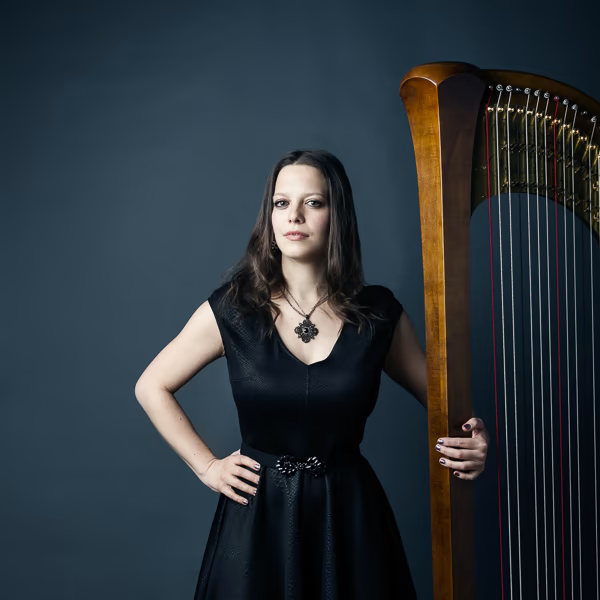
TSO Harpist Heidi Bearcroft
And of course after the intro the TSO’s harpist Heidi Bearcroft jumped in with a pulsing rhythmic accompaniment to the melody we would soon recognize, namely “Grenada”, exuberantly played by Maria and Heidi. Heidi confirmed for me that this was Maria’s arrangement. I expressed the hope that Gustavo would appreciate a moment of hispanic solidarity between him and the soloist.
Violinist Maria Dueñas and harpist Heidi Bearcroft accepting applause after the encore
The second part of the concert was different, yet still with links to the cinema.
Nostalgie was a world premiere, a composition roughly ten minutes in length from Bekah Simms. I’m moved to observe that a good program note is itself a work of art, writing that creates the horizon of expectation. We are meeting a new work, and it’s part of the job of the composer or painter or playwright to give us some idea, perhaps teasing us, perhaps mystifying us, but whether it’s explicit or poetic, they are drawing us in.
Composer Bekah Simms
Here’s what Bekah said, that links this work to the cinematic tendency of the concert:
Nostalgie is broadly a reflection on time and its strangeness, in particular the hazy nostalgia for the period after my son was born just over a year ago. Parenting a newborn is undeniably challenging, yet many parents will long for this period once it is over, despite its practically psychedelic manipulation of time and the brand-new flavour of future it unlocks. You are in love with a tiny, inert and unknowable extension of yourself while not sleeping. The chasm between life in the present and life in that singular period is impassable: as are all things in the past. It is strange and it is sappy and it is so quickly over. Nostalgie uses the Golden Era of Hollywood movie music as a lens to channel this unusual form of nostalgia, à la Herrmann via Korngold. The result is a slightly broken version of warm gooey schmaltz.
The amazing thing about this description is how it frames the music for us. We heard some music that I found reminiscent of older orchestra music, especially the muted brass, sometimes sliding between pitches, possibly microtonal, ambiguous and suggestive. I wanted to look at the score to see if I could find possible tunes or references (if there were any), but of course you don’t have that opportunity on a first listen. Again, it was a piece matching the cinematic focus, well-received. I wish I could hear it again.
The fourth item in the concert program that I claimed had a cinematic connection is accidental yet represents the most common link between classical music and film. Often a director grabs a pre-existing composition to underscore a scene, or a cartoon or a TV commercial. This music may have had an entirely different purpose when it appeared but that doesn’t matter, once someone re-purposes music. The obvious examples of this are such films as Stanley Kubrick’s film 2001: A Space Odyssey (the opening Richard Strauss fanfare turning up regularly in TV ads), although I could just as easily point to Bugs Bunny forever re-framing Rossini’s Barber of Seville overture for anyone who saw Bugs shaving Elmer Fudd. By seeing the film a composition gets connected with images after the fact.
In this concert, I have no idea whether Gustavo or anyone at the TSO was thinking of the film that comes to mind for me when I hear the first movement of Mendelssohn’s Symphony No. 4, known as the Italian. While it’s perhaps under the radar I am very fond of the film Breaking Away (1979), a story of a teen cyclist aspiring to acquire Italian culture. We see him sing ‘M’appari’ at his girlfriend’s window, and he is seen on the screen accompanied by several different compositions with Italian associations, including Rossini’s Barber of Seville overture, but most notably the Mendelssohn.
Yes that’s the least cinematic link of anything in the concert, but I couldn’t omit mention. And yes that is Dennis Christopher we saw again in Chariots of Fire (1981), another film with a stunning film-score.
And again the TSO and Gimeno were very much in synch. The tempo for the first and last movements were brisk, but the orchestra was mostly restrained, gradually building to a climax towards the end of each of those outer movements. I’m thrilled at how well the TSO follow. The second movement is not my favourite, yet it sets up the third (speaking of contrast), both the lovely main section and the sweet trio from the horns.
As a follower of Apocryphonia, I heard about the concert presenting excerpts from Samuel Felsted’s Jonah, coming this Friday June 12th at 7:30 pm, at Christ Church, Deer Park.
The work is significant not just as the first oratorio composed in Jamaica, but in fact the first oratorio written in the Americas, composed in 1773-74.
I wanted to find out more about this concert of Jamaican and West Indian classical music for organ. That’s why I sought to interview Joshua Duncan Lee, the talented young organist & scholar playing a key role in the project.
I found a remarkable performance from Joshua on YouTube that blew me away, both as a showcase of skill and a composition that deserves to be heard more often.
I was pleased to interview them about the upcoming event and their development as an artist.
*******
Barczablog: Are you more like your father or mother?
Joshua Duncan Lee: In terms of influence, both of my parents had a hand in how I was raised and in the direction of my schooling. When I was very young, I used to get startled around noise, and I would avoid loud situations. My mother figured out that having me create “noise” would help me become more adjusted to sounds, so she put me in piano classes. To everyone’s surprise, I loved it, and I wasn’t awful. After that, my parents allowed me to study various instruments, even though music lessons can be quite expensive. At one point, I even asked to do viola at a summer camp, despite not having played it before. Somehow, I didn’t fall flat on my face, and I still love the instrument, even though I am out of practice now.
Neither of my parents play instruments, but there is a history of playing music on both sides of my family. My paternal grandfather loved playing violin, and my maternal grandmother was an organist.
My grandma, Joyce Duncan, was the organist at St. Richard’s of Chichester in Kingston, Jamaica, but she stopped playing regularly after she moved to Canada. Our shared love of music made us quite close, and we would watch organ concerts while being on the phone together. I only started organ lessons after she passed away, but I think she would be very happy with my career choice. I will never forget that when she was in palliative care, she made sure that I went to visit her when a music therapist was scheduled to be there. When he came to play the clavichord at her bedside, she asked him if he would teach me organ. He answered, ‘maybe, when [I’m] older’. Here we are, 10 years later, and that same music therapist, Kevin Komisaruk is my organ teacher at the University of Toronto and I couldn’t be happier.
Kevin Komisaruk
In terms of appearance, I look just like my mother; but when I was younger, I resembled my father more. It was in my teens that I really started to look like my mom, and even the thickness and texture of my hair changed.
BB: What is the best or worst thing about what you do?
Joshua Duncan Lee:Possibly the worst part of what I do is waking up at 4:30am to make sure I get to the early service on time. This is especially difficult if I had to play or sing at a concert the night before. The best part is being an integral part of the community.
Joshua Duncan Lee
BB: Who do you like to listen to or watch?
Joshua Duncan Lee: When I am not listening to music, I enjoy watching YouTube videos about trains, public transit, and urban planning. If it weren’t for circumstances working out just right, I might have gone into working in public transit.
At the start of the pandemic, things were rough financially, and Dr. Patricia Wright contacted me about applying for the Wayne C. Vance Organ Scholarship position at the Metropolitan United Church. At that time, I had just stopped taking music lessons because of the cost. Receiving the scholarship was like a message from heaven that I was to continue with my organ classes. I would have had a very different life if it weren’t for this one opportunity at that particular moment.
BB: What ability or skill do you wish you had, that you don’t have?
Joshua Duncan Lee: I’d still like to be able to drive a train or a streetcar. Maybe I’ll still get to do this at some point by volunteering at a railway museum.
BB: When you’re just relaxing and not working, what is your favourite thing to do?
Joshua Duncan Lee: I love going to museums. I have a membership to the Royal Ontario Museum which is next door to the main music building at U of T. I go over there to de-stress. Even though I enjoy going to the museum, I have a love-hate relationship with the way that objects are collected and curated. I love it when there is community involvement and participation when it comes to the exhibits, but I hate it when the items are “extracted” from communities against their will. I also go to the City of Toronto Museums a lot, with my favourites being Mackenzie House and the Scarborough Historical Museum.
BB: What was the first music/song you remember?
Joshua Duncan Lee:The earliest music I can recall is when I was about 5 and playing Jingle Bells with grandma at her house. I had a whole book of Christmas duets, and we were working through the book, I don’t remember what other songs we played, but this is the one I remember. We also have a video from that day:
My Mom made sure to take short videos even though it wasn’t perfect. I’m so grateful that she did, because it’s priceless now.
BB: Do you have a favourite piece of music you like to listen to?
Joshua Duncan Lee:I don’t actually have a singular favourite piece that I listen to regularly. If I have free time, I will more likely surround myself in the quiet, or do things that don’t involve music. I have been told that I listen to too much Stravinsky, Shostakovitch, and Schoenberg; but when my family are trying to find music we all agree on, we tend to land on Damian Marley, Protoje, and Koffee.
Joshua Duncan Lee
BB: what role(s) do you take on in the preparation & performances of the oratorio about Jonah?
Joshua Duncan Lee:I initially brought Samuel Felsted, and more specifically Jonah to Alexander Cappellazzo’s attention a few years ago when I was the organ scholar at Met. He was and still is one of the Tenor leads in the choir there. He was enthusiastic about it, and wanted to help me with performing this oratorio here in Toronto. He’s had more experience in producing concerts, including the Apocryphonia concert series.
Initially, we wanted to have a version of Jonah with organ and string quartet, but because of funding limitations, we decided to focus on the organ instead. We have included other Jamaican organ solo works to highlight the diversity of Jamaican Classical music.
I helped organise this; selected most of the pieces; and I will also be playing the organ throughout the concert.
Behind the scenes Ted Runcie has also been helping us with organisation and trying to secure funding.
Ted Runcie
BB: Tell us about Samuel Felsted, who composed the oratorio Jonah.
Joshua Duncan Lee:Samuel Felsted was born in Jamaica in 1743, and lived in Kingston throughout his life. Like many white people in Jamiaca at the time, he was a slave owner. Unfortunately many Western musicians either owned or benefitted from the exploitation of enslaved people throughout the Caribbean.
What is significant about Felsted’s Jonah is that it is the oldest known surviving oratorio written in the western hemisphere. It also gives us some evidence of what the classical music scene in this part of the world was like at the time, and the connections that existed between the Caribbean, America and the U.K. Jonah was written in Jamaica, published in England, and performed in the U.S. several times; it is quite likely it was also performed in Jamaica, but we do not have any newspaper articles that discuss them.
BB: As you prepare for the concert with Apocryphonia, how does this fit into the larger picture for you, of your goals and what you’re aiming to achieve.
Joshua Duncan Lee:I love music, and I love to perform beautiful music. This concert highlights classical music from Jamaica and the Jamaican Diaspora. It’s not every day a concert like this is put on in Toronto, and I’m glad to be able to do this. I like to bring lesser-known pieces to the forefront when I perform, especially when I am able to influence which pieces are being played.
The classical music scene in Jamaica has some core people who have laid a foundation in getting others interested and involved. Music Unites Jamaica has been promoting Jamaican composers, and they’ve also been active in promoting performances of Felsted’s music.
I think this concert is a testimony to the dedication of one particular Jamaican music teacher by the name of John Binns. I first learned about Jonah when I went to Jamaica with the Cathedral Singers of Ontario. The organist who organized that series of performances there, Dwight McBean, was an organ student of Mr. Binns. Both my mom and Craig Bloomfield were also Mr. Binns’ students at Campion College as they sang together in the concert choir. In fact, my grandma actually started organ lessons with Mr. Binns when my mom was at Campion. I don’t think this concert would have come together without Mr. Binns laying that foundation in Jamaica.
BB: Who is part of the team we will hear performing at the concert?
Joshua Duncan Lee:I met Paul Williamson when I was the Junior Organ Scholar at Timothy Eaton Memorial Church and he was a Tenor lead there. He is Jamaican, and he has performed Jonah before in Jamaica. In this concert, Paul will sing “Out of the Deep”, “Billows Foam Around my Head” and “Lord I Obey” from Felsted’s Jonah.
Tenor Paul Williamson
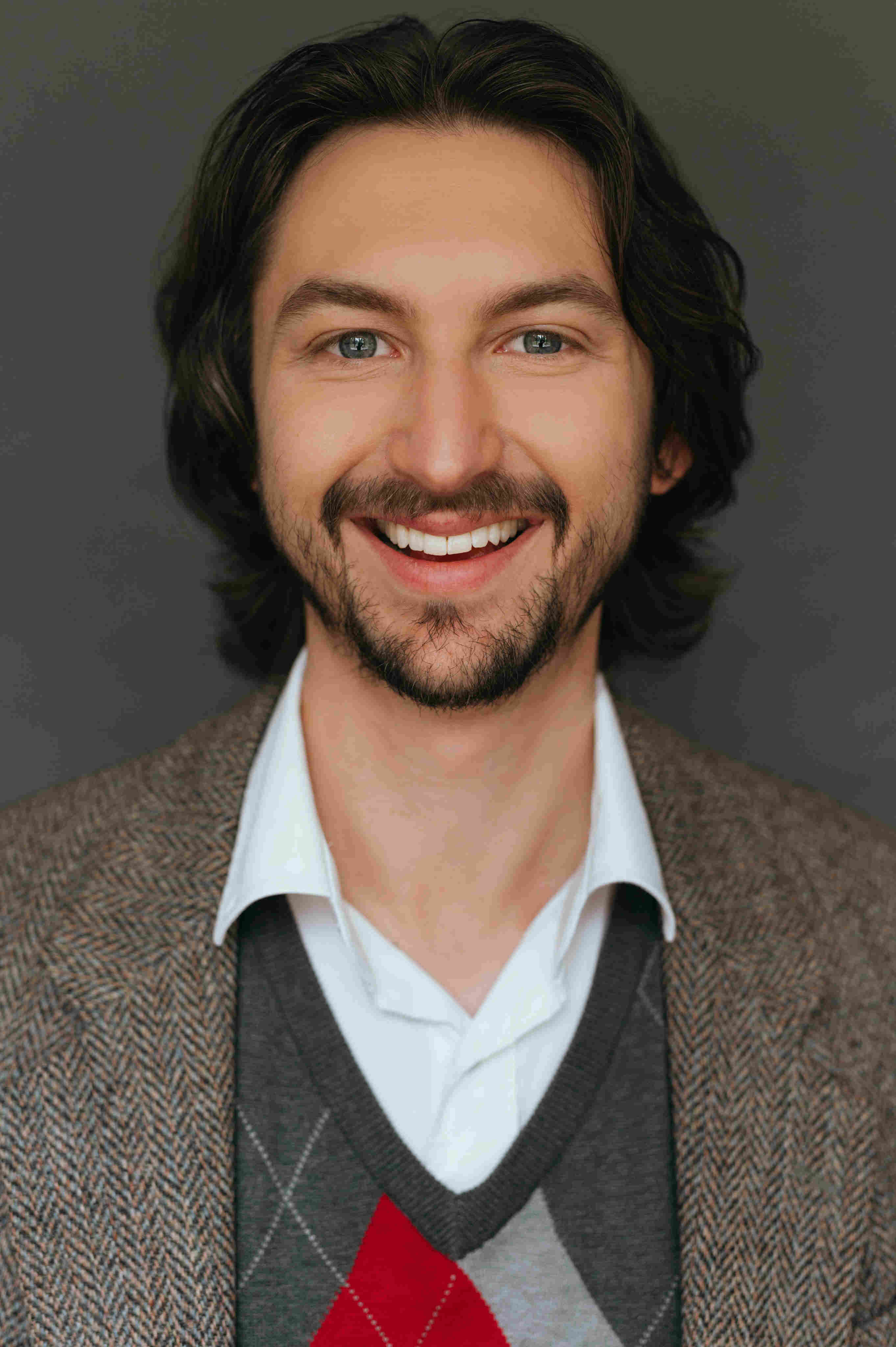
Alexander Cappellazzo will sing “Jonah Arise” from Jonah, and “Mon coeur soupire” from Joseph Bologne’s L’Amant anonyme, Bologne’s only surviving opera.
Tenor Alexander Cappellazzo, Apocryphonia Artistic Director
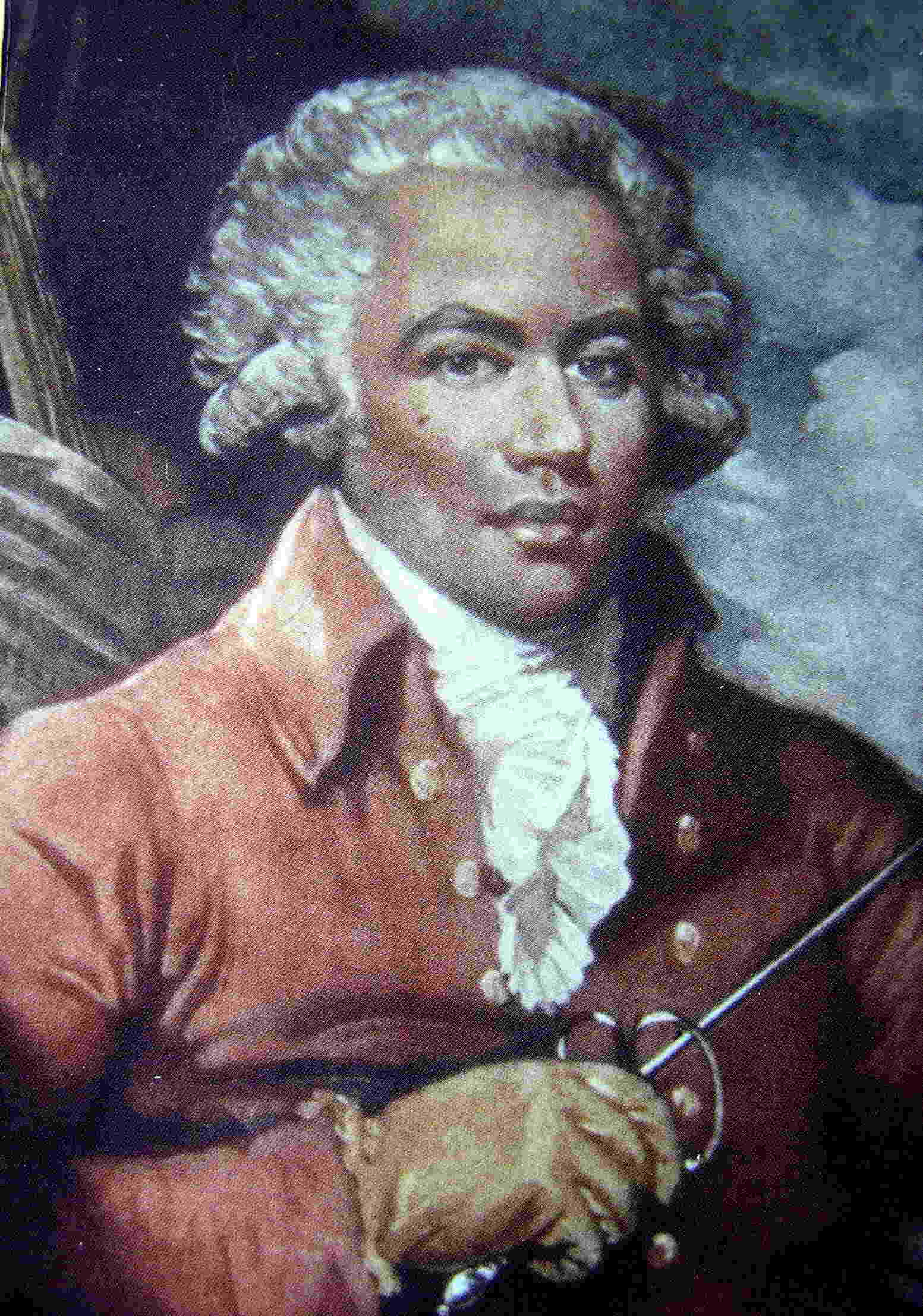
Joseph Bologne is the only non-Jamaican composer we will be performing, but he was born in Guadeloupe.
Joseph Bologne, Chevalier de Saint-Georges
I will be accompanying both Paul and Alex in addition to playing solo organ music by Samuel Felsted, Craig Bloomfield, Noel Da Costa, Ted Runcie and Rashaan Allwood.
Apart from Felsted, they are all from the Jamaican diaspora, either based in the U.S. or Toronto.
BB: Are there any issues with assembling a score, as sometimes happens with music from the 18th century and before. Please describe the work you had to do, especially if you had to make creative choices / cuts, difficulties & challenges you faced with the text.
Joshua Duncan Lee:Felsted’s Jonah only survived in a 1775 edition which is an arrangement for harpsichord and solo voice. There is an historically informed orchestration by Manfredo Zimmerman as well as an urtext edition by Thurston Dox. As I will be the only instrumentalist in this concert, I have been using Dox’s 1997 edition, which is very close to the 1775 edition. Dox modernized the notation and added a realisation for the figured bass.
Even though the modern editions are very convenient to work with, I am also using a copy from the original that I got at the British Library.
There were a couple passages in the original score that were somewhat awkwardly written and Dox and Zimmerman preserved these passages in their editions, but Dox also provided suggestions on how to perform them.
BB: Do you have any prototypes or touchstones you listen to as you adjust the score of Jonah?
Joshua Duncan Lee:While there are recordings of Jonah, I have only listened to it in its entirety once, simply to get a vague idea of what the piece sounds like. I generally avoid frequently listening to recordings as I find that doing so might overly influence my interpretation.
BB: As you have moved from your youth to adulthood and your professional life, what did you learn that showed you the world of music was different than what you thought when you started?
Joshua Duncan Lee: I did not realise just how much administrative work was involved with being a musician. There are so many more emails than I expected.
BB: Is the organ misunderstood as an instrument?
Joshua Duncan Lee:I do think there is a tendency to view the organ as only a church instrument, or only played for horror movies. It is much more versatile than many people realise. The organ is also a very different instrument from the piano, and is its own discipline.
BB: Since the pandemic a great many artists are working virtually, both as teachers and as performers. Do you have a preference between live or recorded performance and when you record how do you make it seem live?
Joshua Duncan Lee:I find that I generally prefer live performance, as both performer and audience member.
Trying to make a recording sound like it was made live is quite difficult for me. While recording, I often overthink and do an excessive number of takes which takes away from the spontaneity. If I am being recorded, what seems to work best for me is being live-streamed, as that has the same type of pressure as a live performance.
As an audience member, I likewise find live performances significantly more engaging than recordings. I find it easier to be mentally present when I am also physically there. I think it is easier to pick up on certain nuances that may be missed in the recording process when you are in the room when the music is being played. Particularly with the organ, there is an interaction between the performer, the instrument, and the room that is a big part of our music making. You don’t get the same effect through a speaker.
BB: What’s coming up for you?
Joshua Duncan Lee:We would like to do a production of the full oratorio, ideally with a full orchestra.
I would also love to be able to put on a similar program in Jamaica, and also do pieces by other West Indian composers throughout the Caribbean.
BB: What influences / teachers were most influential on your development?
Joshua Duncan Lee:I have had many excellent teachers and supporters who have helped with my musical education. These include Marine Oganessian (piano); Amanda Lee (violin); Ian Gunther, Felix Deak, Andrés Tucci-Clarke, Rebecca Curtis Pomeroy, Deborah Pady, Larry Beckwith, Valerie Gordon, Sharon Burlacoff (orchestra); Ed Hayes, Marie Gelinas, Brainerd Blyden-Taylor (encouragement), Jamie Stager , Mark Sallmen (theory), Ian Sadler, Stephen Boda, Dr. Patricia Wright, Dr. Jonathan Oldengarm, Kevin Komisaruk, Aaron James (organ); Robert Busiakiewicz, Elaine Choi, Thomas Bell, Jamie Hillman (choir) Dr. William Wright (keyboard harmony), and Thomas Fitches (music reporting). This is not even an exhaustive list, but all of these people have helped to shape me into the musician I am today, and will continue to influence me in the future.
Quite possibly the person who has influenced my musical career the most is Wayne C. Vance, even though I have never knowingly met him in person. If it weren’t for him, I certainly would not be in organ today. It’s because I had the organ scholarships that I was able to afford to go to Academic Bridging at University of Toronto, and get the academic requirements to enter the Faculty of Music at University of Toronto.
Descending the stairs after the final Tafelmusik concert of the season at Koerner Hall, walking slowly behind older audience members, a woman beside me glanced over, eyes glowing, wanting to share her experience.
She had to talk. And so we chattered back and forth about Shunske Sato, Tafelmusik’s guest artist this week playing and directing the orchestra while playing.
And I had to say it. “That was the best violin playing I have ever heard.”
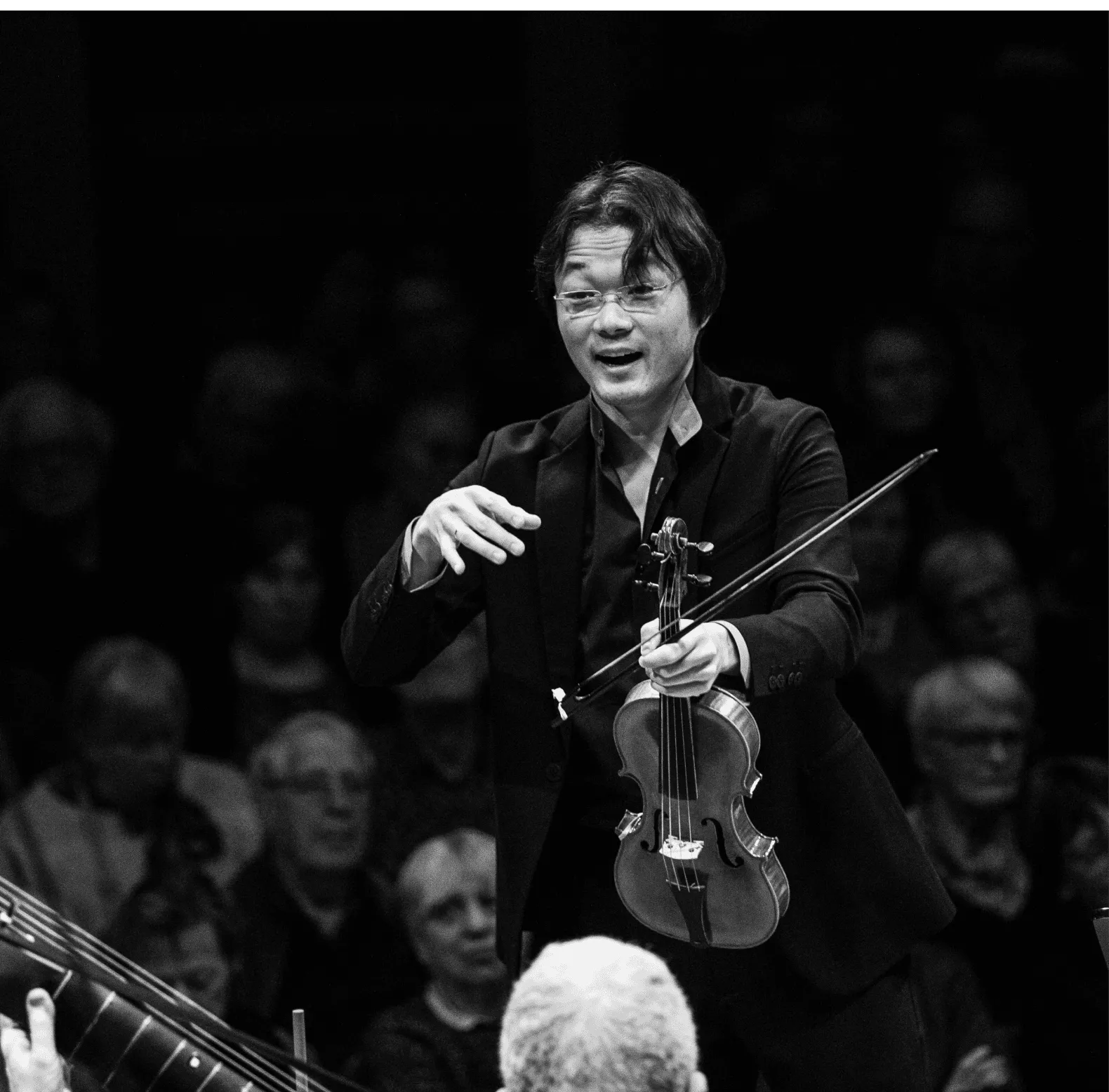
Violinist & conductor Shunske Sato (photo: Melle Meivogel)
Playing in the historically informed style usually entails compromise, issues with tuning. Sato played so well it was as though he was on a modern instrument not one employing the original-style instruments you hear from Tafelmusik & their collaborators. I swear he played every note precisely in tune, indeed sounding to my ear as fluid and effortless as anything I can recall from a violinist.
As I write this, the next day, pondering & wondering, I have fallen down a bit of a rabbit hole aka YouTube listening to Sato. If you search for his name on YouTube you’ll find all sorts of great things. For the usual go-for-baroque tendency of Tafelmusik there’s remarkable Bach. Here’s the full Partita no. 2 in D minor, although I’ve cued up the YouTube link at 15:51 for the Chaconne (my favourite part).
Or you can hear some more recent compositions. Before he switched to the baroque violin Sato recorded the Korngold Concerto, the one we’re going to hear this week with the Toronto Symphony. There’s a glimpse of Brahms done historically informed, that whets my appetite for more. In his bio in the Tafelmusik program I read that “with his newly founded PastForward Ensemble [Sato] devotes himself to the realm of 19th-century performance practice.”
Whoever curated the concert to conclude Tafelmusik’s season can be proud of an exciting choice of works titled “Beethoven Eroica & Bologne: The Winds of Change”.
Gossec: Overture to Le Triomphe de la Republique (1794) Bologne: Concerto for violin in C Major op. 3 no. 2 (1774): Shunske Sato soloist Beethoven: Finale from Creatures of Prometheus op. 43 (1801) –intermission– Beethoven: Symphony no. 3 in E-flat Major “Eroica” (1804)
I often aim to go mid-week, seeing the first concert in a series so that I can be helpful, promoting a good program for the remaining concerts. This time Erika and I were out of town, so the only option was to catch the finale Sunday May 31st.
Erika and I have been discussing the whole question of conductors, what they do, what an orchestra gets from a leader, watching Mandle Philharmonic last week. I regret that Erika couldn’t come with me, as I wish she had seen what Sato accomplished, both as soloist and as leader, playing and conducting the works while playing his violin with the orchestra. I’m reminded that conductors did not appear until the 19th century (notwithstanding what you saw in the film of Amadeus: a play not history please note), and that maybe the role evolved out of the kind of role Sato took leading the ensemble while playing. That too is part of the “winds of change”.
As usual Tafelmusik curated our listening experience with great sensitivity, although this was not their usual baroque but closer to my greatest love, the transitional period from classical to romantic and after. In the opening work by François-Joseph Gossec I thought of the giggling younger daughters in Pride & Prejudice, thrilled by men in uniform and the romance of war as seen in an overture dating from 1794. Why after all would men want to be soldiers unless they heard music such as this thrilling composition. Sato held nothing back, turning the brass and drums loose to suggest the drama of the battlefield or parade ground, painting a noble picture of heroism without any sign of the grim realities of war. Hearing this was a beautiful way to allude to the sensibility behind the Eroica, while presenting a composer & a work most of us had never heard before. Sometimes we mistake in thinking a Mozart or a Beethoven invented something that may have been current among composers who have since been forgotten.
Next Sato stepped into the role of soloist for Joseph Bologne’s op 3 no. 2 concerto.
While he’s not yet played as often as Mozart, Bologne is starting to be more of a regular on the concert stage, and is coming up with Apocryphonia next week. And his life was even the subject of a recent biographical film, admittedly fictitious.
In the outer movements Bologne makes his greatest demands upon the violinist, yet we’re watching a witty display, not a struggle, a soloist who is self-possessed and above all entertaining. We see the composer in at least one painting holding a sword, a composer known for his duelling prowess.
Joseph Bologne, Chevalier de Saint-Georges
I wish I knew more about the music and the man who composed that music.
Sato our soloist wielded his bow with the fluid elegance of a dancer, the drama of the quick finale playful and joyous. In the middle movement we heard a more introspective & lyrical side. I don’t know the work well enough to say whether this is the usual approach (indeed can there be such a thing for a work only recently becoming known?): but Sato made it seem easy, an effortless display of skill and showmanship.
The next item was a useful preparation for what we were to hear after intermission, namely the finale to Beethoven’s Creatures of Prometheus. Beethoven would use the same theme again in the finale to the Eroica symphony. And once more Sato appeared to be having a terrific time with the piece. When I see the orchestra members smiling broadly, their eyes on their leader, you know he’s doing something right.
Violinist Shunske Sato (photo: Eduardus Lee)
It was after intermission when Sato led Tafelmusik in Beethoven’s Eroica. This big creation in E-flat feels at times like the cornerstone of everything that followed, and like a true cornerstone gets its significance from what is on top, added later. The Toronto Symphony’s recent concert playing a Wagner orchestral suite including Siegfried’s Rhine-journey and Siegfried’s funeral music both feature huge E-flat climaxes that I understand as inter-textual allusions back to Beethoven and to the Eroica, Siegfried being the quintessential hero. No wonder Richard Strauss’s Heldenleben puts the main theme into E-flat, the key of the romantic hero.
I’m not overstating things when I say he made the familiar symphony sound new, a work I think I know really well, whether in piano reduction, but first via the 20th century approach of conductors such as Herbert von Karajan. Modern orchestras used to play the Eroica with a Wagnerian sound, as though conductors wanted to show us the connections between Bach, Beethoven, Wagner, Handel, Mendelssohn or anyone else sufficiently Germanic to be subjected to this heavy-handed approach. When I look at conductors & players undertaking the movement towards historically informed performance, including of course the first and second generation of players with Tafelmusik, I think it’s like a kind of primal therapy, to cleanse music of the Wagnerian taint while trying to get us back to the innocent purity of the composition as written, the original being like a childhood before it was corrupted. First and foremost, Sato’s Beethoven did not sound at all Wagnerian. Far from it. After hearing and seeing what Sato accomplished, both as an interpreter of Beethoven and in the inspiring way he led the ensemble I only wish I could hear more, much more. I wanted Tafelmusik to record this performance, I want them to bring Sato back to conduct again.
I was dazzled and dazed within moments of Sato’s beginning, with his Eroica. With Karajan and his peers however loud or soft it may be, we get something uniform in its tempo from beginning to end, as though the understanding were that a Beethoven tempo must persist from beginning to end. That’s not at all how Sato approached the Eroica. We heard the powerful blasts that open the work in a relatively slow tempo, as a rhetorical flourish. And then with the entry of the main theme, the orchestra took off at a much quicker tempo. The variety seen on the first page would continue, sometimes speeding us up, sometimes slower. While I think I know this work as well as anything I hear in a concert hall, it became brand new in this incarnation. At times, such as the notes just before the recapitulation, the orchestra were so soft as to be a complete mystery, full of suspense & drama. At times the orchestra was explosive in its sound.
We came to the second movement funeral march, beginning again with slow thoughtful first notes, but soon enough picking up tempo. When we came to the passage in C major we were going faster. But Sato made it feel brand new with his spontaneity, an organic approach alive in the moment. The only movement that was as regular as an old style conductor such as Karajan might have done, was in the scherzo, taken at a fast pace, then handed to the horns (Marie-Sonja Cotineau, Pierre-Antoine Tremblay and Chris Gongos) for their stunning trio.
Marie-Sonja Cotineau, Pierre-Antoine Tremblay and Chris Gongos standing, as Shunske Sato moved on to raise the next section of Tafelmusik, as I struggled to get my camera above a boisterous standing ovation
I have heard this done so many times, I didn’t think I could hear something sounding brand new: but that’s what Sato accomplished here and again in the finale.
While they call themselves a baroque orchestra and have emphasized Bach & Handel year after year, from time to time Tafelmusik do venture into the 19th century, as for instance in their recordings of the Beethoven symphonies with Bruno Weil, almost a decade ago. While I love their Messiah & Bach Passions with the Tafelmusik chamber choir, I await further ventures into romantic music. Perhaps Sato and the powerful response from this audience, jumping to their feet at the final note of the Eroica, will give impetus to further exploration of the 19th century and beyond.
Shunske Sato responds to our enthusiasm
I had been hopeful when Opera Atelier announced their recent Pelléas et Mélisande, although it was less a historically informed Debussy than an attempt to channel Debussy’s baroque influences (happy to discuss this with anyone who’d like to take it offline). I am a CD collector who admires historically informed performances of Schubert, Schumann, Mendelssohn and Berlioz dreaming of the day Tafelmusik plays their works. I don’t get enough of these composers from the TSO although I dream of hearing such music played the way Shunske Sato does it, leading an orchestra like Tafelmusik. I am grateful to see Beethoven with Jakob Lehmann (in September) and Mozart with Rachel Podger (May 2027) like the bookends to next season with lots of baroque in between.
Violinist & conductor Shunske Sato (photo: Elvira Demerdzhy)
The matinee of Werther Saturday May 23rd to end the current Canadian Opera Company Spring Season was not without a bit of ceremony.
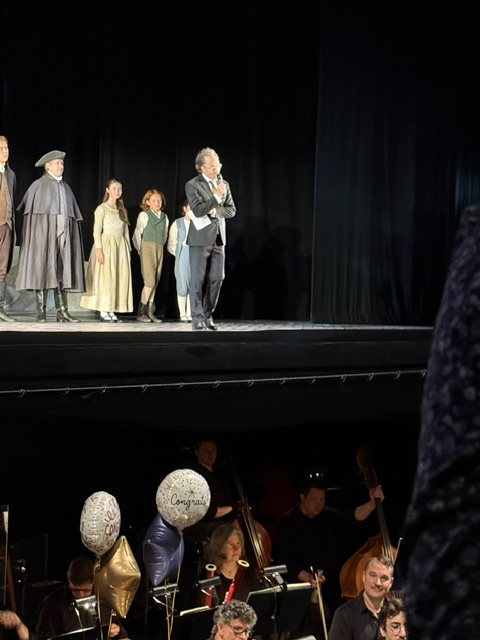
At the end of the curtain call, Music Director Johannes Debus brought out a microphone and began making speeches. It was one of those times I was glad to be sitting in the second row.
Notice the two balloons floating in the midst of the orchestra pit…
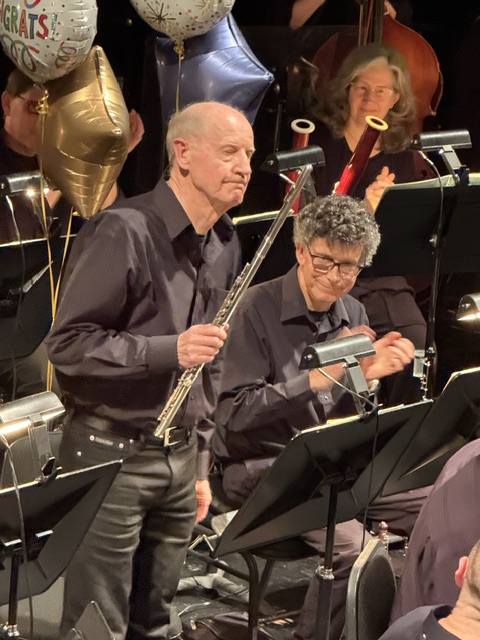
He mentioned that two members of the orchestra were retiring after many years (and I apologize that I don’t recall exactly how many years that might be). I think the two departing artists were Douglas Stewart the Principal Flute, Mark Rogers the Principal Oboe: and both were given applause. My photos are not of posed smiling people, but of artists at the end of a day of work aka the whole performance of Werther.
Douglas Stewart and Mark Rogers, surrounded by well-wishing colleagues (aka the COC orchestra) and a few balloons
After the show I turned to YouTube, hearing at least ten versions of the Nature meditation from Act I, including several versions of the stunning flute solo Massenet wrote. Played live is best. Both times I heard this music played by the COC Orchestra I was powerfully moved, tearful during the first performance. Okay let me share my favourite version from an old recording I heard last night.
The flute is like nature, and the voice is Werther commenting upon nature. What a privilege to hear this, what a joy it must be to play this simple meditation. Johannes and the COC orchestra were gorgeous in their work in this the final performance of Werther, and I suppose that this would be the last time Douglas would play this music for us, a passage that he played so well.
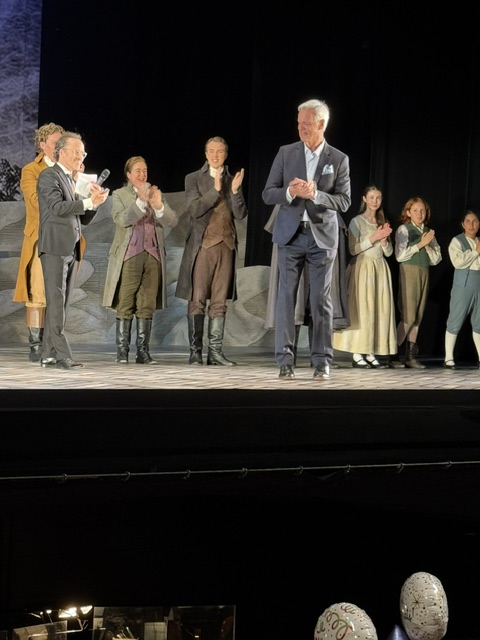
Next in the speeches came the part I should have expected. At least this time, as Johannes’ speech went on, I knew who he meant to celebrate before he finished, namely the interim General Director who took over with the sudden departure of Perryn Leech, namely David Ferguson.
David Ferguson accepting applause from the cast of Werther & the audience at the end of his tenure with the COC
The speech Johannes made did not overstate what David had done, in his couple of years in charge. The COC continues to be doing well at the box office, as we come to the end of his tenure in a little more than five weeks time.
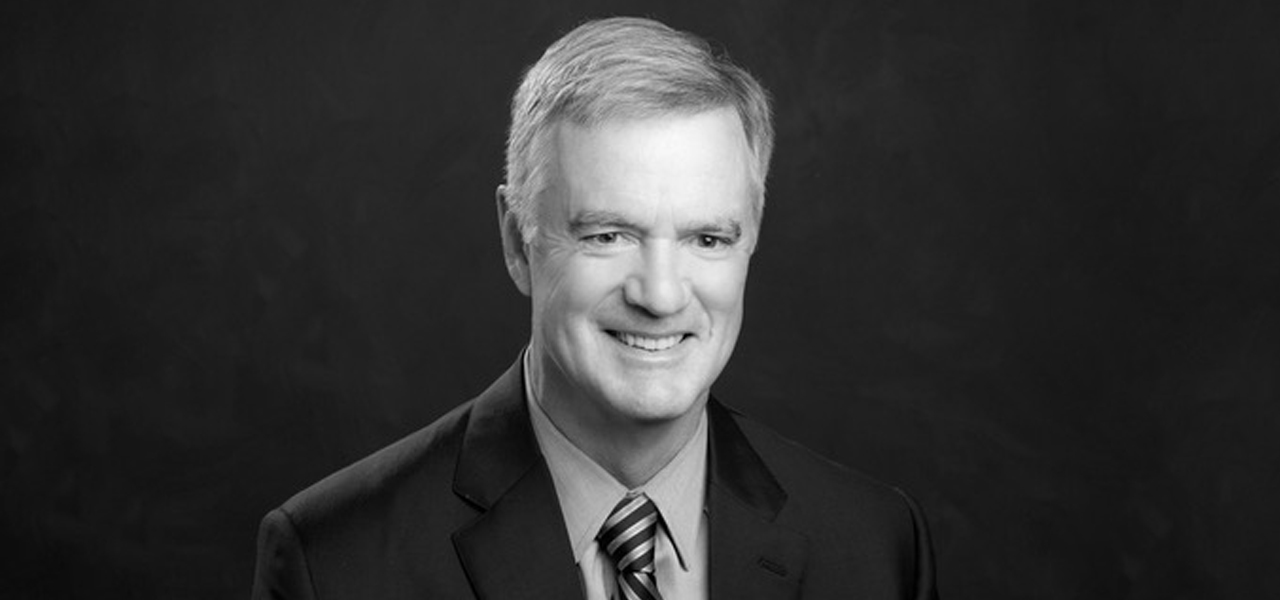
David Ferguson, outgoing General Director of the COC
It will be Ian Derrer as General Director beginning July 1st.
Ian Derrer, General Director designate of the COC
There’s also the closing performance and what it has me thinking. I noticed with the Metropolitan Opera’s high definition broadcasts that some singers do well in their close-up, some do not. Russell Thomas (Werther) & Victoria Karkacheva (Charlotte) were even better up close. The curtain call felt like a reward, watching them smiling broadly for once instead of playing sad sad sad. Russell sang the last performance with an emphatic energy on every high note, like someone who didn’t need to save anything, didn’t want to hold anything back.
The children were as much fun to behold as last time. While I may have been sitting in the same place as last week, the difference was startling, the performances wonderfully nuanced & subtle. I came away as enthusiastic about the show from up close as seen from further back.
I met last night’s Don Giovanni Alex Hajek before the show, glad to see that he’s survived the pursuit of women and his stone guest with an icy handshake. He is one of several artists who remind me of my ongoing bias. Yes I think David Ferguson has done a terrific job keeping the COC running. But I believe that employing Canadians should be a bigger priority than it is right now. No question, Victoria Karkacheva played Charlotte convincingly, whose presence makes the fatal pursuit by Werther (Russell Thomas believable. Yet I watched Alex Hetherington Friday night singing Urlicht, a beautiful young Canadian singing with Mandle Phil at the George Weston Hall. She is just the first of many Canadian singers I could suggest.
For the purposes of speaking to the promotional side of the opera business I need to contrast Russell Thomas and Victoria Karkacheva. Russell sang so amazingly well but perhaps just as important, he is a singer we’ve seen before, whose name will help sell tickets because people remember him and his great singing. I don’t see how the name “Victoria Karkacheva”, a singer making her first appearance in Toronto, could be seen the same way, especially given that her ability to sing the role did not make her irreplaceable. I have brought up examples of superb Americans before whose appearances make sense, who are in fact essential. Christine Goerke in her Brunnhilde appearances was absolutely irreplaceable. And the men singing opposite her as Siegfried were arguably the best singers in the world in difficult roles, meaning Andreas Schager and Stefan Vinke: both a tremendous opportunity for Toronto audiences. While Russell Thomas’ Werther is not quite as rare, yet even so his vocalism is among the best singing I’ve heard in Toronto in many years. But if the imported singer does not either offer recognition for their name, nor that kind of unique vocalism, I believe strongly that the COC must hire a Canadian. Otherwise, why bring in a Russian singer who nobody has heard before? Pardon me, I know there may be people who know her, but I consider myself well-informed in the realm of opera, and I didn’t know of her. The casting for Werther was remarkable, in the talent shown in the smaller parts, all Canadians, all wonderfully capable both vocally and dramatically.
I am going a little crazy watching talented Canadians singing with pianos or community orchestras, ignored by the COC. Yes we have an ensemble studio of young singers. But let’s be clear. This is not some huge favour the company does to our Canadian talent. They offer cheaper labour for the small roles that used to be filled by comprimario singers, the specialists in the kind of role we saw handled so ably in Werther, especially thinking of Robert Pomakov and Michael Colvin, a pair of singing actors who have each stunned audiences in Toronto. I remember Pomakov’s haunting Alberich in the last Twilight of the Gods production, and Colvin’s Thomas Scott in Louis Riel. To find anyone better for these roles you’d have to spend more money. And they’re Canadian.
I am going to repeat a paragraph I shared in 2024, quoting Paolo Santalucia speaking of Crow’s Theatre, that seems relevant to the COC:
“It’s been really invigorating to see how the public has absorbed and embraced Canadian talent across the last few years,” he said. “I think that’s indicative of the fact that audiences are excited by the talent pool we have here. One thing we can do as a Canadian theatre centre is make strong advocacy for encountering prestige, Canadian talent, and allowing that to meet the public in a vital, exciting way.”
Michael Patrick Albano said something similar in the interview published a few days ago, politely repeating what I said above in response to my question about hiring more Canadians
Michael Patrick Albano: This is a difficult tightrope to walk. When a company craves international status it makes sense to look at the wider spectrum of artists – singers, directors, conductors. However these artists should have something extraordinary to recommend them, not just foreign citizenship. I do feel the opportunities for Canadian artists have significantly improved but it helps tremendously when the artistic director of a company does all the casting themselves, a time consuming but vital responsibility. If you subcontract casting to American and European agents, one shouldn’t be surprised if Canadians get the short end of the stick.
The bold-faced sentence above is my emphasis, not his. But you see what we are saying? that unless the singer is as extraordinary as Russell Thomas or Christine Goerke, we should be hiring Canadians. Krisztina Szabó for example, sang the woman in Erwartung last time. Why not this time? I could be wrong but I think she could sing Judith as well, and –wait for it– would actually pronounce the Hungarian correctly for a change (not that anyone cares).
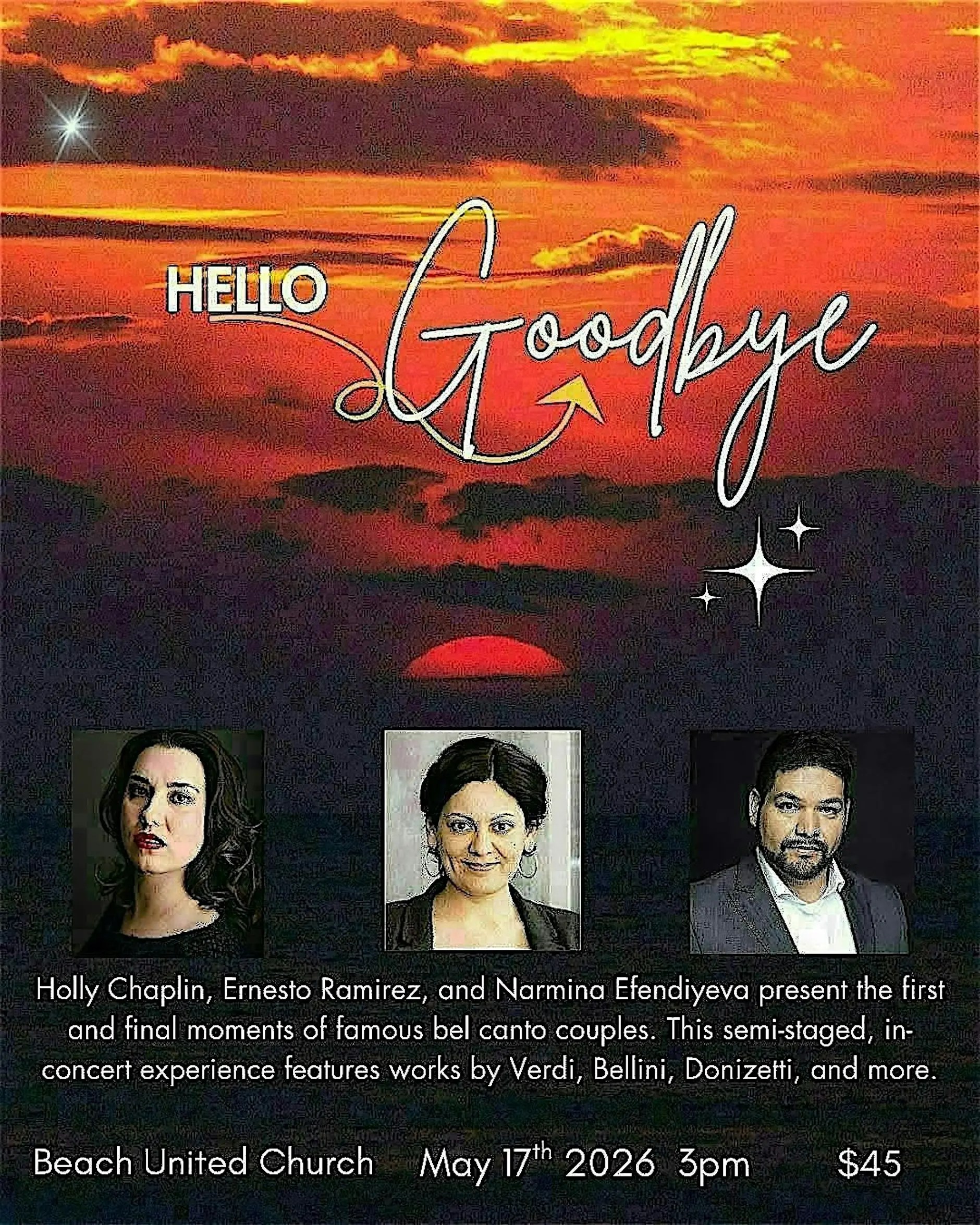
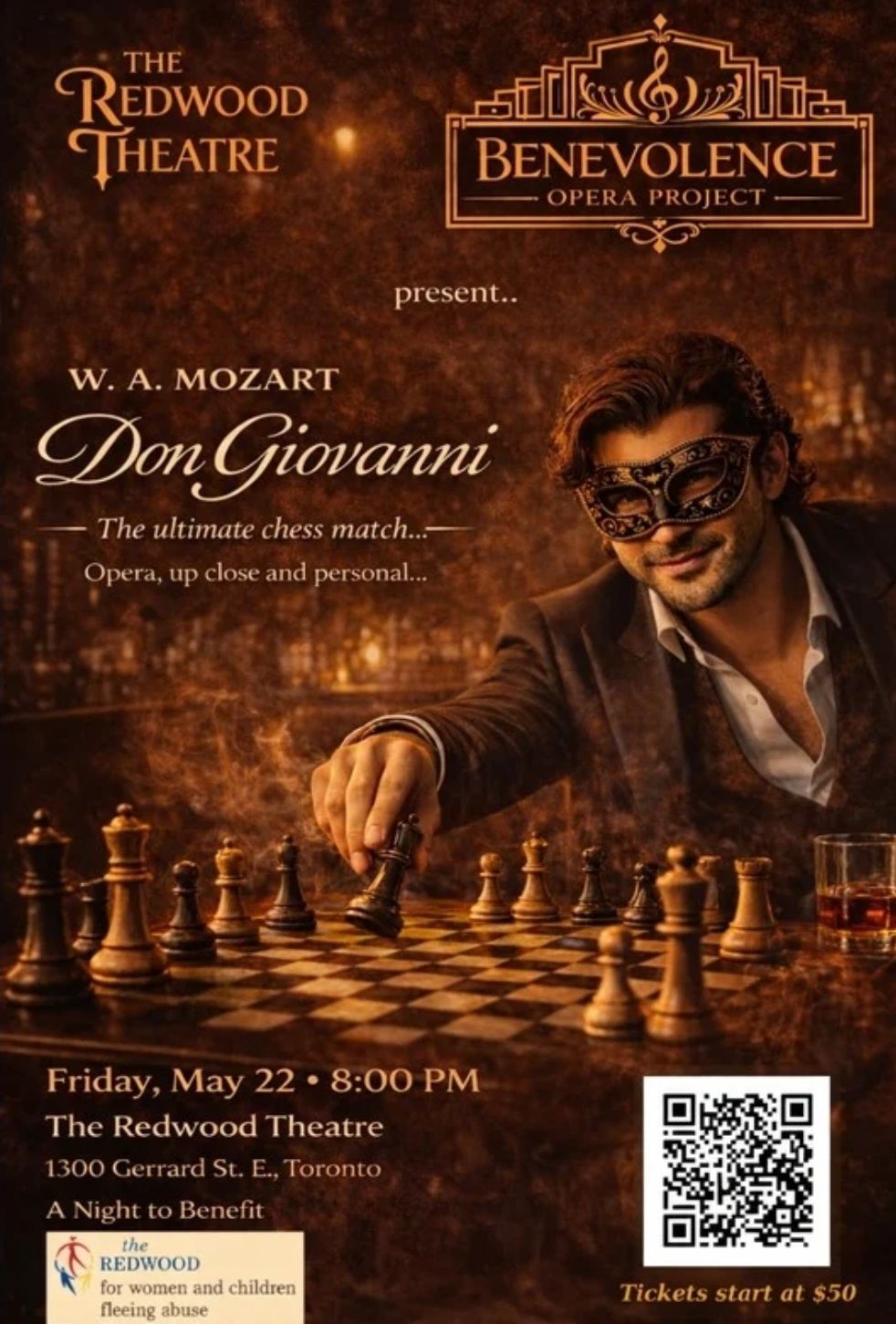
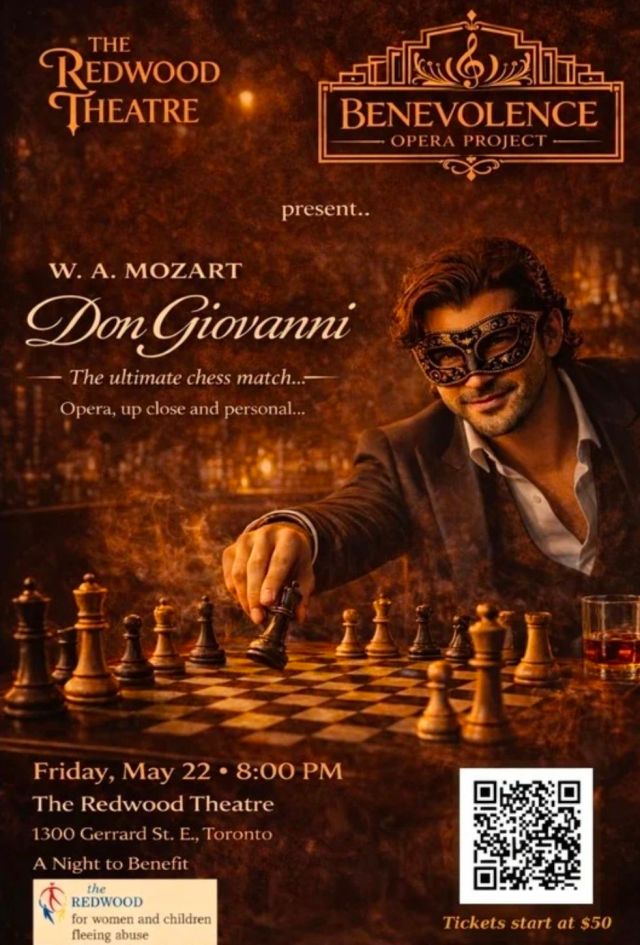
Let me again quote Michael’s first sentence, that says This is a difficult tightrope to walk. But right now I don’t see anyone trying to walk that tightrope, not in the sense Paolo meant in speaking of Crow’s Theatre. Or let me put it another way. If I saw the COC take a risk, to stick their necks out to hire a Canadian for a lead role, risk as in “we’re not sure s/he can do it” they’d maybe be walking on the tightrope. But using Canadians from the Ensemble Studio working in small roles? Not only is that not walking a tightrope, but a kind of exploitation. You’re in the Ensemble studio for 2 or 3 years, then shown the door. Why aren’t recent grads coming back more often? The Ensemble Studio resembles the teaching assistants at the universities of Ontario. I have friends with PhDs who do the heavy lifting for the professorship, marking and doing some teaching, while making a far smaller amount of $, and at least they have the dream of becoming a professor, sometimes getting hired. It is especially troubling when they do an opera telling a story of young people, such as Werther or La boheme. In boheme every single cast member should be Canadian, especially if the Americans / imports are not helping to sell tickets. I am especially offended when I go see a local production such as the Hello Goodbye I wrote about or the fundraising Don Giovanni, filled with excellent Canadian singers who are ignored by the COC. Alex Hajek, Holly Chaplin, Ernesto Ramirez, Alex Hetherington. Yes Alex sang Siebel, but she would have been an excellent Charlotte. Her low notes in Urlicht were gorgeous. When they next do Marriage of Figaro she’d be a terrific Cherubino, or an Octavian for Rosenkavalier, unless of course it’s easier to let the agents provide unknown Europeans.
The agents shouldn’t be running the company.
Please Ian Derrer. You must know that the talent exists on this side of the Atlantic, not just USA but actually here in Canada too. Over the last decade I have heard several people both American & Canadian saying “IYKYK”, which is short form for “if you know you know”, that the North American talent pool is now as good as or better than the imports. What I am doing with this blog post may read like a message from the lunatic fringe, an outlier, but so be it. I am offering a reminder.
Thank you David Ferguson, you kept us afloat in difficult times.
I hope Ian will at least consider the possibility that the cheaper Canadian talent might develop a following, the same way you see with the Stratford & Shaw Festivals and the National Ballet. Why don’t those places feel they must import foreigners? because Canadians are more than competent, they become a draw, they become familiar names to the audience. It should be the same with the COC.
I have to make comparisons. Even the most sympathetic critic observes and then contextualizes, by framing those observations in comparison to others.
On Friday May 22nd Mandle Cheung conducted his orchestra, the Mandle Philharmonic, in a performance of Gustav Mahler’s 2nd Symphony, known as his Resurrection symphony; I heard Mandle conduct the Toronto Symphony in a performance of the same work, at Roy Thomson Hall last summer. I’ve been listening to the work since I was a teen, sometimes live with the TSO, or recordings.
Mandle is a successful tech entrepreneur who paid the TSO for the privilege of conducting them last year. But he has conducted his own orchestra, the Mandle Philharmonic for several years, at least seventeen concerts as far as I know. His choice to hire the TSO made that concert last year into an event, newsworthy in all sorts of ways, some that persist to this day.
Erika asked me the questions that subtly underlie any orchestral concert, but especially when someone like Mandle comes along. She asked: what does a conductor actually do, could the orchestra play without a conductor? One wonders at any concert: how important is the conductor? Because of course the violins, the tuba, the harp, and all the others are reading and playing their parts that they have rehearsed.
So please excuse me as I make my comparisons, not just a dry academic exercise but a way of noticing and enjoying the beauty of a view out the window, a sunset, a glass of wine: or even a concert. As children we delight in things and experiences in the moment, but as we have more & more memories, our experience is deepened with the ability to remember and compare. And we may anticipate because the film or the symphony is one we have seen before, we know the big climax is coming, etc.
Mahler’s 2nd Symphony should feel like an event. It’s one of the longer works we hear in concerts, requiring a chorus, vocal soloists and a big orchestra.
I remember encountering this work at a time in my youth when I was agnostic, drawn in by Mahler’s message that would seem to say “we are all going to heaven”, that there is no hell, just forgiveness. We go through four movements that set up an enormous dramatic last movement. In that finale we hear something like judgment day, recalling that the Requiem includes a Dies Irae, day of wrath that for successive composers challenged them to paint a sonic landscape of that day of judgment, from Mozart to Berlioz to Verdi, plus lots more I didn’t mention. Mahler was an erudite composer who knew them all intimately as an orchestral conductor, likely coming to his version of the end times with all those other versions in his head. For me, at this point of my youth, it was the opening part of the finale that moved me. When the chorus would come in to proclaim resurrection? In those days I found it unconvincing, possibly because I was unready for it, possibly because there was something missing in me. All I know is that my experience of this symphony has changed over the years, from an agnostic to a church-going musician and a believer in an afterlife. Mahler’s spirituality now aligns nicely with mine.
A big change happened for me, when I had the chance to perform the 4th movement myself, as an offertory at Hillcrest Church in Toronto. I was aware that part of Mahler’s subtext was his own religion, as a Jewish Bohemian (meaning the place he came from in what is now the Czech Republic), facing discrimination professionally. The text for Urlicht, the song that is Mahler’s 4th movement includes the description of an angel blocking the way to heaven. The singer says that they will not be turned away, but will get to heaven.
A light came on for me, watching a partially disabled person perform this song, forced by physical challenges to sing from an awkward position in the choir loft, while trying not to block the collection during the offertory. It blew me away that we were singing about acceptance even as we were making her performance conditional, asking someone jump through hoops, who walked with a cane & rode Wheeltrans to church.
Watching Mireille Lebel sing this with the TSO, with Mandle Cheung trying to conduct an orchestra who were rumoured to be resistant to their conductor? it was if my brain exploded at the irony.
Mandle Cheung conducting the Toronto Symphony, Amadeus Choir and soloists Mireille Lebel & Kirsten LeBlanc (photo: Allan Cabral)
I started to cry watching someone sing about an angel blocking the way to heaven, as I saw it being re-enacted on the stage before me. I reported it, and perhaps my enthusiasm has been misread. I was powerfully moved when I picked up on the subtext of Mahler’s own life in the creation of this work, feeling that Mandle faced comparable challenges & possible rejection. And by now people may be tired of my story. But it’s a big part of my context when I come to speak of the May 22nd experience at Meridian Arts Centre, in the George Weston Recital Hall.
I have a few simple observations to make, and they include comparisons for context.
I think Mandle does indeed have an interpretation to offer, an approach to this symphony. That’s important because, watching the TSO performance last year, at times it seemed that he was riding a horse that was trying to throw him, an ensemble that may not have been happy with the gig. I’m not sure though. It may simply have been that Mandle was physically challenged by what he was doing, conducting with such a clear beat for the 80 minutes of the piece that he may have been exhausted. Part of that is age, but part of that is also about the politics, verging on a kind of gamesmanship, of conducting.
For example I recall reading Astrid Varnay’s frustration with Herbert von Karajan, whose beat was sometimes impossible to see, suggesting a bit of a passive-aggressive power trip. If I place that alongside what I saw Mandle doing, I wonder. Did Mandle really have to conduct so boisterously? I think I would fault the orchestra, that the conductor would be working so hard. Shouldn’t the sections pull together, and the section leader perhaps keep things together without requiring the conductor to do so much?
But I saw several places in the performance that were consistent with what we heard from Mandle both in his TSO concert and in leading Mandle Phil playing Mahler’s 4th and Beethoven’s 9th on Youtube. The tendency to suddenly speed up in order to emphasize a climactic section with a rush, such as the conclusion of the 1st movement, or in the fortissimo passages of the third movement, is something I would identify as a consistent part of Mandle’s style. I want to underline this as evidence of a conductor who is for all intents and purposes, leading his orchestra.
Mandle Cheung, sharing the applause with the artists onstage
That is the good news. Mandle favours a quicker tempo for Mahler than many of the first conductors who popularized him, thinking especially of Bruno Walter and Otto Klemperer, both of whom met the composer in their youth, and could claim that their slower readings had some claim to authenticity. That being said I far prefer a quicker approach, notwithstanding the challenges that imposes on the players.
And so you may have seen social media posts reminding us that the orchestra is comprised of professionals from the Opera company, ballet and even the TSO, that this is one of four professional orchestras in the Toronto area (COC, NBC, TSO). I think that perhaps they left out Tafelmusik (a fifth professional orchestra) but never mind. While they’re all professional players who play in other orchestras, I think it’s timely with our FIFA matches coming up, to observe that plucking professionals out of their sections into new groups does not necessarily turn them into a team. We’ve seen brilliant players who fail on the world stage because the new aggregation of talent lacks cohesion. I hope Mandle will recognize that this is a friendly analogy, comparing Mandle Philharmonic to a World Cup team.
Mandle has some very good ideas that I really liked. The score for this symphony asks for an intermission between the first and second movements, a stipulation that is never met. I believe Mahler wanted us to understand the first movement as the struggles of life, recalling that at first the composer composed the piece years before, as a single stand-alone movement, titled “Todtenfeier” or now usually written as Totenfeier: a funeral celebration, celebrating life & death.
By having the chorus who are required for the final movement plus the soloists who are in the last 2 movements, make their entrance after the first mvmt, Mandle accomplished a bit of a break, as Mahler wanted.
Mandle Cheung, accepting applause at the TSO concert (photo: Allan Cabral)
Another great idea, that Joseph So pointed to (Joe was sitting beside me), is the soft entry of the chorus singing their first words from a seated position.
It’s a great idea, because the moment when a hundred or more singers stand up, you have a bit of a thunderous effect, and conflicting with the softness of the moment. I think I’ve seen choruses stand to begin the last movement, which is one of Mahler’s loudest moments.
Speaking of which, I almost giggled, worried for angelic Alex Hetherington, who had just finished her beautiful fourth movement song, and behind her all hell was breaking out, aka the opening passages of the finale. I was impressed that she never lost her composure.
Soprano Lesley Bouza and mezzo-soprano Alex Hetherington accepting applause with Mandle Philharmonic afterwards
So let me finally place this whole thing into context. When the TSO played this symphony I was powerfully moved by that moment in Urlicht, as I said, and otherwise was watching Mandle negotiate the experience, hoping he’d make it through. This time in North York I was enthusiastic, ready to experience the music, enjoying the view from a really good seat near the front of the George Weston hall, which might have the best acoustics of any space in Toronto: which is a mixed blessing. I contrast my religious experience last year to one of mixed results this time, perhaps wanting too much.
I found myself astonished by the number of people not just looking at their smartphones, but actively trying to record parts of the concert. I don’t know whether this is just so normal nowadays that people don’t realize it’s a kind of theft. As Alex Hetherington started Urlicht, the person right in front of me started recording, lifting their (expletive deleted) phone up close to my sight-line. I was tempted to imagine smacking it like T-ball, wondering how far I could send it: which of course would possibly injure someone, get me kicked out, disrupt the performance.
But in case it’s not clear, my performance was already disrupted! Later in Urlicht, as an employee came down the aisle (something they did repeatedly) to stop someone recording on their phone, I pointed to the philistine in front of me, who was concealing their phone at that point (in their lap). So excuse me, I was watching a concert in 2026, recognizing that maybe the audience were simply doing what is normal for them especially given that the request to shut off phones was relatively soft- spoken.
Mandle may have a strong beat, but the orchestra was not always together, as my FIFA analogy should make clear. I found I loved the first movement without reservation. The second was perhaps the best of the five, the strings responding beautifully, the soft serenade interrupted by a darker episode before we go back to the main melody. I admire what Mandle was aiming for in the third movement, particularly his ambitious passages going faster for the loudest music, that the players didn’t fully follow. I’m not sure if more rehearsal with a kind conductor such as Mandle would help, when it’s really up to the players to pay better attention. Similarly in the finale, there were several times that members of sections were off by a bit, but Mandle managed to right the ship and keep them together. The ending was superb.
I see that Mandle Phil will play this symphony again on July 24th at an outdoor venue: which might be a better experience, given my travails with the phones around me. I know I need to chill, relax, go with the flow. If this had been the RBC Amphitheatre at Ontario Place where they’ll do it in July, perhaps I’d feel better. I remember seeing the TSO play Mahler’s 7th at the old Ontario Place concert venue back in the 1980s, and even debating the quality of the piece with Carl Morey & Neil Crory, both of whom said the problem with the concert was Mahler, not the TSO. I wonder if their crankiness was a bit like mine from May 22nd, distractions ruining my rapture..? I recall how the soft propeller planes & boats blended into the orchestral sound (including the noise-makers Mahler builds into that score). Maybe it will be better in July, accepting the background distractions & noise, children crying, cars and planes as a backdrop: especially knowing that Doug Ford wants to land jets at the Island Airport. Maybe they will rename the Billy Bishop Airport (named for a biplane hero) “Buzz Lightyear’s launchpad”. In case I’m not being clear, I am very upset about the provincial government’s plans, and am waiting for the federal government to rescue our beautiful waterfront, that should be noisy with life but OMG not deafening.
Michael Patrick Albano’s photo on the University of Toronto Faculty of Music website
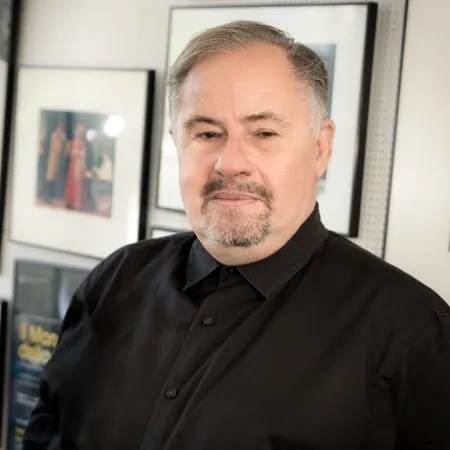
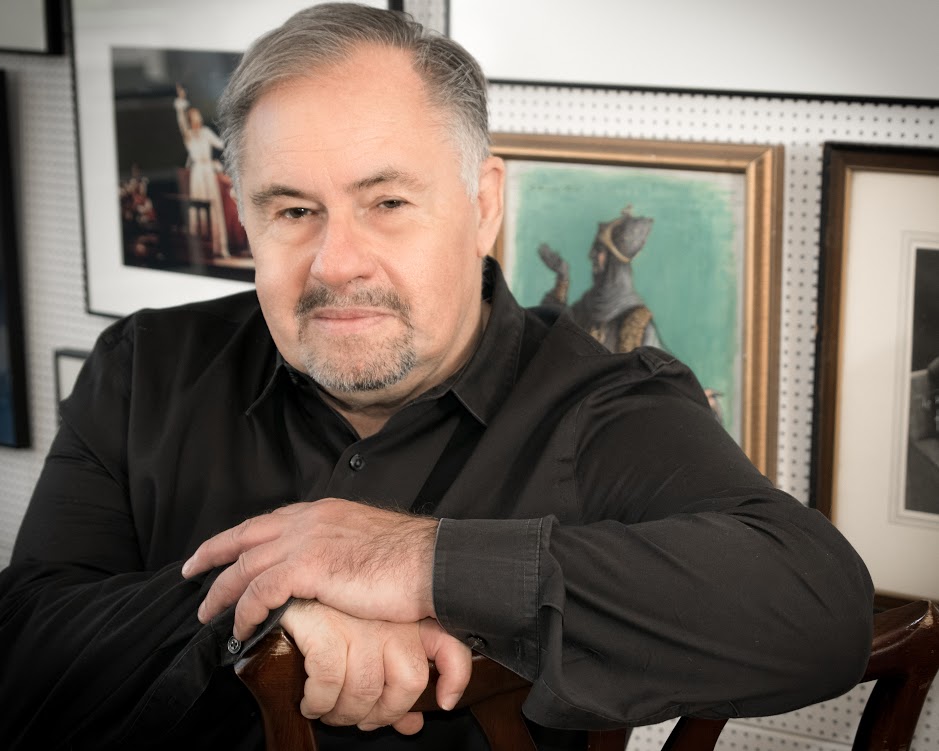
Michael Patrick Albano is Associate Professor Emeritus with the Faculty of Music, University of Toronto, where you can see his bio and this photo: but that only tells you part of the story.
Michael is resident Stage Director of the opera programme at the University of Toronto, where he has staged over forty operas including the Canadian premieres of Debussy’s L’Enfant Prodigue, Paisiello’s Il Barbiere di Siviglia, and Britten’s Paul Bunyan. And Michael has directed many other places such as NY City Opera and the Canadian Opera Company.
Michael is an accomplished librettist, including A Dickens of a Christmas, Laura’s Cow, The Legend of Laura Secord and Alice in Wonderland all commissioned and premiered by the Canadian Children’s Opera Company between 2005 & 2015; Gianni (based on the life of the baroque composer, Giovanni Pergolesi) for Opera Lyra, The Last Duel (with music by Gary Kulesha) for MusicCanada 2000, Loss of Eden, (based upon the lives of Charles and Anne Lindbergh); and more recently Rob Ford, the Opera, Antigone, Encounters and The Machine Stops for the University of Toronto’s Student Composer Collective. This November, University of Toronto’s opera department will premiere Fall River, the legend of Lizzie Borden, with Michael’s libretto and music by Cecilia Livingston, for the reopening of MacMillan Theatre.
Michael’s interest in the development of original opera librettos has led to a unique graduate course in operatic composition at the University of Toronto’s Faculty of Music as well as his involvement for the past twenty years as resident dramaturge for the Tapestry New Opera Works annual composer/librettist laboratory.
As a teacher, as a collaborator, and as a creator in his own right, Michael has had a huge impact on opera in Canada and abroad. I was grateful for the opportunity to ask Michael a few questions.
*******
Barczablog: Are you more like your father or mother?
Michael Patrick Albano: My dad had musical talent and could sing and play the piano. My mother had a flair for drama and I always thought she could have been a professional actress so I guess I am a hybrid and that opera was always on the cards.
Michael Patrick Albano
BB: What is the best or worst thing about what you do?
Michael Patrick Albano: Well, we all have our horror stories about things going off-the-rails in performance but in my role as the resident stage director of the Faculty of Music’s opera school and also in my free-lance work, there wasn’t a single day that I didn’t look forward to going to rehearsal which never felt like a regular job. An uncle of mine wisely said, “When you love what you do, you never work a day in your life”.
BB: What ability or skill do you wish you had, that you don’t have?
Michael Patrick Albano: I would like to be able to play one musical instrument really well.
I studied the violin and played well enough to be in the Niagara Chamber Orchestra but ultimately gave it up (in the public interest!). Now that I am retired from full time teaching at the university, I try to make time daily to practice the piano with a view to improving my playing. Am I getting better? The jury is still out.
BB: When you’re just relaxing and not working, what is your favourite thing to do?
Michael Patrick Albano: Reading, reading and reading. Right now on my night table, I have Deterring Armageddon, a biography of NATO by Peter Apps, After Oscar, Merlin Holland’s excellent biography of his grandfather, Oscar Wilde, Madly, Deeply, the diaries of Alan Rickman and Dark Stories, the short stories of Daphne du Maurier. I love prowling bookstores, new and used. It’s impossible for me to go into one without buying something -my Achilles heel.
BB: What was your first experience of music ?
Michael Patrick Albano: When I was in grade three, our school was visited by a concert violinist; my classmates yawned but I was mesmerized and pestered my parents for music lessons. My first exposure to opera was seeing Così fan tutte at the Stratford Festival when I was 15 (Stratford regularly produced operas at the time). I loved it. And of course, the Saturday afternoon Metropolitan Opera broadcasts made a huge impression on me. I got the librettos from our local library and imagined the staging as I listened. The die was cast as the expression goes.
Michael Patrick Albano
BB: Of all the productions of opera or theatre you did, what is your favourite?
Michael Patrick Albano: At U of T where I directed almost fifty operas, I am particularly proud of the rarities we were able to offer Toronto’s opera lovers. I directed the Canadian premieres of Debussy’s L’Enfant prodigue, Paisiello’s Barber of Seville, Chabrier’s L’Étoile and Britten’s Paul Bunyan.
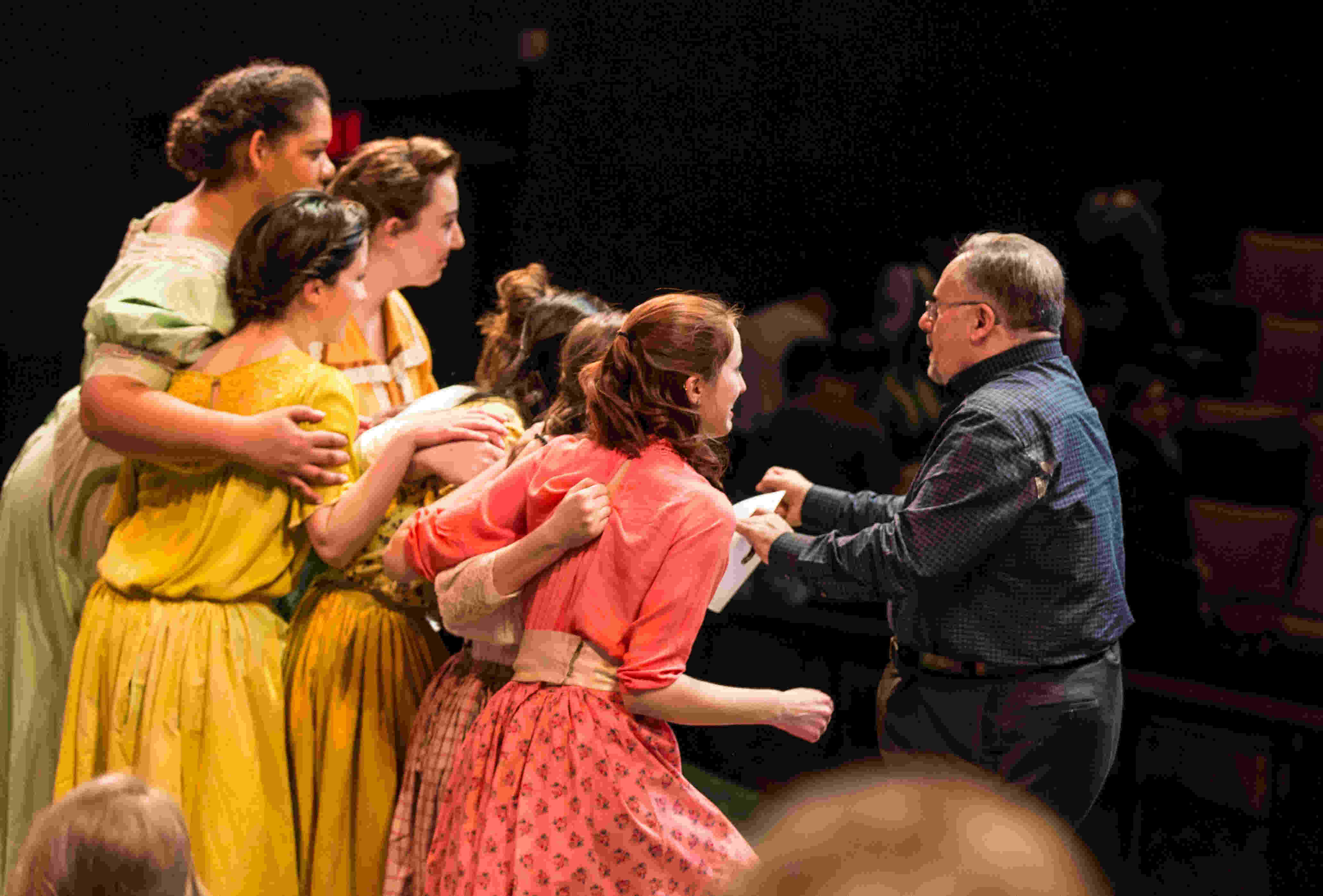
Michael Patrick Albano directing Paul Bunyan at University of Toronto (Photo: Richard Lu)
With the happy collaboration of Sandra Horst, I staged the school’s first musical, Gershwin’s Of Thee I Sing.
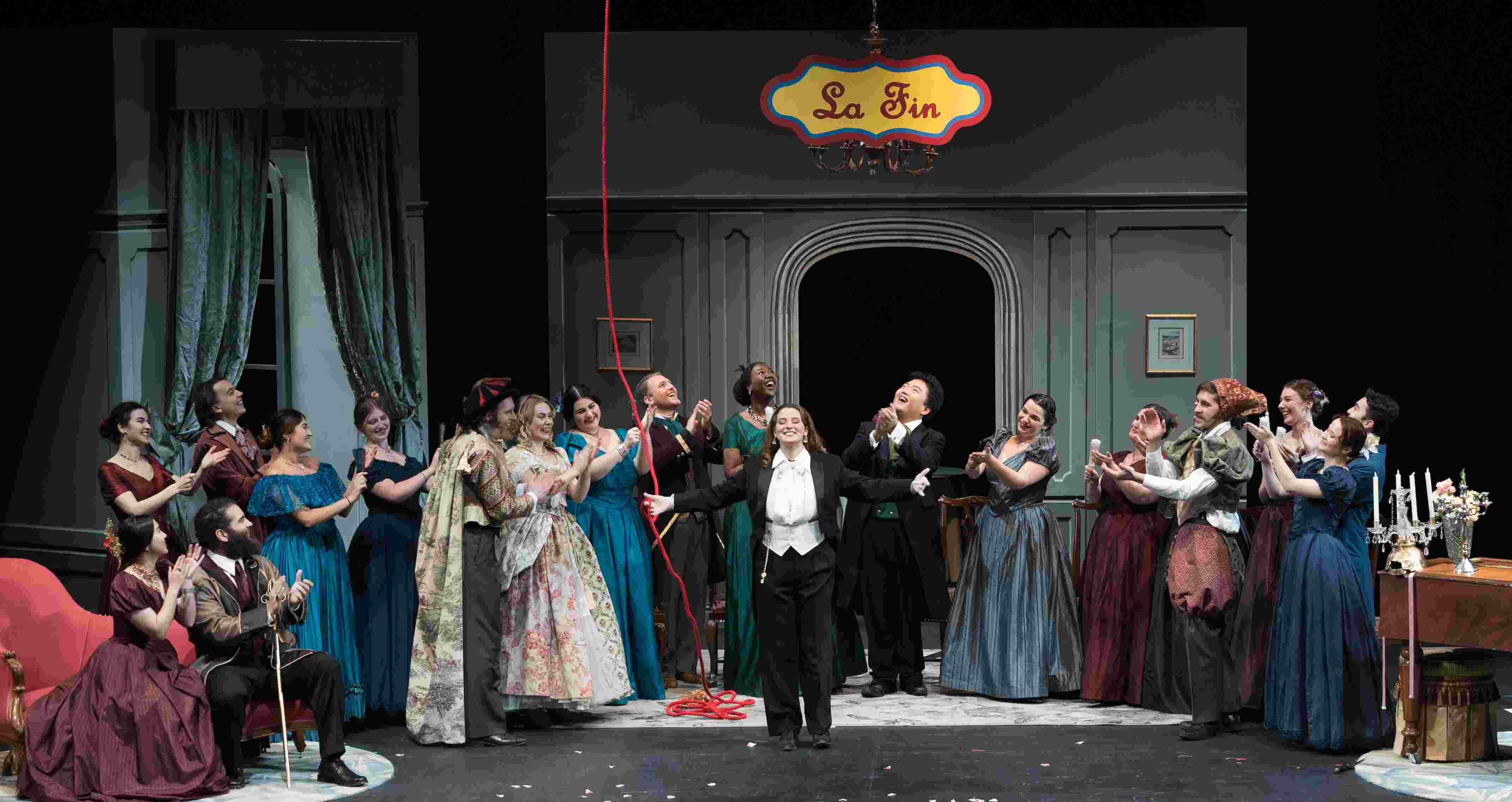
Of thee I sing (Gershwin), University of Toronto Opera, Director: Michael Patrick Albano Conductor: Sandra Horst, March, 2018, MacMillan Theatre, (pictured) Artists of U of T Opera
Of the four operas I directed for the Canadian Opera Company, I have particularly happy memories of Gianni Schicchi with the legendary Renato Capecchi. Other projects come to mind: La Cenerentola for the Boston Lyric Opera, The Daughter of the Regiment for the Opera Theatre of St. Louis (with fellow Canadian, Tracy Dahl) and An Evening with Noel Coward for Toronto’s Centre Stage which I also wrote.
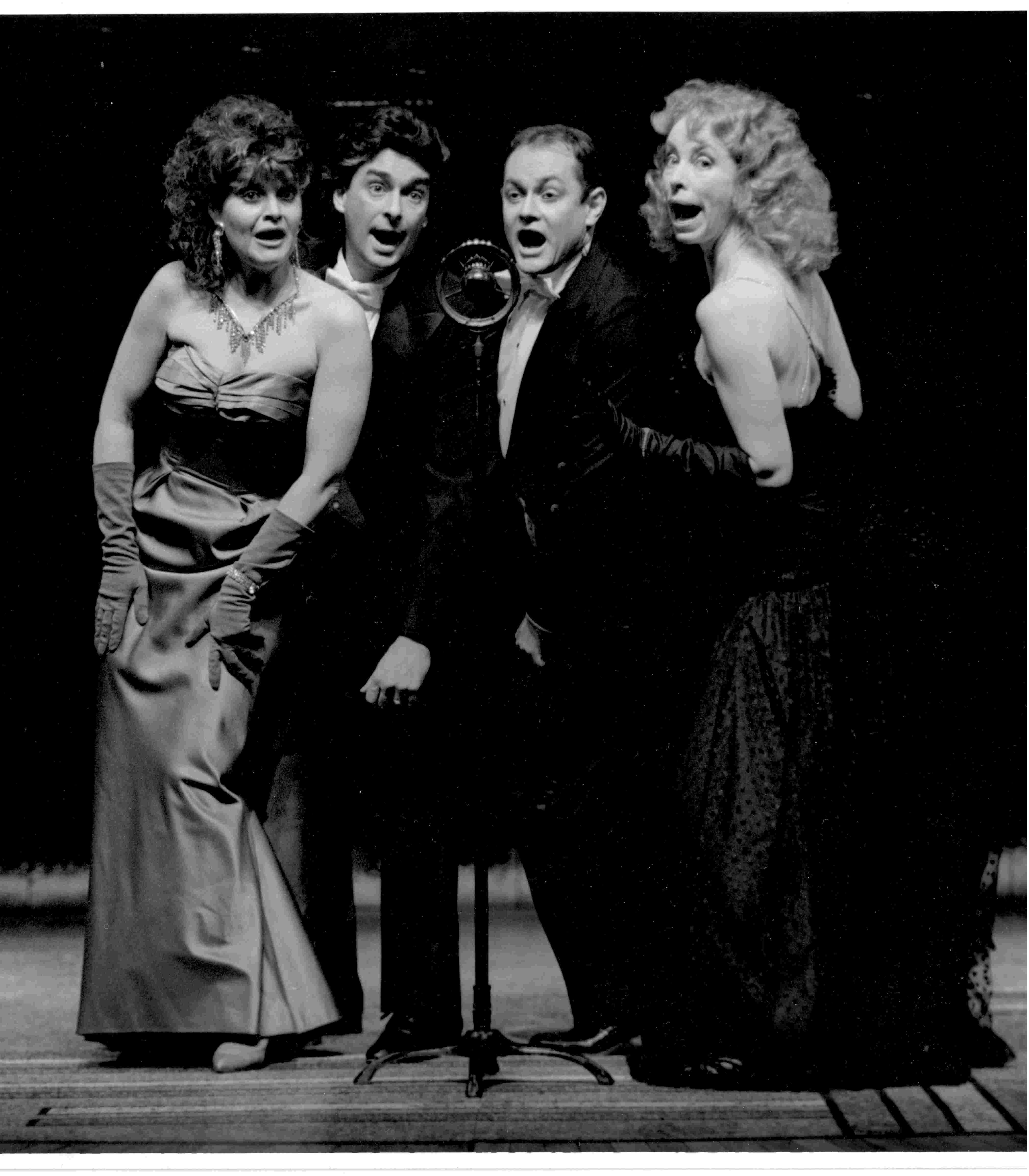
An Evening with Noel Coward, Centre Stage Music, Directed & written by Michael Patrick Albano Musical Director: John Greer, Sept., 1986, Bluma Appel Theatre (left to right) Katherine Terrell, Mark DuBois, Mark Pedrotti, Janet Stubbs.
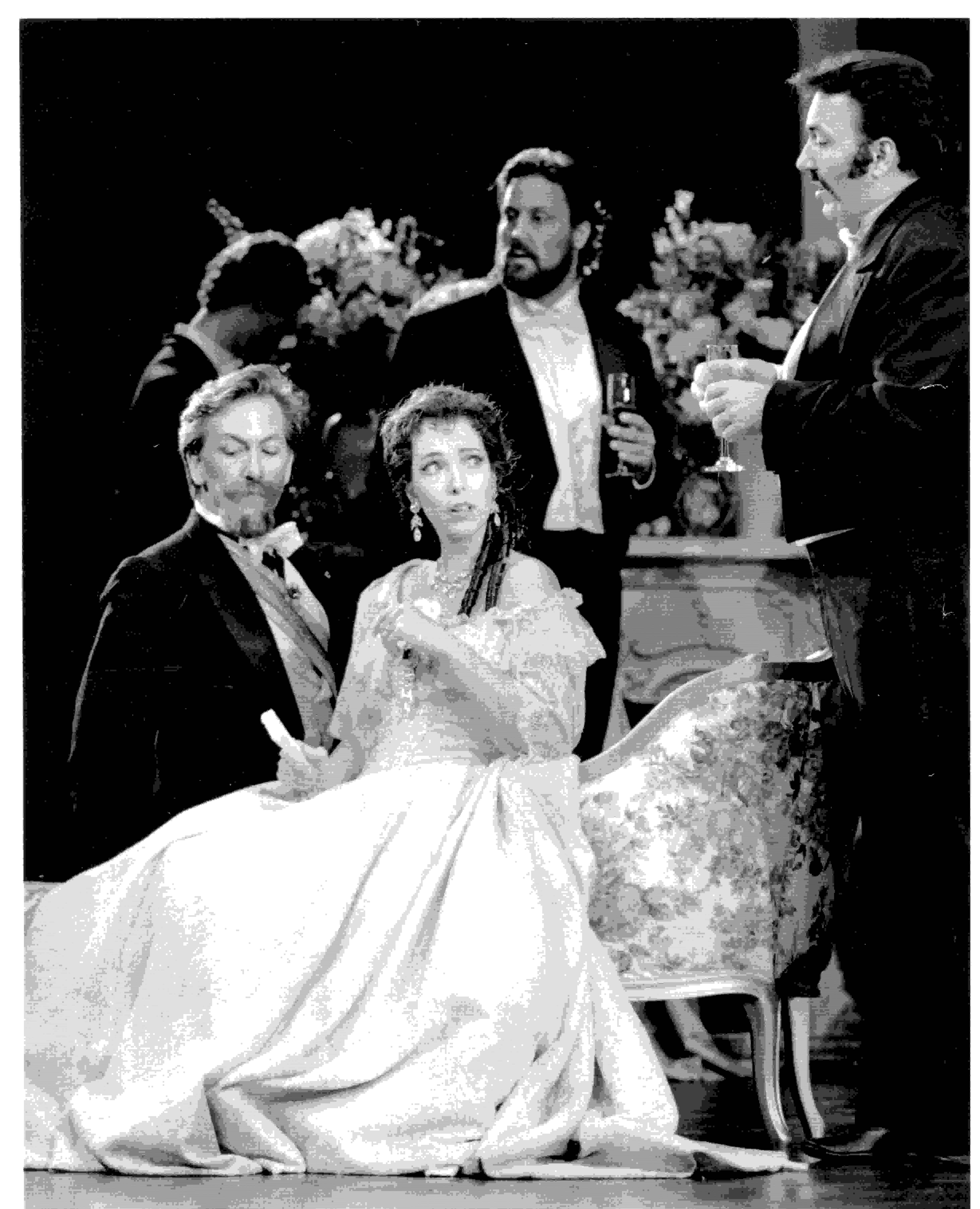
La Traviata (Verdi), Opera Festival of New Jersey, Directed by Michael Patrick Albano Conductor: Cal Stewart Kellogg, June, 1996, Princeton, New Jersey: Jennifer Casey Cabot as Violetta
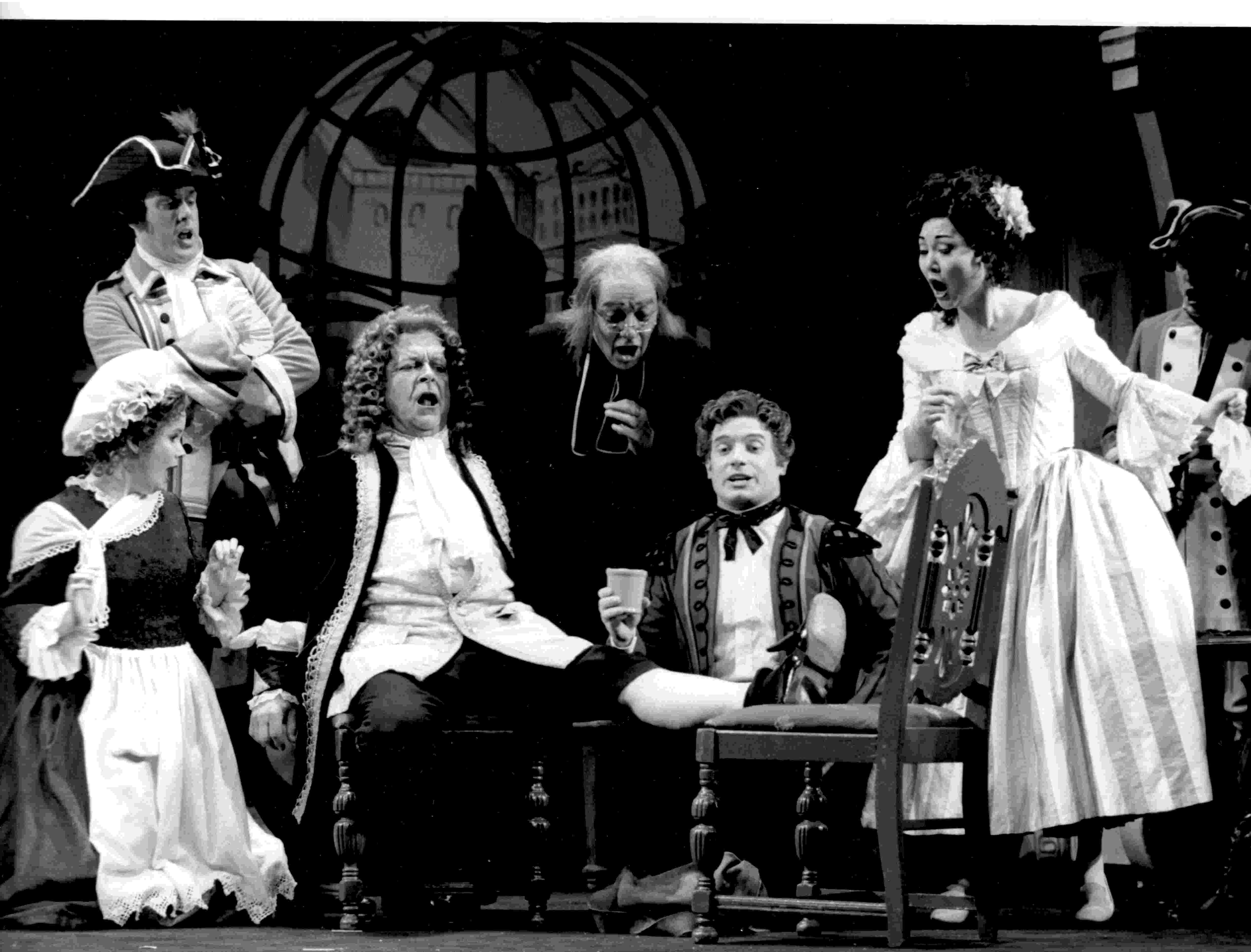
Il Barbiere di Siviglia (Rossini), Artists of the New York City Opera, Director: Michael Patrick Albano, Conductor: Christopher Keene, January 2000, North American tour
I have great affection for the six children’s operas I wrote and directed; three for the Canadian Children’s Opera Company and three which were joint commissions between the Washington Opera and the Opera Theatre of St. Louis.
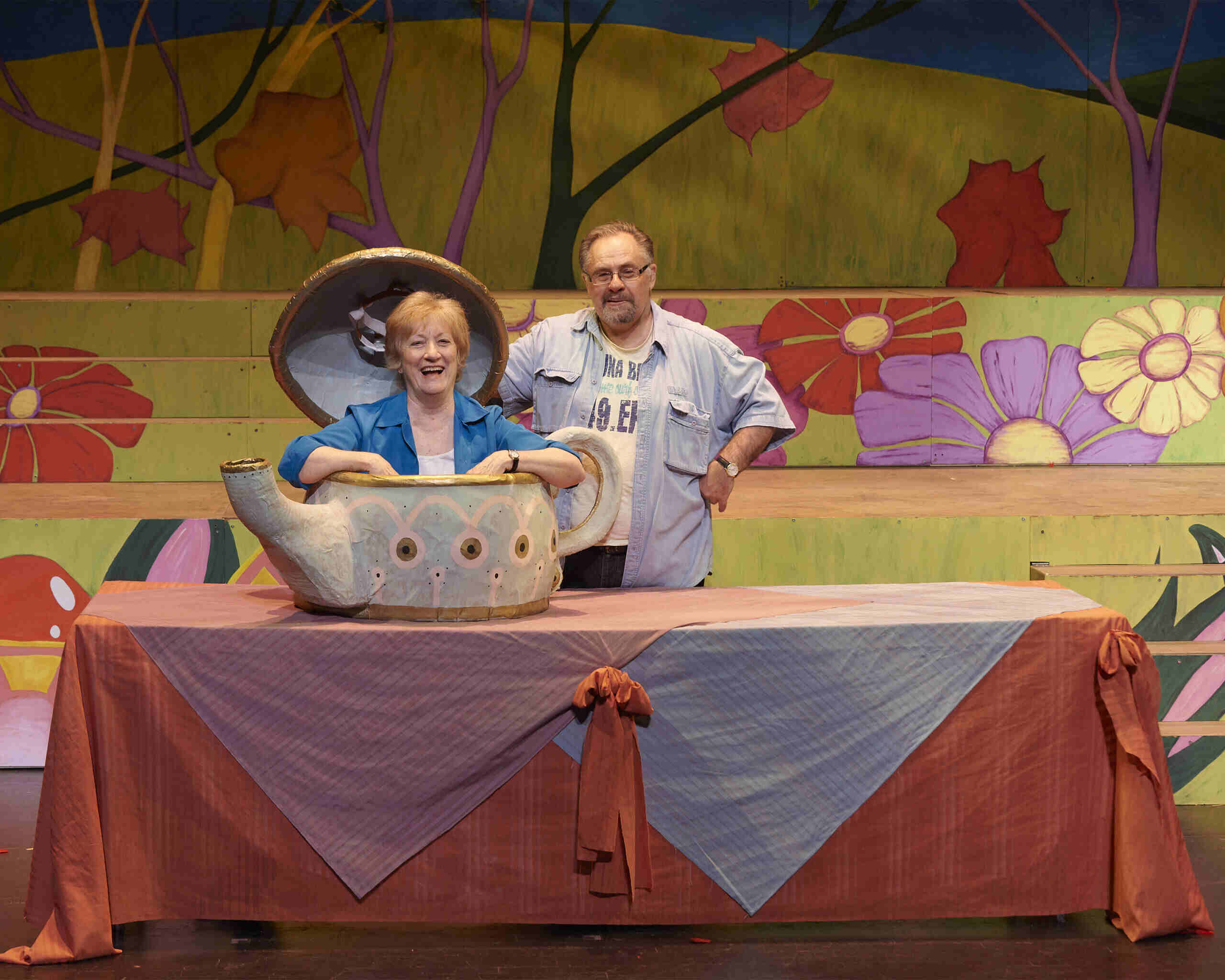
Ann Cooper Gay and Michael Patrick Albano pictured on the set of the Canadian Children’s Opera Company Alice in Wonderland in 2015.
BB: Of the many students passing through your shows, who stands out in your memory?
Michael Patrick Albano: There are too many to list, and I want to avoid the trap of mentioning some and not others. Suffice to say it is always gratifying to see former students find their way into the professional world and I enjoy staying in touch with many of them. Seeing graduates at the Metropolitan Opera was a particular thrill; John Fanning in Les Contes d’Hoffmann and Adrianne Pieczonka in Fidelio come to mind.
BB: Do you have any ideas about reforming / modernizing classical music culture to better align with modern audiences?
Michael Patrick Albano: The tastes and expectations of audiences are constantly evolving and we ignore those changes at our peril. For example, contemporary audiences are intolerant of the running times of many 18th and 19th century operas, one of the reasons for judicious cuts. A favourite recording of mine is the Callas/Serafin Lucia di Lammermoor collaboration. Madame Callas and Maestro Serafin were hardly raging radicals, indeed their musical tastes were quite conservative but they understood opera as theatre and the cuts in that recording (which are reflective of the live performances they gave) might shock some purists but a performance of a great opera like Lucia should feel like an exciting roller coaster ride, not like being pulled through a car wash.The purists will argue that edits violate the esprit of the composer but when an auditorium is a third empty before the third act, the creator’s intention has already been compromised. I am also in favour of editing and rewriting bad dialogue.
BB: A composer once told me that one discovers one’s own authentic voice by imitating the things you like, trying out different procedures and sounds, until finally you discover something you like. BUT our culture has had a fetish for newness & originality. How do you reconcile imitation and originality?
Michael Patrick Albano: For many years I was a dramaturg with Tapestry’s annual composer/librettist workshop. The brilliant Ann-Marie MacDonald came to speak to us and I was particularly impressed with advice she gave. She cautioned against becoming obsessed with originality. Just write, she encouraged. If you have a voice, it will be heard.
In the operatic composition course I teach, I tell our student composers that they should use the opportunity to discover their authentic voice and stop writing to please their teachers and colleagues and what they imagine to be the expectation of audiences.
BB: Do you believe Toronto companies could work harder to hire Canadian artists instead of importing singers from USA or Europe?
Michael Patrick Albano: This is a difficult tightrope to walk. When a company craves international status it makes sense to look at the wider spectrum of artists – singers, directors, conductors. However these artists should have something extraordinary to recommend them, not just foreign citizenship. I do feel the opportunities for Canadian artists have significantly improved but it helps tremendously when the artistic director of a company does all the casting themselves, a time consuming but vital responsibility. If you subcontract casting to American and European agents, one shouldn’t be surprised if Canadians get the short end of the stick.
BB: Are opera programs doing enough to prepare students for the business?
Michael Patrick Albano: Although I have been involved with the opera training programs at the Manhattan School of Music and Yale University, I can only speak with authority about U of T Opera with which I have had a long association. I think they doing a tremendous job taking operatic training into the future under the leadership of Sandra Horst, the current head of U of T Opera.
Sandra Horst
Sandra maintains communication with other schools and professional companies so that the school is preparing the kind of performer that companies want to engage. For example, facility with contemporary music and spoken text are skills which were rare back in the day but vital in today’s environment. Because they were born into the digital age, young singers now have technical skills to network and to manufacture their own digital resumes and audition videos. They are taught to be far more proactive in the promotion of their own careers.
Monsieur Choufleuri (Offenbach), University of Toronto Opera, Director: Michael Patrick Albano, Conductor: Sandra Horst, November, 2022, MacMillan Theatre: (pictured centre) Lissy Meyerowitz as Petermann
The future of opera must include new opera and in this, U of T Opera is taking the lead. In 1997, the school inaugurated a workshop at the Faculty of Music to give student composers experience writing opera, following a process of composition, dramaturgy, orchestration and staged public performance. The concept proved so successful that the workshop was ultimately introduced as a formal course in composition at the Master of Music level.
The Machine Stops, University of Toronto Opera, Director & Librettist: Michael Patrick Albano Conductor: Sandra Horst, January, 2016, MacMillan Theatre: Max van Wyck as Kuno, Victoria Marshall as Vashti
Over the years, we have annually presented a student-composed and student-performed operatic offering, varying in approach from the absurdist, Rob Ford, the Opera to the science fiction dystopia, The Machine Stops. In 2027, the opera composition program will celebrate its thirty year anniversary in the newly-opened, refurbished MacMillan Theatre.
BB: Speaking of the MacMillan Theatre, can you shed some light on the long closure of the theatre ostensibly for repairs?
Michael Patrick Albano: I am delighted that the MacMillan Theatre will reopen in 2027 but having said that, I feel the University dropped the ball in prolonging what should have been a much more efficient process. Certainly some safety issues needed to be addressed but these concerns were mixed in with updates and aesthetic improvements. Before any real expertise could be sought, an opinion was expressed by an ill-informed individual that the theatre was “unsafe”. This amateur opinion metastasized into fact or as Mark Twain once said, “A lie gets halfway around the world before the truth gets its pants on”. The theatre was shut when it could have been upgraded over the summer months, thus depriving tuition-paying students the opportunity of using the facility.
BB: Do you have any teachers or influences you would want to mention?
Michael Patrick Albano: One cannot learn stage direction from a book. Ideally one should have the opportunity to work with a director from whom you can learn something and the chance to direct early on, even if it involves making mistakes which is how one learns. John Copley, Colin Graham and Leon Major have all made strong impressions on me but I feel I learned the most from Dr. Herman Geiger-Torel (one of the fathers of the COC) and Constance Fisher, the faculty’s first resident stage director.
Herman Geiger-Torel (photo: Norman James from TPL archives)
Generous mentorship is invaluable and to this day, when faced with a directing challenge, I find myself asking “How would Connie have solved this?”
Constance Fisher Craig (photo: Andrew Oxenham)
BB: Do you have any upcoming projects / shows / workshops you might want to mention / promote? and how do you understand your role now in quote unquote “retirement” from U of T?
Michael Patrick Albano: Oh dear, where to start?? This November, U of T opera will premiere Fall River, the legend of Lizzie Borden, with music by Cecilia Livingston and a libretto by yours truly. I will also direct the production which is the school’s first commissioned work in twenty-five years. Right now I’m researching Canadian history in service of writing four short librettos for our 2026-27 student composer project. Also on my desk is Hamlet, the would be King of Denmark, my own much shorter and reimagined version of the Thomas opera with some of Shakespeare’s dialogue reintroduced in place of musical numbers. Figaro in Eighty-Seven Minutes is a zany project of mine designed to give young conservatory singers a chance to perform a compressed version of Mozart’s masterpiece. Also I have just begun a new libretto for a children’s opera so, when all is said and done, the candid answer to your question about retirement is “What retirement?”
I feel like an operatic sausage. I’m stuffed a lot into this post, having jammed too much opera into my head in a brief period of time.
Talk about contrast! Saturday was the closing performance of the Lepage Bluebeard-Erwartung double bill from the Canadian Opera Company. Sunday afternoon was Hello Goodbye, a romantic whirlwind tour of traviata (Verdi) boheme (Puccini) & elisir d’amore (Donizetti), featuring the love duets & arias. One was darkly murderous, the other lightly amorous, one drowning me in overpowering sonorities, the other friendly & delicate. One employed the machinery of theatre to create druggy illusions, the other was accomplished with voices, piano and human beings acting.
I am a longtime admirer of Robert Lepage. I met him briefly at a Wagner Society meeting before his Ring cycle when he called opera the mother of art forms, a quote that I’ve seen revised or adjusted now to speak of theatre rather than opera that way. It doesn’t matter, really, Lepage does them all. His recent Hamlet was a dance adaptation of the play without any of Shakespeare’s lines, cleverly telling the story via bodies in motion. He’s done so much and continues to produce new work, that’s not to be confused with this relic from the last century, revived because even on its fourth or fifth incarnation in Toronto it is still as good or better than anything the COC can offer.
Robert Lepage
As someone who routinely sits as close as possible to the action, sometimes it can feel like a mistake, as it did Saturday at the closing performance of the Canadian Opera Company’s double bill of Béla Bartók’s Bluebeard’s Castle and Arnold Schönberg’s Erwartung. My COC subscription seat is in the 2nd row.
I also sat really close for the Stratford Macbeth, watching a set reconfigured endlessly, a human-powered version of the machine we see in his Metropolitan Opera Ring cycle. Whether in the endless movements of the set, or watching the bikers riding quiet bikes? it reminded me of the artifice of it all, when we recall that motorcycles are above all noisy, while these stage devices were soft-spoken toys. But I’m not complaining, not when there was so much magic before me, ghostly & mesmerizing. Similarly, from this close vantage, our first glimpse of Bluebeard’s castle is an obvious model that made me giggle remembering This is Spinal Tap and the 36 inch model of Stonehenge, before we moved on to the remarkable images.
The entire stage is surrounded by a gold frame, which was great when you sat far away in O’keefe Centre back in the 1990s, not so good at the Four Seasons Centre in 2026 (or 2015).
Christian van Horn as Bluebeard and Karen Cargill as Judith in the COC’s Bluebeard’s Castle (photo: Michael Cooper)
Notice how the photo does not include the bottom part. Seen from up close the bottom of that gold frame (not shown) actually obstructs parts of the stage, especially for those of us in the first rows, such that for example when the wives emerge from the river of tears we can’t see them until they’re standing up and even then they’re partially obscured. Seeing this show before in the old theatre you could see the river of tears flowing. To be honest I no longer remember what it looks like when you’re further back, as I also saw it from up close in 2015. It’s a very 21st century kind of experience, as when your iPhone upgrades and you’re spending hours or days trying to figure out how to make it work the way it used to.
Lepage and his team take us deep into the heart of madness with Erwartung. It’s chilling, powerful.
(l-r) Mark Johnson as the Psychiatrist, Krisztina Szabó as the Woman and Noam Markus as the Lover in the Canadian Opera Company production of Erwartung, 2015. (Photo: Michael Cooper)
There’s also the other caution I have been given many times, that up close the acoustic of the Four Seasons Centre is quite different than further back. On my way into the hall, a friend muttered a warning about how Johannes Debus held nothing back, turning the orchestra loose, drowning the singers in the big sound.
True.
Normally I love the full frontal orchestra you get sitting close, immersed in a wall of sound, especially for modernist operas (anything from Wagner on). But it meant that at times I was watching lips moving without hearing the voice. Door #5 was not the usual thrill, not when Judith seemed to phone in her high note, coming off it after touching it briefly, perhaps aware that it was the closing performance and she didn’t need to impress anyone. There were places her singing felt more artistic & thoughtful than the last Judith I heard, when I could hear the singing. We’ve seen the production several times in Toronto, a combination that has served to promote the COC brand around the world with their edgy mise en scene. While I genuinely love the way this production looks and feels, seen and heard from up close it felt a bit like a date with an old GF I hadn’t seen in a decade or more, now noticing both my wrinkles and hers, aware that whatever the former excitement between us, now we are “good friends” without any chemistry.
And while I was in my grumpy-pants mood, I was aware again of my ongoing quibble with the COC. For an allegedly Canadian opera company, selling a production sung by two people in Hungarian, and a third person singing in German, I see little reason for them to import singers who are going to be inaudible because they’re drowned out. Yes it’s probably different when you sit further back, where the acoustical balance is better, although I love the COC orchestra from up close. Don’t get me wrong, I’m not saying they’re bad. I’m saying that there is no reason for the COC to spend extra dollars importing singers on the faulty assumption that Canadians are not as good, if the foreigners will just get drowned out. The imported talent should be known, with a famous name selling tickets, otherwise why bother? the singers should be Canadians.
Sunday was much more romantic. Comparing the two programs, you don’t take someone on a first date where the double bill consists of a Duke who has his previous wives locked up, and a woman who appears to be raving about a lover. Sunday we watched fatal love between Verdi’s Violetta & Alfredo and Puccini’s Mimi & Rodolfo before finding our way to happily ever after with Donizetti’s Adina and Nemorino in Elixir of Love.
And even though one of the singers was indisposed, Sunday was a much happier experience. In the live acoustic of Beach United church, I could hear everything, as no one was drowned out by the soft & sensitive pianism of Narmina Afendiyeva. “Hello Goodbye” was an original play narrated by Ryan Hofman, contrived to contain the romantic arias & duets between characters in la traviata, la boheme and elisir d’amore. I was reminded of Mamma Mia, a play that’s just a loose pretense to set up our favourite tunes, although this time it was Puccini, Verdi & Donizetti, not ABBA.
I could hear that something wasn’t right in the opening dialogue between soprano Holly Chaplin and tenor Ernesto Ramirez, although once they started singing I almost forgot. Later, Joel Ricci stepped in to sing some of the tenor part while Ernesto mimed the Act 1 love scene with Mimi. This time the operatic sound (from Joel & Holly) was shared with a gentler sound from Ernesto, who was obviously holding back. That tenor sound, held back, was still exquisite, his intonation & phrasing stunningly beautiful. While Ernesto’s experience of the afternoon was likely one of being stressed out, worried about his health, the resulting performance was a success. He was able to safely sing “una furtiva lagrima”, admittedly an aria that doesn’t go as high as “che gelida manina”.
And Holly Chaplin was amazing, a bit of the high maintenance diva for Violetta before showing a softer more vulnerable side as Mimi.
Soprano Holly Chaplin
And now this week, she’s rehearsing two more projects. The two images below are both starring Holly, one on Friday May 22nd, the other Saturday May 23rd. Remember how I began this post, speaking of an operatic sausage, too much jammed in? Maybe she’s doing even more, a week with three big projects May 17th, 22nd and 23rd.
Holly is stepping in Friday (on behalf of another singer) to do Donna Anna in the benefit Don Giovanni at the Redwood Theatre, before singing in I Capuletti e Montecchi for Opera by Request on Saturday. Ernesto will be back for the OBR show too..!
Thursday night the Toronto Symphony showed us they could blend Western & non-Western cultural traditions. When Gustavo Gimeno spoke in his program note of the imminent arrival of thousands from abroad into our city for the FIFA matches, he spoke of a “spirit of international togetherness and exchange”, the dream of peaceful co-existence at a time of stress & conflict.
The concert’s title “Epic Wagner — Legends & Lore” only hints at the broad range of styles. In addition to Wagner we were treated to South African cellist Abel Selaocoe in his TSO debut as featured soloist in Jessie Montgomery’s These Righteous Paths for cello soloist & orchestra, a TSO co-commission in its North American premiere. Hers is a unique and compelling voice that I need to hear again. I hear lots of contemporary compositions played by the TSO and elsewhere, rarely anything as imaginative and beautiful as this. We need to hear more music by Jessie Montgomery.
Composer Jessie Montgomery accepts applause standing before cellist Abel Selaocoe, conductor Gustavo Gimeno & members of the TSO
I wish Gustavo would program this wonderful piece some night when a recording is being made, as I must hear this again, a piece that deserves to be captured even if a big part of this was Abel and his unique gifts as cellist and as a vocalist. The sounds he gets from his cello are unlike anything I have heard before, a virtuoso who makes the instrument sing, and who joins in as a vocalist. I’m trying to find ways to describe my experience that properly honour what I saw & heard, an amazing cellist in his encounter with an amazing composition. Frequently during this piece, I was staring at the orchestra trying to figure out who was playing in order to figure out just where the colours were coming from, meaning what combination of instruments. While it’s modern the music is beautiful yet edgy and dramatic, some of the best new music I have ever encountered. That Jessie drew her inspiration from her deceased mother’s poetry was a layer of complexity I need to decode, by listening to the piece again.
Jessie Montgomery’s acceptance speech for Best Contemporary Classical Composition at the 2024 GRAMMYs
Exciting as the concerto was, Abel surprised us in his encore, an interactive improvisation calling for audience participation and a little help from the orchestra behind him as well. I didn’t want it to end but of course that’s unfair to Abel, whose energy seems unlimited, and whose charisma calls forth the best kind of response from the listener.
Abel Selaocoe with TSO (photo: Allan Cabral/Courtesy of the Toronto Symphony Orchestra)
At times he was playing super soft notes on the cello, seguing into something employing his voice as much as his cello, showing us two different sounds to his voice. His bass notes seem to go down to the low C that basses aspire to (meaning the C below the F in O Isis und Osiris by Mozart or the D sung in Koyaanisqatsi from Philip Glass), low and deep and powerful. So in addition to that epic low note, Abel also has a croony melodic sound at the top of his range, that might go up to a bass’s E or F above middle C. The two voices are so distinct that they almost sound like two different people, and in a concert like this one, are amazing to hear while he also plays the cello. And then, the audience was responding, singing back to him, and he also had the double bass section of the orchestra giving a kind of backup pattern (something like A- E, G-D, first sung by Abel) then as he pointed at them, played by the double basses.
Abel Selaocoe with TSO (photo: Allan Cabral/Courtesy of the Toronto Symphony Orchestra)
I feel lucky to have seen Abel who is a very exciting artist, whether as soloist playing the compositions of others or improvising alone, and bringing out the best in the TSO audience. For the first half of the concert alone, I strongly recommend that you go see the TSO when they repeat the concert on Saturday May 16th at 7:30 pm.
The second half was entirely different, when we heard orchestral pieces from the operas of Richard Wagner. Full disclosure, although I was intrigued by Abel, the Wagner was the reason I came to hear the TSO on this occasion. My favourite composers are the romantics, even if I can never get enough.
Gustavo Gimeno and the TSO (Photo by Allan Cabral/Courtesy of the TSO)
After intermission we first heard the Flying Dutchman overture, a piece that gives us the first good look at the composer Wagner would become, a relatively tight composition for its time in its samples of the themes of the opera, such as the Dutchman’s theme, the redemption motif, the sailors song, taking us to a powerful ending.
What followed was a selection from Lorin Maazel’s Ring Without Words, a longer work that is an orchestral paraphrase created from the four music dramas The Ring of the Nibelungen. Our nearly half-hour segment took us on a trip through the last of the four operas, namely Twilight of the Gods, in three big chunks. I’ve previously encountered two-thirds of this, in a combination of Siegfried’s Rhine-journey and Siegfried’s funeral music sometimes with a direct segue from one into the next as though it were one composition. Maazel does this too, adding an additional segue into the final ten minutes of Brunnhilde’s Immolation scene, where the cycle comes to its cataclysmic conclusion. When sung Brunnhilde is supposed to ride her horse into the funeral pyre (even if that is rarely staged that way), but this way without voices it’s simpler, no staging, singers, horses, or fire: just the orchestral music. And this way we also avoid any debate about the director’s choices.
It’s quite a spectacular piece of music that had me teary-eyed in a few places, calling for the most enormous orchestra you’re likely to encounter, especially given that Wagner’s orchestra is usually in an orchestra pit rather than assembled on a stage before you. Even without the voices it’s a stunning experience that’s a bit like film music in presenting us with the soundtrack minus the visuals. That seems reasonable especially when we remember that Wagner would be the prototype for the first film music composers in the 1930s. It’s ironic if we recall that some such as Erich Wolfgang Korngold were refugees from the Third Reich, a place where Wagner was treated like a hero.
The TSO repeat the concert on Saturday May 16th at 7:30 pm. The week of June 4th the TSO take some inspiration from cinema, including Bernard Herrmann’s suite from Psycho and Korngold’s violin concerto, a work containing themes from his films.
On May 22nd the new Benevolence Opera Project, who present opera both as entertainment and as a platform for social engagement collaborate with Redwood Theatre to present Don Giovanni in a benefit supporting Redwood Women’s Shelter.
I asked Holly Chaplin /Donna Anna, Mary Ferrari /Donna Elvira, and Kathryn Rose Johnston /Zerlina to reflect on the changing ways we see Mozart’s famous 18th century opera about the famous seducer and its women.
Barczablog: Are we as a society making progress since Mozart’s time?
Holly Chaplin /Donna Anna: Yes, but in a ‘two steps forward, three steps back’ kinda way. I hate to say it but I regularly come across people who just don’t understand the Me Too movement at all. I have listened to men from all walks of life talk about how the Me Too movement is a threat to them. They often say that they ‘can’t talk to women without being accused of something’. As much as they don’t deserve my patience, I try my best to listen to these people and hopefully find away to help them understand. My years working in a hospital gave me this skill. I have gotten through to some, but just like ‘two steps forward/three steps back’ fashion, they tell me ‘you’re one of the good ones. (Major face palm)
Barczablog: How is the story different in 2026 than 1783 (or whatever date it premiered) There are differences for the three women: Elvira vs Anna vs Zerlina, class & marriage
Mary Ferrari /Donna Elvira: Performing these works in 2026, especially for Redwood Women’s Shelter, changes the way we experience them. In Mozart’s time, women often had very little social or legal power, and seduction could easily become manipulation or coercion. Today, we speak far more openly about abuse, consent, and power imbalance, so audiences naturally hear these stories differently. Society has certainly made progress, yet many women are still escaping controlling or abusive relationships, which is why this performance remains painfully relevant today.
Soprano Mary Ferrari (Donna Elvira)
The three women in Don Giovanni experience oppression in very different ways depending on class and social position. Donna Anna has status and protection, Donna Elvira carries emotional vulnerability and obsession, while Zerlina is especially exposed because she is young and lower class. Those differences still exist in modern society, even if they appear in different forms.
Holly Chaplin /Donna Anna: This opera will continue to be produced because it will always remain relevant. Let me tell you a short story of Don Giovanni, but maybe instead of calling it Don Giovanni, let’s call it Harvey Weinstein, or Sean ‘P Diddy’ Combs..or R Kelly. You don’t really need to know much more about Don G as a character with those comparisons. We have Donna Anna, but let’s call her Amber Heard instead. We have Don Elvira, but she’ll be played by Kim Kardashian, and Zerlina will be played by Rihanna. That’s Don Giovanni in a nut shell. Amber, Kim and Rihanna all had very public Don Giovanni’s in their lives.
Kathryn Rose Johnston /Zerlina: Thankfully in 2026 the conversation is a lot more open about assault than it was in the 1700’s. It is unfortunate though that these issues persist (would be nice if Don Giovanni was no longer a relevant story). Thankfully we have shelters to help women in these situations but the eventual goal is of course to lessen/eliminate this kind of behaviour in how we bring up the next generation.
Soprano Kathryn Rose Johnston (Zerlina)
I think the main difference is how it is viewed by audience. Things that were jokes back then, we now know are serious issues and treat them as such. The conversation is alive instead of taboo. Progress has been made, and with luck this production will get us a tiny step closer to getting our message across.
Holly Chaplin /Donna Anna: I am grateful that we have laws to protect victims of sexual assault, but everyone has heard a story about victims being screwed over by the justice system. Sexual assault cases remain to be some of the most difficult in the court of law. Media outlets will mention ‘holes in the story’ making any person who has to recount a traumatic event scared to do so.
At the end of the day, I still know people who continue to have Me Too stories. I have a Me Too story. What I have to say generally about this; the patriarchy helps very few. Sexual assault can happen to anyone, regardless of who you are. We need to encourage everyone to speak out when they have been wronged because silence only helps the oppressor.
Barczablog: Can this be funny? how did the comedy work in 18th century. Must Don Giovanni die, both in the original (18th century social mores) and today?
Holly Chaplin /Donna Anna: I think it is necessary for Don Giovanni to die…or to get thrown in jail. Otherwise we just watched this guy terrorize three women for two hours with no consequences! If I wanted to do that I could just listen to my friends tell me about their unfortunate tinder dates.
Kathryn Rose Johnston /Zerlina: This brings up the questions of the death penalty upon which I will not comment. All I’ll say is that the world is a better place without people like the Don.
Mary Ferrari /Donna Elvira: The comedy also functions differently today than it did in the 18th century. Audiences at the time were often more accepting of certain behaviors from powerful men, whereas modern audiences examine those behaviors much more critically. Today, the humor only truly works when we also recognize the darkness and cruelty beneath it.
Holly Chaplin /Donna Anna: I believe Donna Anna’s assault was a result of Don Giovanni’s thrill seeking behaviour of wanting to knock a woman of high standing down. My heart breaks for Anna. She experiences two traumas in one day, and then people have the audacity to describe her character as crazy! Her music is definitely my favorite but it’s also the most violating to witness. In the recit before Or sai chi l’onore, Anna recounts what happened the night she was assaulted, followed by her father’s murder. This particular recit makes me question if this opera can actually be presented as a comedy anymore because it is the farthest thing from funny.
Kathryn Rose Johnston /Zerlina: I have to assume Elvira’s interjections were meant to be comedic (the Woman waiting for the man to call her back trope). I see now the struggle of her love vs. Her want to protect others in her position. Context can sometimes negate humour as there are moments we now feel a little guilty laughing at (the Catalogue Aria springs to mind). The main thing we gain from their class differences are the similarities in the experiences of people in different social classes; we are all human.
Barczablog: Compare the music in the three roles. Who has the prettiest tunes, who did Mozart want us to love? How do you feel about the music Mozart gave each of you?
Mary Ferrari /Donna Elvira: Musically, Mozart gave each woman extraordinary depth and individuality. Elvira’s music is passionate and conflicted, Anna’s is noble and dramatic, and Zerlina’s is warm, charming, and deeply human. Mozart clearly loved all three women musically and gave each of them emotional truth and dignity.
Kathryn Rose Johnston /Zerlina: I feel Zerlina has more to her than meets the eye (or ear). While much of her music is simple, she darts around to different harmonies in ensemble pieces, and even takes the lead in spots of the Act one finale after being assaulted. She is strong and despite being a peasant, knows that she deserves to be treated with dignity. Her music is the brightness of the opera.
Mary Ferrari /Donna Elvira: At the same time, Mozart and Da Ponte’s three operas such as The Marriage of Figaro, Don Giovanni, and Così fan tutte also reflect the limitations of their society. In these works, women are often manipulated, tested, abandoned, or trapped within systems controlled by men. Even when the women are strong, social power usually still belongs to the men. However, I do not believe Mozart mocked women or treated them lightly. Musically, he gave women some of the most beautiful, emotionally truthful music ever written. That is why modern audiences continue to connect so deeply with these operas today. We are not simply watching an 18th century story; we are also confronting issues of power, gender, desire, and abuse that still exist in modern society.
Kathryn Rose Johnston /Zerlina: The thing I find most fascinating (as a recit loving gal) is the division of secco and accompanied recit in each character and how it represents each women’s class. Donna Anna has mostly accompanied recit being higher class and Zerlina only secco (speech like) as she is the lowest class. Elvira gets a bit of both. Their music is indicative of the different archetypes represented in each of the three women and highlights how women of all classes and personalities can be victimized by assault.
Barczablog: Who gets the worst treatment by the Don?
Holly Chaplin /Donna Anna: Definitely Donna Elvira in the second act. You pity her for still loving him, then you have to suffer the second hand embarrassment when he mocks and taunts her while he eats his dinner. It’s the hardest to watch in my opinion.
Mary Ferrari /Donna Elvira: Don Giovanni portrays a remorseless, power driven abuser whose charm and authority are used to manipulate, control, and exploit those around him.
Kathryn Rose Johnston /Zerlina: I can’t place a value on how he affects each of them as they all have valid complaints, but I think killing Donna Anna’s father adds insult to injury.
Baritone Alexander Hajek plays Don Giovanni
Barczablog: What Mozart roles have you sung or are preparing to sing after this. And how do you feel about the way women were treated by Mozart (or by librettist Da Ponte in his 3 operas).
Mary Ferrari /Donna Elvira: I have learned the role of Queen of the Night from The Magic Flute, and I hope to perform it in the future. For me, the role is far more than just dramatic high notes. She is a woman expressing power, rage, pain, and desperation at the highest emotional level.
Holly Chaplin /Donna Anna: I have sung a few Mozart roles; Zerlina, Fiordiligi, Cecilio, Queen of the Night, and I am currently looking at Konstanze and Countess. As for how Mozart portrays women, that’s a complicated question. I actually like how Mozart portrays women, however, I think centuries of patriarchal institutions/directors/teachers have made light of the struggles of women. That’s probably how Don Giovanni morphed into a comedy. I can spar all day about Cosi’ ending but that requires a beer.
Kathryn Rose Johnston /Zerlina: Besides Zerlina, I have sung Susanna (Le nozze di Figaro), Servilia (La clemenza di Tito), Ilia (Idomeneo) and Bastienne (Bastien und Bastienne).
Holly Chaplin /Donna Anna: What I love about Mozart’s operas are that he never does anything for no reason. Now what the ‘reason’ is, will be up for debate til the end of time. I can only drone on with my take..!
Soprano Holly Chaplin (Donna Anna)
Donna Elvira and Donna Anna are both part of higher society, per the use of “Donna” YET it seems to me like Elvira is somehow lower than Anna. I think Elvira is meant to be older, and from an Andrew Tate perspective, has lost some of her value. With Don G being a thrill seeker, it makes sense that he would be bored of his actual wife. Maybe she is chasing him around to ensure that she gets his pension from the army when he inevitably succumbs to his risky behaviour? Elvira also has the most explosive anger toward the Don, but then she gets very weepy in the act 2 sextet…maybe pregnancy hormones?
Kathryn Rose Johnston /Zerlina: I think (and hope) that Mozart was a feminist. Many of his works were ahead of their time in the way they dealt with class struggles and gender-roles. The very fact that he chose to set stories that pushed the boundaries of what people in his time deemed acceptable feels like good ally-ship. I have always felt valued whenever I have been lucky enough to be a woman in a Mozart piece.
Holly Chaplin /Donna Anna: I think Zerlina being low class and young was meant to show how regular, everyday women were accustomed to the little egos of men. She sings Batti Batti to her husband Masetto. Let me paraphrase this translation; Hit me, my Masetto. Pull my hair, carve out my eyes and I’ll kiss you afterwards…it is possible that she’s calling his bluff because she finishes the aria with the text ‘non hai core’(have no heart/you don’t have the heart to) It’s possible that Zerlina and Masetto are in a very toxic relationship that includes gaslighting and infidelity, or that she’s stuck in an abusive relationship and saw Don Giovanni as a way out. I guess the director ultimately gets to decide!
Mary Ferrari /Donna Elvira: Mozart did not write women as decorative characters; he gave them psychological complexity and extraordinary emotional intensity. In many of his operas, the women carry some of the most honest and deeply human moments in the music.
Holly Chaplin /Donna Anna: This opera is basically an essay on how to make a character unlikable. The opera starts with the very fresh aftermath of him assaulting Donna Anna, and then kills her father. You can ask ‘well maybe he went through something to act the way he does’…then we meet Donna Elvira, showing his pattern of garbage behaviour. Then we get to see him in action when he starts after Zerlina. This man is trash. The end.
*******
Benevolence Opera Project & Redwood Theatre Present Don Giovanni A One-Night-Only Opera Event Supporting the Redwood Women’s Shelter, Toronto, on Friday, May 22 at 8:00 PM at the Redwood Theatre, 1300 Gerrard St East.
This special one-night-only performance features Canadian Baritone Alexander Hajek in the titular role of Mozart’s electrifying masterpiece of seduction, power, and consequence, on Friday, May 22 at 8:00 PM at the Redwood Theatre. Featuring some of Canada’s finest operatic talent, this intimate production invites audiences into a thrilling “chess match” of wit, desire, and morality—brought vividly to life in the vibrant Redwood Theatre space.
A pre-performance talk will be given at 7:15 PM by Opera Canada’s Michael Jones, offering insight into the opera’s enduring legacy and themes.
Cast & Creative Team: Don Giovanni — Alexander Hajek Leporello — Luke Noftall Masetto — James Coole-Stevenson Commendatore — Andrew Tees Donna Anna — Holly Chaplin Don Ottavio — Cameron Mazzei Donna Elvira — Mary Ferrari Zerlina — Kathryn Rose Johnston Musical Director & Pianist — Brahm Goldhamer Narrator & Producer — Ryan Hofman
Event Details: Date: Friday, May 22 Time: 8:00 PM (Pre-talk at 7:15 PM) Location: Redwood Theatre, 1300 Gerrard St E., Toronto