The invitation sought uncommon music to be performed. I proposed to play a piano transcription of an orchestral piece.
Alex Cappellazzo, Artistic Director of Apocryphonia encouraged me to participate for their Cabinet of Curiosities2 in the Heliconian Hall Sunday June 8th. For once he was just a master of ceremonies, but not singing himself.
Alexander Cappellazzo
In the background as I write this I can hear an acceptance speech at the Tony Awards from a tearful artist speaking about not believing you belong, who could be reading my mind, given that I felt I was lucky to be there.
I call myself “embedded” in the spirit of the embedded journalists of the Iraq War, riding alongside the troops: but there are no guns, just violins, a guitar, a theorbo, a Steinway and great singing voices. It’s been so long since I did my last show at Ryerson gulp they don’t even call it Ryerson anymore. Yes I still do the occasional gig from a keyboard in church or at a party, but this was a bit different, as I was playing a wee bit but also there as an observer, honoured to be in this group.
Here is what the program showed before the program was randomly selected.
That last sentence is key, speaking about a concert order “Decided Randomly By The Audience”. Our pieces were put onto small pieces of paper to be chosen by the audience and then stuck to another page, with a new sequence, that looked like this (I took a picture):
When we began nobody knew when they would perform. Alex had this page hidden, but allowed me to photograph it at intermission (when I ate popcorn).
Yes it was fun.
The usual assumption in calling someone a critic: that they’re playing for the other team, in an adversarial game especially if critics evaluate. I aim to help the audience discover and understand what they are seeing, hoping to help artists promote their work by appreciating rather than evaluating.
The evening was very informal, relaxed.
The artists we saw & heard tonight:
Guitarist Daniel Ramjattan played the three movements of Echoes from the Sea by Naoko Tsujita.
Guitarist Daniel Ramjattan
Daniel explained the subtext of the work, concerning hidden Christians in Japan. During this period, many of the Christians in Japan were executed for their beliefs. I’m no guitarist but watching Daniel he seemed to display great virtuosity in playing complex music, sometimes two different parts of the instrument sounding at once, and with great subtlety.
Pianist Narmina Afandiyeva had a busy night, both as collaborative artist and soloist. She played Six of the Preludes by Qara Qarayev, including a couple that were surely very challenging, getting tremendous sound out of the Steinway.
Pianist Narmina Afandiyeva
Narmina also played for two singers.
Soprano Maeve Palmer sang two songs from Donnacha Dennehy’s That the Night Come, articulated clearly in English, sometimes showing fabulous dynamics from the softest tones to a brilliant sound at the top of her range.
Soprano Maeve Palmer (photo: Brenden Friesen)
She made a strong case for this music, making impressive interpretive choices.
Tenor Cameron Mazzei sang three songs from Ottorino Respighi’s Deita silvane cycle in Italian. I will have to find these lovely pieces that I had never heard before, sung with sensitivity by Cameron.
Tenor Cameron Mazzei
Violinist Rezan Onen-Lapointe played the Anonymous six movement Sonata for solo violin on “Nighean donn an araidh”.
Violinist Rezan Onen-Lapointe
Rezan also teamed up with theorbist Benjamin Stein (reminding me again that the theorbo looks like a fiendishly difficult instrument: and Benjamin played beautifully). So many strings…(!).
Ben Stein playing his theorbo
They played Johann Schop’s Lachrimae Pavane, and Robert Brenner’s Variations on “Hit her on the Bum”, the latter as playful as the title might suggest. I resisted the urge to tap my foot a number of times. When I say resisted I mean, because I was at a “classical concert” and also, a participant unsure about the rules of decorum. As an audience member? I would have had no hesitation to start clapping in time because the music had a really strong insistent dance-rhythm, especially the last two (a gavotte & a gigue).
Alex will soon communicate on social media concerning Apocryphonia’s upcoming season, likely to include another Cabinet of Curiosities program. Follow Apocryphonia here.
Lynn Isnar is a soprano with a wonderful voice and stage presence who appears regularly in the Toronto, area. Lynn will be singing with the Toronto Concert Orchestra in July in a program titled “Romeo & Juliet” both as Gounod’s operatic Juliette and Maria in Leonard Bernstein’s adaptation of Shakespeare, West Side Story.
Lynn is a versatile crossover artist, as comfortable in something modern as in classics.
I was delighted to discover more about her thoughts about life and art in this interview.
BB: Are you more like your father or mother?
Lynn Isnar: I would say I’m a good mix of both. I definitely act more like my father. We are both stubborn, out-of-the-box creative thinkers and always believe anything and everything is possible as long as you put your mind to it. I have my mother’s patience, maternal nature and grace. People always say I remind them of my mother when I’m on stage, and my father when I’m talking business. Neither of them are musicians, however huge supporters of the career path I’ve chosen.
Soprano Lynn Isnar
BB: What is the best or worst thing about what you do?
Lynn Isnar: There are so many amazing things about what I do. I get to share music and connect with an audience on such a personal level. I’m constantly learning through music, whether it’s about history, languages, compositional techniques and the list goes on. I meet so many interesting people from all walks of the world, such as new artists, composers, directors, writers, anyone and everyone involved in a concert or show. It’s never a dull moment.
The most challenging part is how sensitive singing is to both your physical and mental state. It can be something small, like a cold or stomach bug, which can make breathing low and sustaining notes difficult, or bigger challenges like recovering from a car accident or pregnancy. I gave birth in the last year and singing during and after that journey was incredibly difficult—nausea, breath control, rebuilding core muscles—it all affected my voice. Of course, everyone’s experience is different, but there’s so much behind-the-scenes work that goes into making singing look effortless.
Mentally, you have to be present 100% of the time, which can be hard if you’re having an ‘off’ day or going through something traumatic in your personal life. Singers juggle so much—notes, phrasing, lyrics, acting, staging, even tricky costumes or shoes. The voice is so exposed and emotionally driven.
Lynn Isnar
BB: Who do you like to listen to or watch?
Lynn Isnar: I grew up listening to a little bit of everything. When I’m learning something classical, I usually listen to Anna Moffo or Elisabeth Schwarzkopf. Diana Damrau is another powerhouse I love to study. I often fall into rabbit holes when researching a piece, discovering new voices and interpretations—so I don’t really have one go-to favourite.
I adore Ella Fitzgerald and Louis Armstrong – they’re a fabulous duo. They’ve really inspired some of my recent performances. I also love Latin American music—it lifts my mood instantly. The rhythms, melodies, and language make me want to dance 99% of the time.
Lynn Isnar
BB: What ability or skill do you wish you had, that you don’t have?
Lynn Isnar: I wish I were a better cook. Thankfully, I married someone who is a semi-competent chef (his words, not mine). Our fridge is empty, just wine.
BB: Haha, sounds like fun! So when you’re just relaxing and not working, what is your favourite thing to do?
Lynn Isnar: Spending time with my family, painting, and browsing auction sites.
BB: What was your first experience of music?
Lynn Isnar:My mom enrolled me in group classes at the Royal Conservatory of Music when I was about 4 or 5, and that led to piano lessons. I joined the Canadian Children’s Opera Company and also sang in my church choir (Holy Trinity Armenian Church).
The CCOC would give us dress rehearsal tickets at the Canadian Opera Company, and I vividly remember falling in love with opera during a performance of Carmen. I was also completely mesmerized by Die Walküre, which is nearly five hours long. I was only 10, and my mom was amazed I sat through the entire opera, totally captivated.
My decision to pursue music came after my final performance with the CCOC. I played Mrs. Cratchit in A Dickens of a Christmas. I remember thinking, this is it—this is what I want to do forever.
My love for music and teaching all stems from those early experiences and my incredible parents.
BB: The CCOC can be such an important experience, I’m not surprised you’re an alumna. So tell me, what’s your favourite song?
Lynn Isnar: Currently, my favourite song is “Love Me Tender” by Elvis, because it’s the first song that I used to soothe my daughter to sleep when she was born. Here we are, 10 months later, and we’re still singing and loving the song. I wonder if it will ever get old…
BB: In July Toronto Concert Orchestra presents a program titled Romeo & Juliet. What will you perform in the concert?
Lynn Isnar: I’ll be singing “Je veux vivre” from Romeo and Juliet (Gounod), “Quando m’en vo” from La Boheme (Puccini) and “Reaching for the Moon” (Irving Berlin) as solos. I will sing a few duets with Colin Ainsworth including “Tonight” West Side Story (Bernstein), “Tornami a dir che m’ami” Don Pasquale (Donizetti) and “Parigi o cara” La Traviata (Verdi).
Je veux vivre is an aria I’ve been singing for over 10 years. It’s joyful and youthful, but technically demanding with some vocal “booby traps”—tricky passages that take years to master. I love its lighthearted energy in contrast to the confident flair of Quando m’en vo, and the sultry elegance of Reaching for the Moon.
Other pieces in the program include Freddie Mercury: Bohemian Rhapsody, Jules Massenet: “Pourquoi me réveiller” (Werther), Tchaikovsky: Romeo and Juliet, Taylor Swift and Post Malone: Fortnight, Leonard Bernstein: “Maria” West Side Story, Lyn: My Destiny, from My Love from the Star, Des’ree: I’m Kissing You, from Romeo + Juliet, and The Cardigans: Lovefool, from Romeo + Juliet.
What makes this program so unique is the variety of genres presented. You’re going from classical and opera to pop to jazz to musical theatre. There’s something in this concert for everyone!
BB: Could you comment on the light music in Toronto Concert Orchestra’s popular programming?
Lynn Isnar: The Toronto Concert Orchestra has a large variety of programming in this summer concert series. They do an amazing job of making their events so versatile and inclusive. They start off each event by inviting guests to a beautiful cocktail hour, filled with drinks and appetizers right on the water at the Palais Royale. Followed by a close and personal interactive experience with the orchestra and singers.
The TCO’s programming is curated in a very tasteful manner. There is a new showcase every week for 5 weeks on Tuesday evenings and each show has a variety of genres, filled with something different and interesting for the public. For example, they have one concert that is filled with Canadian female artists including Joni Mitchell, Alanis Morissette, and Sarah McLachlan. Then another filled with pieces sung by Edith Piaf alongside pieces by Satie, Poulenc, Ravel and Saint-Saëns. Additionally, each week has a suggested dress-up theme, which can make it very fun for the audience and orchestra members. The fourth concert in the series is called “Beethoven’s Secrets” and promises to spill the tea on Ludwig, with a suggested costume theme of ‘tea party best’.
BB: Do you have any ideas about reforming/modernizing classical music culture to better align with modern audiences?
Lynn Isnar: We can continue to adapt to social media and digital platforms while promoting our work. We can modernize how we present and perform: by incorporating visuals, technology, and storytelling. Artists now also need to be content creators. Social media, videos, live streams—these are essential for visibility. If an artist doesn’t have a presence on Instagram, Facebook, YouTube, or Spotify, people may not be inclined to buy tickets. It’s exhausting, but it’s the reality. The job now includes marketing, content creation, and constant online engagement—in addition to practicing, performing, and managing.
Can you describe your most recent concert “Rêves Divins” in Montreal?
Lynn Isnar: “Rêves Divins”, also known as “Divine Dreams” is a concert program I curated alongside my husband, Garbis Gary Sahsuvar, who is a jazz musician and plays tenor saxophone and dear friend and phenomenal pianist, Artun Miskciyan.
Garbis Gary Sahsuvar, Lynn Isnar and Artun Miskciyan
We first performed this concert in November 2023 at the Aga Khan Theatre. We created a unique program filled with pieces made up of different languages and genres, centred around the theme of dreaming specifically for voice, tenor saxophone and piano. There is a mix of jazz, pop, musical theatre, classical, Armenian, Spanish, songs sung by Edith Piaf, and more. All arrangements are made by Garbis and Artun, unless otherwise stated, and have been curated to fit our little trio. They have even created arrangements for solo piano and saxophone works, such as La Boheme (Aznavour), Elegy (Babajanian), and more – which hasn’t been done before. It is a unique blend of everything and has given us the opportunity to explore different repertoire. This is the third time we’ve presented the program and hope that with each time, there will be new improvements and song selections added to this concert.
I encourage any artist to take control and create art that brings them happiness.
BB: Your words of advice are so brilliant.
Lynn Isnar: Don’t wait for the opportunities to find you – make them. Have fun, be yourself, perform pieces that inspire you, and share the inspiration with others. Do what makes you happy. Audiences appreciate authenticity and can feel when something comes from the heart. Whether you are performing in a theatre, a pub, a church or busking on the street, allow your creativity to flow and blossom. It’s a lot of work, but it’s very rewarding.
BB: You appear to be part of the vibrant Armenian musical community, a relationship that seems to nurture your work.
Lynn Isnar: Yes! I grew up in the Armenian community here in Toronto, and the support I’ve received from this beautiful community has been amazing. It has shaped who I am as a performer, as I started performing at various events within the different Armenian Community Centres and churches when I was in high school. It helped me build confidence, and gain experience and flexibility as a performer.
I do feel a special connection to Armenian pieces and composers. I love to include these works in my recitals and concert programs and have always received positive feedback from all audiences. It is a part of who I am and I am proud to share my heritage.
My next performance within the Armenian Community is this upcoming weekend at the Hamazkayin Theatre. I’ll be performing a couple of pieces with the Kousan Choir.
BB: Do you have any influences / teachers you want to acknowledge
Lynn Isnar: I’d like to acknowledge Jean MacPhail, Jennifer Tung, Rachel Andrist, Joan Dornamann, Mignon Dunn and Ruth Falcon. I’m also incredibly grateful to all of my professors and teachers at the University of Toronto and the Glenn Gould School. Their support, encouragement and wisdom have played an integral role in who I am as a musician today.
Thank you so much! I’m filled with gratitude for the people, communities, and experiences that have made this life in music possible. Here’s to more music, connection, and creation.
On July 29th at 8:00PM in a program titled Romeo and Juliet Lynn Isnar will be making her debut with the Toronto Concert Orchestra in their summer concert series, singing various genres including classical, opera, musical theatre and jazz at this intimate event at the Palais Royale. Tickets
Sometimes I’m a little compulsive about dates and details. Sunday I attended the 3:00 pm performance of the St John Passion, to close the 2025 Bach Festival at Eastminster United Church.
Maybe it doesn’t matter which version they present when the performance is as excellent as what I heard (more about the artists who blew me away in a moment, first let me ride the insanity of my OCD poking my head into the score at home).
Even so I wish I had heard the noon-hour lecture from John Butt, who directed the performance. The promotional blurb for the lecture that I missed says… “In addition to directing the St. John Passion, John Butt will also present the annual lecture to examine and illuminate Bach’s creative process as he revised this great work, which survives in no fewer than four distinct versions.“
I love anniversaries, whether it’s the centennial of Dietrich Fischer-Dieskau (earlier this week) or as in this case, that it’s three hundred years since this variant was premiered, on Good Friday 1725.
When I got home Sunday after the concert, I pulled out my Edition Peters score (BWV 245 premiered Good Friday 1723) to compare to the textual handout, corresponding to BWV 245.2 (1725, three centuries ago), or at least I think so. There are –as they announced– four versions. There are some interesting divergences between the versions.
The toughest tenor aria in the earlier version is missing, namely “Ach, mein Sinn”. Not only is it a tremendously difficult aria but it upstages the story in some respects. Do we really need to hear about emotional torment for three minutes of vocal torment? It’s problematic, that this stunning piece of music interrupts the flow of the story.
Yes JS Bach torments the singer with the difficult aria, which is maybe the point, showing us a suffering guilty person by giving them a tough aria. Such exquisite agony. Maybe it’s no wonder JS chose to omit it from the later version.
There are other changes. The opening is different. I’m not sure that matters tremendously, but there is again a slight shift of focus. The 1723 begins with “Herr herr”, a humbly Lutheran opening, while the 1725 chooses to focus on us, “O Mensch” (Oh mankind). That’s an improvement in my book and in the performance I was experiencing beyond stunning. I was in tears within the first dozen bars of music, sitting at the rear of the church overwhelmed by the beauty and the vulnerability of this music.
In the vicinity of the omitted aria, there’s a wonderful addition, the gorgeous bass aria with chorus “Himmel reise, Welt erbebe”, a piece of astonishing depth, the juxtaposition of the soloist’s troubled world (himmel reise Welt erbebe can be translated as “crack open heaven tremble world”) and a chorus of enlightenment in pain. The contrast suggests something Berlioz might have written in a druggy haze. The version of the piece on youtube I found allows the disquiet of the soloist to overwhelm the peace of the chorus, whereas what we heard Sunday from the orchestra, chorus, under the leadership of Butt & from bass soloist Jonathan Woody took us more fully into the contradictions without so much torment as heard in this video. You’ll notice it’s called “appendix” perhaps because it doesn’t fit easily into BWV 245 and is not normally included, but clearly Butt found a great place to have this miniature volcano erupt.
Especially on this day in this performance it didn’t feel so much like a baroque piece but as modern as my own qualms and fears.
There was excellence in every little detail, if I don’t mention everyone it’s not because they were lesser contributors. The small complement of players and singers filled the church space. Sitting at the back I took in the visual reminders of worship, liturgy, community & fellowship while immersing myself in something genuinely festive, a happening with real electricity in the air.
Charles Daniels continues to display one of the most remarkable tenor voices. On this day his Evangelist was sometimes soft and soothing, something harshly challenging, sometimes pausing to let us all breathe in the moment, sometimes picking up the cue to goad us onwards with the story. When I saw he would be participating I was eager to come listen. His role is enormous and he never disappoints.
Tenor Charles Daniels (photo: Annelies van der Vegt)
I mentioned Jonathan Woody’s bass voice, a wonderful addition. I have never heard a bass voice that so happily reconciled that sometimes irreconcilable challenge of having either agility or a deep resonant colour. He manages to have both, a portrayal that was strong yet understated and dignified.
Bass Jonathan Woody
Ellen McAteer was also irresistible, her soprano singing “Verfliesse, mein Herze, in Fluten der Zahren” (dissolve my heart in floods of tears) prescient. Of course I complied. That stunning voice is perfection.
Soprano Ellen McAteer (Gaetz Photography)
At the end of the interval between the two parts, Festival Artistic Director John Abberger said a few words. I remember meeting him once at the Toronto Airport, energetic when everyone else dragging themselves off the plane were tired. Each year he brings the best of the best together in a labour of love.
John Abberger
Sometimes concerts have such perfect timing as to suggest that somebody up there (like the guy at the centre of the story) is pulling strings. As the performance ended, golden sunlight began to flood into the sanctuary as if to suggest celestial approval. Of course.
Everyone glows as the sun suddenly comes out for the applause at the end. That’s John Butt in the foreground.
Tonight the Toronto Symphony continue their winning streak, another wonderful program of diverse musical compositions, played brilliantly.
A key contributor to our enjoyment was guest conductor Kristiina Poska.
Conductor Kristiina Poska
We heard three pieces tonight after the obligatory Oh Canada performance. Speaking of displays of patriotism, our Estonian conductor started us off with a minimalist work from her countryman Arvo Pärt, Cantus in Memoriam Benjamin Britten, a short piece clearly articulated.
The big work in the first part of the concert was composed and performed by pianist Stewart Goodyear. It’s a Carnival-inspired suite for piano and orchestra, named Callaloo in honour of his Trinidadian roots, accompanied by a big brash orchestral sound from the TSO. In his program notes Stewart alludes to Rhapsody in Blue, comparing the orchestration. I think it’s a worthwhile allusion, considering that just as Gershwin’s work combines pianistic virtuosity with a jazzy sound that fearlessly defies the stuffy barriers to popular music being heard in the cold halls of classical music, so too for Stewart’s composition, every bit as exciting.
Instead of jazz we’re in the presence of something Caribbean and also something very personal for the composer – pianist.
I am a huge admirer of Stewart, indeed when I met him awhile back I was completely star-struck, in awe of his remarkable talent, as he keeps ascending to greater heights. I first encountered him as the interpreter of Beethoven piano sonatas, daring to play all 32 in one spectacular day. He recorded them, and Beethoven’s concerti, and much more besides. Indeed his insight into Beethoven had me thinking he probably could make a great account of the Eroica himself, either in a piano transcription or conducting the TSO. Perhaps we’ll find out someday. But let me repeat, Stewart is a remarkable artist .
Pianist & composer Stewart Goodyear
Then I discovered that the pianist is also a composer. In 2019 Sewart played the premiere of Ur, a work of dazzling virtuosity. I remember wondering whether this kind of composition would be picked up by other artists. And I noticed that another pianist has recorded Stewart’s intricate Introduction & Rondo Capriccioso, although this pianist doesn’t play it as quickly or with as much energy as the version by Stewart on YouTube. Tonight Stewart played the piece in the Roy Thomson Hall lobby (I didn’t arrive in time to hear it, but saw it listed in the program). I’m sharing this video to show that on top of his brilliance as an interpreter at the piano, Stewart appears to be making an impact as a composer.
And it’s exciting even before we come to the piece we heard Stewart play tonight with the TSO, conducted by Kristiina Poska. Stewart explains in his program note about the cultural subtexts for the piece, a celebration of Caribbean culture in five movements. And like the Gershwin Rhapsody in Blue, we’re hearing challenging piano music incorporated into a dense orchestral texture of rhythms & bright timbres.
I wish I had a better sense of how difficult the music is, as Stewart plays so brilliantly it’s hard to tell. But we’re in a realm of syncopation rhythms, calypso allusions sometimes dazzling in intensity & speed, sometimes slower and more thoughtful. Here’s a sample.
If he did nothing but play Beethoven or Rachmaninoff, or write his analyses in the program he’d be a force to be reckoned with. I’m looking forward to hearing more of Stewart’s compositions in the years ahead. He is an important Canadian artist.
Stewart Goodyear (photo: Andrew Garn)
After intermission we came to a brisk reading of Beethoven’s 3rd symphony, conducted by Kristiina. When I googled her, (an artist I have never heard before), I saw that she is currently the chief conductor of the Flanders Symphony, and is recording a cycle of the Beethoven symphonies with them, having already released a recording including this very symphony.
It’s always exciting to encounter a conductor with clear ideas about a piece, especially one that is as well known as Beethoven’s Eroica. Based on what we heard I believe Kristiina is a talent to be reckoned with. When I say “brisk” I mean quite literally the fastest reading of all four movements that I have ever encountered: and accomplished with precision, including the repeats and with great clarity of the inner voices.
Conductor Kristiina Poska
I think perhaps Kristiina has been influenced by the movement of historically informed performance, given that her reading is as fast as theirs but employing the modern instruments of the TSO. I was mindful of the version I listened to most as a teen, conducted by Herbert von Karajan leading the Berlin Philharmonic, that seems so slow in comparison. With some interpreters the “Eroica” and its associations with Napoleon and heroism encourages macho bombast, loudness that is bravado and empty rhetoric. How ironic that a woman conductor shows us what real heroism can sound like. The TSO was never harsh sounding even when loud, but many of the passages I’ve known as loud were more delicate in Kristiina’s interpretation, so that the climactic section of the development –leading to the loud dissonances– seemed especially powerful. At other times the quick triple time of the opening movement was confident and effortless, dancing rather than stomping, the blitzkrieg completely absent, and shown to be unnecessary. Thank goodness. Kristiina was able to inspire the orchestra to play for her, not just quickly but cleanly. I love the sense that she knew exactly what she wanted and was able to get the TSO to do it.
The funeral march of the second movement also was faster than usual, but still with sufficient gravitas to be meaningful, particularly in the last part of the movement. The scherzo was delightfully energized, the trio featuring the most impressive playing from the horns. And as we continued the quick tempo in the final movement, the logic of this approach is confirmed in the final bars, when the seemingly endless passage Beethoven writes to finish the symphony finally works: when done at this speed. It was truly fabulous and well received.
The TSO, Stewart, Kristiina, Arvo, and Ludwig will be back with the same program Friday and Saturday night.
June 8th Apocryphonia will present a concert at Heliconian Hall titled “A Cabinet Full of Curiosities 2”.
As the program says “an eclectic mix of classical music from around the world performed entirely at random!”
Alex Cappellazzo, and his Apocryphonia team are following up on a concert that I reviewed roughly two years ago, on Friday May 24th 2023. You will see the magic adjective near the bottom right of the poster when it declares that the music was to be “presented entirely in a random order by the audience.”
I’m going to quote from my 2023 review, when I explain how that random order was accomplished:
Instead of giving us the usual series all by one composer, we accomplished a kind of shuffle, as you might get from your electronic device. We were asked upon entry to pick from a jar, and then our picks would be constructed into a set list. I cheated because of whom I wanted to hear (Eisler), although that likely had no impact. Alexander joked that this made us complicit, that we helped create the program.
I also took a picture of our “curator”, the person who assembled our picks, gluing them onto a page.
he magic jar in the foreground only had a few pieces left when I took this picture. Notice how the program is being assembled on the page.
I don’t know how the magic of the random picks will be accomplished this time.
I should explain that when I said “Inside the Cabinet” in the headline I meant that I’m literally inside that cabinet. Alex asked for musicians to volunteer as participants back on May 3rd: and I did so. Here’s what it looked like on Facebook.
CALLING ALL GTA CLASSICAL MUSICIANS!
Want to take part in the most fun vocal/chamber concert this June 2025? Here’s your chance!
It is an entirely randomized setlist with an entirely randomized set of musicians. I relinquish all control over the curation process and leave it up to fate.
Please spread the word and share this call; this is a really chill and fun way to network with other musicians, to show off your music to your friends and family, to workshop pieces you’re practicing, or victory lap pieces you’ve mastered!
And I cheated. I went to the form, which asked for a video. I pondered whether I should create a youtube channel, which might be fun. When I contacted Alex to ask him whether I needed to bother sending him a video he decided to take it on faith that I can play. In fact I think he’s taking a safe route in having me play a single item rather than a series (as I proposed to him), but he thought it’s uncommon for a critic to play at a concert he’ll write about.
I joked that I’m like an embedded journalist, except there’s no war.
My idea of rare classical music? Orchestral music in transcription, which is a bit of an obsession of mine. My piano has quite a few such scores sitting on it right now. Some came from the Edward Johnson Bldg Library such as transcriptions of Richard Strauss tone poems (Till Eulenspiegel, Also Sprach Zarathustra & Ein Heldenleben), Mahler’s 5th Symphony, Debussy’s Orchestral Nocturnes. Some are scores I own that I’ve had for a long time such as Debussy’s Prelude to the Afternoon of a Faun. While this is a piece that’s played frequently by orchestras it becomes rare & unfamiliar when transcribed.
It’s exciting to play something at the piano that otherwise requires an orchestra. Indeed this is how music used to be popularized before the era of recordings. Franz Liszt played piano paraphrases (sometimes going off on tangents) that helped promote the music of Berlioz or Wagner and of course, promoted himself in the process.
And I enjoy playing extracts from opera scores, particularly famous passages from Wagner operas such as the Liebestod or Siegfried’s Rhine- Journey.
What I proposed to Alex was Debussy’s first Nocturne, Nuages (or “Clouds”), and the Liebestod, although Alex figured the Debussy would suffice. I will bring the Wagner and the other Debussy along just in case somebody can’t perform for some reason (flat tire? snow storm? okay maybe not in June).
Nuages is an extraordinary piece, suggestive of clouds & a moody atmosphere, one of the works Debussy composed that have me thinking of him as one of the godfathers of minimalism. There’s such a small amount of music there, but I feel it’s very influential. It’s very cool to be able to play an orchestral piece in a reduced form at the piano.
I heard a piece tonight by Arvo Pärt that is one of many works that Debussy seems to have influenced. If you watch the film Psycho, the music we hear at the beginning after the credits as the camera gradually pans across buildings to find the first scene, across a kind of dry cloudless skyscape, you’ll hear composer Bernard Herrmann making something that is like a twisted version of Debussy’s Nuages, as this sky is not a happy one perhaps because the characters we’re about to meet are not happy.
I’m intrigued to find out how Alex will get the randomized order this time. Perhaps the attendees will again select a piece that is glued to a page. Or maybe it will be something entirely different.
And I’ll be one of the performers 7:30 pm on Sunday June 8th at the Heliconian Hall. Please don’t let this poster throw you, I’m the least significant of the performers, feeling privileged to be there. Alex made one of these posters for each participant to employ in promoting the event.
After a couple years of development (and many laughs), Kenzia Dalie is ready to share the full version of Clowns Reading Shakespeare, a show coming to parks east (Kew Gardens) and west (Memorial Park) in Toronto in June.
A multidisciplinary artist, designer, theatre director, and producer currently based in Tkaronto Kenzia is the co-founder of Full Haus Productions, a company dedicated to archival filming of new Canadian theatre, producing films highlighting the experiences of women and queer people, and creating events that uplift emerging independent artists. Kenzia gravitates towards stories that are silly, absurd and thought provoking.
When I heard about Clowns Reading Shakespeare I had to ask her some questions.
*******
Barczablog: Are you more like your father or mother?
Kenzia Dalie: What an interesting question! A village raised me, I am quite the amalgamation of my parents and their siblings, and their parents and their siblings too. My mother is a strong willed project manager and athlete. My father is a jokester, loves to draw and is a business owner. My grandfather is a chef and my great-grandfather was a poet and carpenter. My grandmother is a world traveler with an intuition that’ll genuinely amaze you. My aunt is a dancer and seamstress. My uncle was an inventor and musician. Just to name a few. I’m proud to say that because of them, I am all these things and more.
I come from a family of dreamers, creatives and stubborn immigrants. I learned from them to enjoy the simple pleasures in life, to take my time, to be in nature, to be silly and unapologetically myself. I come from cultures that are colourful and delicious, so of course they encouraged me to live my life the same way. I can strongly say my family is the reason I love theatre and the arts so much, despite none of them pursuing the arts professionally or knowing much about the industry. I think that’s how we differ. Though we share a strong creative philosophy, they didn’t have the opportunity to explore it. Instead, they built a foundation, so that I could. I hope that answers the question! Haha, I am a lot like both of them.
Kenzia Dalie
BB:What is the best or worst thing about what you do?
Kenzia Dalie: The best and worst thing about what I do is definitely time management! It is simultaneously a blessing and a curse to be in control of my schedule. Having the flexibility to work my own hours, take meetings, schedule rehearsals and take days off when I want is so empowering.
However, with family and friends who are not all in the industry, it becomes difficult sometimes to schedule social gatherings or to commit to anything long or short term. In the event that something urgent can come up and needs immediate attention or needing to jump on those last minute work opportunities can throw a wrench into my calendar. Though, I imagine that finding that balance is something I will be juggling as long as I’m working in theatre and film. And I do love to juggle.
But honestly, the best part of what I do is the freedom and ability to play, to be curious and creative with other artists. I love that I can say, “At work today, we colour walked outside for an hour and made silly shapes with our bodies!” This kind of play is the work and it is so important to creating and sharing stories. It’s an honour knowing that for many of our young audiences, our show could be their first exposure to Shakespeare. I have to remind myself that playing is the work and that’s always the best part!
BB:Who do you like to listen to or watch?
Kenzia Dalie: I love a podcast about human psychology! I find it interesting to hear from various scientists, psychologists or economists and their perspectives on the world as it is. I will eat up anything that tells me why we let our emotions get the best of us, our constant need for validation and understanding the self through others’ perception. For similar reasons, I’m a sucker for a good reality tv game show. But not any of those dating shows about finding “the one”. I’m more curious about shows that put strangers in a similar situation all fighting with and against each other for the same thing. It’s fun to observe the real relationships created but how the layer of a televised competition changes people.
My go-to movies tend to be either light hearted animation, 80s to early 2000s action/comedy, or psychological thrillers accompanied by video essays breaking down filmmaking moments. I will also literally watch any animated short or cooking competition you put in front of me.
BB:What ability or skill do you wish you had, that you don’t have?
Kenzia Dalie: I wish I could walk on my hands or walk on stilts. Fortunately, I do have stilts and the capacity to learn. Fear keeps getting my way! I hope to stop that soon.
BB: When you’re just relaxing and not working, what is your favourite thing to do?
Kenzia Dalie: In my downtime, you can find me either painting, cooking or in the garden. All of these activities are quite similar and have a relaxing effect on me. They all involve getting my hands dirty, I get to make or grow something new out of nothing and then I end up with an enjoyable treat that I can either look at and enjoy or eat!
BB: Who/what was your first clown experience, and how did you feel?
Kenzia Dalie: I actually started clowning when I was 14. However, it wasn’t the theatrical clown that I practice today. I was an entertainment clown for children’s parties and holiday events. So I was making balloon animals, simple magic and card tricks, face painting and overall being a silly entertainer for kids. It was a great and easy job as a teenager, but after doing this for many years, I actually started to hate it. I didn’t like that I had to always present pure happiness and try to cheer kids up that clearly didn’t want to be there, or were just scared of clowns. Not to be dramatic, but I swore to myself that I’d never do it again.
Professor Myrna Wyatt Selkirk
Funny enough, years later in university, I took a class on Clown and learned about it as its own theatrical school of thought.
My professor at the time, Myrna Wyatt Selkirk led her classes with so much focus on innocence, colour, play, drawing from our own experiences and the beauty in failure. I instantly fell in love with it!
While practicing the same entertainment tricks I knew, I ended up learning about my clown that I am always just a little bit grumpy, dissatisfied and easily disgusted. My clown doesn’t really like to laugh, and I am actually quite funny when I play pitiful. My clown loves to make others laugh, but it’s rarely through her happiness or enjoyment. This was very different from what I had known about clowning and it was the style of acting and improv that I felt most comfortable with because it was honest. I was able to draw on my earlier experiences and reconnect to something that was already a part of me but in a completely different way. It feels good to be clowning again, this time for myself.
BB:Who is your favourite clown?
Kenzia Dalie:I don’t think I actually have a favourite clown. I think the best clowns are the ones who trust themselves and rely on their unique personalities. What I love about clown is the moment when something is going ‘wrong’ or that something is ‘failing’, you can see it on their face, and they share that with you and while being in a headspace of innocence and curiosity, they let you in on the fear of the complete unknown of what they are going to do next. That’s my favourite part! It’s watching the clown learn, grow and react to a situation in a way that only that clown could from their own experiences or knowledge of the world and immediate surroundings.
However, I did grow up watching an immense amount of Mr. Bean reruns that probably shaped a lot of my understanding and appreciation for physical comedy. I think Mr. Bean is a brilliant clown.
BB:What’s your favourite Shakespeare film adaptation?
Kenzia Dalie: Joel Cohen’s Tragedy of Macbeth. I thought it was an incredible film, but remained so theatrical. I genuinely was blown away by the balance of film and theatre techniques and how it honoured the story through both mediums. Kathryn Hunter’s depiction of the witches was also just otherworldly, haunting and so beautiful.
Kathryn Hunter in Macbeth
Kenneth Branagh’s Much Ado About Nothing is a close second though! Both films had Denzel Washington… Maybe that says something!
BB:I love both of your choices. Awesome. So, what Shakespeare will your clowns read?
Kenzia Dalie: Our clown troupe will be tackling selected moments from three of Shakespeare’s most famous tragedies: Hamlet, Romeo & Juliet and Macbeth! Our clowns are bringing their best foot, hand, elbow and nose forward to audition for our illustrious Director. Unfortunately, the Director has not chosen the play yet, so it’s best the clowns just audition for them all! We’ll see the clowns read iconic scenes such as Romeo and Juliet locking eyes for the first time and the lovers on the balcony. The clowns will also read and interpret heart wrenching moments from characters such as Banquo and Lady Macbeth in a way that audiences have never seen before.
BB: Help me picture Clowns Reading Shakespeare.
Kenzia Dalie: Imagine yourself at auditions, a little nervous, excited, wanting to stand out and show the best of what you got, maybe you make some friends along the way. Everyone there wants it to be the best that it can be. Everyone is free to bring in their own interpretations, their own spin and that’s exactly what our clowns do. Clowns Reading Shakespeare is a silly and interactive window into what it feels like to be in an audition room.
You’ll learn quickly that some of our clowns have been acting for years and take the craft very seriously. They are the ones bringing in prepared monologues, skills and scenes to impress our director. For others, this is their first ever audition and they’re just happy to be considered, willing to yes-and anything thrown their way.
Brendon Kinnon, Callan Forrester, Sienna Singh and Alyssa Pothier (Photo: Elisabeth Bragale, FullHaus Productions)
BB:Am I correct to assume Clowns Reading Shakespeare is a family-friendly show?
Kenzia Dalie: Yes, this is definitely a family-friendly show! I really think it’s great for all audiences, as young as 4 and as old as 90+. Whether or not you are familiar with the Bard or not, there’s something to enjoy in this production.
While we are exploring tragedies and themes of death, it is all from the perspective of a clown! Death comes in the form of juice boxes and escaping imaginary daggers.
I will say that this is also an interactive show! Don’t worry– no one will pull you up onto stage unless you explicitly volunteer. The clowns will have you clapping, laughing, singing and exclaiming alongside them. But it’s possible they may ask for some help conquering the King of Scotland.
Clowns Reading Shakespeare is free, it’s outdoors, and we have a mix of matinee and evening performances. We encourage folks to bring a blanket, some comfy chairs, bug spray and some snacks to enjoy this comedy in the park!
BB: I’ve just seen a totally disrupted Macbeth done with puppets by Eldritch Theatre. Clowns reading Shakespeare also seems like a kind of disruption, doing the unexpected. What do we get wrong about The Bard that you repair with your disruption?
Kenzia Dalie: I think all adaptation is disruption and repair in some capacity, but not necessarily because I think anyone is getting it wrong. I think using Shakespeare is a good template to explore the format of adaptation, and you’re not always going to please everyone with your interpretation. I’ve seen my fair share of bad adaptations, but I appreciate that people keep trying! It’s when we start thinking there’s a right or wrong way to perform classics that we move away from the heart of theatre which is to explore and create.
I think the main thing I wanted to do with this piece was take the tragedies and completely flip them into comedies. I wanted to create a funny show with tragic characters. I thought to myself what happens when we put these two extremes together: Shakespearean tragedy and a simple clown? What perspective can these silly beings bring to poetry and literature that we’re required to study growing up?
When we break down Shakespeare’s tragic characters to their base human parts, we have heroes and anti heroes that are consumed with feelings of guilt, remorse, deep love, unwavering loyalty, revenge, debilitating regret and their stories hurt, and it makes for incredible theatre. Similarly, when we break down clowns, we find creatures with simple desires fueled by basic emotion, but they come from a place of innocence and wonder.
I hope to repair and remind audiences of the joy that comes from being silly with that material we take seriously. To encourage play, to be motivated by failure rather than get stuck by it, to reconnect with the innocent parts of ourselves especially when things feel heavy. I think more often than not, especially as adults, we find ourselves easily consumed and made stagnant by our emotions and shortcomings like Shakespearean flaws and not as often propelled forward by it with the playful logic of a clown.
BB:You’re working with Panoply Theatre Collective. Tell us about the Collective and how that worked.
Callan Forrester (photo: Elisabeth Bragale)
Kenzia Dalie: I love working with this company! It has been such a joy to work with them on a number of productions in various capacities and call them my colleagues and friends. This is my fourth year working with Panoply Theatre Collective; I have been a production designer for them on a number of shows and Clowns Reading Shakespeare is the first that I’ve directed with them.
Brendan Kinnon (photo: Elisabeth Bragale)
They are dedicated to adapting classical narratives with a feminist, inclusive and modern perspective, and genuinely committed to re-centering iconic stories to feature queer folks, people of colour and people of different abilities so earnestly in their work.
Paige Madsen (photo: Elisabeth Bragale)
The intelligent creatives behind this organization are Paige Madsen, Sienna Singh and Alyssa Pothier; all of whom are performing in this summer’s production of Clowns Reading Shakespeare.
Alyssa Pothier (photo: Elisabeth Bragale)
In 2022, they asked me if I’d be interested in directing a show for them. At the time I told them that I wasn’t ready to take on a full Shakespearean play but I did have a budding adaptation concept that had to do with clowns. I had written a clown bit for an audition that was Romeo reading his own play for the first time and discovering his own story as it unfolds. I knew I wanted to expand the concept further and offered the idea to the Panoply Theatre Collective. They asked if I was interested in workshopping it with them and offered the opportunity to work on it with a troupe of clowns. How could I say no?
Sienna Singh (photo: Elisabeth Bragale)
So in 2023, as a pre-show for their production of A Midsummer Night’s Dream, I directed a 30-minute workshop performance with nine clowns and we explored the play Macbeth. Since it was a workshop, Panoply organized gathering feedback from the audiences and actors so that I could develop it further into a larger show. It was a success! I received a lot of great feedback and was able to remount the show a few more times that summer as pop-up performances with half the amount of clowns.
I used the summer of 2024 to rewrite the show, restructure the format, cut some characters and recontextualize the clowns outside of the world of the play and into the world of a theater maker: an actor, a director, a stage manager! I realized the initial workshop was more about Shakespeare than it was about the clowns. I didn’t want that. I wanted audiences to get to know the clowns, so we expanded it to a 50 min piece that explores 4 clowns and a director, through some of Shakespeare’s shows. This way we have time to see more of their personalities and relationships!
Panoply has been incredibly supportive during this process. They are always offering me resources and opportunities to continue to work the show and pushing me creatively. Throughout the entire process they have offered insightful dramaturgical questions, performance suggestions and script edits that have heavily impacted where the show lands today. I’m also incredibly appreciative that they continue to look into ways for us to remount the show for more audiences.
I learned through this collective that we have created a show that truly is continuously evolving and there is so much room for play. Working with Panoply Theatre Collective helped me bring a show to life that I had no idea was waiting somewhere in a silly little pocket of my brain. I’m excited to see how this summer’s Clowns Reading Shakespeare lands in audiences and to see where it goes next!
*******
Panoply Theatre Collective present Clowns Reading Shakespeare outside on the following dates in the following locations:
Presented at Memorial Park (22 Little Avenue) June 19-22 and Kew Gardens (2075 Queen St. East) June 25-29
June 19, 7PM (Memorial Park) June 20, 7PM (Memorial Park) June 21, 2PM & 7PM (Memorial Park) June 22, 2PM & 7PM (Memorial Park)
June 25, 7PM (Kew Gardens) June 26, 7PM (Kew Gardens) June 27, 7PM (Kew Gardens) June 28, 2PM & 7PM (Kew Gardens) June 29, 2PM (Kew Gardens)
Created by Panoply Theatre Collective and Kenzia Dalie Directed and Designed by Kenzia Dalie Featuring Alyssa Pothier, Brendan Kinnon, Callan Forrester, Paige Madsen and Sienna Singh Associate Producer Bonnie Duff
Panoply Theatre Collective is a Canadian charitable non-profit theatre company that prioritizes collaborative creation of new and adapted works.
I’m a bit late to the party, as far as Tales of an Urban Indian, by Darrell Dennis. I was aware of the show awhile ago, speaking as a regular at Talk is Free Theatre, a company that has done a great deal of good work in Barrie, and occasionally ventured beyond that city. I think the play and its title went over my head when it first appeared. I wasn’t sensitive to its importance in 2009, nor for a long time after that.
Here’s a brief account of the show’s history in the TIFT press release: With nearly 800 performances, TIFT’s production of Tales of An Urban Indian has been touring internationally since it premiered in 2009, having played in cities and smaller communities across Canada, the US, Australia, New Zealand, Chile, Argentina, Suriname & Japan
Lucky for me that TIFT have now brought the show to Toronto, allowing me to get a chance to see it. It does get around as you can see on this flyer.
Windsor, then Kyoto, before coming to Hope United Church in Toronto. Maybe the reason the play travels effortlessly is because it’s light, unlike the shows I’ve seen recently such as the Kentridge Wozzeck from the COC or even Comfort Food at Crow’s Theatre. No complex set, no video projection. That’s because… Tales of an Urban Indian is the story of Simon Douglas, a contemporary Indigenous man who grew up on both the reserve and in the “big city”. This dark comedy conjures up many characters that appear in Simon’s life, all played by one actor, Nolan Moberly.
Nolan was all alone on the stage before us telling the epic tale of Simon Douglas and all the other characters in his life.
Nolan Moberly as Simon Douglas in Tales of an Urban Indian (photo: Dahlia Katz)
The space at Hope United is intimate. There’s nowhere for Nolan to hide, but come to think of it, that goes for those of us in the audience, so close to Nolan that we see him sweat, hear him breathing hard, whichever voice he’s using. For 90 minutes he’s giving a virtuoso performance, the story of Simon sweeping us away in its life and death passions.
They call it a dark comedy, which is accurate. Directed by Herbie Barnes, designed by Kathleen Black, Nolan is athletic, bouncing around the stage, sometimes frenetic, sometimes gently vulnerable, sometimes volcanic, sometimes simulating exhaustion (he’s acting after all) before his next explosion of emotion. Is he really exhausted? Maybe.
But wow it’s a huge number of lines. Nolan has been TIFT’s Simon for the past few years, the eighth actor to undertake this mammoth endurance test, a genuine marathon, certainly more lines than one has in a role such as Hamlet. I lost count of how many different personages Nolan assumes in addition to Simon, some male some female and at least one metaphysical being. If you were only a student of drama, going for the purpose of admiring the actor and his chops, you’d love to be swept away by Nolan’s Tales. If you are coming from outside the culture, hoping to understand the complexity of Indigenous sensibility, a subject of endless depths & nuances, you should see this play. There are places where some people laugh while others wince. I wonder how it plays to someone who identifies as Indigenous, but as a Canadian I think it is essential viewing. It’s doing some of the important work demanded by the Truth & Reconciliation Report, at least in helping us understand the contradictions & challenges of being an Urban Indian.
Nolan Moberly as Simon Douglas in Tales of an Urban Indian (photo: Dahlia Katz)
The wide ranging travels of Tales of an Urban Indian are another sample of the creativity of TIFT’s artistic producer Arkady Spivak, the best thing to happen to Barrie. Of course it regularly drives me nuts when I miss one of their shows. When I think of the range of shows they produce, I have to admit that they punch far above their weight, some of the best theatre I saw in the past decade, such as their Candide, Bulgakov’s Moliere, their co-productions of Assassins or The Wedding Party. They’re worth the drive to Barrie, and thank goodness this time they’ve brought their brilliant production to Toronto.
Let me add a personal note, about Arkady whom I was fortunate to meet back in student days around the turn of the millennium (aiieee a quarter of a century ago). As I explained Erika’s indisposition, unable to attend and use my other comp, Arkady brought me to sit beside someone I knew only via social media. Don’t let the serious deadpan photo fool you, he is a social butterfly with terrific instincts. As a result I enjoyed the play far more, and learned a few things in the process. This is how to be true impresario, an artistic entrepreneur. He makes things happen by bringing people together, a nice guy first & foremost.
Arkady Spivak (phooto: Scott Cooper)
If you hope to see Tales of an Urban Indian you have a few more chances here in Toronto, as it runs until May 31st. Here’s the link for tickets.
I’ve just seen Comfort Food, Zorana Sadiq’s second play. It’s another creation supported by Crow’s Theatre, and quite different from MixTape (2021), her one-woman debut show. Zorana is a woman of many talents, a classical singer & actor whose reflections on music and recordings made MixTape seem like the most natural thing in the world.
For her next work she is, pardon the choice of words, expanding her comfort zone, writing a far more complex work while undertaking the detailed portrayal of a personage of great vulnerability. I can’t decide if I’m more impressed by her writing or her acting, but both are remarkable.
I am very happy to see Crow’s Theatre making an investment in Canadian talent, director & dramaturg Mitchell Cushman helping to bring the script to the stage.
Zorana Sadiq (photo: Paula Wilson)
Zorana plays Bette, a television food show host who makes comfort food in front of her studio audience (who we seem to be), to be broadcast to the folks at home watching her show. Different food choices will be a big part of the play’s discourse, and not just for the tv show. Food can be political, in the way it expresses ethnicity, speaks for cultures & generations, attitudes about sustainability. The richness of the associations in the text accumulate & grow like rising bread-dough, even as we stay anchored in food & family.
We meet Bette’s teenaged son Kitkat played by Noah Grittani.
Zorana Sadiq and Noah Grittani in Comfort Food- (photo: Dahlia Katz)
I’m glad I was on the phone last night with my daughter in USA, for a sort of reality check. The dialogue between Bette and Kit, between a mother and her son, felt totally authentic. I can’t calibrate ages anymore, but their dialogue is universal. And believable.
Of course things heat up between them, as you might expect. Kit is 15 and Bette is a single mom. Food is the most natural topic for a mom and her son to discuss, and to fight over. Zorana & Noah are superb as Bette & Kit.
We come in to a theatre space set up as if we’re going to watch Bette’s show, invited to put suggestions into the jar. Our “suggestions” seem to supply some of Zorana’s text, a bit of audience participation even if the ones she reads are 100% from her script and not truly spontaneous. But it’s a cool effect.
We fill in the suggestions using pencils (left chair) putting them into the cookie jar
The stage is used with great economy, as we see Kit’s online life shown projected on the wall upstage. The design team deserve credit, including Sim Suzer (sets & props), Echo Zhou (lighting), Tori Morrison (video), the tiny studio theatre space feeling like a television studio.
Noah Grittani in Comfort Food (photo: Dahlia Katz)
Except for the last 3 minutes the play held me firmly, the conflicts so absorbing I was (speaking of food) swallowed up by the play and its drama.
When we came to the end I was impressed we were able to find a pathway that was not a tidy ending, but completely believable. For this part of the play I saw we were confronting ideas that were so big they couldn’t readily be concluded. And I’m glad Zorana chose not to tie up the loose ends in a typical theatrical “ending”, but instead left things in a much more realistic place, equivocal and ambiguous.
Comfort Food is a superb achievement from Zorana, whose writing takes us into a fully developed world that holds our attention, all while playing the lead part as perfectly as if she were a real tv host.
I’m looking forward to seeing what Zorana cooks up next with her dramatic voice. But for now she’s starring in Comfort Food, a full meal at Crow’s Theatre continuing at least until June 8th.
I have been a fan of Eric Woolfe for a long time. My first encounter with his genius was Madhouse Variations, more than ten years ago. I remember sitting in a theatre laughing so hard that I couldn’t stop, my throat sore from laughter. Yet there was an ambiguity about it, as there was a layer of horror with the laughter.
In 2025 Eric and Eldritch Theatre are at their home at 922 Queen St East, Red Sandcastle Theatre. Eric is remounting his Macbeth: A Tale Told by an Idiot. Eric plays all the parts, sometimes using puppets, sometimes playing them himself.
How good is it?
Eric Woolfe in Macbeth: A Tale Told by an Idiot Photo by Adrianna Prosser
I saw it tonight between performances of Wozzeck at the Canadian Opera Company. Saturday was my second Wozzeck, Friday May 16 will be Wozzeck #3. I planned this entrely by accident, although with the benefit of hindsight I feel very lucky. Why? Because William Kentridge’s scheme for Wozzeck is based on Tadeusz Kantor the Polish symbolist who was heavily into puppets. His style has been summarized by epithets such as “theatre of death”, or “object theatre”.
In a week when I’m pondering the meaning of memory, I am remembering Milija Gluhovic, a classmate who was fluent in Polish and therefore able to engage with Kantor in a far more direct way than the rest of us.
Professor Milija Gluhovic
Google tells me “Milija Gluhovic is Professor in Theatre and Performance at the University of Warwick.”
Milija was crazy for Kantor. I didn’t really understand until ha ha ha Kentridge brought Kantor to us in his operatic stagings.
I am trying to contain a mind that is boggling seriously from what I saw tonight, excited in ways that I think Milija would likely appreciate. I recall his enthusiasm. Somehow I wish I could get Milija out to Red Sandcastle Theatre, because I think he’d go a little crazy watching Eric in Macbeth.
As we see in his Wozzeck, he uses a variety of methods to tell his story. We get projected images, animation, puppets. Ditto when we come to Wozzeck, the COC’s brilliant production of a work that straddles boundaries thanks to Kentridge’s stunning design concept employing puppets like the one in this picture.
Image from Salzburg production of Wozzeck showing puppet wearing gas mask
Okay I probably can’t get Milija to come to Toronto from Warwick where he’s a professor (that is if he even remembers me). But I want the cast of the COC’s Wozzeck to go see Macbeth. I will send messages to Ambur Braid and Michael Schade, because I think they will love this show. If anything it may give them a perspective helping them appreciate their own excellent work at the Four Seasons Centre.
Eric Woolfe working all by himself onstage gives us something to make you ask: did Shakespeare understand tragedy the way we do now? He has so many moments in his plays that are comical. Maybe we got it wrong, with all those definitions we memorized in our high-school English classes.
The hubris in the assumptions plays like a practical joke, when we hear that “Macbeth shall never vanquished be until Great Birnam Wood to high Dunsinane Hill Shall come against him“.
Because of course we know what’s going to happen.
Eric Woolfe in Macbeth: A Tale Told by an Idiot Photo by Adrianna Prosser
The gore, the killing, the horror: all play differently when the puppetry pushes us in the direction of a symbolist theatre. I saw Psycho just last week, a film that plays like a very dark comedy. Symbolist theatre is not as straight-forward as naturalism. The puppets make it harder.
Eric Woolfe in Macbeth: A Tale Told by an Idiot Photo by Adrianna Prosser
Yes. Harder in the sense that when a man plays MacDuff, we can see expressions and body language, whereas seeing MacDuff enacted by a puppet held on the hands of the man playing Macbeth: it’s harder. Much harder. Or maybe it’s simply a different kind of theatre, requiring our imaginative engagement. We have to suspend disbelief. That extra work is a good thing. The entire theatre space rocks with the energy required, sometimes rapt in our silence, sometimes laughing our asses off.
When I speak of Eric’s Macbeth as genre-defying it’s because I think maybe we’ve been far too literal-minded in our thinking, an approach that’s disrupted by designers like Kantor or Kentridge, who make you think a bit harder. Wozzeck includes moments that are comical, even if the audience members who expect a certain reverent gravitas will be sorely upset. The overtones of the commedia dell’arte stock characters mess us up, even as Wozzeck is mocked & abused by them as though he were Pagliaccio, another clown-figure whose world implodes on him.
Eric is every bit as disruptive, turning Macbeth upside down. And it’s absolutely brilliant. While we see one person onstage, namely Eric, his team of director Dylan Trowbridge, designer Melanie McNeil, lighting by Gareth Crew and producer Emma Mackenzie Hillier have given us a Macbeth that every student of Shakespeare needs to see, to help us unlearn and rethink the playwright. Wow.
I’m hoping the run will be extended beyond this coming weekend when I believe it’s scheduled to close. But OMG you need to go see it if at all possible.
Thursday night at 7:30 pm May 15th, at the Arts and Letters Club, Piano Lunaire will present COMPOSERS IN PLAY XVI, a concert subtitled “Sounding the Queer Canon”.
I asked Piano Lunaire founder Adam Sherkin a few questions about the program and its objectives.
*******
Barczablog: Who organized / curated this program?
Adam Sherkin: This program grew out of discussions between myself and baritone Nathaniel Sullivan, at least initially.
Adam Sherkin (photo: Evan Bergstra)
Nathaniel is one of those unique artists who brings care, intent and expertise to everything he touches. I was struck by his willingness to curate a program in collaboration that could be dynamic, compelling and enigmatic, all at the same time.
Nathaniel Sullivan at Carnegie Hall (photo: Tim Dwight)
We especially set out to find a musical space for celebrating queer composers of our time and not-too-distant past that didn’t have to answer EVERY question nor provide a definitive “take” on the meaning of, or the content within, such a queer musical canon. From the outset, Nathaniel and I were comfortable fashioning this recital from a neutral, investigative zone of origin, armed with the conviction that this could turn into a long-term project, spanning multiple song recital programmes, engaging several new composers and years of collaboration.
Michael Genese
It was Nathaniel who recommended mezzo-soprano Claire McCahan come on board to plan for COMPOSERS IN PLAY XVI, (originally slated to be presented in NYC).
Claire McCahan (photo: Maundy Mitchell)
In order to do justice to Michael Genese’s, A Boy with Baleen for Teeth for mezzo-soprano and baritone, a voice like Claire’s was an important piece of this project. Claire immediately took to task with enthusiasm and spirit: she has now expressly contributed to the crafting of the recital that we present on May 15th in Toronto.
Composer Caroline Shaw (photo: Kait Moreno)
Her particular recommendations include “How do I find you?” by Caroline Shaw, and the touching, intimate setting from Annika Socolofsky, “loves don’t /go.”
Annika Socolofsky (photo: Nadine Dyskant-Miller)
Claire is a good friend and colleague of Socolofsky.
BB: what is your understanding of “queer” and how should we understand it?
Adam Sherkin: The reclamation of the term “queer” that has evolved since the 1980’s by activists and members of the community proves inclusive, hopeful and empowering. As older generations will recall the pejorative context of the label “queer,” the LGBTQ+ community of today embraces the terminology and moves forward in vigilant efforts to include those historically marginalized. This has become part of the and fight for equality and human rights, not just in North America but throughout the globe’s countries that continue to criminalize queerness. As to how an audience at a contemporary classical song recital might understand the meaning of “queer,” each person will bring their own context (even one of unfamiliarity) as they take in new sounds. Culturally significant queer work is what we are seeking to share at this performance. We wish to present high quality music from the western classical tradition that is undeniably queer in its origin, its content, and its mode of being/mode of sounding. This is the spark — the initialization — of a larger discussion and experience of queer culture and, specifically, queer classical music as a sampling from the last thirty years in North America.
BB: The program title suggests questions. What is your understanding of the”𝐐𝐮𝐞𝐞𝐫 𝐂𝐚𝐧𝐨𝐧”. Please unpack that for us.
Adam Sherkin: This is such an interesting question, and strikes at the very heart of what we are attempting to share and prompt here. The honest truth is: we don’t (yet) have a full understanding of the Queer Canon, at least not in classical music. The queer canon of, say, literature or visual art is more readily identifiable. The practice of music, for all sorts of reasons, remains aloof, abstract and somehow less quantifiable. Nevertheless, that should not deter one from exploring such possibilities, such riches. Let us begin with simple queries such as: what musical content makes a work queer? Extra musical content is more obvious to profile but how might queer text, for example, interact with a queer sense of harmony or line? Of the major five musical parameters (ie. melody, harmony, rhythm, dynamic spectrum and texture/sonority), which of these could be accurately identified as born of or integrated into a queer musical aesthetic? Indeed, what constitutes the queer musical aesthetic?
If we infer that, through performance practice and audience feedback, academic research and sonic dissemination, that a canon of music can develop, then where and what is the queer musical canon? Arguably, composers such as Tchaikovsky or Schubert would never have identified in such a way. More than an anachronistic rub, their origin point for their creativity could not benefit from flourishing in a society that openly celebrated, let alone, accepted queerness on a wider stage. Benjamin Britten was out in private but existed, yet again in a different time. However, composers such as he could be singled in tracing a contemporary queer canon pursuing investigations into the nature of Britten’s craft and musical voice from a queer vantage point.
A final consideration here (a mere graze of the surface on this vast ocean-topic), is trauma and suffering in a given community or self-identifying group. While the ravages of HIV/AIDS continue to affect parts of the world here in the 21st century, in the west it was the queer community in the 1980s that first confronted what was then a fatal disease and had to find a way to survive it and make sense of such cataclysm. These experiences – in a shared context – might also affect the canonic nature of art made by artists who lived or died in such punishing times.
BB: tell us more about the works on the program.
Adam Sherkin: Two of the important centrepieces to this programme are cycles from David Del Tredici and Chris DeBlasio – both of whom, incidentally – are no longer with us. Del Tredici passed away less than two years ago in Fall of 2023 and DeBlasio left us far too young, aged 34 in 1990, dying from AIDS-related causes. Both works explicitly address American queer experience and in particular, historical incidents that were germane to a queer identity. For Del Tredici in the third song of his Baritone Cycle, “Matthew Shepard,” his own shock and experience of the murderous hate crime perpetrated against Matthew Shepard in 1998 along with the words of James Manrique moved him to create this inspired and significant piece (dirge-like in its story-telling and setting; there are musical references to Chopin’s Funeral March.) Del Tredici wrote, ‘Matthew Shepard’ by Jaime Manrique touched me. The brutal homophobic death of this innocent resonated with my own loss through AIDS of a young lover, Paul. To surround with music that moment when the soul leaves the body, that transformation of pain into bliss, was my inspiration and challenge.”
The song opens: IN THE FINAL MOMENTS when the station wagon pulled away, I shivered and was thankful to feel something Blood glued my eyes I thought: the last thing I want to remember is not the look of hatred in their eyes.
Excerpt from “Matthew Shepard” From “Blood and Tears, Poems for Matthew Shepard” Copyright by Jaime Manrique Published by Painted Leaf Press
For DeBlasio, the exquisite poetry by Perry Brass led him to this powerful yet intimate set, All the Way Through Evening (Five nocturnes for Baritone and Piano) about an all-too-common experience of losing young healthy men to HIV/AIDS and the unfair and seemingly indiscriminate nature of that fatal illness. In DeBlasio’s setting, we perceive the loss of a friend or lover, companion or family member with intimacy and the weight of personal tragedy. And yet such experience of death of HIV/AIDS in the queer community of the late 1980’s and 1990’s were so widespread and similar in its unjustness, that this cycle of Deblasio’s transcends the individual experience and speaks to an entire community in their grief, as a record of what happened during that terrible time period.
Acclaimed American poetry Perry Brass has had an impressive career and continues to write today. His work has been part of the AIDS Quilt Songbook and the five poems DeBlasio set from Brass have been an integral part to the poignancy of All the Way Through Evening. From the fifth (and final) song of the cycle:
Walt Whitman in 1989 by Perry Brass
Walt Whitman has come down today to the hospital room; he rocks back and forth in the crisis;
he says it’s good we haven’t lost our closeness, and cries as each one is taken
He has writen many lines about these years: the disfigurement of young men and the wars
of hard tongues and closed minds. The body in pain will bear such nobility, but words have the edge
of poison when spoken bitterly. Now he takes a dying man in his arms and tells him
how deeply flows the River that takes the old man and his friends this evening. It is the River
of dusk and lamentation. “Flow.” Walt says. “dear River, I will carry this young man
to your bank. I’ll put him myself on one of your strong, flat boats, and we’ll sail together all the way through evening.”
The third significant item on this programme, one by a young, living composer is the lucid and stirring setting from Michael Genese, “A Boy with Baleen for Teeth.”
Michael Genese
This coming-of-age narrative unfolds over nearly ten minutes making expert use of both voices and piano textures. Genese takes much direction and inspiration from the wondrous text by Rajiv Mohabir:
Mohabir describes the main character as “a falling star into the abyss” as they leave their family in the middle of the poem. The piece concludes with them trembling mid-air, “stars shone through the holes of my body,” almost a beacon of light for those who later struggle with community and identity as they have. The long-lasting damage done to queer people by western colonization’s ever-encroaching philosophies of binary gender, nuclear family structure, and societal respectability has policed and estranged us from communities in this way for centuries. This harm extends at several intersections to the struggles of Indigenous people, Black people, and all who threaten what James Baldwin called the “stupendous delusion” of whiteness in America, queer or not.
BB: Who are the artists?
Adam Sherkin: As he self-proclaims, Nathaniel Sullivan, “is a musician, theatre artist, and writer devoted to holding space for reflection, understanding, and creative projects that champion change.” He is currently based in NYC and in demand both in the northeast and midwest where he grew up. Many highlights to note from his 2024-25 concert season. Check out his website (not to mention personal reading list!) and read his thoughtful and beautifully written blog.
Claire McCahan (note her social media “the wild mezzo”) seems to sing it all! Based in New Hampshire, her singing career continues to thrill and evolve: spanning baroque, recital, opera, and contemporary repertoire. She has a knack for narrative style and story-telling; she also composes and arranges songs herself!
We are thrilled to have Michael Genese able to join us in person. Two of their works will be featured on this programme, including the solo piano piece with electronics, Meditation on Sphere of Influence, presented by Piano Lunaire in February of 2024 in New York. Michael is not just a composer – but a singer and multi-instrumentalist as well. They are also an Artist Ambassador with the New York Civil Liberties Union (NYCLU) and continue to pursue important justice work.
BB: Is this the first time the program will be played?
Adam Sherkin: Very much a first outing for this repertoire. Piano Lunaire presented one of these songs in June of 2019 in Toronto: David Del Tredici’s “Matthew Shepard” at a fundraising event for Rainbow Railroad. Otherwise, this is an evening comprised of firsts, including several Canadian premieres. Composer Michael Genese (who has two works being featured on the program) will be heard for the first time by Canadian audiences: a true northern debut! We had hoped to perform this in NYC as well but we are sticking to Toronto only for the moment. With any luck, other presenters might pick it up and offer us further opportunity. There are more ideas where these came from and lots more repertoire from the canon to sound.
BB: Do you see this program as being educational and activist?
Adam Sherkin: This programme is likely educational in nature, insofar as all new work can enlighten, challenge and surprise us; it should edify if we allow it. But there is nothing particularly activist about what we are doing. Simply put, we are story-telling: seeking for more historical context, more weight to music we believe is deserving of repeated listening and of occupying a rightful place in a larger musical canon. Importantly, any performer – LGBTQ or otherwise – might like to take up this music and present it. Reciprocally, any listener, LGBTQ+ identifying or otherwise may find it compelling and worthy to listen to. This explicit framing of queer music is not a new thing. It’s been well considered and exceedingly well presented by various organizations and artists for decades now. Some of these presenters solely offer queer-based music at their events.If the very content of this programme moves the listener enough to take action – to leave the hall and want to know more, understand better and act in the interests of human rights and justice for marginalized members of the queer community, then one could term what we are doing here as activism. But really, any good art or music should compel and inspire, aspiring to change people’s lives for the better.
BB: Tell me how the program might encourage us to “reconsider identities of Queer artists in contemporary classical music”
Adam Sherkin: The encouragement here for reconsideration is perhaps an urging for renewed and unprejudiced listening: try, if you will, to listen afresh to (well, new!) music by composers you might know something about already. Why not perceive them in an immediate context of our world today with as little bias as we can muster as individuals? This is, of course, very challenging for us all, as we all bring our biases – political, musical and otherwise – with us into the concert hall experience. But finding a way to objectify (in the best sense) the work of queer musicians and attempt to discern the value – the currency, if you will – in their art might prove meaningful and even illuminating. This act of reconsideration then could create interest in our next PL program and begin to fulfill the vital role of critical mass/attentive listenership in the contribution to, and the (re)consideration of, a queer musical canon.
BB: Toronto feels like a safer place than NY or LA right now, at least for any possible travellers. Do you expect to welcome anyone from outside Toronto to attend?
Adam Sherkin: One must admit that Toronto is a far safer place than any major American city right now, even the traditionally LGBTQ+ friendly metropolises. This is, of course, due to the current federal government in Washington and its increasingly public battle against queer rights; what they term “gender ideology.” Members of the trans community have already been expressly targeted with an executive order recently upheld by the Supreme Court baring trans people from military service and restricting transgender care for minors.
Towards travellers to Toronto, the queer community remains welcoming and evolved in its acceptance and integration. While we still have much work to do here in Canada, we can offer safety and inclusivity to those folks visiting from other countries. Piano Lunaire has endeavoured to be an increasingly active and contributory member of the Toronto LGBTQI+ network. Indeed, singers Nathaniel Sullivan, Claire McCahan and Michael Genese are each American nationals who relish the opportunity to present their artistry to a Toronto audience.
(This program was originally conceived for Piano Lunaire’s NYC series, especially given the prevalence of New York-based composers on the programme. Due to the unraveling political situation in the US, we have opted to present the recital here in Toronto instead, at least for the time being, as some of the personnel felt unsafe being in the United States under the current administration.)
BB: Lest we get too cocky about Toronto, what should allies remember as far as how to approach attending such a concert.
Adam Sherkin: We all ought to remember how best to be allies for any other membership in our society that does not share the privileges we do. For allies of the LGBTQ+ community, all are welcome and remain important to what we are trying to achieve at PL’s Thursday night show. Generally speaking, it is the hope of nearly all creators that their work be received by a wider, even global, audience and that it might touch the ears and hearts of all human beings. That also holds true for queer creators in music: the stories we have to tell and the musical materials we work with are the food of love for all audiences who might value it and wish to share in its message. Music as an art form can sometimes seem non specific, even abstract. This could offer even a wider margin of acceptance to non LGBTQ+ audiences as the details for the queerness in this art need not be overstated. But such perception and profiling does a disservice to our community here. The explicit queerness of the art must be celebrated, highlighted and cherished, even in its most abstracted iterations. Let’s journey together into this canon and find meaningful notes and words that move us, bringing us together as humane individuals passionate about music, who adore art and love one other.
BB: Do you want to acknowledge any mentors or influences, making this possible?
Adam Sherkin: Our donors and patrons at Piano Lunaire have long supported such curatorial visions and continually encourage us to keep innovating in many realms of new music, including the realm explored here in COMPOSERS IN PLAY XVI.
The Arts & Letters Club, being an historic and long-standing Toronto institution founded by journalist Augustus Bridle as a gathering place for artists, writers, musicians, and performers, today increasingly looks to the future, welcoming younger generations through their doors.
They have been most generous in partnering with us on all programmes, including this one. Piano Lunaire has been happy to support the work of Rainbow Railroad in the past and continues to do so. This Canadian-born, global non-profit organization remains a beacon of inspiration and hope, especially those members of the international LGBTQI+ community being persecuted and punished in their home countries and in urgent need of safe haven.
ChamberQueer in Brooklyn has been a great inspiration to our work on this programme, as has the Queer Poetry Collective, The NYC Gay’s Guys Book Club (under the exception stewardship of Jon Tomlinson), Counterpoint Community Orchestra, The Toronto Gay Men’s Literary and Arts Salon (led by the intrepid David Hallman), The ArQuives (Toronto), The 519, The Center (NYC), NYC LGBT Sites Project and OperaQ here in Toronto. (Be sure to check out their upcoming collaboration with New Music Concerts on June 11th, “Glimmer: a personal and shared exploration of Queerness. )
PROGRAMME:
CAROLINE SHAW – How do I find you? (2018) for mezzo-soprano and piano DAVID Del TREDICI – Three Baritone Songs (1999): No. 3, “Matthew Sheperd; text by Jaime Manrique EVE BEGLARIAN – Farther from the Heart (2018) for voice and piano CHRIS DeBLASIO – All the way through the Evening (1990) for baritone and piano; text by Perry Brass ~ ~ ~ ANNIKA SOKOLOFKSY – loves don’t / go (2016) for mezzo and piano SHERKIN – CARETAKEROFDREAMS* for baritone and piano; text by Fan Wu MICHAEL GENESE – MeditatIon for Sphere of influence** (2022) for solo piano/electronics GENESE – A Boy with Baleen for Teeth** (2023) for mezzo, baritone and piano; text by Rajiv Mohabir
* WORLD PREMIERE; Piano Lunaire commission ** CANADIAN PREMIERE
Thursday, May 15, 2025 at 7:30pm: The Arts & Letters Club. Doors open at 7:00 PM; performance at 7:30pm. $25 General admission; $30 Seniors and art workers; FREE for students. Cash Bar and refreshments available throughout the performance.


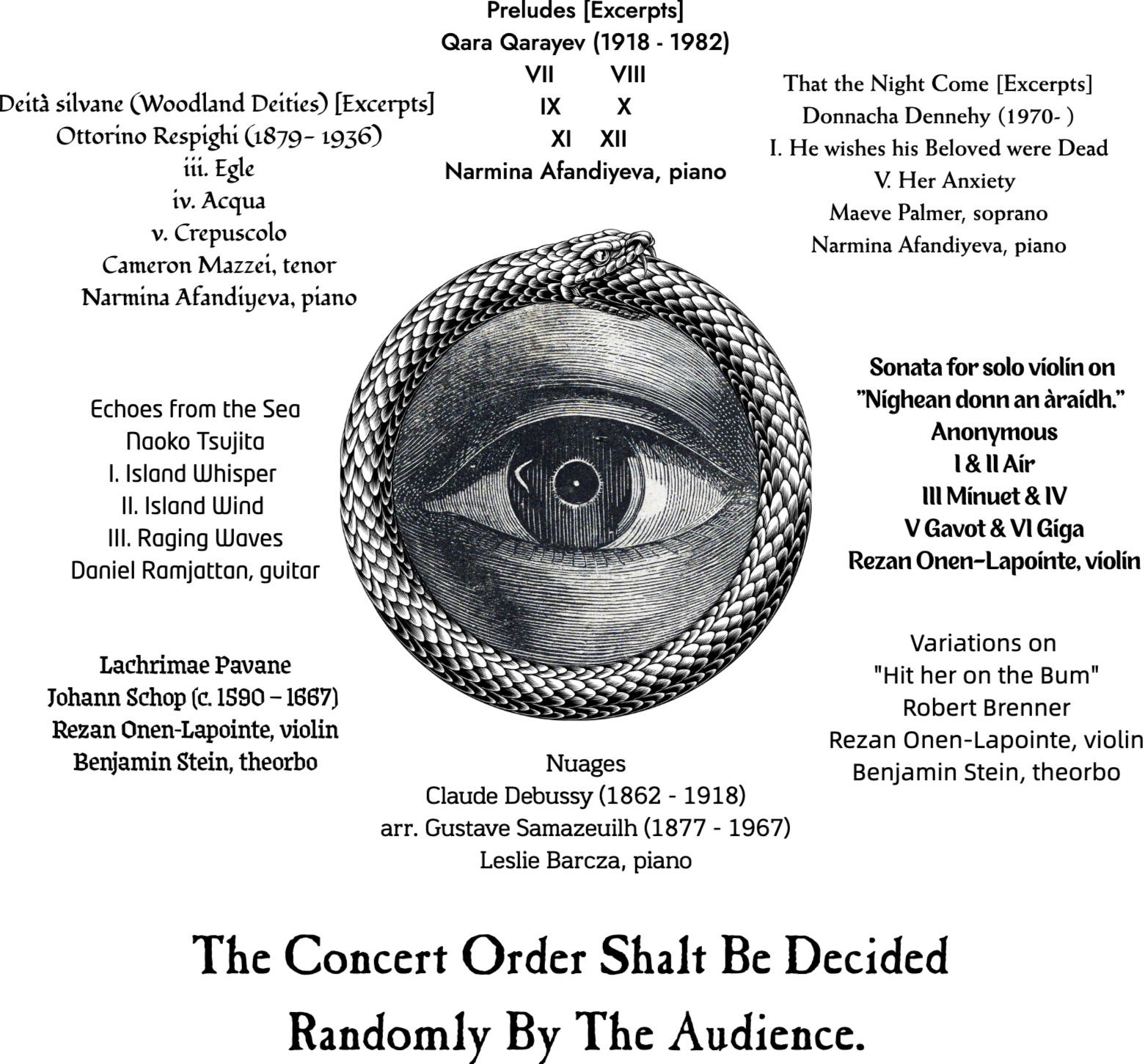
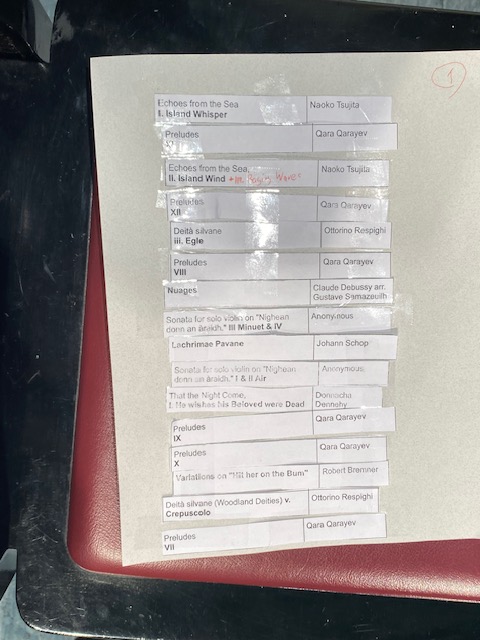
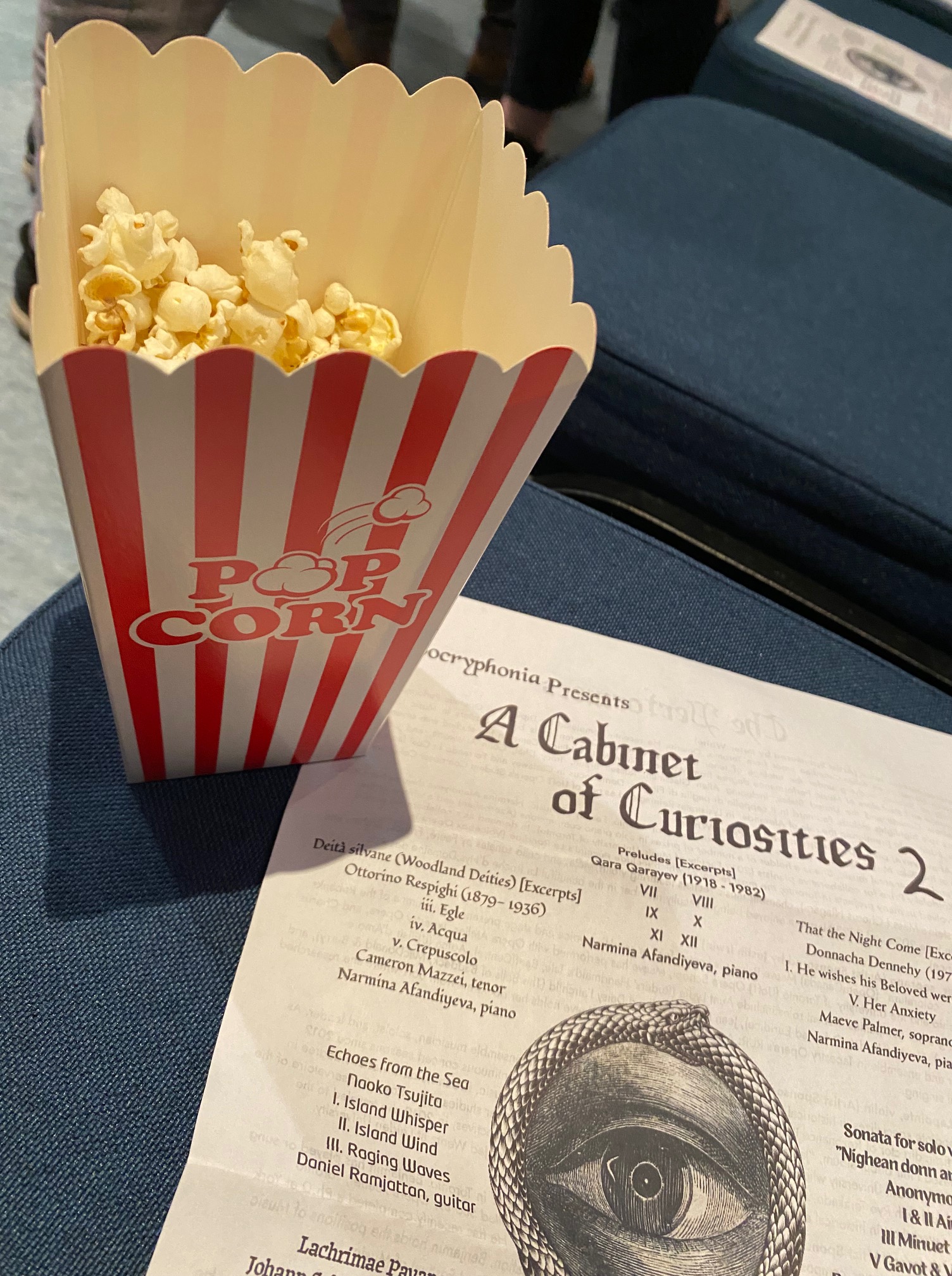
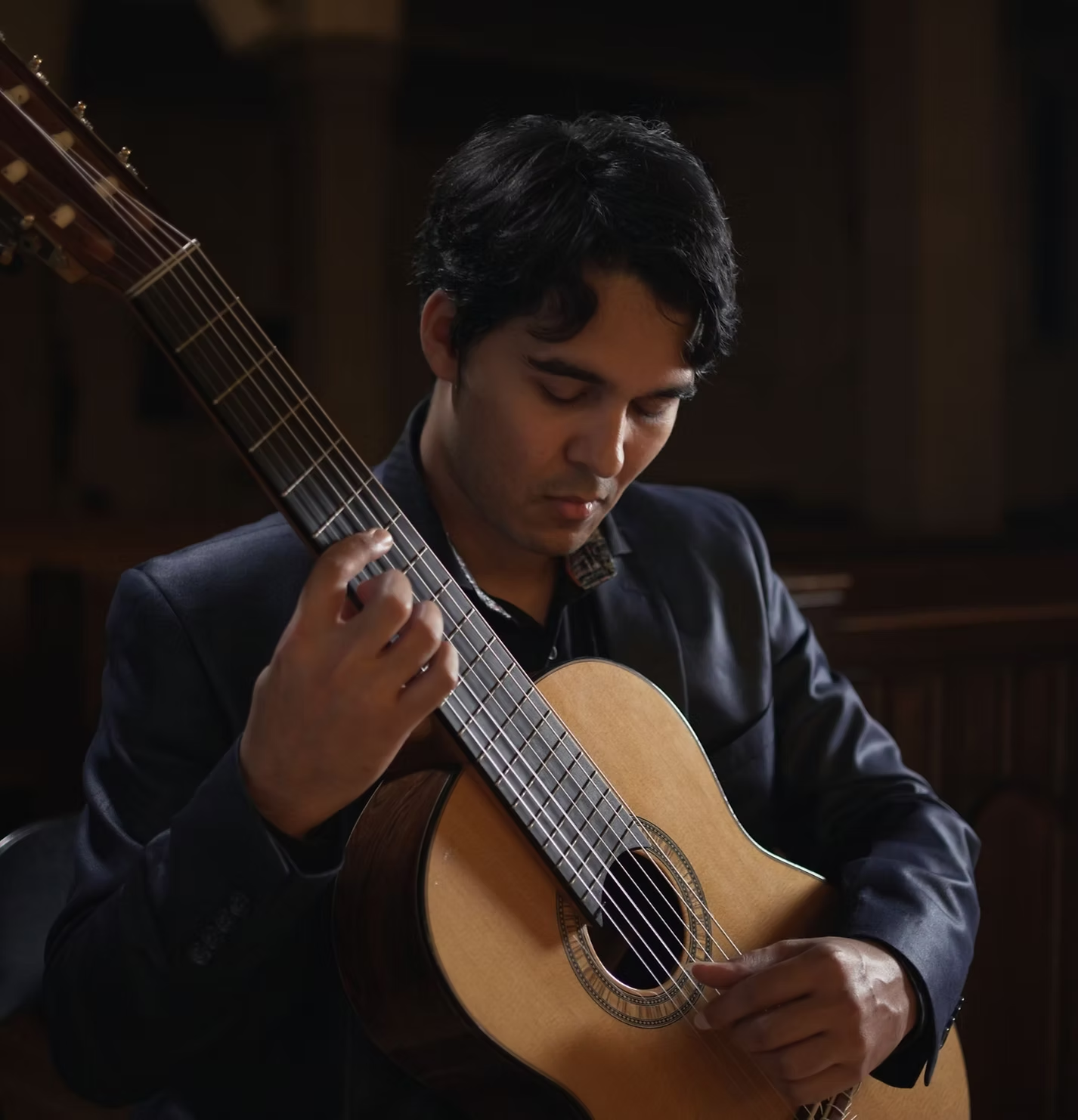

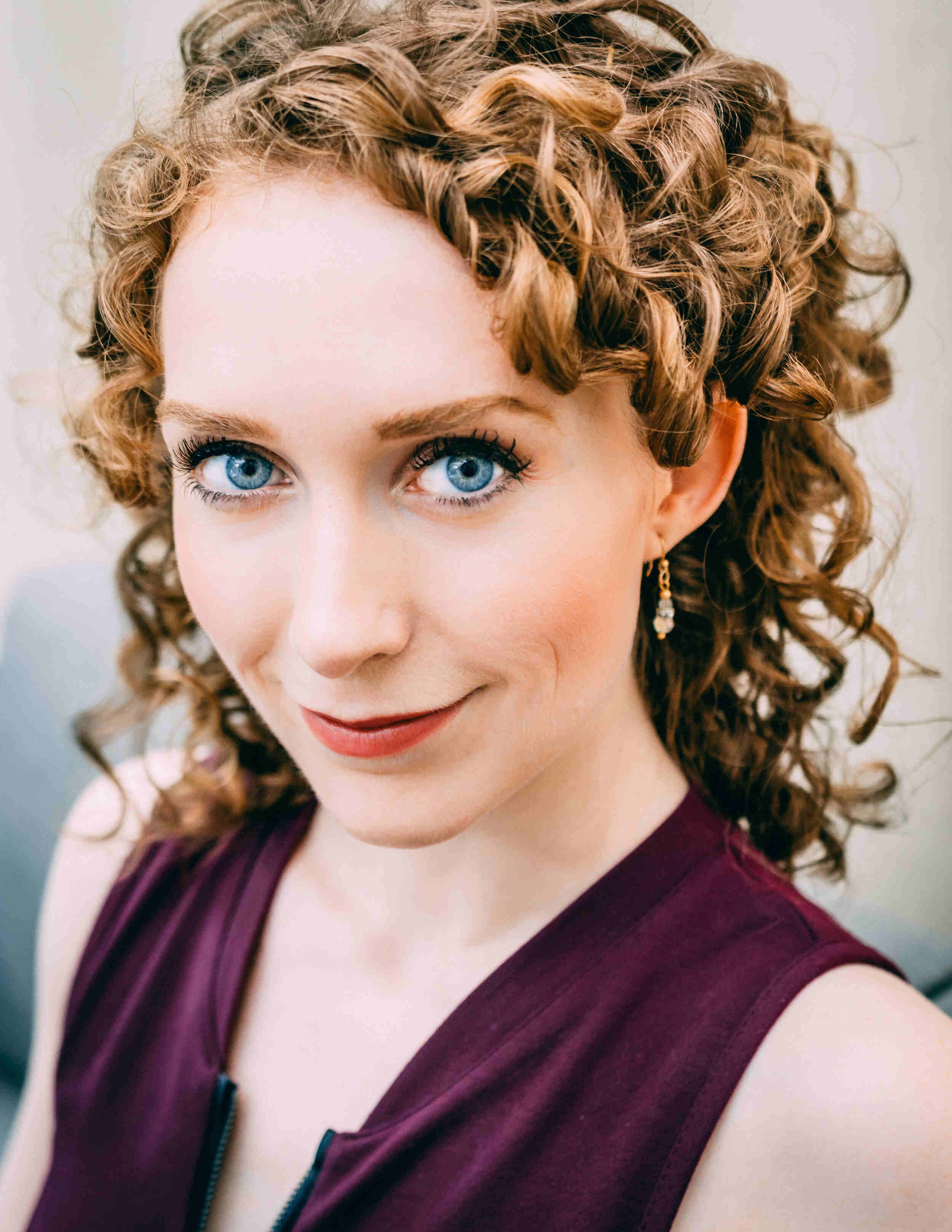

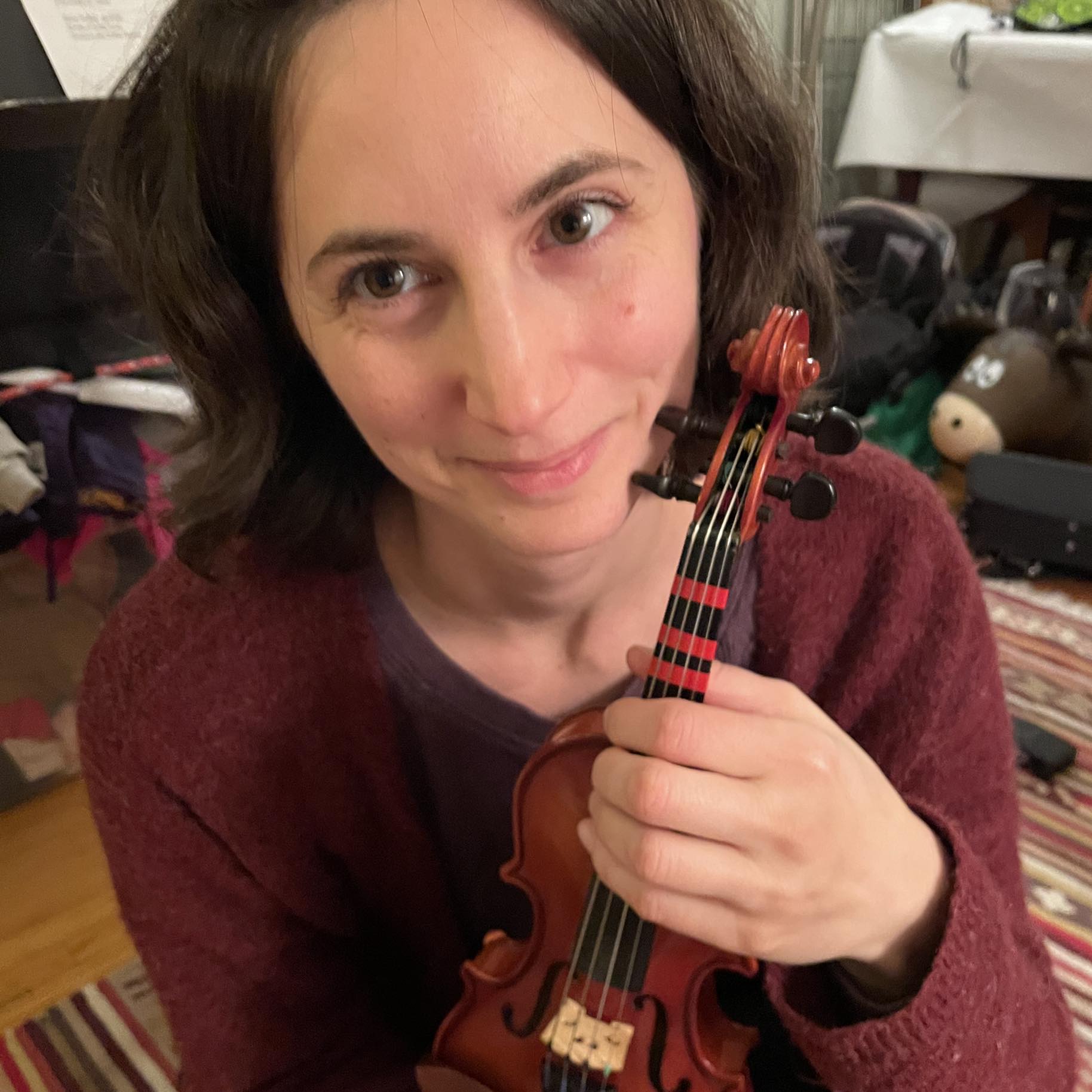
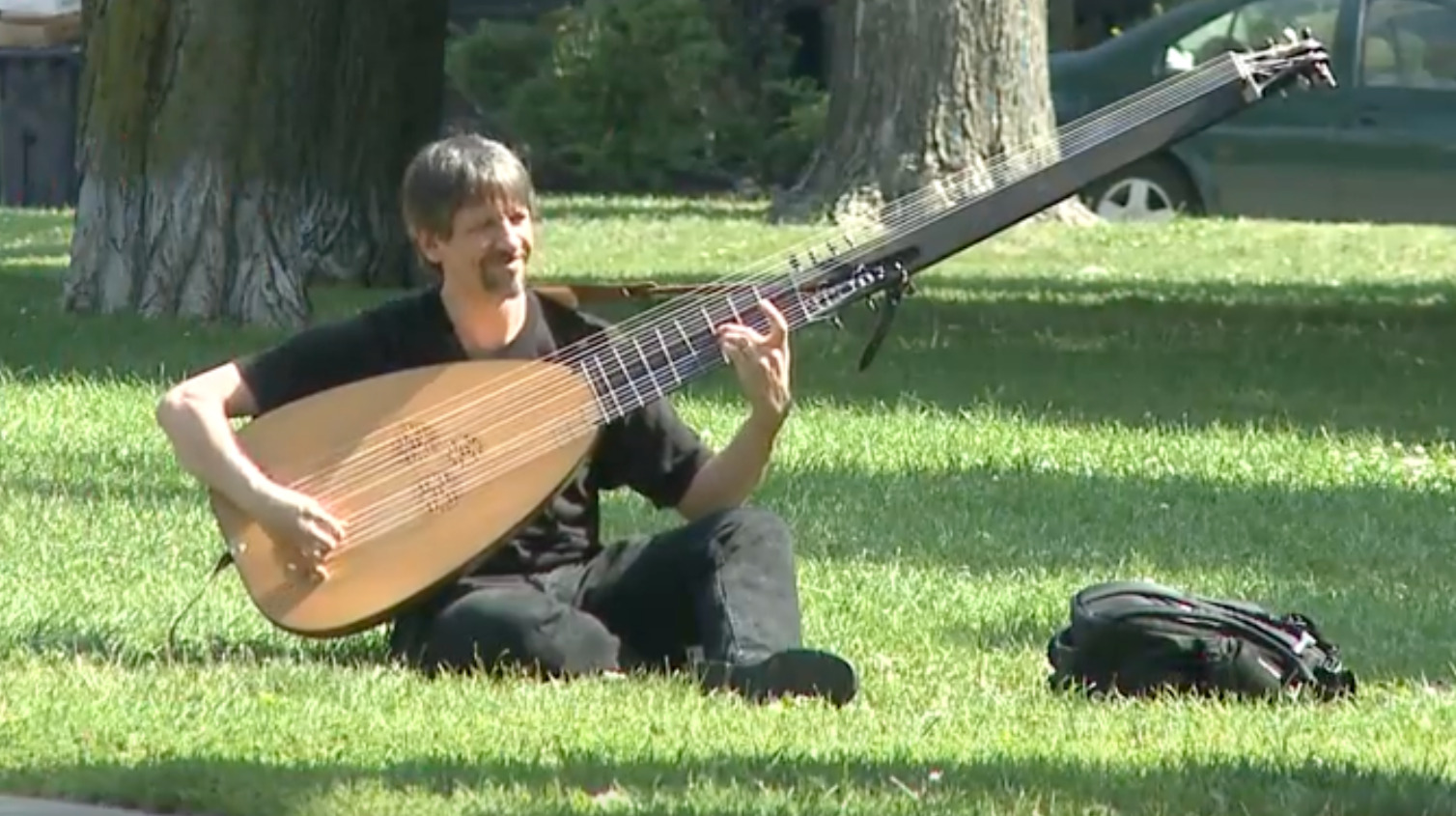



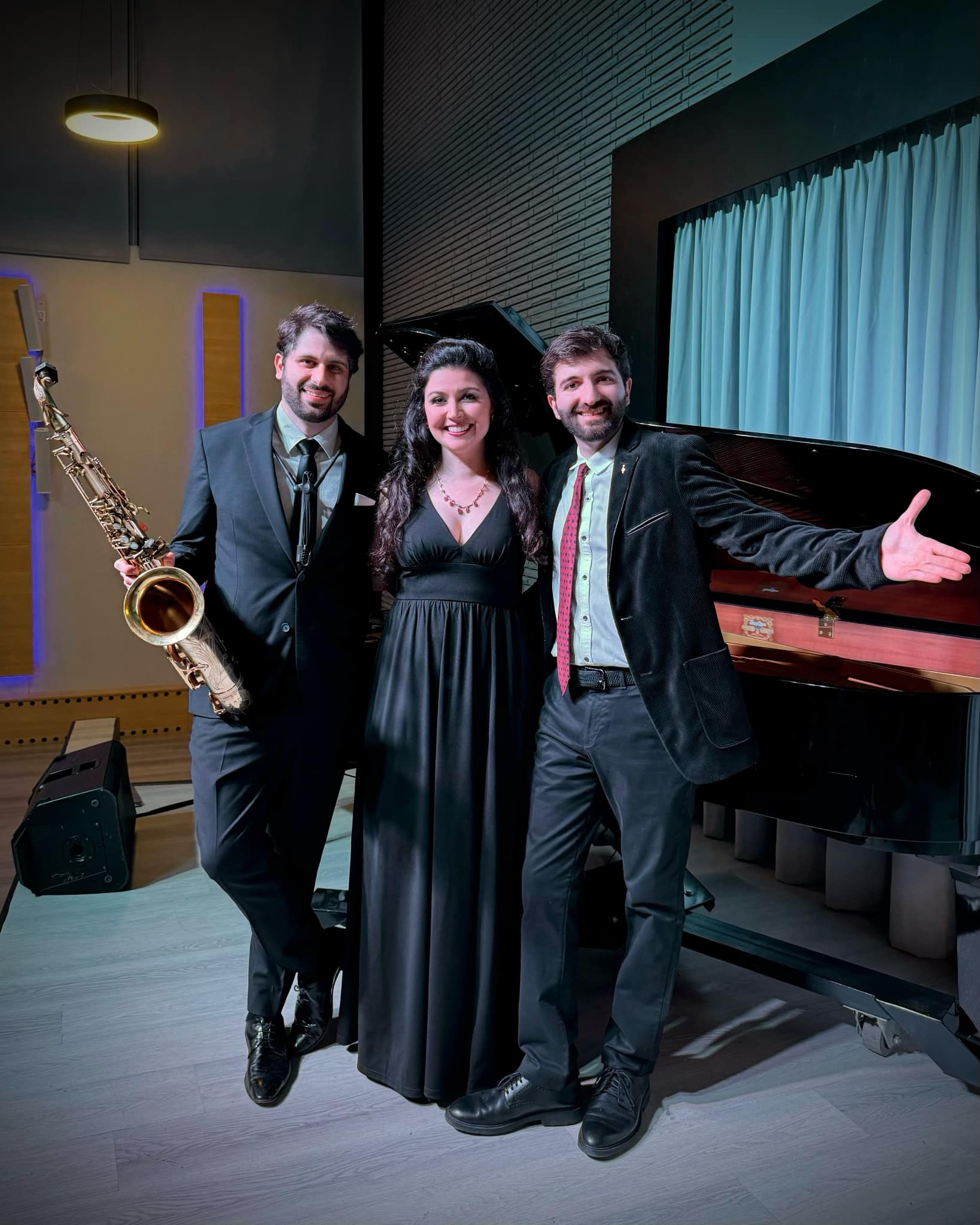
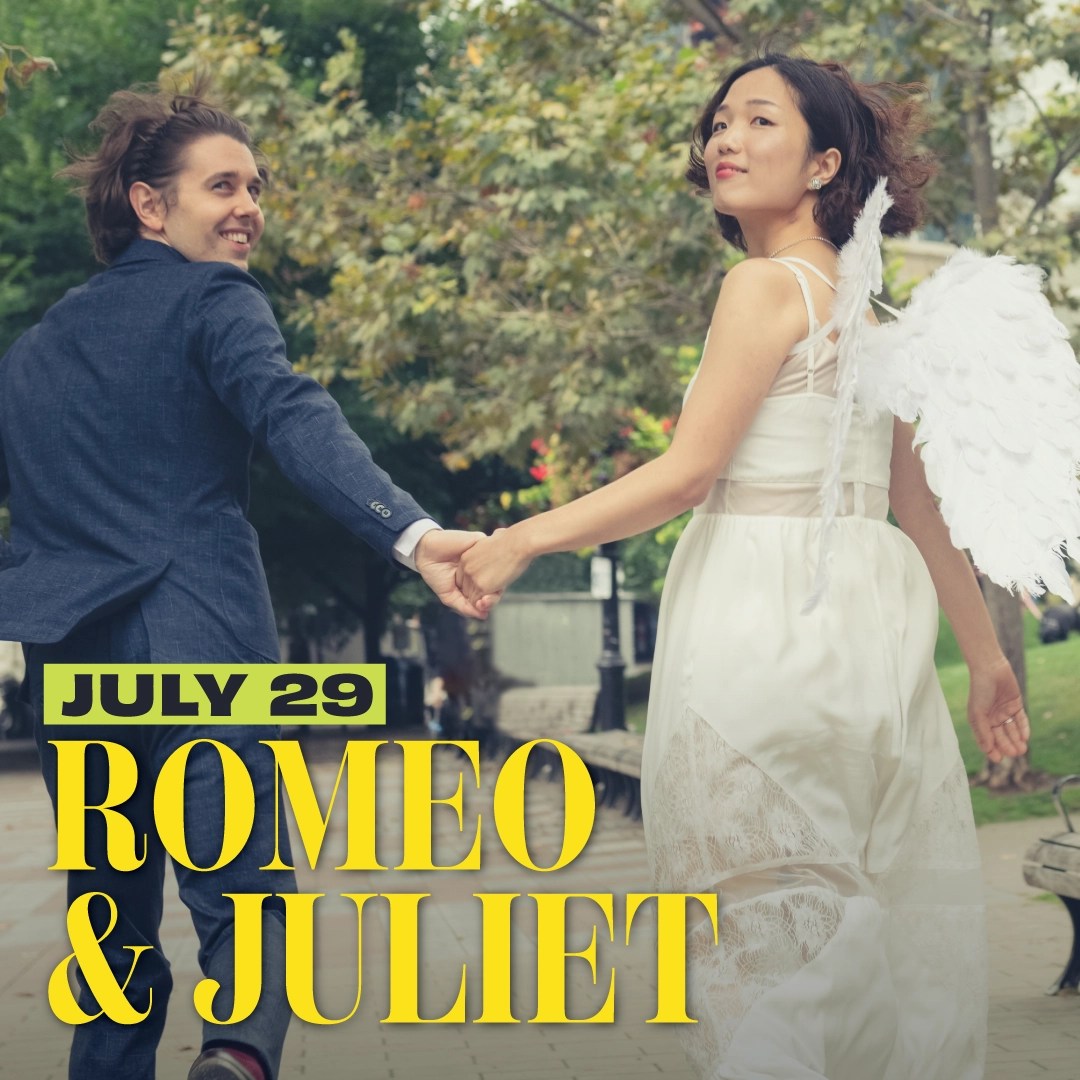




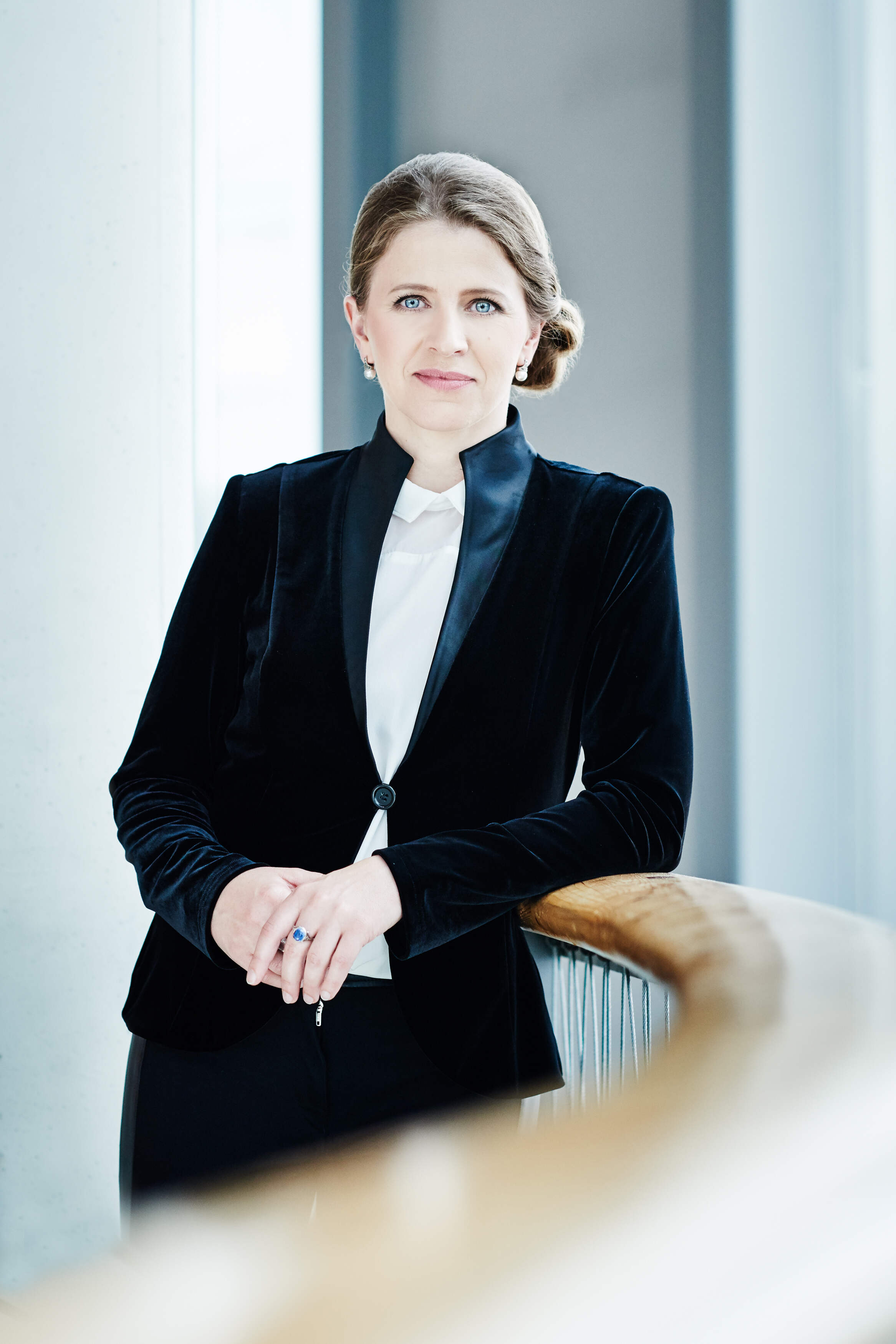
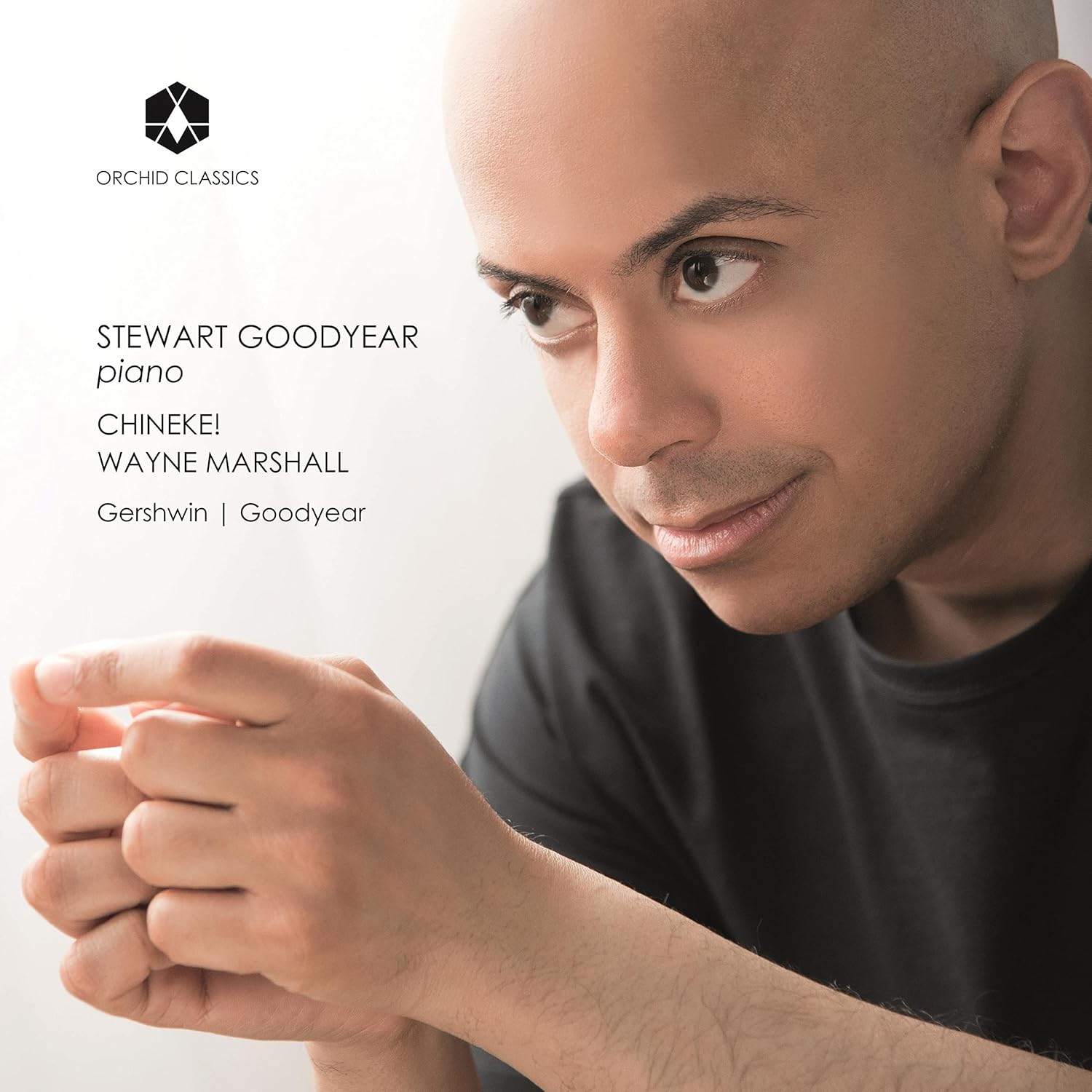

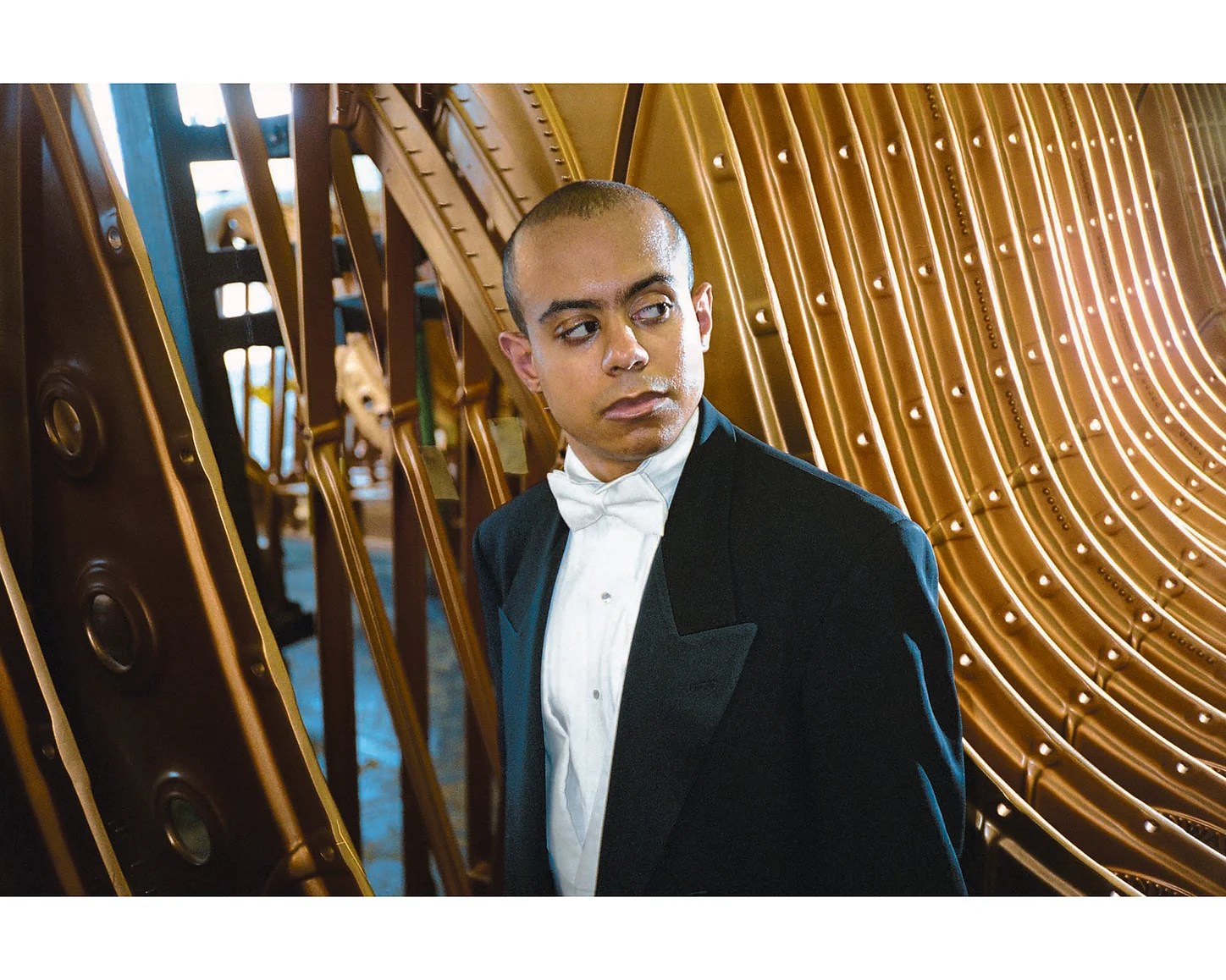
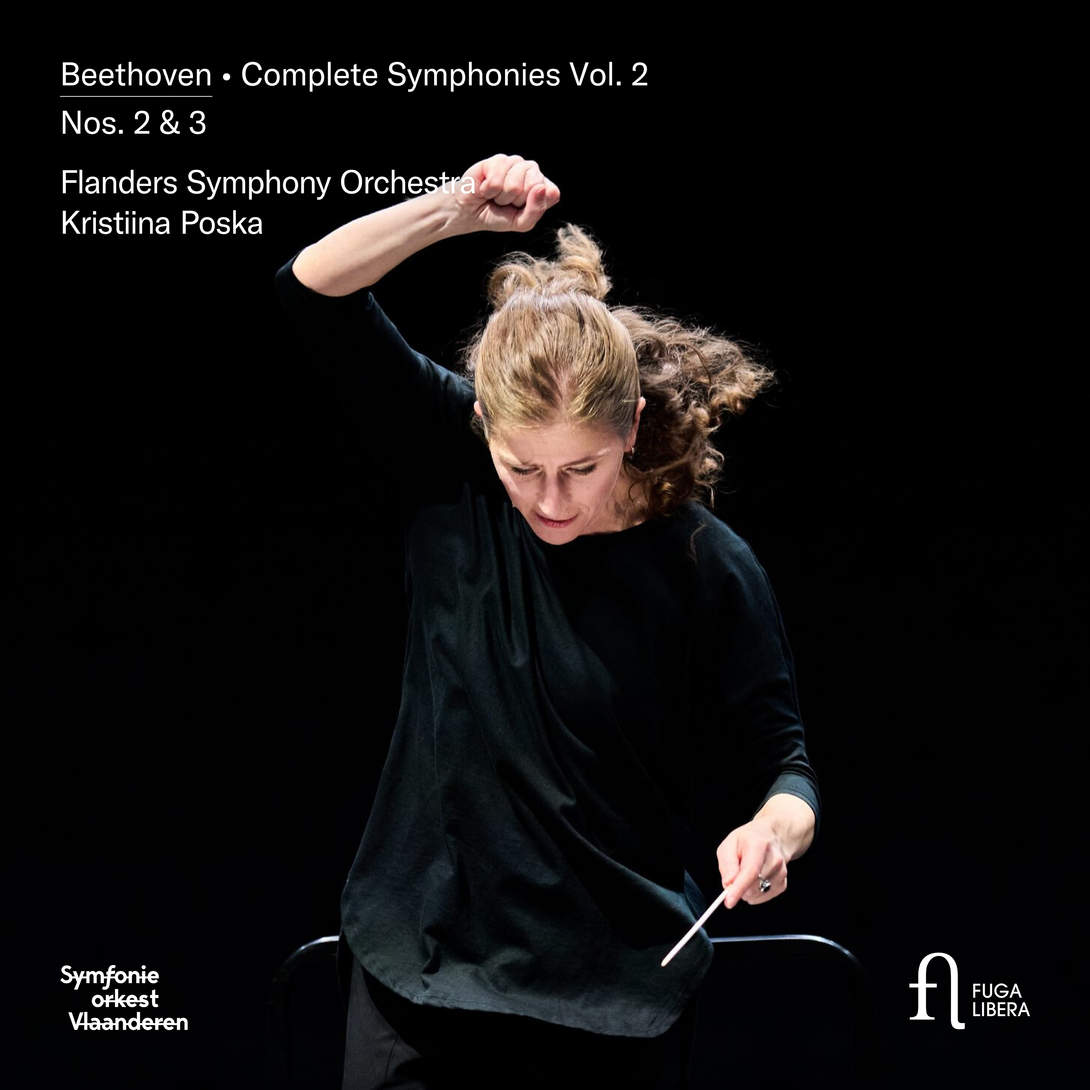

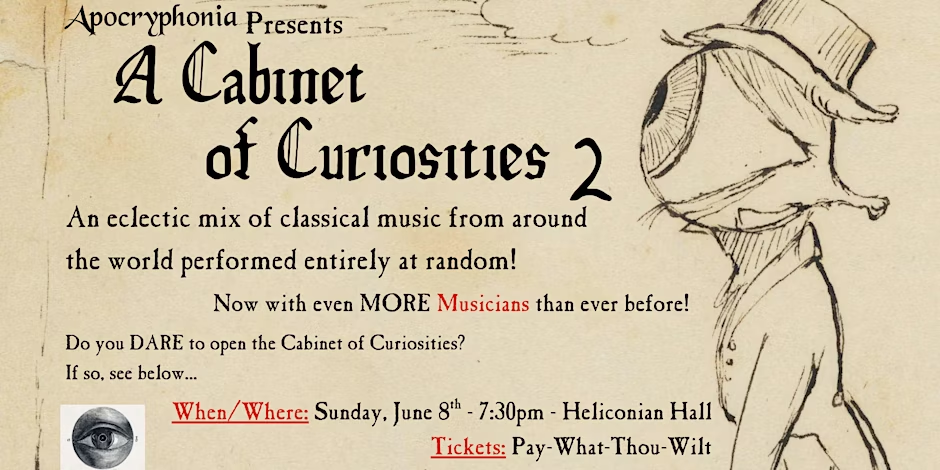
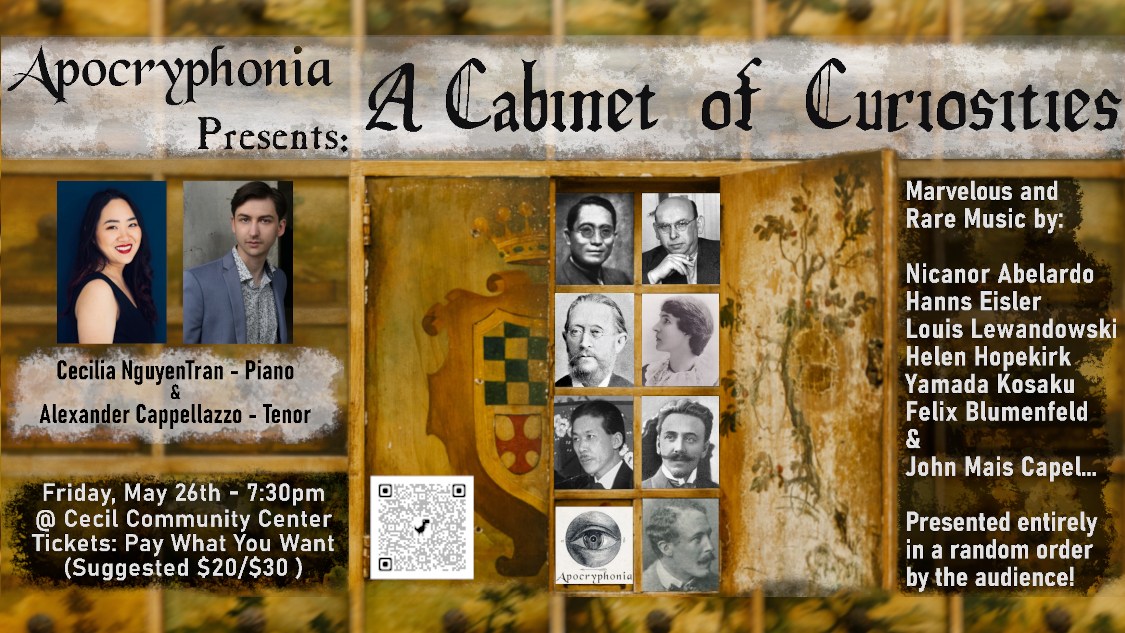
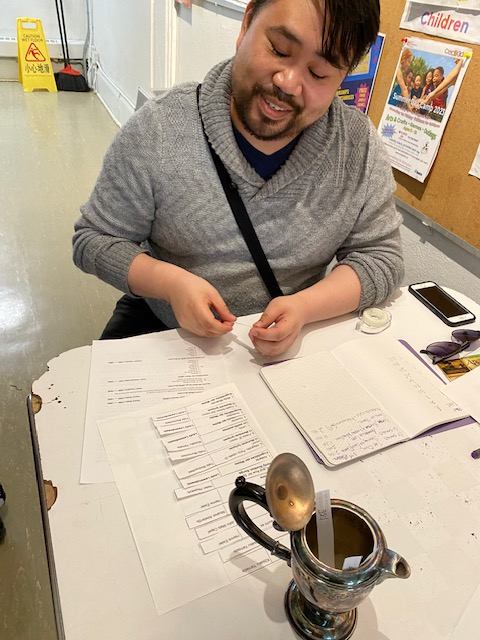

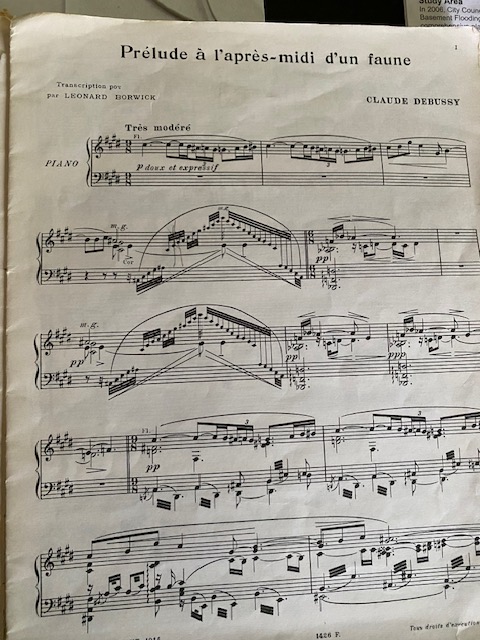


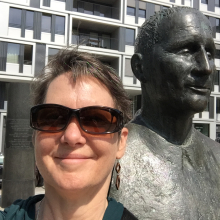

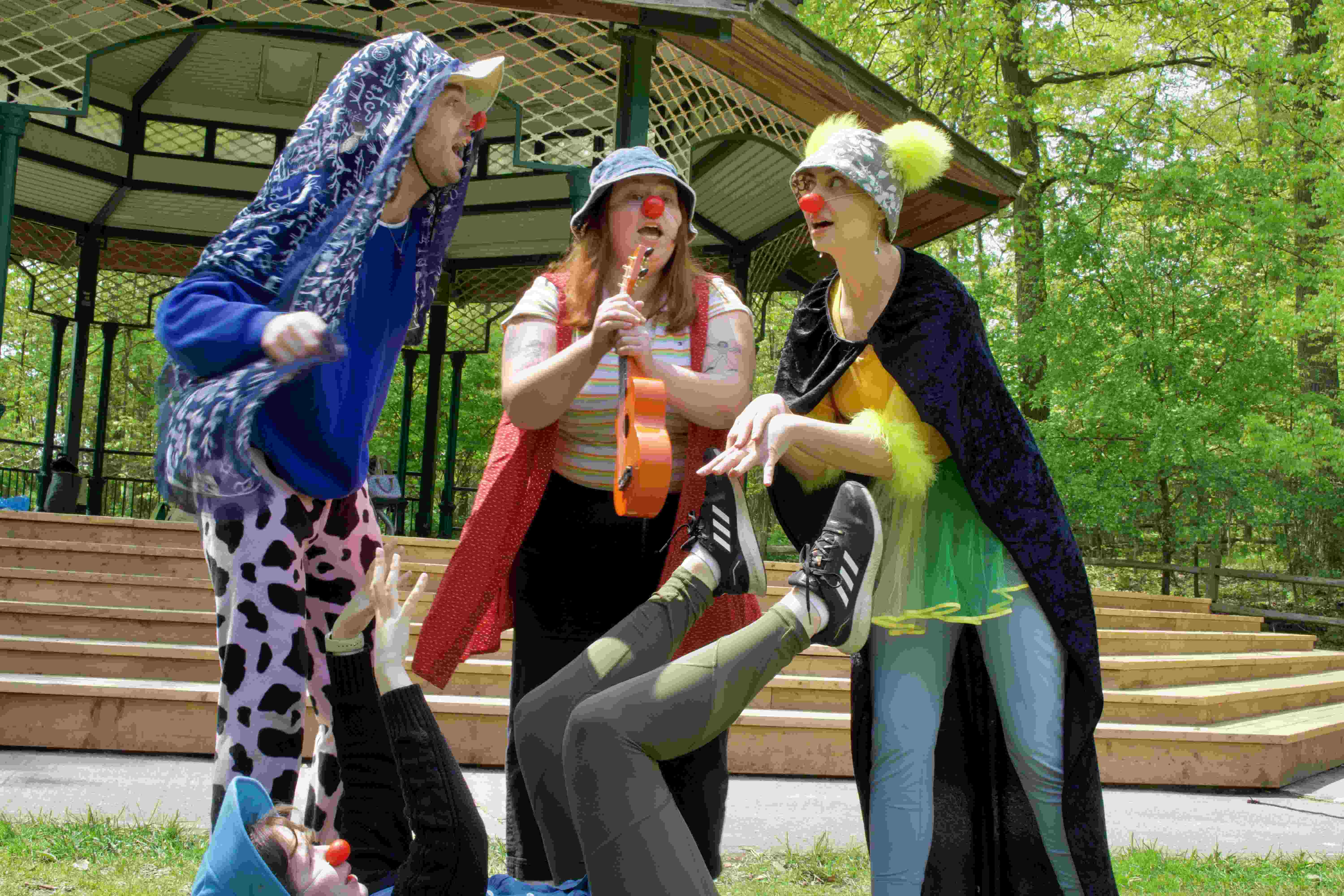
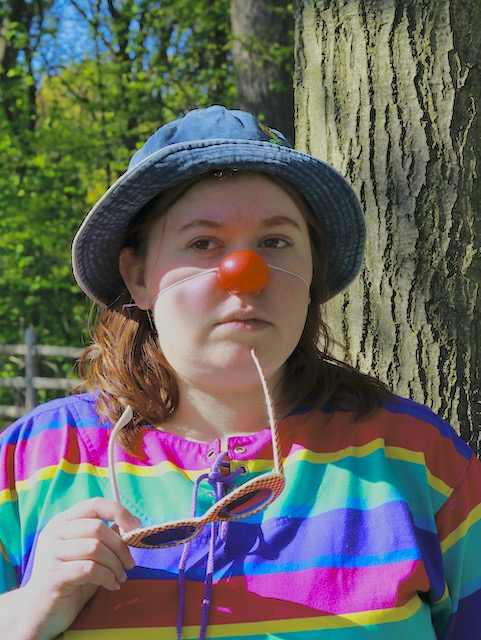

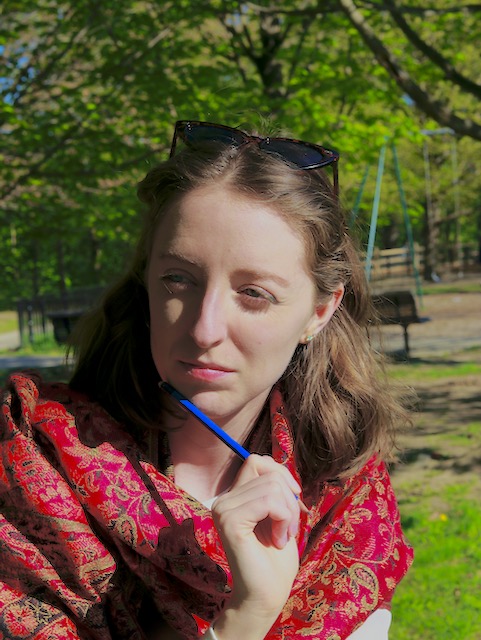
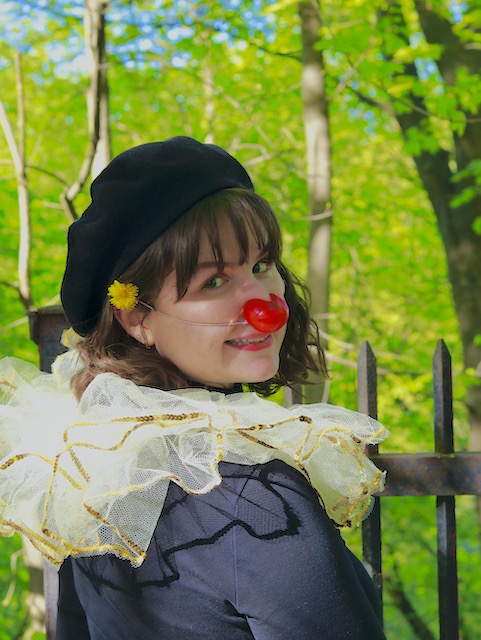
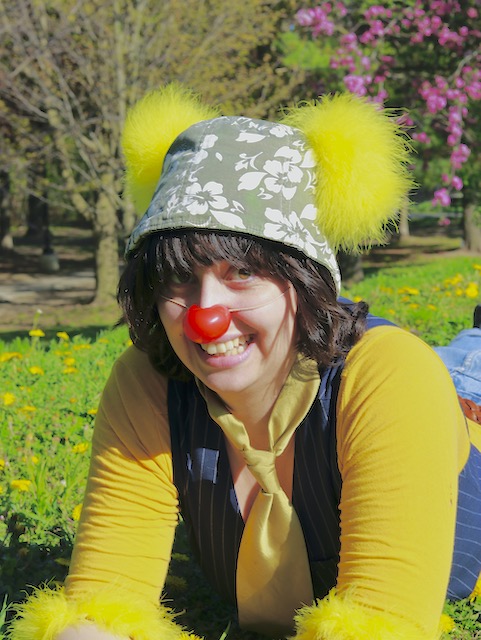
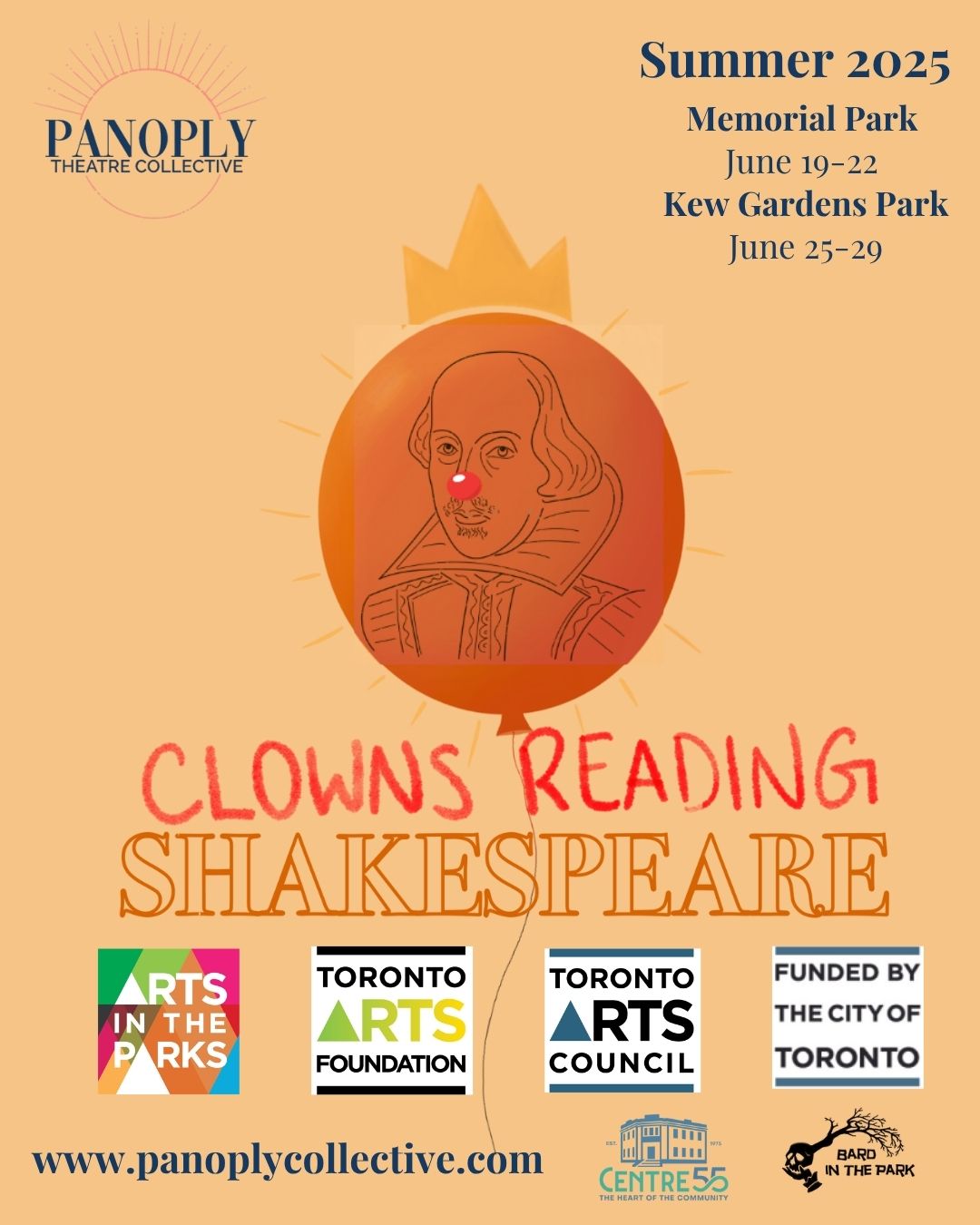


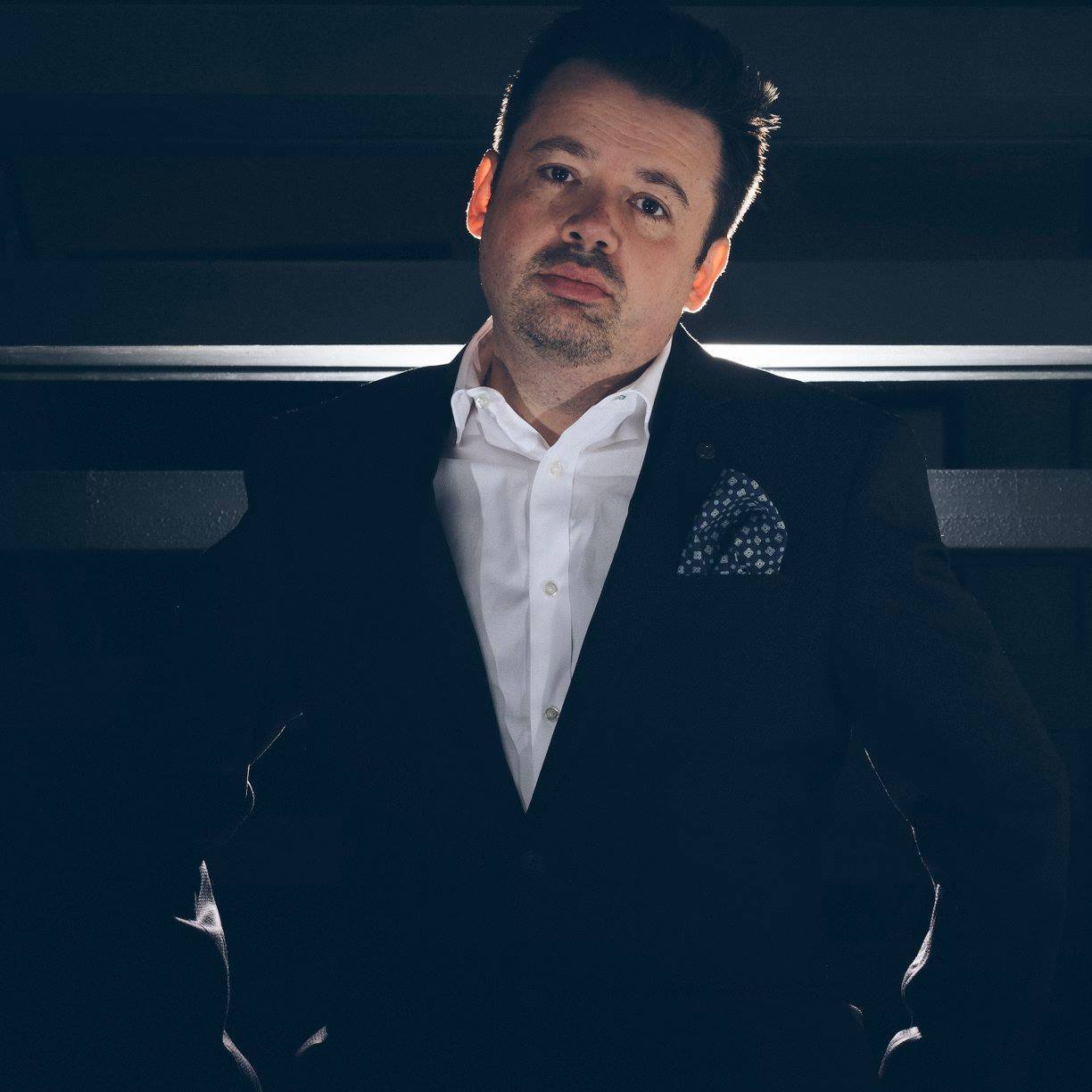


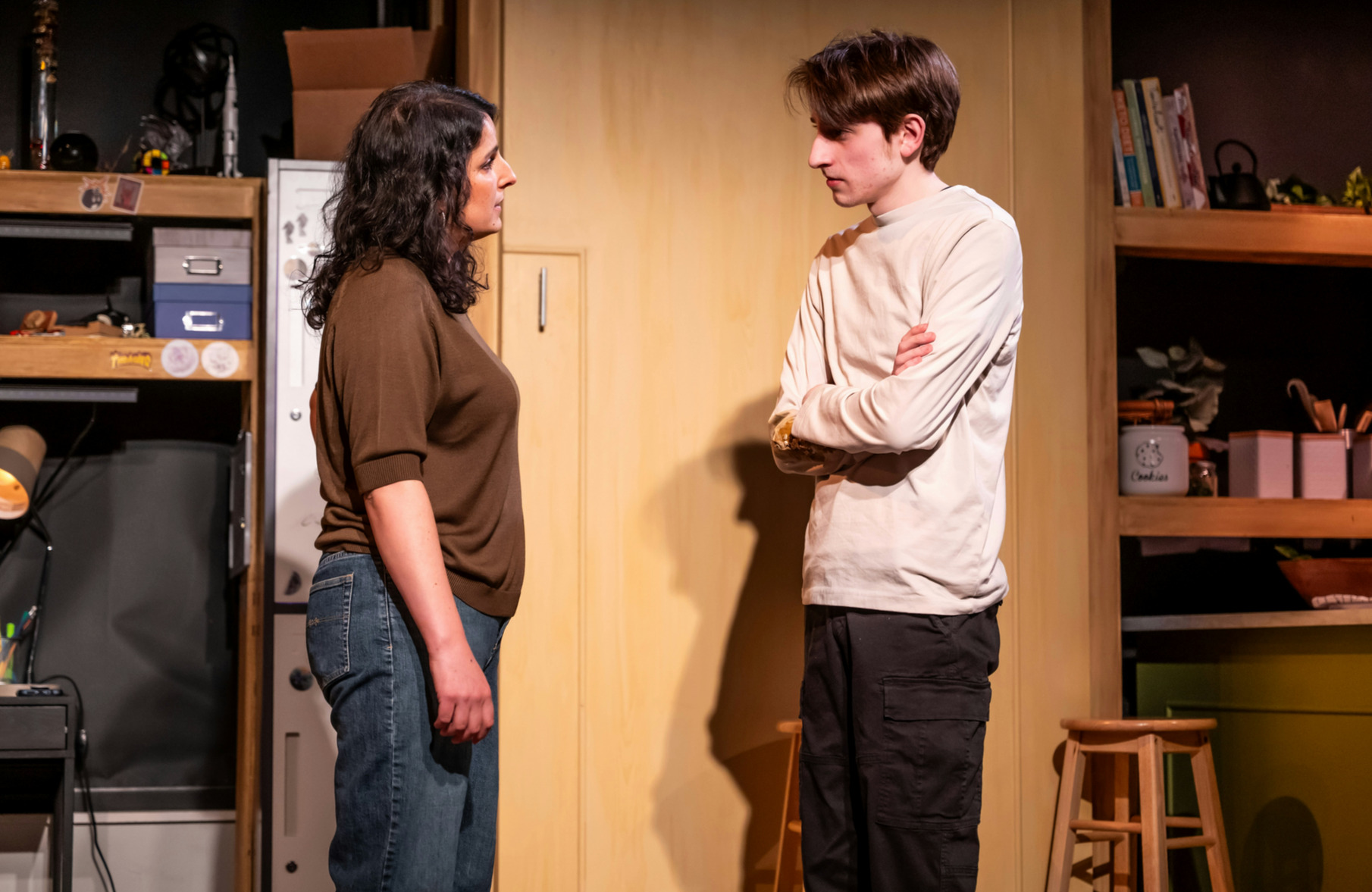
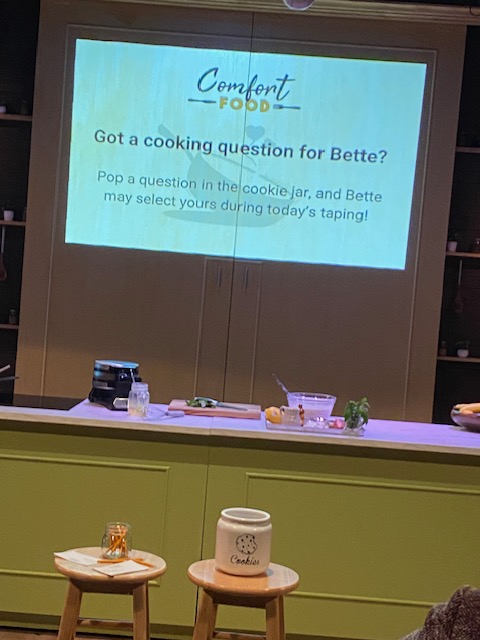
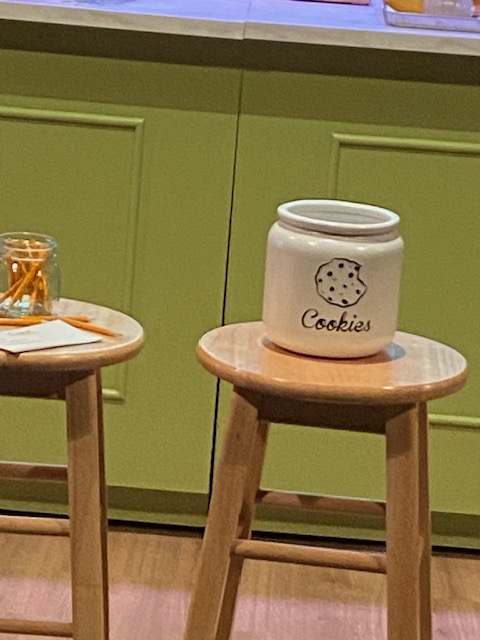
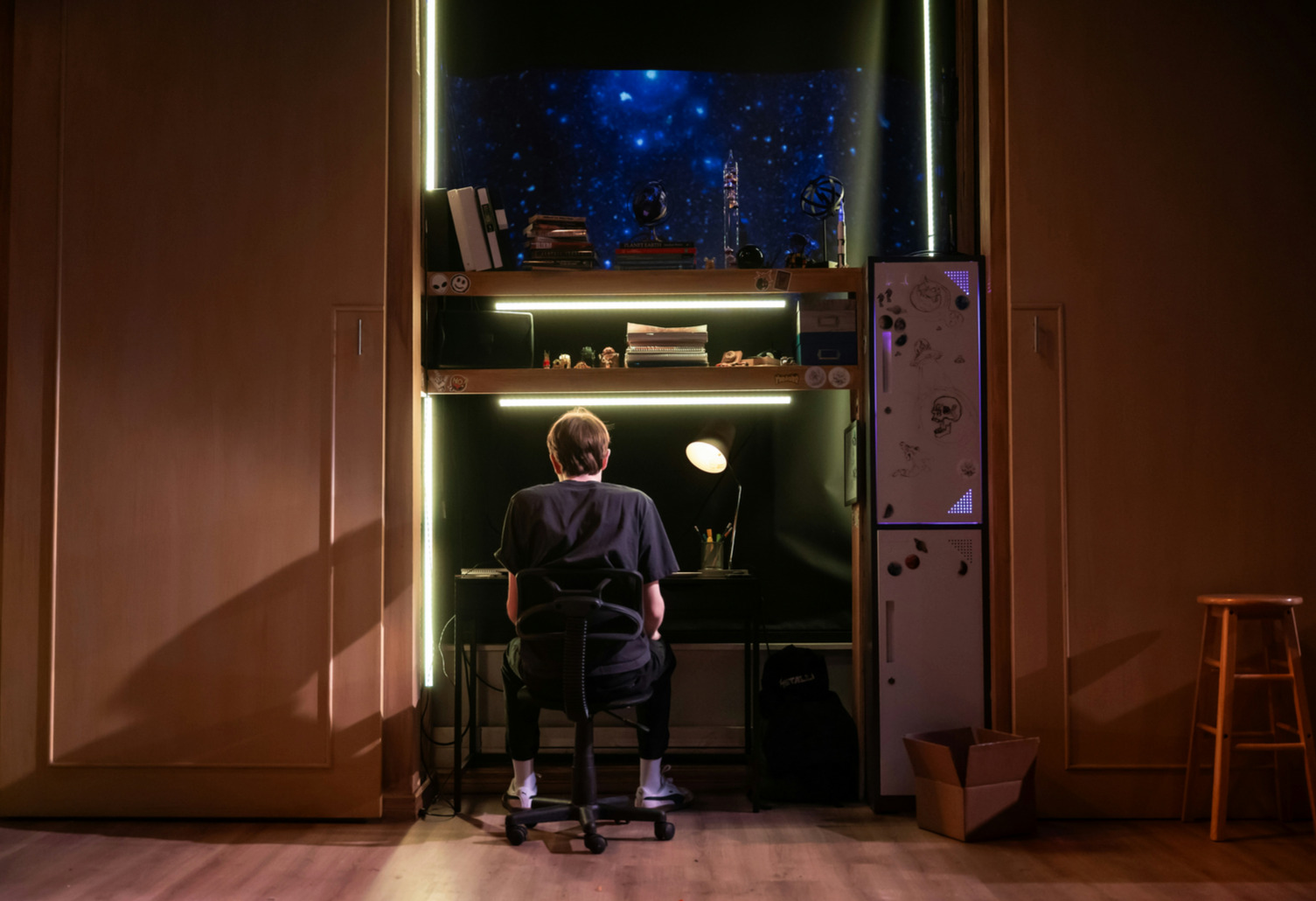

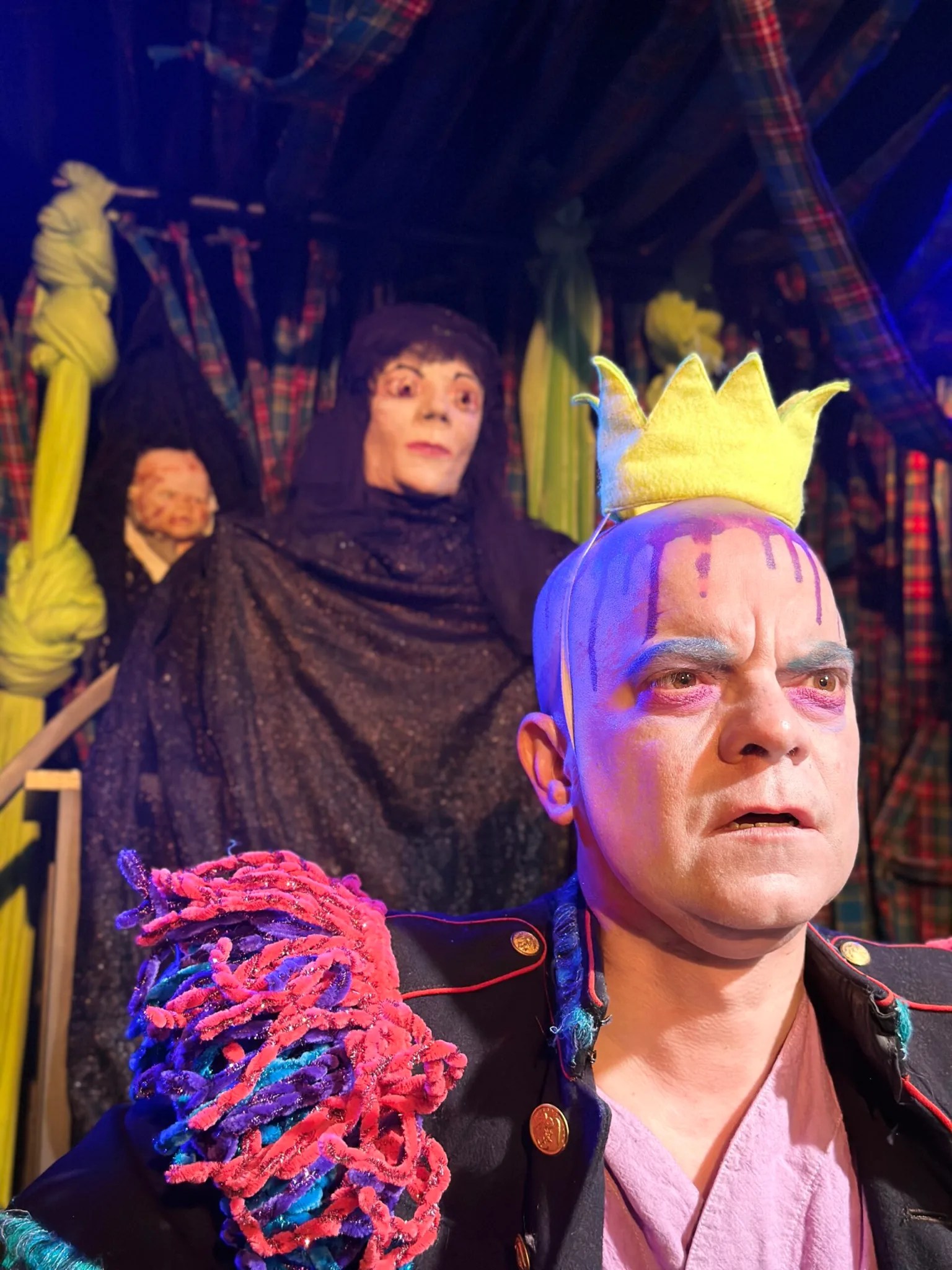

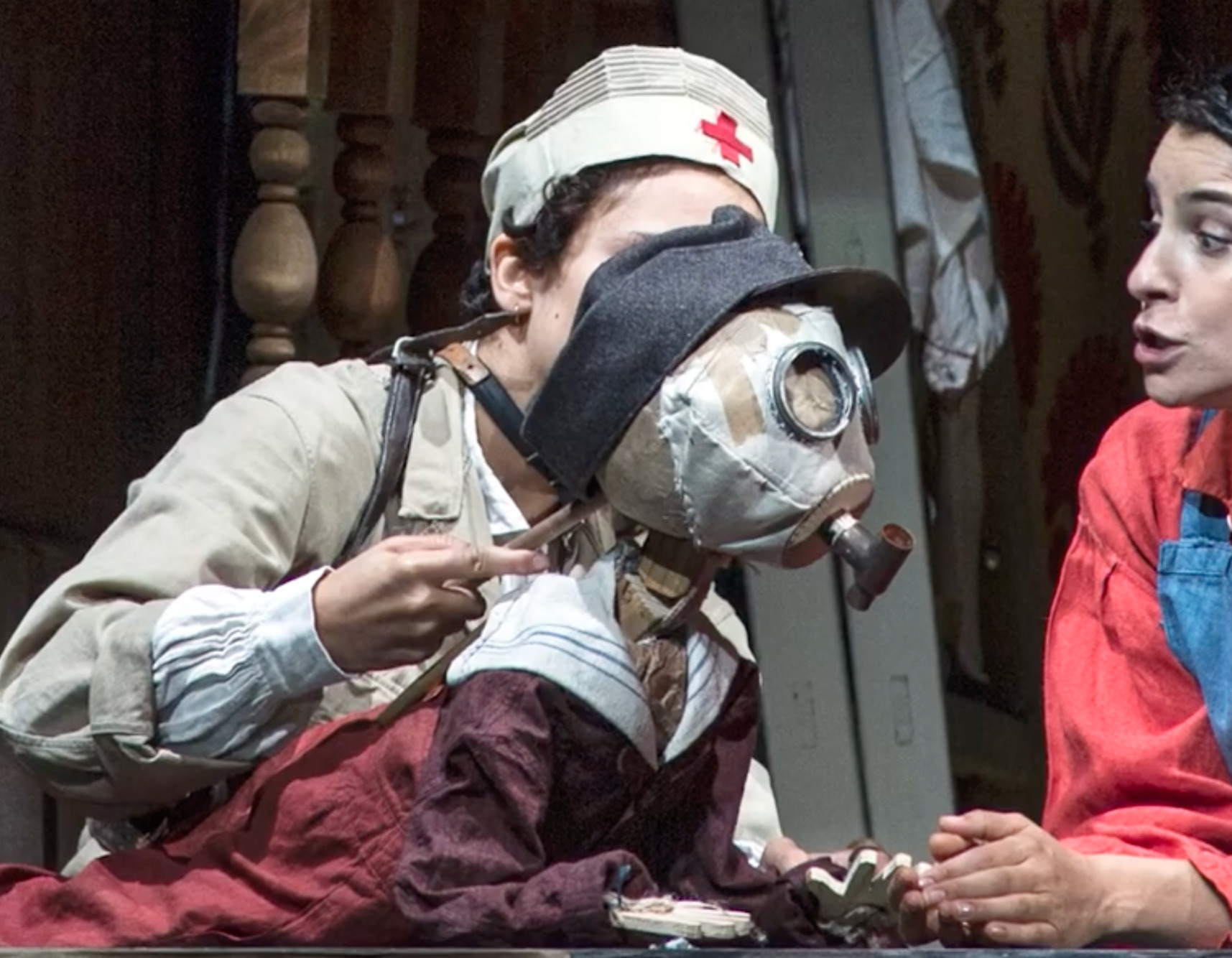


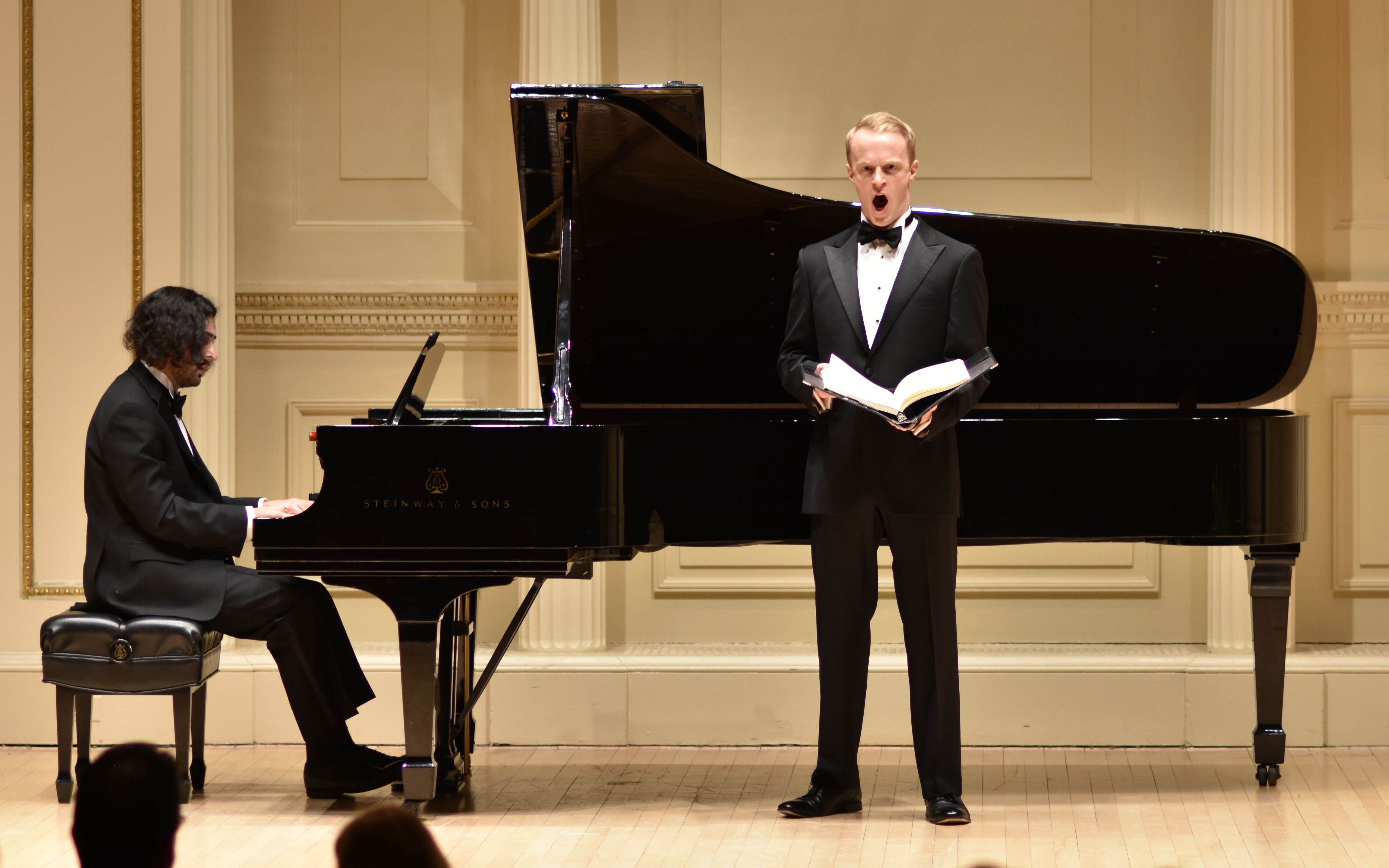





 barczablog