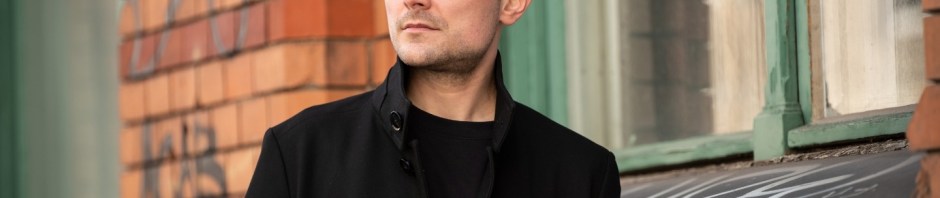
The Tafelmusik concert I heard Friday night at Koerner Hall makes an interesting chaser to the Toronto Symphony Concert I saw Thursday, my previous lengthy rapturous review. Yes there’s a lot going on in Toronto, and these two concerts on consecutive nights were irresistible for more than one reason.
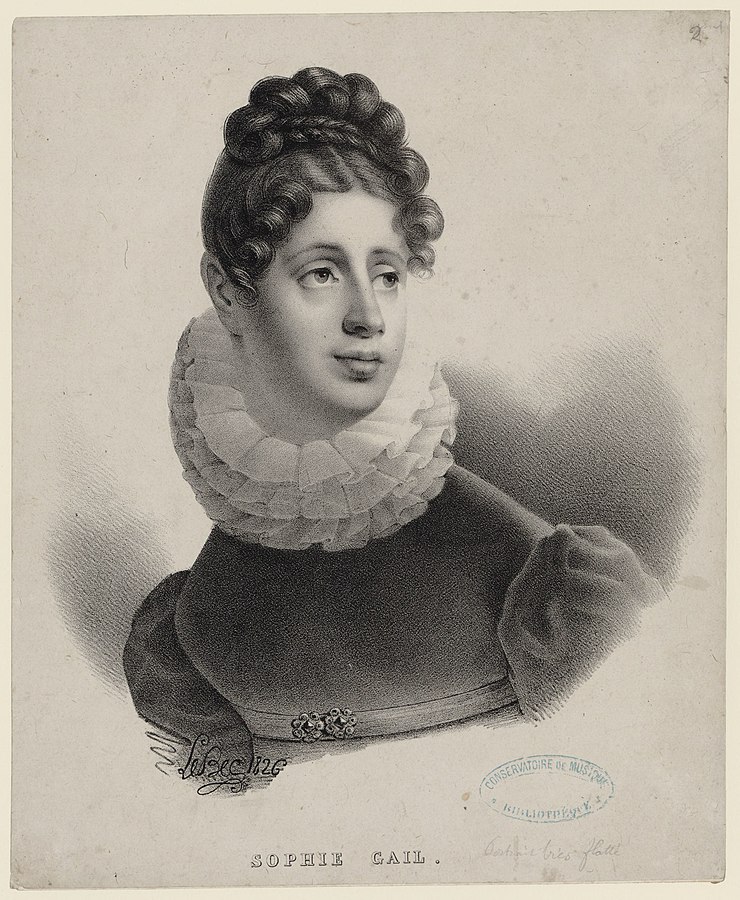
Thursday I saw the World Premiere of Linda Catlin Smith’s piece The Horizon. Friday I saw what was assumed to be at least one Canadian premiere of a two hundred year old piece, Sophie Gail’s Overture to La Sérénade (1818) neglected surely because of the gender of its composer, not the quality of the composition.
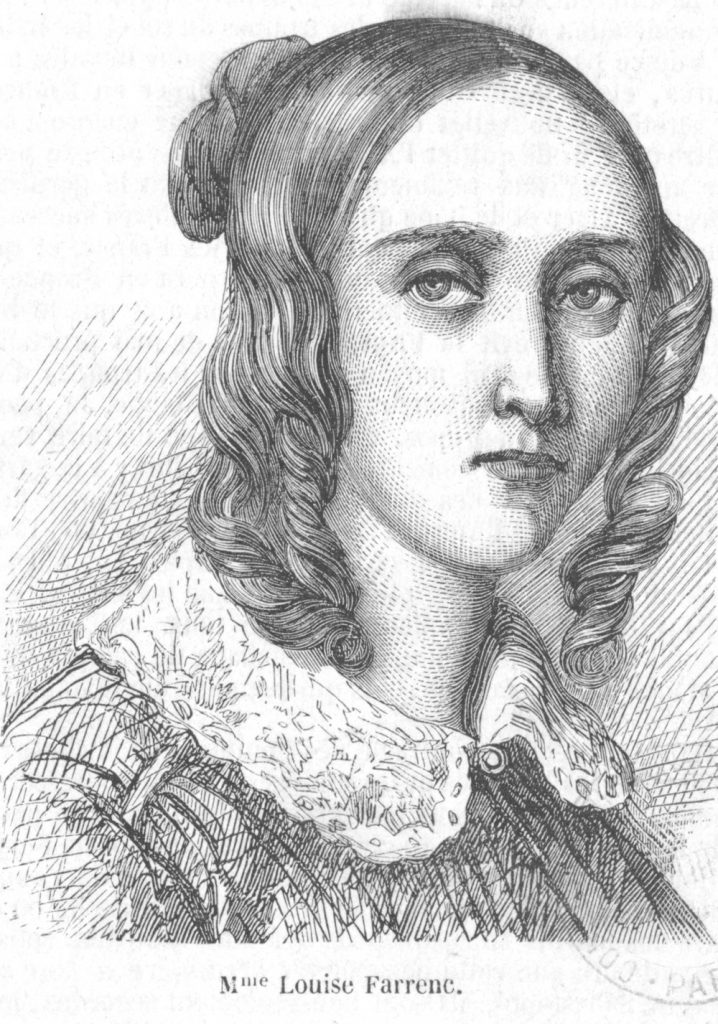
We also heard Louise Farranc’s Symphony #3 (1849), a work likely being heard for the first time in Toronto, possibly even another Canadian premiere.
Perhaps the world is changing, as there are more opportunities to hear music from women, whether the piece is new music or a rediscovered work previously neglected & forgotten.
What was different was not just the choice of music but the approach.
I went back to listen to Bruno Weil leading Tafelmusik in Beethoven’s 7th, which confirmed for me that this was different. Some of the difference may be skills of the orchestra, who are sounding ever better especially when it comes to the brass & woodwinds of a brash piece like the 7th. But I feel Weil’s reading pales beside what Jakob Lehmann showed us, a young conductor who seemed to light a fire under the orchestra, even as he led with discipline & firm control. Some of the loud dramatic exchanges in the first movement land with violence, but with a strong sense of intention & purpose. Our experience of Beethoven was beyond inspiring, not just because we couldn’t sit still, watching and listening. A familiar piece sounded brand new.
In passages where there’s a dialogue between voices, Jakob played up the drama, almost seeming to tell the orchestra “what do you say now” and turning to the answering group with an expression seeming to say “and how do you answer that”, clear gestures, remarkable energy in his body, and clarity above all. It was a bit like watching Jakob give a TED talk to the orchestra, who seemed to be inspired to play better than I have ever heard them play.
The audience seemed eager, ready to embrace what we heard, louder and more boisterous in response than any Tafelmusik audience I have ever seen. Full disclosure, I used to be very careful because literally every time I would go to Tafelmusik and bravo loudly some person in front turns to look at me with a look of scorn as if to say “shut up”. There’s a former Tafelmusik violinist with whom I dialogued awhile back who had the same experience, being shushed by a repressed person behind them. Ah but last night was different. I wasn’t the loudest, even if I did bravo a great deal. But Ann Cooper Gay beside me was every bit as enthusiastic, the chap beside her was also making a big response, as was a boisterous fellow in front of us. Maybe Tafelmusik should embrace the romantic rep, given the wild response we all made, responses to Beethoven and to Jakob.
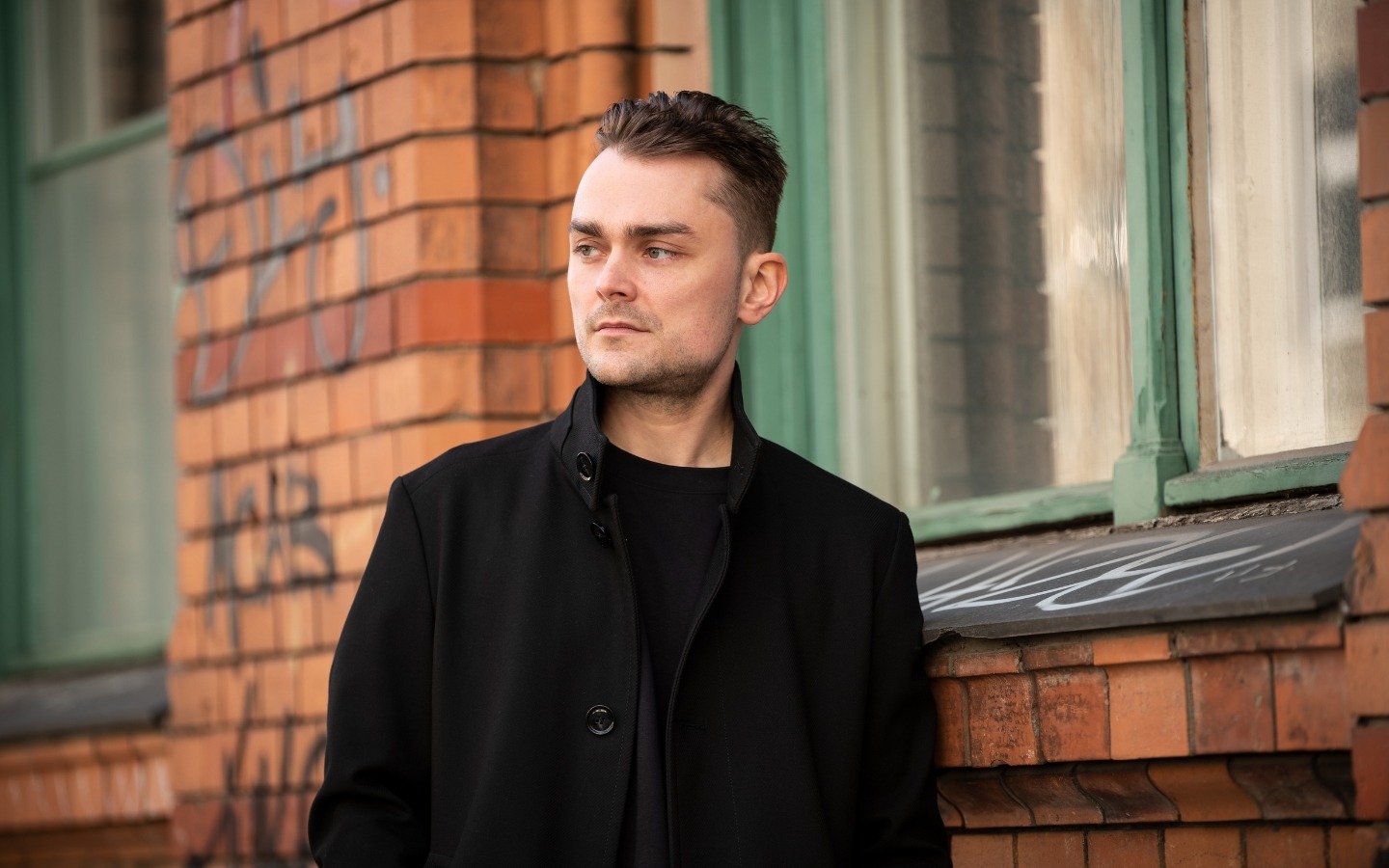
Ann and I were trying to figure out how old Jakob might be. No I don’t mean to be age-ist or to discriminate. Far from it. But in the musical world age can be understood at least two ways. When you’re young there’s something special about a prodigy. I recall the aura with which we listened to Jan Lisiecki when he was younger, and maybe the same thing applied at one time to Yuja Wang. I wonder, is it an asset to be young when you come to conduct in a new country, perhaps with dazzling press & reviews to aid in making an impact? I think I’m more impressed if all this energy & creativity comes from a young conductor, and no I don’t need to know his credentials to see the chemistry. There’s no mistaking it, when you hear the music played so beautifully, so intelligibly, with so much clarity. He is very musical.
Jakob showed us something remarkable, both in the unknown works and the familiar one. He didn’t use a baton although I see a baton in some of his YouTube videos. The young conductor showed a lot of humility in what he said before the concert and in how he acted accepting applause generously with the orchestra and even holding up the score, to share credit with the deceased composers. He seems like a really nice person.
I was not surprised to discover that Jakob is a bit of a Rossini expert, listening to Sophie Gail’s Overture to La Sérénade. There were passages where the orchestra happily offered up a melody, that sounded decidedly bel canto. I didn’t feel we were hearing something new or radical, but something congenial, indeed something that the orchestra had understood, the way they played it with so much charm & charisma.
And when we came to Farranc’s Symphony, there was no sense that the newness of the work was in any way a challenge to the orchestra. The G-minor work started slowly, building great drama in the urgent unison string passages. There’s a lovely Adagio cantabile slow movement in E-flat, reminding me a bit of the Beethoven 4th (although the relationship there is not quite the same, as the symphony is in B-flat rather than G-minor, although they have the same key signature).
The scherzo is subtle as quicksilver, reminding me a bit of Mendelssohn & his faery music (thinking of Midsummernight’s Dream overture). There’s a trio with lovely winds accompanied by delicate pizzicato strings. For the concluding movement I was again thinking of Mendelssohn, the loudest passages always disciplined & never excessive.
I recall seeing somewhere that violist Patrick Jordan said on social media that he wished that he could hear this concert. I sense that this is very exciting for some of the orchestra’s players, that they’re pushing the envelope even if it’s far earlier than what we usually hear from the TSO.
Am I foolish to speculate as to why Farranc is not better known? nevermind about writing something like this in 1849, the last year of Frederic Chopin’s life, when the edgiest works of that time were for example, Richard Wagner’s The Flying Dutchman (1843) & Tannhäuser (1845), of course her gender is the key factor. Yes some women succeeded as composers, thinking for example of Pauline Viardot, but she also made a name as a soprano as well. That was also the pathway for Sophie Gail earlier in the 19th century.
And at least we can listen to them now. Better late than never.
I can’t help thinking about context for the two concerts, Friday’s with Tafelmusik and Thursday’s with Yuja Wang and the Toronto Symphony. They are more than orchestras, they’re institutions that mean so much more. They represent different lenses through which we understand music of the past. Sometimes their purview is very distinct, given that Tafelmusik are known as a baroque orchestra playing older repertoire on original instruments while the TSO are modern through and through, Gustavo Gimeno boldly leading them in recordings of Bartók or Stravinsky. The oldest items on their current concert date from the early 20th century from Prokofiev & Debussy. They seem to have a clear understanding of their identities, seizing upon their skills & strengths to pursue objectives as far as image & a brand.
But sometimes their programming overlaps, as when the TSO does Messiah on modern instruments with the Toronto Mendelssohn Choir or when Tafelmusik venture past Mozart & Haydn into the 19th century: as they did Friday night, playing rare music from two women composers of the early romantic era, plus Beethoven’s 7th Symphony. Maybe this will continue to be a rarity, a venture by Tafelmusik out of their usual comfort zone.
I have been like a kid wanting to see Santa Claus but sensing that maybe the big guy in the red suit will never come, waiting for Tafelmusik to play and embrace romantic composers for literally decades. And so while I may have written a rapturous review of Yuja & the TSO, admittedly a superb concert, I am trying to figure out how to properly frame my report of the Tafelmusik concert I saw & heard at Koerner Hall.
This was Tafelmusik’s most exciting venture yet beyond the classical period. Last year they played Christopher Bagan’s re-orchestrated Pelléas et Mélisande for Opera Atelier, Debussy sounding very congenial under the baton of David Fallis, whom I saw last night at Koerner. David was also at the helm for Carl Maria von Weber’s Der Freischütz 14 years ago. As a lover of romantic composers such as Berlioz, Schumann, Mendelssohn, Schubert, let alone Wagner & Mahler, I feel like a recovering addict vouchsafed a cigarette every few years. And btw the TSO who could be playing Harold in Italy or Midsummernight’s Dream don’t cover this rep either. All we ever seem to get is Symphonie Fantastique, never anything else.
Yes I’m writing about a concert but I am also wishing for the future to hear Jakob return to Toronto to conduct Tafelmusik in something by a romantic, particularly if it’s Berlioz, my favourite composer. To be a Berlioz lover in this town is a bit like being a hockey fan, somewhere between hopeful and heart-broken knowing that there are happy people in other cities enjoying what we never seem to enjoy in Toronto. Yes I know it sounds pathetic.
I have to think there’s an audience for this music, given the way the audience greeted Tafelmusik on this occasion.


I attended the Saturday night performance and it again met with a standing ovation and lots of “bravos” after the Beethoven. I was pleased to hear the Farrenc symphony. Louise Farrenc came to modern attention, at least in the English-speaking world, with a PhD thesis on her by Bea Friedland in 1975, later revised and published as a book in 1980. Yet only a faint ripple of interest in her life and works resulted … until the past 15 years or so, when suddenly there has been a remarkable upsurge of performances and recordings of her music. Very glad to see Tafelmusik contributing to that trend. The Beethoven 7 performance was one for the ages, truly superb. I am very happy to have seen Jakob Lehman at this early stage of his career; he is surely destined more great things in the future.
LikeLike
Interesting times we’re living in, to be sure! Thank you for the positive comments.
LikeLike